Understanding GPD means grasping the single most important number on any reverse osmosis or filtration system: gallons per day. This metric tells you exactly how much filtered water your system can produce in 24 hours, which directly determines whether you’ll have enough clean water for drinking, cooking, and daily household needs.
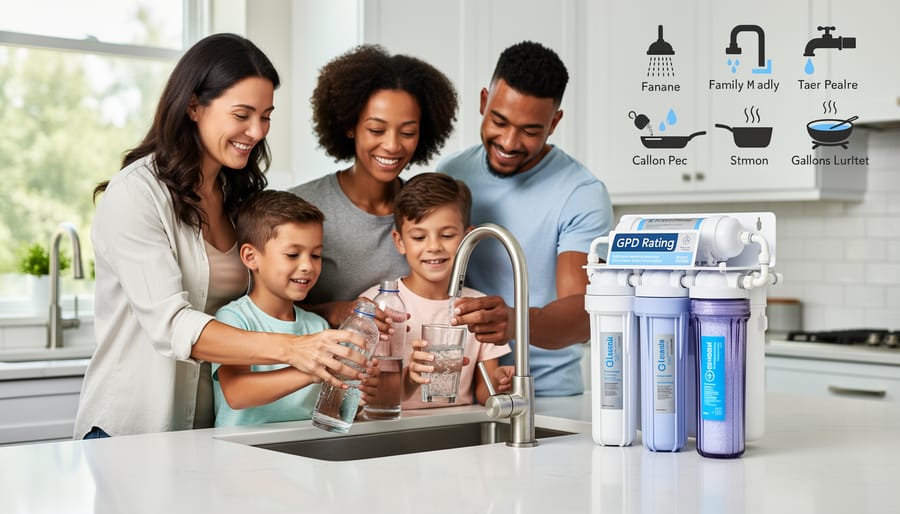
Most homeowners make the mistake of choosing a filter based on price or brand recognition without considering their actual water consumption. A family of four typically uses 3-5 gallons of drinking and cooking water daily, but that number jumps if you’re filling water bottles, brewing coffee, washing produce, or cooking pasta. Selecting the right system starts with calculating your household’s realistic water needs, not guessing.
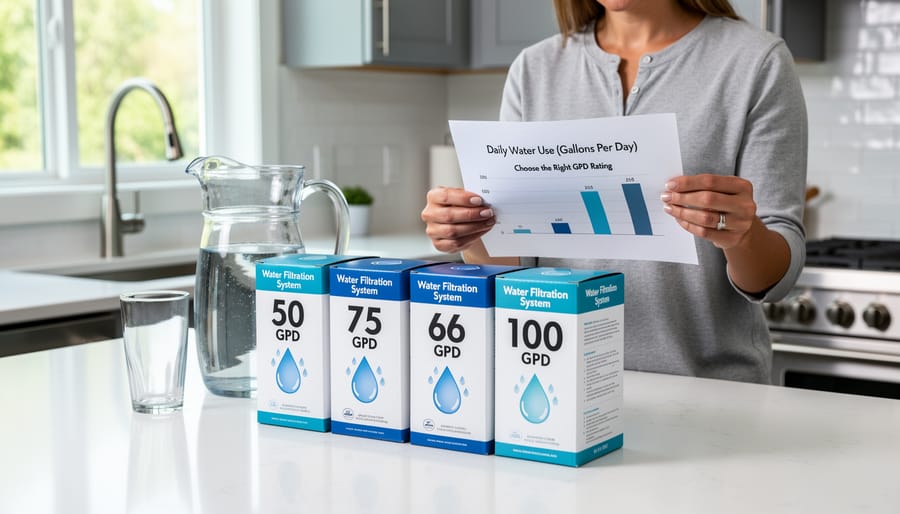
GPD ratings range dramatically. You’ll find compact units producing 50 GPD, mid-range systems at 75-100 GPD, and high-capacity models pushing 150 GPD or more. Here’s the catch: these numbers assume ideal conditions. Water temperature, pressure, and source water quality all affect actual output. A 75 GPD system might only deliver 50 gallons when your water pressure drops or temperatures fall below 77°F.
The connection between GPD and your daily routine matters more than you might think. Run out of filtered water mid-afternoon, and you’re either waiting hours for your storage tank to refill or drinking unfiltered tap water. Choose too large a system, and you’re paying for capacity you’ll never use while wasting water through the drain line during production.
This guide breaks down exactly how GPD works, what capacity your household truly needs, and how to match technical specifications with real-world performance.
What GPD Actually Means for Your Water Filter
When you’re shopping for a water filtration system, GPD is one of the most important numbers you’ll encounter. GPD stands for “gallons per day,” and it tells you exactly how much filtered water your system can produce in a 24-hour period.
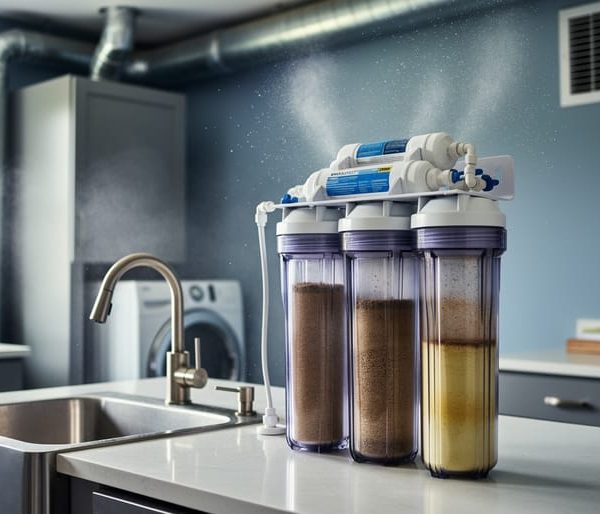
Here’s how it works in practice. A reverse osmosis system rated at 50 GPD doesn’t mean you can fill a 50-gallon drum instantly. Instead, it measures the system’s production capacity over an entire day. That 50 GPD system produces roughly 2 gallons per hour, or about 0.03 gallons per minute. The process is slow because water needs time to pass through multiple filtration stages, especially the semi-permeable membrane in reverse osmosis systems.
Understanding this rate matters because it directly impacts how your household uses filtered water. If you have a 50 GPD system and suddenly need to fill several large water bottles, cook a big pot of pasta, and run the dishwasher all at once, you might drain your system’s storage tank faster than it can refill. This is why most under-sink systems include a storage tank that holds 2 to 4 gallons of pre-filtered water, ready for immediate use.
The GPD rating also depends on specific testing conditions. Manufacturers calculate GPD based on ideal scenarios: usually 77-degree water at 60 PSI of water pressure. Real-world conditions vary. Colder water slows down the filtration process, while lower water pressure reduces output. You might get less than the advertised GPD if your home has low pressure or if you live in a colder climate.
Think of GPD as your system’s daily budget for clean water. A family of four typically uses 2 to 3 gallons of drinking and cooking water per day. A 50 GPD system easily handles this demand with capacity to spare. Choosing the right GPD rating means matching your system’s production speed to your household’s actual consumption patterns.
Matching GPD Capacity to Your Household’s Water Needs
Small Households and Apartments
For smaller living spaces and couples, a 50 to 75 GPD reverse osmosis system typically handles daily needs with room to spare. Consider that a single person uses about 8 to 10 gallons of drinking and cooking water per week. Two people sharing a one-bedroom apartment might use 15 to 20 gallons weekly.
These compact systems fit easily under most kitchen sinks and work quietly in the background. You’ll have enough filtered water for morning coffee, meal prep, and filling reusable bottles without running out. A 50 GPD filter produces roughly 2 gallons per hour, which means your storage tank refills while you’re at work or sleeping.
Countertop filtration units offer another eco-friendly option for small households, though they generally provide lower GPD rates. These portable systems work well for renters who can’t install permanent fixtures. The trade-off is slower filtration, but for minimal daily use, they get the job done.
Most entry-level reverse osmosis systems in this range cost between $150 and $300, making them an accessible starting point for improving your water quality. Storage tanks usually hold 2 to 3 gallons, giving you immediate access to filtered water during peak usage times.
Average Family Homes
For a typical family of three to five people, you’ll generally need a reverse osmosis system with a capacity between 50 and 100 GPD. This range accounts for the everyday water demands of a busy household: drinking water, cooking, beverage preparation, and potentially some light food washing.
Consider your family’s actual water usage patterns. A household with multiple bathrooms, frequent cooking, and kids filling water bottles throughout the day will push closer to that 100 GPD threshold. The morning rush alone can drain a smaller tank quickly when everyone’s making coffee, filling thermoses, and preparing breakfast simultaneously.
Most families find that a 75 GPD system provides a comfortable middle ground. This capacity ensures your storage tank refills efficiently between peak usage times without leaving anyone waiting for filtered water. Keep in mind that reverse osmosis systems work continuously throughout the day, slowly filling a storage tank rather than filtering on demand like a pitcher.
If your family regularly entertains guests or you plan to use filtered water for laundry or plant watering, sizing up to 100 GPD makes practical sense. The modest price difference between capacity levels is often worth the peace of mind, especially as these systems represent a long-term investment in your home’s water quality and your family’s health.
Large Families and High-Demand Situations
If you’re running a household of five or more people, your water needs spike considerably. A standard 50 GPD system that works fine for a couple will leave a large family rationing their filtered water for drinking, cooking, and food prep. You’ll want to look at systems in the 75-100 GPD range as a baseline for larger households.
Think about your actual consumption patterns. Large families often go through multiple gallons daily just for drinking water, especially during summer months. Add in washing fruits and vegetables, filling water bottles for school and sports, making coffee and tea, and cooking pasta or rice. The numbers climb quickly. A 100 GPD system produces roughly 4 gallons per hour, giving you enough buffer for peak usage times without depleting your storage tank.
Homes that frequently host guests or run small businesses need similar consideration. If you regularly entertain or have extended family visiting, plan for those surge periods. The same applies if you’re using filtered water for aquariums, humidifiers, or pet water fountains.
Here’s a practical benchmark: households using more than 10 gallons of filtered water daily should seriously consider systems rated at 100 GPD or higher. Some newer systems even reach 400-600 GPD, designed specifically for high-demand scenarios. These higher-capacity units incorporate innovative membrane technology that maintains efficiency while scaling up production, reducing water waste compared to running multiple smaller systems.
Common GPD Ratings Across Different Filtration Systems
Understanding GPD ratings helps you match a filtration system to your household’s actual water needs. Different types of water filters serve different purposes, and their flow rates reflect those specialized roles.
Point-of-use systems like pitcher filters typically don’t use GPD ratings since they work on a batch basis. You fill them and wait. But once you move to installed systems, GPD becomes your essential sizing metric.
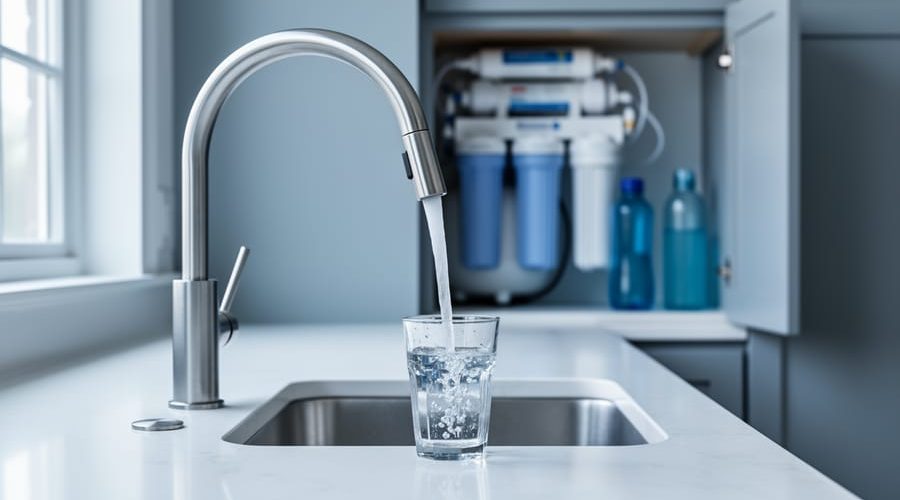
Under-sink reverse osmosis systems usually fall in the 50 to 100 GPD range. A 50 GPD unit is the most common, providing enough filtered water for drinking and cooking in an average household of three to four people. These systems work slowly but store filtered water in a small tank, so you have ready access when you need it. If you have a larger family or use filtered water for pets and plants, a 75 or 100 GPD model makes more sense.
Countertop and faucet-mounted filters operate differently. They filter on demand rather than storing water, so they need higher flow rates. These typically range from 0.5 to 0.75 gallons per minute, which translates to roughly 720 to 1,080 GPD if you converted the rating. That’s significantly faster than RO systems because they use simpler filtration methods like carbon blocks or ceramic filters.
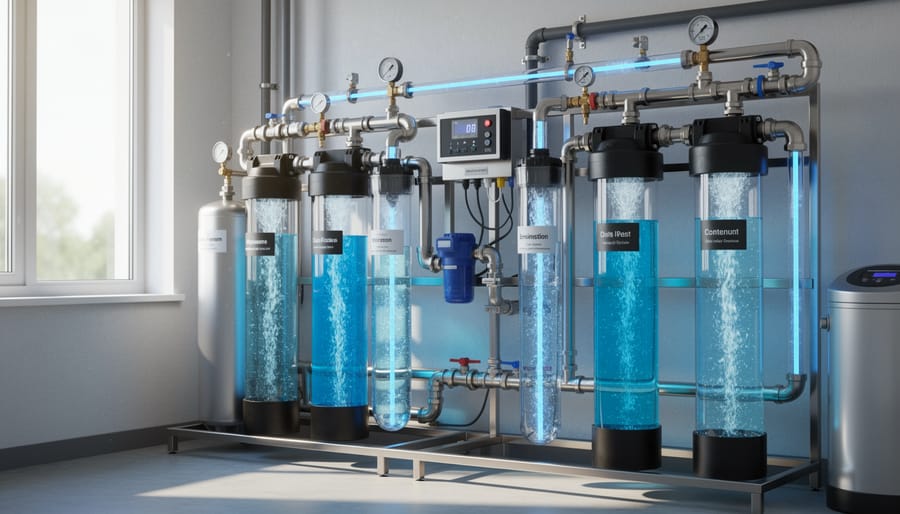
Whole house filtration systems handle all the water entering your home. They need much higher capacities. Most residential whole house filters range from 10 to 20 gallons per minute, equivalent to 14,400 to 28,800 GPD. These systems filter water for showers, laundry, toilets, and every faucet in your house simultaneously.
For specialized applications, you’ll find different ranges. Refrigerator water filters typically produce around 200 to 300 GPD when converted from their per-minute ratings. Alkaline and remineralization filters often operate in the 75 to 150 GPD range, balancing thorough filtration with the additional treatment stages.
Climate and household size dramatically affect which GPD rating works best. A family of two in a temperate climate might find a 50 GPD under-sink system perfectly adequate. But a family of six in Arizona, where people naturally drink more water, would quickly drain that same system. You’d want at least 75 GPD, possibly 100.
The key is matching the system’s output to your peak daily consumption, not your average use. Your filter should handle those hot summer days or weekend gatherings without leaving anyone waiting for filtered water.
What Happens When Your GPD Rating Falls Short
When a water filtration system’s GPD rating doesn’t align with your household’s daily water consumption, several problems can quickly surface. The most immediate issue you’ll notice is reduced water pressure at your faucets and showerheads. This happens because the filter can’t process water fast enough to meet demand, creating a bottleneck that affects your entire plumbing system. Running a load of laundry while someone showers becomes frustrating when the water flow slows to a trickle.
Beyond inconvenience, undersized filters face another critical problem: incomplete filtration. When you demand more water than the system can properly process, water rushes through the filtration media too quickly. This high-speed passage means contaminants don’t have adequate contact time with the filter elements, allowing chlorine, sediment, and other pollutants to slip through. You’re essentially paying for filtered water but receiving only partially treated supply.
The filter itself suffers too. Inadequate filtration capacity forces the system to work overtime, processing water at maximum capacity for extended periods. This constant strain accelerates wear on filter cartridges and membranes, leading to premature filter degradation. Instead of lasting six months or a year, your filters might need replacement every two or three months, dramatically increasing your maintenance costs.
Some homeowners attempt to compensate by reducing their water usage, but that’s not a sustainable solution. You shouldn’t need to schedule showers around dishwasher cycles or avoid running multiple faucets simultaneously. The better approach is matching your filter’s GPD rating to your actual needs from the start, preventing these cascading problems before they begin.
GPD Efficiency and Environmental Impact
Choosing a water filtration system with the appropriate GPD rating does more than ensure you have enough clean water for daily needs. It directly impacts your environmental footprint and supports a more sustainable household.
Systems with overly high GPD capacities waste resources in multiple ways. Reverse osmosis filters, for instance, produce wastewater as part of the purification process. A 50 GPD system running at full capacity might discharge three to four gallons of water for every gallon of purified water it produces. If you select a 100 GPD system but only need 50 gallons daily, you’re essentially doubling your wastewater output without gaining any practical benefit. That’s thousands of gallons sent down the drain each year.
Right-sizing your system helps minimize this waste. A family of four typically uses 20-30 gallons of filtered water daily for drinking and cooking. Installing a 50 GPD system rather than a 100 GPD unit cuts your environmental impact nearly in half while still meeting household needs comfortably.
Energy consumption matters too. Larger capacity systems require more power to operate pumps and maintain water pressure. Over the 5-10 year lifespan of a typical filter, the energy savings from a properly sized unit add up considerably.
There’s also the question of filter replacement. Oversized systems cycling through water you don’t actually use means replacing membranes and cartridges on schedule even though they haven’t reached their true filtering capacity. This creates unnecessary plastic waste and increases the carbon footprint associated with manufacturing and shipping replacement parts.
The most eco-friendly choice aligns your actual water consumption with your system’s production capacity. Calculate your household’s daily filtered water needs, then select a GPD rating that matches. This practical approach reduces waste, conserves energy, and demonstrates how small decisions in home water management contribute to broader environmental stewardship.
Making Smart GPD Decisions for Long-Term Value
Choosing the right GPD capacity requires thinking beyond your immediate needs. A family planning to expand or expecting teenagers to return home during college breaks should size up rather than barely meeting current demand. Your water usage patterns will likely change over the next five to ten years, and under-sizing your system now means facing replacement costs sooner than necessary.
The long-term value of your filtration system depends on more than just the sticker price. A 50 GPD system might cost less upfront than a 100 GPD model, but if it struggles to keep up with your household’s actual consumption, you’ll experience slower recovery times and potential system strain. This can lead to premature filter replacements and reduced efficiency. Calculate your true daily water needs and add a 20-30% buffer for peak usage days.
Sustainability should factor into your decision too. Oversized systems waste water during the filtration process, while undersized ones run constantly and wear out faster, creating unnecessary waste. Modern reverse osmosis systems with permeate pumps offer better efficiency across various GPD ratings, reducing water waste while maintaining performance. Consider certified models that meet WaterSense or NSF standards for both filtration quality and resource efficiency.