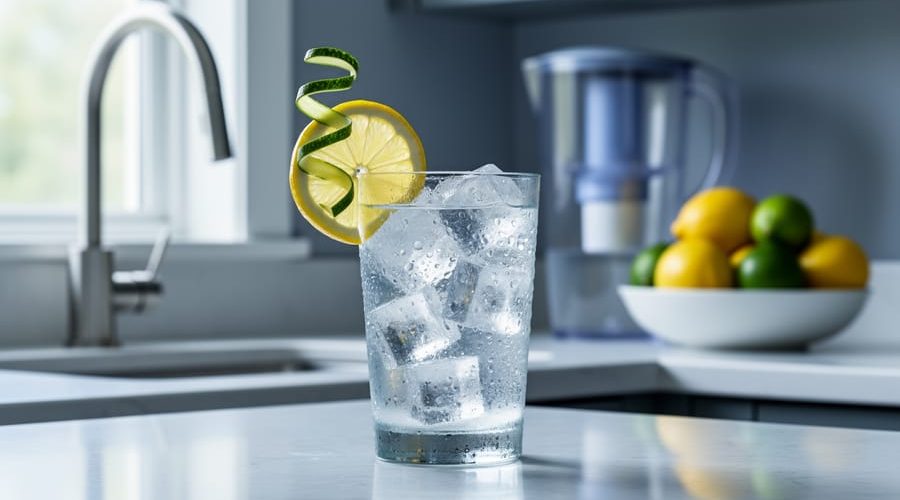
Add fresh lemon, lime, or cucumber slices to transform plain water into something refreshing without artificial sweeteners or chemicals. The natural oils and subtle flavors mask any unpleasant mineral tastes while keeping your drink completely healthy and hydrating.
Chill your water to near-freezing temperatures, as cold significantly dulls taste receptors on your tongue. Many people who dislike room-temperature water find ice-cold water perfectly drinkable, making this the simplest immediate fix that requires no special ingredients or equipment.
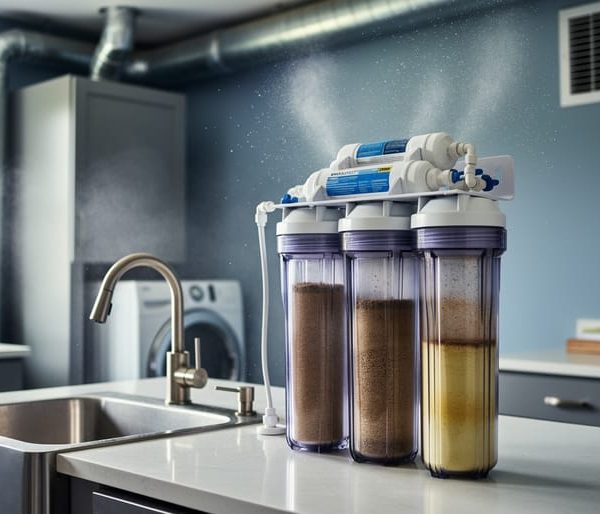
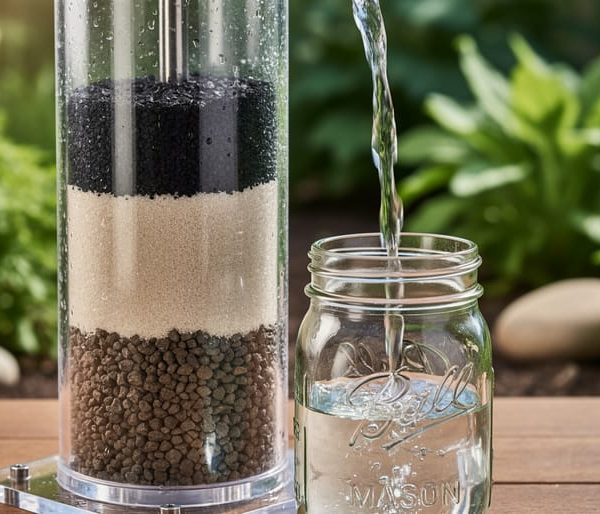
Invest in a quality carbon filtration pitcher or faucet attachment to remove chlorine, sulfur compounds, and metallic minerals that create off-putting flavors. Most tap water tastes unpleasant due to treatment chemicals and dissolved minerals rather than the water itself, and a basic filter eliminates these culprits for just pennies per gallon.
Try sparkling or carbonated water if you find still water boring or flat-tasting. The bubbles add texture and a slight tang that many people find more interesting and easier to drink in large quantities throughout the day.
Your dislike of water’s taste is completely valid and surprisingly common. The good news? This challenge has multiple solutions that don’t involve forcing down something unpleasant or resorting to sugary drinks that work against your hydration goals. Whether your tap water tastes metallic, chlorinated, or simply boring, understanding what causes these flavors and how to fix them will transform your relationship with hydration. You’ll discover that “plain water” doesn’t have to mean tasteless or unpleasant water, and staying properly hydrated can become effortless rather than a daily struggle.
Why Your Water Tastes Bad (It’s Not Just You)
The Chlorine Problem
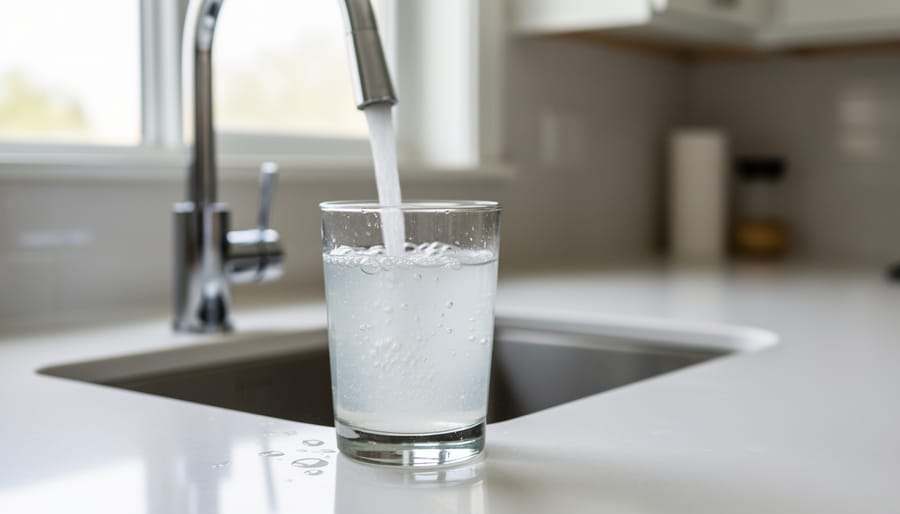
If you’ve ever wondered why your tap water tastes like a swimming pool, you’re detecting chlorine. Water treatment facilities add chlorine to municipal water sources as a disinfectant to eliminate harmful bacteria and pathogens. This practice has virtually eliminated waterborne diseases in developed countries and is a crucial public health measure. While chlorine levels in drinking water are carefully regulated and considered safe by health authorities, the taste and smell can be off-putting to many people.
The interesting part is that sensitivity to chlorine’s taste varies significantly from person to person. Some individuals have more sensitive taste receptors that pick up even low concentrations of chlorine, while others barely notice it. Additionally, chlorine levels can fluctuate seasonally, with water utilities sometimes increasing chlorination during warmer months when bacterial growth is more active. Factors like your home’s distance from the treatment plant and the age of your plumbing can also affect how much chlorine you taste. Understanding that chlorine serves an important purpose while acknowledging your legitimate taste concerns is the first step toward finding solutions that work for your household.
Hard Water and Mineral Content
If your water tastes chalky, bitter, or just “off,” dissolved minerals are likely the culprit. Hard water contains higher concentrations of calcium, magnesium, and sometimes iron, which create that distinctive mineral taste many people find unpleasant. These naturally occurring minerals enter your water supply as it flows through rock and soil before reaching your tap.
Water hardness varies dramatically by region. Areas with limestone-rich geology, common in the Midwest and Southwest United States, typically have harder water. Coastal regions and areas with granite bedrock often enjoy softer water with fewer dissolved minerals. Your local water utility’s annual quality report can tell you exactly how hard your water is, measured in grains per gallon or parts per million.
That metallic aftertaste you notice? It might be higher iron content, particularly common in well water. The “flat” or slightly bitter taste often comes from excessive calcium carbonate. While these minerals aren’t harmful and actually provide some nutritional benefits, they significantly impact flavor.
The good news is that modern water filtration technology offers eco-friendly solutions. Reverse osmosis systems remove up to 99% of dissolved minerals, while activated carbon filters reduce mineral taste at a lower cost. Even simple pitcher filters can noticeably improve hard water’s palatability, making hydration more enjoyable without relying on bottled water.
Old Pipes and Metallic Flavors
If your tap water tastes metallic or rusty, your home’s pipes might be the culprit. Older plumbing systems, particularly those with galvanized steel or aging copper pipes, can leach minerals into your water as they corrode over time. When pipes deteriorate, iron, copper, and zinc particles dissolve into the water supply, creating that unpleasant metallic flavor you’re tasting.
Homes built before the 1960s are especially prone to this issue. Even if your municipality treats water to high standards, the journey from street to faucet through degraded pipes can compromise taste. Morning water often tastes worse because metals accumulate overnight while water sits stagnant in pipes.
You can identify this problem by running your tap for a minute. If the taste improves, your household plumbing is likely responsible. A simple water test kit can confirm the presence of elevated metal levels. Consider installing a point-of-use filtration system or, for a more permanent eco-friendly solution, consult a plumber about pipe replacement with modern, taste-neutral materials.
Quick Fixes: Making Water More Palatable Right Now
Temperature Makes a Difference
Temperature significantly impacts how water tastes to our palates. Cold water, typically between 50-55°F, tastes more refreshing because it numbs taste receptors slightly, masking any mineral flavors or subtle tastes you might find unpleasant. Warmer water allows these flavors to become more pronounced, making it less appealing if you’re already sensitive to water’s taste.
To keep your water consistently chilled, invest in an insulated reusable bottle that maintains cold temperatures for hours, reducing plastic waste while improving your drinking experience. Fill ice cube trays with filtered water to avoid diluting your drink with tap water that might contain the flavors you dislike. For home use, keep a glass pitcher in the refrigerator so cold water is always available. You can also freeze water bottles partially and refill them, creating a slow-melting ice core that keeps your water cold throughout the day. This simple temperature adjustment often makes the biggest difference for people struggling with water’s taste.
Natural Flavor Enhancers
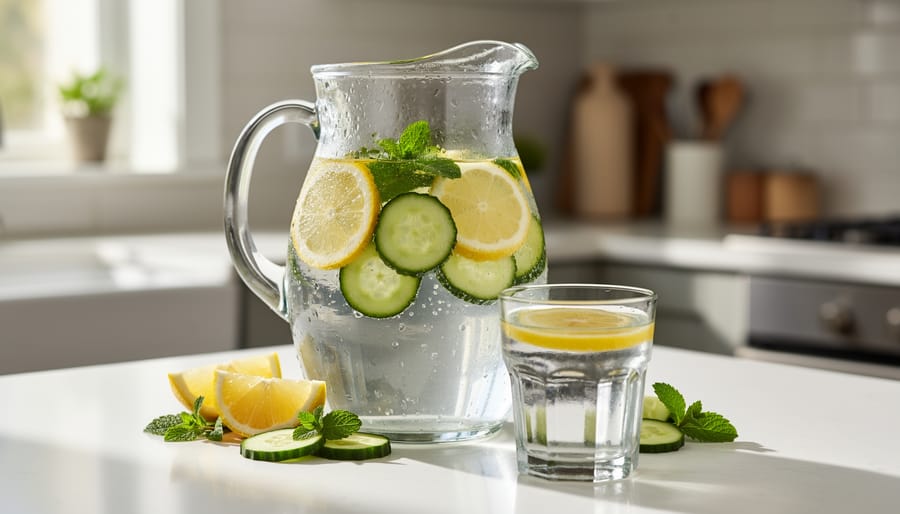
The simplest way to make water more enjoyable is adding fresh, natural ingredients that transform plain water into something refreshing. This approach costs pennies per glass and eliminates the need for store-bought flavored drinks that often contain sugar or artificial additives.
Start with citrus fruits like lemon, lime, or orange slices. These add bright flavors while providing vitamin C and helping to neutralize any metallic or chlorine tastes you might detect in tap water. Simply drop a few slices into your glass or pitcher and let them infuse for 10-15 minutes.
Cucumber and mint create a spa-like refreshment that’s particularly effective at masking off-putting flavors. The cucumber adds subtle sweetness while mint provides a cooling sensation that makes water feel more interesting to drink. Fresh berries like strawberries or blueberries work similarly, releasing natural sweetness as they sit in your water.
For convenience, prepare a large pitcher each morning with your chosen ingredients and keep it refrigerated. Cold temperatures naturally suppress unpleasant tastes while making the drinking experience more enjoyable. This eco-friendly approach reduces plastic waste from bottled beverages while keeping you properly hydrated. Experiment with different combinations to discover your favorites—the possibilities are endless and completely customizable to your taste preferences.
The Overnight Trick
If your tap water has a strong chlorine taste, try this simple overnight solution that requires zero equipment. Fill a pitcher or open container with tap water and leave it uncovered in your refrigerator for 8-12 hours. Chlorine is a volatile compound, meaning it naturally evaporates into the air when exposed. This eco-friendly method works because chlorine has a weak bond with water molecules and dissipates on its own at room temperature or when chilled. The larger the surface area of your container, the faster the chlorine escapes. For best results, use a wide-mouth pitcher rather than a narrow bottle. This technique won’t remove other contaminants like heavy metals or bacteria, but it effectively eliminates that swimming pool taste many people find off-putting. It’s a perfect starting point if you’re exploring why your water tastes unpleasant before investing in filtration systems. Keep the container clean and refresh your water supply every 24 hours for optimal taste and safety.
Filtration Solutions That Actually Work
Pitcher Filters: The Budget-Friendly Start
If you’re looking for an affordable entry point into better-tasting water, water filter pitchers offer an excellent starting solution. These countertop devices typically cost between $20-40 and use activated carbon filters to remove chlorine, the primary culprit behind unpleasant tap water taste. They also reduce common contaminants like copper, mercury, and some pesticides, making your water both safer and more palatable.
The main advantage is simplicity. Just fill the top reservoir, wait a few minutes, and enjoy cleaner-tasting water without installation or plumbing modifications. They’re perfect for renters, small households, or anyone testing whether filtration solves their taste concerns.
However, pitcher filters have limitations. They require filter replacements every two months, don’t remove all contaminants like fluoride or certain heavy metals, and only filter small quantities at a time. The ongoing filter costs can add up, making them less economical long-term compared to other systems.
Best use case: If you’re uncertain about committing to water quality improvements or need an immediate, low-cost solution while researching permanent options, pitcher filters provide a practical starting point for your hydration journey.
Faucet-Mounted and Under-Sink Filters
If basic pitcher filters aren’t cutting it, upgrading to a faucet-mounted or under-sink system offers significantly better taste improvement. These mid-range solutions use different filtration technologies to remove chlorine, sediment, heavy metals, and other taste-affecting contaminants more effectively than simple pitcher models.
Faucet-mounted filters attach directly to your kitchen tap and provide filtered water on demand. They’re easy to install without tools and typically cost between $20-$50, with replacement filters needed every 2-3 months. The convenience of instant filtered water makes it easier to stay hydrated when you’re not dealing with unpleasant tastes.
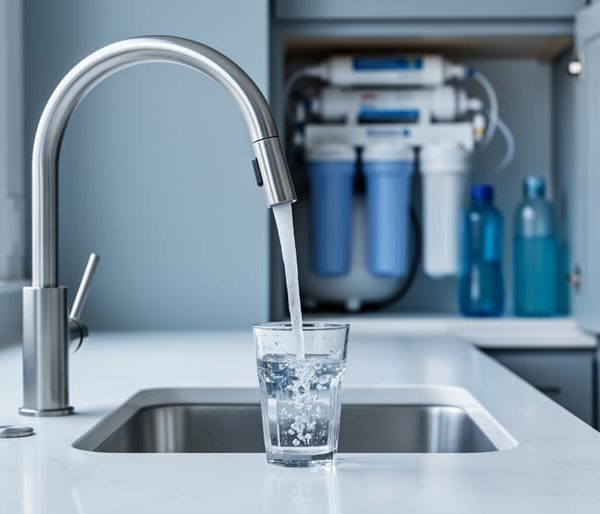
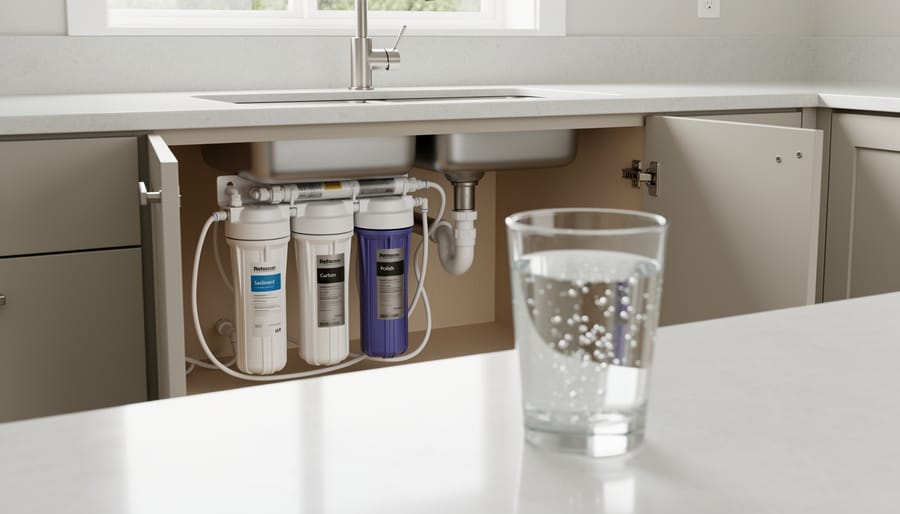
Under-sink filters offer even more comprehensive filtration and hide neatly beneath your cabinet. While installation requires a bit more effort (or a plumber’s help), these systems last longer and filter larger volumes of water. They’re particularly effective if your tap water has strong chlorine flavors or mineral tastes.
Both options reduce plastic waste compared to bottled water, aligning with eco-conscious living while delivering better-tasting water. The investment pays off quickly when you consider the cost of buying bottled water or flavored beverages to avoid tap water.
Whole House Filtration Systems
If you’re serious about transforming your water experience throughout your entire home, a whole house filtration system offers the most comprehensive solution. These systems install at your main water line entry point, treating every drop before it reaches your taps, shower, and appliances.
Unlike countertop filters that only address drinking water, whole house systems ensure great-tasting water from every faucet. This means you can confidently fill your glass anywhere in your home without that unpleasant taste you’ve been avoiding. The technology typically combines multiple filtration stages, including sediment filters, activated carbon, and sometimes advanced options like catalytic carbon or KDF media to remove chlorine, chemicals, and odors that cause bad taste.
From an eco-living perspective, these systems represent a smart investment in sustainability. By eliminating taste issues at the source, you’ll naturally reduce reliance on bottled water, cutting down on plastic waste and transportation emissions. One system can serve your household for years, filtering thousands of gallons while producing minimal waste compared to pitcher filters.
While the upfront cost is higher than portable solutions, whole house systems offer long-term value and convenience. Modern innovations have made these systems more efficient and easier to maintain, with filter changes typically needed only once or twice yearly. For homeowners committed to both better hydration and environmental responsibility, it’s a transformation worth considering.
Water Softeners vs. Filters: What You Actually Need
If you’re confused about whether you need a water softener or a filter to fix your water’s taste, you’re not alone. These two solutions tackle completely different problems, and understanding the distinction is key to solving your taste issues effectively.
Water softeners and filters serve distinct purposes in your home. Water softeners address hardness caused by minerals like calcium and magnesium. While hard water can leave a slightly metallic or mineral taste, softeners work by replacing these minerals with sodium through an ion exchange process. However, softening alone won’t remove contaminants like chlorine, lead, or bacteria that often cause the most noticeable taste problems.
Water filters, on the other hand, are your go-to solution for taste issues. They physically remove or reduce contaminants, chemicals, and impurities that affect flavor. Activated carbon filters excel at eliminating chlorine taste and odor, while more advanced systems like reverse osmosis tackle a broader range of dissolved solids and contaminants. If taste is your primary concern, filtration is almost always the answer.
Here’s a simple way to determine what you need: if your water leaves white scale on faucets and dishes, you might have hard water requiring softening. If your water simply tastes unpleasant but doesn’t leave deposits, filtration is your solution. Many households benefit from both systems working together, with softeners protecting plumbing and appliances while filters ensure great-tasting drinking water.
From an eco-living perspective, modern filtration systems offer sustainable alternatives to bottled water while delivering superior taste. Look for systems with replaceable filters rather than single-use cartridges, and consider point-of-use filters for drinking water rather than whole-house systems to minimize waste and energy consumption. The right solution depends on your specific water chemistry, but for taste improvement, filtration should be your first consideration.
Test Your Water Before You Invest
Before you invest in water filtration solutions or flavoring products, it’s worth understanding exactly what’s causing your water to taste unpleasant. Testing your water gives you targeted information that helps you choose the most effective and cost-efficient solution rather than guessing.
Start by accessing your municipal water report, also called a Consumer Confidence Report. Your local water utility must provide this annual report, which details contaminant levels and treatment methods. You can typically find it on your city’s website or request a copy by phone. While these reports show what leaves the treatment plant, they don’t account for issues that develop in your home’s plumbing, like pipe corrosion or buildup.
For a more accurate picture of what’s actually coming from your tap, DIY water test kits offer an affordable starting point. Basic kits testing for chlorine, pH, hardness, and common metals cost between fifteen and forty dollars at hardware stores or online retailers. These simple strip tests take just minutes and can identify obvious culprits behind bad taste. More comprehensive home test kits ranging from fifty to one hundred fifty dollars can detect pesticides, bacteria, and heavy metals.
If you suspect serious contamination or want professional-grade accuracy, certified laboratory testing provides the most thorough analysis. Many state-certified labs offer homeowner testing packages starting around one hundred fifty dollars. You collect samples following their instructions and mail them for detailed analysis.
Understanding your water’s specific issues helps you avoid wasting money on solutions that won’t address your actual problem. For example, if hard minerals cause your taste issues, a simple carbon filter won’t help, but knowing this directs you toward water softening options instead. Testing transforms your approach from trial-and-error to targeted problem-solving, ultimately saving you time and money.
The Environmental Case for Loving Your Tap Water
Here’s something that might surprise you: Americans use approximately 50 billion plastic water bottles every year, and sadly, only about 23% get recycled. The rest end up in landfills or, worse, our oceans and natural environments. If you’ve been reaching for bottled water because tap water just doesn’t taste right, you’re not alone—but there’s a better way forward.
When you solve your tap water taste issues at home, you’re making a significant environmental choice. Each reusable bottle you fill from your tap instead of buying single-use plastic prevents roughly 156 bottles from entering the waste stream annually. That’s per person. For a family of four, we’re talking about over 600 bottles kept out of landfills each year.
The beauty of exploring bottled water alternatives through home filtration is that it aligns perfectly with sustainable living without requiring sacrifice. Modern water filtration systems remove the compounds causing unpleasant tastes while delivering fresh, clean water on demand. You’re not compromising on quality or convenience—you’re actually improving both while reducing your environmental footprint.
Consider the complete lifecycle of bottled water: petroleum extraction for plastic production, manufacturing energy, transportation emissions, and disposal challenges. A quality home filtration system eliminates all of these concerns. Plus, the cost savings are substantial. The average American family spends over $500 annually on bottled water, while even premium filtration systems pay for themselves within months.
By addressing your tap water taste concerns with the right filtration solution, you’re voting for sustainability with every glass you pour. You’re proving that eco-conscious living doesn’t mean settling for less—it means choosing smarter solutions that benefit both your household and the planet.
Finding water enjoyable to drink doesn’t have to be complicated. Start with the easiest solutions first: adding natural fruit slices, trying different temperatures, or experimenting with sparkling water. These simple adjustments can make an immediate difference in your daily hydration habits without any significant investment.
For lasting improvements, consider addressing the root cause through water filtration. Whether you choose a basic pitcher filter or invest in a whole-home system, removing contaminants and minerals that affect taste transforms your tap water into something genuinely refreshing. This investment pays dividends not just in better-tasting water, but in reduced plastic waste from bottled water purchases and the peace of mind that comes with knowing exactly what you’re drinking.
Remember, staying properly hydrated with clean, great-tasting water is one of the simplest ways to support your health while making an eco-friendly choice. Every glass of filtered tap water you drink instead of reaching for bottled alternatives reduces plastic pollution and supports sustainable living. Start with one small change today, whether that’s infusing your water with cucumber or researching filtration options for your home. Your body and the planet will thank you.