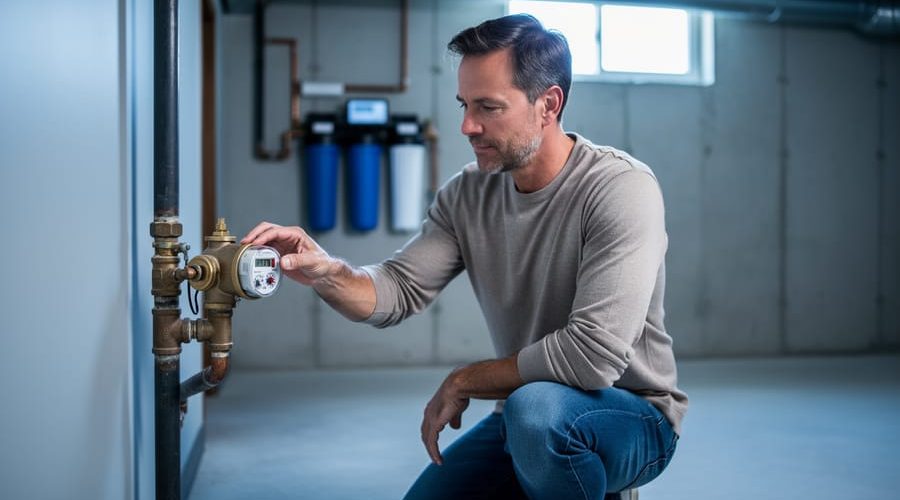
Locate your home’s water main shutoff valve by checking these primary locations: the perimeter wall closest to the street (typically in basements or crawl spaces), inside your garage near the front wall, or in a ground-level access box near your property line marked “water meter.” In warmer climates, look for an exterior valve attached to your home’s foundation or within a concrete meter box in your front yard.
Once you’ve found your main shutoff, test it by turning the valve clockwise to ensure it operates smoothly—a stuck valve during an emergency can lead to thousands in water damage. Mark this location clearly and share it with all household members, especially if you’re planning water filter installations or anticipating maintenance work that requires shutting off your water supply.
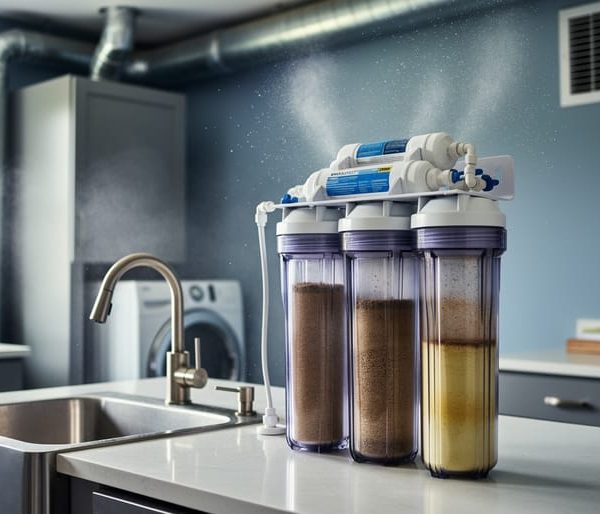
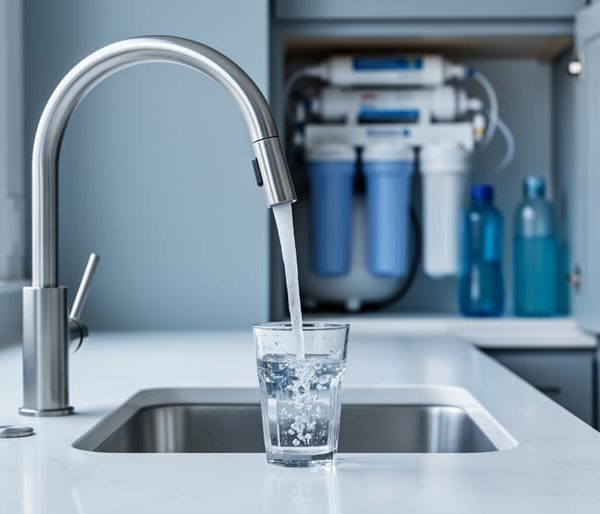
Understanding your water main location becomes particularly important when installing whole-house filtration systems or point-of-use filters. These systems require occasional maintenance, filter replacements, and sometimes emergency shutoffs if leaks develop. Knowing exactly where to cut your water supply saves precious minutes during plumbing emergencies and prevents unnecessary stress during routine filter changes.
Modern water filtration technology has made home water treatment more accessible than ever, but effective maintenance starts with this fundamental knowledge. Whether you’re upgrading to an eco-friendly filtration system or simply preparing for seasonal maintenance, familiarizing yourself with your water main location is the first step toward protecting your home and ensuring your water quality improvements function properly for years to come.
Why Your Water Main Location Matters for Filter Systems
Knowing exactly where your water main shutoff valve is located becomes especially important when you have a whole house water filtration system installed. This knowledge directly impacts how effectively you can maintain your filters and respond to potential problems.
When planning to install a whole house filter system, the location of your main water valve determines the ideal placement for your filtration equipment. Most filter systems work best when installed immediately after the main shutoff valve, allowing you to filter all water entering your home while maintaining easy access for maintenance. Understanding this relationship helps you plan installation costs and avoid expensive modifications later.
During filter maintenance or replacement, you’ll need to shut off your main water valve to work safely on the system. If your valve is difficult to access, buried under landscaping, or hidden in an inconvenient location, routine filter changes become frustrating and time-consuming tasks. This accessibility issue can lead homeowners to postpone necessary maintenance, potentially compromising water quality and allowing sediment buildup.
Emergency situations make main valve knowledge even more critical. Filter housing failures, though rare, can cause significant water leaks. In these moments, quickly locating and operating your main shutoff prevents water damage and gives you time to address the problem. Familiarizing yourself with the valve location before emergencies occur saves valuable minutes and potentially thousands in water damage.
Main valve accessibility also affects your ability to monitor and troubleshoot pressure drop issues in your filtration system. When filters become clogged, you may need to isolate the problem by shutting off water flow temporarily. Easy valve access makes this diagnostic process simpler and helps maintain optimal system performance while supporting your commitment to sustainable, high-quality home water treatment.
Where to Look: Common Water Main Locations in Homes
Inside Your Home
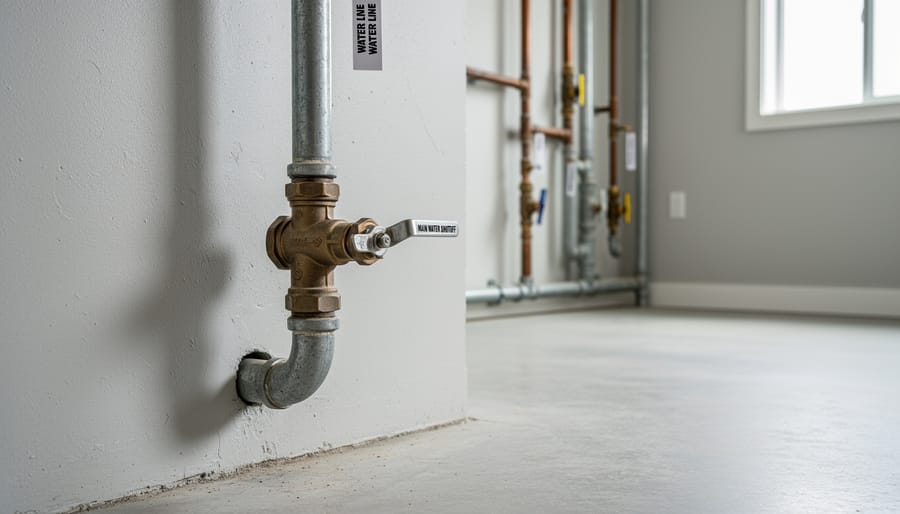
Inside your home, the water main shutoff valve typically resides in one of several predictable locations. Start your search in the basement, where you’ll usually find the valve on the wall facing the street, approximately three to five feet above the floor. Look for a pipe entering through the foundation wall—your main shutoff valve should be within a few feet of this entry point.
In homes with utility rooms, check along the perimeter walls where plumbing enters the structure. The valve often appears near your water heater, making this an excellent reference point when searching. For houses built on crawl spaces, you may need to access this area to locate the valve, though some builders install accessible shutoffs in adjacent closets or utility areas to avoid this inconvenience.
If you have a finished basement, locating the valve becomes trickier but not impossible. Check behind access panels, in mechanical rooms, or within utility closets. Many contractors install removable panels specifically for valve access during finishing work. You might also find the valve tucked behind furnace areas or near floor drains.
Knowing your valve’s exact location proves essential when installing whole-house water filtration systems or addressing filter-related leaks quickly. Once you locate it, take a photo and share its location with household members. This simple preparation step can prevent water damage during emergencies and streamline future maintenance work. Consider attaching a tag to the valve for easy identification and test it annually to ensure it operates smoothly when needed.
Outside Your Property
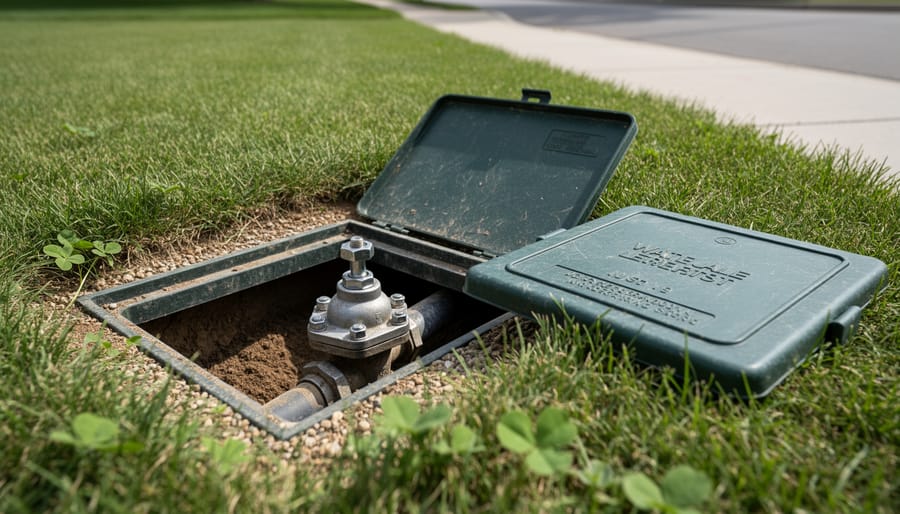
Your home’s water main extends beyond your property line, connecting to the municipal water supply through a series of access points that are important to understand. At or near the curb, you’ll typically find a valve box—a small rectangular or circular cover flush with the ground. These metal or plastic covers are usually marked with “water” or “sewer” and may be painted in utility-specific colors, though they can become obscured by grass, dirt, or landscaping over time.
The curb-side valve box provides municipal water department access to your property’s water supply. Inside, you’ll find the corporation stop valve, which controls water flow from the main line to your home. This valve sits at the property line or just inside it, marking where municipal responsibility ends and homeowner responsibility begins.
To safely inspect a valve box, first clear away any debris or overgrowth. Use a flathead screwdriver or specialized valve box key to lift the cover—never use excessive force, as corrosion may have sealed it. Once open, you might see standing water, which is normal in many areas. The valve inside features a square or pentagon-shaped nut that typically requires a special tool to turn.
Understanding this location matters for filter installation projects and water quality improvements. While homeowners generally shouldn’t operate this valve without emergency circumstances or professional guidance, knowing its location helps coordinate with plumbers during major work. This knowledge also supports your sustainable living goals by enabling faster responses to leaks, conserving water and preventing waste. Always contact your water utility before attempting any work near these municipal access points.
Regional Variations
Climate plays a crucial role in determining where your water main enters your home. In cold regions, water lines must be buried below the frost line—typically 3 to 6 feet deep—to prevent freezing and pipe bursts during winter months. This deeper placement means your main shutoff valve is often located in basements or crawl spaces. In warmer climates where freezing isn’t a concern, water mains can sit just 12 to 18 inches below ground, making shutoff valves more accessible near ground level or even outside.
Urban homes typically receive well or city water through municipal systems with standardized placement near property lines. Rural properties with well systems have more flexibility in water main positioning, though the distance from the well to your home affects placement options. These regional differences impact not only emergency access to your shutoff valve but also where you’ll install whole-house water filtration systems for optimal performance and maintenance accessibility.
Step-by-Step: How to Locate Your Water Main
Follow the Meter Method
One of the most reliable ways to locate your main water shutoff valve is to follow the path from your water meter. Start by finding your water meter, which is typically installed near the property line where municipal water enters your home. If you have city water, check the curb area, sidewalk, or front yard for a covered meter box. Once you’ve located the meter, trace the water pipe leading from it toward your house.
The main shutoff valve is usually positioned where this supply line enters your home’s foundation. Look along the exterior wall first, then move inside to check your basement, crawl space, or utility room. The pipe will generally travel the shortest distance from the meter to the house, often running parallel to the foundation. In colder climates, the valve is typically located inside to prevent freezing, while warmer regions may have it outside near the foundation wall.
This tracing method is particularly useful when planning whole-house water filter installations, as these systems are often positioned near the main shutoff for easy maintenance access. Understanding your home’s water flow path also supports more sustainable water management practices and helps you respond quickly during plumbing emergencies.
Check Your Home Inspection Report
Before you start searching your property, check if you already have helpful documentation on hand. Your home inspection report, typically provided when you purchased your house, often includes a detailed diagram showing the water main location and shutoff valve position. These reports are goldmines of information that many homeowners forget about after moving in.
If you can’t locate your inspection report, look for original building blueprints or architectural plans. These documents clearly mark plumbing infrastructure, including where the main water line enters your home. Contact your local municipality’s building department to request copies of your home’s plumbing permits or site plans on file. Most cities maintain these records and make them available to homeowners for a small fee or sometimes free of charge.
Having this information readily available saves time during emergencies and helps you plan water filtration system installations more effectively while supporting sustainable water management in your home.
When You Need Professional Help
Sometimes locating your water main requires expertise beyond a visual inspection. If you’ve checked all the common locations without success, it’s time to call for professional assistance. Contact your local water utility first, as they maintain records of service line locations and often provide free locating services. Many municipalities will mark your water main’s path from the street to your home at no charge.
A licensed plumber becomes essential when you need immediate access during emergencies or when planning major installations like whole-house water filtration systems. They have specialized equipment, including electronic pipe locators and thermal imaging cameras, to pinpoint hidden mains behind walls or under concrete. Professional help is particularly valuable in older homes where original blueprints may be outdated or unavailable.
Consider hiring a plumber if you’re planning extensive renovations, installing eco-friendly water treatment systems, or suspect your main valve is corroded and needs replacement. While there’s a service cost involved, professional assistance prevents costly mistakes and potential water damage, ultimately protecting both your home and our precious water resources through proper system maintenance.
Testing Your Main Valve (And Why It Matters for Filter Maintenance)
Once you’ve located your main water shutoff valve, it’s essential to test it regularly to ensure it functions when you need it most. A valve that hasn’t been operated in years can seize up, leaving you unable to stop water flow during emergencies or routine maintenance tasks like filter replacements.
Testing your valve is straightforward but requires care. Start by alerting everyone in your household that you’ll be temporarily shutting off the water. Turn the valve clockwise slowly until it stops, then immediately turn it counterclockwise to reopen it fully. This exercise prevents mineral buildup from locking the valve in place. Perform this test twice yearly to keep the mechanism functioning smoothly.
For homeowners with whole-house filtration systems, a working shutoff valve is your first line of defense for protecting your investment. When following your filter maintenance schedule, you’ll need to shut off water to prevent flooding and maintain proper system pressure. A malfunctioning valve during filter cartridge replacement can result in water damage, wasted water resources, and potential damage to your filtration equipment.
If your valve is difficult to turn or shows signs of leaking after testing, contact a licensed plumber immediately. Replacing a faulty valve before an emergency is far less stressful and expensive than dealing with water damage during a crisis.
Modern homes with advanced water filtration technology depend on reliable shutoff capabilities. Whether you’re installing eco-friendly filter systems or performing routine maintenance, knowing your valve works properly gives you peace of mind and protects both your home and your water quality investments. Consider this simple test part of your sustainable home maintenance routine.
Planning Filter Installation Around Your Water Main
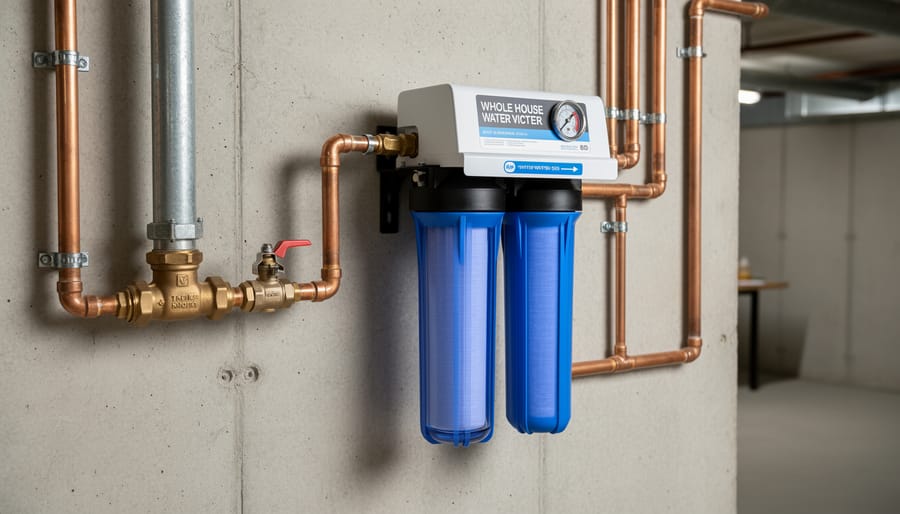
Installing a whole house water filter near your main shutoff valve requires careful planning to ensure efficiency and long-term functionality. The ideal location is directly after the main valve, but before the water meter if your utility company allows it. This positioning lets you shut off water quickly during filter changes while protecting your entire home’s water supply.
When planning your installation, maintain at least 12 inches of clearance around the filter housing for easy cartridge replacement. Most filters require vertical installation, so verify your ceiling height accommodates the unit plus the space needed to remove filter cartridges. Consider installing a separate shutoff valve specifically for the filter system, creating an isolated section that won’t require shutting down your whole house during maintenance.
Check local plumbing codes before installation, as some jurisdictions mandate specific distances from the main valve or require backflow prevention devices. Proper filter placement also means accounting for drainage access in case of leaks and ensuring adequate lighting for maintenance tasks.
For eco-conscious homeowners, minimize material waste by measuring precisely before cutting pipes and consider using lead-free brass fittings. Install a pressure gauge after the filter to monitor flow resistance, helping you identify when cartridges need replacement before they become inefficient. A drip pan beneath the filter housing prevents water damage and allows you to catch small leaks early, extending your system’s lifespan while protecting your home’s foundation from unnecessary water exposure.
Knowing the exact location of your house water main is a fundamental aspect of responsible homeownership that directly impacts your ability to maintain a safe, efficient home. This simple knowledge empowers you to respond quickly during plumbing emergencies, perform essential maintenance on your water filtration systems, and ultimately take control of your household’s water quality. By locating and clearly labeling your main shutoff valve today, you’re investing just a few minutes that could save you thousands of dollars in potential water damage and ensure uninterrupted access to clean, filtered water for your family.
Beyond emergency preparedness, understanding your home’s water infrastructure supports sustainable water management practices. When you know where water enters your home and how to control that flow, you’re better equipped to monitor water usage, detect potential leaks early, and make informed decisions about water conservation and filtration upgrades. This proactive approach aligns perfectly with eco-conscious living principles, reducing waste and maximizing the efficiency of your water treatment systems. Take action now to locate your water main, share this knowledge with household members, and integrate it into your regular home maintenance routine for lasting peace of mind.