Assess your water quality first by testing for common mobile home issues like sediment buildup from aging pipes, metallic taste from corroded plumbing, and contaminants specific to well water if you’re not on municipal supply. Purchase an EPA-certified home testing kit or request a free water quality report from your local utility to identify exactly which problems need solving before investing in equipment.
Measure your available installation space carefully, since mobile homes typically offer 18-24 inches under sinks compared to 30+ inches in traditional homes. Compact point-of-use systems that mount horizontally or vertically work best, while whole-house systems may require creative external placement near your water line entry point or in climate-controlled storage areas.
Calculate your actual water usage to avoid oversizing systems that waste money and undersizing ones that reduce water pressure. Mobile homes average 40-60 gallons per person daily, meaning a family of four needs treatment systems rated for at least 200 gallons per day to maintain adequate flow through smaller diameter pipes common in manufactured housing.
Prioritize systems with easily accessible filter changes, because mobile home plumbing configurations often make maintenance challenging. Look for units with front-facing cartridges, clear filter housings that show when replacement is needed, and long-lasting media that requires servicing every 6-12 months rather than monthly. This practical approach ensures your water stays clean without becoming a burden, while reducing plastic waste from frequent filter disposal and supporting sustainable household practices that benefit both your family and the environment.
The Unique Water Challenges in Mobile Homes
Plumbing Material Vulnerabilities
Mobile homes often feature unique plumbing configurations that directly impact water quality and treatment effectiveness. PEX (cross-linked polyethylene) tubing has become the standard in modern mobile homes due to its flexibility, freeze resistance, and easy installation in tight spaces. While PEX is generally safe, it can occasionally leach trace chemicals during the first few months after installation, making proper flushing and quality treatment systems especially important for newer mobile homes.
Older mobile homes from the 1970s and 1980s frequently contain galvanized steel or copper pipes that present distinct challenges. Galvanized pipes corrode over time, releasing iron, zinc, and lead particles into your water supply. This corrosion creates rusty discoloration and metallic tastes while reducing water pressure. Copper pipes, though more durable, can leach copper into acidic or soft water, potentially causing blue-green staining on fixtures.
Understanding your plumbing materials helps you select appropriate water treatment solutions. Whole-house filtration systems work best with PEX installations, while homes with aging metal pipes benefit from treatment systems that address heavy metals and sediment. Regular testing becomes crucial, as corroded pipes continuously introduce contaminants that even the best treatment systems must work harder to remove. Consider professional pipe replacement alongside treatment installation for optimal long-term water quality.
Space and Installation Limitations
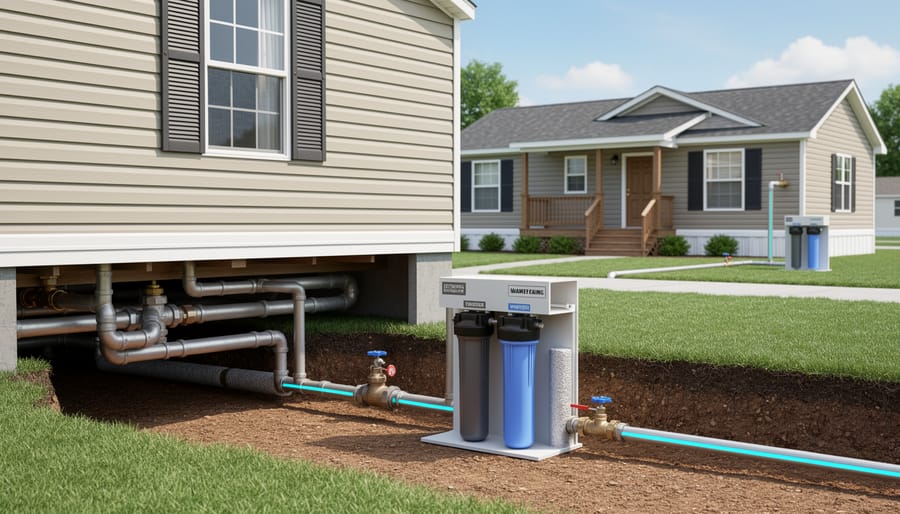
Mobile homes present unique spatial challenges that significantly influence water treatment system selection. Unlike traditional homes with spacious basements or utility rooms, mobile homes typically feature compact areas beneath the unit or small closets for water equipment. Understanding these limitations upfront helps you choose systems that work with your home’s design rather than against it.
The crawl space beneath most mobile homes averages just 18 to 36 inches in height, making installation and future maintenance more complex. This confined environment restricts both the physical size of equipment you can install and technician access for repairs. Point-of-use systems mounted under sinks or compact tankless options often prove more practical than whole-house systems requiring large tanks. When evaluating systems, consider not just installation but ongoing filter changes and servicing requirements.
Structural considerations matter significantly in mobile homes. The floor joists and frame weren’t designed to support the same weight as traditional home foundations. A standard water softener tank filled with water and salt media can weigh several hundred pounds, potentially stressing floor structures if improperly positioned. Always verify that your chosen location can handle the system’s full weight, and consult with a mobile home specialist if you’re uncertain.
Wall mounting presents another consideration, as mobile home walls differ from stick-built construction. Securing heavier filtration systems requires finding appropriate attachment points that won’t compromise exterior siding or insulation. Fortunately, innovative compact designs specifically engineered for tight spaces have emerged, offering effective treatment without the bulk. These space-saving solutions deliver clean water while respecting your home’s structural realities.
Types of Water Treatment Systems That Work in Mobile Homes
Under-Sink Filtration Systems
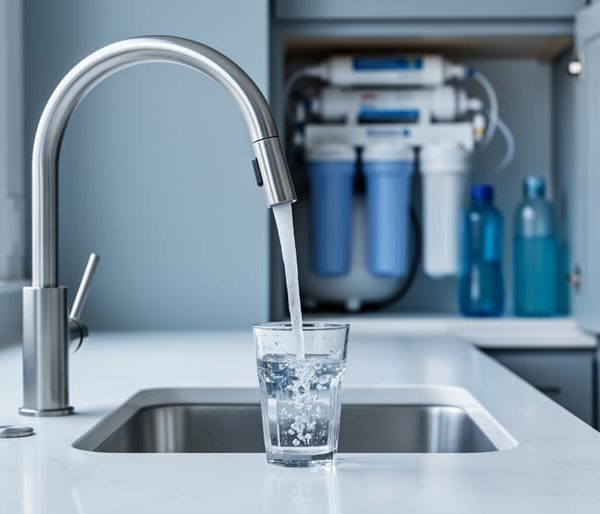
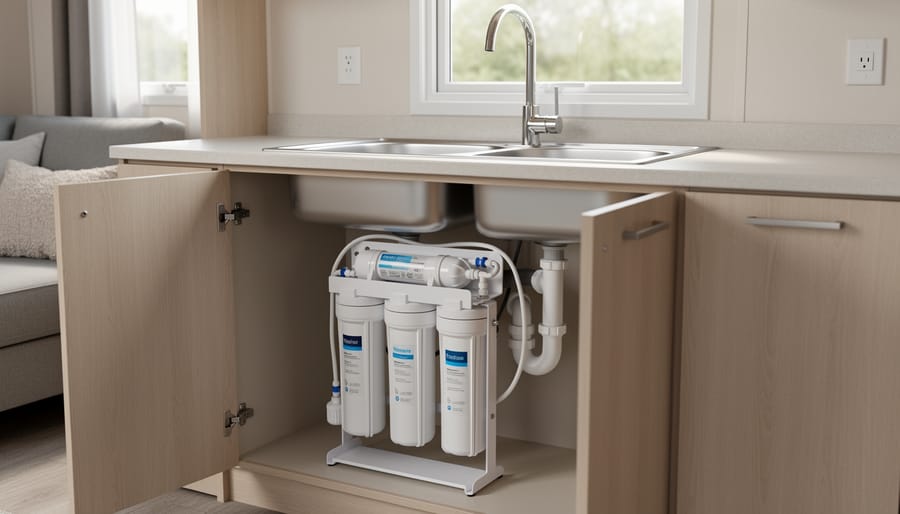
Under-sink filtration systems offer mobile homeowners an excellent space-saving solution that delivers clean drinking water right at the tap. These compact point-of-use systems fit neatly in the limited cabinet space beneath your kitchen sink, making them ideal for smaller living areas.
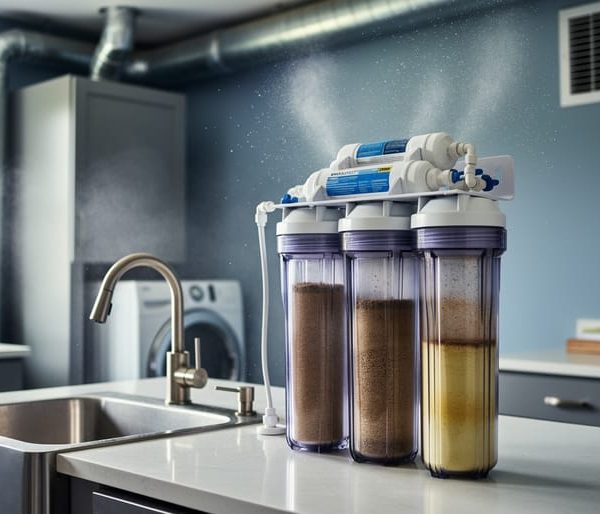
Reverse osmosis units are among the most popular choices, removing up to 99% of contaminants including lead, chlorine, and dissolved solids. These systems typically include a storage tank and multiple filtration stages. Multi-stage carbon filters provide another effective option, combining sediment removal with activated carbon to eliminate odors, chemicals, and improve taste without requiring electricity.
Installation in mobile homes requires some special considerations. Check that your cabinet space can accommodate the system dimensions and storage tank. Ensure adequate water pressure, as most systems need at least 40 PSI to function properly. You may need a booster pump if your mobile home has lower pressure. Connection to existing plumbing is straightforward but verify that your sink configuration allows for the dedicated faucet most systems require.
These systems represent a smart investment for mobile homeowners seeking sustainable, long-term water quality improvement without taking up valuable living space or requiring extensive modifications to your home.
Whole-Home Systems for Mobile Homes
Selecting the right whole-home system for your mobile home requires understanding your unique space and plumbing considerations. Unlike traditional houses, mobile homes typically feature smaller utility areas and different pipe configurations, making proper system selection essential for both performance and longevity.
When choosing a whole-house filter or water softener, start by determining your flow rate requirements. Most mobile homes need systems that can handle 8-12 gallons per minute, depending on the number of bathrooms and occupants. Measure your available installation space carefully, as compact models designed specifically for tight areas often work best in mobile home utility closets or exterior installations.
Space-saving tankless water softeners and slim-profile whole-house filters are particularly well-suited for mobile homes. These modern systems deliver full-home coverage without monopolizing valuable square footage. Look for units with dimensions under 10 inches wide that can fit alongside existing water heaters or under sinks.
Installation typically involves connecting the system to your main water line before it branches to individual fixtures. Many mobile home owners successfully install these systems themselves using basic plumbing tools, though consulting a professional ensures proper integration with your home’s existing infrastructure. Always verify that your mobile home’s plumbing can support the additional water pressure changes these systems may create.
Consider eco-friendly options like dual-tank softeners that regenerate only when necessary, reducing water waste by up to 40% compared to traditional timer-based models. This sustainable approach not only protects the environment but also lowers your monthly water bills while providing clean, treated water throughout your entire mobile home.
Countertop and Portable Solutions
For mobile homeowners who rent or prefer flexible options, countertop and portable water treatment systems offer effective filtration without permanent installation. These budget-friendly solutions work particularly well in tight spaces and can move with you when you relocate.
Gravity-fed water filters are among the most accessible choices, requiring zero plumbing modifications. These stainless steel units sit on your counter and use natural gravity to push water through ceramic or carbon filters, removing contaminants like chlorine, bacteria, and sediment. They’re perfect for renters since you simply fill the top chamber and wait for clean water to collect below.
Countertop filter units connect directly to your existing faucet with a simple diverter valve. Most install in minutes without tools, letting you switch between filtered and unfiltered water as needed. These compact systems use multi-stage filtration to tackle common mobile home water issues including heavy metals, chemicals, and unpleasant tastes.
Pitcher filters represent the most economical entry point, though they require frequent cartridge replacements and filter smaller volumes. They’re ideal for drinking water needs but less practical for cooking or multiple household members.
These portable solutions typically cost between thirty and three hundred dollars, making them accessible starting points for improving your water quality today.
Well Water Treatment for Rural Mobile Homes
Mobile homes on well water face unique challenges that require specialized treatment approaches. Unlike city water systems, well water often contains higher levels of sediment, iron, manganese, and naturally occurring bacteria that can affect taste, stain fixtures, and impact health.
Start with a sediment filter as your first line of defense. These affordable filters catch sand, silt, and rust particles before they enter your plumbing system, protecting appliances and preventing clogged faucets. For mobile homes, choose compact cartridge-style filters that fit easily in limited utility spaces.
Iron removal systems are essential if your water leaves reddish-brown stains. Modern catalytic filters oxidize dissolved iron without harsh chemicals, offering an eco-friendly solution that regenerates with simple backwashing. Space-saving designs work perfectly for mobile home installations.
Bacteria concerns require UV purification systems or chlorination. UV systems are increasingly popular because they eliminate harmful microorganisms without adding chemicals or changing water taste. These compact units install directly on your main water line and require minimal maintenance, just an annual bulb replacement, making them ideal for rural mobile homeowners seeking reliable, sustainable protection.
Installation Considerations for Mobile Home Water Systems
Working with Limited Space
Mobile homes require clever thinking when it comes to water treatment installation. The good news? Modern systems are designed with compact living in mind, offering multiple placement options that work beautifully in tight quarters.
Under-sink installations remain the most popular choice for point-of-use filtration. These space-saving units fit neatly in kitchen or bathroom cabinets, treating water right where you need it most. Look for slim-profile reverse osmosis systems or multi-stage filters specifically marketed for small spaces—many manufacturers now offer models just 5-6 inches wide.
For whole-home solutions, consider vertical mounting in utility closets. Wall-mounted systems free up valuable floor space while remaining easily accessible for filter changes. Some homeowners successfully install compact softeners or sediment filters in hallway closets by utilizing vertical space efficiently.
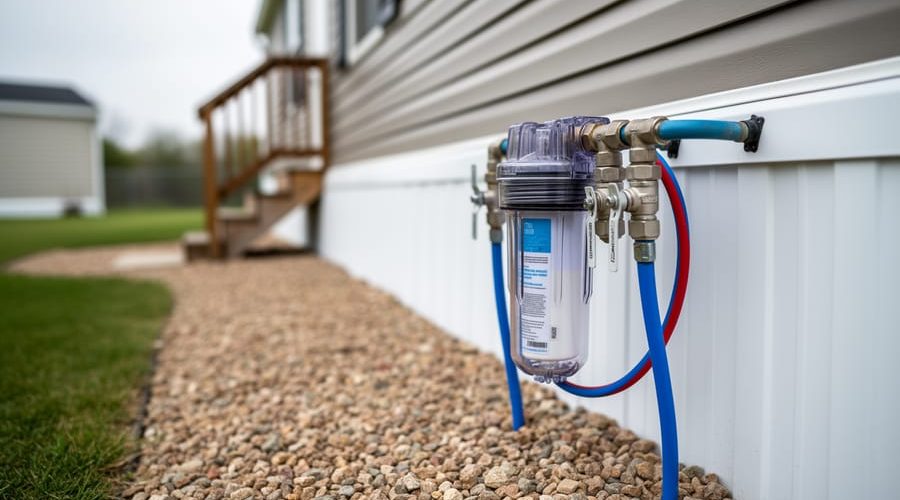
External installations offer another practical solution, particularly in warmer climates. When placing systems outside, invest in quality weatherproof enclosures that protect against temperature extremes, moisture, and UV damage. Insulated covers prevent freezing in winter months, ensuring year-round performance.
Corner installations maximize awkward spaces that typically go unused. Custom-built platforms or corner shelving units can accommodate treatment equipment while maintaining accessibility. Remember that adequate clearance for maintenance is essential—plan for at least 12 inches of working space around your system for hassle-free filter replacements and routine upkeep.
Pressure and Flow Rate Matching
Mobile homes typically operate with water pressure between 40-60 PSI, which is lower than traditional houses. When selecting a water treatment system, it’s essential to understand these water pressure limitations to avoid frustrating flow issues at your faucets and showerheads.
Look for filtration systems specifically rated for mobile home use, with pressure drop ratings of 5 PSI or less. Multi-stage filters and reverse osmosis systems can significantly reduce water flow if not properly sized. Point-of-use filters often work better than whole-house systems in mobile homes because they put less strain on your existing plumbing infrastructure.
If you’re considering a whole-house system, choose models with larger filter housings and high-flow cartridges designed to minimize resistance. Some newer eco-friendly filtration technologies use gravity-fed or low-resistance media that maintains better flow rates without requiring additional pumps.
Check your current water pressure with a simple gauge before purchasing any system. If your pressure measures below 40 PSI, you may need a compact booster pump, though selecting an appropriately sized, low-restriction filter should be your first approach to maintaining comfortable water flow throughout your home.
DIY vs. Professional Installation
Simple under-sink filters and countertop systems are typically DIY-friendly projects that most mobile homeowners can tackle with basic tools. These straightforward installations usually involve connecting to existing faucets or water lines without complex plumbing modifications. You’ll find clear instructions included, and the process rarely takes more than an hour.
However, whole-house systems, reverse osmosis units requiring permanent plumbing changes, or water softeners often need professional installation. Mobile homes have unique plumbing configurations and structural considerations that differ from traditional houses. A certified plumber familiar with manufactured housing ensures proper connections and prevents leaks that could cause costly damage to your home’s subfloor or skirting.
Before deciding, check your system’s warranty requirements. Many manufacturers only honor warranties when licensed professionals complete the installation, making the upfront investment worthwhile for long-term protection. Professional installation also ensures your system meets local building codes and doesn’t void your mobile home’s structural warranty. Consider your skill level honestly and weigh DIY savings against potential repair costs from mistakes.
Testing Your Mobile Home’s Water Quality
At-Home Testing Methods
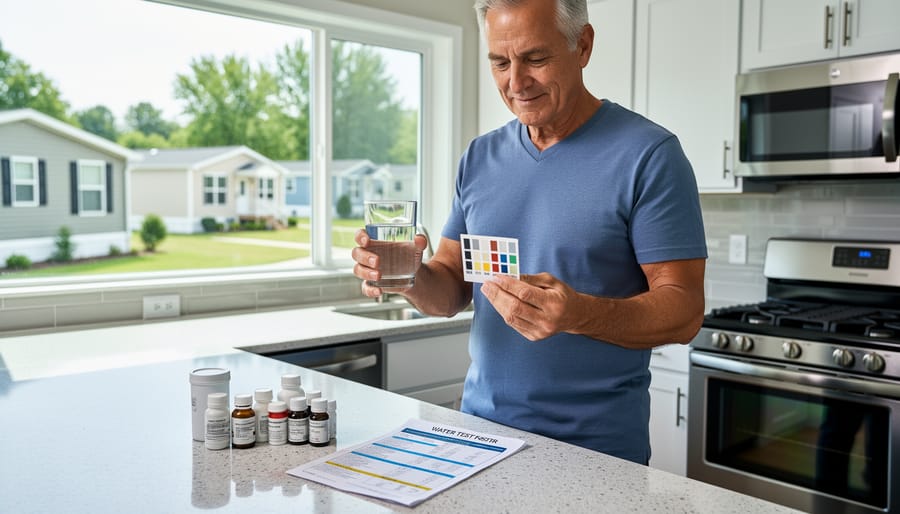
Before investing in a treatment system, understanding your mobile home’s water quality is essential. Affordable at-home test kits provide a reliable starting point, typically ranging from $15 to $50 for comprehensive options.
Basic test kits should measure pH levels (ideal range: 6.5-8.5), water hardness (measured in grains per gallon), and iron content, which commonly affects mobile home plumbing. Look for kits that also screen for chlorine, lead, bacteria, nitrates, and pesticides—contaminants frequently found in well water or older municipal systems.
Digital meters offer quick pH readings, while strip tests provide convenient multi-parameter screening. For more detailed analysis, mail-in laboratory kits deliver professional-grade results within days, testing for over 100 potential contaminants.
When selecting a test kit, prioritize those certified by independent laboratories and choose options specific to your water source—well water requires different testing than city water. Test at least twice yearly, or immediately if you notice taste, odor, or color changes. These simple assessments empower you to choose the right treatment system for your specific needs while protecting your family’s health.
Professional Water Analysis
While basic home test kits provide helpful preliminary insights, certain situations call for professional laboratory analysis. Consider investing in comprehensive testing when you first move into your mobile home, notice sudden changes in water taste or appearance, live near agricultural areas or industrial sites, or if family members experience unexplained health issues. Professional labs use advanced equipment to detect contaminants at parts-per-billion levels, far beyond what home kits can measure.
A thorough professional water test typically examines 50 to 100 parameters, including heavy metals like lead and arsenic, pesticides, industrial chemicals, bacteria, and radioactive elements. The cost ranges from $200 to $500 depending on the comprehensiveness, but this investment provides crucial data for making informed treatment decisions.
When reviewing your results, focus on anything exceeding EPA Maximum Contaminant Levels. These regulatory standards protect public health and indicate immediate action is needed. Even contaminants below these limits deserve attention if they approach concerning thresholds, especially for vulnerable household members like children or pregnant women.
Your lab report becomes your roadmap for selecting the right treatment system. High mineral content suggests a water softener, while bacterial contamination requires UV sterilization or chlorination. Share these results with water treatment professionals who can recommend solutions specifically suited to your mobile home’s space constraints and plumbing configuration, ensuring you address actual problems rather than guessing at solutions.
Maintenance and Long-Term Costs
Filter Replacement Schedules and Costs
Planning for maintenance costs helps mobile homeowners budget effectively for clean water year-round. Most sediment pre-filters need replacement every 3-6 months, costing $15-30 annually. Carbon filters typically last 6-12 months at $40-80 per year, while reverse osmosis membranes endure 2-3 years with replacement costs around $50-100. UV bulbs require annual changes at approximately $60-80 each.
For a complete mobile home system, expect annual filter replacement expenses between $150-300 depending on your water quality and usage. Homes with well water or heavy sediment may need more frequent filter replacements, pushing costs toward the higher range. Setting up a replacement schedule prevents system failures and maintains optimal performance.
Consider eco-friendly options like recyclable filter cartridges or longer-lasting ceramic filters to reduce waste while managing costs. Many manufacturers now offer subscription services that automatically ship filters on your schedule, ensuring you never miss a replacement. Keep records of filter changes in a simple logbook to track expenses and identify patterns in your water treatment needs, helping you make smarter maintenance decisions over time.
Winterization and Seasonal Concerns
Mobile home water treatment systems face unique challenges during winter months and extended vacancies. Freezing temperatures can crack filters, burst pipes, and damage system components, leading to costly repairs.
Before winter arrives or leaving your mobile home unoccupied, drain all water from your treatment systems completely. Turn off the water supply, release pressure, and open drain valves on filters and tanks. For reverse osmosis systems, disconnect and drain the storage tank and membrane housing. Remove filter cartridges and store them in a climate-controlled area to prevent freezing and cracking.
If you’re a seasonal resident, consider installing heat tape around pipes and system housings in vulnerable areas. Insulating exposed plumbing also provides protection against temperature drops. Some homeowners opt for automatic temperature monitoring systems that alert them to dangerous conditions remotely.
When returning after an extended absence, inspect all components for cracks or damage before restarting. Replace filter cartridges that have been sitting unused for months, as stagnant conditions can harbor bacteria. Run water through the system for several minutes to flush out any buildup, ensuring your water quality remains safe and your eco-friendly investment stays protected year-round.
Environmental Benefits of Treating Your Mobile Home Water
Installing a water treatment system in your mobile home creates meaningful environmental benefits that extend far beyond your property line. By treating water at the source, you eliminate the need to purchase bottled water, significantly reducing plastic bottle waste that burdens landfills and oceans. The average household using bottled water generates hundreds of plastic containers annually, while a home filtration system can serve the same purpose for years with minimal waste.
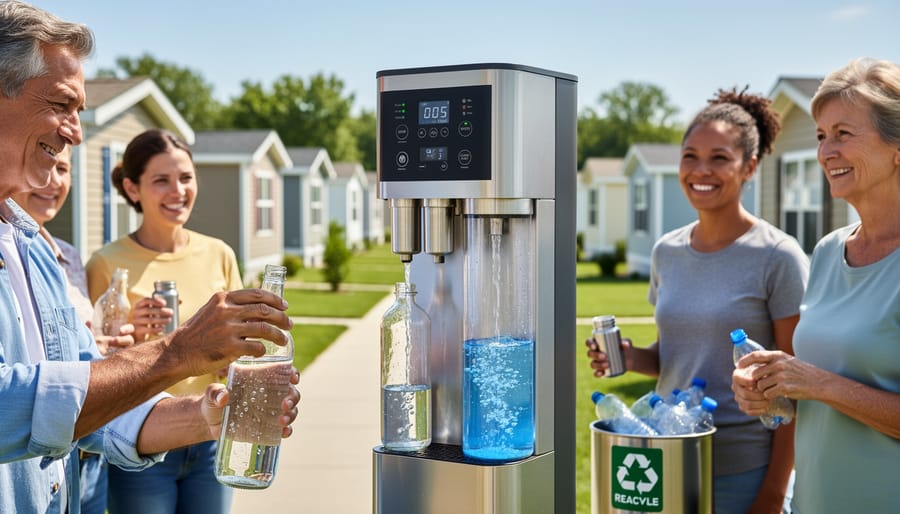
Mobile home communities are uniquely positioned to embrace sustainable water practices. When multiple residents adopt water treatment systems, the collective impact multiplies, creating a ripple effect throughout the neighborhood. Treated tap water reduces the carbon footprint associated with bottling, packaging, and transporting water products to retail locations.
Modern water treatment technologies also promote responsible water use. Cutting-edge systems like reverse osmosis units now feature water-saving designs that minimize discharge, addressing earlier concerns about efficiency. Many newer models recover more treated water per gallon processed, making them increasingly eco-friendly options for conscious consumers.
Beyond waste reduction, home water treatment supports local water conservation efforts. When you trust your treated tap water, you participate in the municipal water cycle rather than relying on commercial bottled alternatives that often deplete natural springs and aquifers in distant locations.
For mobile homeowners seeking sustainable living solutions, water treatment represents a practical investment in environmental stewardship. This simple upgrade transforms your daily water consumption into an eco-conscious choice that protects natural resources while delivering clean, safe drinking water for your family.
Clean, safe water isn’t a luxury reserved for traditional homes—it’s an achievable reality for every mobile homeowner. Throughout this guide, we’ve explored how the right water treatment system can transform your household water quality, regardless of your home’s size or structure. The key lies in understanding your specific water challenges and matching them with compatible, space-efficient solutions.
Before making any decisions, start by testing your water. This simple step reveals exactly what contaminants you’re dealing with and helps you avoid spending money on unnecessary equipment. Whether you need a basic sediment filter or a comprehensive reverse osmosis system, there’s a solution designed to work within your mobile home’s unique constraints.
Remember that investing in water treatment isn’t just about improving taste—it’s about protecting your health, extending the life of your appliances, and embracing sustainable living practices. Modern water treatment technology has evolved to offer compact, efficient systems that deliver results comparable to larger installations.
Take action today. Test your water, evaluate your options, and choose a system that fits your needs and budget. Clean, refreshing water is within reach, and your mobile home deserves the same quality standards as any other residence.