Excessive water consumption in your home typically means using significantly more than the average household baseline of 80-100 gallons per person daily, often driven by hidden leaks, inefficient fixtures, or wasteful habits. This isn’t just about higher bills. It drains local water supplies, increases energy use for treatment and heating, and can signal plumbing problems that worsen over time if left unchecked.
Most homeowners who suspect they’re using too much water fall into one of three categories: those noticing unexpectedly high bills, those committed to reducing their environmental footprint, or those who’ve spotted warning signs like running toilets or dripping faucets. The good news is that cutting back doesn’t require a complete lifestyle overhaul. Simple changes like fixing leaks, upgrading to WaterSense-labeled fixtures, and adjusting daily routines can reduce consumption by a substantial margin without sacrificing comfort.
Understanding what qualifies as excessive starts with knowing where your water goes. Indoor use breaks down into toilets, showers, faucets, washing machines, and leaks. Outdoor irrigation, especially in warmer climates, can double total household usage during peak seasons. Leaks alone represent a significant portion of wasted water in many homes, and a single faulty toilet or dripping outdoor spigot can add up quickly over months.
This guide walks you through identifying whether your household crosses into excessive territory, diagnosing the root causes, and implementing practical fixes. You’ll also find resources to help track usage, understand your responsibilities as a homeowner, and connect with local programs that support water conservation efforts in 2026.
What Excessive Water Consumption Really Means
Excessive water consumption isn’t about occasionally taking a long shower, it’s a pattern of using significantly more water than your household needs for daily activities. The average American household uses between 80 and 100 gallons per person daily, covering drinking, cooking, cleaning, bathing, and outdoor tasks. When your usage climbs well above these benchmarks without a clear reason, you’re likely facing a consumption problem that affects both your wallet and the environment.
The line between necessary use and waste depends on your household’s unique circumstances. A family of four will naturally consume more than a single person, and homes with large gardens require additional outdoor water. What matters is whether your consumption aligns with what those activities actually demand. If you’re using twice the water of similar households in your area, something’s off.
Water source matters too. Households on well vs city water systems face different monitoring challenges, but both can experience hidden waste through underground leaks or outdated equipment. City water users spot problems through monthly bills, while well owners might not notice until their pump runs constantly or they face premature equipment failure.
Quality and quantity intersect in ways many homeowners miss. Running taps for minutes to get cold water wastes volume while signaling potential pipe insulation issues. Overwatering lawns doesn’t just waste gallons, it can leach contaminants into groundwater and strain municipal treatment systems. A toilet that runs intermittently might seem minor, but it silently wastes water around the clock. These patterns add up, turning everyday inefficiencies into chronic overconsumption that undermines both household budgets and broader water management efforts.
Signs Your Household May Be Overconsuming Water
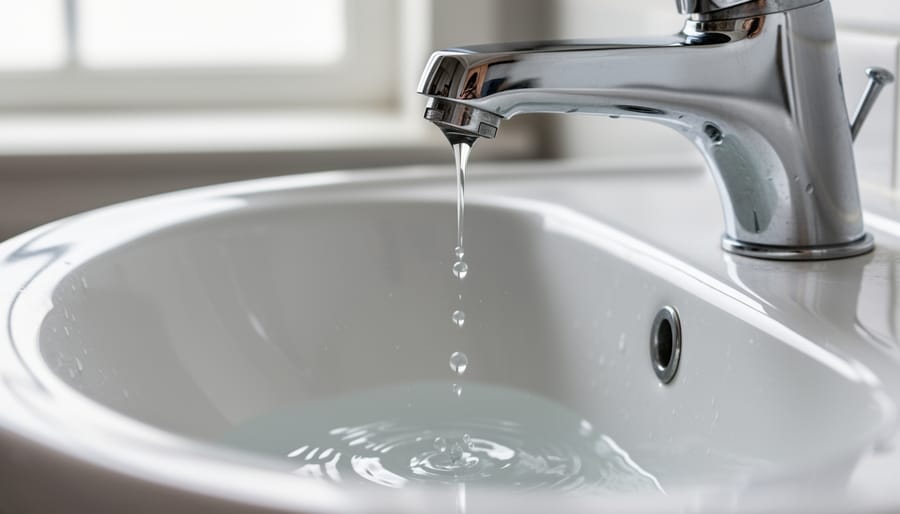
Spotting excessive water consumption early can save you hundreds of dollars and prevent serious damage to your home. Most households fall into predictable usage patterns, so when those patterns shift or your bills climb without explanation, it’s time to investigate.
Your Water Bill Tells a Story
Compare your bill to regional benchmarks for similar households. A family of four in the U.S. typically uses between 200 and 400 gallons daily, depending on climate and lifestyle. If your usage consistently exceeds this range without obvious reasons like a large garden or pool, you likely have a consumption problem. Seasonal spikes are normal, but month-over-month increases of 20% or more demand attention, particularly during periods when your habits haven’t changed.
Physical Evidence Around Your Home
Walk through your property looking for telltale signs:
- Water stains on ceilings, walls, or floors that weren’t there before
- Toilets that run constantly or refill on their own without being flushed
- Faucets that drip persistently, even after you’ve tightened the handles
- Damp patches in your yard during dry weather, suggesting underground pipe leaks
- Water meter that continues spinning when all fixtures are off
- Mold or mildew growth in unexpected areas, indicating hidden moisture
- Reduced water pressure throughout the house, which can signal pipe leaks
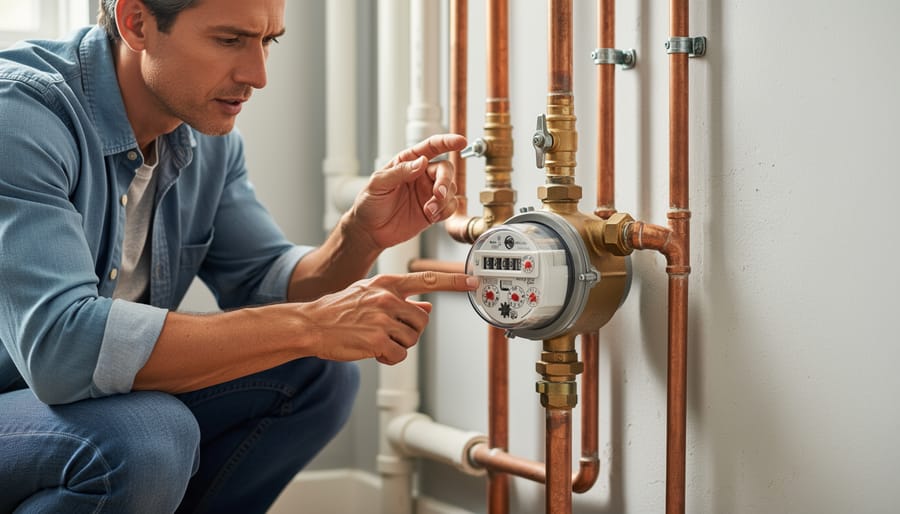
A simple meter test confirms suspicion: turn off every tap and water-using appliance, then check your meter. If it’s still moving after 30 minutes, you’ve got a leak somewhere.
Behavioral Red Flags
Sometimes overconsumption stems from habits rather than hardware. Running the dishwasher or washing machine for partial loads wastes significant water. Long showers exceeding 10 minutes, particularly if multiple household members indulge daily, add up fast. Leaving the tap running while brushing teeth, washing dishes, or rinsing vegetables seems minor but compounds over time.
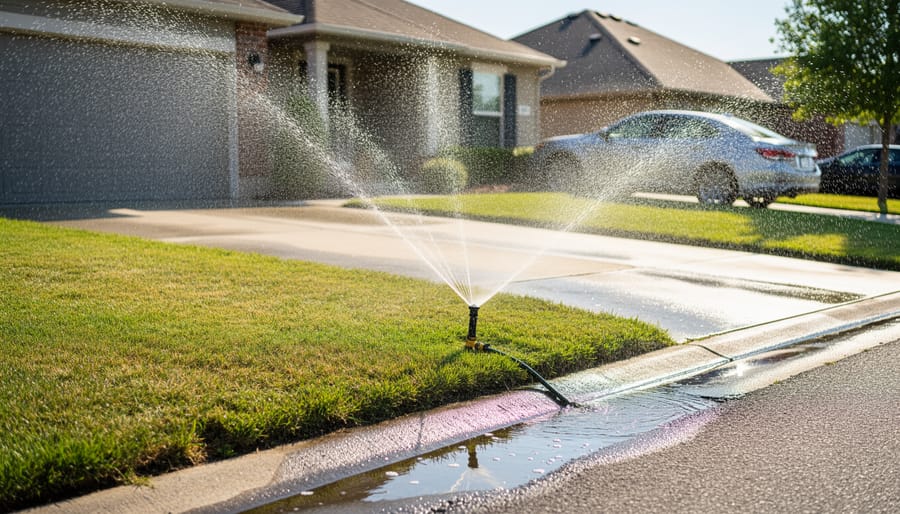
Outdoor watering deserves scrutiny too. If you’re irrigating your lawn during the hottest part of the day, watering more than three times weekly, or letting sprinklers run onto sidewalks and driveways, you’re overconsuming. Even well-intentioned eco-conscious homeowners can fall into wasteful patterns without regular audits.
Track your usage for two billing cycles. If the numbers stay stubbornly high despite your best conservation efforts, you’ve identified a problem that needs systematic attention.
How to Assess and Reduce Your Water Consumption
Conducting a Home Water Audit
Start by checking your water meter before bed and again first thing in the morning, if the reading changes overnight when no water should be running, you likely have a leak somewhere. Walk through your home methodically, inspecting each toilet for silent leaks by adding food coloring to the tank and watching for color in the bowl after twenty minutes without flushing. Check all visible pipes under sinks and behind appliances for moisture or drips, and run each faucet to spot slow leaks or irregular flow patterns.
Outside, examine hose connections, sprinkler heads, and outdoor spigots for drips or pooling water. Note any areas of your lawn that stay unusually green or muddy, which can signal underground irrigation leaks. While you’re assessing water use patterns, it’s also worth taking time to test water hardness since mineral buildup can reduce fixture efficiency and mask developing leaks.
Document everything you find, take photos, write down meter readings, and list each problem area. This systematic approach gives you a clear picture of where water waste is happening and helps you prioritize repairs based on severity and potential savings.
Installing Water-Efficient Solutions
Low-flow showerheads and faucet aerators deliver the most immediate savings, many reduce flow rates by half without noticeably changing water pressure. Look for WaterSense-labeled fixtures, which meet efficiency standards while maintaining performance. Installation is straightforward: unscrew the old showerhead or aerator by hand or with a wrench, wrap the threads with plumber’s tape, and tighten the new fixture. The entire job takes minutes and requires no special skills.
Dual-flush toilets and high-efficiency models use significantly less water per flush than older designs. If replacement isn’t feasible, drop-in toilet tank displacement devices reduce the amount used per cycle. Check for a flapper valve in good condition, worn flappers cause persistent running that wastes water unnoticed.
Smart leak detectors flag problems early. Install sensors near water heaters, under sinks, and around appliances. These battery-powered devices alert you via smartphone when moisture appears, preventing minor drips from becoming major issues. Some systems integrate with whole-home monitors that track consumption patterns and highlight unusual spikes.
If you’re concerned about how your RO system wastes water during filtration, permeate pumps and efficient membrane designs minimize reject water. Pair upgrades with regular filter maintenance to sustain peak efficiency across your household’s water treatment setup.
Building Sustainable Water Habits
Sustainable water habits start with small daily adjustments that compound over time. Shortening showers by just two minutes can save several gallons per day, setting a timer or playing a single song helps maintain awareness. When bathing, a shallow tub uses less water than a prolonged shower, and reusing that bathwater for outdoor plants stretches its value further.
Run dishwashers and washing machines only with full loads, as partial cycles waste the same amount of water per item cleaned. For laundry, match the water level setting to the actual load size when using older machines. In the kitchen, fill the sink basin for rinsing vegetables instead of letting the tap run continuously, and keep a pitcher of drinking water in the refrigerator rather than running the faucet until it’s cold.
Outdoor watering demands the most attention in many households. Water lawns early in the morning or late evening when evaporation is minimal, and adjust irrigation schedules based on recent rainfall rather than fixed timers. Direct hoses at the root zones of plants instead of spraying broadly, and consider drought-tolerant landscaping in areas with persistent water scarcity. These behavioral shifts require no equipment purchases yet deliver measurable reductions in household consumption.
Your Rights and Responsibilities as a Water Consumer
Your water utility operates under a regulated framework that defines both your rights as a customer and your responsibilities as a property owner. Most municipalities and private water companies must provide accurate billing based on metered usage, timely notice of rate increases, and consistent service quality. You have the right to dispute charges you believe are incorrect, and many utilities offer leak adjustment programs that credit a portion of your bill when you can prove an undetected leak was repaired promptly. Review your utility’s customer service charter to understand their obligations regarding billing cycles, meter accuracy, and response times for service issues.
Your primary responsibility is maintaining the plumbing system within your property boundary. Once water passes through your meter, any leaks, broken pipes, or inefficient fixtures become your concern and expense. This includes indoor plumbing, outdoor irrigation systems, and service lines running from the meter to your home. Regular inspections and prompt repairs protect you from inflated bills and prevent water waste. Some jurisdictions impose mandatory conservation measures during droughts, these can include watering restrictions, limits on vehicle washing, or bans on filling pools. Violations often carry fines, so familiarize yourself with local ordinances, especially during dry seasons.
You’re also responsible for preventing contamination through backflow into the public water system. Cross-connections between potable water lines and irrigation systems, chemical mixing equipment, or other non-potable sources must include approved backflow prevention devices. Many areas require annual testing of these devices by certified professionals. Understanding these legal and practical obligations helps you avoid penalties, take advantage of available assistance programs, and contribute to broader conservation efforts that benefit your community and the environment.
Health Implications of Poor Water Management
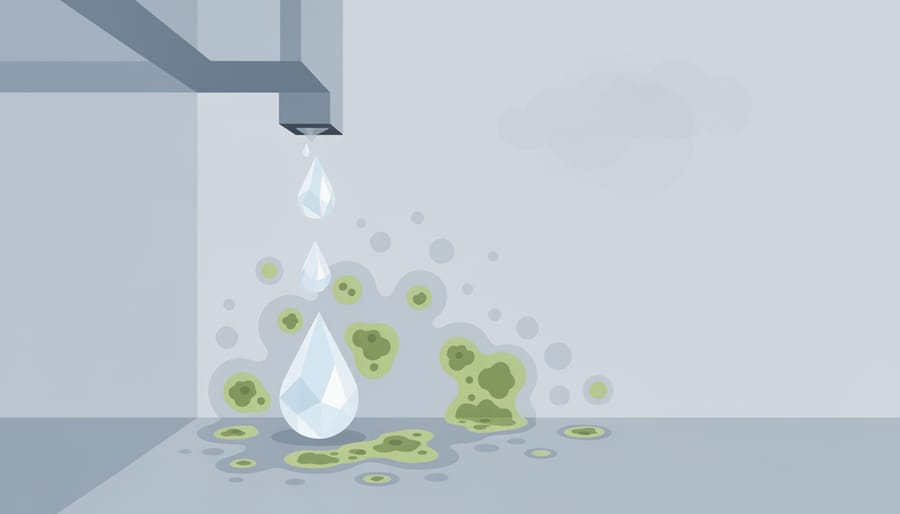
Water waste doesn’t just inflate your bill, it can create conditions that directly harm your household’s health. Understanding these connections helps you recognize when consumption issues go beyond environmental impact.
Leaks and moisture problems top the list of health risks. When pipes drip steadily behind walls or under sinks, that persistent dampness creates ideal breeding grounds for mold and mildew. These fungi release spores that trigger respiratory issues, allergic reactions, and asthma symptoms, particularly in children and those with compromised immune systems. Even a slow leak you barely notice can saturate drywall or insulation, turning hidden spaces into mold colonies that affect your indoor air quality for months before you discover the source.
Overwatering your lawn or garden can backlog your septic system if you have one, potentially allowing untreated wastewater to surface or seep into areas where your family plays. Municipal systems handle excess volume better, but overtaxed home plumbing can still create stagnant water conditions that promote bacterial growth in drains and fixtures.
Ironically, efforts to cut bottled water waste sometimes fail if you don’t address water quality first. Many households switch to tap water without considering filtration, then return to bottles when taste or contaminant concerns arise. Systems like the reverse osmosis process remove a broad spectrum of impurities, making tap water genuinely palatable and safe. Following safe drinking water steps ensures your conservation efforts don’t compromise the quality your family consumes.
Proper filtration matters especially when you’re addressing leaks or upgrading fixtures, since older plumbing can introduce sediment or metallic taste into your water supply. Fixing waste and improving quality work together, neither alone fully protects your household.
Where to Get Help and Resources
Your local water utility is the first stop for addressing excessive consumption. Most providers offer free or low-cost water audits, leak detection assistance, and detailed breakdowns of your usage compared to similar households. Many run rebate programs that cover part of the cost when you upgrade to high-efficiency toilets, showerheads, or irrigation systems. Contact them directly through the customer service number on your bill or visit their website to explore available conservation programs.
Beyond your utility, several resources can help you reduce consumption and improve water quality:
- EPA WaterSense program, search for certified products, find rebates by ZIP code, and access water-saving calculators
- State environmental or water resource agencies, check for regional rebate programs and conservation mandates specific to your area
- Licensed plumbers, get referrals through local trade associations or your utility’s approved contractor list for leak repairs and fixture upgrades
- Water testing laboratories, find certified labs through your state health department if you suspect quality issues alongside consumption problems
- Nonprofit conservation groups, many offer free home audit checklists and educational workshops on sustainable water use
If you’re dealing with both overconsumption and water quality concerns, consider consulting a water treatment specialist who can assess whether your filtration system is contributing to waste. Some reverse osmosis systems, for instance, use several gallons of water to produce each gallon of filtered output, which can add up quickly in larger households. Upgrading to more efficient treatment technology might address both issues at once, aligning conservation with the clean water goals central to responsible household management.
At-a-Glance Details
This quick-reference table shows typical household water use by category and practical reduction opportunities. Average daily use per person varies widely based on habits and fixture efficiency, but these ranges reflect common patterns in US households. The reduction potential column estimates what’s achievable through fixture upgrades and habit changes combined.
| Water Use Category | Typical Daily Use Per Person | Reduction Potential |
|---|---|---|
| Toilet flushes | 18-24 gallons | 40-60% with low-flow models |
| Showers and baths | 15-25 gallons | 30-50% with efficient showerheads and shorter sessions |
| Faucets (all uses) | 10-15 gallons | 30-40% with aerators and mindful use |
| Laundry | 6-12 gallons | 30-50% with ENERGY STAR washers and full loads only |
| Outdoor watering | Varies widely by season | 20-50% with smart irrigation and native landscaping |
Your household’s total often falls between 80 and 100 gallons per person daily when combining these categories. Start tracking by reading your water meter before bed and again in the morning to establish your baseline, then compare against these benchmarks to identify where the biggest opportunities lie.
Frequently Asked Questions
How much water does the average household actually use?
A typical household uses between 80 and 100 gallons per person daily, though this varies widely based on household size, climate, and lifestyle habits. If your usage significantly exceeds these ranges without clear explanation, you may have an overconsumption issue worth investigating.
What’s the easiest way to detect a hidden leak?
Turn off all water-using appliances and fixtures, then check your water meter. If the meter continues moving after 15-20 minutes of zero use, you likely have a leak somewhere in your system that needs attention.
Will fixing leaks really make a noticeable difference in my water bill?
Yes, even small leaks add up quickly over time. A continuously running toilet or dripping faucet can waste thousands of gallons monthly, translating to measurably higher bills that become obvious once the leak is repaired.
Are low-flow fixtures worth the investment?
Low-flow showerheads and faucet aerators typically pay for themselves within months through reduced water and heating costs. Many water utilities also offer rebates on these upgrades, further shortening the payback period.
Can excessive water use actually affect my health?
Indirectly, yes. Leaks and moisture from overconsumption can create conditions for mold growth, while poorly maintained plumbing may compromise water quality. Addressing waste helps maintain both system integrity and the quality of water reaching your tap.
What should I do if my water bill suddenly spikes?
First, check for obvious leaks around fixtures, appliances, and your water heater. Contact your utility to verify the meter reading accuracy and ask about their leak adjustment policies, many providers offer bill credits when you can document and repair a verified leak promptly.
Beyond these common questions, remember that water consumption patterns vary by season and household activity. A spike during summer months when you’re watering the garden differs from unexplained increases during winter. Track your usage over several billing cycles to establish your household’s baseline, making it easier to spot genuine problems versus normal fluctuations. If you’ve addressed visible issues but still see excessive consumption, consider hiring a licensed plumber to inspect hidden pipes and irrigation lines that may be leaking underground or inside walls.
Addressing excessive water consumption isn’t just about lowering your utility bill, it’s about protecting the environment, preserving public health, and building habits that benefit your household for years to come. Whether you’re dealing with hidden leaks, inefficient fixtures, or wasteful routines, the steps outlined in this guide give you a clear path forward.
Start small. A basic home audit costs nothing and often reveals quick wins that make an immediate difference. From there, consider upgrading one fixture at a time or adjusting one habit per week. Available resources, utility rebates, conservation programs, and local assistance, can make these changes easier and more affordable than you might expect.
At Jug Free, we believe that water quality and responsible consumption go hand in hand. When you reduce waste, you also reduce the strain on treatment systems and create a healthier home environment. Every gallon saved is a step toward sustainability, and every leak fixed is a win for both your budget and the planet.