Installing or upgrading a septic system in King County requires a permit from Public Health Seattle & King County, a process that typically takes four to six weeks and ensures your system meets local environmental standards protecting groundwater and surface water. Whether you’re replacing a failing drainfield or building new construction, you’ll submit detailed site plans, soil evaluations, and system designs that comply with Title 13, the county’s septic code updated regularly to reflect advances in onsite wastewater treatment.
The permit process exists for a critical reason: improperly designed or installed septic systems are one of the leading causes of groundwater contamination in rural and suburban areas. In King County, where thousands of homes rely on private wells for drinking water, a faulty septic system doesn’t just threaten the property owner. It can leach pathogens, nitrates, and pharmaceuticals into the aquifer, affecting neighbors’ water supplies and sensitive ecosystems like salmon-bearing streams.
Understanding King County’s requirements saves time and money. The application process involves multiple steps, from hiring a licensed site evaluator to working with a designer who specializes in soil conditions common to the region, particularly challenging clay layers and high seasonal water tables found throughout much of the county. First-time applicants often underestimate how soil percolation rates and setback distances from wells and property lines dictate system design, leading to costly redesigns.
This guide walks you through every stage of obtaining a King County septic permit in 2026, from initial site assessment through final inspection. You’ll learn which documents to prepare, how to choose qualified professionals, and practical strategies to avoid the most common permit delays.
Why King County Requires Septic Permits
Every septic system in King County operates as a potential pathway to your groundwater. When these systems work properly, they treat household wastewater before it returns to the soil. When they fail, the results reach far beyond a single property.
King County’s permitting requirements exist because what happens underground affects everyone who depends on local water sources. The county’s On-site Sewage/Septic System Program oversees over 85,000 septic systems across the region, each one handling the daily wastewater from households that often rely on private wells for drinking water. This creates a direct cycle: what you put into the ground through your septic system can resurface in your well, your neighbor’s well, or nearby streams.
The science behind the concern is straightforward. Failing septic systems contaminate groundwater with bacteria, viruses, nitrates, and other pollutants that seep through soil layers meant to filter them. In areas with high water tables, shallow bedrock, or permeable soils common throughout King County, that contamination travels faster and farther. Private wells draw from the same aquifers these systems discharge into, creating a closed loop where poor wastewater management directly compromises drinking water quality.
The permit process serves as a checkpoint. It ensures that system designs match soil conditions, that installation follows tested standards, and that repairs address problems correctly rather than masking them. Each permit review examines site-specific factors like soil percolation rates, setback distances from wells and property lines, and drainage patterns that affect how wastewater moves through the ground.
This approach aligns with sustainable property stewardship. When you manage your septic system responsibly through proper permitting, you protect the aquifer that sustains your household and the broader ecosystem. You prevent nitrogen loading that harms streams, avoid pathogen contamination that creates health risks, and maintain property values in communities where clean water defines quality of life. The permit requirement transforms septic management from an isolated household task into a collective commitment to watershed health.

When You Need a King County Septic Permit
You need a septic permit any time you’re making changes to your on-site sewage system beyond basic upkeep. New system installations require a permit, whether you’re building on a vacant lot or replacing infrastructure on an established property. System repairs also fall under permit requirements when they involve structural modifications or component replacements that affect how wastewater flows through your property.
Alterations trigger permit requirements too. Adding a bedroom, finishing a basement, or expanding your home increases wastewater volume, which means your existing septic system may need modifications. These changes can’t happen without county approval because they directly affect your system’s capacity and, by extension, groundwater quality. Property additions that increase water usage require an on-site design application to verify your septic system can handle the additional load.
System replacements always require permits. When your drainfield fails or your tank reaches the end of its lifespan, you can’t simply install new components and call it done. The county needs to verify that replacement work meets current standards and protects surrounding water sources, including private wells.
Here’s where homeowners get confused: routine maintenance doesn’t require permits. Pumping your tank, replacing a broken riser lid, or clearing a blocked distribution line are normal upkeep activities. The distinction comes down to whether you’re changing the system’s design or capacity. If you’re unsure whether your planned work crosses that line, contact the On-site Sewage/Septic System Program before starting.
Some property owners consider trying to skip the permit process for minor repairs or alterations. This creates serious problems beyond potential fines. Unpermitted work makes selling your property difficult, invalidates insurance claims if system failures occur, and most importantly, puts your household water quality at risk when improper installations contaminate nearby wells.
Navigating the Public Health Permit Center
Creating Your Account
Setting up your account in King County’s Public Health Permit Center is your first step toward managing septic permits online. The process takes just a few minutes and gives you immediate access to application tools and resources.
Here’s how to get started:
- Visit the Public Health Permit Center website and click the “Create Account” or “Register” button on the homepage.
- Enter your basic contact information, including your full name, email address, and phone number. Use an email you check regularly, as King County will send all permit correspondence there.
- Create a secure password that meets the system’s requirements. Write it down somewhere safe, you’ll need it for every login.
- Verify your email address by clicking the confirmation link King County sends to your inbox. Check your spam folder if you don’t see it within a few minutes.
- Log in with your new credentials and complete your profile with property information and project details if prompted.
Once you’re in, take a moment to explore the dashboard. The portal organizes services by category, permits, plan reviews, inquiries, and complaints, making it straightforward to find what you need. You can save applications in progress, upload documents as you gather them, and track your permit status in real time. If you run into technical issues during setup, the portal includes help resources and contact information for support staff who can walk you through any obstacles.
Understanding Available Services
The Public Health Permit Center serves as your central hub for managing all aspects of septic system compliance in King County. Through this digital platform, you can submit permit applications for new installations, repairs, and system modifications without visiting a physical office. The portal handles plan reviews, allowing you to track your application’s progress through the approval stages in real time.
Beyond permitting, the system provides channels for submitting inquiries about specific regulations or technical questions regarding your property. If you’re concerned about a neighboring system or need to report a potential issue, the portal includes a complaint submission feature that directs your concerns to the appropriate department. This streamlined approach proves particularly valuable if you’re navigating multiple requirements, such as USDA well and septic standards for rural properties alongside county permits.
The portal’s educational resources complement these transactional services, offering guidance documents and reference materials to help you understand what your specific situation requires. Having everything in one location reduces the confusion of managing septic compliance across multiple touchpoints.
The Application Process: What to Prepare
Required Documents and Information
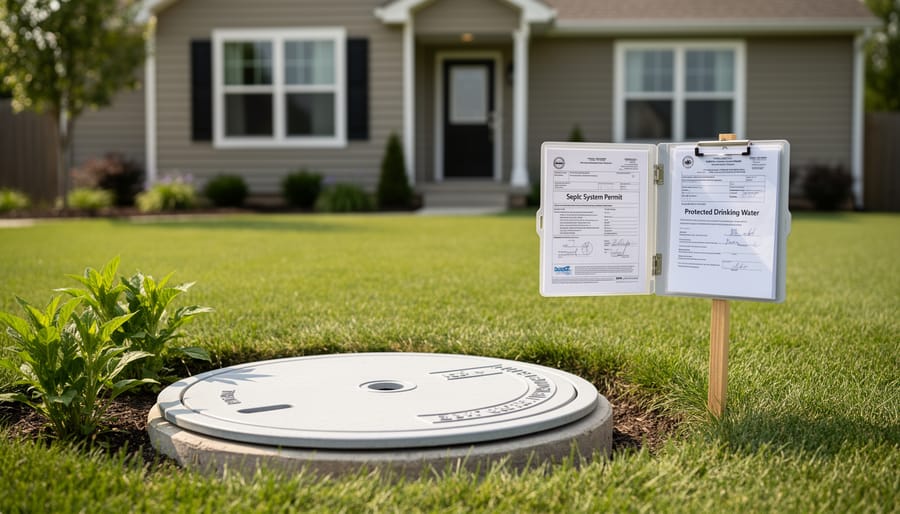
Gathering the right documents before starting your permit application saves time and frustration. King County requires complete submissions, so missing even one item can delay your entire project.
For most septic permits, you’ll need a detailed site plan showing your property boundaries, existing structures, the proposed septic system location, and distances to wells, property lines, and surface water. This plan must be drawn to scale and include topographic information showing slopes and drainage patterns.
A professional soil evaluation report is typically required, prepared by a certified soil scientist or engineer. This document assesses your soil’s ability to treat wastewater and determines what type of system will work on your property. The evaluation examines soil texture, depth to groundwater, and percolation rates, factors that directly affect your system’s design.
You’ll also need engineered system designs prepared by a licensed professional, specifying tank sizes, drain field layout, and treatment components. These plans must comply with King County’s technical standards and account for your household size and daily wastewater volume.
Property information rounds out your application: proof of ownership, legal property description, and any existing well locations on your property or neighboring parcels. If you’re replacing an old system, documentation of the existing setup helps reviewers understand your site’s history.
King County emphasizes having everything ready before you begin the online application. Starting without complete documentation wastes your time and creates unnecessary back-and-forth with reviewers.
Working with Certified Septic Professionals
King County’s certification program ensures that only qualified professionals design, install, and maintain septic systems to standards that protect groundwater and public health. The county certifies designers, installers, inspectors, and maintenance providers, each specializing in different aspects of system work. When you hire certified professionals, you gain access to expertise that navigates permitting requirements efficiently and designs systems suited to your property’s soil conditions, slope, and proximity to wells.
Working with certified contractors significantly increases the likelihood of permit approval on the first submission. These professionals understand what documentation the county requires, how to prepare thorough site evaluations, and which system designs meet current regulations. They also stay updated on evolving standards and technologies that affect permitting decisions.
Verify certification status before hiring anyone to work on your septic system. The county maintains a database of certified professionals through its program, which provides both permitting and educational services for septic system owners alongside professional certifications. Choosing uncertified contractors can result in permit denials, failed inspections, and costly system failures that compromise your well water quality. Certified professionals carry insurance, follow best practices, and design systems that perform reliably for decades when properly maintained.
The Connection Between Your Septic System and Well Water Quality
Your septic system and private well exist in a delicate balance. When a septic system fails or operates improperly, it becomes a direct threat to the groundwater that feeds your well, and the consequences can range from unpleasant taste to serious health hazards.
The relationship hinges on three critical factors: distance, soil characteristics, and maintenance practices. King County regulations typically require at least 100 feet of separation between septic drain fields and wells, though greater distances provide better protection. This buffer zone allows soil to act as a natural filter, removing bacteria, viruses, and nutrients before they reach groundwater. However, soil type matters enormously. Sandy or gravelly soils drain quickly but filter less effectively, while clay-rich soils slow water movement and enhance filtration. Fractured bedrock, common in parts of King County, can create underground pathways that bypass soil filtration entirely, allowing contaminants to travel surprising distances.
Even a properly sited system requires diligent maintenance. Septic tanks should be pumped every three to five years, more frequently for smaller tanks or larger households. Skipping this maintenance allows solids to overflow into the drain field, clogging soil pores and reducing filtration capacity. Root intrusion, cracked tanks, and saturated drain fields all compromise the system’s ability to treat wastewater before it enters groundwater.
If you’re considering drilling a private well on a property with an existing septic system, positioning becomes crucial during planning. Similarly, proper well inspection prep should include documenting septic system locations and maintenance records, as inspectors will evaluate potential contamination risks.
Test your well water annually at minimum, focusing on coliform bacteria and nitrate levels, both key indicators of septic contamination. After heavy rainfall or following septic repairs, additional testing provides peace of mind. Eco-conscious property stewardship means recognizing that what goes into your septic system eventually influences what comes out of your well.
Common Pitfalls and How to Avoid Them
The permitting process trips up even well-intentioned homeowners when they overlook critical details. Incomplete applications rank as the most frequent stumbling block. King County requires you to complete applications in their entirety before submission, which means gathering every document, measurement, and piece of property information upfront. Rushing through the Public Health Permit Center without this preparation guarantees delays and potential rejections.
Many homeowners underestimate site preparation requirements. Your property needs accessible evaluation points, cleared vegetation in key areas, and sometimes test pits before inspectors can assess suitability. Waiting until after you’ve applied to address these issues pushes back your entire timeline. Walk your property with your contractor before starting the application to identify potential access problems or site constraints.
Choosing contractors based solely on price often backfires. King County’s certification program establishes qualifications for septic professionals, and working with uncertified or inexperienced contractors creates problems during plan review. Certified professionals understand local soil conditions, setback requirements, and design standards that satisfy county reviewers the first time. Verify certifications before hiring anyone.
Timeline expectations cause frustration when homeowners assume permits arrive quickly. The review process takes time, especially during busy construction seasons. Factor permitting duration into your project schedule rather than hoping for rapid approval. Starting the process months before you need the system operational prevents the stress of septic failure while waiting for permits.
Double-check every application field before submission. Missing signatures, incorrect parcel numbers, or vague system descriptions trigger requests for additional information. One thorough review of your completed application saves weeks of back-and-forth correspondence with county staff.
Looking Ahead: Innovations in Septic Technology
Modern septic technology is evolving rapidly, bringing new possibilities for homeowners who want to minimize their environmental footprint while maintaining effective wastewater treatment. Advanced aerobic treatment units now offer significantly improved treatment levels compared to conventional systems, breaking down contaminants more thoroughly before they reach the soil. These systems use oxygen to accelerate bacterial decomposition, producing cleaner effluent that poses less risk to surrounding groundwater and private wells.
Smart monitoring technology represents another leap forward. Some newer systems include sensors that track performance metrics like flow rates, tank levels, and treatment efficiency. These monitors can alert homeowners to potential issues before they become serious problems, enabling proactive maintenance that prevents system failures and protects water quality. For properties with private wells, this early warning capability adds an extra layer of protection against contamination.
Reclaimed water systems and greywater recycling technologies are gaining traction among environmentally conscious homeowners. While not yet universally permitted for all applications, these innovations allow treated wastewater to be reused for irrigation or toilet flushing, significantly reducing overall water consumption. As water conservation becomes increasingly important, King County may expand permitting options for these sustainable approaches.
When considering system upgrades or replacements, it’s worth discussing these technologies with certified professionals during the permit process. While traditional systems remain effective and affordable, innovative options might better align with your environmental values and long-term property goals.
Securing a King County septic permit isn’t just bureaucratic paperwork, it’s a commitment to safeguarding the water you and your neighbors depend on. Every properly permitted system represents one less potential threat to groundwater quality, one more barrier against contamination reaching private wells, and one step toward sustainable property management. When you work within the permitting framework, you’re protecting your investment while demonstrating environmental responsibility that extends beyond your property lines.
The permit process may seem daunting at first, but King County’s Public Health Permit Center has streamlined access to the resources you need. Start by familiarizing yourself with the online portal and determining whether your planned work requires a permit. If you’re uncertain, reach out to certified septic professionals who understand the system’s requirements and can guide you through the specifics of your situation.
Your septic system operates quietly beneath your property, but its impact on water quality, both yours and your community’s, is profound. Taking the time to permit properly today prevents costly problems tomorrow and ensures your household water remains safe for years to come. That’s an investment worth making.