Verify your well’s compliance status immediately by contacting your local health department or environmental agency to obtain a complete list of regulations that apply to your specific property—requirements vary dramatically by state, county, and even municipality, with some areas mandating annual testing while others require inspection only at point of sale. Request a copy of your well’s construction permit and drilling log from your county records office, as these documents reveal whether your well was installed to code and identify potential grandfather clause exemptions that could affect your current obligations.
Test your water quality within the next 30 days for bacteria, nitrates, and any contaminants common to your region, even if regulations don’t explicitly require it—this baseline establishes whether your well meets safe drinking water standards and protects your family’s health while demonstrating due diligence should compliance issues arise. Most states recommend testing at minimum annually for coliform bacteria and every three to five years for chemical contaminants, though properties near agricultural operations, industrial sites, or septic systems need more frequent monitoring.
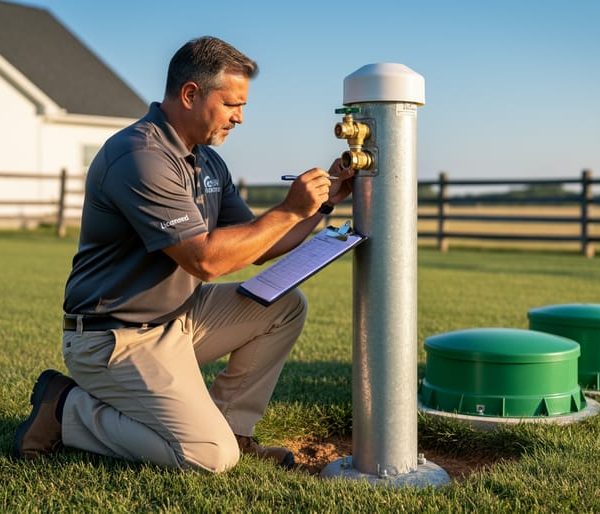
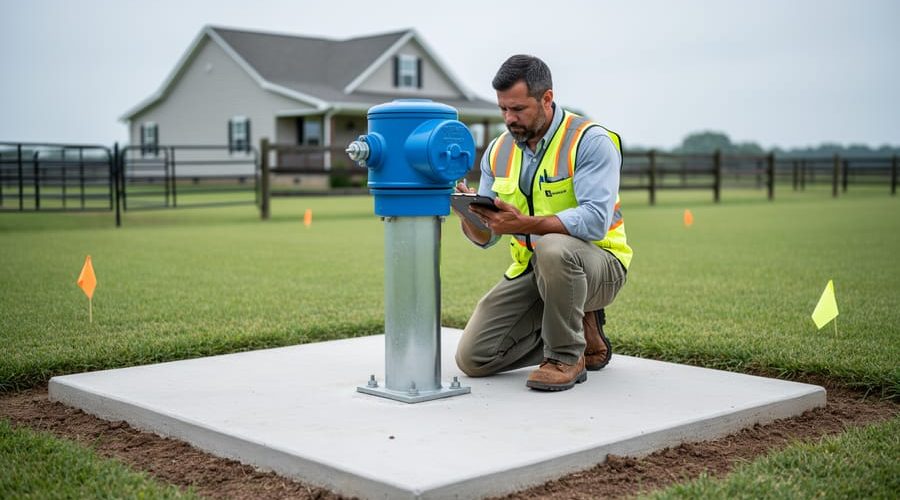
Schedule a professional well inspection to assess your system’s physical condition, including the wellhead seal, casing integrity, and proper separation distances from potential contamination sources like septic tanks or livestock areas—regulations typically mandate these components meet specific construction standards, and identifying deficiencies early prevents costly emergency repairs or health department violations. Understanding these foundational requirements positions you to maintain a safe, compliant water source while navigating the complex regulatory landscape that governs private wells across different jurisdictions.
Why Private Well Regulations Exist (And Why You Should Care)
The Groundwater Protection Angle
Understanding private well regulations isn’t just about individual compliance—it’s about protecting a shared natural resource that entire communities depend on. Your private well likely taps into an aquifer that extends far beyond your property lines, connecting you to neighbors near and far who draw from the same underground water source.
Regulations act as a safeguard against contamination that could affect hundreds or thousands of people. When one well is improperly constructed, maintained, or located too close to potential pollution sources like septic systems or agricultural operations, contaminants can seep into the aquifer and spread. Bacteria, nitrates, pesticides, and other pollutants don’t respect property boundaries underground—they move through groundwater systems affecting everyone who relies on that water source.
Modern regulations require proper well construction standards, minimum setback distances from contamination sources, and regular testing protocols precisely because aquifers are interconnected systems. By following these rules, you’re not only ensuring safe drinking water for your household but also acting as a responsible steward of your community’s shared groundwater resource. This collective protection approach reflects growing awareness of sustainable living practices and our interconnected relationship with natural water systems that sustain both current and future generations.
Your Family’s Health Is on the Line
Without proper oversight and regular testing, private wells can become silent threats to your family’s wellbeing. Consider the 2019 case in rural Wisconsin, where a family of four experienced recurring gastrointestinal illness for months before discovering their well was contaminated with E. coli bacteria from a nearby septic system. This preventable situation arose simply because no regulations required routine testing after the initial well installation.
Chemical contamination poses equally serious risks. In agricultural areas, nitrates from fertilizer runoff frequently seep into groundwater, creating dangerous contaminants that are particularly harmful to infants and pregnant women. A 2020 study found that nearly 23% of private wells tested in farming communities exceeded safe nitrate levels, yet many homeowners remained unaware because testing wasn’t mandatory.
Lead contamination represents another hidden danger. Older wells with lead components or solder can leach this toxic metal into drinking water, causing developmental issues in children. Unlike municipal systems with mandatory lead monitoring, private well owners often discover problems only after symptoms appear. Regular testing and maintenance aren’t just good practices—they’re essential safeguards that regulations help ensure, protecting your family from preventable health crises.
Federal vs. State vs. Local: Who Actually Controls Your Well
What the EPA Says (And Doesn’t Say)
Here’s a surprising fact: the federal Safe Drinking Water Act, which sets strict standards for public water systems, doesn’t actually regulate private wells. If you own a well serving your household, you’re largely on your own when it comes to federal oversight.
The Environmental Protection Agency makes this clear on their website. While they establish Maximum Contaminant Levels for public water systems and require regular testing, these mandates don’t extend to the estimated 43 million Americans who rely on private wells. The EPA’s role is primarily educational—they provide guidelines, testing recommendations, and information about potential contaminants, but they don’t enforce testing schedules or water quality standards for private well owners.
This doesn’t mean your well exists in a regulatory vacuum. The EPA does regulate certain activities that could affect groundwater quality, such as underground injection and pesticide use. They also offer resources about proper well construction and maintenance practices. However, the responsibility for ensuring your drinking water is safe falls squarely on your shoulders as the homeowner. State and local governments fill this federal gap with varying degrees of oversight, which we’ll explore next.
Finding Your State and County Requirements
Navigating private well regulations starts with identifying what applies to your specific location. Each state has its own environmental or health department that oversees groundwater protection, and these agencies serve as your primary resource for understanding local requirements. Begin by visiting your state’s environmental or health department website and searching for “private well” or “groundwater” sections. Many states now offer online portals with downloadable guides that outline testing schedules, construction standards, and permit procedures.
County and local jurisdictions often layer additional regulations on top of state rules. Contact your county health department to learn about any extra requirements specific to your area. Some counties mandate more frequent water testing or impose stricter setback distances from septic systems and property lines. Urban counties may have different standards than rural areas due to varying contamination risks.
Regional variations are significant. Western states with water scarcity concerns often emphasize water rights and withdrawal limits, while eastern states typically focus more on contamination prevention and testing protocols. Coastal regions frequently require saltwater intrusion monitoring, and agricultural areas may mandate nitrate testing. Understanding these state-specific requirements helps you prepare for what’s ahead.
Don’t overlook neighboring property owners who have wells. They can share firsthand experience navigating local regulations and recommend knowledgeable well contractors familiar with your area’s requirements. This grassroots approach often reveals practical insights that official documents miss.
Common Private Well Regulations You’ll Encounter
Well Construction and Installation Standards
When you’re planning to install a private well, understanding construction standards is essential for both safety and regulatory compliance. These requirements exist to protect your drinking water from contamination and ensure your well functions properly for years to come.
Most states require minimum well depths ranging from 25 to 100 feet, though your actual depth will depend on local groundwater levels and geological conditions. The well casing, which is the protective pipe extending from the surface into the ground, must typically be made of durable materials like PVC or steel. Standard regulations usually require at least 20 feet of casing, with a minimum diameter of 4 to 6 inches to accommodate pump equipment and allow proper water flow.
Grouting is perhaps one of the most critical protective measures. This sealant material fills the space between the well casing and the surrounding soil, preventing surface contaminants from seeping down into your water supply. Regulations typically mandate grouting from the surface down to at least 20 feet, though deeper grouting provides better protection.
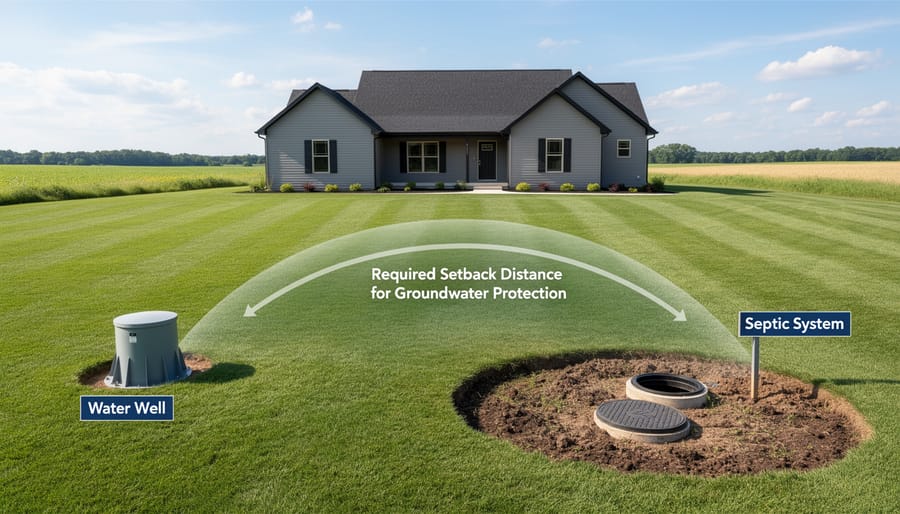
Distance setbacks are equally important for maintaining water purity. Your well must generally be located at least 50 feet from septic systems, though 100 feet is recommended for optimal safety. Many jurisdictions require 10 to 25 feet from property lines, and additional setbacks from livestock areas, fuel storage tanks, and chemical storage sites. These buffer zones create protective barriers between potential pollution sources and your drinking water.
Working with a licensed well driller ensures these standards are met while incorporating modern eco-friendly construction techniques that protect both your household water quality and the broader groundwater ecosystem.
Testing and Water Quality Requirements
Most states don’t mandate ongoing testing for private wells once they’re operational, placing the responsibility squarely on homeowners to monitor their water quality. However, experts strongly recommend annual testing for basic contaminants like bacteria, nitrates, and pH levels. If your well serves multiple households or you live near agricultural areas, industrial sites, or old gas stations, more frequent testing becomes essential.
Understanding when and how to test helps you stay ahead of potential health risks. At minimum, test for coliform bacteria (indicating fecal contamination), nitrates (common near farms), and basic water chemistry. Additional tests for arsenic, lead, radon, and volatile organic compounds may be necessary depending on your region’s geology and nearby land uses.
The EPA sets maximum contaminant levels as health guidelines, though these aren’t legally binding for private wells. For example, nitrate levels should stay below 10 milligrams per liter, while no coliform bacteria should be present. Your local health department can provide region-specific recommendations based on known groundwater concerns.
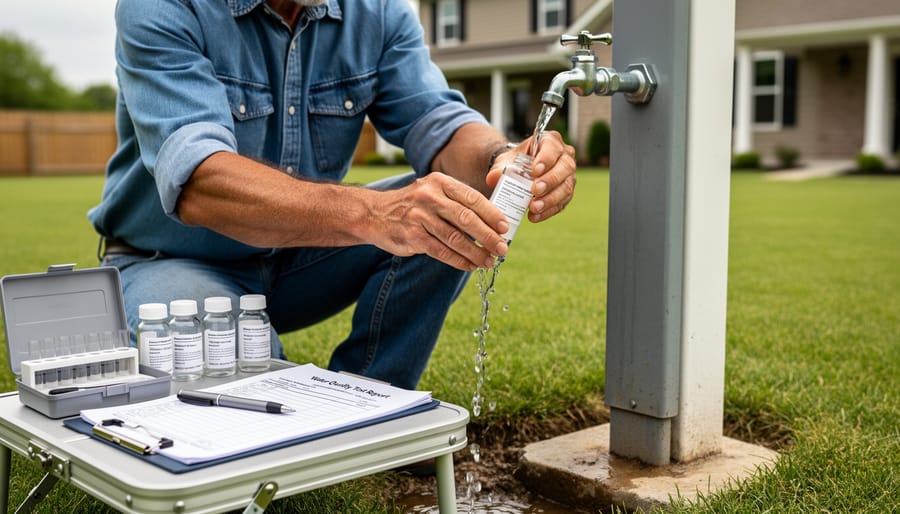
Only certified laboratories should analyze your water samples. State environmental agencies maintain lists of approved testing facilities, ensuring accurate results you can trust. Many offer convenient mail-in kits, making the process straightforward for homeowners. Some health departments even provide free or low-cost testing services, particularly for bacterial contamination.
Consider this proactive approach an investment in your family’s health and your property’s long-term value, especially as innovative water treatment technologies continue making home filtration more effective and sustainable.
Maintenance and Inspection Obligations
As a private well owner, you’re responsible for keeping your water source safe and functional year-round. Most states require annual water quality testing, particularly for bacteria, nitrates, and other common contaminants. Keep detailed records of all test results, as some jurisdictions may request this documentation during property transfers or if concerns arise about local groundwater quality.
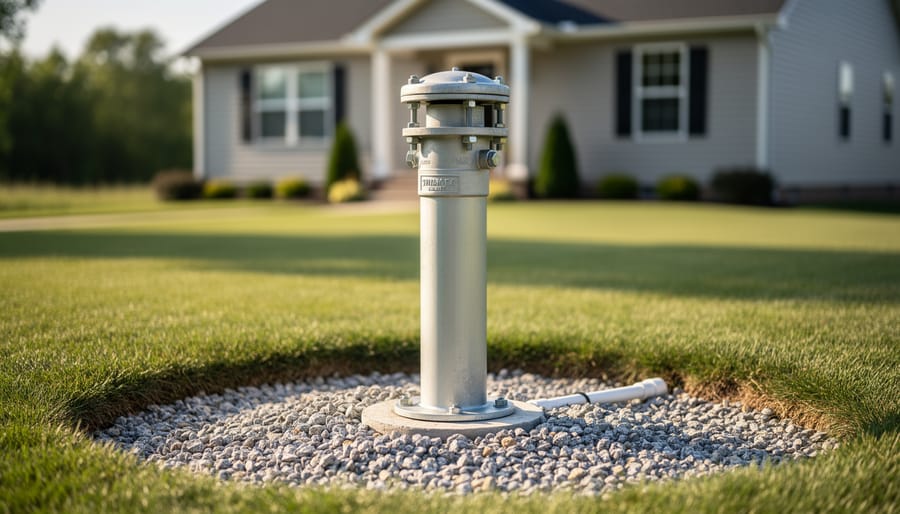
Routine visual inspections should happen at least twice yearly. Check your wellhead for cracks, gaps, or damage that could allow surface water or pests to enter. The well cap should fit securely, and the area around your well should slope away to prevent pooling water. If you notice changes in water pressure, taste, color, or odor, test your water immediately rather than waiting for your annual schedule.
When repairs become necessary, hire licensed well contractors who understand current code requirements. Upgrading older wells with sanitary seals or improved casings often provides better protection against contamination while bringing your system into compliance with modern standards. These proactive maintenance steps not only fulfill your legal obligations but also protect your family’s health and preserve your property value. Documentation of all maintenance activities creates a valuable service history that demonstrates responsible well stewardship to future buyers and regulatory agencies.
Special Rules for Well Abandonment
When a private well is no longer needed, proper abandonment is essential to protect groundwater quality for your entire community. An improperly sealed well creates a direct contamination pathway, allowing surface pollutants, bacteria, and chemicals to bypass natural soil filtration and reach the aquifer below.
Most states require licensed professionals to perform well decommissioning, ensuring the job meets strict environmental standards. The abandonment process typically involves removing the pump and equipment, cleaning the well to remove potential contaminants, and filling the entire depth with approved sealing materials like bentonite clay or cement grout. This creates a permanent barrier preventing anything from traveling down the well shaft.
You’ll generally need to obtain a decommissioning permit before starting work and file a completion report with your local health department or water authority afterward. These documents become part of the property record, which matters when selling your home or if future owners consider drilling nearby.
Never leave an unused well open or simply cap it at ground level. Even wells that seem dry can reactivate during heavy rainfall, becoming hidden hazards. The investment in proper abandonment protects both your property value and the groundwater resources your neighbors depend on, making it a responsible choice for environmentally-conscious homeowners.
The Permit Process: What to Expect When Drilling or Modifying
Documents You’ll Need to Gather
Before you begin the permit application process for your private well, you’ll need to compile several important documents that demonstrate you’re meeting local and state requirements. Start with a detailed site plan showing your property boundaries, proposed well location, and the distances between your well and potential contamination sources like septic systems, livestock areas, or fuel storage tanks. Most jurisdictions require at least 50 to 100 feet of separation.
You’ll also need proof of property ownership, typically a deed or property tax statement, to confirm you have the legal right to drill on the land. A soil test or percolation test may be required to assess drainage conditions and ensure your well won’t interfere with septic system function.
Depending on your location, additional documentation might include a hydrogeological assessment evaluating groundwater availability, well construction plans prepared by a licensed driller, and proof of contractor licensing and insurance. Some areas require environmental impact statements if you’re drilling near protected watersheds or wetlands.
Contact your local health department or environmental agency early in the process to obtain their specific checklist, as requirements vary significantly by region. Having complete documentation upfront prevents costly delays and helps ensure your well project stays on track.
Timeline and Costs to Budget For
Understanding the timeline and costs associated with private well regulations helps you plan effectively and avoid surprises. Permit approval timeframes vary significantly by location, typically ranging from two weeks to several months depending on your local health department’s workload and the complexity of your application. Rural areas often process permits more quickly than densely populated regions.
Application fees for new well permits generally fall between $50 and $500, though some jurisdictions charge more for commercial or high-capacity wells. You’ll also need to budget for mandatory water testing, which costs approximately $100 to $300 per comprehensive analysis covering bacteria, nitrates, and common contaminants. Many states require testing at specific intervals—often when the well is first drilled, during real estate transactions, and periodically thereafter.
Inspection fees add another $100 to $400 to your budget, depending on whether your area requires pre-drilling site evaluations and post-construction inspections. Some progressive communities now offer eco-friendly incentives or reduced fees for homeowners who implement sustainable practices like rainwater collection systems alongside their wells.
To streamline the process, submit complete applications with detailed site plans and soil test results. Contact your local health department early to understand specific requirements and current processing times, ensuring your project stays on schedule and within budget.
When You Can (and Can’t) Skip the Permit
Understanding what triggers permit requirements helps you stay compliant without unnecessary paperwork. Generally, drilling a new well, deepening an existing well, or making major repairs to well casings requires permits from your local health department or environmental agency. These activities could impact groundwater safety, so regulators need to ensure proper construction standards are met.
However, routine maintenance doesn’t typically require permits. You can replace well pumps, pressure tanks, or above-ground components without notifying authorities. Similarly, annual water testing, cleaning sediment filters, and shock chlorination treatments fall under standard homeowner maintenance. Think of it like the difference between building a new bathroom (requires permits) versus fixing a leaky faucet (doesn’t).
Requirements vary by location, much like septic system permits differ across jurisdictions. Before starting any well project, contact your county health department to confirm which activities need approval. This simple call prevents costly compliance issues down the road.
How Septic System Regulations Intersect with Well Rules
Mandatory Setback Distances
Private well regulations require specific setback distances to protect your water source from contamination. These mandatory buffers act as safety zones, preventing pollutants from reaching your drinking water supply.
The most critical setback involves septic systems. Most states require a minimum distance of 50 to 100 feet between your well and any septic tank or drain field. This prevents harmful bacteria and pathogens from seeping into groundwater. If your property has limited space, you may need to apply for a variance, though approval isn’t guaranteed.
Property lines typically require 10 to 25 feet of clearance to ensure your well doesn’t draw water from neighboring properties or become vulnerable to their activities. Additional setback requirements include distances from livestock areas (typically 50 feet minimum), chemical storage facilities (100+ feet), and fuel tanks (at least 50 feet).
Keep in mind that local regulations often exceed state minimums, especially in areas with environmental sensitivity or higher contamination risks. Before drilling, contact your county health department or environmental agency to obtain exact measurements for your location. Understanding these requirements upfront helps you choose the optimal well placement and avoid costly relocations later. These setbacks represent decades of water quality research designed to keep your household water safe and sustainable.
What Happens When Your Neighbor’s Septic Is Too Close
When a neighbor’s septic system sits too close to your private well, contamination risks increase significantly. Most states mandate minimum separation distances—typically 50 to 100 feet between wells and septic systems—but these requirements apply to systems on the same property. Cross-property situations create a gray area that can leave well owners vulnerable.
If you discover a neighboring septic system violates setback distances from your well, contact your local health department immediately. They can inspect the situation and determine whether regulations have been breached. Many jurisdictions have enforcement authority over septic system failures and improperly located systems, even on private property.
Document everything: take photos, record dates of any odors or water quality changes, and maintain testing records showing contamination patterns. This evidence supports your case if legal action becomes necessary. Some states allow affected property owners to pursue civil remedies when neighboring systems threaten groundwater quality.
Prevention works best when buying property. Request septic system locations for adjacent parcels during home inspections, and test well water for coliform bacteria and nitrates. Installing a point-of-use filtration system provides additional protection while regulatory solutions are pursued, safeguarding your household’s health during potential disputes.
Staying Compliant Without Breaking the Bank
Smart Testing Schedules That Save Money
Smart well testing doesn’t mean testing for everything—it means prioritizing what matters most for your family’s health while managing costs effectively. Start with the essentials: bacteria testing should happen annually at minimum, as contamination can occur suddenly from surface runoff or system breaches. Nitrates and nitrites are also non-negotiable, especially if you have infants at home or live near agricultural areas where fertilizer runoff poses risks.
Beyond these basics, customize your testing schedule based on your well’s history and local conditions. If previous tests showed consistent results for metals like lead or arsenic, you might stretch those intervals to every three years instead of annually. However, if you notice changes in water taste, odor, or appearance, test immediately regardless of schedule.
Consider seasonal testing strategies to catch problems early without overspending. Spring testing after snowmelt can reveal contamination from surface water infiltration, while a fall test ensures your system is ready for winter. Many state health departments offer low-cost or free basic bacteria testing, and some provide comprehensive testing packages at reduced rates.
Group testing with neighbors can also reduce costs, as laboratories often discount bulk orders. This collaborative approach not only saves money but builds community awareness about local water quality trends.
DIY vs. Professional: Where You Can Cut Costs
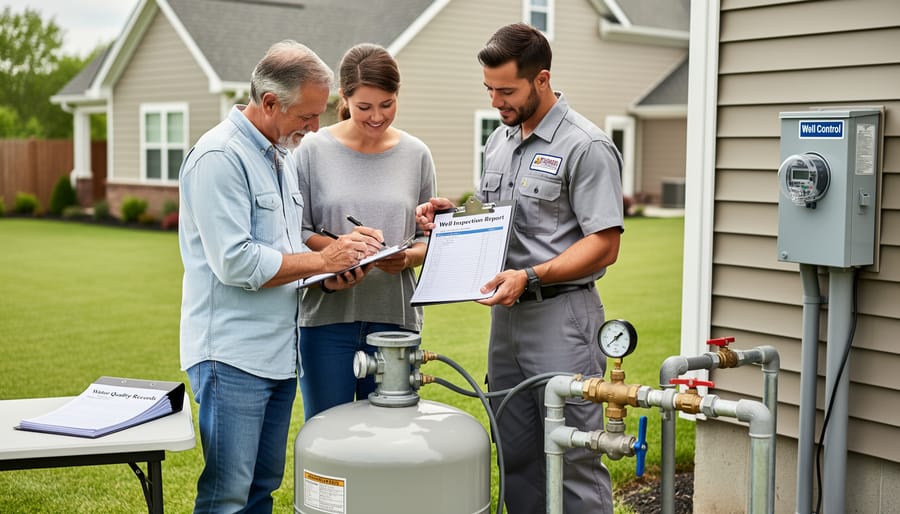
Understanding where you can save money while maintaining compliance with well regulations comes down to knowing your limits. Some tasks are perfect for the DIY-inclined homeowner, while others legally require professional expertise.
You can typically handle routine visual inspections yourself. Walk around your wellhead monthly, checking for cracks, loose caps, or signs of surface water pooling nearby. Keep detailed records of these observations, as regulators appreciate documentation. Basic maintenance like cleaning debris from the well cap area and ensuring proper drainage away from the well are simple weekend tasks that prevent bigger problems.
Water sample collection for testing often falls into the gray area where homeowners can participate. Many state-certified labs provide sterile collection kits with clear instructions, allowing you to gather samples yourself and mail them in. This cuts costs significantly compared to hiring someone for collection, though you’ll still need the professional lab analysis to meet regulatory standards.
However, draw a firm line when it comes to well construction, major repairs, pump installation, or any work involving the sealed well casing. These jobs require licensed well contractors in virtually every jurisdiction. Attempting DIY repairs here risks contaminating your water source, violating regulations, and potentially voiding your homeowner’s insurance. Similarly, professional disinfection following any repair work ensures proper treatment and documentation for regulatory compliance.
Annual professional inspections, while sometimes costly, provide certified documentation that protects you during property sales or regulatory audits. Think of these as investments in both your family’s health and your home’s value, not just expenses to minimize.
Red Flags That Mean Regulatory Trouble
Changes That Require Immediate Reporting
As a private well owner, you’re responsible for monitoring your water system and notifying the appropriate authorities when certain problems arise. Most states require immediate reporting if you detect contamination that poses a health risk, particularly if bacterial testing reveals the presence of E. coli or coliform bacteria above safe thresholds. This protects not only your household but also neighbors who may share the same aquifer.
You must also report major system failures that could allow surface water, chemicals, or other pollutants to enter your well. This includes significant cracks in the well casing, damaged well caps or seals, and any flooding that submerges your wellhead. If you discover your well has been improperly abandoned or that hazardous materials have been stored near your water source, authorities need to know right away.
Some regions mandate reporting when your well runs dry or experiences dramatic drops in water level, as this data helps environmental agencies track groundwater depletion patterns. Additionally, if you’re planning to permanently close or decommission your well, most jurisdictions require advance notification and often insist on professional sealing to prevent it from becoming a contamination pathway. Contact your local health department or environmental agency to understand your specific reporting obligations and keep their emergency contact information readily available.
When to Call an Expert Before Calling the Regulator
Before issues escalate into regulatory violations, consulting a water quality expert can save you significant headaches and expense. If your well water develops unusual taste, odor, or discoloration, a professional assessment helps identify the root cause and appropriate remediation steps. Similarly, if nearby land use changes—such as new construction, agricultural operations, or industrial development—threaten your water source, experts can conduct preventive testing and recommend protective measures like wellhead upgrades or treatment systems.
When routine test results show contaminant levels approaching regulatory thresholds, don’t wait for mandatory action. A qualified well contractor or hydrogeologist can evaluate whether the issue stems from your well’s construction, local geology, or external contamination sources. They’ll propose solutions that address problems at their source rather than simply treating symptoms.
Proactive consultation is especially valuable before major property transactions or renovations near your well. Experts ensure compliance with setback requirements and help you understand how planned changes might affect water quality. This forward-thinking approach protects your investment while demonstrating environmental stewardship, keeping both your household and local groundwater resources healthy for the long term.
Understanding and following private well regulations isn’t just about checking boxes—it’s about safeguarding your family’s health and protecting one of your most valuable investments. While navigating permits, testing requirements, and maintenance standards might feel overwhelming at first, these regulations exist as helpful guardrails designed to ensure your water remains safe and your property retains its value.
Think of compliance as a proactive investment rather than a burden. Regular water testing catches contamination before it affects your household. Proper well construction prevents costly repairs down the line. Maintaining accurate records simplifies property transactions and demonstrates responsible stewardship to future buyers.
Getting started is simpler than you might expect. Begin by contacting your local health department or environmental agency to understand which regulations apply to your specific situation. Most agencies offer free resources, including testing requirement guides and lists of certified contractors. If you’re drilling a new well, connect with a licensed well driller who can navigate the permit process alongside you.
For existing wells, schedule a comprehensive water quality test if you haven’t done so recently. Document your well’s construction details, and create a simple maintenance calendar for routine inspections and testing.
Remember, private well ownership comes with responsibility, but you’re not alone. Local resources, environmental organizations, and water quality experts stand ready to help you maintain compliance. By embracing these regulations as protective measures rather than obstacles, you’re ensuring clean, reliable water for years to come while preserving your property’s value and your peace of mind.