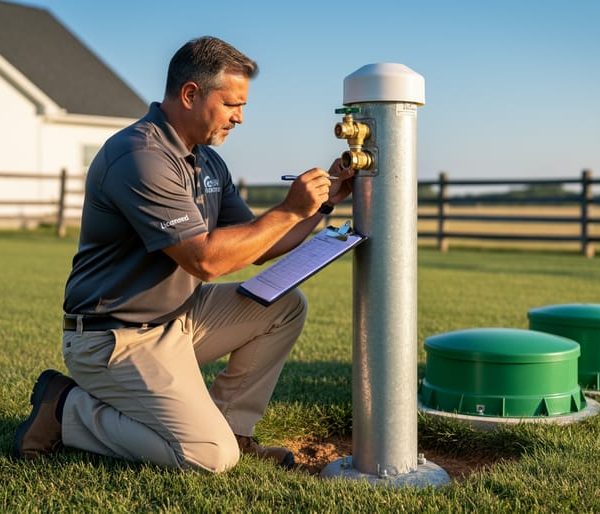
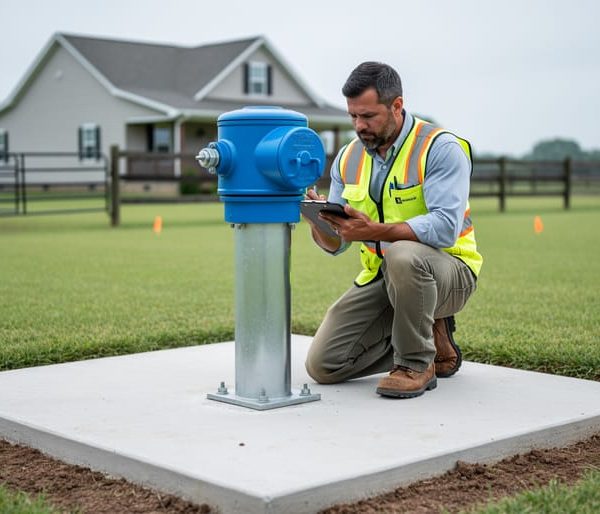
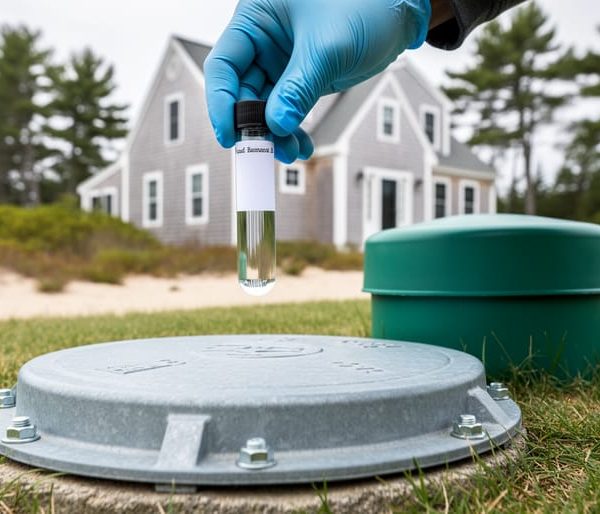
Schedule septic tank pumping every three to five years based on household size and usage patterns—a family of four with a 1,000-gallon tank typically needs service every three years. Test your private well water annually for bacteria and nitrates, with expanded testing every three to five years for metals, volatile organic compounds, and other contaminants that may indicate septic system failure or agricultural runoff. Maintain detailed records of all inspections, repairs, and test results, as Virginia regulations require proper documentation during property transfers and permit applications.
Virginia doesn’t mandate specific maintenance intervals for existing residential systems, but the Department of Health strongly recommends proactive care to prevent costly failures. Your septic system represents a significant investment—typically $15,000 to $30,000 to replace—making preventive maintenance far more economical than emergency repairs. Well contamination from a failing septic system can render your water supply unsafe and create legal liability if it affects neighboring properties.
Understanding the connection between these two systems is essential. Your septic drain field must maintain adequate distance from your well—typically 100 feet minimum under Virginia regulations—but seasonal water table changes, soil composition, and system age all influence performance. Regular inspections help identify warning signs like slow drains, sewage odors, or unusually lush grass over the drain field before they escalate into health hazards or environmental violations.
This guide provides Virginia-specific requirements, science-backed maintenance schedules, and practical strategies to protect both your water quality and property value while supporting sustainable groundwater management in your community.
Understanding Virginia’s Private Well Regulations

Who Needs to Follow These Guidelines
If you’re a Virginia homeowner relying on a private well for drinking water or using a septic system for wastewater treatment, these guidelines apply directly to you. Approximately 1.3 million Virginians—roughly 15% of the state’s population—depend on private wells rather than public water systems. Unlike municipal water users whose supply is continuously monitored by utilities, private well owners bear full responsibility for testing and maintaining their water quality.
Virginia’s well and septic guidelines become mandatory during specific circumstances. New construction requires testing and permits before installation. When selling your home, real estate transactions typically trigger testing requirements, with many lenders and buyers requesting recent well water analyses. Major system repairs or modifications also fall under regulatory oversight from the Virginia Department of Health.
Even if you’re not currently buying, selling, or building, these guidelines serve as essential best practices. Regular voluntary testing protects your family’s health and helps you catch potential contamination early—before it becomes a costly emergency. Understanding these requirements empowers you to maintain your systems proactively, preserving both your property value and the groundwater resources that sustain your household and surrounding ecosystem.
Key Testing Parameters Set by Virginia
Virginia’s Department of Health recommends testing private wells for a comprehensive panel of contaminants that reflect both universal water safety concerns and region-specific geological characteristics. Understanding these parameters helps homeowners protect their families and maintain healthy water systems.
The primary testing panel includes coliform bacteria, which serve as indicators of potential contamination from surface water or septic systems. Since Virginia doesn’t mandate testing schedules, knowing when to test well water becomes crucial for proactive homeowners. The state recommends annual bacteria testing as a baseline practice.
Nitrate testing is particularly important in agricultural areas and communities with aging septic systems. Elevated nitrate levels can indicate contamination from fertilizers or failing septic systems, posing serious health risks, especially for infants and pregnant women. Virginia’s diverse geology means nitrate concerns vary significantly between regions.
pH testing helps identify corrosive or scaling water conditions that can damage plumbing and affect water taste. Virginia’s groundwater pH typically ranges from slightly acidic to neutral, depending on local geology. Understanding your water’s pH helps you make informed decisions about treatment systems if needed.
Additional recommended tests include total dissolved solids, hardness minerals like calcium and magnesium, iron, manganese, and arsenic in certain geological zones. Coastal and mountain regions may have specific concerns based on bedrock composition. Homeowners near industrial areas or former agricultural land should consider expanded testing for pesticides and volatile organic compounds. Working with certified laboratories ensures accurate results that guide appropriate treatment decisions.
Virginia’s Septic System Standards and Requirements

When Inspections Are Required in Virginia
Virginia law mandates septic system inspections during specific situations to protect public health and groundwater quality. When you sell your property, a professional septic inspection is typically required before closing, ensuring the buyer understands the system’s condition. This protects both parties and prevents costly surprises down the road.
Inspections also become mandatory when septic system failures occur, such as sewage backups, standing water in the drainfield, or foul odors around your property. If you’re planning home additions or renovations that increase water usage or impact the septic area, you’ll need a permit requiring system evaluation to ensure it can handle the additional load.
Beyond these required scenarios, Virginia health officials recommend voluntary inspections every three to five years for conventional systems. Regular checkups help catch minor issues before they become environmental hazards or expensive repairs. Think of it like routine car maintenance—prevention costs far less than emergency fixes. For alternative systems with mechanical components, annual professional inspections are advisable to keep advanced treatment processes functioning efficiently. Proactive monitoring protects your investment, safeguards your family’s health, and preserves local water resources for future generations.
Approved Septic System Types in Virginia
Virginia approves several types of septic systems designed to accommodate the state’s diverse soil conditions and property characteristics. Understanding which system works best for your property helps ensure long-term functionality and environmental protection.
Conventional septic systems remain the most common choice for Virginia homeowners. These systems use gravity to move wastewater from your home into a septic tank, where solids settle and separate. The liquid effluent then flows into a drainfield, where soil naturally filters and treats the wastewater before it returns to the groundwater. Conventional systems work well on properties with adequate lot size, suitable soil types, and proper drainage characteristics.
When soil conditions or lot constraints make conventional systems impractical, Virginia permits various alternative septic systems. These include aerobic treatment units, which introduce oxygen to speed up waste decomposition, and drip irrigation systems that distribute treated wastewater through shallow tubing networks. Low-pressure pipe systems and mound systems represent other alternatives for challenging terrain or high water tables.
Your local health department determines which system type is appropriate for your property through a mandatory soil evaluation and percolation test. These assessments examine soil texture, depth to bedrock, seasonal water table levels, and lot size. Properties with clay-heavy soils, limited space, or poor drainage typically require alternative systems that provide enhanced treatment or different distribution methods.
The Virginia Department of Health maintains strict approval standards for all system types, ensuring they protect both public health and groundwater quality. Working with licensed professionals during installation ensures your system meets current regulations and performs efficiently for decades.
Creating Your Routine Well Testing Schedule
Annual vs. Periodic Testing: What’s Really Necessary
Not all water tests need to happen on the same schedule, and understanding the difference can save you money while still protecting your family’s health. Virginia’s Department of Health recommends a practical approach based on how contaminants typically behave in groundwater.
Annual testing should focus on bacteria and nitrates. These dangerous contaminants can change quickly due to seasonal variations, nearby land use changes, or septic system failures. Bacteria especially fluctuates with rainfall and temperature, making yearly monitoring essential for catching problems early.
Less frequent testing makes sense for parameters that remain relatively stable. Heavy metals like lead and arsenic typically require testing every three to five years unless you notice changes in water appearance or taste. These contaminants don’t suddenly appear overnight—they’re usually related to geological conditions or well infrastructure that remains constant.
Volatile organic compounds need testing every three to five years in most situations, though more frequent testing makes sense if you live near industrial areas, gas stations, or agricultural operations using pesticides.
This tiered approach aligns with Virginia’s groundwater characteristics while keeping testing costs manageable. Think of annual bacteria tests as your regular health checkup, while periodic testing for other parameters serves as your comprehensive physical exam—both necessary, but at different intervals.
How to Choose a Certified Testing Lab in Virginia
Virginia requires water testing laboratories to hold certification from the Virginia Department of General Services, Division of Consolidated Laboratory Services. When searching for a testing facility, verify their certification status through the VDH website or by requesting documentation directly from the lab. Look for accreditation from organizations like the National Environmental Laboratory Accreditation Program, which demonstrates adherence to rigorous quality standards.
Most certified labs offer comprehensive well water testing packages ranging from $150 to $300, depending on the parameters tested. Basic screenings typically cover bacteria, nitrates, and pH levels, while advanced panels include heavy metals, volatile organic compounds, and emerging contaminants. Some facilities provide specialized testing for specific concerns like PFAS or agricultural runoff, particularly important for rural Virginia properties.
The testing accuracy depends heavily on proper sample collection. Most labs provide sterile collection bottles and detailed instructions. Avoid running water through filtration systems before sampling, as this skews results. Collect samples from cold water taps after running water for several minutes to clear standing water from pipes. Deliver samples to the lab within the specified timeframe, usually within 24 hours for bacterial testing.
Many Virginia health districts maintain lists of approved laboratories and may offer reduced-cost testing programs. This resource simplifies finding reliable facilities while supporting community health initiatives and environmental stewardship.

Essential Septic System Maintenance for Virginia Homeowners
The Virginia Pumping Schedule That Prevents Emergencies
Virginia’s Department of Health recommends pumping your septic tank every 3 to 5 years, though this timeline isn’t one-size-fits-all. Think of septic pumping like changing your car’s oil—regular maintenance now prevents costly breakdowns later. Your specific pumping schedule depends on several household factors that directly impact how quickly solids accumulate in your tank.
Household size plays the biggest role in determining frequency. A family of five generates considerably more wastewater than a couple, filling the tank faster and requiring more frequent pumping. If you use a garbage disposal regularly, you’ll need to pump more often since food particles add extra solids to your system. The type of septic system you have also matters—conventional systems typically follow the standard 3-5 year schedule, while alternative systems may have different requirements.
Following this preventive schedule protects both your wallet and your property. Regular pumping costs a few hundred dollars, while emergency repairs from system failure can run into thousands. When tanks overflow due to neglect, untreated wastewater can contaminate groundwater, damage your drainfield, and create health hazards. By staying ahead with routine maintenance, you’re investing in your home’s long-term sustainability while protecting Virginia’s precious water resources.
DIY Monitoring Between Professional Services
Between your professional inspections and pump-outs, staying alert to your septic system’s condition helps you catch problems before they escalate into costly repairs or environmental violations. Simple weekly checks require no special tools—just your senses and attention.
Start by walking your drain field area after rainfall or heavy household water use. Look for standing water, unusually lush grass patches, or soggy ground, which signal that wastewater isn’t properly filtering into the soil. These are early warnings that your system may be overloaded or failing.
Inside your home, notice how quickly sinks, showers, and toilets drain. Slow drainage throughout multiple fixtures often indicates your septic tank needs pumping or there’s a developing blockage. Gurgling sounds from drains also suggest ventilation problems or tank fullness.
Trust your nose. Sewage odors near the drain field, tank location, or inside your home aren’t normal and require immediate attention. They indicate wastewater is surfacing or backing up rather than properly treating.
Check exposed tank components and the area around your well cap for any unusual conditions. Document what you observe with photos and dates—this record helps professionals diagnose recurring issues and demonstrates your diligence should regulatory questions arise.
These simple monitoring habits protect Virginia’s groundwater, preserve your property value, and help you address minor issues before they become health hazards or compliance violations.
Environmental and Health Impact of Proper Well and Septic Care
When you maintain your well and septic system according to Virginia’s guidelines, you’re doing much more than protecting your own property. You’re safeguarding the health of your family and contributing to the environmental well-being of your entire community.
Virginia’s groundwater serves as a drinking water source for millions of residents. When septic systems malfunction or wells become contaminated, the effects ripple outward. Improperly treated wastewater can seep into aquifers, carrying harmful bacteria, viruses, and nitrates that affect neighboring wells and nearby waterways. These contaminants don’t respect property lines, which is why the state’s regulatory framework emphasizes prevention through regular maintenance.
The health implications are significant and immediate. Waterborne pathogens from failing septic systems can cause gastrointestinal illness, especially in vulnerable populations like children and the elderly. High nitrate levels in drinking water pose serious risks to infants and have been linked to various health concerns. By following recommended testing schedules and maintenance practices, you create a protective barrier against these invisible threats.
From an environmental perspective, proper septic care prevents nutrient pollution that triggers algae blooms in Virginia’s streams, rivers, and the Chesapeake Bay. These blooms deplete oxygen levels, harming fish populations and disrupting aquatic ecosystems. Your well-maintained system becomes part of the solution to regional water quality challenges.
Modern innovations are making responsible stewardship easier than ever. Advanced treatment systems and real-time monitoring technologies help homeowners track system performance and catch problems early. When combined with Virginia’s science-based guidelines, these tools empower you to protect both your investment and the shared water resources that sustain your community for generations to come.
Record-Keeping and Documentation Virginia Recommends
Maintaining thorough records of your well and septic system isn’t just about staying organized—it’s an investment in your property’s value and your family’s health. Virginia doesn’t mandate specific record-keeping for private systems, but homeowners who document their maintenance history consistently save money and headaches down the road.
Start by creating a dedicated file, either physical or digital, for all system-related documents. Keep copies of your original installation permits, inspection reports, and as-built diagrams showing exactly where your well and drainfield are located. These maps become invaluable when scheduling repairs or planning landscaping projects. Include all water quality test results with dates clearly marked, creating a timeline that shows trends in your water chemistry over the years. This historical data helps you spot developing problems before they become expensive emergencies.
Document every maintenance activity, including septic pumping receipts, filter changes, and any repairs with dates and service provider information. Note unusual observations too—changes in water taste, slow drains, or soggy spots near your drainfield. These seemingly minor details can help technicians diagnose issues faster.
Plan to keep these records indefinitely while you own the property. When it’s time to sell, prospective buyers and their lenders often request proof of proper maintenance, particularly septic pumping history from the past three to five years. Well-maintained documentation demonstrates responsible ownership and can justify your asking price. Additionally, if you ever need to file an insurance claim for contamination or system failure, detailed records strengthen your case significantly. Consider backing up digital files to cloud storage for extra security against loss.
Following Virginia’s well and septic guidelines isn’t just about regulatory compliance—it’s about protecting your family’s health, your property value, and your wallet. The peace of mind that comes from knowing your water is safe and your septic system is functioning properly is invaluable. More importantly, routine maintenance and testing are far less expensive than emergency repairs. A failed septic system can cost $15,000 to $30,000 to replace, while annual inspections typically run a few hundred dollars. Similarly, treating contaminated water after discovering a problem is much more costly than preventive testing.
Taking that first step is easier than you might think. Schedule your next well water test or septic inspection today. Many Virginia counties offer resources and approved contractor lists to help you get started. By embracing these sustainable practices, you’re not only meeting your responsibilities as a homeowner but also contributing to cleaner groundwater and healthier communities. Your well and septic system are long-term investments in your home’s future—treat them that way, and they’ll serve you reliably for decades to come.