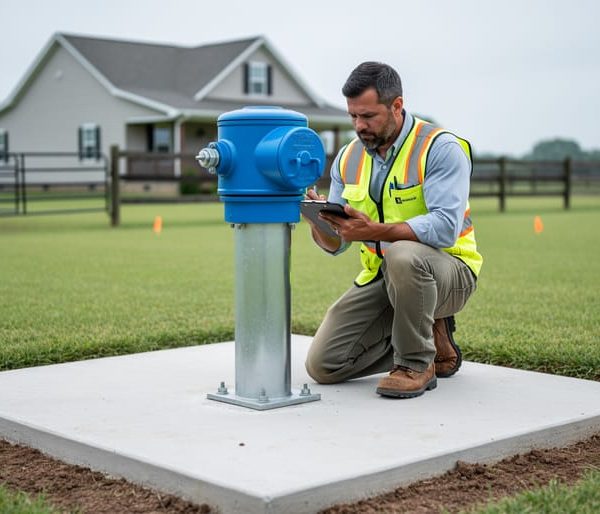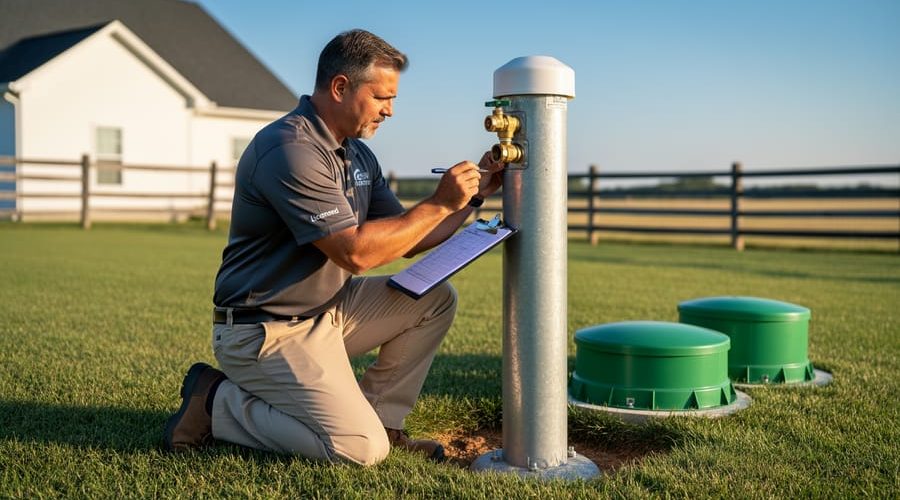
Understand that USDA rural development loans require your well and septic system to meet specific federal standards beyond basic local codes—these stricter requirements protect your investment and ensure long-term water safety. Request a detailed property inspection from a USDA-approved appraiser who will verify your well produces at least 5 gallons per minute continuously, sits at least 100 feet from your septic system, and features a sanitary well cap with proper casing that extends 12 inches above ground level. Confirm your septic system has valid permits, documentation of proper installation depth and sizing for your household (typically 1,000 gallons minimum for three bedrooms), and meets all setback distances from property lines, wells, and surface water—properties with non-compliant systems will require repairs or replacements before loan approval.
Secure copies of your well’s construction report and recent water quality test showing bacterial safety and mineral content, as USDA underwriters review these documents during the loan process to verify potability standards. Schedule a septic inspection with a licensed professional who can provide a compliance certificate confirming tank integrity, drain field functionality, and proper wastewater treatment capacity—this proactive step prevents last-minute surprises that could delay closing.
Recognize that failing systems discovered during USDA appraisal don’t automatically disqualify your loan; instead, negotiate repairs with sellers or explore USDA’s repair escrow options that allow you to complete improvements post-purchase using loan funds. Properties in areas without municipal water or sewer access particularly benefit from USDA financing, making these rural homes accessible to qualified buyers who understand the compliance pathway. Your well and septic systems represent critical infrastructure investments that affect both your family’s health and property value, making USDA’s thorough vetting process a protective advantage rather than an obstacle.
What Are USDA Well and Septic Requirements?
Why USDA Has These Standards
The USDA established these well and septic standards to safeguard three fundamental pillars of rural homeownership: your health, your investment, and the environment.
First and foremost, these requirements protect public health by ensuring your drinking water stays free from contamination. When wells and septic systems are improperly spaced or installed, harmful bacteria and pollutants can migrate into groundwater sources, creating serious health risks for your family and neighbors. The USDA’s minimum distance requirements between wells and septic components act as a protective barrier against waterborne illnesses.
Beyond health concerns, these standards preserve property values in rural communities. Homes with compliant water and waste systems maintain their marketability and hold stronger resale value. Properties that fail to meet these requirements often face costly repairs or system replacements before they can be sold with USDA financing.
The standards also align with the USDA’s broader environmental mission of promoting sustainable rural development. Properly functioning septic systems prevent groundwater pollution, protect local ecosystems, and support the long-term viability of rural water resources. This eco-conscious approach recognizes that your individual property choices impact the collective health of rural watersheds and aquifers.
By setting clear benchmarks, the USDA helps rural homeowners make informed decisions that balance immediate housing needs with lasting environmental stewardship.
How USDA Requirements Differ from Local Codes
Understanding the difference between USDA requirements and local codes is essential for rural homeowners seeking financing. The USDA establishes minimum baseline standards for well and septic systems to protect property values and ensure safe living conditions. However, these federal guidelines don’t replace local regulations—they work alongside them.
Your property must satisfy both USDA standards and your county or municipal health department codes. In most cases, local requirements prove more stringent than federal ones. For example, while USDA might require a well to be at least 50 feet from a septic system, your local health department could mandate 100 feet based on soil conditions or groundwater concerns in your area.
Think of USDA requirements as the floor, not the ceiling. Local authorities account for regional factors like water table depth, soil composition, and environmental sensitivities that federal standards can’t address. When these requirements conflict, the stricter regulation always applies.
Before purchasing property or planning system installations, contact both your USDA-approved lender and local health department. This dual approach ensures compliance from the start, preventing costly delays in your loan approval or unexpected upgrade expenses that could derail your rural homeownership dreams.
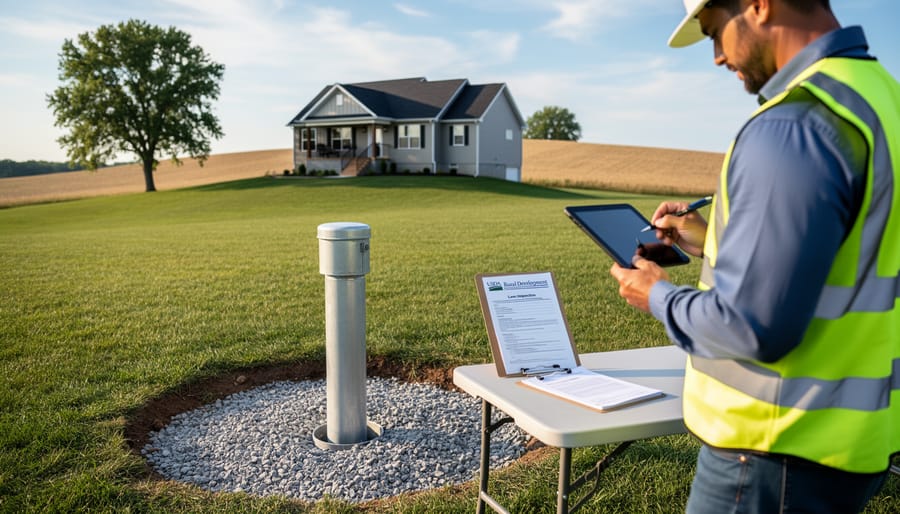
USDA Well Requirements: What You Need to Know
Well Construction and Location Standards
Building a well that meets USDA standards requires careful attention to location and construction details that protect your water supply from contamination. These requirements exist to ensure your drinking water stays clean and safe for years to come.
First, let’s talk about placement. Your well must maintain specific distances from potential contamination sources. The USDA typically requires wells to be at least 100 feet away from septic tanks and 150 feet from drain fields, though local regulations may demand even greater separation. You’ll also need to position your well at least 10 feet from property lines and keep it away from areas where chemicals, livestock waste, or other pollutants might seep into the ground.
Well depth matters significantly for water quality. Most USDA-compliant wells must extend deep enough to reach reliable groundwater sources, usually at least 25 feet below the surface, though many areas require depths of 100 feet or more. This depth helps ensure you’re drawing from protected aquifers rather than shallow water that’s more vulnerable to surface contamination.
The construction itself centers on proper casing, which is essentially a protective tube that lines your well shaft. This casing must be watertight, typically made from steel, PVC, or other approved materials, and extend both deep into the ground and at least 12 inches above the surface. The top of your well needs a sanitary seal or well cap to prevent insects, small animals, and surface water from entering.
Professional installation ensures these specifications are met correctly, giving you peace of mind about your household’s water safety and USDA loan approval.
Water Quality Testing Requirements
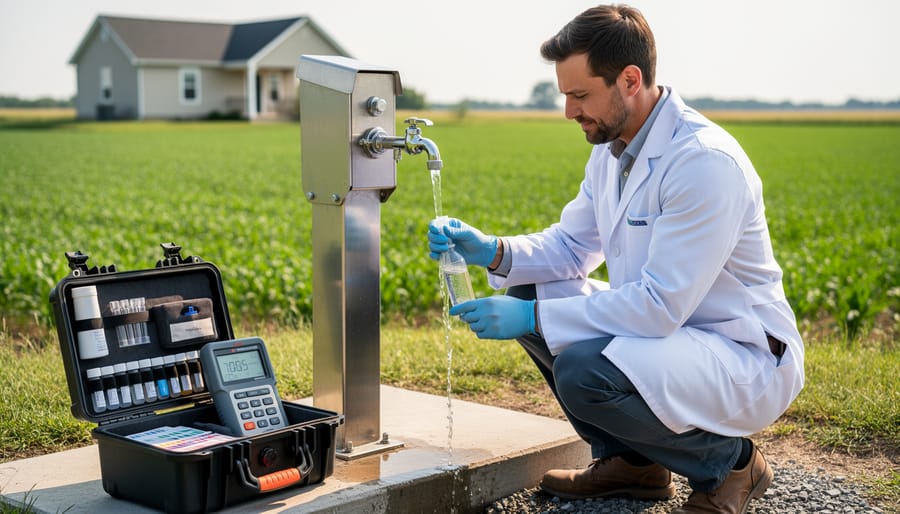
When applying for a USDA rural development loan, your well water must meet specific safety standards to protect your family’s health and ensure your investment is sound. The USDA requires comprehensive water quality testing conducted by a certified laboratory or qualified professional before loan approval.
At minimum, your well water must be tested for coliform bacteria, which indicates potential contamination from surface water or septic systems. The test must also screen for nitrates and nitrites, common agricultural pollutants that pose serious health risks, especially to infants and pregnant women. Depending on your property’s location and local environmental factors, additional testing for lead, arsenic, or other contaminants may be required.
Only state-certified laboratories or licensed water testing professionals can perform these tests for USDA loan purposes. Your lender will provide a list of approved testing facilities in your area. The water sample must be collected following strict protocols to ensure accurate results, typically requiring special sterile containers and proper handling procedures.
To pass USDA standards, your water must show zero presence of coliform bacteria and nitrate levels below 10 milligrams per liter. Any detection of harmful contaminants will require remediation through treatment systems like filtration, disinfection, or well rehabilitation before loan approval proceeds. These requirements align with the USDA’s commitment to ensuring safe, sustainable rural housing while protecting both your health and the environment for future generations.
Flow Rate and Capacity Standards
When evaluating a well for USDA loan approval, flow rate stands as one of the most critical measurements your property must meet. The USDA typically requires a minimum flow rate of 5 gallons per minute (GPM) for residential properties, though this can vary based on household size and local regulations. This standard ensures your well can supply enough water for everyday activities like showering, laundry, and dishwashing without running dry.
To determine flow rate, a certified well inspector conducts a drawdown test, which measures how quickly your well produces water over a sustained period, usually four hours. During this test, water is pumped continuously while the inspector monitors the water level inside the well casing. A properly functioning well should maintain the minimum GPM throughout the entire testing period without significant water level decline.
Beyond simple flow rate, inspectors also evaluate your well’s recovery rate, which shows how quickly the water table replenishes after heavy use. This matters especially during drought conditions or peak usage times when your household demands increase. Properties with shallow wells or those in areas with seasonal water table fluctuations may face additional scrutiny.
If your well fails to meet capacity standards, you have several sustainable solutions available. Deepening the existing well, installing a larger storage tank to supplement lower flow rates, or drilling a new well in a more productive location can all bring your property into compliance. These improvements not only satisfy USDA requirements but also provide long-term water security for your household while supporting responsible groundwater management practices.
USDA Septic System Requirements Explained
Approved Septic System Types
When financing a rural property through a USDA loan, understanding which septic system types meet their standards is essential for approval. The good news is that USDA accepts both conventional and alternative systems, provided they’re properly designed and installed according to local health department regulations.
Conventional gravity-fed septic systems remain the most common approved option. These traditional systems use natural slope and gravity to move wastewater from your home into a septic tank, then through a drain field where soil naturally filters contaminants. They’re cost-effective, reliable, and work well when you have adequate space, proper soil composition, and favorable terrain. USDA typically prefers conventional systems because they have a proven track record and lower maintenance requirements.
However, not every property has ideal conditions for conventional systems. If your land has poor soil drainage, high water tables, shallow bedrock, or limited space, alternative systems become necessary. USDA-approved alternatives include aerobic treatment units, which use oxygen to break down waste more efficiently, and mound systems, which build an elevated drain field when natural soil depth is insufficient. Pressure distribution systems work well on flat terrain or areas with slow-draining soil by evenly distributing wastewater throughout the drain field.
The key to USDA approval isn’t necessarily which type you choose, but rather ensuring it’s properly sized for your home, professionally installed, and permitted by your local health authority. A qualified soil scientist or septic designer can evaluate your property’s unique characteristics and recommend the most appropriate system that balances environmental sustainability with USDA compliance requirements.
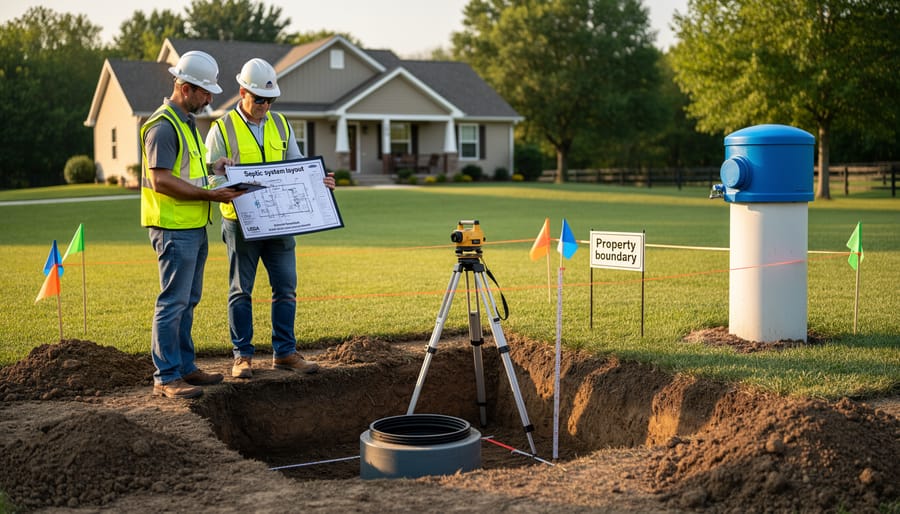
Installation and Design Specifications
Getting your well and septic system properly designed means understanding the spacing rules and specifications that protect your water quality. These requirements ensure your drinking water stays safe while your wastewater gets treated effectively.
Setback distances are the foundation of a compliant system. Your septic tank must be at least 50 feet from any well, while the drain field needs to maintain a minimum 100-foot distance from wells and drinking water sources. Property lines typically require 10-foot setbacks, and you’ll need to keep septic components at least 50 feet from streams, lakes, or other water bodies. These buffers prevent contamination and give your soil adequate space to naturally filter wastewater.
Tank sizing depends on your household’s daily water usage and bedroom count. A typical three-bedroom home requires a 1,000-gallon septic tank, while larger homes need proportionally bigger tanks. The calculation accounts for peak usage periods and ensures enough retention time for proper waste separation.
The drain field, or leach field, is where the real treatment happens. Your soil becomes a natural filter, removing harmful bacteria and nutrients before water reaches groundwater supplies. Soil percolation tests measure how quickly water moves through your soil, determining if your property can support a conventional drain field. Sandy soils drain quickly but may need larger fields, while clay soils drain slowly and might require alternative treatment systems.
Percolation rates between 5 and 60 minutes per inch generally work for standard systems. Faster or slower rates may require engineered solutions like mound systems or drip irrigation fields, adding to installation costs but ensuring environmental protection.
Inspection and Certification Process
For USDA-backed loans, your septic system and well must undergo professional inspection before loan approval. Understanding this process helps you prepare properly and avoid delays in your home purchase or refinancing.
Licensed professionals qualified by your state or local health department typically conduct septic system inspections. These specialists assess whether your system meets USDA standards and local regulations. The inspector examines the tank for structural integrity, checks for leaks or cracks, measures sludge and scum levels, and evaluates the drain field for proper function. They’ll also verify that your system is appropriately sized for your home and positioned at safe distances from your well and property boundaries.
The well inspection process involves testing water quality and flow rate. A certified water testing laboratory analyzes samples for bacteria, nitrates, and other contaminants that could pose health risks. The well itself is inspected for proper construction, adequate depth, and protective features like sealed casings that prevent contamination.
After inspection, you’ll receive detailed reports documenting compliance or noting any deficiencies. For USDA loan approval, your lender requires certification that both systems meet all applicable standards. If issues arise, you’ll need to complete repairs and obtain re-inspection before proceeding.
Keep these documents organized, as they become part of your permanent property records. This documentation not only satisfies immediate loan requirements but also provides valuable information for maintaining these essential systems throughout your homeownership, supporting both your household’s health and environmental sustainability.
Navigating the Permit Process for USDA Compliance
Required Permits and Applications
Navigating the permit process for well and septic systems may seem daunting, but understanding what’s required upfront can save you time and prevent costly delays. When financing through USDA loans, you’ll typically need several key permits before installation begins.
The primary permit you’ll need is from your local health department, which oversees septic system permits and well approvals. This department evaluates your property’s soil conditions, water table levels, and system design to ensure public health protection. Most health departments require a percolation test and site evaluation before issuing permits.
You may also need environmental permits from state agencies, particularly if you’re near protected wetlands, waterways, or environmentally sensitive areas. These permits ensure your systems won’t negatively impact local ecosystems or groundwater quality.
Construction permits from your county or municipal building department are typically required as well. These ensure your installation meets structural and safety codes.
Application timelines vary by location, but generally expect 4-8 weeks for health department approvals and 2-4 weeks for building permits. Environmental permits can take longer, sometimes 8-12 weeks depending on review complexity.
Start by contacting your county health department, as they can guide you through the specific requirements for your area. Many jurisdictions now offer online application portals, making the process more streamlined. Budget additional time for potential resubmissions if initial applications need modifications to meet local standards.
Working with Licensed Contractors and Inspectors
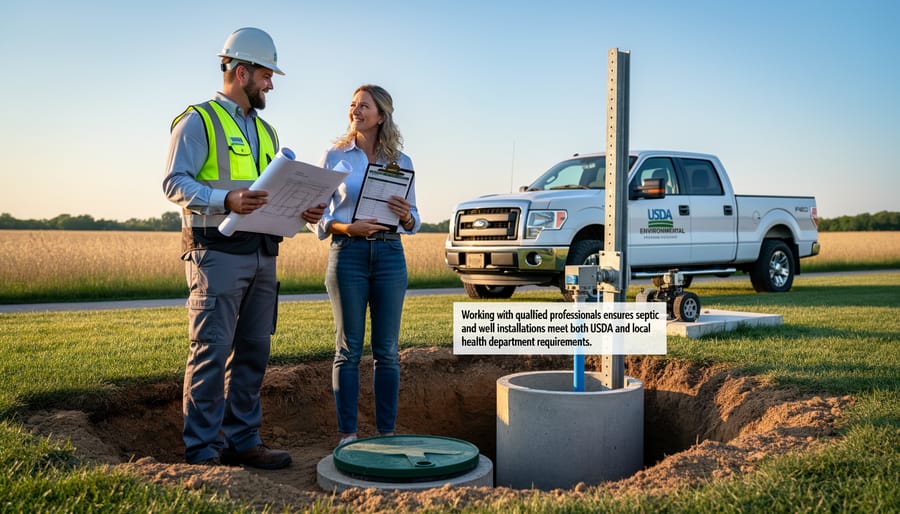
When working on well and septic systems for USDA loan approval, choosing the right professionals can make the difference between smooth approval and costly delays. Start by selecting contractors who hold current state licenses and specific certifications for well drilling and septic installation. These professionals should have proven experience with USDA-financed properties and understand both federal requirements and your local regulations.
Ask potential contractors for references from recent USDA loan projects and verify their insurance coverage, including liability and workers’ compensation. A qualified contractor will be familiar with your county’s permitting process and can help navigate the dual compliance requirements of USDA and local health departments.
The inspection process requires hiring certified inspectors who understand USDA standards. These inspectors evaluate system functionality, water quality, and compliance with separation distances between wells and septic systems. Request copies of all inspection reports and test results, as you’ll need these documents for loan approval.
Before work begins, obtain detailed written estimates that specify materials, timelines, and warranty information. Ensure contracts include language about meeting USDA requirements and achieving passing inspection results. Your contractor should pull all necessary permits and schedule required inspections with local authorities.
Consider this an investment in your property’s long-term sustainability and environmental impact. Modern systems installed by qualified professionals often incorporate water-saving technologies and eco-friendly designs that reduce environmental footprint while meeting all compliance standards. Don’t hesitate to ask questions throughout the process—reputable contractors appreciate informed homeowners who care about quality and proper installation.
Common Problems and How to Fix Them
When Water Tests Fail
When your water test reveals contamination, don’t panic—USDA-approved solutions can restore your water quality and keep your loan on track. The key is addressing issues promptly with systems that meet USDA standards.
For bacterial contamination, shock chlorination often provides a quick fix. A licensed professional floods your well system with chlorine to eliminate harmful bacteria. After treatment, retesting within 7-10 days confirms success. If bacteria persist, installing a continuous disinfection system becomes necessary.
UV treatment systems offer an eco-friendly solution for bacterial concerns without adding chemicals to your water. These systems use ultraviolet light to neutralize bacteria and viruses as water flows through, providing safe drinking water while maintaining natural taste.
When tests show common water contaminants like nitrates, arsenic, or heavy metals, filtration becomes essential. Reverse osmosis systems effectively remove these contaminants, though whole-house systems may be required depending on contamination levels. Point-of-use filters at drinking taps offer a more budget-friendly alternative for localized treatment.
Water softeners address hardness issues and mineral content, protecting your plumbing while improving water quality. The USDA accepts various treatment approaches as long as certified systems are properly installed and maintained.
Documentation is crucial—keep all treatment system receipts, installation records, and post-treatment test results. These prove compliance and demonstrate your commitment to maintaining safe water quality for USDA approval.
Addressing Failing or Non-Compliant Septic Systems
When your inspection reveals a septic system that doesn’t meet USDA standards, you have several pathways forward. Understanding your options helps you make informed decisions that protect both your investment and the environment.
Repair is the most cost-effective solution when issues are minor, such as damaged distribution pipes or a malfunctioning pump. These fixes typically range from $500 to $3,000 and can quickly bring your system into compliance. However, repairs only work when the fundamental design and capacity remain sound.
Upgrading involves enhancing your existing system with modern components. This might include adding an aerator to improve treatment efficiency or installing a new drainfield in a better location. Upgrades generally cost $5,000 to $15,000, depending on complexity, but can extend your system’s lifespan significantly while meeting current environmental standards.
Complete replacement becomes necessary when dealing with failing septic systems that are undersized, poorly located, or fundamentally incompatible with modern regulations. New system installation ranges from $10,000 to $30,000, with advanced treatment systems costing more. While expensive, replacement offers long-term reliability and peace of mind.
The USDA may require escrow holdbacks for necessary repairs, meaning funds are set aside at closing to ensure compliance work gets completed. Work closely with certified septic contractors who understand local codes and sustainable treatment methods to maximize your investment while protecting groundwater quality.
Cost Considerations and Financial Planning
Understanding the financial investment required for USDA-compliant well and septic systems helps you plan realistically for your rural property purchase. These costs can vary significantly based on your location, soil conditions, and existing infrastructure.
For well installations, expect to invest between $3,000 and $15,000 depending on depth requirements and local geology. Shallow wells in areas with high water tables cost less, while properties requiring deeper drilling face higher expenses. Well water testing, a mandatory USDA requirement, typically runs $300 to $800 for comprehensive analysis covering bacteria, nitrates, and other contaminants. You’ll also need to budget for permits, which range from $50 to $500 depending on your county.
Septic system costs present a larger financial commitment. New conventional systems average $3,000 to $7,000, but properties with challenging soil conditions or limited space may require advanced treatment systems costing $10,000 to $25,000. Soil percolation tests, essential for determining septic feasibility, add another $500 to $1,500 to your upfront expenses. Permit fees for septic installations typically range from $200 to $2,000 based on system complexity and local regulations.
If inspections reveal contamination or system failures, remediation becomes necessary. Well remediation, including shock chlorination and filtration system installation, can cost $500 to $5,000. Septic repairs or replacements represent more substantial investments, potentially reaching $20,000 for complete system overhauls.
The good news for rural homebuyers is that USDA loans can help finance these improvements. While the loan itself requires compliant systems at closing, USDA rehabilitation and repair programs may cover necessary upgrades. Some buyers negotiate repairs with sellers or request purchase price reductions to offset improvement costs.
Planning ahead is crucial. Request well and septic inspections early in your property search, obtain multiple contractor quotes, and discuss financing options with your USDA loan officer. This proactive approach prevents last-minute financial surprises and ensures your rural property investment supports both your family’s health and environmental sustainability.
Protecting Your Investment: Long-Term Maintenance
Meeting USDA requirements is just the beginning—protecting your investment means maintaining your well and septic systems properly for years to come. Regular maintenance not only preserves your property value but also safeguards your family’s health and the environment.
For well systems, establish a routine testing schedule. Test your water annually for bacteria, nitrates, and pH levels at minimum. If you live near agricultural areas or industrial sites, consider additional testing for pesticides and heavy metals every three to five years. Keep detailed records of all test results, as they document your system’s performance over time and can be valuable if you decide to sell.
Simple maintenance practices make a significant difference. Inspect your well cap annually to ensure it’s secure and watertight, preventing surface contamination. Note any changes in water taste, color, or odor immediately, as these may signal problems. Schedule professional inspections every ten years to check the well casing, pump, and overall system integrity.
Septic system care requires consistent attention. Have your tank pumped every three to five years, depending on household size and usage. This prevents solids from reaching the drain field, which can cause expensive failures. Be mindful of what enters your system—avoid flushing medications, chemicals, or non-biodegradable items that disrupt the natural bacterial processes essential for waste breakdown.
Protect your drain field by keeping vehicles and heavy equipment off the area, as compaction damages the soil’s ability to filter wastewater. Plant only grass above the drain field, since tree roots can infiltrate and damage pipes. Watch for warning signs like slow drains, sewage odors, or unusually lush grass patches, which indicate potential problems.
By maintaining these eco-friendly systems properly, you’re investing in sustainable water management that benefits both your household and the broader environment. Proper care ensures clean water, prevents costly repairs, and maintains the property value that made your USDA-financed home such an attractive investment.
Understanding USDA well and septic requirements is essential for anyone considering a rural property purchase, especially when financing through USDA loans. These standards exist for good reason: they protect your family’s health, preserve groundwater quality, and ensure your home’s water systems remain safe and functional for years to come. While the requirements may initially seem complex, they represent a commitment to sustainable living and environmental stewardship that benefits everyone.
Before finalizing any rural property transaction, take proactive steps to assess well and septic systems. Professional testing and inspection aren’t just bureaucratic hurdles—they’re your opportunity to verify that your water source is safe and your wastewater disposal won’t contaminate the surrounding environment. This due diligence can prevent costly surprises and health hazards down the road.
Compliance with USDA standards should be viewed as an investment in your family’s wellbeing rather than a burden. Clean water is fundamental to quality of life, and properly functioning septic systems protect local ecosystems and neighboring properties. Working with qualified professionals—licensed well drillers, certified inspectors, and experienced septic contractors—ensures you meet requirements efficiently and correctly.
Remember that these standards represent cutting-edge understanding of how to maintain healthy water systems in rural settings. By embracing compliance, you’re joining a community of homeowners committed to eco-living principles and sustainable practices. Your diligence today creates a safer, healthier tomorrow for your household and future generations who depend on these precious groundwater resources.