Verify filter effectiveness by examining NSF/ANSI certification labels, which confirm independent laboratory testing for specific contaminant removal—not just manufacturer promises. NSF Standard 53 validates reduction of health-related contaminants like lead and cryptosporidium, while Standard 42 addresses taste and odor. These certifications provide the scientific validation skeptics need when evaluating whether a water filter actually delivers on its claims.
Understand that activated carbon filters remove chlorine, volatile organic compounds, and pesticides with 85-99% effectiveness, but cannot eliminate dissolved minerals or fluoride. Reverse osmosis systems tackle a broader spectrum, reducing arsenic, nitrates, and heavy metals by 95-98%, though they waste 3-4 gallons per gallon filtered. Ultraviolet purifiers excel at destroying 99.99% of bacteria and viruses without chemicals, making them ideal for well water concerns. Each technology addresses different contamination profiles, so matching your filter type to your water testing results determines real-world effectiveness.
Recognize measurable health outcomes from peer-reviewed studies: households using certified lead-reduction filters showed 93% lower blood lead levels in children compared to unfiltered tap water users. Communities installing point-of-use filters experienced 30% fewer gastrointestinal illnesses from waterborne pathogens. These aren’t marketing claims but documented health improvements tracked through rigorous research protocols.
The gap between filter effectiveness and actual protection depends entirely on proper maintenance. Cartridges past their replacement date become bacterial breeding grounds, transforming your filter from protector to pollutant source. Monthly flow rate checks and adherence to manufacturer replacement schedules—typically every 3-6 months for carbon filters—ensure continued contaminant removal at certified levels.
The Science Behind Water Filter Health Impact Studies
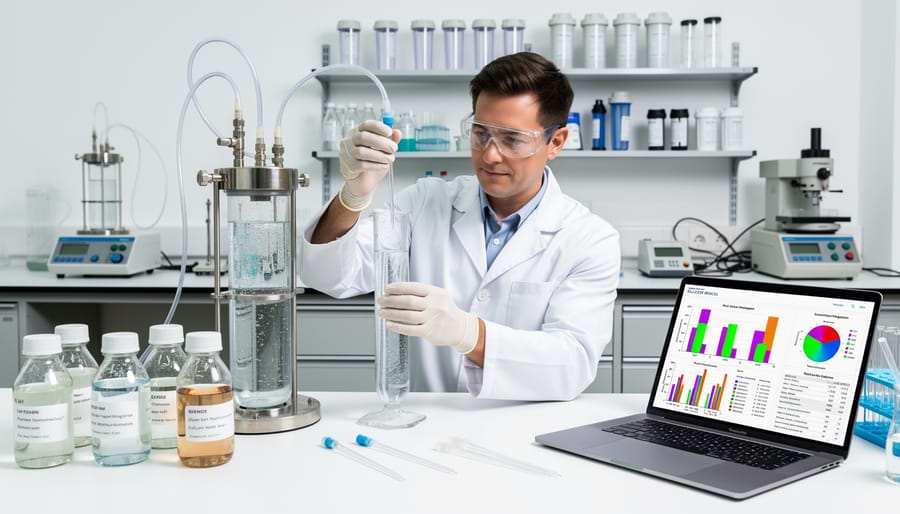
How Researchers Measure Filter Performance
Understanding how scientists test water filters helps you separate marketing hype from actual performance. Independent laboratories use standardized protocols developed by organizations like NSF International and the EPA to ensure consistent, reliable results.
During testing, researchers introduce specific contaminants into water at controlled concentrations, then measure what remains after filtration. They calculate a “reduction rate”—expressed as a percentage—showing how much of each pollutant the filter removes. For example, a 99% reduction rate for lead means the filter eliminates 99 out of every 100 lead particles. These tests evaluate filters against common contaminants including heavy metals, chlorine, bacteria, pesticides, and emerging pollutants like microplastics.
However, laboratory conditions don’t always mirror your kitchen sink. Testing happens with brand-new filters, optimal water pressure, and precisely measured flow rates. Real-world variables—like water temperature fluctuations, inconsistent pressure, and varying contaminant levels—can affect performance. Additionally, filters lose effectiveness over time as their media becomes saturated, which is why replacement schedules matter tremendously.
The gap between lab results and actual home use doesn’t mean filters are ineffective; it simply highlights the importance of proper maintenance and realistic expectations. Look for third-party certifications rather than manufacturer claims alone. Organizations like NSF, WQA (Water Quality Association), and independent university studies provide unbiased verification.
Recent cutting-edge innovations include real-time sensors that monitor filter saturation and smart systems that alert you when replacement is needed, helping bridge the gap between laboratory performance and everyday effectiveness in your home.
Reading Between the Lines: Understanding Study Limitations
When you encounter studies about water filter effectiveness, becoming a savvy reader helps you separate solid science from misleading claims. Think of yourself as a detective looking for clues about whether research truly proves what it promises.
Start by checking the sample size. Studies with only a handful of households might show dramatic results, but these findings often don’t hold up when tested on hundreds or thousands of homes. Larger studies generally provide more reliable insights into how filters perform in real-world conditions across diverse water supplies.
Pay attention to study duration too. A filter might remove 99% of contaminants in week one, but what about month six? Long-term studies reveal whether performance remains consistent or degrades over time, which directly affects your family’s protection.
Follow the money trail. Research funded by filter manufacturers isn’t automatically invalid, but it deserves extra scrutiny. Independent studies from universities or government agencies typically offer more objective assessments. Transparency about funding sources signals trustworthy research.
Consider whether the study matches your situation. A filter tested exclusively on well water in rural Nebraska might not perform identically with chlorinated city water in your home. Look for studies that reflect your water source and contaminant concerns.
Watch for vague language like “significantly reduces” without specific percentages, or “laboratory conditions” that don’t mirror typical kitchen use. The most valuable studies provide concrete numbers, test filters as homeowners actually use them, and acknowledge their limitations openly. This honest approach helps you make informed decisions about protecting your household’s water quality.
What Water Filters Actually Remove: Evidence-Based Results
Heavy Metals and Chemical Contaminants
Research consistently demonstrates that specific water filters effectively remove dangerous contaminants that can leach into your drinking supply. Understanding which technologies work best can help you make informed decisions about protecting your family’s health.
When it comes to lead, activated carbon filters and reverse osmosis systems show impressive results. Studies reveal that quality activated carbon filters reduce lead by 95-99%, while reverse osmosis systems achieve similar removal rates. This matters because even low lead levels can impact children’s cognitive development and cause health issues in adults. The EPA sets the action level at 15 parts per billion, but many experts argue that no amount of lead is truly safe.
For mercury contamination, reverse osmosis and granular activated carbon filters demonstrate strong performance, removing 95-97% of this neurotoxin. These same technologies also excel at arsenic reduction, with reverse osmosis systems removing up to 99% of this carcinogen, while specialized carbon filters achieve 90-95% reduction rates.
Regarding chlorine removal, basic activated carbon filters perform exceptionally well, eliminating 95-99% of chlorine and its byproducts called trihalomethanes. These compounds form when chlorine reacts with organic matter and have been linked to increased cancer risk over long-term exposure.
Industrial chemicals like volatile organic compounds (VOCs) and pesticides require more advanced filtration. Research shows that heavy metal removal and industrial contaminant reduction both benefit from carbon block filters and reverse osmosis systems, which remove 85-98% of these substances.
The key takeaway? Different contaminants require specific technologies. While no single filter removes everything, combining methods or choosing systems certified for multiple contaminants ensures comprehensive protection for your household water supply.
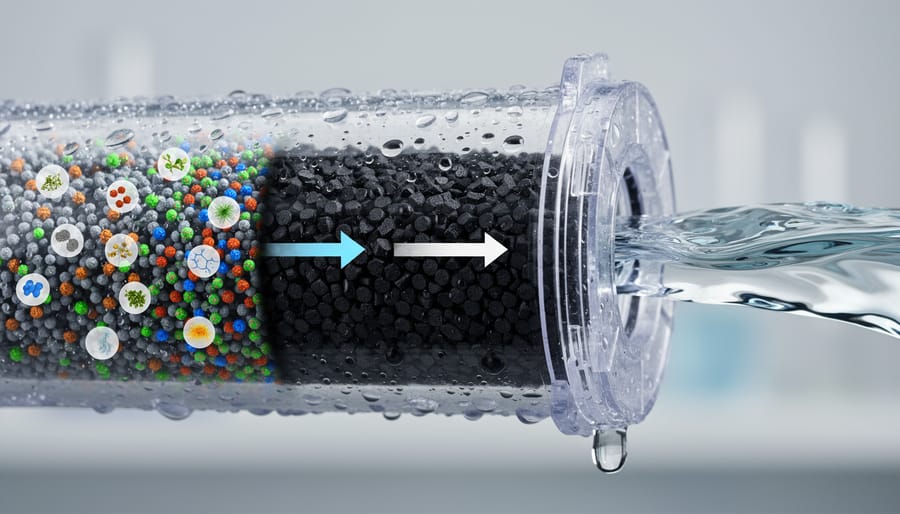
Microbiological Threats: Bacteria, Viruses, and Parasites
When it comes to protecting your family’s health, understanding which water filters actually remove harmful microorganisms is essential. Research shows significant differences in how various filtration technologies handle bacteria, viruses, and parasites.
Activated carbon filters, while excellent for improving taste and removing chlorine, have limited effectiveness against microbiological threats. Studies indicate they can reduce some larger parasites like Cryptosporidium and Giardia, but they’re generally ineffective against viruses and most bacteria. The porous carbon material simply isn’t designed to trap these microscopic organisms, which measure between 0.02 to 10 microns in size.
Reverse osmosis systems demonstrate impressive pathogen removal capabilities. Health impact studies show these filters remove 99.99% of bacteria and viruses by forcing water through a semi-permeable membrane with pores around 0.0001 microns. This includes dangerous contaminants like E. coli, Salmonella, and Hepatitis A virus. Research published in water quality journals confirms that RO systems effectively eliminate parasitic cysts as well, making them one of the most comprehensive protection methods available.
UV filtration takes a different approach by using ultraviolet light to deactivate microorganisms rather than physically removing them. Clinical studies demonstrate that properly maintained UV systems achieve 99.99% inactivation rates for bacteria, viruses, and parasites. The technology works by damaging the DNA of these organisms, preventing them from reproducing and causing illness. However, it’s important to note that UV light requires clear water to work effectively, as sediment or cloudiness can shield pathogens from the light rays.
For comprehensive protection, many experts recommend combining technologies, such as pairing sediment filtration with UV treatment or using RO systems with carbon post-filters for both safety and taste improvement.
The Surprising Truth About Beneficial Minerals
Here’s a surprising fact that challenges common assumptions: most research suggests that losing minerals during water filtration has minimal impact on your overall health. While it’s true that reverse osmosis and distillation systems remove beneficial minerals like calcium and magnesium along with contaminants, these minerals represent only a tiny fraction of your daily nutritional intake.
Studies consistently show that we obtain 95-99% of our essential minerals from food, not water. A glass of filtered water might contain 30 milligrams of calcium, while a single serving of yogurt provides 300 milligrams. Your morning orange juice delivers more potassium than you’d get from an entire day of drinking mineral-rich tap water.
The World Health Organization has examined this question extensively, concluding that while some correlation exists between hard water consumption and cardiovascular health, the evidence remains inconclusive. More importantly, the potential benefits of trace minerals don’t outweigh the risks of consuming contaminated water.
For those concerned about mineral loss, carbon-based filters offer an elegant solution. These systems remove chlorine, pesticides, and organic compounds while preserving naturally occurring minerals. Alternatively, remineralization filters can add beneficial minerals back into purified water.
The bottom line? Focus on eating a balanced diet rich in fruits, vegetables, and whole grains rather than relying on water as your mineral source. Clean, contaminant-free water matters far more for your health than its mineral content, and any nutritional gaps are easily addressed through food choices.
Documented Health Improvements from Water Filtration
Reduced Gastrointestinal Illness Rates
Research consistently demonstrates that water filtration systems significantly reduce gastrointestinal illness rates, particularly among vulnerable groups. A comprehensive study published in the American Journal of Tropical Medicine and Hygiene found that households using point-of-use water filters experienced up to 50% fewer diarrheal episodes compared to those relying on untreated water sources. These health improvements were most pronounced in children under five and individuals with compromised immune systems.
The Centers for Disease Control and Prevention has documented multiple cases where properly maintained water filters protected communities from waterborne pathogens like Cryptosporidium and Giardia, which cause severe digestive distress. Even in developed nations with treated municipal water, filters provide an additional protective layer during infrastructure failures or contamination events.
Studies targeting immunocompromised populations, including chemotherapy patients and HIV-positive individuals, show particularly striking results. One clinical trial reported a 94% reduction in gastrointestinal infections among participants using certified water filters versus those drinking unfiltered tap water. This protection stems from filters removing microscopic parasites and bacteria that healthy immune systems might normally combat but prove dangerous to vulnerable individuals.
For families with young children, the evidence is equally compelling. Pediatric research indicates that homes equipped with quality filtration systems report fewer sick days and emergency room visits related to waterborne illness. This translates not only to better health outcomes but also reduced healthcare costs and missed work days for parents, making water filtration both a health investment and a practical household upgrade.

Long-Term Exposure Reduction Benefits
Research consistently demonstrates that long-term use of effective water filtration systems can significantly reduce your exposure to contaminants linked to serious health conditions. Multiple peer-reviewed studies have tracked households using quality filters over extended periods, revealing measurable decreases in health risks that accumulate from daily tap water consumption.
One of the most compelling benefits involves protecting children’s development. Studies show that removing lead through certified filtration can help prevent cognitive impairments and behavioral issues in young children, whose developing brains are particularly vulnerable. Similarly, reducing exposure to certain disinfection byproducts has been associated with lower risks of developmental problems during pregnancy.
Cardiovascular health also benefits from filtered water. Research indicates that consistent removal of heavy metals like arsenic and certain chemical contaminants correlates with reduced cardiovascular disease risk over time. These metals can accumulate in the body, contributing to heart issues and high blood pressure when consumed regularly through unfiltered water.
Perhaps most significantly, long-term filtration appears to lower cancer risk. Extensive epidemiological research has linked reduced exposure to chlorination byproducts, radon, and industrial chemicals in drinking water with decreased rates of bladder, colorectal, and other cancers. While water quality varies by location, consistent filtration provides a protective barrier against these concerning compounds.
The key is maintaining your system properly and choosing filters certified to remove the specific contaminants present in your local water supply. Regular filter replacement ensures you continue receiving these long-term protective benefits throughout your household’s daily water use.
When Filters Don’t Make a Measurable Difference
Let’s be clear: if you already receive high-quality municipal water that meets strict EPA standards, installing a home filter may not produce measurable health improvements. Multiple studies in developed nations with robust water treatment infrastructure show minimal differences in health outcomes between filtered and unfiltered tap water. Your municipality already removes harmful pathogens, reduces heavy metals to safe levels, and monitors water quality daily. In these situations, filters primarily address aesthetic concerns like taste and odor rather than preventing illness. That doesn’t mean filters are useless—they provide extra peace of mind and can catch occasional contaminant spikes—but the health impact becomes harder to quantify scientifically. The real value of filtration becomes apparent in areas with aging infrastructure, private wells, or documented contamination issues. Before investing, check your local water quality report to understand what you’re actually filtering and whether the investment aligns with genuine needs rather than perceived risks.
Comparing Filter Types: What the Research Favors
Activated Carbon Filters: Strengths and Limitations
Activated carbon filters are workhorses in water purification, and research confirms they excel at removing chlorine, volatile organic compounds (VOCs), and many pesticides. Studies show these filters can reduce chlorine by over 99%, significantly improving taste and odor. They’re also effective against common contaminants like trihalomethanes and certain pharmaceutical residues that bind to the porous carbon surface.
However, carbon filters have notable limitations. They don’t remove minerals, salts, or dissolved inorganic substances like fluoride, nitrates, or heavy metals such as lead (unless specifically designed with additional media). Microorganisms can also pass through standard carbon filters, though some advanced models incorporate antimicrobial properties.
Maintenance is crucial for performance. Research indicates that saturated carbon filters lose effectiveness and can even harbor bacteria if not replaced regularly. Most manufacturers recommend replacement every 2-6 months depending on usage and water quality. As an eco-conscious choice, look for filters with recyclable components or coconut shell-based carbon, which offers a more sustainable alternative to coal-based options. Regular replacement schedules ensure you’re getting the purification benefits you expect while maintaining water safety standards.
Reverse Osmosis Systems: The Research Verdict
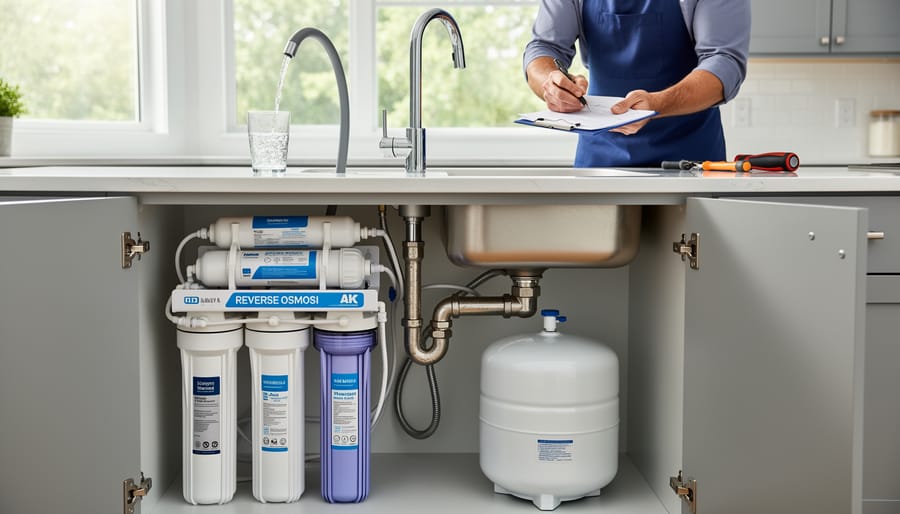
Reverse osmosis systems represent the gold standard for home water filtration, backed by compelling research data. Studies show these systems remove 95-99% of contaminants including lead, arsenic, fluoride, nitrates, and dissolved salts that other filters miss. They’re particularly effective at eliminating pharmaceuticals and microplastics, making them a top choice for comprehensive protection.
However, there’s an important environmental consideration. Traditional reverse osmosis units waste 3-4 gallons of water for every gallon of filtered water produced. For a family using 3 gallons daily, that’s roughly 3,000-4,000 gallons of wastewater annually. This trade-off matters, especially in drought-prone regions.
The good news? Innovation is addressing this concern. Newer efficient models reduce waste ratios to 1:1 or even capture wastewater for household uses like gardening or cleaning. When choosing a reverse osmosis system, consider models with waste-reducing technology or plan to repurpose the reject water.
For households with serious contamination concerns or compromised immune systems, the superior removal rates often justify the water usage, particularly when paired with water-saving practices elsewhere in your home.
Emerging Technologies Worth Watching
The future of home water filtration is bright, with several innovative technologies showing real promise in early scientific testing. While these systems are still emerging, they’re worth keeping on your radar as they move from the lab to your kitchen tap.
Ceramic filters infused with nanoparticles represent a sustainable leap forward. These filters combine traditional ceramic filtration with silver or copper particles that actively kill bacteria and viruses. Early research indicates they can remove up to 99.9% of waterborne pathogens while lasting years with proper maintenance. They’re particularly exciting for eco-conscious households since they require no electricity and produce minimal waste.
Graphene-based filtration systems are another breakthrough technology. This ultra-thin carbon material creates microscopic barriers that block contaminants while allowing water molecules to pass through quickly. Laboratory studies show graphene filters can remove heavy metals, chemicals, and even salt from water with impressive efficiency, though commercial versions for home use are just beginning to emerge.
UV-LED combination systems merge ultraviolet light with LED technology to disinfect water without chemicals. Unlike older UV systems that consumed significant energy, LED versions use up to 90% less electricity while effectively neutralizing bacteria, viruses, and parasites. Some models pair UV-LED treatment with traditional filters for comprehensive protection that’s both effective and environmentally friendly.
Making Evidence-Based Decisions for Your Home
Now that you understand how water filters work and what the research shows, it’s time to apply this knowledge to your own home. The most important first step is knowing what’s actually in your water. Before investing in any filtration system, request a water quality report from your municipal supplier or purchase an at-home water testing kit. These tests reveal specific contaminants present in your water supply, allowing you to choose a filter designed to address your actual needs rather than hypothetical concerns.
Once you’ve identified your water’s unique profile, match the filter technology to your specific contaminants. If your test shows high chlorine levels and taste issues, a simple activated carbon filter will suffice. However, if you’ve detected heavy metals like lead, you’ll need a reverse osmosis system or a filter specifically certified for lead removal. Those dealing with bacterial contamination should prioritize UV purification or filters with ultrafiltration capabilities.
Look for third-party certifications from organizations like NSF International or the Water Quality Association. These independent verifications confirm that filters actually remove what manufacturers claim. Check the certification details carefully, as some filters may be certified for chlorine removal but not for heavy metals or pesticides.
Consider your household’s water consumption and maintenance capacity. Point-of-use filters like pitcher systems work well for drinking water needs, while whole-house systems protect all water sources but require professional installation and regular servicing. Calculate the total cost of ownership, including replacement filters, which can significantly impact long-term expenses.
Remember that even the most advanced filter loses effectiveness over time. Follow manufacturer guidelines for filter replacement schedules religiously. A neglected filter can become a breeding ground for bacteria, potentially making your water quality worse than unfiltered tap water.
Understanding the true effectiveness of water filters comes down to two essential factors: knowing what’s actually in your water and recognizing what science proves filters can remove. Not all water quality issues require the same solution, and not all filters deliver on their bold marketing promises.
The research is clear—water filters can and do provide measurable health protection when matched correctly to your water quality concerns. Whether you’re dealing with lead contamination, chlorine byproducts, or emerging contaminants like PFAS, the right filtration technology makes a genuine difference. But effectiveness isn’t universal. A filter designed for taste improvement won’t necessarily protect you from heavy metals, and a basic carbon filter won’t tackle microplastics.
Your smartest approach is prioritizing independently verified performance over persuasive advertising. Look for third-party testing results, certification credentials, and transparent contamination reduction claims backed by actual data. This evidence-based approach protects both your health and your wallet.
Beyond personal wellness, choosing an effective water filter supports environmental sustainability. By reducing reliance on bottled water and ensuring your household filtration system actually works as intended, you’re making a meaningful impact. The key is informed decision-making—test your water first, understand what contaminants matter most for your situation, and select filtration technology proven to address those specific concerns. When you combine knowledge about your water with scientifically validated filter performance, you’re not just hoping for cleaner water—you’re ensuring it.