Your tap water might look crystal clear, but invisible contaminants like lead, chlorine byproducts, and microplastics could be flowing through your pipes right now. Traditional filters catch some of these threats, yet they operate blindly—you never really know what’s in your water or when the filter stops working effectively. Smart water filtration systems change this equation entirely by combining advanced purification technology with real-time monitoring that puts you in control of your household’s water quality.
These intelligent systems use sensors and connectivity to track exactly what’s in your water, measure filter performance, and alert you when maintenance is needed. Unlike conventional pitchers or under-sink units that rely on guesswork and calendar reminders, smart filters adapt to your actual water conditions and usage patterns. The technology removes up to 99% of common contaminants while providing smartphone notifications about water quality metrics, filter lifespan, and potential issues before they affect your family’s health.
The investment typically ranges from $200 to $800 depending on features and filtration capacity, which initially seems steep compared to basic models. However, the combination of superior contaminant removal, reduced filter waste through optimized replacement timing, and the peace of mind from knowing your water is safe makes these systems increasingly attractive for environmentally-conscious homeowners. Understanding how these innovations work and which features genuinely matter will help you determine whether upgrading to smart filtration aligns with your sustainability goals and budget.
What Makes Water Filtration ‘Smart’?
Traditional water filters do one thing: they push water through a physical barrier to remove contaminants. Smart water filtration systems take this basic function and enhance it with technology that gives you unprecedented control and insight into your home’s water quality.
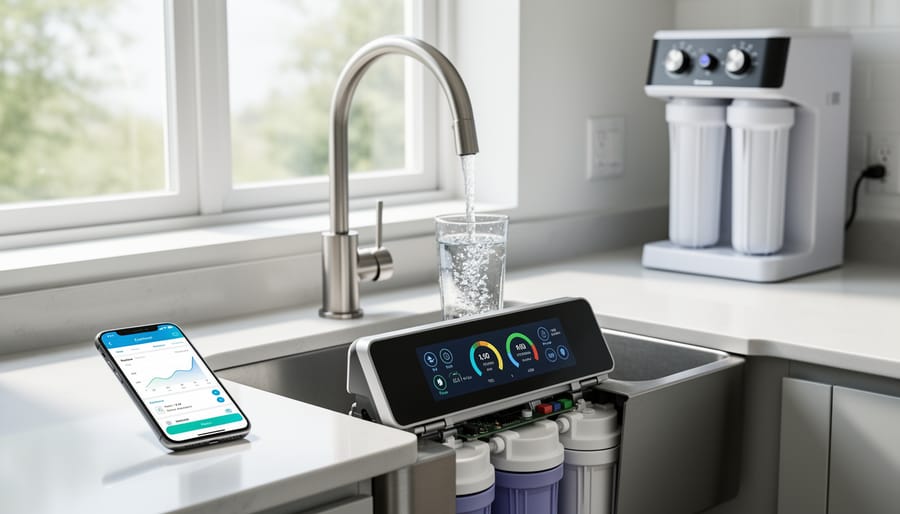
At the heart of smart filtration is Internet of Things (IoT) connectivity. This means your filtration system can communicate with your smartphone, tablet, or home network, transforming a passive appliance into an interactive tool. Through a dedicated app, you can monitor your water quality from anywhere, whether you’re at work or on vacation.
Real-time monitoring represents perhaps the most significant advantage. Built-in sensors continuously analyze your water, measuring factors like pH levels, total dissolved solids (TDS), chlorine content, and sometimes even specific contaminants like lead or bacteria. Instead of wondering whether your filter is doing its job, you receive actual data showing what’s in your water before and after filtration. Think of it as having a mini laboratory under your sink that works 24/7.
These systems also track filter life with precision. Conventional filters typically come with estimated replacement schedules based on time or volume, but smart systems monitor actual usage patterns and water quality to determine when filters truly need changing. When replacement time approaches, you’ll receive automated alerts directly to your phone, eliminating guesswork and ensuring optimal performance.
Many smart filtration systems can detect irregularities automatically. If water pressure drops, flow rates change unexpectedly, or contaminant levels spike, the system notifies you immediately. This proactive approach means you’re addressing potential problems before they affect your family’s health or your system’s efficiency.
Some advanced models even integrate with smart home ecosystems like Amazon Alexa or Google Home, allowing voice-activated status checks and seamless coordination with other connected devices. Certain systems can automatically reorder replacement filters when needed, ensuring you never run out.
The eco-living benefit here is substantial. By providing precise data about filter condition and water usage, these systems help prevent premature filter disposal while ensuring you’re not using worn-out filters that compromise water quality. You’re using resources more efficiently while maintaining higher standards for your household water.
The Real Problems Smart Filtration Solves
Never Forget a Filter Change Again
One of the most common pitfalls in water filtration is forgetting to replace filters on time. When filters run past their effective lifespan, they become inefficient and can even reintroduce contaminants into your water. Smart water filtration systems eliminate this guesswork entirely through automated monitoring and timely notifications.
These intelligent systems track your actual water usage and filter condition in real-time, rather than relying on estimated monthly or quarterly schedules. When your filter approaches the end of its effective life, the system sends alerts directly to your smartphone or displays warnings on its interface. Some advanced models even consider water quality data to provide more accurate filter replacement timing based on your specific household conditions.
This proactive approach offers multiple benefits for eco-conscious homeowners. You’ll never waste money replacing filters too early or compromise your family’s health by using them too long. Many smart systems also make reordering simple through automatic subscription services or one-click purchasing, ensuring replacement filters arrive before you need them. This convenience transforms filter maintenance from a forgotten chore into a seamless part of sustainable home management.
Spot Water Quality Issues Before They Become Health Hazards
One of the most valuable features of smart water filtration systems is their ability to continuously monitor your water quality and notify you instantly when something’s wrong. Unlike traditional filters that leave you guessing about water safety, these intelligent systems track multiple water quality parameters in real-time.
Smart filters measure Total Dissolved Solids (TDS), which indicates the concentration of minerals and contaminants in your water. When TDS levels spike unexpectedly, your system sends an alert to your smartphone, letting you know there might be an issue with your municipal supply or that your filter needs attention. This early warning system is particularly crucial during infrastructure failures or seasonal changes that affect water quality.
Many systems also detect specific contaminants like chlorine, lead, and bacteria, providing detailed reports through their companion apps. You’ll receive notifications if contamination levels exceed safe thresholds, giving you time to take action before anyone in your household consumes potentially harmful water.
This proactive approach transforms water safety from reactive guesswork into preventive care. Instead of discovering problems after experiencing health issues, you’re informed immediately when water quality changes. For families with young children, elderly members, or anyone with compromised immune systems, this real-time monitoring provides invaluable peace of mind and protection against waterborne health hazards.
Track Your Water Usage and Reduce Waste
One of the most compelling features of smart water filtration systems is their ability to help you become a more conscious water consumer. These systems track your household water usage in real-time, providing detailed insights through smartphone apps that show exactly how much filtered water you’re using daily, weekly, and monthly.
This monitoring capability goes beyond simple consumption tracking. Smart systems can identify unusual patterns that might indicate leaks or inefficiencies in your plumbing. For example, if your system detects water flow during times when you’re typically asleep or away from home, it can send an alert to your phone. This early warning system helps you catch small leaks before they become expensive problems and waste thousands of gallons.
Many smart filtration systems also set conservation goals and provide personalized tips for reducing water waste. You might discover that your family uses significantly more water on certain days or that specific activities consume more than expected. Armed with this knowledge, you can make informed decisions about your water habits.
From an environmental perspective, understanding your consumption patterns helps reduce overall water waste, which is increasingly important as many regions face water scarcity challenges. By combining clean, filtered water with mindful usage, you’re contributing to both household sustainability and broader conservation efforts.
Key Features to Look For in Smart Filtration Systems
Mobile App Control and Notifications
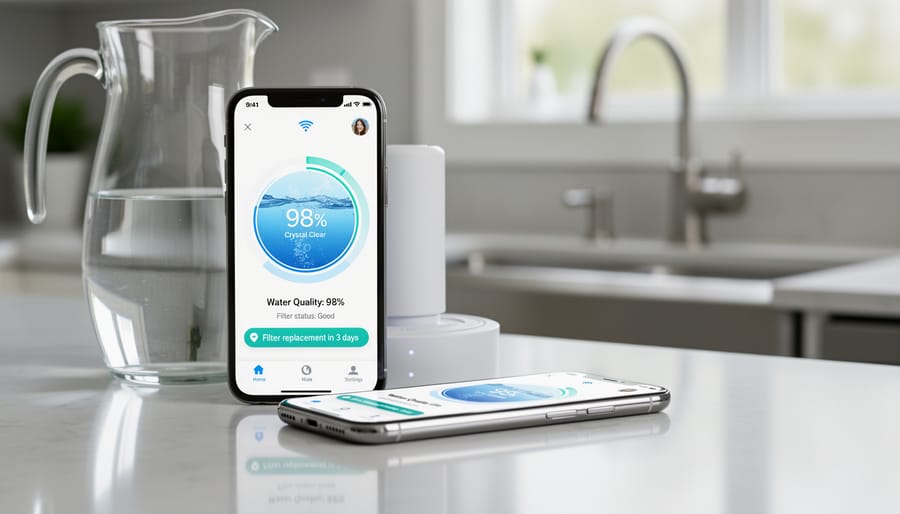
Modern smart water filtration systems come with intuitive mobile apps that put water quality information at your fingertips. These companion apps transform your smartphone into a command center, allowing you to monitor your home’s water quality in real-time, even when you’re away. You’ll receive instant updates on filter life, water consumption patterns, and contamination alerts delivered straight to your device.
The beauty of these apps lies in their customizable notification systems. You can set personalized alerts for when filters need replacing, when unusual contaminants are detected, or when your daily water usage exceeds certain thresholds. This proactive approach helps you stay ahead of maintenance needs and avoid any lapses in water quality.
Most apps also provide detailed historical data and trend analysis, helping you understand your household’s water consumption patterns and identify opportunities to reduce waste. Some advanced systems even allow remote control features, letting you adjust filtration settings, pause water flow, or switch between different filtration modes from anywhere with an internet connection, making sustainable water management remarkably convenient.
Water Quality Sensors and Testing
Smart water filtration systems rely on advanced sensors to monitor your home’s water quality in real-time. These sensors can detect a wide range of contaminants detected in drinking water, from common issues like chlorine and sediment to more concerning substances such as lead, bacteria, and pesticides.
Different sensor types measure specific water characteristics. TDS (Total Dissolved Solids) sensors gauge the concentration of minerals and salts, while pH sensors track acidity levels. More sophisticated systems include conductivity sensors to measure ion presence and turbidity sensors that detect cloudiness caused by suspended particles.
Accuracy varies by sensor quality and calibration frequency. Professional-grade sensors offer laboratory-level precision, while consumer models provide reliable readings for everyday monitoring. Most smart systems alert you when readings fall outside safe ranges, making it easy to understand your water quality without needing scientific expertise.
The eco-friendly advantage is that continuous monitoring helps you replace filters only when necessary, reducing waste while ensuring optimal performance and protecting your family’s health.
Smart Home Integration
Modern smart water filtration systems seamlessly connect with popular home automation ecosystems, making them a natural addition to your connected home. Most systems work with voice assistants like Amazon Alexa and Google Home, allowing you to check filter status, water quality levels, and consumption data using simple voice commands. Through dedicated smartphone apps, you can monitor your water usage patterns, receive filter replacement reminders, and adjust settings from anywhere.
Integration with platforms like Apple HomeKit, Samsung SmartThings, and IFTTT enables advanced automation possibilities. You can create custom routines, such as receiving notifications when water quality drops or automatically pausing the system during specific times. This connectivity transforms water filtration from a set-it-and-forget-it appliance into an active component of your sustainable home ecosystem, giving you unprecedented control and insight into your household water consumption and quality.
Data Tracking and Reporting
Smart water filtration systems collect valuable information about your household’s water consumption patterns, filter lifespan, and contaminant levels over time. This historical data helps you identify peak usage times, detect unusual spikes that might indicate leaks, and understand seasonal variations in water quality. By analyzing these trends, you can make informed decisions about when to replace filters before performance drops, adjust your water consumption habits to reduce waste, and even lower utility bills. Many systems present this information through easy-to-read dashboards and monthly reports, transforming raw numbers into actionable insights that support both your family’s health and environmental sustainability goals.
Types of Smart Water Filtration Systems
Smart Faucet Filters and Dispensers
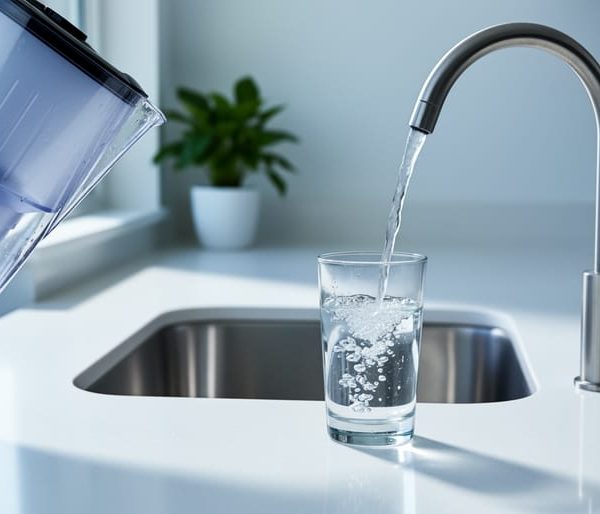
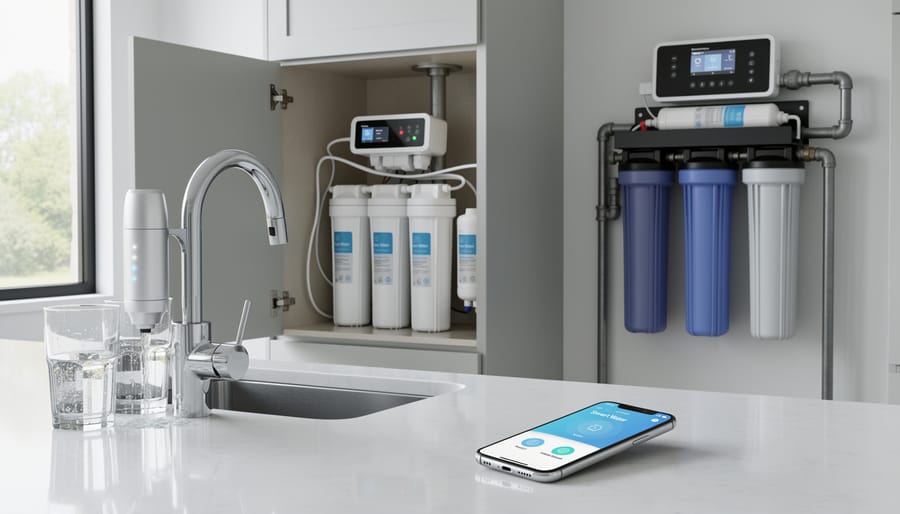
For renters or those seeking an affordable entry into smart filtration, faucet-mounted and countertop dispensers offer impressive capabilities without permanent installation. These compact systems connect directly to your kitchen tap or sit conveniently on the counter, making them perfect for apartments or testing smart filtration before committing to a whole-home system.
Modern smart faucet filters monitor filter life in real-time through smartphone apps, alerting you when replacement is needed rather than relying on guesswork. Many models track water consumption and provide detailed quality reports, showing contaminant removal rates and total gallons filtered. Some even adjust filtration intensity based on detected water quality.
Countertop dispensers take this further with multi-stage filtration and temperature control, offering chilled or room-temperature filtered water on demand. The eco-benefit is significant—one filter cartridge can replace hundreds of plastic bottles while using minimal energy. Installation typically takes minutes without tools, and removal leaves no permanent modifications, making them ideal for temporary living situations or gradual adoption of smart water technology.
Under-Sink Smart Systems
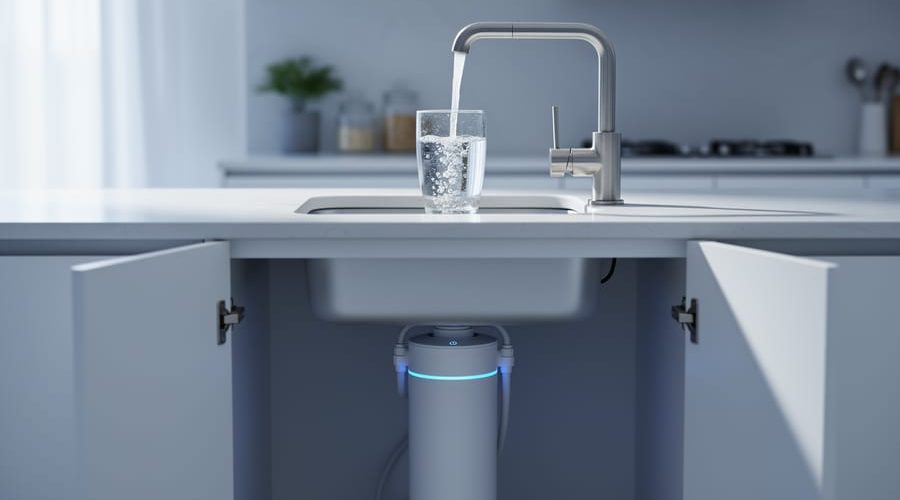
Under-sink smart systems represent the sweet spot for homeowners seeking comprehensive water purification with modern convenience. These systems typically combine multi-stage filtration with Wi-Fi connectivity, allowing you to monitor filter life, water usage, and contaminant levels through smartphone apps. Most models integrate seamlessly with existing plumbing and include reverse osmosis systems or advanced carbon filtration to remove everything from chlorine to heavy metals. The smart features alert you when filters need replacing, eliminating guesswork and preventing you from drinking inadequately filtered water. Many systems also track your water consumption, helping you understand usage patterns and reduce plastic bottle waste. Installation usually requires moderate plumbing knowledge or professional help, but the long-term savings and environmental benefits make these systems particularly attractive. Prices range from $300 to $800, with filter replacements needed every six to twelve months depending on water quality and household usage.
Smart Whole-House Filtration
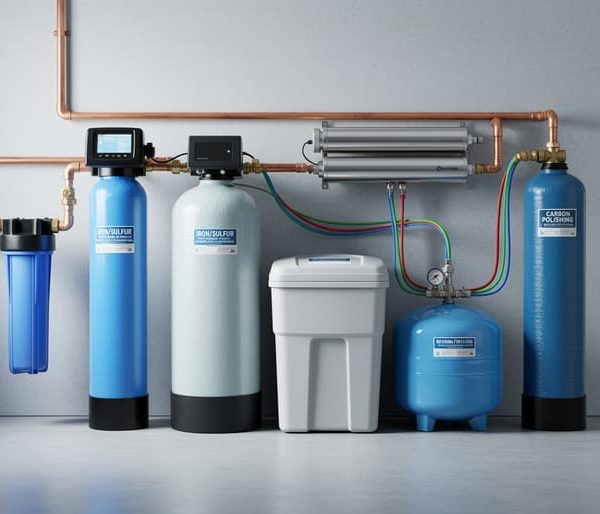
For comprehensive protection throughout your entire home, whole-house filtration systems represent the ultimate smart water solution. These systems install at your main water line, treating every drop before it reaches any faucet, shower, or appliance.
Smart whole-house filters go beyond basic filtration by integrating monitoring capabilities that track water quality, filter lifespan, and system performance in real-time. You’ll receive alerts on your smartphone when filters need changing, when water pressure drops, or if contaminants are detected above safe levels. This proactive approach prevents problems before they affect your family’s health or daily routines.
The environmental benefits are substantial. By eliminating the need for multiple point-of-use filters throughout your home, you reduce plastic waste and energy consumption. Your appliances also benefit from cleaner water, experiencing less scale buildup and enjoying longer lifespans, which means fewer replacements and less landfill waste.
Modern systems feature multi-stage filtration that removes sediment, chlorine, heavy metals, and emerging contaminants like pharmaceuticals and microplastics. The smart technology optimizes filter regeneration cycles based on actual usage patterns, conserving water and salt compared to traditional systems. Installation requires professional help, but the long-term convenience and comprehensive protection make these systems increasingly popular among eco-conscious homeowners seeking complete water quality control.
Environmental Benefits of Going Smart
Making the switch to smart water filtration isn’t just about upgrading your home technology—it’s a meaningful step toward reducing your environmental footprint. These intelligent systems offer several eco-friendly advantages that benefit both your household and the planet.
The most immediate environmental impact comes from reducing plastic bottle waste. The average American family of four uses approximately 600 plastic bottles annually when relying on bottled water. By providing reliable, high-quality filtered water at home, smart filtration systems can eliminate this plastic waste entirely. Even if those bottles get recycled, the manufacturing and transportation processes still consume significant energy and resources. With smart filtration, you’re getting clean water without contributing to the 60 million plastic bottles that end up in landfills and incinerators daily in the United States alone.
Smart systems also optimize filter replacement timing, which prevents premature disposal of cartridges that still have useful life remaining. Traditional filtration systems typically recommend changing filters based on time intervals or estimated usage, leading many homeowners to replace filters too early out of caution. Smart filtration monitors actual water quality and flow, alerting you only when replacement is truly necessary. This precision means fewer filters in landfills and reduced manufacturing demand for replacement cartridges.
Perhaps most valuable is how these systems help conserve water through detailed usage insights. Your smart filtration system tracks exactly how much water your household uses and can identify unusual patterns that might indicate leaks or waste. Some systems provide daily or weekly reports showing your consumption trends, making it easier to set conservation goals. When you can see that leaving the tap running while brushing teeth wastes several gallons daily, you’re more likely to change those habits.
By combining waste reduction, optimized resource use, and conservation awareness, smart water filtration systems transform an everyday necessity into an opportunity for sustainable living.

Are Smart Systems Worth the Investment?
The decision to invest in a smart water filtration system ultimately depends on your household’s specific needs, budget, and water quality concerns. Let’s break down the real costs and benefits to help you make an informed choice.
Smart filtration systems typically cost between $300 and $1,200 upfront, compared to $50-$200 for traditional filters. However, the initial price difference tells only part of the story. Smart systems can reduce long-term costs through several mechanisms. They monitor filter life precisely, preventing premature replacements that waste money and resources. By alerting you exactly when filters need changing, you avoid the common mistake of replacing them too early or too late. Over five years, this optimization can save $200-$400 in unnecessary filter purchases.
The convenience factor carries genuine value that’s harder to quantify. Automatic monitoring eliminates the mental burden of remembering maintenance schedules. Real-time water quality data provides peace of mind, especially for families with young children, elderly members, or anyone with compromised immune systems. If your area experiences water quality fluctuations due to aging infrastructure or seasonal changes, immediate contamination alerts can protect your family’s health in ways traditional filters simply cannot.
Smart systems make the most sense in several scenarios. If you live in an area with documented water quality issues or frequent advisories, the real-time monitoring justifies the investment. Busy households that struggle with maintenance schedules benefit significantly from automatic alerts and tracking. Families prioritizing health optimization and data-driven decisions will appreciate the detailed insights these systems provide.
Conversely, traditional filters remain perfectly adequate for many situations. If your municipal water consistently meets quality standards and you’re diligent about manual filter changes, a basic system works fine. Budget-conscious households or renters planning to move soon might find smart systems harder to justify financially.
Consider this middle-ground approach: start with your current system while testing your water quality. If results reveal concerns or if you frequently forget filter changes, upgrade to a smart system. This staged approach lets you make an evidence-based decision rather than guessing at value. Remember, the best filtration system is the one you’ll actually maintain properly, whether that’s smart technology or a simple calendar reminder.
Installation and Maintenance: What to Expect
Smart water filtration systems offer surprisingly straightforward installation, though the process varies depending on the model you choose. Under-sink units typically take 1-3 hours to install and are often manageable for handy homeowners with basic plumbing knowledge. Whole-house systems are more complex and usually require professional installation to ensure proper integration with your home’s plumbing infrastructure and to understand how filtration works throughout your entire system.
Most smart filtration systems come with detailed instructions and video tutorials, making DIY installation more accessible than ever. However, professional installation ensures warranty compliance and optimal performance, typically costing between $150-500 depending on system complexity.
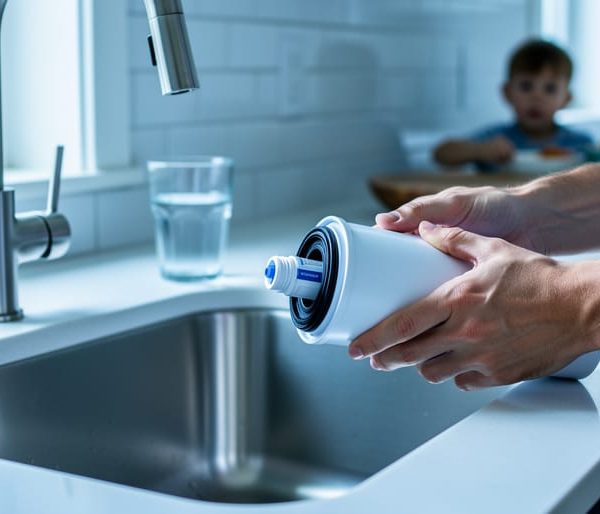
Once installed, smart features dramatically simplify maintenance compared to traditional filters. The system monitors filter lifespan in real-time, sending notifications to your smartphone when replacement is needed—no more guessing or forgetting to change filters. Many systems even provide step-by-step replacement guidance through their apps, with color-coded cartridges that snap into place without tools.
Traditional filters require you to track replacement schedules manually, often leading to overused filters that compromise water quality or wasteful early replacements. Smart systems eliminate this guesswork by measuring actual water volume and quality, ensuring you replace filters only when necessary. This precision reduces waste and saves money over time.
Expect to replace filters every 6-12 months for most systems, though this varies based on water usage and quality. The automated tracking and simple replacement process means maintenance takes just minutes, and many manufacturers offer subscription services that automatically ship replacement filters before you run out. This eco-conscious approach ensures consistent water quality while minimizing environmental impact through optimized filter usage.
Smart water filtration systems represent more than just a technological upgrade for your home—they’re an investment in your family’s health, environmental responsibility, and peace of mind. Unlike traditional filters that leave you guessing about performance and replacement timing, these intelligent systems actively monitor your water quality, alert you to potential issues, and ensure you’re always drinking the cleanest water possible. For modern homeowners juggling busy schedules, this automated approach eliminates the anxiety of wondering whether your water is truly safe or if it’s time to change a filter.
The beauty of smart filtration lies in its ability to adapt to your household’s unique needs while reducing waste. By only replacing filters when actually needed rather than on arbitrary schedules, you’re making a more sustainable choice that benefits both your wallet and the planet. The real-time data these systems provide transforms water quality from an invisible concern into something tangible and manageable.
If you haven’t assessed your home’s water quality recently, now is the perfect time. Simple water testing kits or professional assessments can reveal what contaminants you’re dealing with, helping you make an informed decision about whether smart filtration is right for you.
Looking ahead, the future of water filtration technology continues to evolve rapidly. Emerging innovations include AI-powered predictive maintenance, integration with whole-home health monitoring systems, and even more sophisticated contaminant detection capabilities. As these technologies become more accessible, ensuring clean water for your family will only get easier and more effective.