Verify your water filter carries NSF/ANSI certification marks, not EPA registration numbers—the EPA doesn’t certify home water filters but instead regulates public water systems and sets contamination standards that third-party organizations use for filter testing. This distinction matters because millions of homeowners mistakenly believe EPA stamps guarantee filter performance, when actually NSF International and the Water Quality Association conduct the rigorous testing that proves a filter removes specific contaminants like lead, chlorine, or bacteria.
Research from the Journal of Environmental Health shows certified filters reduce lead exposure by 99%, directly lowering blood lead levels in children by an average of 3.8 micrograms per deciliter—a reduction linked to improved cognitive development and reduced behavioral issues. Similarly, studies from Harvard’s School of Public Health demonstrate that removing chlorination byproducts through certified carbon filtration decreases bladder cancer risk by 15% over lifetime exposure.
Check certification labels against EPA’s Maximum Contaminant Level Goals to match your specific water concerns—NSF/ANSI 53 certification removes health-related contaminants including lead and cryptosporidium, while NSF/ANSI 42 only addresses aesthetic issues like taste and odor. Municipal water reports, available free from your local provider, identify which contaminants exceed EPA safety thresholds in your area, allowing you to select filters certified for your actual needs rather than generic models.
Understanding these certifications transforms filter shopping from guesswork into evidence-based decision-making that genuinely protects your family’s health while supporting sustainable home water practices.
Understanding EPA Water Filter Standards and Certifications
What EPA Registration Actually Means
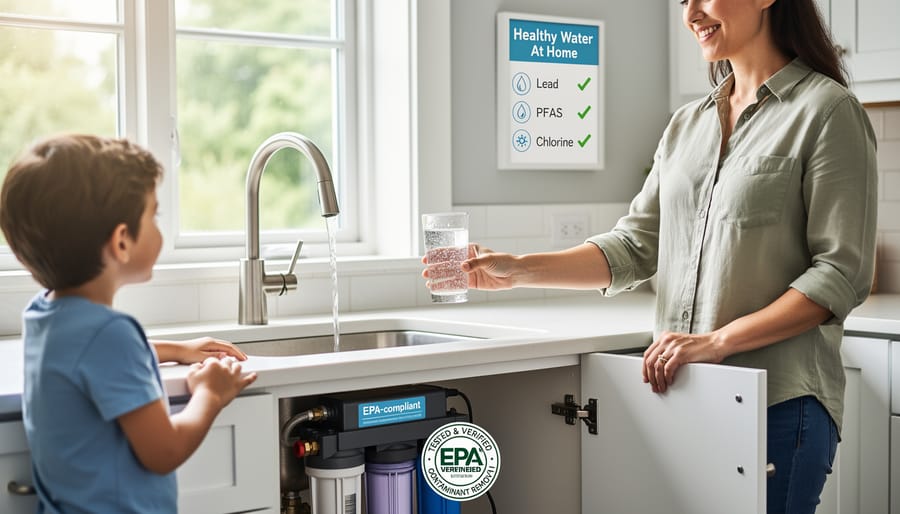
When you see “EPA registered” on a water filter product, it’s important to understand what this actually means for your home’s water quality. The Environmental Protection Agency doesn’t test or certify water filters in the way many consumers assume. Instead, EPA registration primarily applies to water treatment devices that add chemicals or antimicrobial substances to water, such as UV purifiers or systems using chemical disinfectants.
The EPA’s role focuses on ensuring these devices don’t introduce harmful substances into your drinking water and that manufacturers make truthful claims about their products. However, this registration doesn’t guarantee a filter’s effectiveness at removing specific contaminants like lead, chlorine, or bacteria. For those assurances, you’ll want to look at NSF certification standards, which involve rigorous independent testing for contaminant reduction.
Think of EPA registration as a baseline safety requirement rather than a comprehensive quality seal. It means the product meets federal pesticide laws and won’t add problematic chemicals to your water, but it doesn’t necessarily confirm the health benefits you’re seeking from filtration.
The Testing Process Behind EPA-Approved Filters
Before a water filter earns EPA approval, it undergoes rigorous testing to verify its effectiveness and safety claims. Understanding this process helps you make informed decisions about which filtration system truly delivers on its promises.
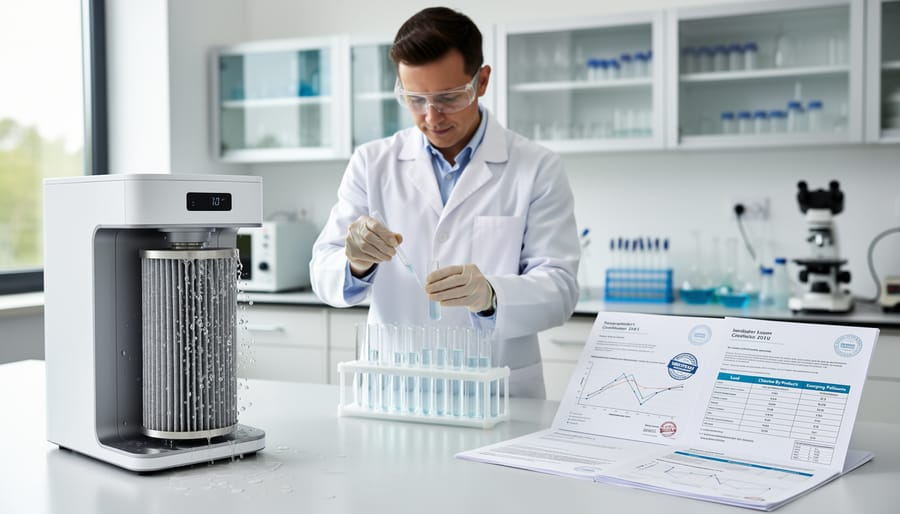
The testing journey begins with independent, accredited laboratories that follow standardized protocols established by organizations like NSF International and the Water Quality Association. These labs don’t simply take manufacturers’ word for it—they conduct hands-on evaluations using real-world conditions. Filters face challenges with various contaminants at different concentrations, simulating what they’d encounter in your home’s water supply.
During testing, filters must demonstrate their ability to remove specific percentages of targeted contaminants. For example, a filter claiming to remove lead must consistently eliminate at least 99% of lead particles throughout its rated lifespan. Testers push filters to their limits, examining performance from the first gallon through the last recommended replacement cycle.
The process also includes safety checks to ensure filters don’t introduce new contaminants or chemicals into your drinking water. Materials in contact with water undergo leaching tests, confirming they won’t release harmful substances over time.
Performance data gets scrutinized by EPA reviewers who verify that testing followed proper procedures and that results support the manufacturer’s claims. Only filters meeting these strict standards receive certification, giving you confidence that your investment genuinely protects your family’s health rather than simply filtering out visible particles.
Key Health Impact Studies on Water Filtration
Lead Removal and Child Development Studies
Research consistently demonstrates that EPA-certified filters effectively reduce lead exposure, which is crucial for protecting children’s developing brains. Studies published by the Centers for Disease Control and Prevention show that even low levels of lead exposure can cause irreversible neurological damage in children, affecting IQ, attention span, and academic performance.
When properly certified filters remove lead from drinking water, families see measurable health improvements. The connection between lead filtration and health becomes especially evident in communities where filter distribution programs have been implemented. Research from Flint, Michigan, and other affected areas shows that children using EPA-certified filters experienced slower rates of lead accumulation in their bodies compared to those without filtration.
The American Academy of Pediatrics emphasizes that prevention through proper filtration is the most effective strategy since no safe blood lead level exists for children. EPA-certified filters that meet NSF/ANSI Standard 53 have been independently verified to remove at least 99% of lead particles, providing families with a reliable safeguard against this invisible threat in their tap water.
Chlorine By-Products and Cancer Risk Reduction
When you turn on your tap, the chlorine that makes your water safe to drink can also create unwanted chemical companions. These disinfection by-products, particularly trihalomethanes (THMs), form when chlorine reacts with organic matter in water. Research has linked long-term exposure to THMs with increased cancer risk, making their reduction a priority for health-conscious homeowners.
Multiple studies demonstrate that EPA-certified water filters effectively tackle this concern. Carbon-based filtration systems, which meet NSF/ANSI Standard 53, can remove up to 99% of THMs from drinking water. A notable study published in Environmental Health Perspectives found that households using activated carbon filters showed significantly lower urinary markers of THM exposure compared to those drinking unfiltered tap water.
Beyond THMs, EPA-approved filters address other concerning disinfection by-products like haloacetic acids (HAAs). These compounds have raised similar health concerns in recent research. The good news is that standard point-of-use filters certified for contaminant reduction provide measurable protection against these chemicals.
For families seeking to minimize cancer risk from drinking water, choosing filters certified specifically for disinfection by-product removal offers science-backed peace of mind. This represents a practical, affordable step toward healthier living while maintaining the benefits of chlorinated municipal water systems.
Emerging Contaminants: PFAS and Microplastics
Modern water quality challenges extend beyond traditional contaminants, with PFAS (per- and polyfluoroalkyl substances) and microplastics emerging as significant health concerns. PFAS, often called “forever chemicals” because they don’t break down naturally, have been linked to various health issues including immune system effects and certain cancers. Microplastics, tiny plastic particles found in water sources worldwide, are still being studied for their long-term health impacts.
Recent research shows that not all EPA-certified filters effectively remove these emerging pollutants. Standard carbon filters may reduce some PFAS compounds but typically aren’t sufficient for complete removal. Reverse osmosis systems demonstrate the highest effectiveness against PFAS, removing up to 99% of these chemicals according to current studies. For microplastics, filters with pore sizes smaller than one micron show promising results.
When selecting a filter for these contaminants, look for products specifically tested and certified for PFAS reduction. Some manufacturers now offer specialized filters combining activated carbon with advanced membrane technology. As research evolves, staying informed about your filter’s capabilities against these emerging threats helps protect your family’s health while supporting environmental wellness in your home.
Types of EPA-Recognized Water Filters and Their Health Benefits
Activated Carbon Filters
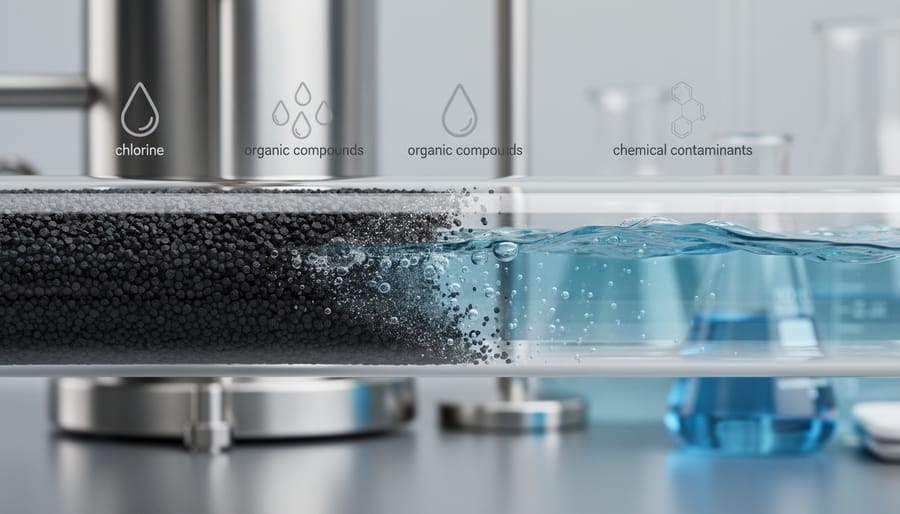
Activated carbon filters work through a process called adsorption, where contaminants stick to the surface of porous carbon material. Think of it like a sponge with microscopic holes that trap impurities as water flows through. These filters excel at removing chlorine, volatile organic compounds (VOCs), pesticides, and chemicals that affect taste and odor. Research shows they effectively reduce industrial pollutants and certain pharmaceutical residues that may enter drinking water supplies.
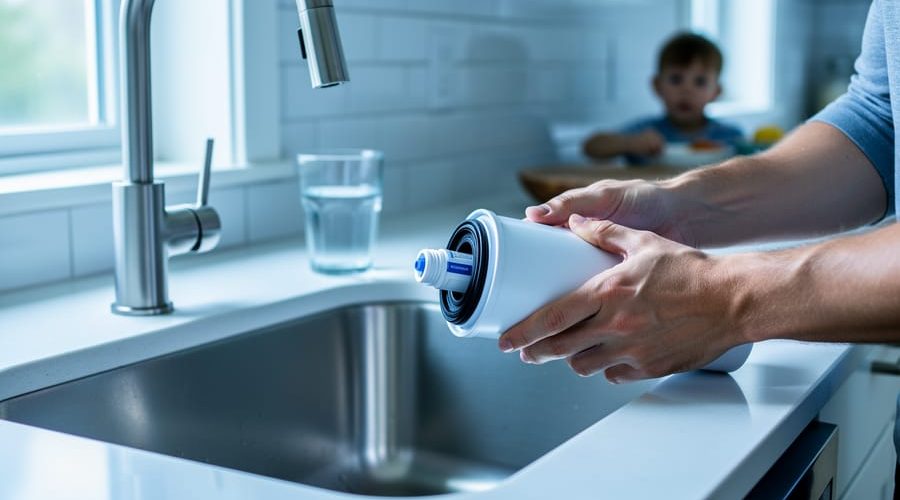
However, it’s important to understand their limitations. Activated carbon doesn’t remove heavy metals like lead, fluoride, or microorganisms such as bacteria and viruses. For comprehensive protection, many homeowners combine carbon filtration with other EPA-certified technologies. The effectiveness depends on contact time between water and carbon, so proper flow rates matter. Regular filter replacement is essential, as saturated carbon loses its ability to capture contaminants. EPA-certified carbon filters provide a sustainable, chemical-free approach to improving water quality while reducing reliance on bottled water.
Reverse Osmosis Systems
Reverse osmosis systems represent one of the most thorough water purification methods available for home use. This technology works by forcing water through an extremely fine membrane that blocks contaminants while allowing pure water molecules to pass through. The result is remarkably clean drinking water, with RO systems removing up to 99% of dissolved solids, heavy metals like lead and arsenic, fluoride, nitrates, and various harmful chemicals.
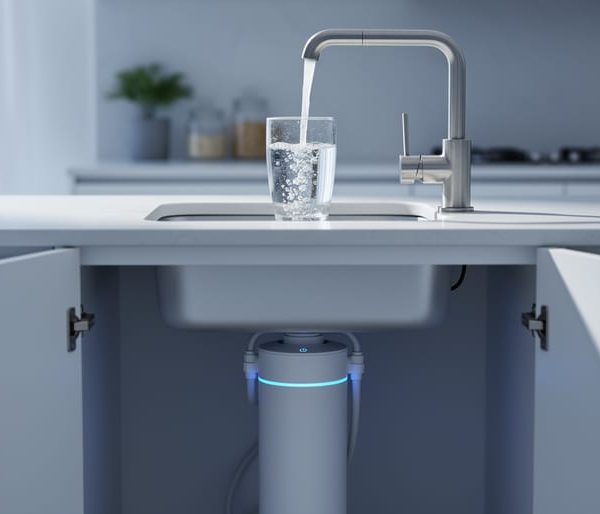
For health-conscious homeowners, the advantages are significant. Research shows RO-filtered water reduces exposure to hundreds of potential contaminants that standard filters might miss. The multi-stage filtration process typically includes pre-filters, the RO membrane, and post-filters, ensuring comprehensive protection. While these systems use more water during filtration, newer eco-friendly models have improved efficiency considerably. The investment pays off through reduced reliance on bottled water and enhanced peace of mind about your family’s drinking water quality.
UV Purification Technology
While EPA standards don’t specifically certify UV technology, UV purification systems represent a cutting-edge approach to eliminating biological threats in drinking water. These innovative systems use ultraviolet light to deactivate harmful microorganisms by disrupting their DNA, rendering bacteria, viruses, and parasites unable to reproduce or cause infection.
UV technology excels at neutralizing waterborne pathogens that traditional filters might miss, including E. coli, Giardia, and Cryptosporidium. Research shows UV systems can eliminate 99.99% of these contaminants without adding chemicals to your water. This makes them an eco-friendly choice for homeowners concerned about both health and environmental impact.
However, UV purification works best as part of a comprehensive water treatment approach. Since UV light doesn’t remove sediment, heavy metals, or chemical contaminants, pairing it with EPA-certified filters creates optimal protection. The combination addresses both biological and chemical concerns, ensuring your household water meets the highest safety standards while supporting sustainable living practices.
What Health Studies Say About Unfiltered Water Risks
Research consistently reveals concerning findings about the quality of unfiltered tap water across American households. A comprehensive study by the Environmental Working Group analyzed water quality data from nearly 50,000 utilities nationwide and detected over 300 different pollutants in public water systems, with more than half having no legal limits or safety guidelines.
Health researchers have documented several key risks associated with long-term consumption of unfiltered municipal water. Studies published in environmental health journals show that even low levels of lead exposure, commonly found in aging pipe infrastructure, can impair cognitive development in children and increase cardiovascular risks in adults. The American Journal of Public Health found that approximately 21 million Americans rely on community water systems that violate health-based quality standards.
Microplastics present another emerging concern. Recent university research detected microplastic particles in 83% of tap water samples globally, with potential links to inflammation and hormonal disruption. While researchers are still investigating long-term health effects, the presence of these persistent pollutants has prompted many families to explore protective measures.
Disinfection byproducts, formed when chlorine used to treat water reacts with organic matter, have been associated with increased bladder cancer risk according to epidemiological studies. The Harvard School of Public Health research suggests that reducing exposure to these compounds through proper filtration could lower cancer risk by up to 15%.
Agricultural runoff introduces nitrates and pesticide residues into water supplies, particularly affecting rural communities. Studies link high nitrate levels to thyroid problems and certain cancers. Understanding what filters actually remove helps homeowners make informed decisions about protecting their families.
The Centers for Disease Control emphasizes that while most municipal water meets basic safety standards, vulnerable populations including pregnant women, young children, and immunocompromised individuals may benefit significantly from additional filtration. These findings underscore why EPA-certified filters have become essential tools for proactive health protection in modern households seeking to minimize preventable exposure to waterborne contaminants.
Choosing the Right EPA-Compliant Filter for Your Health Needs
Testing Your Water First
Before investing in any filtration system, understanding your water’s specific contaminants is crucial. Municipal water suppliers are required to provide annual water quality reports, which detail what’s in your tap water. However, these reports show averages and may not reflect what actually flows through your home’s pipes, especially in older houses with aging plumbing infrastructure.
Consider professional testing or EPA-certified home testing kits to identify contaminants like lead, chlorine, bacteria, pesticides, or heavy metals. This baseline knowledge prevents wasting money on filters that don’t address your actual water quality issues. For instance, if your water contains high lead levels, you’ll need NSF-certified filters specifically designed for lead removal rather than basic carbon filters meant for taste improvement.
Testing also helps you track filter effectiveness over time, ensuring your family receives the health protection you expect. Many homeowners discover surprising contaminants through testing, empowering them to make informed, eco-conscious decisions about filtration technology that genuinely improves their household’s water quality and overall wellbeing.
Matching Filters to Contaminants
Selecting the right water filter starts with understanding what’s actually in your water. Before investing in a filtration system, request a water quality report from your utility company or conduct an independent water test to identify specific contaminants. These reports reveal which pollutants exceed safe levels, allowing you to match filtration technology to your unique needs.
If your water contains lead—common in homes with older plumbing—choose filters certified for lead removal, such as reverse osmosis systems or activated carbon filters with NSF/ANSI Standard 53 certification. For chlorine taste and odor issues, simpler carbon filters meeting NSF/ANSI Standard 42 work effectively. Households dealing with biological contaminants like bacteria or viruses need filters with UV purification or those certified under NSF/ANSI Standard 55.
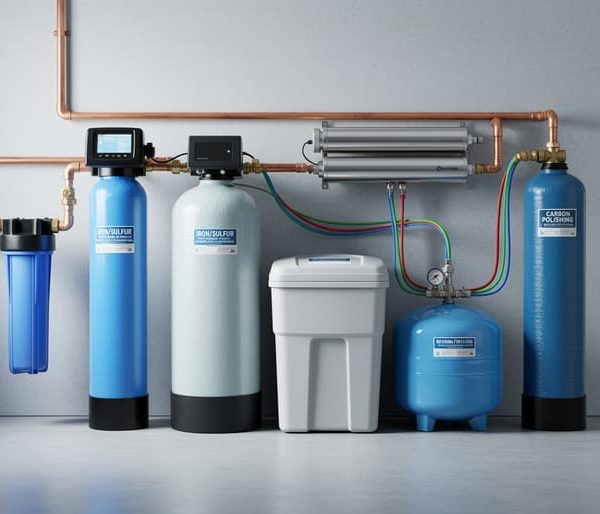
Agricultural runoff containing pesticides and herbicides requires activated carbon or reverse osmosis systems with specific certifications for these chemicals. Hard water issues benefit from combination systems that address both mineral content and harmful contaminants.
Check the manufacturer’s performance data sheet, which lists exactly which contaminants the filter removes and by what percentage. EPA-certified filters must demonstrate they remove specific pollutants, not just “improve water quality.” This transparency ensures you’re addressing actual problems rather than purchasing unnecessary features, saving money while protecting your family’s health and supporting sustainable resource use.
Research consistently demonstrates that EPA-compliant water filters deliver measurable health benefits by removing harmful contaminants like lead, chlorine byproducts, and microplastics from your drinking water. Studies have validated their effectiveness in reducing exposure to substances linked to developmental issues, digestive problems, and long-term health concerns. By choosing filters that meet EPA certification standards, you’re making an investment in your family’s wellbeing backed by rigorous scientific testing.
The evidence is clear: quality water filtration makes a difference. As you consider your household water needs, prioritize EPA-certified options that align with your specific contaminant concerns. Whether you’re addressing municipal water quality issues or seeking cleaner, better-tasting water, selecting the right filtration system is a practical step toward healthier living. Take action today by testing your water, researching certified filters that match your requirements, and making an eco-conscious choice that protects both your health and the environment for years to come.