Consider upgrading your pool’s chlorine-heavy maintenance routine to a UV water treatment system that neutralizes up to 99.9% of harmful microorganisms through light energy alone. These systems work by circulating pool water past high-intensity UV-C lamps, which damage the DNA of bacteria, viruses, and algae, rendering them harmless without adding chemicals to your water. The result is dramatically reduced chlorine usage—often by 50-90%—which means fewer red eyes, less skin irritation, and no harsh chemical odors for your family.
UV systems integrate seamlessly with existing pool equipment and other water filtration systems, operating continuously as a secondary sanitation method. While you’ll still need minimal chlorine for residual disinfection, the UV light handles the heavy lifting of pathogen elimination. Installation typically takes just a few hours, and the units require minimal maintenance beyond annual bulb replacement.
For homeowners seeking sustainable pool care, UV treatment represents a significant step toward eco-friendly living. The technology reduces chemical runoff into groundwater, minimizes packaging waste from chlorine products, and creates a gentler swimming environment for children and those with sensitive skin. Initial costs range from $500 to $2,000 depending on pool size, with most systems paying for themselves within two to three years through reduced chemical purchases and lower environmental impact.
How UV Water Treatment Actually Works in Your Swimming Pool
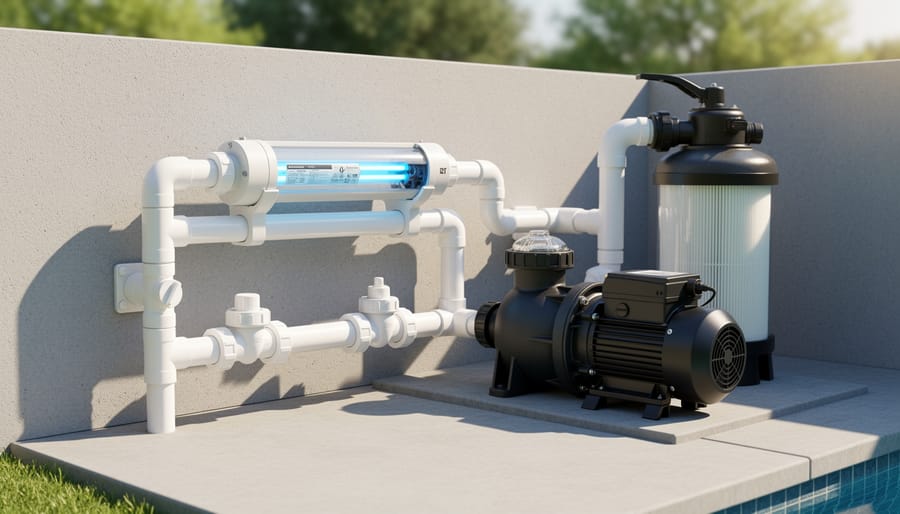
The UV-C Light Process Explained Simply
UV water treatment harnesses the power of ultraviolet light to keep your pool water clean without relying heavily on harsh chemicals. Here’s how it works in simple terms.
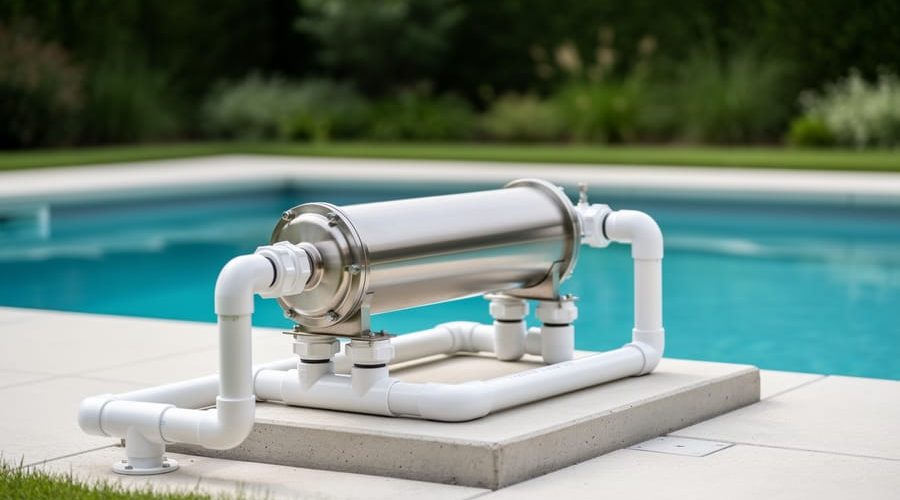
As pool water circulates through the system, it flows into a specially designed chamber containing a UV-C lamp. This lamp emits a specific wavelength of ultraviolet light—around 254 nanometers—which is invisible to the human eye but highly effective at neutralizing contaminants.
When bacteria, viruses, algae spores, and other microorganisms pass through this chamber, the UV-C light penetrates their cell walls and disrupts their DNA structure. This damage prevents these organisms from reproducing and renders them harmless. Essentially, the UV light deactivates them without adding anything to your water.
The entire process happens in seconds as water flows past the lamp. Unlike chlorine, which must circulate and react with contaminants over time, UV treatment works instantly upon exposure. The system operates continuously while your pool pump runs, creating an invisible protective barrier that keeps your water cleaner and safer for swimming—all while reducing your dependence on traditional pool chemicals and supporting a more eco-friendly approach to pool maintenance.
What UV Systems Can and Cannot Eliminate
UV water treatment systems excel at neutralizing harmful microorganisms that traditional chlorine often misses. These systems effectively eliminate bacteria, viruses, and parasites like Cryptosporidium and Giardia, which are resistant to standard chlorine levels. Perhaps even more impressive for pool owners, UV technology breaks down chloramines—those unpleasant compounds responsible for the “chlorine smell” and eye irritation many swimmers experience.
However, it’s important to understand what UV systems cannot do. They don’t remove physical debris, leaves, or sediment from your pool water, so you’ll still need proper filtration. UV light also doesn’t balance your water’s pH levels or eliminate algae that’s already established in your pool. Additionally, UV provides no residual disinfection—once water leaves the UV chamber, it can become recontaminated. This means you’ll still need some baseline chlorine or alternative sanitizer in your pool water, though typically at much lower levels than conventional methods.
Think of UV as a powerful teammate rather than a complete replacement. When combined with proper filtration and minimal chemical treatment, UV systems create a healthier, more eco-friendly swimming environment while significantly reducing your chemical dependency.
The Real Benefits of Adding UV to Your Pool System
Slash Your Chemical Usage by Up to 80%
One of the most compelling benefits of UV water treatment systems is their ability to dramatically reduce chemical dependency in your pool. Traditional pools typically require 3-5 pounds of chlorine weekly, but UV systems can cut this demand by 60-80%, depending on your pool size and usage patterns.
Here’s how it works in real terms: A standard 20,000-gallon residential pool using conventional chlorination might spend $400-600 annually on chemicals alone. With UV treatment handling the heavy lifting of pathogen elimination, that same pool could reduce chemical costs to just $80-150 per year. That’s a savings of up to $500 annually while creating a gentler swimming environment.
The reduction isn’t just about chlorine. You’ll also use fewer pH balancers, algaecides, and shock treatments since UV light destroys chloramines—those irritating compounds responsible for the harsh “pool smell” and red eyes. Many families report needing clarifiers and other corrective chemicals far less frequently.
Beyond the financial advantages, lower chemical usage means softer water that’s easier on skin, hair, and swimwear. It’s particularly beneficial for children with sensitive skin or anyone prone to chemical sensitivities. You’re essentially getting cleaner, healthier water while spending less and reducing your environmental footprint—a win across the board for eco-conscious pool owners.
Eliminate That Harsh ‘Chlorine Pool’ Experience
If you’ve ever experienced stinging red eyes, itchy skin, or noticed your favorite swimsuit fading after a pool session, you’re not alone. That harsh “chlorine pool” experience isn’t actually caused by chlorine itself, but by chloramines—compounds formed when chlorine reacts with contaminants like sweat, oils, and urine in pool water. These irritating byproducts are responsible for that overwhelming chemical smell many associate with pools.
UV water treatment systems offer a game-changing solution by breaking down chloramines before they can cause problems. When pool water passes through the UV system, the powerful ultraviolet light destroys these irritating compounds at the molecular level. The result is noticeably gentler water that’s kinder to your eyes, skin, and swimwear. Many pool owners report dramatic improvements after installing UV systems, with family members who previously avoided swimming due to sensitivity now enjoying the pool comfortably.
Beyond personal comfort, reducing chlorine exposure through UV technology means you’ll maintain healthier chlorine levels while eliminating those unpleasant side effects. Your pool will smell fresh and inviting rather than like a chemical treatment facility, making it a more enjoyable space for everyone.
Protect Your Family and the Environment
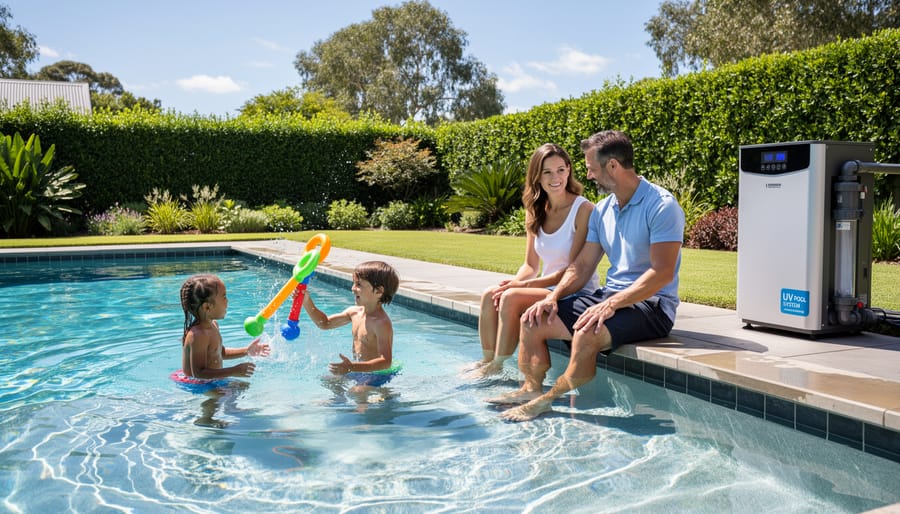
UV water treatment systems offer meaningful health advantages for swimmers with sensitive skin, chlorine allergies, or respiratory conditions like asthma. By significantly reducing the amount of harsh chemicals needed to keep your pool clean, UV systems minimize skin irritation, red eyes, and that strong chlorine smell that often lingers on hair and swimsuits after a dip. Children and elderly family members particularly benefit from gentler water quality, making pool time more enjoyable for everyone.
Beyond your backyard, choosing UV technology demonstrates environmental stewardship. Traditional chlorine-heavy pools contribute to chemical runoff that can harm local waterways, affecting aquatic ecosystems and drinking water sources. UV systems dramatically cut these chemical discharges by up to 90 percent while maintaining crystal-clear water. You’ll also reduce the production and transportation emissions associated with manufacturing and delivering large quantities of pool chemicals to retailers. This cutting-edge water innovation aligns perfectly with sustainable living practices, allowing you to enjoy your pool while protecting the natural environment your family depends on. It’s a practical choice that delivers immediate health benefits while supporting broader ecological responsibility.
Choosing the Right UV System for Your Pool Size and Needs
Matching UV Capacity to Your Pool Volume
Choosing the right UV system size ensures effective sanitization without wasting energy or money. The key measurement is your pool’s flow rate, measured in gallons per minute (GPM), which determines how quickly water passes through the UV chamber.
Start by calculating your pool’s total volume in gallons. For rectangular pools, multiply length times width times average depth times 7.5. Round pools use 3.14 times radius squared times average depth times 7.5. Once you know your volume, you’ll need to understand your pool pump’s circulation rate.
Most residential pools should complete one full turnover every 8-10 hours for optimal water quality. Divide your pool volume by the desired turnover time in minutes to find your required GPM. For example, a 20,000-gallon pool with an 8-hour turnover needs approximately 42 GPM (20,000 divided by 480 minutes).
When selecting a UV system, choose one rated for at least your calculated GPM. Undersizing means water moves too quickly through the unit, reducing UV exposure time and effectiveness. Many manufacturers provide sizing charts that match system capacity to pool volume, simplifying the selection process. Remember that proper sizing is an eco-friendly choice too—it maximizes efficiency while minimizing energy consumption and ensures your investment delivers the chemical-reducing benefits you’re seeking.
Key Features Worth Considering
When evaluating UV water treatment systems for your pool, several practical features can significantly impact your experience and long-term satisfaction. Understanding these elements helps ensure you select a system that fits seamlessly into your existing setup while minimizing maintenance headaches.
Lamp lifespan indicators are increasingly common in modern systems, alerting you when it’s time to replace the UV bulb. These helpful reminders eliminate guesswork, ensuring your pool maintains optimal disinfection levels. Most UV lamps need replacement annually, regardless of whether they still emit visible light, as their germicidal effectiveness diminishes over time.
The chamber material matters more than you might think. Stainless steel chambers resist corrosion and maintain clarity better than plastic alternatives, though they typically cost more upfront. Quality materials extend system longevity and reduce maintenance requirements, making them worthwhile investments for eco-conscious homeowners.
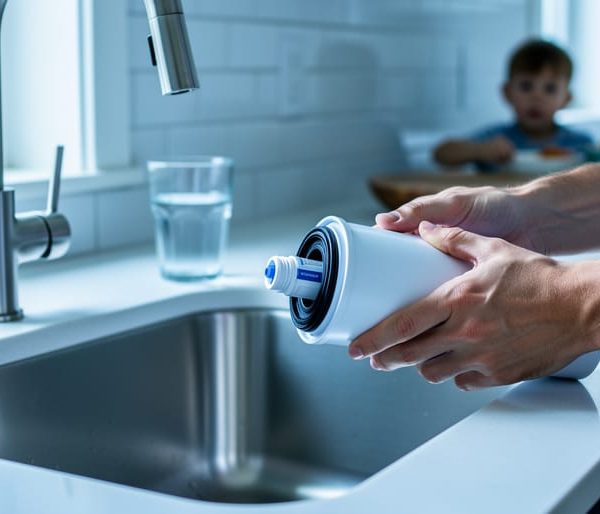
Ease of bulb replacement should factor into your decision. Look for systems with tool-free access or simple mechanisms that don’t require draining your entire pool system. This convenience translates to better maintenance compliance and consistent water quality. Similar principles apply to best UV water purifier systems for household drinking water.
Finally, consider integration compatibility with your existing filtration setup. Most UV systems install inline with your current pump and filter, but verifying sizing requirements and flow rate specifications beforehand prevents costly modifications or performance issues down the line.
Installation and Integration With Existing Pool Equipment
Where UV Systems Fit in Your Filtration Line
Proper placement of your UV system is crucial for maximum effectiveness, and it’s simpler than you might think. The ideal configuration positions the UV unit after your pool’s filtration system and heating equipment, but before the water returns to your pool. This strategic placement ensures the cleanest, clearest water passes through the UV chamber.
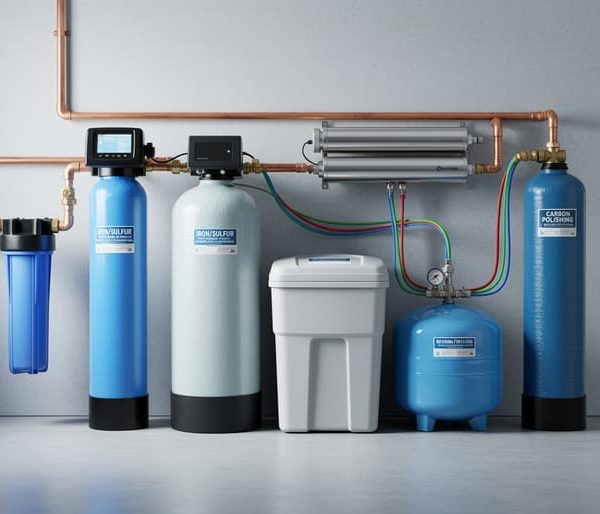
Here’s why this order matters: Your filtration system removes physical debris and particles first, which is essential because cloudiness or suspended particles can block UV light from reaching harmful microorganisms. Once filtered, water passes through your heater, then through the UV system. At this point, the water is crystal clear and any remaining bacteria, viruses, or algae spores are exposed to the full intensity of the UV light. This is similar to how whole house filtration systems work best when properly sequenced throughout your home’s plumbing.
The treated water then flows back into your pool, providing continuous sanitation with each circulation cycle. This configuration maximizes contact time between microorganisms and UV rays while maintaining optimal system efficiency and protecting your investment in cleaner, healthier pool water.
DIY vs. Professional Installation
Installing a UV water treatment system for your pool falls into a gray area between DIY-friendly and professional territory. The good news? If you’re comfortable with basic plumbing and electrical work, and your pool system is straightforward, you might handle the installation yourself. UV units typically integrate into existing filtration lines, requiring you to cut into pipes, install mounting brackets, and connect to a power source.
However, several factors tip the scale toward professional installation. First, electrical safety is paramount—UV systems require dedicated circuits and GFCI protection. Improper wiring poses serious risks. Second, incorrect placement or flow rate miscalculations can render the system ineffective, wasting your investment in this innovative water technology. Third, many manufacturers require professional installation to maintain warranty coverage.
Consider your skill level honestly. Have you successfully completed similar projects? Do you understand pool hydraulics and electrical codes? If you’re hesitant, hiring a certified pool technician ensures proper sizing, optimal placement, and safe electrical connections. This sustainable upgrade deserves correct installation to deliver its full environmental and health benefits. Professional installation typically costs between $200-$500 but provides peace of mind and guaranteed performance for your eco-friendly pool solution.
Maintenance Requirements and Long-Term Costs
Lamp Replacement and Cleaning Schedule
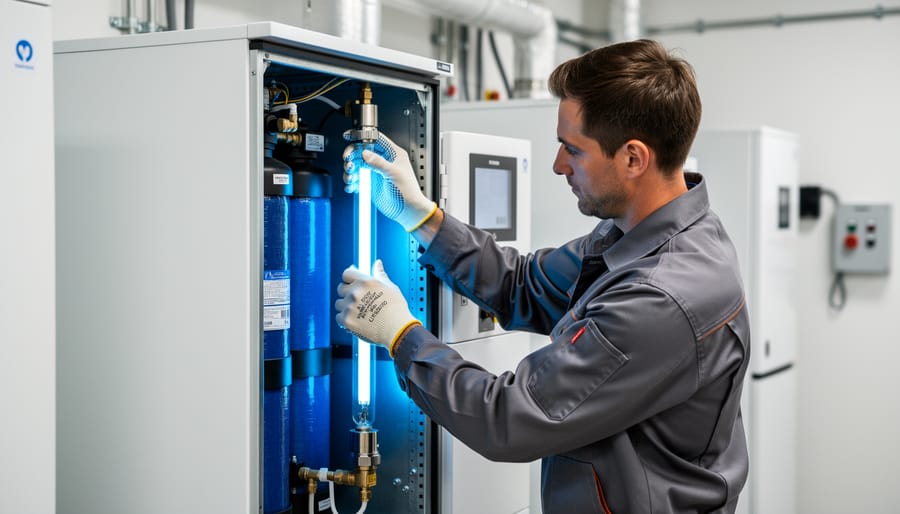
One of the simplest yet most important aspects of maintaining your UV pool system is keeping track of lamp replacement and regular cleaning. UV lamps typically last between 12 to 18 months of continuous operation, though they may still appear to glow after this period. The critical difference is that their germicidal effectiveness diminishes significantly over time, even when the light looks fine to the naked eye. Most manufacturers recommend annual lamp replacement to ensure optimal disinfection performance.
The quartz sleeve surrounding your UV lamp also requires attention. This protective glass barrier can accumulate mineral deposits, biofilm, and debris from your pool water, which blocks UV light transmission and reduces system efficiency. Fortunately, cleaning is straightforward. Simply remove the sleeve according to your manufacturer’s instructions and gently wipe it with a soft cloth and white vinegar or a specialized quartz cleaner. Depending on your water hardness and usage, cleaning every three to six months typically keeps your system running at peak performance.
Many modern UV systems include helpful reminder indicators or alarms that alert you when maintenance is due, taking the guesswork out of your schedule. By staying consistent with these simple tasks, you’ll maximize your investment while maintaining crystal-clear, healthier pool water with minimal chemical dependence.
True Cost of Ownership Over Time
Understanding the financial picture of UV water treatment helps you make an informed decision for your pool. The initial investment typically ranges from $500 to $2,000, depending on your pool size and system capacity. While this upfront cost is higher than traditional chlorine dispensers, the long-term economics tell a compelling story.
Annual maintenance costs remain refreshingly low. You’ll need to replace the UV bulb once yearly, costing between $100 and $300, and occasionally clean the quartz sleeve that protects it. Compare this to the ongoing expense of purchasing chlorine and other harsh chemicals week after week throughout swimming season.
The real savings emerge over time. Most pool owners report reducing chemical usage by 60-90 percent, translating to hundreds of dollars saved annually. Your pool equipment also benefits from reduced chemical corrosion, extending the lifespan of pumps, filters, and liners. Additionally, balanced water chemistry means less frequent professional servicing and fewer pH adjustment products.
Over a typical 10-year period, UV systems often pay for themselves through chemical savings alone, while delivering healthier swimming conditions and supporting your commitment to sustainable living practices.
Common Misconceptions About UV Pool Treatment
“UV Means I Can Skip Chlorine Completely”
A common misconception is that UV systems eliminate the need for chlorine entirely, but this isn’t quite accurate. While UV light effectively neutralizes harmful microorganisms as water passes through the system, it doesn’t provide residual protection once the water returns to your pool. Chlorine creates a protective barrier that continues working throughout your pool water, catching contaminants introduced by swimmers and the environment.
The real advantage of UV technology is that it allows you to dramatically reduce your chlorine usage, often by 50-90%, while maintaining clean, safe water. This combination approach gives you the best of both worlds: UV handles the heavy lifting of pathogen elimination, while minimal chlorine levels provide ongoing sanitation. You’ll still enjoy softer water with fewer chemical odors and reduced skin irritation, all while maintaining the safety standards your pool requires. Think of UV as your primary defense system with chlorine as your backup guardian.
“UV Systems Are Too Expensive for Residential Pools”
While UV systems require an upfront investment, they’re more affordable than many homeowners expect. Residential UV units typically range from $500 to $2,000 depending on pool size and system features. When you factor in long-term savings, the value becomes clear. You’ll reduce chemical purchases by 50-90%, saving hundreds annually on chlorine, shock treatments, and pH balancers. Most systems pay for themselves within 3-5 years through chemical savings alone. Additionally, UV technology cuts maintenance time and extends the life of pool equipment by reducing corrosive chemical exposure. Energy-efficient LED UV lamps consume minimal electricity, often adding just $5-15 monthly to utility bills. For environmentally-conscious homeowners seeking sustainable pool maintenance, UV systems deliver measurable financial returns while protecting family health and reducing environmental impact.
For health-conscious homeowners seeking cleaner, safer pool water, UV treatment systems represent a forward-thinking investment that delivers real benefits for your family and the environment. By significantly reducing chlorine and chemical dependency, these systems create a more pleasant swimming experience while minimizing exposure to harsh substances that can irritate skin, eyes, and respiratory systems.
Take a moment to evaluate your current pool maintenance routine. How much time do you spend managing chemical levels? How often do family members experience red eyes or dry skin after swimming? UV technology addresses these common concerns while aligning with sustainable household practices that reduce environmental impact and long-term costs.
The transition to UV-enhanced pool treatment doesn’t require abandoning all traditional methods. Instead, it creates a balanced approach where technology and minimal chemistry work together, giving you greater control over water quality with less effort. You’ll likely notice the difference immediately—clearer water, reduced chemical odors, and a more enjoyable swimming environment.
As water treatment innovations continue to evolve, UV systems are becoming increasingly efficient, affordable, and accessible to everyday homeowners. The technology that once seemed reserved for commercial facilities is now a practical option for residential pools of all sizes. By embracing these cutting-edge solutions today, you’re not just improving your swimming experience—you’re contributing to a broader movement toward sustainable living practices that benefit both households and our shared environment for generations to come.