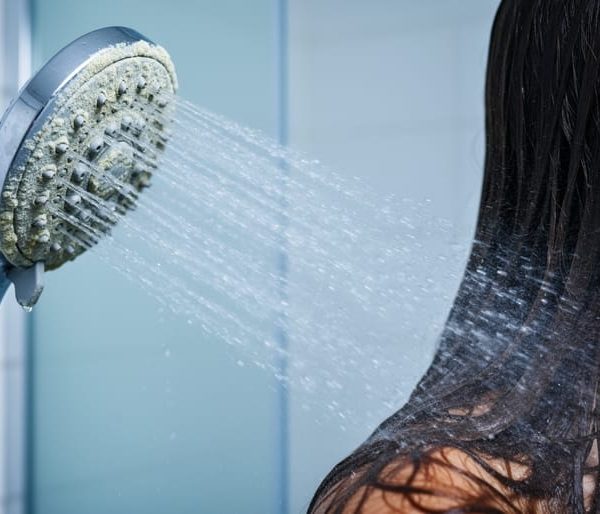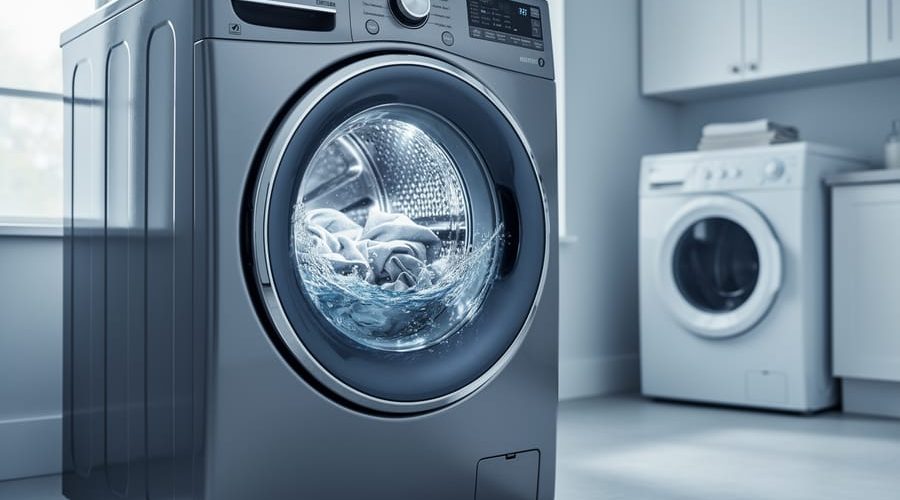
A single load of laundry consumes between 15 to 45 gallons of water, depending on your machine type—with older top-loading models draining up to three times more water than modern high-efficiency washers. For the average household running 300 loads annually, that translates to 4,500 to 13,500 gallons flowing down the drain each year, along with your hard-earned money on utility bills.
Understanding your laundry’s water footprint matters now more than ever. Beyond the financial impact of excessive water use, each load carries detergents, microfibers, and contaminants into wastewater systems, creating environmental ripple effects that extend far beyond your laundry room. The connection between water quality affects laundry performance works both ways—poor incoming water quality damages fabrics while contaminated outgoing water strains municipal treatment facilities.
The good news? You hold significant control over this consumption. Choosing the right washer, adjusting load sizes appropriately, and selecting proper water levels can cut your laundry water use by 50% or more. As water scarcity intensifies across regions and utility costs climb, these decisions transform from nice-to-have eco-friendly choices into practical household necessities.
This guide breaks down exactly how much water different washing machines use, reveals the true cost of your laundry habits, and delivers actionable strategies to reduce consumption without sacrificing clean clothes.
How Much Water Does a Single Load of Laundry Actually Use?
Top-Loading vs. Front-Loading Machines
The type of washing machine in your home significantly impacts how much water flows through each laundry cycle. Traditional top-loading washers, which fill the entire drum with water to submerge clothing, typically consume between 15 and 30 gallons per load. These machines rely on a simple mechanical principle: clothes must be completely immersed in water to agitate and clean effectively.
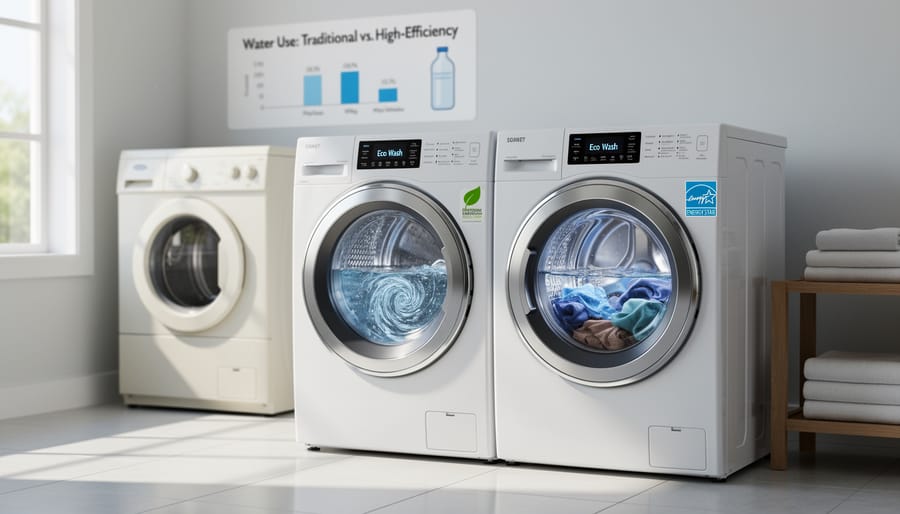
Front-loading machines operate differently, using a tumbling action that requires far less water. These high-efficiency models use approximately 12 to 15 gallons per load, representing a potential water savings of 50% or more compared to conventional top-loaders. The horizontal drum rotates clothes through a smaller pool of water at the bottom, repeatedly lifting and dropping garments for thorough cleaning without full submersion.
High-efficiency top-loading washers offer a middle ground, using sensors to detect load size and adjusting water levels accordingly. These models typically consume 13 to 20 gallons per load, making them more efficient than traditional top-loaders while maintaining the familiar top-access design many homeowners prefer.
The mechanical difference extends beyond just water volume. Front-loaders and high-efficiency machines use specialized wash cycles and optimized detergent formulations to maximize cleaning power with minimal water. This innovation not only reduces your household water consumption but also decreases the energy needed to heat water, creating a compound sustainability benefit that environmentally-conscious homeowners increasingly value when making appliance decisions.
High-Efficiency (HE) Models: The Game Changer
High-efficiency (HE) washing machines represent a revolutionary leap in water conservation, typically using less than 15 gallons per load compared to the 40+ gallons consumed by traditional top-loaders. Some advanced HE models use as little as 7 gallons, achieving remarkable efficiency without compromising cleaning power.
The technology behind this efficiency is ingeniously simple yet effective. HE washers use a tumbling action rather than filling an entire tub with water. They spray clothes with concentrated detergent and water mixtures, rotating the drum to lift and drop garments repeatedly. This method saturates fabrics thoroughly while using minimal water. Sensors monitor soil levels and adjust water accordingly, ensuring you never use more than necessary.
When shopping for an HE washer, look for the EPA’s WaterSense label, which certifies that machines meet strict water efficiency criteria. ENERGY STAR certification indicates models that save both water and electricity, reducing your environmental footprint and utility bills simultaneously. These certifications guarantee at least 33% less water usage than standard models.
For environmentally-conscious homeowners, investing in an HE washer means saving approximately 6,000 gallons annually compared to conventional machines—a significant contribution to sustainable living while lowering household costs.
Load Size and Settings Impact
Your washer’s load size setting directly controls water usage, making it one of the easiest ways to reduce consumption. A small load typically uses 7-10 gallons in efficient machines, while medium loads range from 12-15 gallons, and large loads consume 15-20 gallons. Many households routinely select large settings out of habit, even when washing fewer items, wasting thousands of gallons annually.
Different wash cycles also impact water use significantly. Delicate cycles generally use slightly less water with gentler agitation, while normal cycles hit the standard range for your machine type. Heavy-duty cycles, designed for heavily soiled items, can add 20-30% more water to ensure thorough cleaning. Some machines also offer extended rinse options that double rinse water usage.
The key to efficiency is matching your load size and cycle to your actual laundry needs. Wait until you have enough clothes to fill your selected setting completely. Modern washers with load-sensing technology automatically adjust water levels, but manual selection washers rely entirely on your judgment. By choosing appropriately, you’ll conserve water without sacrificing cleaning power, reducing both your environmental footprint and utility costs while maintaining the quality of water returning to local treatment systems.
The Annual Water Footprint of Your Laundry Habits
When you consider that the average household runs 8-10 loads of laundry per week, those per-load numbers add up quickly. A family using a standard top-loading washer consuming 40 gallons per load would use approximately 16,000-20,800 gallons annually. Switch that to a high-efficiency model using just 15 gallons per load, and your yearly consumption drops to 6,240-7,800 gallons—a reduction of nearly 13,000 gallons.
To put this in financial terms, if your water utility charges the national average of $1.50 per 1,000 gallons, a standard washer costs about $24-31 annually in water alone, while an HE washer runs just $9-12. Add in heating costs for warm and hot water cycles, and the difference becomes even more pronounced. Hot water heating can account for up to 90% of the energy used during a wash cycle, potentially adding $100-150 to your annual utility bills depending on your water heater type and local energy rates.
From an environmental perspective, your laundry habits contribute meaningfully to household water consumption. In fact, laundry typically represents 15-20% of indoor water use in American homes. For a family doing 400-500 loads annually, that’s equivalent to filling a backyard swimming pool.
The water quality implications extend beyond volume. Each load introduces detergents, fabric softeners, and other chemicals into the wastewater stream. While municipal treatment facilities process these contaminants, the energy required for treatment and the potential for residual chemicals to enter waterways creates additional environmental impact.
Understanding these annual figures helps frame everyday choices in meaningful terms. The difference between washer types isn’t just a few gallons per load—it’s thousands of gallons yearly. For environmentally-conscious homeowners, these numbers provide concrete data for making informed decisions about appliance upgrades and laundry habits that align with sustainable living goals while potentially reducing utility costs.
Why Water Quality Matters for Effective Laundry
Hard Water’s Hidden Cost
When you wash clothes in hard water, you’re likely using more water than necessary without even realizing it. Hard water contains high levels of minerals like calcium and magnesium that create several laundry challenges, ultimately driving up your water consumption.
The minerals in hard water reduces detergent effectiveness by binding with soap molecules before they can clean your clothes. This means your detergent works less efficiently, often leaving clothes looking dull, feeling stiff, or still visibly dirty after a complete wash cycle. When laundry doesn’t come out clean the first time, you face a frustrating choice: rewash the entire load or settle for subpar results.
These extra wash cycles add up quickly. A typical rewash uses another 15 to 40 gallons of water per load, depending on your machine type. Over time, this can mean hundreds of additional gallons consumed monthly just to achieve what soft water accomplishes in a single cycle.
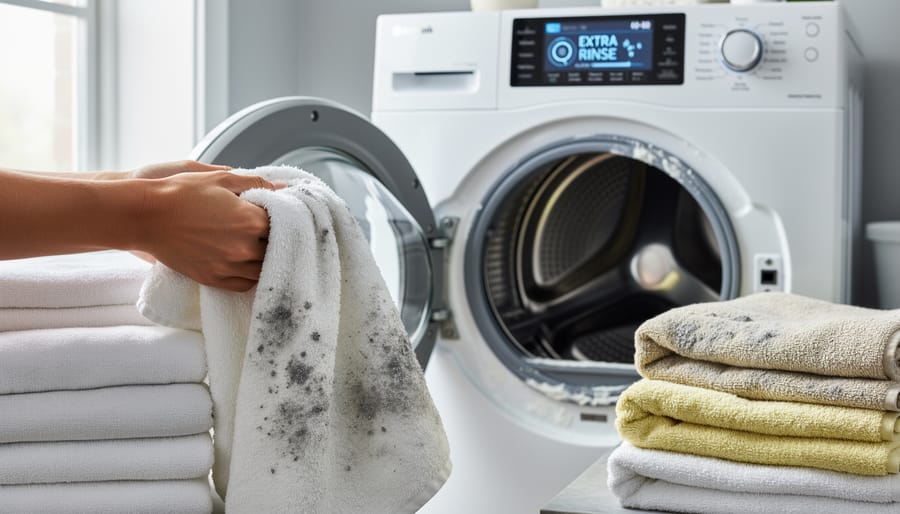
Hard water also leaves mineral deposits on fabric fibers, causing that scratchy feeling and gradually wearing down clothing quality. Many households combat this by adding extra rinse cycles to remove residue, which can add 5 to 15 gallons per load. Some people also use hotter water temperatures thinking it will improve cleaning, but this actually wastes both water and energy while providing minimal benefit with hard water conditions.
Understanding your water quality is the first step toward reducing these hidden costs and making your laundry routine more efficient and environmentally friendly.
Chlorine, Sediment, and Fabric Wear
Every load of laundry exposes your clothes to more than just water and detergent. Tap water often contains chlorine, sediment, and minerals that gradually break down fabric fibers with each wash cycle. Chlorine, commonly added to municipal water supplies for disinfection, acts as a bleaching agent that weakens cotton, linens, and other natural fibers. Over time, this chemical exposure causes colors to fade prematurely and fabrics to thin, reducing the lifespan of your wardrobe.
Sediment and hard water minerals present another challenge. Just as mineral deposits damage fabrics, these particles embed themselves in clothing fibers during washing, creating a rough texture and preventing detergent from rinsing clean. This buildup leaves clothes looking dull and feeling stiff, prompting many households to replace garments more frequently than necessary.
The environmental cost of this accelerated fabric wear extends far beyond your closet. The fashion industry already ranks among the world’s largest polluters, and premature clothing replacement amplifies textile waste. Americans discard approximately 85 pounds of textiles per person annually, much of which ends up in landfills where synthetic fabrics take decades to decompose.
Filtering your laundry water reduces these harmful contaminants, protecting your clothing investment while cutting down on textile waste. This simple upgrade helps preserve fabric quality, maintain vibrant colors longer, and supports sustainable living by extending the life of each garment through countless wash cycles.
What Happens to Laundry Wastewater?
Every time you run your washing machine, the water doesn’t simply vanish. This greywater—household wastewater from washing machines—carries more than just dirt down the drain. Understanding what happens to this water and what it contains can help you make more environmentally conscious choices about your laundry habits.
When you drain your washing machine, the water typically flows through your home’s plumbing system into either a municipal sewer system or a septic tank. From there, it undergoes treatment at wastewater facilities before being released back into the environment. However, the journey of this water and its contents raises important environmental questions.
Laundry wastewater is far from clean. Each load contains a cocktail of contaminants including detergents, fabric softeners, bleach, and optical brighteners. These chemical additives can include phosphates, surfactants, and synthetic fragrances that persist in water systems. Beyond cleaning agents, the water carries suspended solids like dirt, body oils, dead skin cells, and bacteria from soiled clothing.
One of the most concerning pollutants in laundry wastewater is microplastics. Every time you wash synthetic fabrics like polyester, nylon, or acrylic, thousands of microscopic plastic fibers shed from the clothing. Research suggests a single load can release hundreds of thousands of these tiny fibers. These microplastics are too small for most wastewater treatment plants to filter effectively, allowing them to pass through and enter rivers, lakes, and oceans.
Once in aquatic ecosystems, microplastics accumulate in the food chain. Marine life mistakes these particles for food, and they’ve been found in everything from plankton to fish that end up on our dinner plates. The long-term impacts on both environmental and human health are still being studied, but early findings suggest cause for concern.
The chemicals in detergents also pose risks. Phosphates can trigger algal blooms that deplete oxygen in waterways, harming fish populations. Surfactants may be toxic to aquatic organisms even after treatment. While many modern detergents have reformulated to reduce these impacts, not all products are created equal.
The good news is that awareness is the first step toward change. By understanding what goes into your laundry water and where it ends up, you can make informed decisions about detergent choices, washing frequency, and fabric selection that protect both your household and the broader environment.
Reducing Your Laundry Water Footprint: Practical Solutions
Water Filtration and Softening Solutions
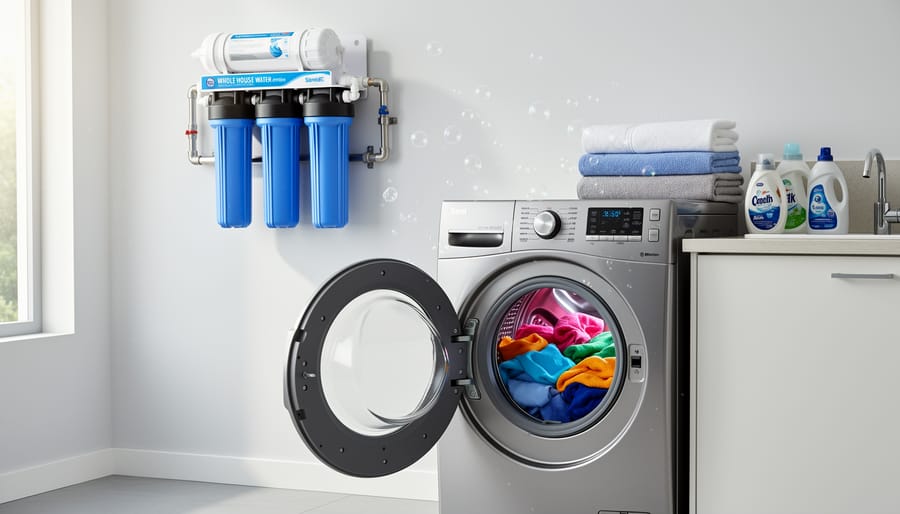
Water quality plays a surprising role in how much water your laundry actually consumes. Hard water and sediment can significantly reduce washing machine efficiency, often requiring rewashes that double your water usage per load. Installing a whole house water filtration system addresses these challenges at the source, improving detergent performance and reducing the need for extra rinse cycles.
Hard water minerals prevent detergent from dissolving properly, leaving residue on clothes and inside your machine. This forces homeowners to run additional cycles, wasting 15-30 gallons per rewash. Water softeners remove calcium and magnesium, allowing detergents to work effectively at lower temperatures and with less product. This not only saves water but also extends your washing machine’s lifespan by preventing mineral buildup in hoses and valves.
For those not ready for whole-house solutions, point-of-use filtration systems designed specifically for laundry rooms offer a practical alternative. These compact units connect directly to your washing machine, providing filtered, softened water where it matters most. They’re particularly valuable in rental properties or for homeowners taking a phased approach to water treatment.
The efficiency gains add up quickly. A household doing eight loads weekly could save over 1,000 gallons annually just by eliminating rewashes caused by poor water quality. Beyond water conservation, filtered water means cleaner clothes, reduced detergent costs, and fewer maintenance issues with your appliances.
Smart Washing Habits
Making simple changes to your laundry routine can dramatically reduce water consumption while maintaining clean clothes. The most impactful habit is waiting until you have a full load before running your machine. Washing partial loads wastes both water and energy, since you’re using nearly the same amount of resources for fewer items.
Switching to cold water settings offers dual benefits—it conserves the energy needed to heat water and works effectively for most fabrics and soil levels. Modern detergents are specifically formulated to clean well in cold temperatures, making this an easy win for sustainability.
Choosing the appropriate cycle length matters too. Heavy-duty cycles use more water than necessary for lightly soiled clothing. Match your cycle selection to your actual needs rather than defaulting to the longest option.
Pre-treating stubborn stains before washing prevents the frustration and waste of rewashing entire loads. A small amount of stain remover applied directly to problem areas eliminates the need for multiple wash cycles, saving gallons of water over time. This proactive approach means cleaner clothes on the first try while significantly reducing your household’s water footprint.
Upgrading to Water-Efficient Technology
Upgrading to a modern washing machine can dramatically reduce your water footprint while lowering utility bills. Look for Energy Star certified models, which use roughly 13 gallons per load compared to 23 gallons for standard machines. WaterSense labeled washers meet even stricter efficiency criteria, ensuring optimal performance with minimal waste.
Today’s smart washers feature advanced water monitoring technology that adjusts consumption based on load size and fabric type. These cutting-edge innovations prevent overfilling and customize each cycle for maximum efficiency. While newer machines cost more upfront, most homeowners see payback within three to five years through reduced water and energy bills.
If your current washer is over 10 years old, upgrading makes both financial and environmental sense. Older top-loaders waste thousands of gallons annually, contributing to higher household water consumption and increased wastewater treatment demands. Modern high-efficiency front-loaders not only conserve water but also extract more moisture during spinning, reducing dryer time and energy costs.
Understanding your laundry’s water consumption is more than just a numbers game. Whether your machine uses 15 gallons per load with a high-efficiency model or upwards of 40 gallons with an older top-loader, these figures represent real environmental impact and household costs that add up over time. The average family doing 8-10 loads weekly can consume anywhere from 6,000 to 20,000 gallons annually just from laundry alone.
What many homeowners overlook is how water quality directly affects these consumption rates. Hard water and mineral buildup reduce washing efficiency, often requiring extra rinse cycles that increase water usage unnecessarily. When you invest in filtered water throughout your home, you’re not just protecting your appliances from scale damage, you’re optimizing their performance and potentially reducing the water needed per load.
Making informed choices about your washing machine and home water quality represents a meaningful step toward sustainable living. Start by evaluating your current appliance’s efficiency rating and considering whether upgrading makes financial and environmental sense. Then assess your water quality to identify opportunities for improvement. These combined actions can significantly reduce your household’s water footprint while lowering utility bills. Take action today by measuring your actual consumption and exploring water treatment solutions that align with both your sustainability goals and your family’s needs.