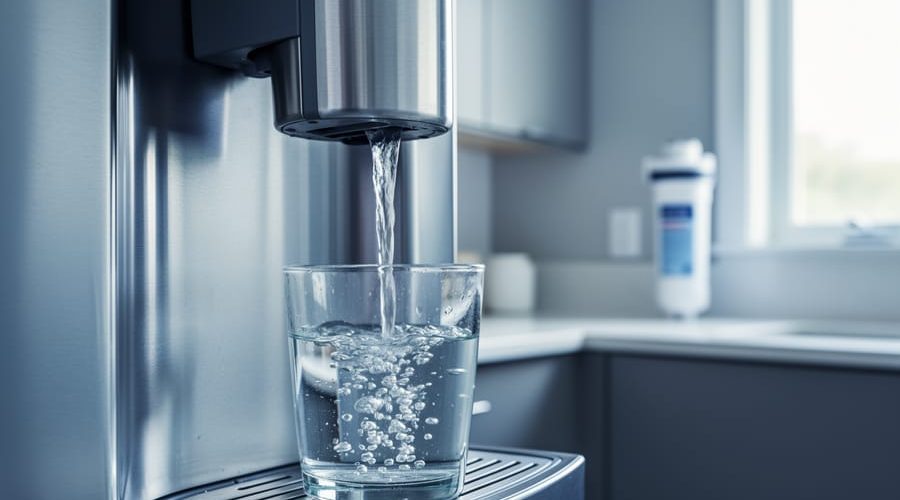
Your refrigerator water dispenser delivers convenient hydration, but it may harbor hidden contaminants that compromise your family’s health. Most fridge filters effectively remove chlorine taste and odor, yet many fail to eliminate harmful substances like lead, bacteria, pharmaceutical residues, and microplastics that can accumulate in your water supply. The safety of your refrigerator water depends entirely on three factors: your municipal water quality, your filter’s capabilities, and how recently you’ve replaced that filter cartridge.
Test your water immediately using an at-home testing kit or professional laboratory analysis to identify specific contaminants present in your supply. Check your refrigerator filter’s specifications against NSF/ANSI standards—most basic filters only meet NSF 42 for taste improvement, while comprehensive protection requires NSF 53 certification for health-related contaminants. Replace filters according to manufacturer guidelines, typically every six months, regardless of the indicator light, since bacterial growth and reduced filtration efficiency occur long before complete clogging.
Understanding these variables empowers you to transform your refrigerator from a potential health risk into a reliable source of clean drinking water. This guide reveals exactly what’s flowing through your dispenser and provides actionable solutions to ensure every glass meets safety standards.
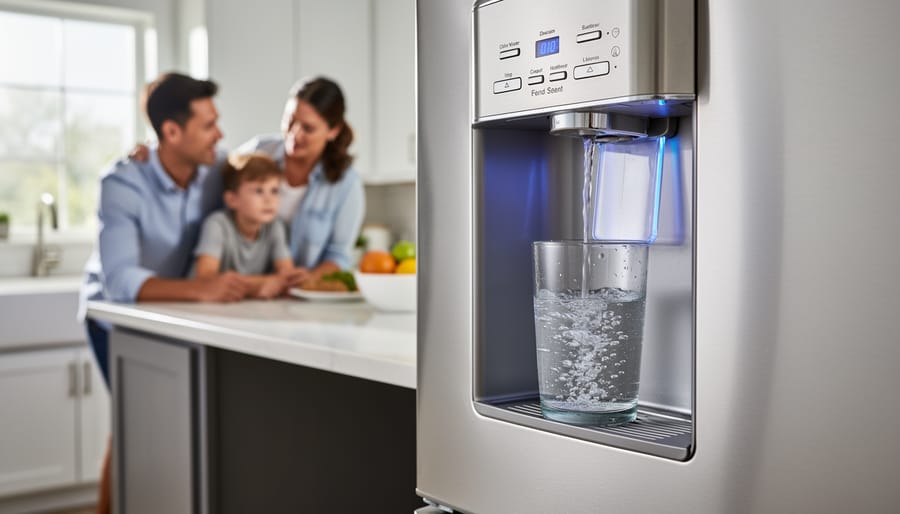
What’s Really in Your Refrigerator Water?
How Refrigerator Water Filtration Actually Works
Most refrigerator water filters rely on activated carbon filtration, a time-tested technology that works by trapping contaminants as water passes through porous carbon material. Think of it like a highly sophisticated sponge with millions of tiny holes that grab unwanted particles while letting clean water flow through.
The activated carbon in these filters effectively removes chlorine, which improves taste and odor, along with some volatile organic compounds (VOCs) and certain pesticides. Many modern fridge filters also incorporate mechanical filtration to catch sediment and rust particles, giving you clearer, better-tasting water.
However, it’s important to understand what standard refrigerator filters don’t remove. Most cannot eliminate dissolved minerals like calcium and magnesium (hard water), nitrates, fluoride, or certain heavy metals. They’re also not designed to remove microbiological contaminants like bacteria and viruses unless specifically certified to do so.
Some premium refrigerators feature reverse osmosis systems, which push water through an ultra-fine membrane that blocks contaminants at the molecular level. These advanced systems remove a much broader range of impurities, including dissolved solids and heavy metals, making them a more comprehensive solution for households concerned about water quality.
The effectiveness of any refrigerator filter diminishes over time as the carbon becomes saturated with trapped contaminants. This is why regular filter replacement, typically every six months, is essential for maintaining water safety. A clogged or expired filter may actually release previously captured contaminants back into your water, defeating its purpose entirely.
Common Contaminants That Slip Through
While refrigerator filters effectively tackle many common water problems, several concerning contaminants can slip through their defenses. Understanding these gaps helps you make informed decisions about your family’s drinking water.
Pharmaceuticals and hormones present a growing concern in municipal water supplies. These trace chemicals—including antibiotics, antidepressants, and birth control hormones—often pass right through standard activated carbon filters. Though present in tiny amounts, research continues exploring their long-term health effects, particularly regarding antibiotic resistance and hormonal disruption. This issue demands special attention for water safety for infants and young children.
Nitrates from agricultural runoff and fertilizers frequently evade refrigerator filtration systems. These compounds pose serious risks for babies under six months, potentially interfering with oxygen transport in their bloodstream. Rural homeowners near farming areas should pay particular attention to nitrate levels.
Microplastics—microscopic plastic particles shedding from bottles, pipes, and environmental pollution—increasingly contaminate water sources worldwide. Standard refrigerator filters weren’t designed to capture these tiny particles, which may carry absorbed toxins into your body.
Certain heavy metals like hexavalent chromium, depending on your filter’s specifications, might not be fully removed. Additionally, some volatile organic compounds (VOCs) and emerging contaminants known as PFAS (forever chemicals) require specialized filtration beyond what most refrigerator systems provide.
The solution isn’t panic but awareness. Testing your water reveals which contaminants you’re actually dealing with, allowing you to address specific concerns through appropriate filtration upgrades or complementary treatment systems.
The Hidden Dangers of Old or Counterfeit Filters
When Filters Become the Problem
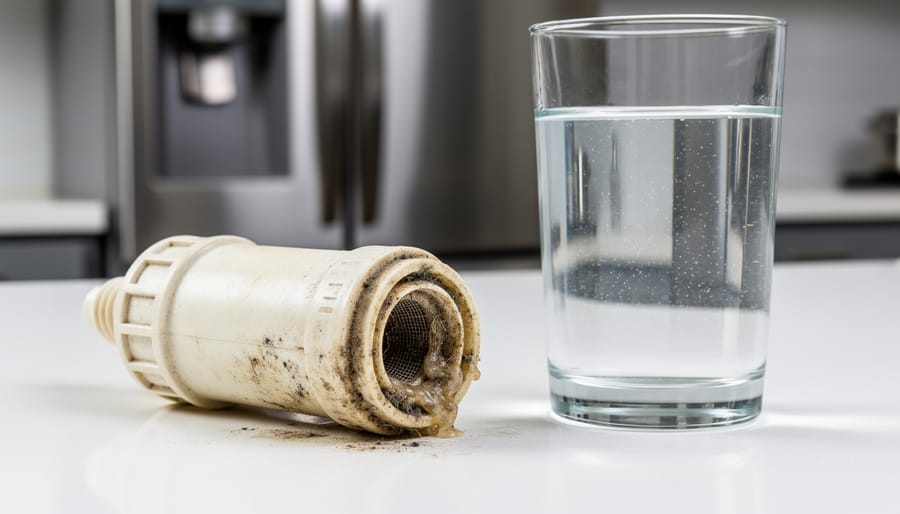
Here’s a sobering truth: the very device meant to purify your water can become its biggest threat. When refrigerator water filters aren’t changed regularly, they transform from protective barriers into breeding grounds for harmful bacteria.
Over time, filters accumulate organic matter and minerals from your water supply. This buildup creates the perfect environment for biofilm—a slimy layer of bacteria that colonizes the filter’s surface. Think of it as an invisible bacterial city thriving right inside your filtration system. As water passes through this contaminated filter, it picks up bacteria, potentially making it dirtier than if it hadn’t been filtered at all.
The health implications are concerning. These bacteria can cause gastrointestinal issues, especially in vulnerable household members like young children, elderly adults, or those with compromised immune systems. You might notice changes in your water’s taste or smell, but often, contamination remains completely undetectable to your senses.
Most manufacturers recommend changing filters every six months, though this varies based on usage and water quality. If you’re dealing with higher levels of contaminants in drinking water, you may need more frequent replacements. Setting a calendar reminder ensures you never miss this critical maintenance step—a small action that protects your family’s health while maintaining your commitment to sustainable, safe water consumption at home.
The Truth About Generic Filter Replacements
When shopping for replacement filters, you’ll notice significant price differences between original equipment manufacturer (OEM) filters and generic alternatives. While third-party options can save you money, not all replacements are created equal.
The key to finding safe, effective generic filters lies in certification standards. Look for products certified by NSF International or meeting NSF/ANSI standards, particularly Standard 42 for aesthetic quality and Standard 53 for health-related contaminant reduction. These certifications ensure filters have undergone rigorous independent testing to verify their performance claims.
Quality generic filters from reputable manufacturers can perform just as well as OEM versions while costing 30-50% less. However, the market has seen an influx of counterfeit products, particularly through online marketplaces. These fake filters may look identical to genuine products but lack proper contaminant removal capabilities and can even introduce harmful materials into your water.
To protect your family, purchase filters directly from manufacturers or authorized retailers, verify certification numbers on the NSF website, and be wary of deals that seem too good to be true. Extremely low prices often indicate counterfeit products. Remember, your refrigerator filter is your primary defense against waterborne contaminants, so choosing certified replacements ensures you’re maintaining the safety and quality of your drinking water.
Testing Your Refrigerator Water at Home
Simple Tests You Can Do Today
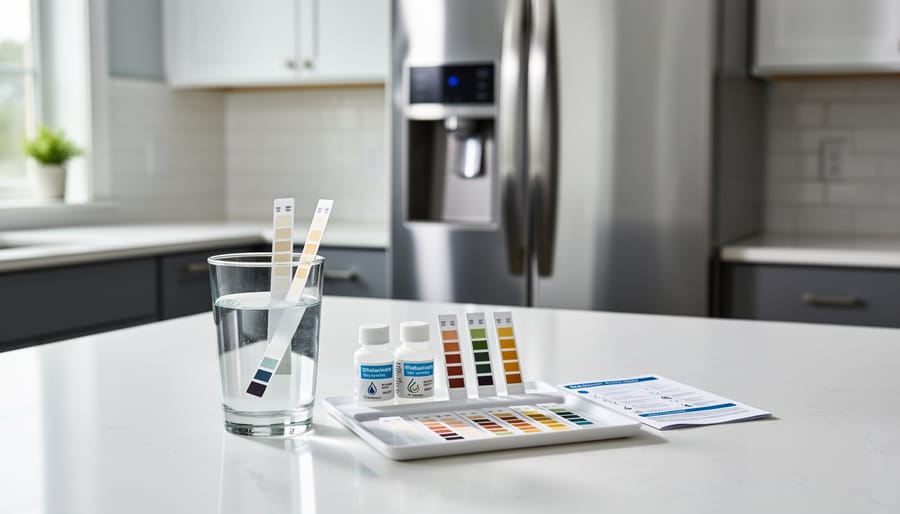
Testing your refrigerator water at home is easier and more affordable than you might think. Home testing kits typically range from $15 to $50 and provide reliable results within minutes for most common contaminants.
Focus on these essential parameters when selecting a test kit: lead (particularly important in homes built before 1986), bacteria including E. coli and coliform, chlorine levels, pH balance, and total dissolved solids. These indicators reveal the most common refrigerator water quality issues that could affect your family’s health.
You can purchase reliable testing kits at major home improvement stores, online retailers like Amazon, or directly from water quality specialists. Look for EPA-certified test strips or liquid reagent kits that include clear instructions and color-coded result charts. Digital TDS meters offer another user-friendly option for measuring overall water purity.
For comprehensive analysis, consider sending a sample to a certified laboratory. Many state health departments offer low-cost testing services, typically between $30 and $100, which provide detailed breakdowns of contaminants. This professional approach gives you the most accurate picture of your refrigerator water’s safety and helps you make informed decisions about filtration upgrades or system maintenance.
Reading Your Test Results
Understanding your test results is straightforward when you know what to look for. The EPA sets Maximum Contaminant Levels (MCLs) for drinking water—these are the legal limits for specific substances. Your test report will show measured concentrations compared to these standards.
For common contaminants, here’s what to watch for: lead should be zero (EPA action level is 15 parts per billion), total coliform bacteria must be absent, and nitrates shouldn’t exceed 10 mg/L. If chlorine byproducts like trihalomethanes register above 80 parts per billion, that’s concerning. Remember, water quality matters for everything from drinking to cooking.
If results show contaminants at or above EPA limits, take action immediately. Replace your refrigerator filter first—many issues stem from expired filters. For persistent problems, consider installing a whole-house filtration system or using certified pitcher filters as backup. Elevated bacteria levels require professional plumbing inspection. When in doubt, consult your local water utility or a water treatment specialist for personalized solutions.
Making Your Refrigerator Water Safer
Essential Maintenance Steps
Keeping your refrigerator’s water system clean is essential for safe, great-tasting water. The most critical step is replacing your filter according to the manufacturer’s schedule, typically every six months or after filtering 200-300 gallons. Mark your calendar or set a phone reminder, as filters lose effectiveness over time even if they appear clean. Using an expired filter is like leaving your front door unlocked—it defeats the purpose of having protection in the first place.
Beyond filters, your water lines and dispenser need regular attention. Every three months, flush your water lines by dispensing two to three gallons of water into your sink. This simple practice removes stagnant water and any buildup inside the tubing. For the dispenser nozzle, mix one tablespoon of baking soda with warm water and gently scrub the exterior surfaces weekly using a soft cloth. This prevents bacterial growth and mineral deposits that can compromise water quality.
Consider running a deeper cleaning twice yearly by disconnecting the water supply and using a food-safe sanitizing solution designed for refrigerators. This eco-friendly approach maintains your system without harsh chemicals. Remember, these maintenance steps aren’t just about safety—they’re sustainable practices that extend your refrigerator’s lifespan and reduce waste from premature replacements, aligning perfectly with environmentally conscious living.
Upgrade Options for Better Protection
If your refrigerator’s built-in filter isn’t cutting it, or you want even cleaner water throughout your home, several upgrade options can take your water quality to the next level.
Inline filtration systems install directly into your refrigerator’s water line and offer more robust filtration than basic fridge filters. These upgraded filtered water systems typically feature multi-stage filtration that removes a broader range of contaminants, including heavy metals, volatile organic compounds, and pharmaceutical residues. They’re particularly worthwhile if your water test reveals specific contaminants your current filter doesn’t address.
For comprehensive protection, whole-house filtration treats water at the point where it enters your home. This means every tap, appliance, and fixture receives filtered water—not just your refrigerator. These systems excel at removing sediment, chlorine, and other common contaminants before they reach your fridge, extending your refrigerator filter’s lifespan while providing better overall protection.
These upgrades make sense when your municipal water has known quality issues, you have vulnerable family members like infants or immunocompromised individuals, or testing reveals contaminants beyond your current filter’s capabilities. From an environmental standpoint, investing in quality filtration reduces reliance on bottled water, cutting plastic waste significantly.
Consider your budget, household size, and specific water concerns when choosing. While these systems require upfront investment, they deliver long-term savings through reduced bottled water purchases and fewer health concerns, making them smart choices for health-conscious, eco-minded homeowners.
The Environmental Impact of Your Water Choices
Choosing refrigerator water over bottled alternatives creates meaningful environmental benefits for our planet. Every time you fill a glass from your fridge instead of opening a plastic bottle, you’re reducing the demand for single-use plastics that often end up in landfills and oceans. The average American household using refrigerator-filtered water instead of bottled water can prevent approximately 167 plastic bottles from entering the waste stream each year.
However, responsible filter maintenance plays an equally important role in sustainable water consumption. Most refrigerator water filters contain activated carbon and other materials that shouldn’t simply be tossed in the trash. Many manufacturers now offer recycling programs where you can mail back used filters for proper processing. Some communities also accept these filters through specialized recycling centers. By participating in these programs, you ensure that valuable materials get recovered and hazardous components are disposed of safely.
The innovation landscape in water purification continues to evolve with sustainability in mind. New filter technologies are emerging that use longer-lasting materials, reducing replacement frequency from every six months to annually or beyond. Some cutting-edge systems incorporate bio-based filtration media derived from coconut shells or other renewable resources, moving away from petroleum-based components.
Additionally, advances in filter efficiency mean modern refrigerator systems can remove more contaminants while using less material. Smart monitoring technology in newer refrigerators helps you replace filters only when truly necessary, rather than on an arbitrary schedule, further reducing waste.
By maintaining your refrigerator’s water system properly and disposing of filters responsibly, you’re making a choice that protects both your family’s health and the environment. This dual benefit makes filtered refrigerator water one of the most practical sustainable living practices any household can adopt.
Your refrigerator water can be safe to drink, but it isn’t automatically guaranteed. The safety of your fridge water depends on several factors: your municipal water source, the condition and maintenance of your refrigerator’s filter, and whether contaminants have accumulated in the system. The good news is that you’re not powerless in this situation. By taking proactive steps, you can ensure your family has access to clean, safe drinking water right from your kitchen.
Start by testing your water to establish a baseline understanding of what’s actually flowing through your refrigerator. Replace filters according to manufacturer guidelines, typically every six months, and don’t ignore those indicator lights. Regular maintenance of your entire water system, including cleaning the dispenser and checking for buildup, makes a significant difference in water quality.
Remember that safe home water solutions benefit both your health and the environment. When you invest in proper filtration and maintenance, you’re reducing reliance on single-use plastic bottles while protecting your family from potential contaminants. Take action today by checking when you last changed your filter, considering a water quality test, and committing to a maintenance schedule. Clean water at home is achievable, sustainable, and worth the effort.