Budget between $150 and $1,500 for a complete reverse osmosis system installation, depending on whether you tackle the project yourself or hire a professional. DIY installations of basic under-sink units typically cost $150-$400 for the system alone, while professional installations including labor and materials range from $500-$1,500. Whole-house systems represent a larger investment, starting at $1,000 for equipment and reaching $5,000 or more with professional setup.
Evaluate your specific needs before committing to a purchase price. System complexity, your home’s plumbing configuration, and water quality testing requirements all influence final costs. A standard five-stage under-sink unit serves most households adequately, filtering contaminants like lead, chlorine, and dissolved solids while maintaining reasonable efficiency. Factor in ongoing expenses including replacement filters ($50-$200 annually) and potential increases in water waste, as traditional RO systems discharge 3-4 gallons for every gallon purified.
Consider this investment through an environmental lens alongside financial planning. Modern RO technology significantly reduces reliance on single-use plastic bottles, preventing roughly 1,825 bottles per person annually from entering waste streams. Enhanced system designs now incorporate permeate pumps and automatic shut-off valves that minimize water waste while maintaining filtration effectiveness. Understanding these upfront and operational costs empowers you to make financially sound decisions that align with both household budgets and sustainability values, ensuring your water quality improvement supports rather than compromises your eco-conscious lifestyle goals.
The Real Numbers: Average RO System Installation Costs
Under-Sink System Installation
Under-sink reverse osmosis systems represent the most popular choice for residential water filtration, offering a discreet installation that doesn’t compromise counter space. The total cost typically ranges from $200 to $600 for a complete setup, making it an accessible entry point for families seeking cleaner drinking water.
Equipment costs form the foundation of your investment. A quality under-sink RO system with a 3-5 stage filtration process generally runs between $150 and $400. Basic models with three stages fall on the lower end, while advanced systems featuring remineralization technology or permeate pumps reach the higher range. The system includes the RO membrane, pre-filters, post-filters, storage tank, and dedicated faucet.
Professional installation adds $100 to $300 to your total expense, depending on your home’s plumbing configuration and local labor rates. Straightforward installations in homes with accessible plumbing and standard sink setups cost less, while complex situations requiring additional modifications increase labor fees.
DIY installation can eliminate labor costs entirely if you’re comfortable with basic plumbing tasks. Most under-sink systems include detailed instructions and require only common household tools. This eco-friendly approach not only saves money but also helps you understand your system’s components for easier future maintenance. However, factor in 2-4 hours for first-time installers to complete the project carefully.

Whole-House System Installation
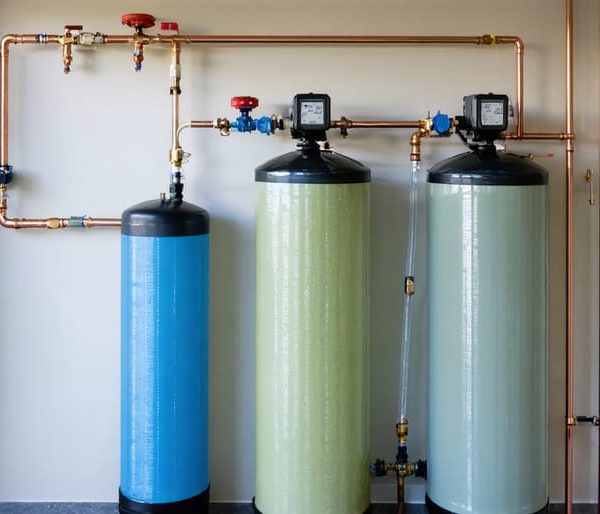
Whole-house reverse osmosis systems represent a significant investment, typically ranging from $5,000 to $15,000 or more for complete installation. This substantial price difference compared to point-of-use systems stems from the need for larger equipment, extensive plumbing modifications, and professional installation throughout your home’s water supply network.
These comprehensive systems filter water at the main entry point, delivering purified water to every faucet, shower, and appliance in your household. While the upfront cost is considerably higher, whole-house installations make practical sense for families with specific health concerns, homes in areas with severely contaminated municipal water, or properties relying on well water with multiple contaminants.
The investment pays dividends through consistent water quality everywhere, reduced bottleneck maintenance at individual taps, and the convenience of purified water for cooking, bathing, and laundry. However, these systems consume more water during the filtration process and require professional maintenance, adding to long-term operational costs. Before committing to this eco-conscious upgrade, consider conducting a comprehensive water quality test to determine whether whole-house filtration addresses genuine needs or if targeted point-of-use systems would suffice for your household’s water quality goals.
What Makes Up Your Installation Cost
Equipment and Hardware Costs
The heart of your reverse osmosis system investment lies in the equipment itself, with prices varying significantly based on quality and features. A basic under-sink RO unit typically ranges from $150 to $300, while premium models with advanced filtration stages and remineralization capabilities can cost between $400 and $800. These price differences reflect important quality distinctions, including filter lifespan, water waste ratios, and certified contaminant removal capabilities.
Storage tanks are essential components that hold your purified water, usually costing $40 to $100 depending on capacity. Standard systems include 2 to 4-gallon tanks, though larger households might benefit from upgrading to bigger options. The dedicated faucet for dispensing filtered water adds another $20 to $80 to your budget, with choices ranging from basic chrome finishes to designer options that complement modern kitchens.
Fittings, tubing, and connection hardware typically add $30 to $75 to your total. Higher-quality systems include food-grade tubing and durable quick-connect fittings that resist leaks and make filter changes simpler. Budget systems might use lower-grade plastics that could require earlier replacement.
When evaluating options, consider that mid-range systems around $300 to $500 often provide the best balance of performance and value for most households. These units typically feature NSF-certified filtration, reasonable water-to-waste ratios that support environmental goals, and reliable components that minimize long-term maintenance headaches. Investing in quality equipment upfront generally translates to better performance and fewer replacement costs down the road.
Professional Labor Charges
Professional installation of a reverse osmosis system typically involves hiring a licensed plumber, though some homeowners may find general handymen adequate for simpler under-sink models. Understanding what you’ll pay for labor helps you budget accurately and avoid surprises.
Most plumbers charge either hourly rates or flat fees for RO installation. Hourly rates generally range from $75 to $150 per hour, depending on your location and the plumber’s experience level. In metropolitan areas or regions with higher living costs, expect rates toward the upper end. A standard under-sink installation usually takes 2-4 hours, bringing labor costs to approximately $150-$600.
Many plumbers prefer offering flat-fee pricing for RO installations, which typically ranges from $200 to $500 for straightforward setups. This approach provides cost certainty and eliminates concerns about the project taking longer than expected. Flat fees often prove more economical for homeowners, especially when experienced plumbers complete installations efficiently.
Several factors can increase labor costs beyond baseline rates. Whole-house systems require significantly more work, potentially doubling or tripling installation time and expenses. If your home lacks adequate water pressure, plumbers may need to install a booster pump, adding both materials and labor. Older homes with outdated plumbing might require additional modifications to accommodate modern RO systems. Difficult access points, such as cramped spaces under sinks or installations requiring crawl space work, also increase labor time. Additionally, if you’re installing a remineralization system to add healthy minerals back into your purified water, expect higher professional charges due to the added complexity and time commitment involved.

Additional Installation Requirements
Before your reverse osmosis system starts delivering cleaner water, you might encounter several hidden expenses that catch homeowners off guard. Understanding these potential costs upfront helps you budget accurately and avoid surprises during installation.
One common requirement is modifying your drain line. RO systems need a proper drainage setup to dispose of wastewater effectively. If your existing plumbing doesn’t accommodate this, expect to pay $75-$200 for drain line modifications or installation of an air gap faucet to prevent backflow contamination.
Low water pressure represents another challenge. RO systems require at least 40-60 PSI to function efficiently. If your home’s water pressure falls below this threshold, you’ll need a booster pump, adding $150-$300 to your total cost. This investment ensures your system produces water at optimal rates without straining the filtration membranes.
Electrical outlet installation may be necessary if you’re adding a pressurized storage tank or UV purification system. These components require dedicated power sources, potentially costing $100-$250 for professional electrical work.
Cabinet modifications or reinforcement might be needed to support the system’s weight, especially for under-sink installations. Older cabinets may require structural updates, adding $50-$150 to your project. Similar to water softener installation, proper structural support ensures long-term reliability.
Finally, if you’re installing a whole-house system rather than a point-of-use unit, expect additional plumbing work and potentially higher costs. Planning for these contingencies protects your budget and ensures a smooth installation process.
Factors That Impact Your Final Installation Price
Your Home’s Existing Plumbing Setup
Your existing plumbing setup plays a significant role in determining your reverse osmosis installation costs. If your kitchen already has accessible water lines and a clear path under the sink, installation becomes straightforward and less expensive. However, older homes with outdated pipes, galvanized steel lines, or corroded fittings may require additional plumbing work before an RO system can be safely installed.
Accessibility matters too. Cramped under-sink spaces or plumbing tucked behind cabinets increase labor time and complexity. Installers may need to reroute pipes or create new connection points, adding to your overall costs.
Modern building codes also factor into installation expenses. Some municipalities require backflow prevention devices or specific drain connections to meet safety standards. While these compliance upgrades protect your water quality and prevent contamination, they can add several hundred dollars to your project. The good news is that addressing these issues now ensures your system operates efficiently and safely for years to come, supporting both your health and environmental goals by reducing reliance on bottled water.

Local Water Conditions
Your local water quality plays a significant role in determining your reverse osmosis system installation cost. Before you invest, it’s worth testing your water to understand what you’re dealing with.
Hard water contains high levels of calcium and magnesium, which can quickly clog RO membranes and reduce their lifespan. If your water hardness exceeds 10 grains per gallon, you’ll likely need a water softener as a pretreatment step, adding $400 to $2,500 to your upfront costs.
High TDS (total dissolved solids) levels above 1,000 ppm put extra strain on your system. Areas with well water or specific regional contaminants often face this challenge. You might need specialized pre-filters or additional stages, increasing costs by $150 to $800.
Specific contaminants like chloramine, iron, or sediment require targeted pretreatment solutions. Iron filters run $300 to $1,200, while chloramine removal systems add another $100 to $400. These add-ons are essential for protecting your investment and ensuring your RO system performs optimally.
Think of pretreatment equipment as insurance for your main system. Like other water treatment systems, proper preparation prevents costly repairs and extends equipment life, ultimately saving you money while delivering cleaner, healthier water for your household.
Geographic Location and Contractor Rates
Where you live significantly impacts your reverse osmosis system installation costs. Urban homeowners typically face higher labor rates, with contractors charging $75-150 per hour compared to $50-100 in rural areas. Metropolitan regions like New York, San Francisco, and Boston often see total installation costs 20-30% higher than the national average due to elevated living expenses and stronger demand for water quality solutions.
Regional differences also matter. Western states experiencing water scarcity issues may have more competitive pricing due to higher installer availability, while areas with excellent municipal water supplies might see fewer specialists and higher rates. Coastal communities concerned about saltwater intrusion often have more experienced contractors familiar with advanced filtration needs.
Local permit requirements add another variable to your budget. Some municipalities require plumbing permits costing $50-200, while others have minimal regulatory oversight for under-sink installations. Urban areas generally have stricter building codes and inspection requirements, potentially adding $100-300 to your project. Before hiring a contractor, check with your local building department about necessary permits. This sustainable investment in cleaner water becomes more predictable when you understand your area’s specific regulations and typical contractor rates, helping you budget accurately for this eco-friendly home improvement.
DIY Installation: Can You Cut Costs?
What DIY Installation Involves
Installing a reverse osmosis system yourself can save hundreds of dollars, but requires moderate plumbing skills and patience. The process typically takes 2-4 hours for someone comfortable with basic DIY plumbing installation.
The installation begins with selecting a location under your kitchen sink where the system can fit comfortably. You’ll need to shut off the cold water supply and install a feed water adapter to tap into your existing cold water line. Next comes drilling a hole through your sink or countertop for the dedicated faucet, which many homeowners find the most challenging step.
The system components connect together following color-coded tubing—typically straightforward with push-fit connections that don’t require special tools. You’ll also install a drain saddle valve on your drainpipe for wastewater disposal and mount the storage tank in an accessible spot.
Essential tools include an adjustable wrench, drill with appropriate bits, tubing cutter, and Teflon tape. While manufacturers provide detailed instructions, realistic expectations matter. If you’ve never worked with plumbing connections or feel uncertain about drilling into your countertop, professional installation provides peace of mind and typically includes warranty protection that DIY installations may not offer.
Actual Savings vs Potential Pitfalls
DIY installation typically saves $200-$500 compared to professional services, but this approach carries notable risks. Many homeowners encounter hidden costs when mistakes happen—cross-threaded fittings can damage components ($50-$150 to replace), improper drain connections may cause leaks requiring emergency plumbing repairs ($300-$800), and incorrect membrane installation reduces system efficiency by up to 40%.
Common costly mistakes include purchasing incompatible parts, over-tightening connections that crack housings, and improper pressure adjustments that void warranties. Speaking of warranties, this consideration often tips the scales toward professional installation. Most manufacturers require certified installation to maintain full warranty coverage, and DIY attempts may leave you financially exposed if major components fail.
Professional installation ensures proper drainage slope, appropriate air gap compliance with local codes, and optimal water pressure configuration. These details protect your investment and prevent the frustration of poor-tasting water despite spending hundreds on equipment.
The real savings equation isn’t just about installation costs—it’s weighing immediate DIY savings against potential repair expenses, warranty protection, and peace of mind. For environmentally-conscious homeowners, professional installation also ensures your system operates at peak efficiency from day one, maximizing water conservation and minimizing waste from improperly functioning equipment.
Long-Term Cost Considerations Beyond Installation
Filter Replacement and Maintenance Costs
Understanding the ongoing costs of your reverse osmosis system helps you budget effectively and ensures optimal performance. regular maintenance keeps your water pure and extends system longevity.
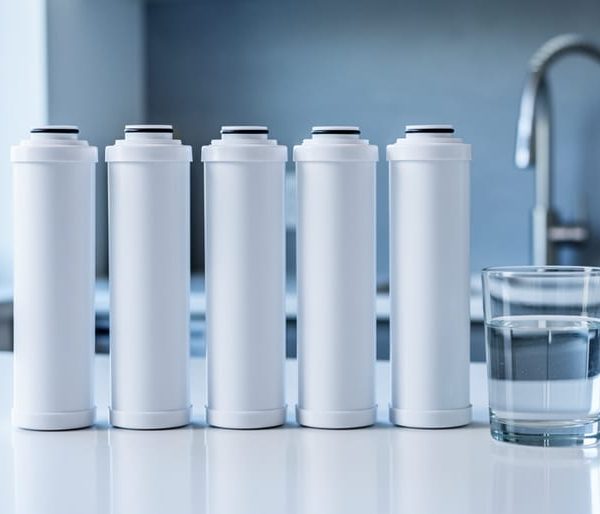
Most RO systems require filter replacements on a predictable schedule. Sediment and carbon pre-filters typically need changing every 6-12 months, costing $50-$80 annually for both. The RO membrane, the heart of your system, lasts 2-3 years and runs $60-$100 to replace. Post-filters require annual replacement at $15-$30 each.
Combined annual maintenance costs average $100-$200 for a typical household system. This includes all filter replacements when scheduled appropriately. Some eco-conscious homeowners find these costs offset by eliminating bottled water purchases, which average $300-$600 yearly per household.
Setting calendar reminders ensures timely replacements and prevents water quality decline. Many modern systems include indicator lights that signal when filters need attention. Investing in quality replacement filters maintains efficiency and protects your family’s health while supporting sustainable living by reducing plastic waste. Consider purchasing filters in bulk to lower costs and minimize packaging waste.

Water and Energy Usage
Reverse osmosis systems are highly effective at purifying water, but they do come with environmental considerations worth understanding. Traditional RO systems typically waste 3 to 4 gallons of water for every gallon of purified water produced. This means if you produce 3 gallons of drinking water daily, you might send 9 to 12 gallons down the drain. For environmentally-conscious homeowners, this can feel counterintuitive to sustainable living goals.
The good news is that modern RO systems are becoming more efficient. Newer models feature improved waste-to-pure water ratios, with some achieving 1:1 or even better performance. These cutting-edge water innovations cost more upfront but align better with eco-friendly values and reduce your water bill impact over time.
Your utility bills will see modest increases from both water waste and the small amount of electricity some systems use. Expect an additional $30 to $60 annually in most households. However, this expense often balances out when compared to purchasing bottled water, which also carries a significant environmental footprint from plastic production and transportation. For those committed to sustainable living, choosing an efficient RO model represents a practical compromise between pure drinking water and environmental responsibility.
Smart Ways to Save on Your RO Installation
Getting the Best Value for Your Investment
Getting the smartest deal on your reverse osmosis system means looking beyond the initial price tag. Start by requesting detailed quotes from at least three installers, ensuring each includes equipment specs, labor costs, and warranty information. This transparency helps you spot unusually high markups or suspiciously low bids that might indicate corner-cutting.
Watch out for unnecessary add-ons like premium faucet upgrades or excessive pre-filtration stages that your water may not need. Request a water quality test first to understand what contaminants you’re actually addressing. Quality systems typically feature NSF certification, durable components, and multi-year warranties on both parts and membranes.
Consider the total cost of ownership rather than just installation expenses. A system that’s $200 cheaper upfront but requires filter replacements twice as often won’t save you money long-term. Look for energy-efficient models that minimize water waste, aligning with both your budget and environmental values. Ask installers about their experience specifically with RO systems and request customer references. The right balance of quality components, fair pricing, and expert installation ensures your investment delivers clean water reliably for years to come.
Rebates, Tax Credits, and Financing Options
Installing a reverse osmosis system doesn’t have to strain your budget, thanks to various financial assistance options available to homeowners. Many local water utilities offer rebate programs for residents who install water-efficient filtration systems, potentially covering $100 to $500 of your installation costs. Contact your municipal water department to learn about current incentive programs in your area.
Federal tax credits occasionally become available for water conservation equipment, particularly when new environmental legislation passes. While RO systems don’t always qualify for federal incentives, some energy-efficient models may be eligible under green home improvement credits. Check the IRS database or consult a tax professional for current opportunities.
Many retailers and manufacturers provide flexible financing plans, including zero-interest payment options for qualified buyers. These arrangements typically spread costs over 6 to 24 months, making upfront expenses more manageable. Some companies also offer lease-to-own programs, allowing you to enjoy purified water immediately while paying gradually.
Environmental advocacy groups and nonprofits sometimes sponsor water quality improvement grants for communities facing contamination issues. Research local and state-level programs focused on clean water access, as these initiatives can significantly reduce your out-of-pocket expenses while supporting sustainable living practices.
Investing in a reverse osmosis system represents more than just a purchase—it’s a commitment to healthier living and environmental responsibility. While the upfront costs might seem substantial, ranging from a few hundred to several thousand dollars depending on your chosen system, the long-term value extends far beyond the initial investment.
By now, you understand the factors that influence installation costs, from system complexity to professional versus DIY installation. You’ve seen how ongoing maintenance and filter replacements factor into the total cost of ownership. Armed with this knowledge, you’re better equipped to evaluate which system truly fits your household needs and budget.
The real value of an RO system lies in what it delivers daily: pure, great-tasting water free from contaminants, reduced plastic waste from bottled water, and peace of mind about your family’s health. Many homeowners find their systems pay for themselves within a few years simply through bottled water savings alone, while simultaneously reducing their environmental footprint.
As you move forward with your decision, consider requesting quotes from multiple installers, comparing warranty terms, and factoring in your household’s specific water quality needs. Whether you choose a basic under-sink model or a comprehensive whole-house system, you’re taking a meaningful step toward sustainable living and improved water quality. The investment you make today will benefit your health, wallet, and planet for years to come.