Your home’s water supply faces a hidden threat that could contaminate every glass of water you drink. A cross connection is any point in your plumbing where clean drinking water can come into contact with contaminated water, chemicals, or other substances—creating a pathway for dangerous materials to flow backward into your tap.
This happens more often than you might think. When you attach a garden hose to spray pesticides, connect a dishwasher without proper gaps, or install an irrigation system incorrectly, you create potential cross connections. The real danger emerges during pressure changes in your water system. A broken water main down the street, heavy water usage by firefighters, or even routine maintenance can cause your water pressure to drop suddenly. When this happens, contaminated water, fertilizers, or chemicals can get sucked back into your home’s drinking water through these vulnerable connection points—a problem known as backflow.
The consequences range from unpleasant tastes and odors to serious health risks, including exposure to bacteria, pesticides, and toxic chemicals. Your family could be drinking contaminated water without knowing it. Understanding cross connections and implementing proper backflow prevention measures protects your household from these invisible hazards. Every homeowner needs to identify potential cross connections and take steps to eliminate them, ensuring the water flowing from your faucets remains safe and clean for drinking, cooking, and daily use.
What Is a Cross Connection?
A cross connection is any point in your home’s plumbing system where your clean drinking water can potentially come into contact with contaminated water or substances. Think of it as an unwanted bridge between your safe water supply and something that could pollute it.
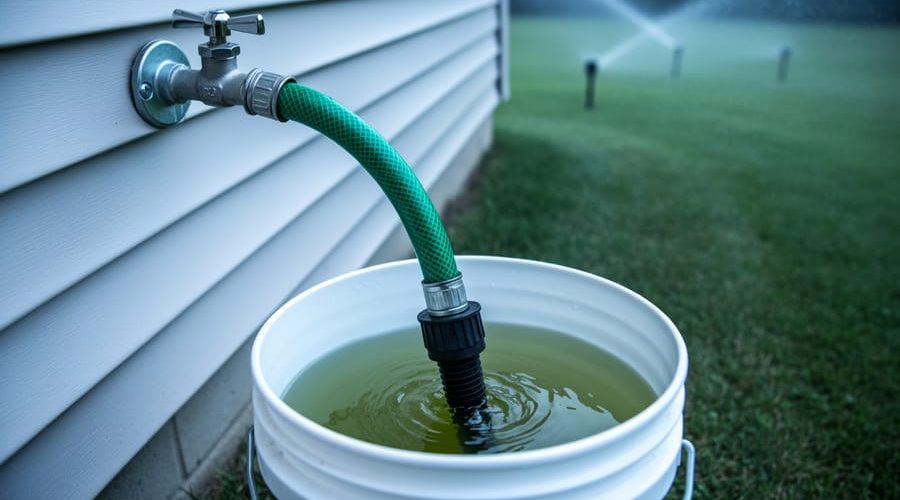
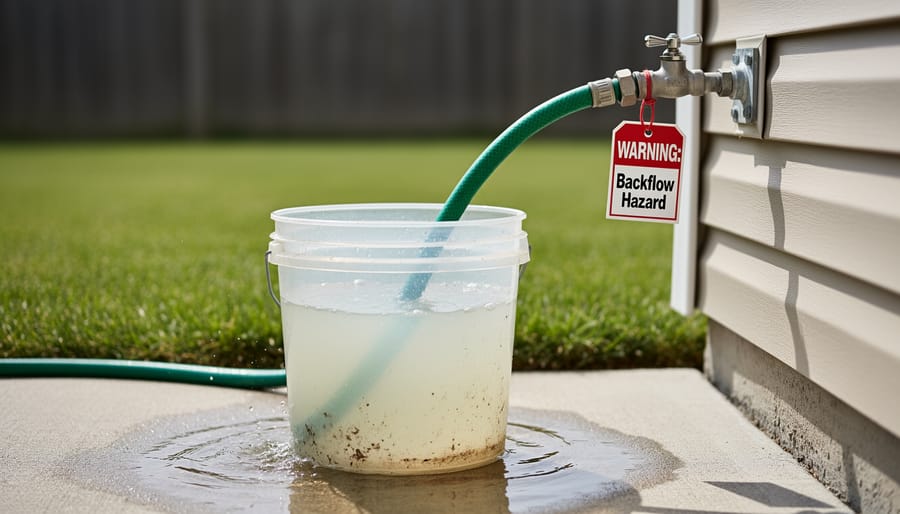
To understand this concept, imagine your garden hose left sitting in a puddle of soapy water while washing your car. If water pressure suddenly drops in your home’s plumbing system, that dirty, soapy water could get sucked backward through the hose and into your pipes—contaminating the very water you drink and cook with. That garden hose connection is a cross connection.
These connections aren’t always obvious or intentional. They happen wherever your potable water system physically connects to equipment, appliances, or fixtures that might introduce harmful substances back into your water supply. The contamination source could be anything from fertilizer in a lawn irrigation system to chemicals in a home water softener, or even bacteria from a dishwasher.
What makes cross connections particularly concerning is that they’re incredibly common in everyday homes. Most homeowners don’t realize their sprinkler system, utility sink, or even their refrigerator’s ice maker could potentially become pathways for contaminants to enter their drinking water.
The key word here is “potential.” A cross connection doesn’t mean contamination is happening right now—it means the physical setup exists for it to happen under certain conditions, particularly when water pressure changes unexpectedly. This is why understanding and preventing cross connections is essential for protecting your household’s water quality and ensuring every tap delivers safe, clean water for your family.
How Cross Connections Happen in Your Home
Garden Hoses and Outdoor Faucets
One of the most common yet overlooked cross connections happens right in your backyard. When you leave a garden hose submerged in a bucket of fertilizer, pesticide solution, or swimming pool, you create a direct pathway for contamination to enter your home’s drinking water. If water pressure suddenly drops due to a main break, heavy water use in your neighborhood, or firefighting activities, the contaminated water can get sucked backward through the hose into your plumbing system. This reverse flow, called backflow, means chemicals meant for your lawn or pool could end up flowing from your kitchen tap. Many homeowners don’t realize that a simple garden hose attachment creates this risk. The solution is straightforward: never leave hoses submerged in any liquid, and consider installing a hose bib vacuum breaker on outdoor faucets. These inexpensive devices act as one-way valves, allowing water to flow out while preventing anything from flowing back in, protecting your family’s water supply and supporting eco-friendly water safety practices.
Irrigation Systems and Sprinklers
Lawn irrigation systems represent one of the most common cross connection risks in residential properties. When your sprinkler system operates, it creates a network of pipes that connect directly to your home’s drinking water supply. The problem occurs when water pressure drops unexpectedly in the main water line—perhaps due to a broken water main, firefighting efforts, or heavy neighborhood usage. During these pressure changes, contaminated water from your lawn can be pulled backward through the irrigation pipes and into your clean water system through a process called backsiphonage. This means pesticides, fertilizers, animal waste, and bacteria from your yard could end up flowing from your kitchen tap. Underground sprinkler heads sitting in puddles or soil are especially problematic since they’re constantly exposed to contaminants. The good news is that installing a simple backflow prevention device on your irrigation system creates a protective barrier, ensuring that water only flows in one direction—out to your lawn, never back into your home’s drinking water supply.
Toilets and Plumbing Fixtures
Your bathroom contains several overlooked cross connection risks that deserve attention. Toilet fill valves, which refill your tank after flushing, can become submerged if the water level rises too high, allowing contaminated toilet water to potentially flow back into your clean water supply. This happens more often than you might think, especially in older toilets without proper air gaps. Handheld bidet sprayers present another concern—when the spray head sits in standing water or touches contaminated surfaces, bacteria can enter your plumbing system if pressure drops suddenly. The good news is that simple vacuum breakers installed on these fixtures create a protective barrier, allowing air in to break any backward suction. These inexpensive devices are easy to install and provide essential protection for your family’s water quality while supporting your eco-conscious lifestyle through water-saving fixtures.
Water Treatment Systems
Home water treatment systems offer excellent benefits for your household, but they can inadvertently create cross connections when not properly installed. Water softeners, reverse osmosis filters, and chemical injection systems all connect directly to your home’s plumbing, and without adequate safeguards, they can become pathways for contaminants to flow backward into your clean water supply.
The primary concern arises when these systems lack proper air gaps or approved backflow prevention devices. For instance, a water softener’s drain line sitting in standing water, or a chemical feeder connected without a check valve, can allow polluted water or concentrated chemicals to siphon back into your drinking water during pressure drops. Even eco-friendly treatment systems require correct installation to prevent these hazards.
When installing any water treatment equipment, ensure your plumber includes appropriate backflow prevention devices and follows local plumbing codes. Regular maintenance checks help verify these protective measures remain functional, keeping your investment in water quality improvements safe and effective for your family.
Why Cross Connections Are Dangerous
Health Risks from Contamination
Cross connections pose serious health threats by allowing harmful contaminants to enter your home’s drinking water supply. When backflow occurs, bacteria from irrigation systems, cleaning chemicals from garden hoses, pesticides from lawn sprayers, or even sewage can flow backward into the clean water pipes you rely on daily.
Common bacterial contaminants include E. coli and Salmonella, which can cause severe gastrointestinal illness. Chemical hazards range from fertilizers and herbicides to automotive fluids or pool treatment products. In industrial or commercial settings, heavy metals, solvents, and toxic substances present even greater dangers. These pollutants can significantly compromise your water quality, sometimes without any visible signs or unusual taste.
The risk increases during situations like water main breaks, firefighting operations, or when multiple outdoor faucets run simultaneously, creating pressure changes that trigger backflow. Children, elderly family members, and those with compromised immune systems face heightened vulnerability to waterborne contaminants. Understanding these risks empowers you to take preventive action and protect your household’s health through proper backflow prevention devices and mindful plumbing practices.
Impact on Community Water Systems
Cross connections aren’t just a single-home problem—they can create a ripple effect throughout your entire neighborhood’s water supply. When contamination enters the water system through one property’s faulty connection, it doesn’t stay isolated. Municipal water systems are interconnected networks, meaning polluted water can travel backward through pipes during pressure drops, potentially reaching multiple homes and businesses.
Consider a scenario where your neighbor’s lawn irrigation system has a cross connection. If their pesticide-laden water backflows during a water main break or when firefighters use nearby hydrants, those chemicals could flow into the shared water lines. Suddenly, what began as one household’s plumbing issue becomes a community health concern affecting dozens or even hundreds of families.
This interconnected vulnerability is why water utilities take cross connections so seriously and often require annual testing of backflow prevention devices. Your vigilance in preventing cross connections at home isn’t just about protecting your family—it’s an act of environmental stewardship that safeguards your neighbors and contributes to the overall resilience of your community’s water infrastructure. By understanding and addressing potential cross connections, you’re participating in a collective effort to maintain clean, safe drinking water for everyone.
Understanding Backflow and Why It Occurs
Back Siphonage
Back siphonage occurs when negative pressure in your home’s plumbing system literally sucks contaminated water backward into your clean water supply. Think of it like drinking through a straw in reverse—instead of you creating the suction, the water system itself does.
This dangerous phenomenon typically happens during unexpected events like water main breaks, firefighting operations, or when multiple homes draw water simultaneously during peak hours. When pressure drops suddenly in the municipal water lines, it creates a vacuum effect. If your garden hose is sitting in a bucket of fertilizer, that hose submerged in pool chemicals, or any contaminated water source is connected to your plumbing at that moment, the negative pressure can pull those pollutants directly into your drinking water pipes.
Real-world scenarios make this risk clear. During a 1993 incident in California, back siphonage contaminated an entire apartment building’s water supply when pressure dropped during water main repairs. Similarly, homeowners using pesticide sprayers attached to outdoor faucets have inadvertently introduced chemicals into their home’s water system during pressure fluctuations.
The good news? Installing simple backflow prevention devices at vulnerable connection points protects your household water quality and contributes to community-wide water safety—an essential step in sustainable, responsible homeownership.
Back Pressure
Back pressure occurs when the pressure in your home’s plumbing system becomes higher than the pressure in the public water supply, creating a dangerous reversal that can push contaminated water backward into clean drinking water lines. This typically happens when mechanical equipment like booster pumps, heating systems, or irrigation pumps create elevated pressure within your household pipes. Imagine a garden hose connected to a fertilizer sprayer powered by a pump—if that pump generates enough force, it can actually push the chemical mixture back through your plumbing and into the municipal water system.
Common household sources of back pressure include residential water pumps that boost pressure for second-story fixtures, hot water heating systems that build up pressure as water heats, and pressure washers connected to outdoor faucets. Even modern tankless water heaters and solar heating systems can create pressure differentials that pose risks. This form of cross connection is particularly concerning because the elevated pressure can overcome standard check valves and other basic safeguards. Understanding back pressure helps homeowners recognize why professional backflow prevention devices are essential protective measures, especially in homes with complex plumbing systems or water-using equipment.
Protecting Your Home: Backflow Prevention Devices
Air Gaps: The Simplest Protection
An air gap is the simplest and most reliable way to prevent cross connections in your home. It’s exactly what it sounds like—a physical space of air between the end of a clean water outlet and any potential source of contamination. This gap ensures that dirty water can never flow backward into your drinking water supply, no matter what happens with water pressure.
You see air gaps in action every day. When your kitchen faucet sits above the sink rim with open space between the spout and the drain, that’s an air gap protecting your water. The same principle applies to your bathroom sink. Even if the sink fills completely with dirty water, that contaminated water cannot reach your faucet because of the air separation. Other common examples include the gap between a washing machine’s water supply hose and the tub, or the space between a dishwasher’s drain hose and the sink connection point. These simple gaps provide foolproof protection without requiring any mechanical devices or backflow preventers.
Backflow Prevention Valves
Several types of backflow prevention devices protect your home’s water supply from contamination. Understanding the most common ones helps you identify which might already be safeguarding your plumbing.
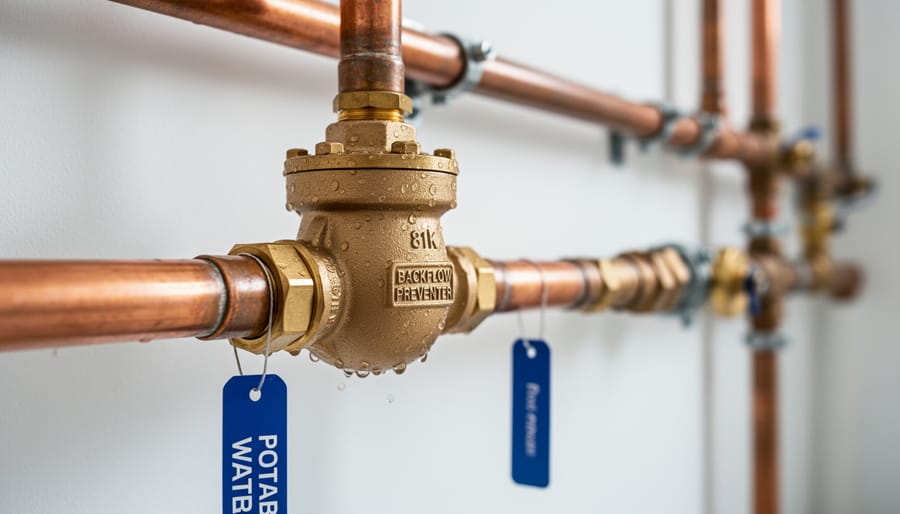
Vacuum breakers are simple devices often found on outdoor hose connections and irrigation systems. They work by allowing air into the pipe when water flow stops, preventing suction that could pull contaminated water backward into your clean supply.
Check valves are one-way gates that permit water to flow in only one direction. You’ll commonly find these under sinks, in sump pumps, and within dishwasher connections. They’re affordable and effective for low-hazard situations.
Reduced pressure zone devices, often called RPZ valves, offer the highest level of protection. These sophisticated assemblies use multiple check valves and a relief valve to create zones of decreasing pressure. They’re typically installed where contamination risks are serious, such as in homes with irrigation systems using fertilizers or properties with fire sprinkler systems.
Your local water authority may require specific devices depending on your property’s plumbing configuration. A licensed plumber can assess your needs and recommend the appropriate protection for your home’s unique setup.
When to Call a Professional
While some basic prevention measures like proper hose handling and avoiding submerged hose ends are simple DIY tasks, professional help is essential for most backflow prevention. Always call a licensed plumber or certified backflow technician when installing backflow prevention devices, as these require precise placement and must meet local plumbing codes. Annual testing of backflow preventers is legally required in most areas and must be performed by state-certified testers who can document compliance for your water utility. You’ll also need professional assistance if you’re adding an irrigation system, installing a hot tub, or making any plumbing modifications that could create cross connections. If you receive a violation notice from your water utility or notice discolored water or unusual tastes, contact a professional immediately. These experts have specialized equipment to test water pressure, identify hidden cross connections, and ensure your home’s plumbing protects both your family and your community’s water supply.
Cross-Connection Control Requirements for Homeowners
Most communities have ordinances requiring homeowners to prevent cross-connections, and understanding these regulations helps you protect both your family and your neighborhood’s water supply. Rather than viewing these rules as red tape, think of them as a safety net that keeps contaminants from flowing backward into the water system that serves your entire community.
Local water utilities typically mandate backflow prevention devices for homes with specific risk factors, such as irrigation systems, swimming pools, or in-home businesses. Many municipalities require licensed plumbers to install these devices and conduct annual inspections to ensure they’re functioning properly. The testing requirements vary by location, but certified testers must verify that your backflow preventer creates an adequate barrier against reverse flow.
As a homeowner, your responsibilities include installing approved devices where needed, scheduling regular maintenance, and keeping records of all inspections. Some water districts send annual reminders, while others place the responsibility squarely on property owners to stay compliant. Failing to meet these requirements can result in fines or even temporary water service disconnection in extreme cases.
The good news is that compliance is straightforward and surprisingly affordable. Annual testing typically costs between fifty and one hundred dollars, and properly maintained devices can last fifteen years or more. This small investment protects your household water quality while contributing to the broader sustainability of your community’s water infrastructure. By staying compliant, you’re actively participating in an eco-conscious approach to water management that benefits everyone connected to the same supply system.
Simple Steps to Identify Cross Connections in Your Home
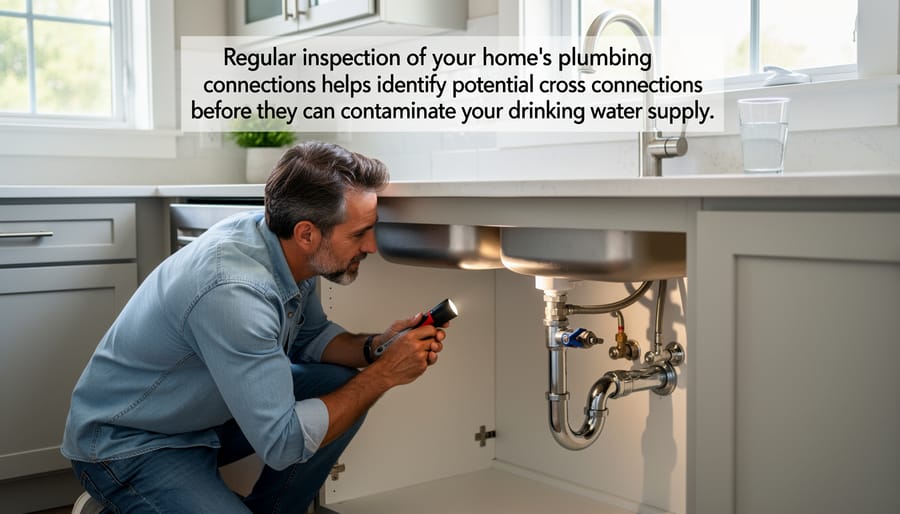
Identifying cross connections in your home doesn’t require professional expertise—just a systematic walkthrough and awareness of where your water systems intersect. Start by checking your outdoor spaces, as these are common trouble spots. Look at your garden hose connections first. If you have a hose submerged in a bucket, pool, or pond, or if you’re using a spray attachment with fertilizer or pesticide, you’ve found a potential cross connection. Ensure all outdoor faucets have hose bib vacuum breakers installed.
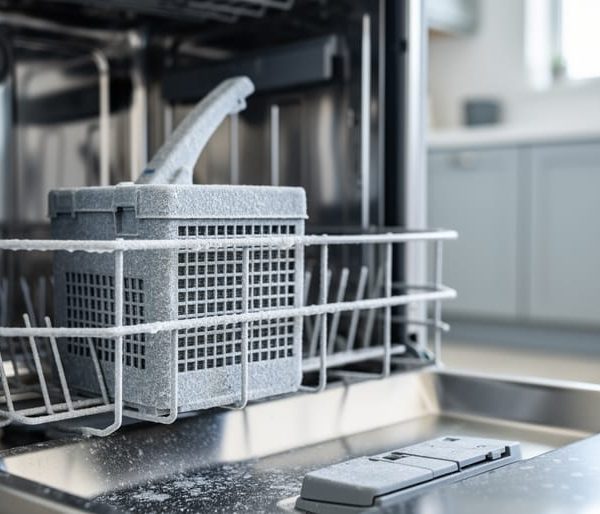
Next, examine your indoor plumbing fixtures. Head to your kitchen and look under the sink at your dishwasher connection. The drain hose should loop up higher than the sink’s overflow level to prevent dirty water from flowing backward. Check your bathroom fixtures too—older handheld shower sprays that can reach into the tub when filled pose risks if not properly protected.
Don’t overlook your utility areas. In the basement or laundry room, inspect your washing machine hoses. They should never be submerged in standing water or utility sinks. If you have a home heating system with a boiler, verify that it has proper backflow prevention devices installed, especially if chemicals are added to the system.
For homes with irrigation systems, lawn sprinklers, or water features, confirm these have appropriate backflow preventers installed at the main connection point. The same applies to any water softeners or filtration systems—they should include built-in protection mechanisms.
Finally, if you have any hobby equipment that connects to water supplies, like car washing systems, pet bathing stations, or craft area sinks, evaluate whether contaminated water could potentially flow back into your clean water supply. When in doubt, consult a licensed plumber to install proper backflow prevention devices. Taking these simple inspection steps protects your household water quality and contributes to broader community water safety.
Protecting your family’s health and the quality of our shared water resources starts with awareness. Cross connections may seem like a minor plumbing concern, but they represent a serious threat to drinking water safety that every homeowner should understand and address. The good news is that prevention is straightforward and well within your control.
Take time this week to walk through your home and identify potential cross connections. Check your garden hoses, irrigation systems, water softeners, and any appliances connected to your water supply. Even simple actions like removing hoses from outdoor faucets when not in use or installing inexpensive backflow prevention devices can make a meaningful difference. If you’re uncertain about your plumbing setup, consulting with a licensed plumber ensures your home meets safety standards.
By taking these preventive steps, you’re not only safeguarding your household’s drinking water but also contributing to broader environmental protection. Clean water is a precious resource that requires collective responsibility. When we each do our part to prevent contamination at its source, we strengthen the integrity of our entire water system. Embracing sustainable water practices means staying informed, taking action, and making conscious choices that protect both our families and the planet for generations to come.