Add fresh lemon juice or cucumber slices to raise your water’s pH naturally—citrus becomes alkaline during digestion while cucumber maintains an 8.5+ pH level. Mix one-eighth teaspoon of baking soda per eight ounces of filtered water to achieve immediate alkaline results between 7.5-8.0 pH. Infuse water with mint leaves, basil, or berries for flavor while maintaining alkalinity, letting ingredients steep for 2-4 hours in the refrigerator. Install a home water ionizer or use pH drops containing trace minerals to create consistent alkaline water on demand.
Alkaline flavored water combines health-conscious hydration with refreshing taste, offering homeowners a sustainable alternative to expensive bottled options. The concept centers on achieving water with a pH level above 7.0, which proponents suggest may help neutralize acid in the bloodstream and improve mineral absorption. Whether you’re new to alkaline water or seeking creative flavor combinations, understanding the science behind pH levels empowers you to make informed choices for your household.
This guide explores practical methods for creating alkaline flavored water using kitchen staples and eco-friendly techniques. You’ll discover how simple ingredients transform ordinary tap water into a mineral-rich beverage while reducing plastic waste. From traditional citrus infusions to innovative herb combinations, these recipes balance alkalinity with flavor—making it easier to meet daily hydration goals without compromising taste or environmental values.
What Makes Water Alkaline and Why It Matters
Understanding what makes water alkaline starts with pH levels—a simple scale measuring how acidic or alkaline a substance is. The pH scale ranges from 0 to 14, with 7 being neutral. Regular tap water typically falls between 6.5 and 8.5, while alkaline water has a pH above 7, usually ranging from 8 to 9.5.
The key difference between regular filtered water and alkaline water lies in the concentration of minerals and ions. Alkaline water contains higher levels of alkalizing compounds like calcium, magnesium, and potassium. These minerals act as natural buffers, reducing acidity and raising the pH level. When you drink alkaline water, you’re essentially consuming water that’s been enriched with these beneficial minerals.
Think of pH like a seesaw—acidic substances weigh down one side, while alkaline substances lift the other. In your body and in water, this balance matters for various chemical reactions and processes. You can easily test pH of water at home using simple methods to verify alkalinity levels.
Modern water filtration systems play a crucial role in creating alkaline water. While basic filters remove contaminants, advanced systems can also remineralize water, adding back essential alkalizing minerals that improve both pH and taste. Some cutting-edge filtration technologies use electrolysis to separate acidic and alkaline components, producing water with your desired pH level.
The quality of your source water significantly impacts the final result. Hard water naturally contains more minerals, making it easier to achieve alkalinity, while soft water may require additional mineralization. Understanding these fundamentals helps you make informed decisions about creating delicious, healthy alkaline flavored water that supports your sustainable living goals while potentially improving your household water quality.
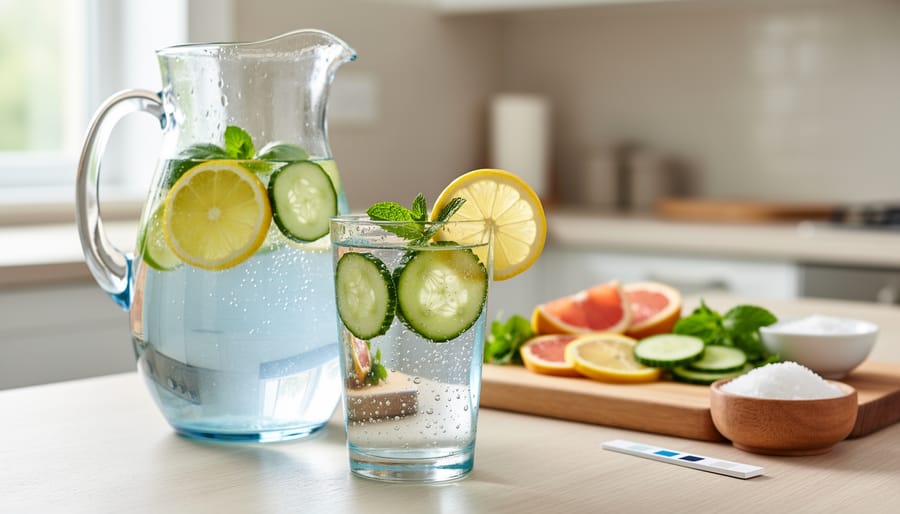
The Foundation: Preparing Your Base Alkaline Water
Using Your Home Filtration System
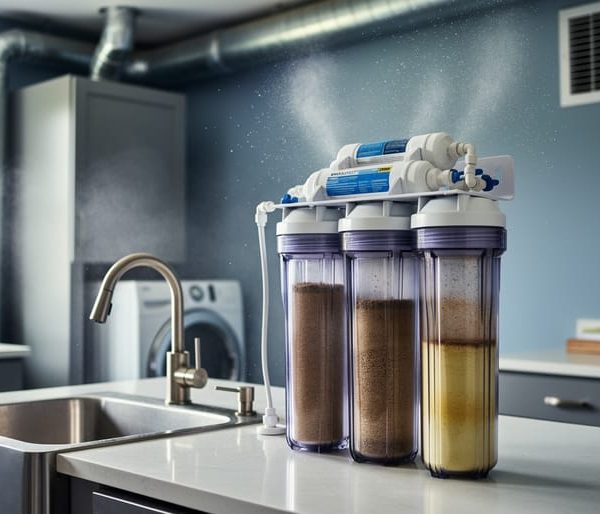
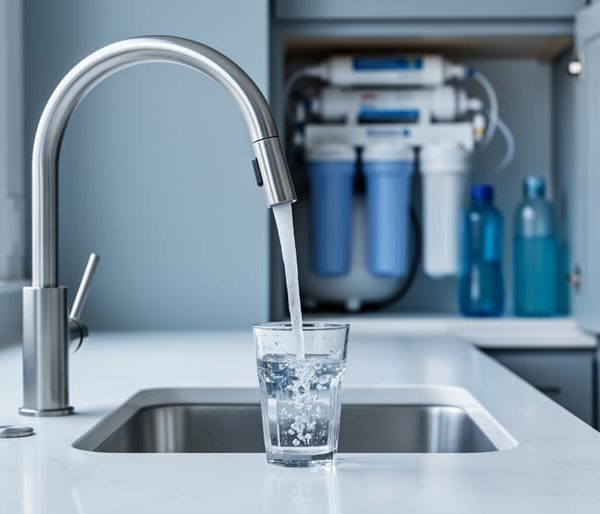
If you already have home water filtration systems installed, you’re halfway to creating exceptional alkaline flavored water. Whole house filters provide clean, contaminant-free water that serves as an ideal foundation for alkaline enhancement. Many newer filtration systems include remineralization stages that naturally increase pH levels by adding beneficial minerals like calcium and magnesium back into your water.
For those with specialized alkaline water systems, you can adjust your machine’s pH settings to create the optimal base for your flavored recipes. Most alkaline water ionizers allow you to select pH levels between 8.5 and 9.5, which works perfectly for infusions. Start with pH 8.5 when you’re new to alkaline water, then gradually increase as your palate adjusts.
The beauty of using home filtration is consistency and convenience. You’ll have fresh alkaline water available whenever inspiration strikes for lemon-mint infusions or cucumber-basil blends. Additionally, generating alkaline water at home significantly reduces plastic bottle waste, aligning with sustainable living practices while providing better-tasting, mineral-rich water for all your flavored creations.
Natural DIY Methods Without Special Equipment
You don’t need expensive equipment to make water alkaline at home. One of the simplest methods involves adding a pinch of baking soda (sodium bicarbonate) to your drinking water. Start with 1/8 teaspoon per 8 ounces of water and adjust to taste. This naturally raises the pH while adding a slightly mineral taste.
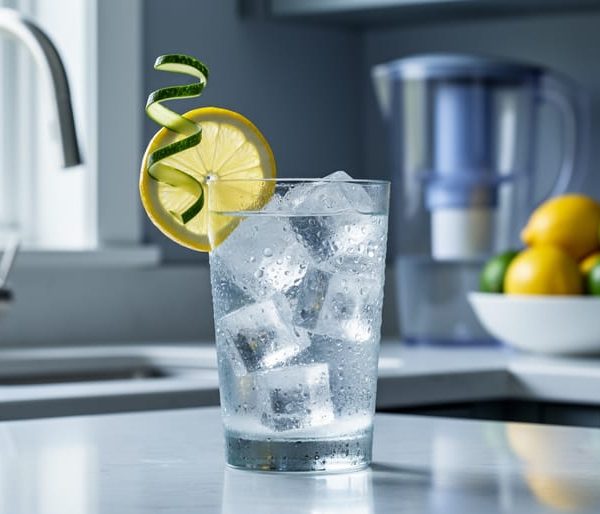
Surprisingly, adding lemon juice can also create alkaline water. While lemons are acidic initially, they produce alkaline byproducts when metabolized by your body. Squeeze half a lemon into a glass of purified water and let it sit for a few minutes before drinking.
pH drops, available at most health food stores, offer another convenient option. These concentrated mineral solutions typically contain potassium, magnesium, and other alkaline minerals. Simply add 2-3 drops per glass according to package directions.
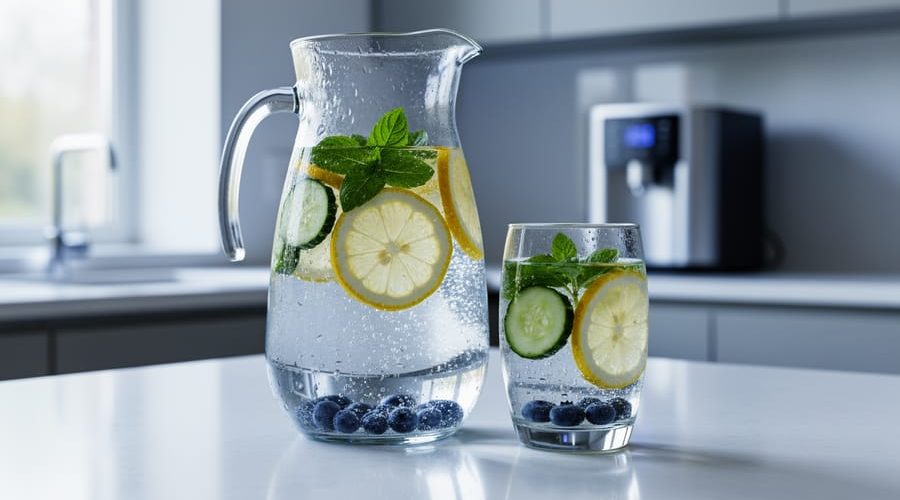
For a more natural approach, try adding cucumber slices or mint leaves to your water pitcher overnight. These ingredients gently raise pH levels while infusing refreshing flavor. Whichever method you choose, test your water’s pH with inexpensive testing strips to ensure you’re achieving your desired alkalinity level of 8-9.
Essential Flavored Alkaline Water Recipes
Citrus-Infused Alkaline Waters
Citrus fruits are nature’s perfect companions for alkaline water, adding bright flavor while supporting your body’s pH balance. These simple recipes transform your alkaline water into refreshing beverages that taste as good as they make you feel.
For classic lemon alkaline water, slice one organic lemon into thin rounds and add to 32 ounces of alkaline water. The key is using alkaline water with a pH of 8.5 or higher, which prevents the citrus from making your drink acidic. Let it infuse for 2-4 hours in the refrigerator for optimal flavor extraction.
Lime lovers can follow the same process, using two limes for a more pronounced tang. For a sweeter option, try orange-infused alkaline water by adding half a sliced orange and allowing it to steep overnight. The natural sugars release gradually, creating a subtly sweet drink without any additives.
Grapefruit alkaline water offers a sophisticated bitter-sweet profile. Use a quarter of a pink or red grapefruit, sliced thinly, per 32 ounces of water. This creates a spa-like beverage perfect for morning hydration.
To balance flavors effectively, start with less fruit than you think you need—you can always add more. Always use organic citrus when possible, as you’re infusing the peel along with the flesh. This eco-conscious choice reduces pesticide exposure while supporting sustainable farming practices. Remove fruit after 24 hours to prevent bitterness and maintain freshness.
Berry and Fruit Blends
Berries and fruits bring natural sweetness and vibrant flavors to alkaline water while providing antioxidants and vitamins. These refreshing combinations make staying hydrated effortless and enjoyable throughout the year.
For a classic strawberry blend, slice 5-6 fresh strawberries and add them to your alkaline water pitcher. Let the mixture infuse for 2-3 hours in the refrigerator. The natural sugars from strawberries create a subtly sweet taste without added calories or artificial ingredients. Combine strawberries with fresh mint leaves for an extra layer of refreshment.
Alkaline water with cucumber pairs beautifully with watermelon chunks during summer months. Simply cube one cup of seedless watermelon and mix with cucumber slices for a hydrating, spa-like beverage that’s perfect for hot days. This combination replenishes electrolytes naturally while maintaining your water’s alkaline properties.
Mixed berry blends work wonderfully year-round. Combine raspberries, blueberries, and blackberries in equal portions, gently crushing a few berries to release their juices. This creates a visually stunning, antioxidant-rich drink that supports your wellness goals.
For seasonal variations, use fresh berries during spring and summer, then switch to frozen organic berries in fall and winter. Frozen fruits work equally well and reduce food waste while maintaining nutritional value. Remember that fruits naturally lower pH slightly, so start with properly alkalized water to maintain desired alkalinity levels.
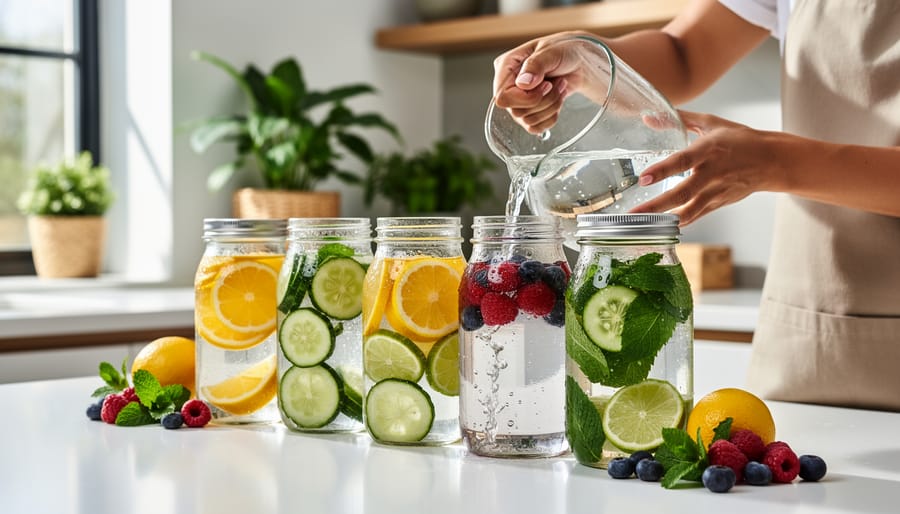
Herb and Botanical Infusions
Fresh herbs and botanicals transform alkaline water into sophisticated, spa-quality refreshments right in your kitchen. These natural infusions not only enhance flavor but also contribute beneficial plant compounds to your hydration routine.
Mint creates one of the most refreshing combinations for alkaline water. Simply muddle 8-10 fresh mint leaves gently to release their essential oils, then add them to a pitcher of alkaline water. Let it steep for 2-4 hours in the refrigerator for optimal flavor extraction. This combination works beautifully for everyday drinking and provides a cooling effect that’s perfect for warm weather.
Basil offers an unexpected yet delightful herbal note. Try combining 5-6 fresh basil leaves with thin cucumber slices for a garden-fresh taste. This pairing creates a subtle, sophisticated flavor profile that rivals premium bottled waters while eliminating plastic waste from your household.
For a calming evening beverage, rosemary and lemon make an excellent duo. Add 2-3 small rosemary sprigs to your alkaline water along with lemon slices, allowing the woody, aromatic notes to develop over several hours.
Lavender should be used sparingly due to its potent flavor. Start with just 1-2 food-grade lavender sprigs per quart of water, removing them after one hour to prevent bitterness. This creates a delicate, floral-scented water that promotes relaxation.
Always use organic herbs when possible to avoid pesticide residues in your infusions, supporting both your health and environmental sustainability goals.
Tropical and Exotic Flavors
For those seeking adventure in their hydration routine, tropical and exotic ingredients offer an exciting pathway to enhanced alkaline water with vibrant flavors. These recipes bring a taste of paradise while supporting your body’s natural pH balance.
Start with a pineapple-ginger fusion by combining 1 cup fresh pineapple chunks with a 1-inch piece of thinly sliced ginger root in 32 ounces of alkaline water. The natural enzymes in pineapple complement ginger’s warming properties, creating a refreshing drink that’s perfect for post-workout recovery. Let it infuse for 2-4 hours in the refrigerator, and strain if you prefer a smoother texture.
Coconut water naturally has alkaline-forming properties, making it an excellent base ingredient. Mix equal parts coconut water and alkaline water, then add fresh mint leaves and a squeeze of lime for a tropical twist that’s both hydrating and mineral-rich.
For a golden turmeric tonic, combine alkaline water with 1 teaspoon fresh grated turmeric, a pinch of black pepper (which enhances turmeric absorption), and a slice of fresh mango. This anti-inflammatory powerhouse tastes as good as it makes you feel.
Dragon fruit adds beautiful color and subtle sweetness to your alkaline water. Simply muddle a quarter of the fruit and steep in cold alkaline water overnight for a visually stunning and antioxidant-rich beverage that’s perfect for sustainable entertaining at home.
Making It Sustainable: Eco-Friendly Practices
Creating flavored alkaline water doesn’t have to come at the cost of environmental impact. By adopting eco-friendly practices, you can enjoy refreshing beverages while minimizing waste and supporting sustainable living.
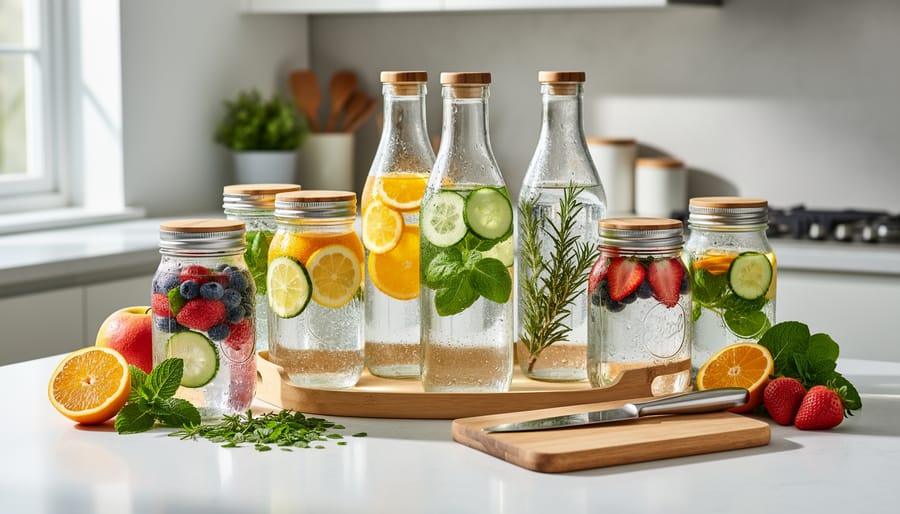
Start by investing in reusable glass or stainless steel containers for preparing and storing your flavored alkaline water. These durable alternatives eliminate the need for single-use plastic bottles and keep your water free from chemicals that can leach from certain plastics. Glass mason jars work particularly well, offering both functionality and aesthetic appeal while being easy to clean and repurpose.
When selecting ingredients, choose organic fruits, herbs, and vegetables whenever possible. Organic produce reduces exposure to pesticides and supports farming practices that protect soil health and biodiversity. Buy local and seasonal ingredients to further minimize your carbon footprint associated with transportation and storage.
Don’t let fruit and herb remnants go to waste. After infusing your water, compost leftover citrus peels, cucumber slices, and herb sprigs. This returns valuable nutrients to the soil and reduces landfill waste. If you’re already practicing DIY water filtration, composting becomes another simple step in your sustainable water routine.
Consider growing your own herbs like mint, basil, and rosemary in a small kitchen garden or windowsill pots. This eliminates packaging waste entirely and ensures you always have fresh ingredients on hand. Even apartment dwellers can cultivate a few herb plants with minimal space and effort.
Finally, make larger batches of alkaline water to reduce energy consumption from repeated small preparations. Proper storage in your reusable containers keeps water fresh for several days, making your eco-friendly approach both practical and efficient.
Storage and Safety Tips
Proper storage is essential to maintain the freshness and quality of your homemade alkaline flavored water. Always use clean, food-grade glass containers rather than plastic bottles. Glass preserves the water’s alkaline properties better and prevents chemicals from leaching into your drink, making it the most eco-friendly and health-conscious choice for storage.
Store your flavored alkaline water in the refrigerator and consume it within 24 to 48 hours for optimal taste and freshness. The natural ingredients like fruits, herbs, and vegetables begin to break down after this period, potentially affecting both flavor and safety. If you notice any cloudiness, off-odors, or changes in taste, discard the water immediately.
Before preparing your alkaline water, thoroughly wash all fruits, herbs, and vegetables under running water to remove dirt, pesticides, and bacteria. Use organic produce when possible to minimize chemical exposure and support sustainable farming practices.
Keep containers sealed with tight-fitting lids to prevent contamination and maintain carbonation if you’ve added sparkling water. Label each batch with the preparation date to track freshness easily.
Avoid leaving your flavored alkaline water at room temperature for extended periods, as this creates an environment where bacteria can multiply rapidly. If you’re taking it on the go, use insulated containers to maintain cool temperatures.
Clean your storage containers regularly with hot, soapy water and allow them to air dry completely before refilling. This simple practice prevents bacterial growth and ensures every batch tastes fresh and pure.
Troubleshooting Common Issues
Creating alkaline flavored water at home occasionally presents challenges, but most issues have straightforward solutions that don’t require specialized equipment or expertise.
If your water tastes bitter or overly alkaline, you’ve likely added too much alkalizing agent. The fix is simple: dilute the batch with plain filtered water until you reach a pleasant taste. Remember that alkaline water should have a clean, slightly smooth taste rather than a harsh or chalky flavor. For future batches, reduce the amount of baking soda or lemon juice you’re using by half and adjust gradually.
Weak flavors often result from insufficient infusion time or using too little fruit. Allow your flavored alkaline water to steep for at least two to four hours in the refrigerator. Fresh ingredients generally provide stronger flavors than older produce, so select ripe, vibrant fruits and herbs. Gently crushing herbs like mint or basil before adding them releases their essential oils and intensifies the flavor.
Cloudiness typically indicates mineral sediment from alkalizing agents settling in your water. This is harmless but visually unappealing. Strain your water through a fine-mesh sieve or coffee filter before serving, or allow sediment to settle at the bottom and pour carefully from the top.
pH imbalances are easy to address with proper testing. If your water tests below 8.5, add small amounts of baking soda (about 1/8 teaspoon per gallon) and retest after stirring thoroughly. Conversely, if pH exceeds 9.5, dilute with regular filtered water. Investing in pH test strips provides consistent results and helps you perfect your recipes over time.
Creating your own alkaline flavored water at home is more than just a healthy beverage choice—it’s a step toward better water quality awareness, environmental responsibility, and overall wellness. By combining the benefits of alkaline water with natural fruit infusions and herbs, you’re taking control of what goes into your body while reducing reliance on single-use plastic bottles and commercially processed drinks.
The beauty of homemade alkaline flavored water lies in its simplicity and versatility. Whether you prefer the refreshing zing of citrus combinations, the soothing notes of cucumber and mint, or antioxidant-rich berry blends, there’s a recipe to match every taste preference and health goal. Experimenting with different ingredients not only keeps your hydration routine exciting but also allows you to discover what works best for your body.
As you incorporate alkaline flavored water into your daily routine, you’re making a conscious choice that benefits both your household and the planet. Start with one or two favorite recipes, adjust them to your liking, and gradually expand your repertoire. The investment in quality water filtration and reusable containers pays dividends in improved health, reduced environmental impact, and long-term cost savings. Make today the day you transform your relationship with hydration.