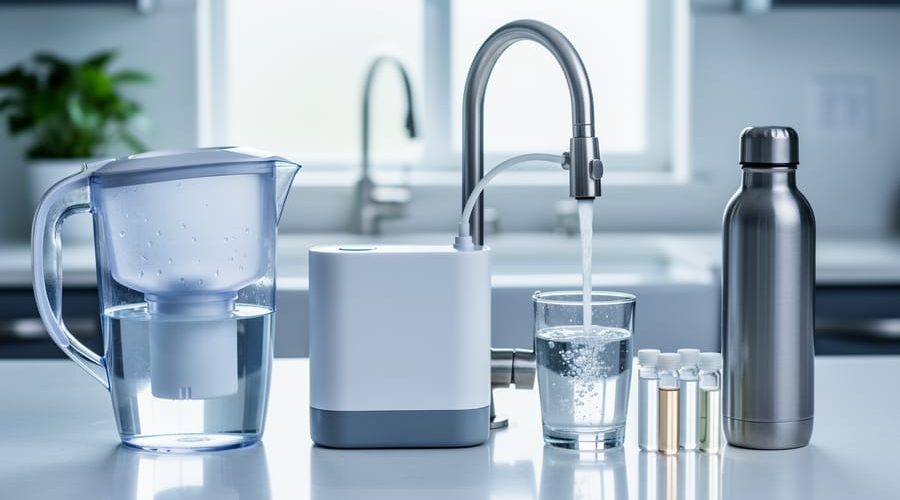
Match your water filter to the specific contaminants in your local supply by requesting a water quality report from your municipality or purchasing a home testing kit that screens for common threats like lead, chlorine, pesticides, and bacteria. This single step eliminates guesswork and prevents overspending on filtration technology you don’t actually need.
Compare filter certifications from NSF International and the Water Quality Association rather than relying on manufacturer marketing claims. Look for specific NSF standards like NSF/ANSI 53 for lead reduction or NSF/ANSI 401 for emerging contaminants including pharmaceuticals and PFAS chemicals. These third-party verifications provide measurable proof of what each system actually removes.
Calculate the true cost per gallon by dividing total annual expenses—including replacement filters, electricity, and water waste—by your household’s filtered water consumption. A pitcher filter might cost $40 upfront but require $120 yearly in cartridges, while a reverse osmosis system with higher installation costs often delivers better value over five years for families using significant filtered water daily.
Evaluate environmental impact by comparing single-use plastic cartridges against systems with recyclable components or longer filter lifespans. Carbon block filters typically last 6-12 months versus pitcher filters requiring monthly replacement, significantly reducing landfill waste while the latest innovations in filter media use coconut shell carbon and other sustainable materials that perform comparably to petroleum-based alternatives.
Understanding What You’re Really Filtering Out
Before you can choose the right water filter, it’s essential to understand what’s actually in your tap water. Municipal water systems are generally safe, but they can contain various contaminants that affect taste, odor, and potentially your health. Different filter technologies are designed to target specific impurities, which is why knowing what you’re filtering out makes all the difference.
Chlorine is one of the most common additives you’ll encounter. While it’s used to disinfect water and kill harmful bacteria, it leaves behind that distinctive pool-like smell and can affect the taste of your drinking water and coffee. Most basic filters handle chlorine well, making it an easy problem to solve.
Heavy metals like lead present a more serious concern, especially in homes with older plumbing. Lead can leach from pipes and fixtures, posing particular risks to children and pregnant women. Not all filters remove lead effectively, so if you live in an older home, this should be a priority contaminant to address.
PFAS, often called forever chemicals, have recently gained attention as emerging contaminants. These synthetic chemicals don’t break down naturally and have been linked to various health concerns. They require advanced filtration methods, and not all systems can capture them effectively.
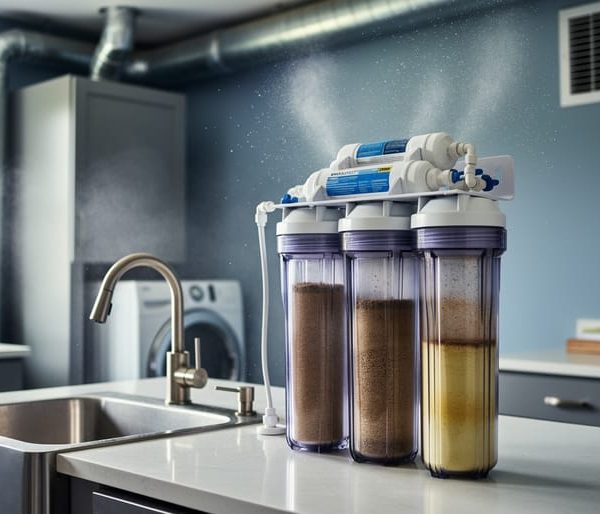
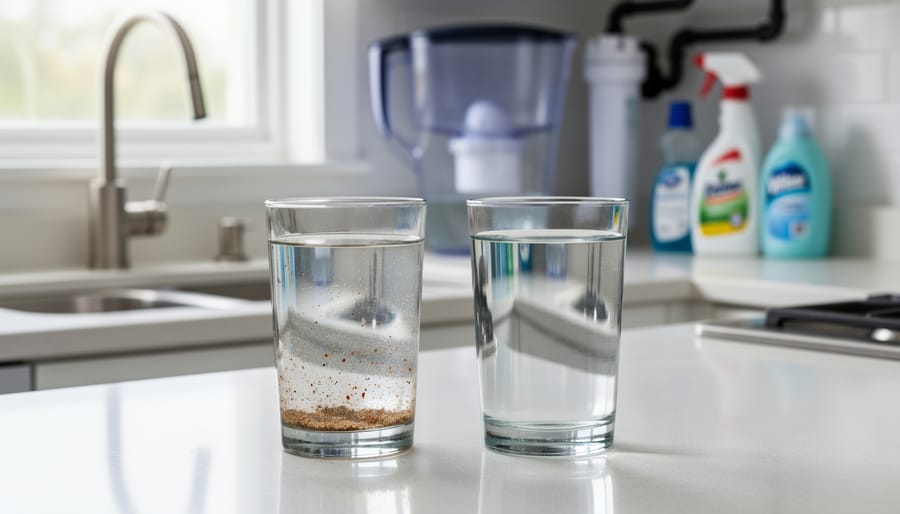
Sediment includes visible particles like rust, sand, and dirt that can cloud your water. While mostly a cosmetic issue, excessive sediment can damage appliances and indicate aging infrastructure.
Bacteria and cysts like giardia and cryptosporidium can cause illness, though they’re less common in treated municipal water. Well water users should pay particular attention to biological contaminants.
Understanding your specific water quality helps you avoid overpaying for features you don’t need or choosing a filter that misses your actual concerns. The best approach is testing your water first, then matching the right filtration solution to your unique situation.
The Major Filter Types Side-by-Side
Pitcher Filters: Convenience vs. Performance
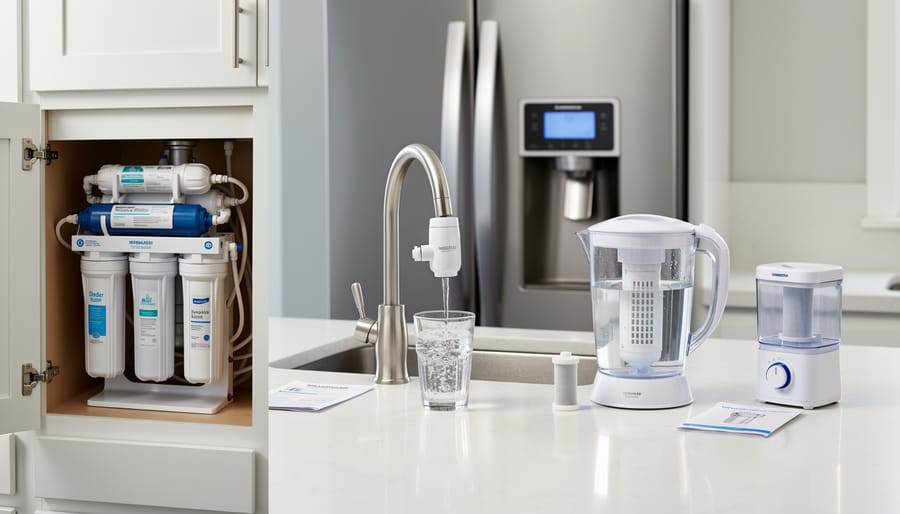
Pitcher filters represent the most accessible entry point into home water filtration, though understanding their limitations is crucial for making an informed choice. These popular devices use activated carbon to reduce chlorine taste, odors, and some contaminants like mercury and copper. However, pitcher filter basics reveal they’re less effective against many harmful substances compared to more advanced systems.
The convenience factor is undeniable—no installation required, affordable upfront costs typically ranging from $20-$40, and countertop portability. Yet performance varies significantly between brands. Look for NSF/ANSI certifications that specify which contaminants are actually reduced, as marketing claims often overstate capabilities. Most pitcher filters don’t address nitrates, bacteria, or many emerging contaminants.
Replacement costs deserve careful consideration. Filter cartridges need changing every 40 gallons or two months, averaging $120-$180 annually. This ongoing expense can exceed the cost of longer-lasting systems over time.
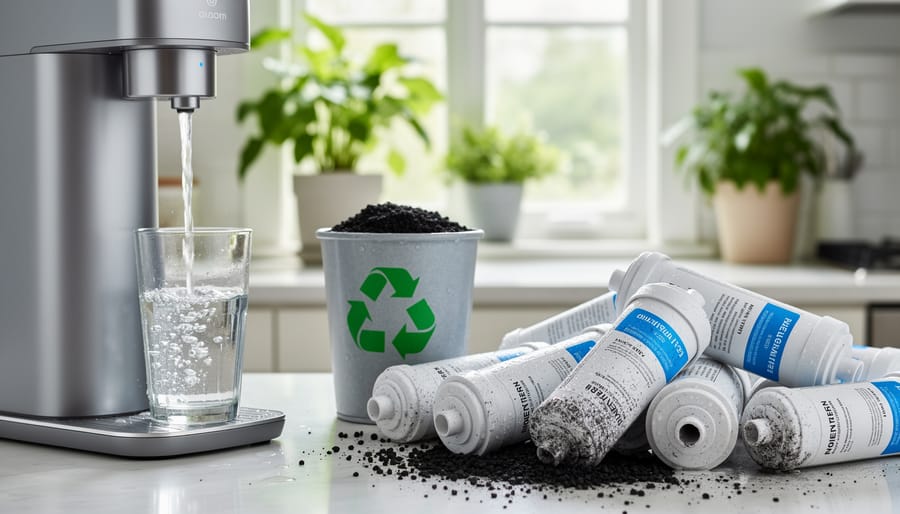
Environmental concerns present a significant drawback. Single-use plastic cartridges generate substantial waste, with limited recycling programs available. Some manufacturers now offer mail-back recycling, though participation remains low. For eco-conscious homeowners, this plastic footprint conflicts with sustainability goals.
Best use cases include renters, small households, or supplementing municipal water that’s already safe but tastes unpleasant. For comprehensive protection or larger families, consider more robust filtration solutions.
Faucet-Mounted Filters: The Middle Ground
Faucet-mounted filters strike a practical balance between pitcher filters and whole-house systems, making them an excellent choice for renters and homeowners seeking better filtration without major installation. These compact devices attach directly to your existing faucet, typically requiring no tools or plumbing modifications. Most models feature a simple twist-on design that you can install in under five minutes.
In terms of filtration capability, faucet-mounted filters typically remove chlorine, lead, mercury, and certain pesticides through activated carbon and ion-exchange technology. They’re more effective than basic pitcher filters but don’t match the comprehensive removal rates of reverse osmosis systems. Most units are NSF-certified for specific contaminants, so check certifications against your local water quality report.
Flow rate is an important consideration. These filters reduce water pressure compared to unfiltered tap water, though newer models have improved significantly. Expect flow rates between 0.5 to 1 gallon per minute, which works fine for drinking and cooking but may feel slow when filling large pots.
From an eco-living perspective, faucet filters generate less plastic waste than pitcher filters since you only replace cartridges every three to six months rather than purchasing bottled water. However, they use more resources than under-sink systems with longer-lasting filters. Most cartridges cost between fifteen and forty dollars, making them moderately economical for households of two to four people seeking cleaner drinking water without permanent installation commitments.
Under-Sink Systems: Comprehensive Protection
Under-sink systems represent the most robust home filtration option, delivering comprehensive protection through multiple purification stages. These systems install directly beneath your kitchen sink, treating all water from that faucet before it reaches your glass.
Multi-stage under-sink filters typically combine sediment filtration, carbon blocks, and specialized media to remove chlorine, heavy metals, pesticides, and pharmaceutical residues. These systems excel at improving taste while maintaining healthy minerals your body needs. Installation requires basic plumbing skills or professional help, with filters needing replacement every 6-12 months depending on water usage.
Reverse osmosis systems take purification further, using a semi-permeable membrane to remove up to 99% of dissolved contaminants including fluoride, arsenic, nitrates, and microplastics. Understanding how reverse osmosis works helps you appreciate why these systems are considered the gold standard for home water treatment. The trade-off involves water waste during filtration, though newer models have significantly improved efficiency ratios.
Both system types require under-sink space and a dedicated faucet. Expect installation costs between $200-600 for multi-stage units and $300-1,000 for reverse osmosis systems. Maintenance is straightforward but essential: mark your calendar for filter changes to ensure continued performance. For families concerned about specific contaminants or those relying on well water, these systems provide unmatched peace of mind and protection.
Whole House Filters: Protecting Every Tap
Whole house filters, also called point-of-entry systems, treat water as it enters your home before reaching any tap, shower, or appliance. These comprehensive filtration solutions install at your main water line, typically in the basement or garage, ensuring every water source throughout your house receives treatment.
These systems excel at removing sediment, rust, and chlorine—common issues that affect water taste, odor, and can damage plumbing fixtures over time. By filtering out larger particles and harsh chemicals before distribution, whole house filters extend the lifespan of water heaters, washing machines, and dishwashers while protecting your home’s entire plumbing infrastructure.
However, it’s important to understand their limitations. Most whole house filters don’t remove heavy metals, pharmaceuticals, or certain microscopic contaminants that specialized point-of-use filters target. This is why many homeowners adopt a two-tier approach: using whole house filtration for basic protection throughout the home while adding dedicated drinking water filters at the kitchen sink for comprehensive contaminant removal.
Whole house systems make particular sense if you have well water with sediment issues, municipal water with strong chlorine taste, or concerns about bathing and showering in treated water. They’re an investment in your home’s infrastructure, with filter cartridges typically requiring replacement every 3-6 months depending on water quality and household usage. Consider your specific water quality concerns and budget when deciding if this whole-home protection aligns with your filtration needs.
What Actually Gets Removed: Filter Certification Explained
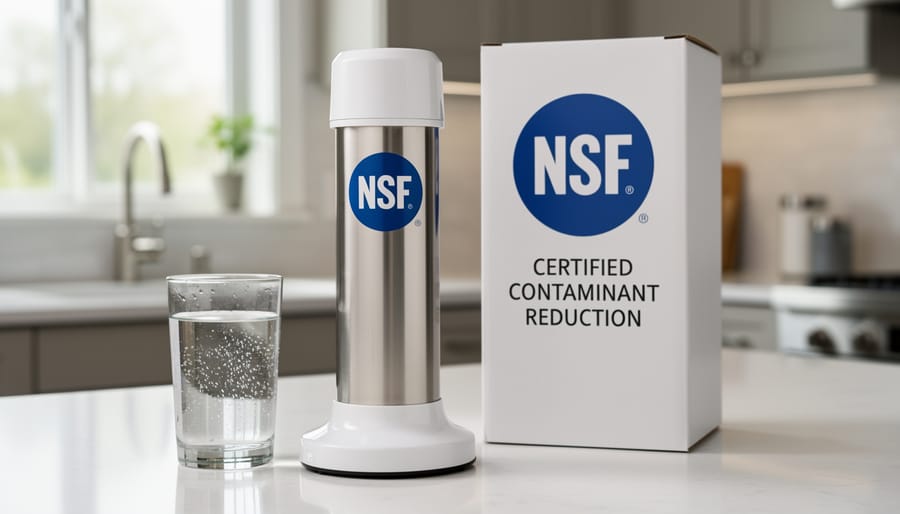
When shopping for water filters, you’ll encounter various NSF/ANSI certification numbers on product packaging. These certifications aren’t just marketing buzzwords—they’re your roadmap to understanding exactly what contaminants a filter can remove. Let’s decode what these numbers mean for your household water quality.
NSF/ANSI Standard 42 covers aesthetic effects like chlorine taste, odor, and particles that make water cloudy. If your main concern is improving how your water tastes and looks, filters with this certification will do the job. Think of it as the baseline standard for making water more pleasant to drink, though it doesn’t address health-related contaminants.
Standard 53 is where things get serious. This certification verifies a filter’s ability to remove health-related contaminants including lead, mercury, certain pesticides, and parasitic cysts like Giardia and Cryptosporidium. For families concerned about potential health risks, this standard is non-negotiable. It means independent testing confirmed the filter reduces specific harmful substances to safe levels.
NSF/ANSI Standard 58 applies specifically to reverse osmosis systems. This rigorous certification ensures these advanced systems remove total dissolved solids, including fluoride, arsenic, and nitrates. If you’re considering investing in a reverse osmosis system, this certification validates its effectiveness.
The newer Standard 401 addresses emerging contaminants that previous standards didn’t cover—pharmaceuticals like ibuprofen and prescription medications, over-the-counter drugs, and certain herbicides and pesticides. As research reveals new concerns about these substances in drinking water, this certification becomes increasingly important for eco-conscious households prioritizing cutting-edge water safety.
Here’s how to verify claims: Visit the NSF database online and search for your specific filter model. The database details exactly which contaminants that particular filter reduces and by what percentage. Don’t rely solely on packaging claims—manufacturer statements like “reduces up to 99% of contaminants” are meaningless without specifying which contaminants and certification proof.
Remember that certifications are model-specific. Just because one product from a brand has certification doesn’t mean all their products do. Always check the exact model number you’re purchasing. This verification process takes five minutes but ensures you’re getting genuine protection rather than paying for exaggerated marketing claims.
The Real Cost: Beyond the Sticker Price
When shopping for a water filter, that eye-catching price tag tells only part of the story. The real financial picture emerges when you calculate the total cost of ownership over the filter’s lifespan—and those numbers might surprise you.
Let’s break down what you’re actually paying for. Beyond the initial purchase price, you’ll need to factor in filter replacement costs, which vary dramatically between systems. A pitcher filter might cost $8 every two months, while an under-sink system could require $60 cartridges annually. Reverse osmosis systems typically need multiple filter changes at different intervals, adding complexity to your budgeting.
Here’s where it gets interesting: calculating cost per gallon filtered reveals the true value. That affordable pitcher filter might cost $0.20 per gallon when you account for frequent replacements and limited capacity. Meanwhile, a pricier whole-house system could drop to just $0.03 per gallon over its 10-year lifespan.
Reverse osmosis systems introduce another cost factor that many homeowners overlook—water waste. These efficient filters reject contaminants by flushing them down the drain, typically wasting 3-4 gallons for every gallon of clean water produced. In areas with higher water rates, this can add $50-100 annually to your utility bills.
Energy consumption matters too, particularly for UV purification systems and electric water dispensers. Most use minimal electricity—around $20-30 yearly—but it’s worth including in your calculations.
Consider longevity as well. Quality faucet-mounted filters might last 2-3 years before requiring full replacement, while whole-house systems can function for a decade or more with proper maintenance. A $400 system lasting 10 years often proves more economical than a $100 unit replaced every two years.
For eco-conscious households, don’t forget the environmental cost of disposable cartridges. Some manufacturers now offer recycling programs, turning waste into a smaller footprint for your sustainable living goals.
Environmental Impact: Which Filters Are Actually Sustainable?
When choosing a water filter, the environmental footprint matters just as much as water quality. Different filter types create vastly different impacts on our planet, and understanding these differences helps you make a truly sustainable choice.
Pitcher and faucet-mounted filters generate the most plastic waste, with cartridges typically lasting only two to three months. Americans discard approximately 100 million filter cartridges annually, most ending up in landfills since they combine multiple materials that make recycling nearly impossible. However, some manufacturers now offer take-back programs where used cartridges are properly disassembled and recycled.
Reverse osmosis systems present a different environmental challenge: water waste. Traditional RO units can send three to five gallons down the drain for every gallon of purified water produced. This wastewater ratio becomes particularly concerning in drought-prone regions. Newer, high-efficiency models have improved this ratio to 1:1, representing a significant advancement in sustainable design.
Under-sink carbon block filters strike a better balance, with cartridges lasting six months to a year and producing minimal wastewater. The longer lifespan means fewer replacements and reduced plastic consumption over time.
The manufacturing footprint also varies considerably. Simple gravity filters require no electricity and minimal processing, while RO systems demand energy-intensive membrane production and ongoing electrical power.
For the most eco-conscious approach, consider reusable options like ceramic filters that can be cleaned and reused for years, or look for systems with recyclable stainless steel housings. Some cutting-edge innovations include biodegradable filter media and cartridges made from recycled ocean plastics.
Before purchasing, check if the manufacturer offers cartridge recycling programs or uses sustainable materials. Calculate the total waste generated over five years, not just the upfront cost, to understand the true environmental impact of your water filtration choice.
Matching Filters to Your Water Quality Problems
Before investing in a water filter, understanding your specific water quality issues helps you choose the most effective solution for your home. Different contaminants require different filtration technologies, and matching the right filter to your problem saves money while ensuring your family gets clean, safe drinking water.
Start by identifying your water concerns. Common problems include chlorine taste and odor in municipal water, hard water causing scale buildup, visible sediment or cloudiness, metallic taste suggesting lead or copper from aging pipes, and well water concerns like bacteria or agricultural runoff. Each issue points toward specific filter types that work best.
For chlorine taste and basic chemical contaminants, activated carbon filters excel at removing these substances while being affordable and low-maintenance. If you have hard water, consider pairing your drinking water filter with a whole-house water softener, since most countertop filters don’t address mineral content. Homeowners with lead pipes or older plumbing should prioritize reverse osmosis systems or filters specifically certified for heavy metal removal, as these provide the most thorough protection.
Testing your water is the first step toward informed decision-making. Municipal water customers can request annual water quality reports from their provider, which detail contaminant levels and treatment methods. For more comprehensive analysis, home water testing kits available at hardware stores test for common issues like pH, hardness, chlorine, and lead. Professional laboratory testing offers the most detailed results, typically costing between fifty and two hundred dollars depending on the contaminant panel.
Once you understand your water profile, cross-reference your specific contaminants with filter certifications. Look for filters certified to remove your identified problems, ensuring you invest in technology that addresses your actual needs rather than marketing promises.
Choosing the right water filter isn’t about finding the “best” option—it’s about discovering what works for your unique situation. Start by testing your water to understand what contaminants you’re actually facing, then match that knowledge with a filter technology that addresses those specific issues. Consider your budget beyond the initial purchase price, factoring in long-term maintenance and replacement costs. If sustainability matters to you, prioritize filters with recyclable components and minimal waste production. Remember, an expensive whole-house system isn’t necessary if a simple pitcher filter solves your needs, and conversely, don’t settle for inadequate filtration just to save money. The perfect filter balances effectiveness, affordability, and environmental responsibility while seamlessly fitting into your daily routine.