Bury your rainwater storage tanks 3-6 feet underground to maintain consistent water temperatures between 50-60°F year-round, preventing algae growth and bacterial contamination that plague above-ground barrels during summer months. Install a sediment filter and first-flush diverter before water enters your underground cistern, ensuring debris and roof contaminants never reach your storage system.
Calculate your storage needs by multiplying your roof’s square footage by 0.623 to determine gallons captured per inch of rainfall, then size your underground tank to hold at least two weeks of household water usage during dry periods. A 1,500-square-foot roof can harvest approximately 935 gallons from just one inch of rain, making underground systems particularly valuable in areas with seasonal precipitation patterns.
Underground rainwater harvesting transforms wasted roof runoff into a reliable water source while reclaiming valuable yard space that bulky above-ground tanks would consume. Unlike visible storage containers that deteriorate under UV exposure and freeze during winter, underground cisterns provide natural insulation and protection from temperature extremes. These systems integrate seamlessly with your landscape, leaving gardens and patios unobstructed while storing thousands of gallons beneath driveways, lawns, or garden beds.
The investment in underground infrastructure typically ranges from $2,000-$8,000 depending on tank capacity and installation complexity, but delivers decades of service with minimal maintenance. Before committing to this approach, understanding rainwater harvesting basics helps you evaluate whether underground storage aligns with your property’s characteristics, local regulations, and water conservation goals.
This comprehensive guide examines the engineering principles, cost considerations, and practical implementation steps that determine whether underground rainwater harvesting makes sense for your home, cutting through marketing hype to deliver honest assessments based on real-world performance data.
What Makes Underground Rainwater Harvesting Different
The Basic Components of a Buried System
Understanding what makes up an underground rainwater harvesting system helps demystify this eco-friendly water solution. Let’s break down the key components that work together to collect, clean, and store nature’s gift beneath your property.
The collection surface, typically your roof, serves as the starting point. Rain runs off your rooftop into gutters and downspouts, which channel water toward your storage system. The size and material of your roof directly impact how much water you can harvest.
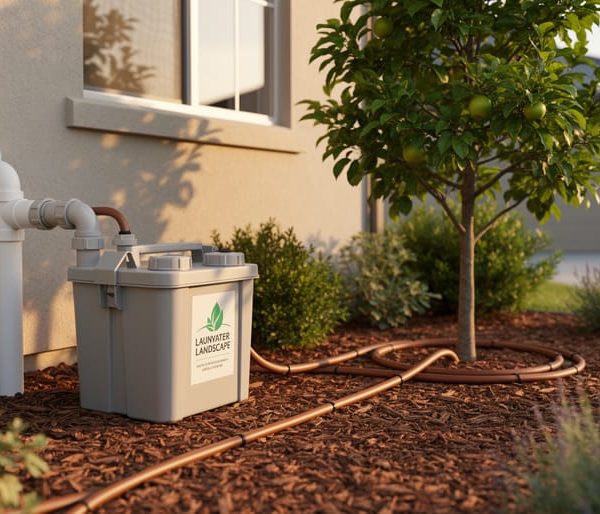
Before water enters storage, it passes through filtration stages. A first-flush diverter removes initial runoff containing debris, bird droppings, and accumulated dust. Then, filters strain out leaves, sediment, and particles. This pre-storage filtration is crucial for maintaining water quality and protecting your investment.
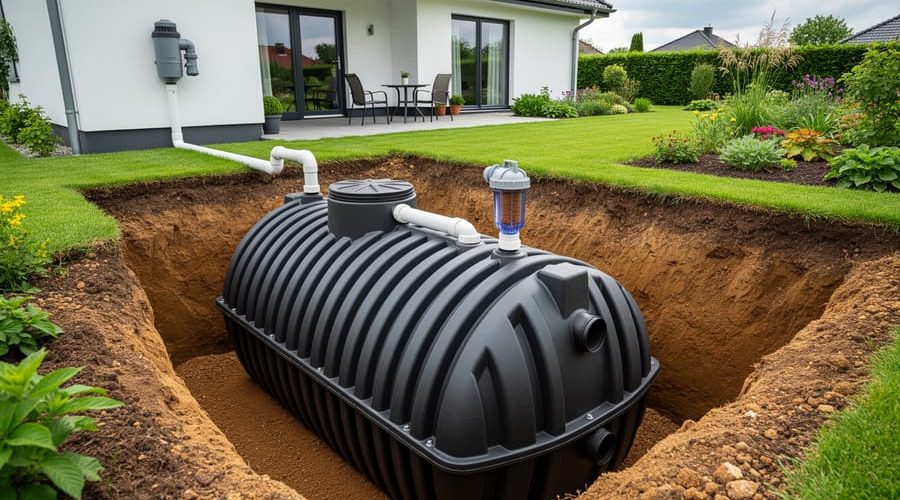
The underground tank forms the heart of your system. These durable containers, made from concrete, fiberglass, or polyethylene, sit buried beneath your yard or driveway. Their subterranean location keeps water naturally cool and protected from sunlight, preventing algae growth and temperature fluctuations.
A pump system delivers stored water where you need it. Submersible pumps sit inside the tank, while external pumps connect via intake pipes. Your choice depends on intended use and desired water pressure.
Finally, the distribution network comprises pipes and possibly a secondary filtration system that carries harvested water to toilets, washing machines, irrigation systems, or other non-potable uses throughout your property.
Each component plays a vital role in creating a reliable, sustainable water source that reduces your environmental footprint while lowering utility bills.
How Water Flows from Roof to Underground Storage
Understanding how water travels from your roof to underground storage helps you appreciate the thoughtful engineering behind these eco-friendly systems. The journey begins when rain hits your roof and flows into gutter collection systems, channeling water through downspouts toward your underground tank.
Before reaching storage, the water passes through a crucial first-flush diverter. This innovative device automatically diverts the initial runoff, which carries the heaviest concentration of dirt, leaves, bird droppings, and other roof contaminants. Think of it as sacrificing the first few gallons to protect the quality of everything that follows. Once the diverter fills and seals, cleaner water continues its journey.
Next, the water enters a pre-filtration system that screens out debris like twigs, insects, and sediment particles. These filters typically feature mesh screens or basket strainers that capture contaminants while allowing clean water to flow freely. This stage prevents your underground tank from becoming a debris collection point.
Finally, the filtered water flows through piping into your underground storage tank. Many systems include a calming inlet that reduces turbulence, helping sediment settle at the bottom rather than mixing throughout the tank. The water enters at a controlled rate, maintaining water quality and preventing disturbance of any settled particles. This entire gravity-fed process operates passively, requiring no electricity while delivering clean rainwater ready for household use or irrigation purposes.
The Hidden Advantages of Going Underground
Temperature Stability Keeps Your Water Fresh
One of the most remarkable benefits of storing rainwater underground is the natural temperature regulation it provides. Below ground, temperatures typically remain stable year-round, hovering between 50-60°F depending on your region. This consistent, cool environment creates ideal conditions for maintaining water quality without requiring any additional energy input.
Unlike above-ground tanks that experience dramatic temperature swings with changing seasons and daily weather patterns, underground cisterns avoid these extremes. During summer months, when surface temperatures can cause rapid algae and bacteria growth in exposed water, your underground supply stays naturally cool and inhospitable to unwanted microorganisms. The consistent coolness slows biological activity, keeping your harvested rainwater fresher for longer periods.
Winter presents another advantage. In regions where freezing temperatures threaten above-ground storage systems, underground tanks remain protected below the frost line. This natural insulation eliminates the need for expensive heating systems or winterization procedures that above-ground alternatives require.
This temperature stability means you won’t need to invest in cooling systems, algae treatments, or freeze-protection equipment. Your underground rainwater system works with nature’s own temperature control, providing a set-it-and-forget-it solution that maintains water quality effortlessly throughout the year while supporting your sustainable living goals.
Reclaim Your Yard Space
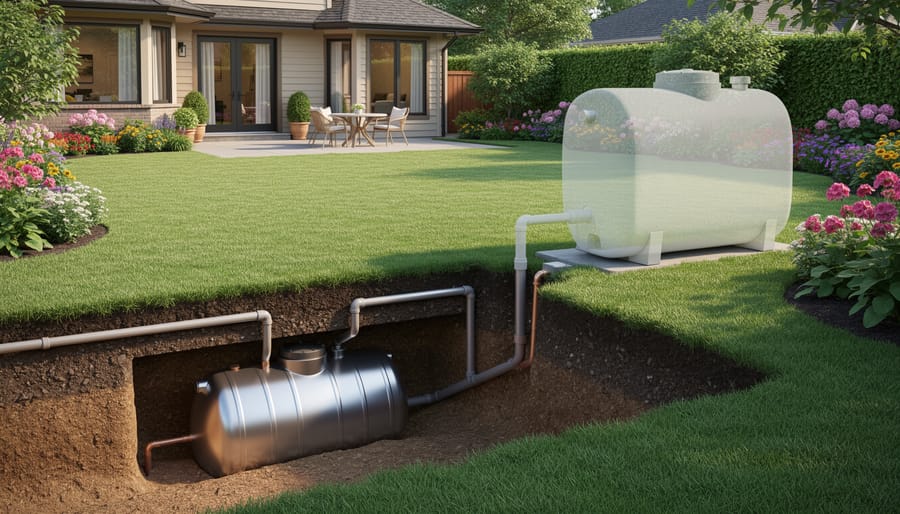
One of the most compelling advantages of underground rainwater harvesting is how it gives you complete freedom over your outdoor space. Unlike bulky above-ground tanks that can dominate your backyard, underground systems disappear beneath the surface, leaving your lawn, garden, and patio areas entirely untouched.
This invisible approach means you won’t sacrifice precious square footage to water storage. Your children still have room to play, you can maintain that vegetable garden you’ve been planning, and your carefully designed landscaping remains exactly as you envisioned it. The only visible component is typically a discrete access point flush with the ground, which can be easily concealed with plantings or decorative features.
For homeowners concerned about curb appeal and property values, this hidden solution offers significant advantages. Real estate experts consistently note that unattractive water tanks can detract from a home’s market value, while underground systems add functionality without visual impact. You’re investing in cutting-edge water innovations that enhance your property rather than diminish its aesthetic appeal.
Whether you’re working with a compact urban lot or simply want to preserve your outdoor entertaining space, underground rainwater harvesting lets you embrace sustainable living without compromise. Your yard remains your yard—functional, beautiful, and entirely yours to enjoy.
Protection from Weather and UV Damage
One of the most compelling benefits of underground rainwater harvesting systems is their natural protection from environmental stressors that typically shorten equipment lifespan. When you install storage tanks below ground, they’re completely shielded from harmful ultraviolet rays that cause above-ground plastic and fiberglass tanks to become brittle and crack over time. This UV protection alone can extend your system’s life by decades.
Underground placement also protects your investment from severe weather events. Storm debris, hail, and high winds that might damage exposed tanks pose no threat when your system is safely buried. Additionally, the earth acts as natural insulation, maintaining more stable water temperatures year-round. This prevents the freeze-thaw cycles that crack above-ground tanks in colder climates and keeps stored water cooler during summer months, reducing algae growth potential.
The consistent underground temperature, typically ranging between 50-60 degrees Fahrenheit depending on your region, means less thermal stress on system components. This stable environment translates to fewer repairs, reduced maintenance needs, and ultimately better water quality for your household’s sustainable living goals.
Lower Long-Term Maintenance Needs
Underground rainwater harvesting systems benefit from remarkably stable conditions that shield your storage tank from weather extremes, UV exposure, and temperature fluctuations. This natural protection significantly reduces wear and tear on system components compared to above-ground alternatives. Because the tank isn’t exposed to harsh sunlight or freezing conditions, you’ll experience less material degradation and fewer issues with algae growth. The consistent underground environment also means fewer inspections are needed—typically just annual checks rather than seasonal monitoring. Additionally, protected piping and filtration components face minimal environmental stress, translating to longer lifespans and fewer replacement costs. This hands-off approach makes underground systems ideal for busy homeowners seeking sustainable water solutions without constant upkeep demands.
Choosing the Right Underground Storage Tank
Tank Materials That Last Underground
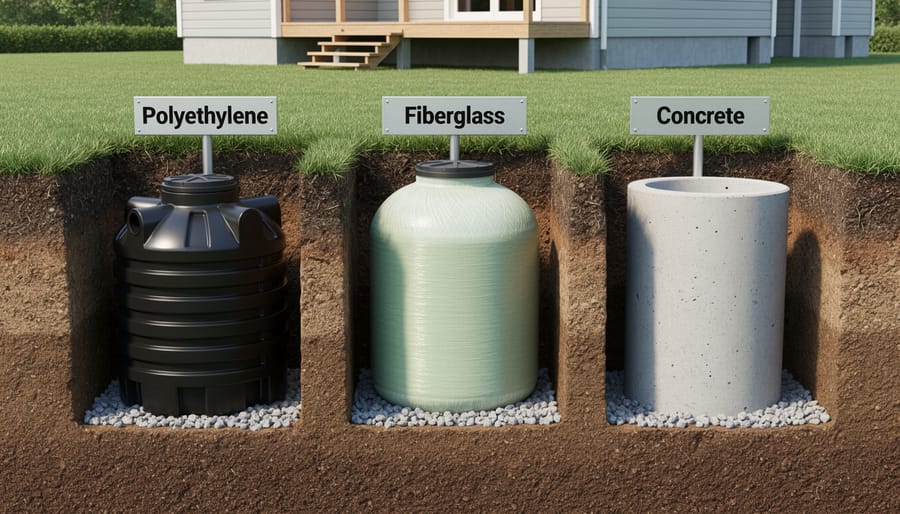
Choosing the right material for your underground rainwater tank is crucial for long-term performance and value. Let’s explore the three most common options and what makes each one suitable for buried applications.
Polyethylene tanks are the lightweight champions of underground storage. These plastic tanks resist corrosion naturally and won’t crack from freeze-thaw cycles, making them ideal for various climates. They’re relatively affordable and easier to install since they don’t require heavy equipment. However, they must be properly supported during backfilling to prevent warping under soil pressure. Quality polyethylene tanks typically last 20-30 years underground when installed correctly.
Fiberglass tanks offer an excellent middle ground between durability and weight. They’re stronger than polyethylene while remaining lighter than concrete, and they naturally resist rust and chemical degradation. Fiberglass handles ground movement well without cracking, which is particularly valuable in areas with unstable soil. The main drawback is cost—fiberglass tanks generally run more expensive than plastic alternatives. Their expected lifespan reaches 30-40 years with minimal maintenance.
Concrete tanks are the heavy-duty traditionalists. They’re incredibly durable and can handle significant soil loads without special reinforcement. Concrete naturally maintains cooler water temperatures and won’t float or shift once installed. The trade-offs include higher installation costs due to weight, potential for lime leaching into stored water (though sealants address this), and possible cracking in earthquake-prone regions. With proper sealing and maintenance, concrete tanks can last 50 years or more, making them a true long-term investment for serious water harvesters.
Calculating Your Storage Capacity Needs
Determining the right tank size for your underground rainwater harvesting system doesn’t require complex calculations. Start with three key factors: your roof’s catchment area, local rainfall patterns, and how much water your household uses.
First, calculate your potential water collection. Multiply your roof area in square feet by your region’s average annual rainfall in inches, then multiply by 0.623 to convert to gallons. For example, a 2,000-square-foot roof in an area with 30 inches of annual rainfall can collect approximately 37,380 gallons per year.
Next, assess your water needs. The average household uses about 300 gallons daily, but rainwater typically supplements rather than replaces municipal water. Identify specific uses like garden irrigation, toilet flushing, or laundry. A vegetable garden might need 60-100 gallons weekly during growing season, while lawn irrigation demands considerably more.
Consider your area’s dry periods when sizing your tank. If you experience three-month droughts, you’ll need enough capacity to bridge these gaps. Many homeowners find that tanks holding 1,000 to 5,000 gallons work well for supplemental use, while those building a large rainwater harvesting system for primary household water may need 10,000 gallons or more.
A practical starting point is storing two to four weeks of your intended rainwater usage. This provides flexibility during dry spells without oversizing your system. Remember, bigger isn’t always better—choose a capacity that matches your actual needs and available space.
Installation Essentials You Need to Know
Site Assessment and Soil Considerations
Before installing an underground rainwater harvesting system, evaluating your property’s characteristics is essential to ensure long-term success and avoid costly mistakes.
Start by assessing your soil type, as this directly impacts drainage and tank stability. Clay soils retain water and may require additional drainage solutions around your tank to prevent hydrostatic pressure buildup. Sandy or loamy soils typically drain well but may need reinforced installation to prevent settling. A simple soil test involves digging a small hole, filling it with water, and observing how quickly it drains. Water disappearing within a few hours indicates good percolation.
Check your water table level, particularly during wet seasons. Underground tanks installed too close to high water tables risk floating or structural damage. Your local water authority or geological survey can provide water table information for your area.
Evaluate your property’s drainage patterns by observing where water naturally flows during heavy rain. Avoid low-lying areas prone to flooding, as these can overwhelm your system and contaminate collected water.
Consider accessibility for installation equipment and future maintenance. Large excavation machinery needs adequate clearance, and you’ll need periodic access for inspections and cleaning. Professional site assessments typically cost between two hundred and five hundred dollars but can prevent thousands in future problems.
Professional Installation vs. DIY Approach
Underground rainwater harvesting involves significant excavation and plumbing work, so understanding when to call in professionals versus tackling portions yourself can save money while ensuring safety and functionality.
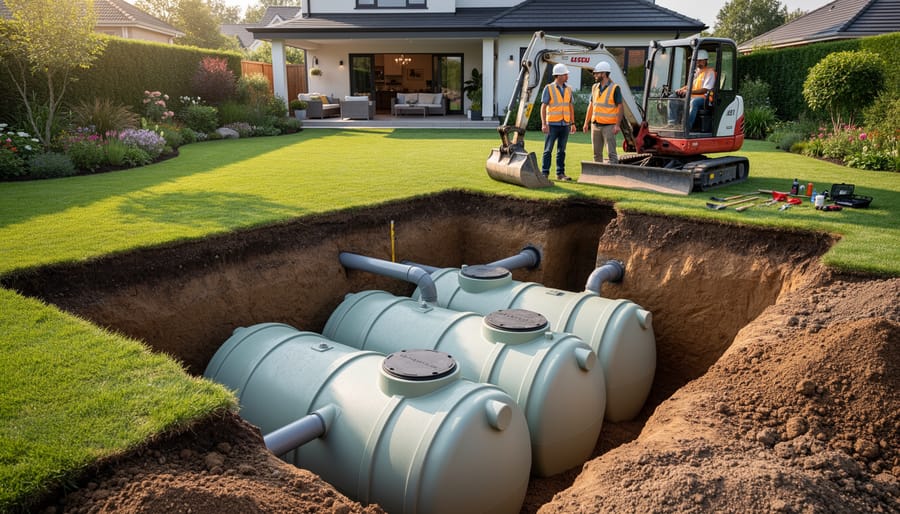
Professional installation is strongly recommended for excavation, tank placement, and primary plumbing connections. These tasks require heavy machinery, proper grading knowledge, and understanding of local building codes. Incorrectly placed tanks can shift, crack, or create drainage problems around your foundation. Licensed contractors also navigate permit requirements and ensure your system meets health department standards for water storage.
However, homeowners can handle certain aspects to reduce costs. Installing gutters and downspouts, setting up first-flush diverters, and managing basic filtration components are generally DIY-friendly projects. Many homeowners also successfully tackle the finishing touches like connecting drip irrigation systems or installing monitoring equipment after the main system is operational.
Safety should guide your decision. Working around deep excavations presents serious risks, including trench collapse and utility line damage. Always call 811 before any digging to locate underground utilities. Heavy tank installation requires specialized equipment and trained operators.
Consider a hybrid approach: hire professionals for underground work while managing above-ground components yourself. This balances cost savings with safety and code compliance. Request itemized quotes to identify which tasks you might handle independently. Most reputable installers appreciate involved homeowners and can recommend safe DIY opportunities within your project. Remember that professional installation often includes warranties protecting your investment, providing long-term peace of mind that DIY approaches cannot match.
Water Quality and Filtration for Underground Systems
Pre-Storage Filtration Methods
Before rainwater reaches your underground storage tank, it needs thorough cleaning to prevent contamination and protect your system. Pre-storage filtration is your first line of defense against debris, leaves, and pollutants that wash off your roof.
First-flush diverters are essential components that automatically discard the initial runoff from each rain event. This first batch of water contains concentrated dirt, bird droppings, and atmospheric pollutants that accumulate on your roof between storms. These devices typically divert the first 10-20 gallons away from your storage tank, ensuring only cleaner water proceeds to your underground system.
Roof washers work similarly but use a chamber-based approach. As water flows through, debris settles to the bottom while cleaner water rises and continues to your tank. These self-cleaning systems require minimal maintenance and effectively remove particles before storage.
Primary filtration screens, usually mesh filters ranging from 1mm to 5mm, catch larger debris like leaves and twigs. Installing these at your downspouts or tank inlet prevents clogs and reduces sediment buildup in your underground reservoir. Combined with gutter guards, these simple yet effective eco-friendly solutions dramatically improve water quality while extending your system’s lifespan and reducing maintenance demands.
Point-of-Use Treatment for Indoor Applications
While underground rainwater harvesting systems excel at providing water for gardens and outdoor use, bringing that water indoors requires careful attention to safety and quality. Raw rainwater may contain bacteria, debris, and contaminants picked up from your roof and storage environment, making additional treatment essential before using it for household purposes like laundry, bathing, or especially drinking.
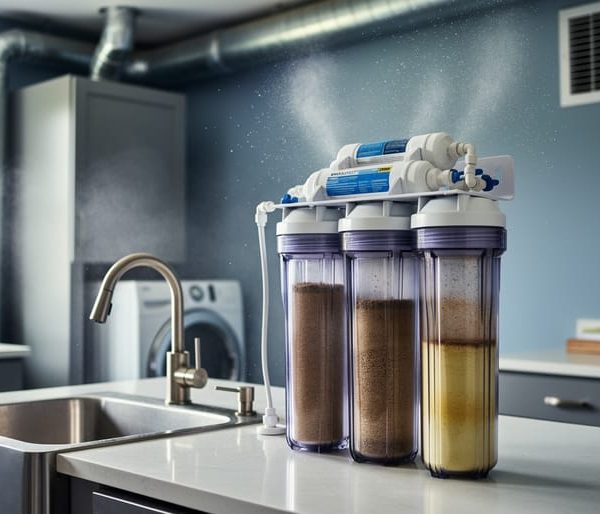
The good news is that proper water filtration and purification can transform your harvested rainwater into a safe, reliable household resource. Most homeowners implement a multi-stage approach starting with sediment filters that remove particles and debris. Follow this with activated carbon filters to eliminate odors, colors, and chemical contaminants that might have washed off roofing materials.
For water intended for drinking or cooking, UV sterilization provides an effective final barrier against harmful microorganisms without adding chemicals. Some systems also incorporate reverse osmosis for ultimate purity, though this removes beneficial minerals along with contaminants.
The complexity of your treatment system depends on your intended use. Non-potable indoor applications like toilet flushing or clothes washing typically require only basic filtration, while drinking water demands more comprehensive purification. Many modern point-of-use systems install conveniently under sinks or in utility rooms, making the technology accessible for average homeowners.
Regular filter replacement and system maintenance remain critical for ongoing water safety. Consider professional water testing annually to ensure your treatment system continues performing effectively and protecting your family’s health.
Real-World Costs and Savings Analysis
Upfront Investment Expectations
Underground rainwater harvesting systems require a more substantial upfront investment compared to above-ground alternatives, but understanding the cost breakdown helps you plan effectively. Tank prices typically range from $1,500 to $6,000 depending on capacity, with most residential systems using 1,000 to 5,000-gallon tanks. Installation costs add another $2,000 to $8,000, covering excavation, labor, and site preparation.
Essential accessories include filtration systems ($300-$1,500), pumps ($400-$1,200), and overflow management ($200-$600). Your total investment generally falls between $5,000 and $15,000 for a complete system.
Several factors influence final pricing. Soil conditions affect excavation difficulty—rocky terrain or high water tables increase labor costs. Tank material matters too, with concrete tanks costing more than plastic but offering greater longevity. Location accessibility impacts equipment needs, while local permitting requirements may add inspection fees.
Consider your property’s existing infrastructure as well. Homes with suitable downspout configurations require less modification work. The distance between your roof collection area and installation site also affects piping expenses. While these upfront costs seem significant, many homeowners find underground systems worthwhile for their space-saving benefits, temperature stability, and long-term water security.
Calculating Your Water Bill Reduction
Understanding your potential long-term water savings helps justify the investment in an underground rainwater harvesting system. Start by reviewing your current water bills to identify your average monthly usage in gallons. Most households use between 80-100 gallons per person daily, with significant portions going to outdoor irrigation, toilet flushing, and laundry.
Next, check your local water utility rates, which typically range from $1.50 to $6.00 per 1,000 gallons depending on your region. Calculate how much rainwater you can realistically harvest by multiplying your roof’s square footage by your area’s average annual rainfall. Remember that you can collect roughly 0.6 gallons per square foot of roof per inch of rain.
For example, a 2,000-square-foot roof in an area receiving 40 inches of annual rainfall could harvest approximately 48,000 gallons yearly. If you offset 50% of your household water use with harvested rainwater and pay $4 per 1,000 gallons, you’d save around $96 annually. When factoring in both indoor non-potable uses and outdoor irrigation, many homeowners see savings ranging from $200 to $600 per year, with the higher end achievable in drought-prone areas with premium water rates.
Maintaining Your Underground Rainwater System
Seasonal Inspection Checklist
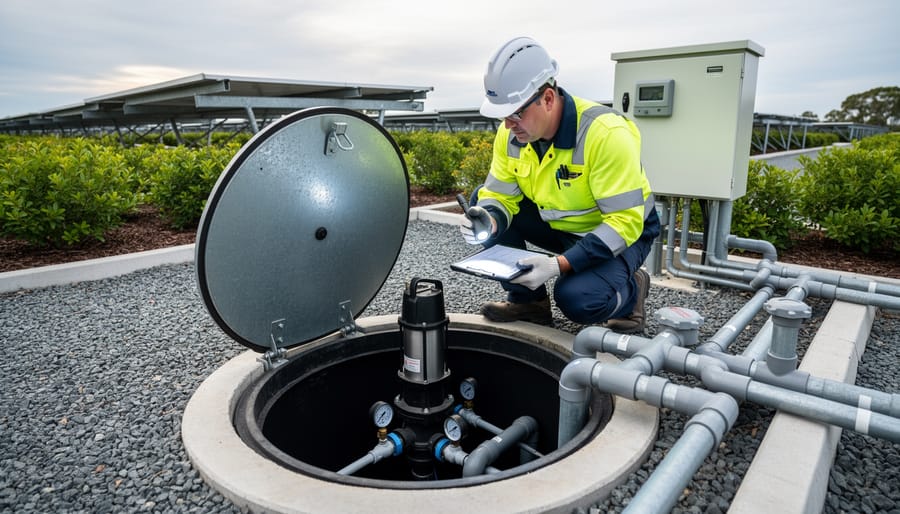
Keeping your underground rainwater harvesting system running smoothly requires regular attention, but don’t worry—the tasks are straightforward. Start with quarterly inspections every three months. Check your gutters and downspouts for debris like leaves and twigs that could clog your system. Examine the first flush diverter to ensure it’s working properly and dump accumulated sediment. Test your overflow outlets to confirm water flows freely during heavy rain.
For annual maintenance, schedule a thorough deep-clean in early spring. Inspect the tank interior if accessible, looking for sediment buildup at the bottom. Most homeowners can handle surface cleaning, but consider hiring a professional for comprehensive tank inspection every 3-5 years. Check all filters and replace them according to manufacturer guidelines—typically once per year for standard mesh filters. Examine pump components for wear and test pressure settings. Inspect underground pipes for any signs of settling or cracking that might allow contamination.
Create a simple maintenance log noting inspection dates and any issues discovered. This eco-friendly approach to water management works best when you stay proactive. Regular attention prevents costly repairs and ensures your harvested rainwater remains clean and reliable for years to come.
Troubleshooting Common Issues
Underground rainwater systems occasionally face challenges, but most issues have straightforward solutions. If your pump fails, first check the power supply and circuit breaker. Clean or replace clogged inlet screens that restrict water flow, and verify the float switch moves freely without debris interference. For recurring pump problems, consider installing a backup system to maintain water access during repairs.
Blockages typically occur at entry points or in first-flush diverters. Install mesh screens at downspouts and inspect them quarterly, especially after storms. If water flow slows, flush your system by opening drain valves and letting gravity clear sediment buildup. Regular maintenance of filters prevents most blockages before they become serious.
Overflow situations often signal undersized tanks or inadequate drainage planning. Add an overflow pipe directing excess water at least ten feet from your foundation toward a rain garden or drainage area. During heavy rainfall seasons, monitor water levels and adjust your usage patterns accordingly. Some homeowners connect overflow pipes to secondary storage containers, maximizing every drop while protecting their underground investment from pressure damage.
Underground rainwater harvesting represents a smart investment in both your home’s future and our planet’s wellbeing. By capturing and storing nature’s most renewable resource beneath your property, you’re taking meaningful steps toward water independence while reducing strain on municipal systems and protecting local watersheds from runoff pollution.
The benefits extend far beyond environmental stewardship. Underground systems offer practical advantages that directly impact your daily life—from consistent water quality protected from temperature fluctuations and sunlight to preserved outdoor space that remains available for gardens, patios, or play areas. The initial investment may seem significant, but the long-term savings on water bills, combined with increased property value and reduced dependency on increasingly stressed water supplies, make underground rainwater harvesting a financially sound decision for forward-thinking homeowners.
Now is the time to assess your property’s potential. Start by evaluating your roof area, average rainfall, and household water needs. Consult with local professionals who understand regional regulations and soil conditions. Even if a full system installation feels overwhelming, remember that water independence is a journey—you can begin with modest storage capacity and expand over time as your confidence and budget allow.
The path to sustainable water management begins with a single step. By embracing underground rainwater harvesting, you’re not just adapting to environmental challenges—you’re actively creating solutions that benefit your household, your community, and future generations who will inherit the world we’re shaping today.