Pure water is scientifically tasteless, but your tap water almost never is. If you’re detecting metallic, chlorine, earthy, or bitter flavors in your drinking water, you’re not imagining things—dissolved minerals, treatment chemicals, pipe materials, and organic compounds all leave distinct taste signatures that signal exactly what’s flowing through your home’s plumbing.
Understanding whether water should taste like anything requires separating the science from your experience. Chemically pure H2O stimulates no taste receptors, yet municipal water picks up flavor compounds at every stage of its journey from source to faucet. The metallic tang might indicate corroded pipes leaching iron or copper, while that swimming pool taste comes from chlorine disinfection, and musty flavors often point to seasonal algae blooms or decaying organic matter in reservoirs.
Most taste issues are quality concerns rather than safety emergencies, but they signal opportunities to upgrade your water. Identifying the specific flavor profile helps pinpoint whether you’re dealing with hard water minerals, aging infrastructure, over-chlorination, or source contamination. Simple solutions range from faucet-mounted filters for chlorine removal to whole-house systems tackling multiple contaminants, letting you transform unpleasant-tasting tap water into the clean, neutral refreshment it should be while reducing bottled water waste.
The Science Behind Water Taste: Is Pure Water Really Tasteless?
What You’re Actually Tasting in Your Water
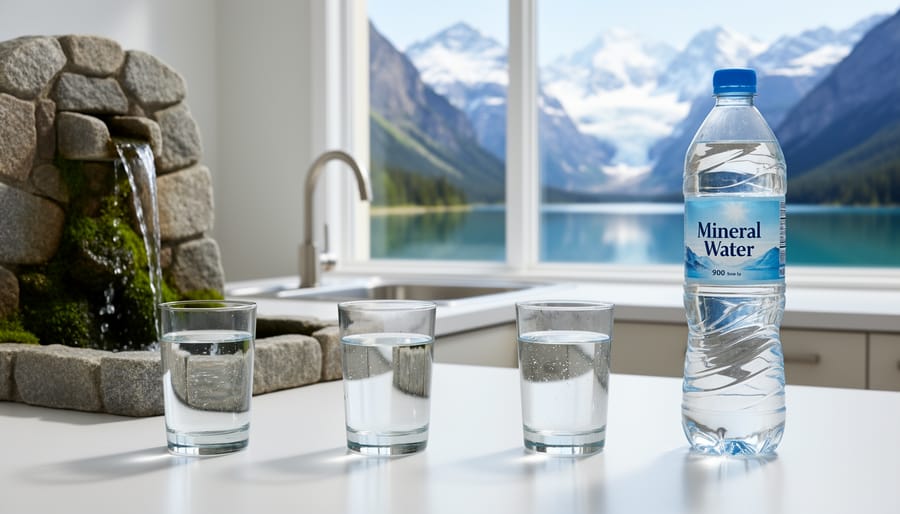
When you notice a distinct taste in your water, you’re actually detecting various substances dissolved or suspended in it. Let’s break down what’s really happening in your glass.
Minerals are the most common taste contributors in tap water. Calcium and magnesium create what’s often described as a slightly sweet or chalky flavor, especially in areas with hard water. These minerals aren’t harmful and can actually be beneficial for your health, but they definitely affect how your water tastes. Higher concentrations give water a heavier, mineral-rich profile that some people enjoy while others find off-putting.
Chlorine is added to municipal water systems to kill bacteria and other pathogens. While it makes your water safe to drink, it leaves behind that distinctive swimming pool taste and smell. The amount varies by location and season, with utilities sometimes increasing chlorine levels during warmer months when bacterial growth is more likely.
Metals like iron, copper, and manganese can leach into water from aging pipes or natural geological sources. Iron creates a metallic, rusty taste, while copper adds a slightly bitter note. Even trace amounts can significantly alter your water’s flavor profile.
Organic compounds from decaying vegetation, algae blooms, or agricultural runoff can produce earthy or musty tastes. These naturally occurring substances are more common in surface water sources like reservoirs.
Dissolved gases, particularly carbon dioxide, add a slightly acidic tang to water. Temperature also plays a role since cold water holds more dissolved gases, which is why chilled water often tastes fresher and more appealing than room-temperature water.
Common Household Water Taste Problems and Their Causes
Metallic or Bitter Taste
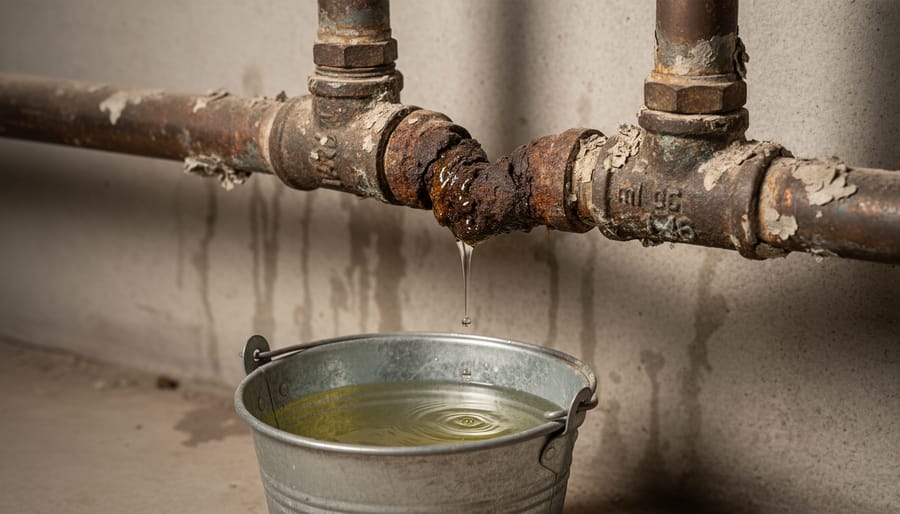
A metallic or bitter taste in your tap water typically points to issues within your plumbing system or your water’s chemical composition. Old corroded pipes are a common culprit, especially in homes with aging copper or galvanized steel plumbing. As these materials deteriorate, they can leach metals into your water supply, creating that distinct metallic flavor.
High concentrations of iron, copper, zinc, or manganese frequently cause this taste. While small amounts of these minerals are actually essential nutrients, elevated levels can affect flavor and potentially cause health concerns. Iron content above 0.3 parts per million often produces a noticeable metallic taste, while copper levels exceeding 1.0 ppm can create bitterness.
Low pH levels, meaning your water is acidic, accelerate pipe corrosion and intensify metallic tastes. Water below 6.5 pH is considered acidic and may corrode your plumbing infrastructure more rapidly, releasing more metals into your drinking water.
Most metallic-tasting water is safe for consumption in the short term, but persistent issues warrant attention. If the taste is strong or accompanied by discoloration, consider testing your water’s metal content and pH levels. Long-term exposure to excessive copper or lead from corroded pipes can pose health risks, particularly for children and pregnant women. Professional water testing and appropriate filtration systems can address these concerns while protecting both your health and your home’s plumbing system.
Chlorine or Chemical Taste
If your tap water has a distinct chlorine or chemical taste, you’re detecting the disinfectants municipalities add during water treatment to eliminate harmful bacteria and pathogens. While this ensures your water is safe to drink, it doesn’t always taste pleasant.
Most water treatment facilities use chlorine or chloramine as their primary disinfectant. The intensity of this taste varies throughout the year, with many homeowners noticing stronger chlorine flavors during summer months when higher temperatures promote bacterial growth, requiring increased disinfection. Additionally, water that travels longer distances through the distribution system may contain higher chlorine levels to maintain safety standards from treatment plant to tap.
Geographic factors also play a role. Areas with aging infrastructure or surface water sources (like rivers and lakes) often require more aggressive treatment compared to regions using pristine groundwater. You might notice the taste is stronger after heavy rainfall when runoff increases contamination risks.
The good news is that chlorine taste, while unpleasant, indicates your water is being properly treated. If you’re sensitive to this flavor, activated carbon filters effectively remove chlorine and chloramine, providing better-tasting water while maintaining its safety. Alternatively, letting tap water sit uncovered in your refrigerator for a few hours allows chlorine to naturally dissipate.
Earthy, Musty, or Moldy Taste
If your tap water tastes earthy, musty, or reminiscent of dirt, you’re likely encountering organic compounds produced by algae and bacteria in your water source. This issue becomes particularly common during warmer months when algae blooms thrive in reservoirs and lakes. These microscopic organisms release geosmin and MTA (2-methylisoborneol), natural compounds that our taste buds detect even in tiny concentrations.
Seasonal changes play a significant role in these taste variations. Spring runoff carries decomposing leaves and organic matter into water supplies, while late summer heat accelerates algae growth. When organic material breaks down in your municipal water source, it creates that distinctive musty flavor many homeowners notice cyclically throughout the year.
While these tastes are unpleasant, they’re generally not harmful to your health. However, they signal that your water contains higher levels of organic matter than ideal. Understanding this connection helps you recognize when your water quality might benefit from additional filtration, especially if you’re committed to sustainable home practices that prioritize both health and environmental awareness.
Salty or Sulfur Taste
A salty or sulfur-like taste often signals specific water quality challenges that differ between well water versus municipal water sources. Saltiness typically results from elevated sodium or chloride levels, which can occur naturally in groundwater passing through salt-rich geological formations or from water softener systems that exchange hard minerals for sodium. If you recently installed a water softener, adjusting its settings or switching to potassium-based alternatives can reduce that salty flavor.
Sulfur tastes, often described as rotten egg flavor, usually indicate hydrogen sulfide gas from certain bacteria thriving in wells, water heaters, or underground aquifers containing organic material. While generally not harmful at low concentrations, this taste warrants attention. Testing your water helps identify the exact cause. Solutions range from shocking wells with hydrogen peroxide to installing specialized filtration systems that target sulfur compounds, offering eco-friendly ways to restore your water’s fresh taste.
How to Identify What’s Affecting Your Water Taste
DIY Taste Tests and Observations
You can systematically evaluate your water’s taste through simple at-home experiments. Start by comparing temperature variations: fill two identical glasses, one with cold tap water straight from the faucet and another with room-temperature water that’s been sitting for 30 minutes. Temperature affects taste perception, so this helps determine if what you’re detecting is truly a flavor or just a temperature-related sensation.
Next, test water from different sources in your home. Draw samples from kitchen and bathroom faucets, and if possible, from an outdoor spigot. Label each glass and taste them side-by-side. Differences between faucets might indicate localized pipe issues rather than a whole-house problem.
Time-of-day testing reveals whether stagnant water in pipes affects taste. Sample your water first thing in the morning before running any taps, then again after letting the faucet run for two minutes. Morning water often tastes different because it’s been sitting in pipes overnight, potentially picking up metallic notes or other flavors.
For a more structured evaluation, use a simple sensory scale. Rate your water’s taste from 1-5 for metallic, chemical, earthy, or salty notes. You can also explore DIY pH testing methods to identify acidity issues that influence taste. Document your findings to spot patterns and determine whether filtration or professional water testing is needed.
When to Get Professional Water Testing
If your tap water has a persistent metallic, chemical, or musty taste, it’s time to consider professional water testing. While minor taste variations are often harmless, certain flavors can signal contamination issues that affect your health. Metallic tastes might indicate lead or copper leaching from old pipes, while chlorine-like flavors could mean excessive disinfectant levels. Earthy or musty tastes sometimes point to organic matter or bacterial growth in your water supply.
Professional testing typically includes basic panels that check for common contaminants like lead, bacteria, nitrates, and pH levels. More comprehensive tests can identify pesticides, industrial chemicals, and volatile organic compounds. Many local health departments offer free or low-cost testing kits, while certified laboratories provide detailed analysis for around $50 to $300, depending on the scope.
When you receive your water quality report, focus on contaminants exceeding EPA maximum limits. These appear highlighted or flagged in most reports. Pay attention to lead levels above 15 parts per billion, nitrate levels exceeding 10 milligrams per liter, and any detectable bacteria. Even if contaminants fall within acceptable ranges, filtering your water can further improve taste and provide an eco-friendly solution for better household water quality year-round.
Solutions for Improving Household Water Taste
Point-of-Use Filtration Systems
When your tap water tastes off, point-of-use filtration systems offer targeted solutions to restore freshness. These systems vary in their capabilities, so understanding your options helps you choose the right fit.
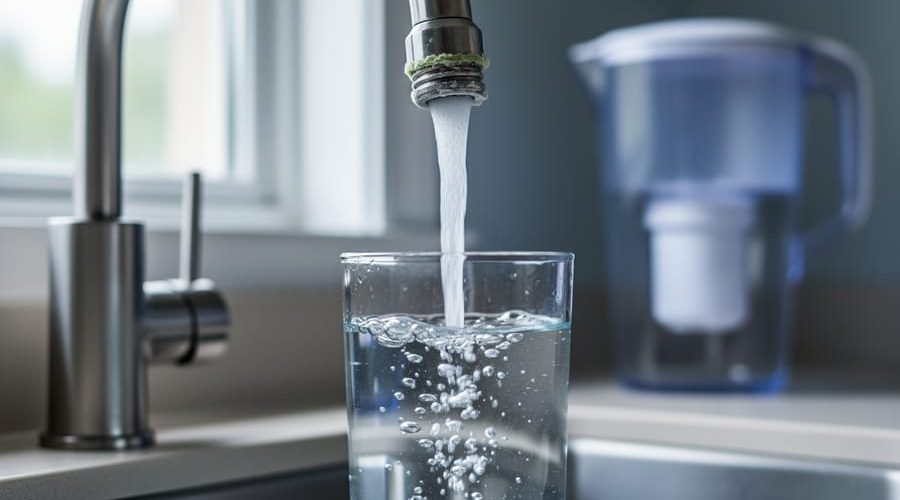
Water filter pitchers are the most budget-friendly entry point, typically using activated carbon filters to remove chlorine, some heavy metals, and organic compounds that cause unpleasant tastes. They’re ideal for renters or those wanting a low-commitment solution, though filters require regular replacement every 2-3 months.
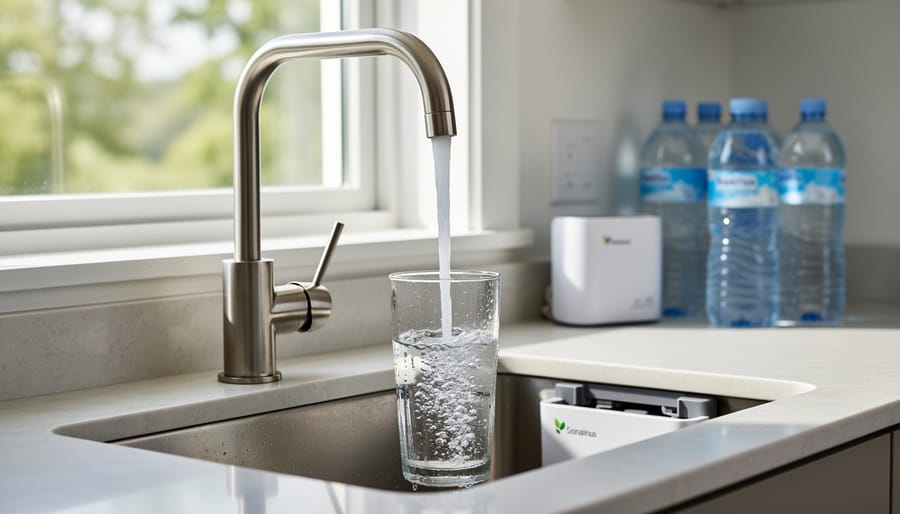
Faucet-mounted filters attach directly to your tap, offering similar contaminant removal with greater convenience. These systems handle chlorine, lead, and sediment effectively while maintaining good flow rates. They’re perfect for small households seeking immediate taste improvement without installation complexity.
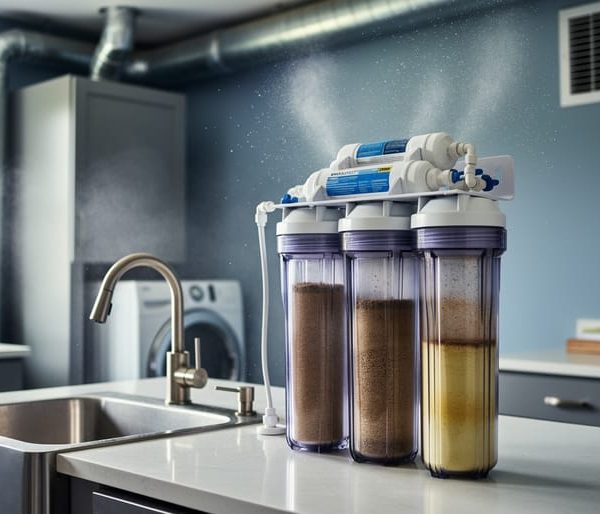
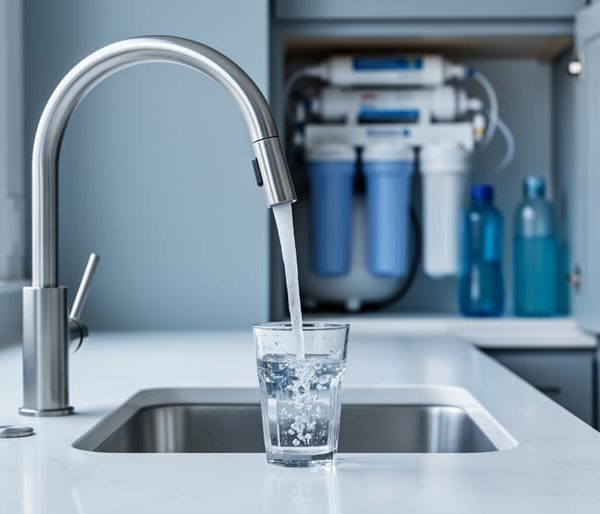
Under-sink systems provide the most comprehensive filtration, often combining multiple stages to remove chlorine, heavy metals, pharmaceuticals, and microplastics. These eco-friendly solutions reduce plastic waste from bottled water while delivering restaurant-quality taste. Though requiring initial installation, they’re cost-effective long-term and integrate seamlessly into your kitchen.
Each system addresses different contaminants, so identify what’s affecting your water’s taste first. For general chlorine removal and taste enhancement, simpler options work well. For comprehensive purification, invest in multi-stage under-sink filtration.
Whole House Water Treatment Options
For persistent taste issues affecting your entire home, whole house water treatment systems offer comprehensive, long-term solutions. These systems treat water at the point of entry, ensuring every tap delivers clean, great-tasting water.
Whole house carbon filtration systems excel at removing chlorine, organic compounds, and odor-causing contaminants that affect taste. These filters typically last 5-10 years, making them a sustainable choice that reduces plastic waste from bottled water. They’re ideal when multiple household members notice taste or odor issues.
Water softeners address mineral-related taste problems by removing calcium and magnesium through ion exchange. If your water tastes metallic or leaves residue on fixtures, softening might be your answer. Modern salt-efficient models minimize environmental impact while extending appliance lifespan.
Combined systems that integrate carbon filtration with softening technology provide the most thorough treatment. While the upfront investment ranges from $1,000 to $5,000, these systems typically pay for themselves through reduced bottled water purchases and lower appliance maintenance costs.
These investments make sense when municipal water quality consistently disappoints, you’re committed to sustainable living, or you want comprehensive protection for your family’s health. Consider professional water testing first to identify specific contaminants and choose the right system for your needs.
Eco-Friendly Alternatives to Bottled Water
Making your tap water taste better isn’t just about personal preference—it’s a powerful step toward reducing plastic waste. When your home tap water tastes fresh and clean, you naturally reach for reusable bottles instead of single-use plastics. Every household that switches to filtered tap water alternatives can eliminate hundreds of plastic bottles from landfills annually.
Investing in quality reusable water bottles made from stainless steel or glass keeps water tasting fresh throughout the day. These materials don’t leach chemicals or impart flavors like some plastics can. Look for bottles with insulated designs that maintain temperature and freshness for hours.
Modern water storage solutions have evolved beyond basic pitchers. Countertop dispensers with built-in filtration systems provide on-demand fresh water while keeping it protected from airborne contaminants that can affect taste. Some innovative designs incorporate UV-C light technology to prevent bacterial growth, ensuring your stored water stays as fresh as when it was first filtered.
For families committed to sustainability, under-sink filtration systems offer the ultimate convenience. These systems provide unlimited fresh-tasting water directly from your tap, completely eliminating the need for bottled water while delivering superior taste and purity for drinking, cooking, and beverage preparation.
The taste of your water is more than just a sensory experience—it’s a window into your water quality and an opportunity to make positive changes for your health and the environment. While pure water is essentially tasteless, any flavors you detect signal the presence of minerals, chemicals, or contaminants that deserve your attention. The good news is that you don’t need to resort to plastic bottled water to enjoy fresh-tasting hydration at home.
Start with simple diagnostic steps: pay attention to when the taste occurs, note whether it affects hot or cold water differently, and consider recent changes to your plumbing or municipal supply. These observations will guide you toward the right solution, whether that’s a basic carbon filter, a reverse osmosis system, or simply running your tap before use. By addressing taste issues directly, you’ll reduce plastic waste, save money over time, and gain confidence in your household water supply. Taking control of your water quality empowers you to create a healthier home while supporting sustainable living practices that benefit our shared environment.