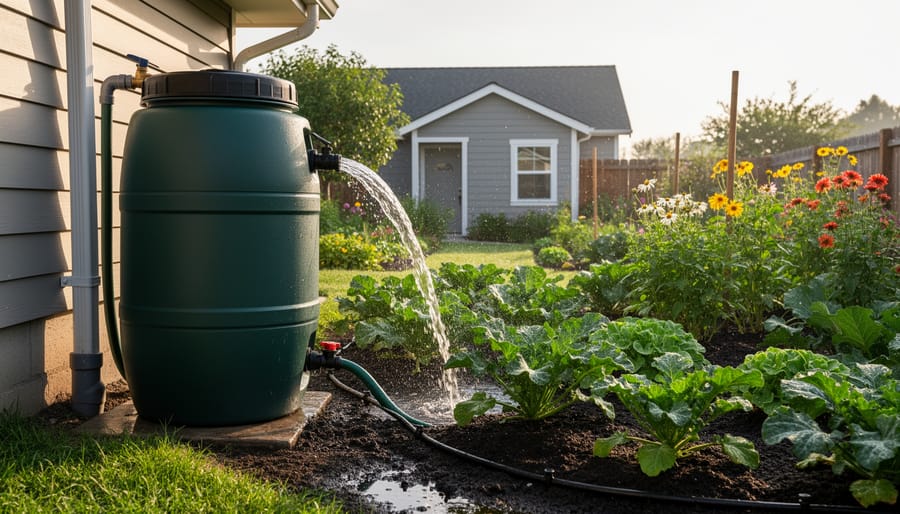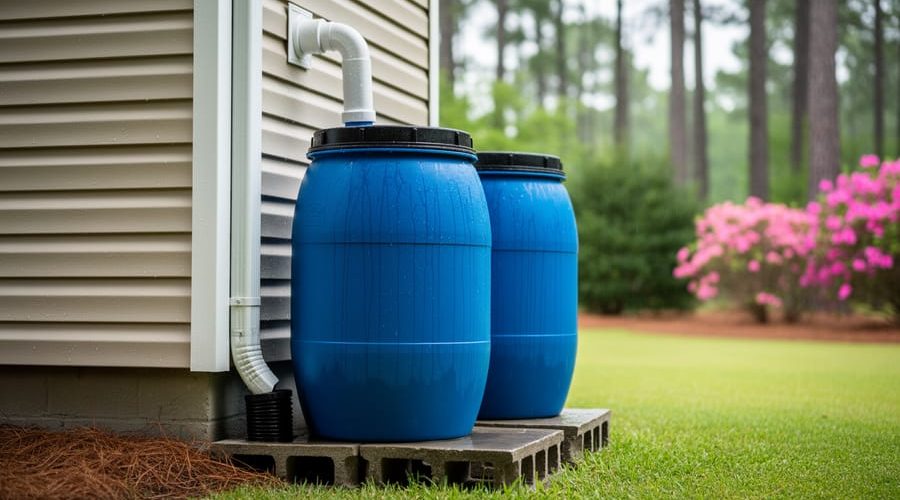
North Carolina homeowners can legally collect rainwater without permits or restrictions, making it one of the most rainwater-friendly states in the Southeast. Install collection barrels at your downspouts to capture thousands of gallons annually from your roof—a typical 1,500-square-foot home can harvest approximately 900 gallons from just one inch of rainfall. Position your system on the north side of your home where cooler temperatures reduce algae growth, a particular consideration in NC’s humid subtropical climate where summer temperatures regularly exceed 85°F.
Start with rainwater harvesting basics by calculating your roof’s collection potential: multiply your roof’s square footage by 0.623 to determine gallons collected per inch of rain. With North Carolina receiving 40-50 inches of rainfall annually across most regions, even a modest 1,000-square-foot catchment area yields 25,000-31,000 gallons yearly—enough to reduce municipal water bills by 30-40% when used for irrigation, car washing, and toilet flushing.
Connect your barrels in series to maximize storage capacity during NC’s variable rainfall patterns, where dry spells can last several weeks between storm events. Add first-flush diverters to remove debris from initial rainfall and screen all inlet points against mosquitoes, which thrive in standing water throughout the state’s long warm season from April through October.
Why North Carolina Is Perfect for Rainwater Harvesting
Understanding North Carolina’s Rainfall Patterns
North Carolina’s generous rainfall makes it an excellent candidate for rainwater harvesting, with the state averaging 40-50 inches of precipitation annually. However, rainfall distribution varies considerably throughout the year, which directly impacts how much water you can realistically collect.
The wettest months typically occur during late winter and spring (March through May), when homeowners can expect 3.5-4.5 inches monthly. Summer brings slightly drier conditions at around 3-4 inches per month, while fall transitions into another wetter period. Winter months average 3-4 inches, though precipitation often arrives as rain rather than snow in most regions.
Here’s what this means for your collection potential: A modest 1,000-square-foot roof can capture approximately 600 gallons of water from just one inch of rainfall. Over a year, that same roof could harvest between 24,000-30,000 gallons, depending on your specific location within the state.
The Piedmont region typically sees more consistent rainfall year-round, while coastal areas may experience heavier concentration during hurricane season (August through October). Mountain regions in the west often receive higher total precipitation. Understanding your local patterns helps you size your storage tanks appropriately and manage seasonal fluctuations, ensuring you maximize collection during peak months while planning for drier periods.
Coastal vs. Mountain vs. Piedmont Considerations
North Carolina’s diverse geography creates unique opportunities and challenges for rainwater harvesting across three distinct regions. Understanding your local conditions helps you design the most efficient system for your property.
The Coastal region receives the highest annual rainfall—often 50-60 inches—making it ideal for rainwater collection. However, coastal homeowners should invest in corrosion-resistant materials due to salt air exposure and consider larger storage capacity to capitalize on heavy rainfall events. Hurricane-season downpours can fill tanks quickly, so overflow management becomes essential.
Mountain areas in western North Carolina experience moderate rainfall (40-50 inches annually) but face freezing temperatures that require winterization measures. Insulated storage tanks, heated components, or seasonal drainage systems prevent freeze damage. Steeper terrain can complicate installation but also creates natural gravity-fed advantages for water distribution.
The Piedmont region, home to most NC residents, sees 40-45 inches of rainfall yearly with moderate temperatures. This central area offers balanced conditions—sufficient rainfall without extreme weather challenges—making it the most straightforward region for rainwater harvesting. Standard systems work well here with minimal special adaptations.
Regardless of your region, proper filtration ensures collected water meets your household needs while supporting North Carolina’s growing commitment to sustainable water management and conservation.
North Carolina Laws and Regulations You Need to Know
Is Rainwater Harvesting Legal in North Carolina?
Good news for North Carolina residents: rainwater harvesting is completely legal throughout the state. Unlike some western states where water rights create complex regulations, North Carolina has no laws prohibiting homeowners from collecting rainwater that falls on their property.
The state actually encourages sustainable water practices as part of broader environmental conservation efforts. You have the legal right to install collection systems ranging from simple rain barrels to sophisticated whole-house systems without special permits for basic residential use. This makes North Carolina one of the more rainwater-friendly states in the country.
However, there are some practical considerations to keep in mind. If you plan to use collected rainwater for indoor purposes like drinking or cooking, you’ll want to ensure proper filtration and treatment systems are in place. Additionally, any plumbing modifications connecting rainwater systems to your home’s water supply should comply with local building codes and may require permits.
For those using harvested rainwater exclusively for outdoor irrigation, gardening, or non-potable household uses like toilet flushing, the process is straightforward with minimal regulatory oversight. This flexibility allows North Carolina homeowners to embrace eco-friendly water management practices while reducing municipal water consumption and utility costs.
Permits, Inspections, and Local Ordinances
Good news for North Carolina homeowners: rainwater harvesting is completely legal throughout the state, and you won’t need special permits for most residential systems. Unlike some states with complicated regulations, North Carolina actively encourages rainwater collection as a sustainable water management practice.
For basic residential rainwater harvesting systems—those used for outdoor irrigation, lawn care, or washing vehicles—you typically won’t need any permits or approvals. You can start collecting rainwater from your roof into barrels or cisterns without navigating bureaucratic red tape.
However, if you plan to use harvested rainwater for indoor purposes like toilet flushing, laundry, or drinking water, regulations become more specific. Systems intended for potable use require compliance with state plumbing codes and may need inspection by local building officials. These installations should be handled by licensed professionals who understand backflow prevention and proper filtration requirements.
County-level variations do exist, particularly regarding system size and placement. Some municipalities have setback requirements for large storage tanks, while others include rainwater harvesting incentives in their green building programs. Before installing substantial systems or underground cisterns, contact your local building department to verify specific requirements.
If you’re connecting your rainwater system to your home’s plumbing—even for non-potable uses—you’ll likely need a plumbing permit. This ensures proper installation that protects both your water quality and the public water supply from contamination through cross-connections.
For straightforward rain barrel setups collecting water for your garden, you can generally proceed without any paperwork, making this eco-friendly practice accessible to everyone interested in sustainable living.
Choosing the Right Rainwater Harvesting System for Your Home
Basic Rain Barrel Systems
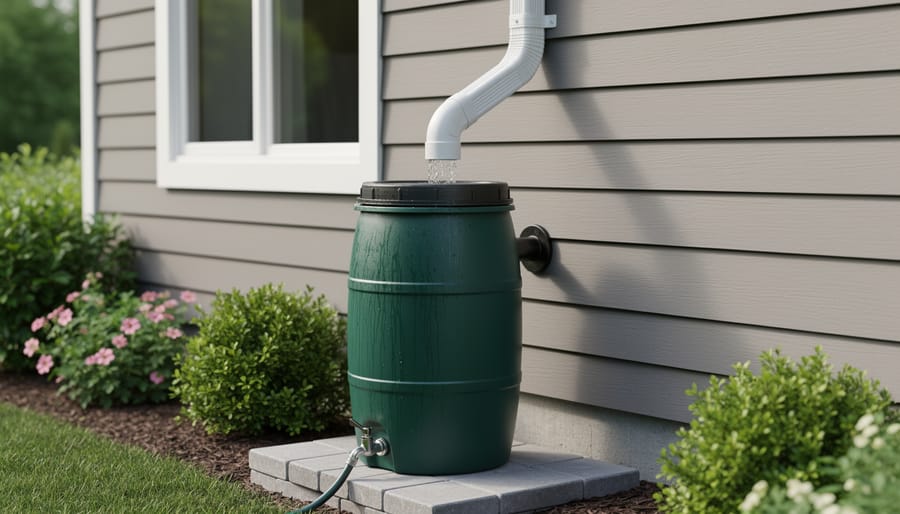
For North Carolina homeowners new to rainwater harvesting, rain barrel systems offer an affordable and practical starting point. These entry-level systems typically consist of one or more 50-55 gallon barrels connected to your home’s downspouts, capturing roof runoff for garden irrigation and outdoor use.
A basic single-barrel setup costs between $80 and $200, with DIY options on the lower end and ready-made systems with overflow valves and spigots at the higher range. For better capacity, connecting three barrels can store up to 165 gallons, which is particularly valuable during North Carolina’s hot, dry summers when outdoor watering demands peak.
Installation is straightforward: position barrels on a stable, level platform near downspouts, install a diverter to redirect water flow, and ensure proper overflow drainage away from your foundation. Most homeowners complete setup in just a few hours.
While basic rain barrels are primarily suited for outdoor watering rather than household use, they can significantly reduce your municipal water bill and provide a sustainable irrigation source for gardens, lawns, and container plants throughout North Carolina’s growing season.
Intermediate Cistern Systems
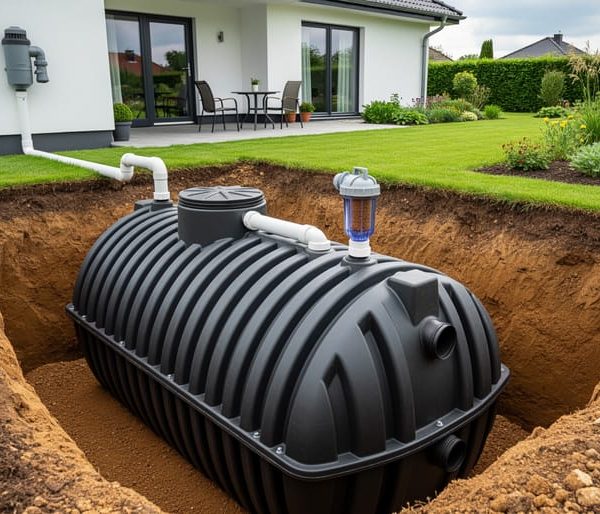
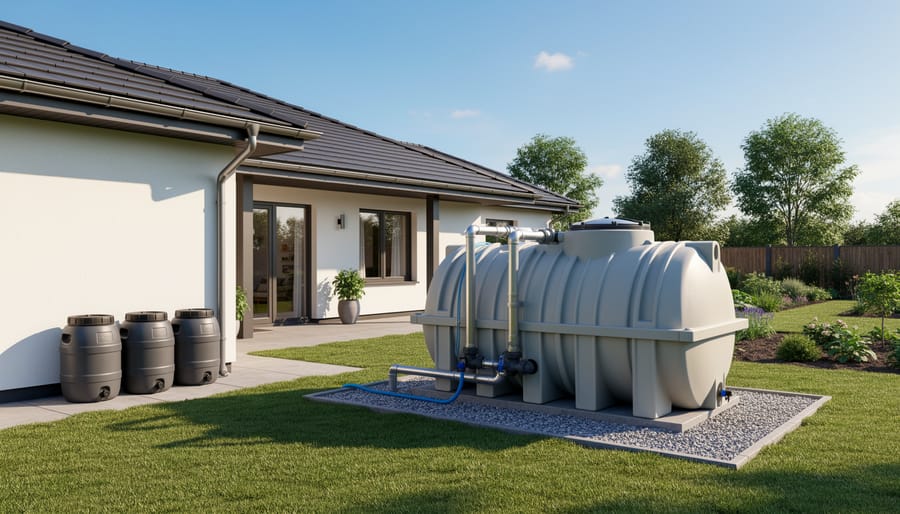
For homeowners with larger properties or higher water needs, intermediate cistern systems offer a practical step up from basic rain barrels. These systems typically range from 500 to 2,500 gallons and can meaningfully reduce your municipal water usage for outdoor irrigation and non-potable applications.
When sizing your system, a good rule of thumb is to calculate based on both your roof’s collection area and your household’s water needs. A typical North Carolina home with a 1,500 square foot roof can collect approximately 900 gallons from just one inch of rainfall. For a family of four using water primarily for gardening and lawn care, a 1,000 to 1,500-gallon cistern often provides an ideal balance between storage capacity and cost.
These mid-range systems usually include filtration components like first-flush diverters that automatically discard the initial rainwater runoff, which contains the most debris and contaminants from your roof surface. Many homeowners also integrate overflow management systems that redirect excess water away from foundations during heavy rainfall events, which are common during North Carolina’s summer thunderstorm season.
Installation costs for intermediate systems typically range from $2,000 to $5,000, depending on tank material, placement, and additional features like pumps for pressurized distribution throughout your landscape irrigation zones.
Advanced Whole-House Integration
For North Carolina homeowners ready to maximize their rainwater collection, whole-house rainwater systems offer the most comprehensive solution. These advanced setups integrate directly with your home’s plumbing to supplement or even replace municipal water for all indoor applications, including drinking, cooking, and bathing.
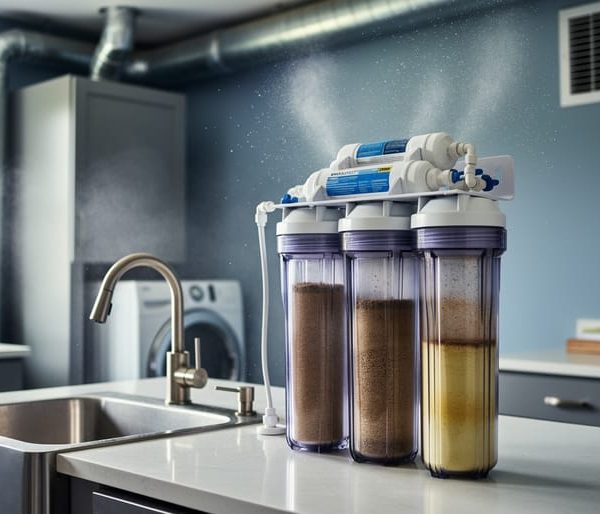
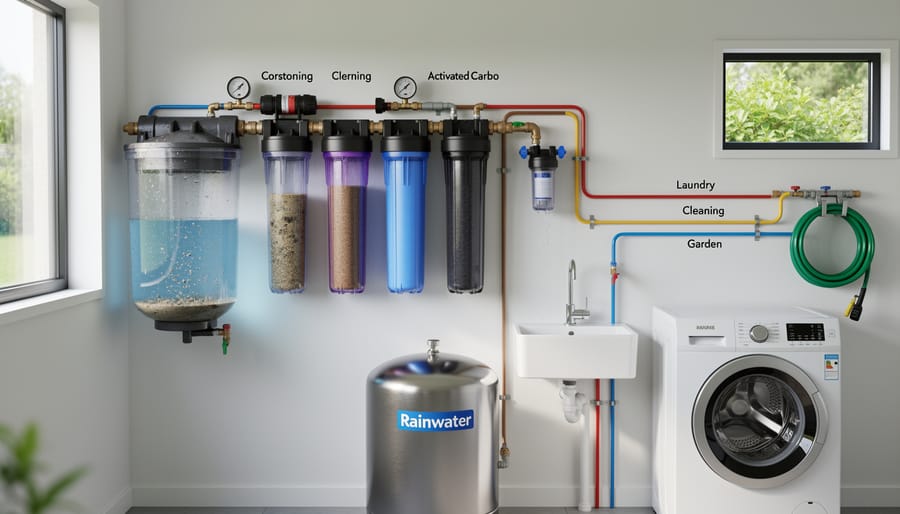
The key requirement is proper filtration. A multi-stage system typically includes pre-filtration to remove debris, carbon filters for taste and odor control, and ultraviolet sterilization to eliminate bacteria and pathogens. Many systems also incorporate reverse osmosis for drinking water taps. Professional installation ensures components meet NSF standards and comply with plumbing codes. While initial investment ranges from $8,000 to $15,000, these systems can dramatically reduce water bills and provide exceptional water quality, making them increasingly popular among eco-conscious North Carolina residents seeking water independence and long-term sustainability.
Essential Components and Installation Basics
Collection and Pre-Filtration
The quality of water you collect begins with your collection surfaces and filtration setup. In North Carolina, where rainfall can bring debris, pollen, and dust, protecting your water from contamination starts before it even reaches your storage tank.
Metal roofing materials like galvanized steel or aluminum are excellent choices for rainwater collection because they’re smooth, durable, and don’t leach harmful chemicals. Avoid asphalt shingles when possible, as they can introduce petroleum-based compounds into your water. Clay tiles and slate also work well for harvest systems.
Your gutter collection systems need proper leaf screens or mesh guards to prevent leaves, pine needles, and twigs from entering your downspouts. These simple barriers catch larger debris while allowing water to flow freely into your collection pipes.
First-flush diverters are essential pre-filtration devices that automatically discard the initial rainfall from each storm. This first flush carries the most contaminants from your roof, including bird droppings, accumulated dust, and atmospheric pollutants. By diverting approximately the first 10 gallons per 1,000 square feet of roof area, you significantly improve the quality of water entering your storage system. These eco-friendly innovations require minimal maintenance and protect your entire system from contamination.
Storage Solutions for North Carolina Climates
Selecting the right storage tank for North Carolina’s diverse climate requires understanding how temperature fluctuations affect different materials. The state experiences hot, humid summers and winters with occasional freezing conditions, particularly in mountain and piedmont regions.
For tank materials, polyethylene (plastic) tanks offer excellent durability and cost-effectiveness for most NC homeowners. These UV-resistant tanks handle temperature swings well and won’t corrode. Fiberglass tanks provide superior insulation and work particularly well in areas experiencing temperature extremes. Metal tanks, while durable, require protective coatings to prevent rust in North Carolina’s humid environment.
Sizing your system depends on roof catchment area, average rainfall, and household water needs. North Carolina receives between 40-80 inches of annual rainfall depending on location. A general calculation starts with your roof’s square footage multiplied by rainfall inches, then multiplied by 0.623 to convert to gallons. Most residential systems range from 500 to 2,500 gallons, providing adequate supply during dry periods without excessive overflow during heavy rain events.
Placement considerations are critical for system longevity. Position tanks on stable, level ground near downspouts to minimize piping costs. In mountain and northern piedmont areas where temperatures regularly drop below freezing, consider insulating exposed tanks or installing them partially underground where earth provides natural temperature buffering. Elevating tanks slightly improves gravity-fed water pressure while ensuring proper drainage underneath prevents moisture accumulation. Always place tanks away from trees to reduce debris and algae growth from excessive shade, while maintaining some protection from direct afternoon sun in coastal and piedmont regions.
Water Treatment and Filtration for Safe Use
Non-Potable vs. Potable Use Requirements
Understanding how you’ll use your harvested rainwater determines what treatment is necessary. For non-potable outdoor uses like watering gardens, lawns, and ornamental plants, North Carolina homeowners typically need only basic filtration to remove debris and sediment. A simple screen or first-flush diverter keeps leaves and roof contaminants out of your storage tank.
If you’re planning to use rainwater for toilet flushing or laundry, you’ll want additional filtration to protect your plumbing fixtures and improve water clarity. Installing sediment filters and potentially UV disinfection helps prevent buildup and ensures cleaner water flowing through your home’s pipes.
For drinking water applications, North Carolina requires significantly more rigorous treatment. You’ll need a multi-barrier approach including fine sediment filtration, activated carbon filters to remove organic compounds and odors, and disinfection through UV light or other approved methods. Since rainwater can pick up contaminants from roofing materials and airborne pollutants, comprehensive testing and treatment become essential for potable use.
Many North Carolina homeowners start with non-potable applications to reduce their outdoor water consumption, then expand treatment systems as they become more comfortable with rainwater harvesting. This phased approach allows you to experience the benefits while managing upfront investment costs effectively.
Filtration Systems That Work Best
North Carolina’s abundant rainfall makes harvesting worthwhile, but collected rainwater requires proper filtration before use, especially if you’re considering it for household purposes. Understanding which systems work best helps you maximize your investment while ensuring water safety.
Start with sediment filters as your first line of defense. These remove leaves, dirt, and debris from your gutters and roof before water enters your storage tank. Look for filters with mesh sizes between 200-500 microns for optimal performance. First-flush diverters complement sediment filters by automatically discarding the initial, dirtiest water from each rainfall event.
For non-potable uses like gardening and toilet flushing, basic sediment filtration suffices. However, if you’re exploring treatment methods for potable water, you’ll need more comprehensive solutions.
Carbon filters remove chemicals, improve taste, and eliminate odors. Activated carbon excels at absorbing organic compounds and chlorine, making it essential for household water quality. Replace carbon filters according to manufacturer specifications, typically every 6-12 months depending on usage.
UV sterilization systems represent cutting-edge water innovation for rainwater harvesting. These devices use ultraviolet light to neutralize bacteria, viruses, and other microorganisms without adding chemicals. UV systems work instantly as water flows through them, making them energy-efficient and maintenance-friendly aside from annual bulb replacement.
Consider multi-stage filtration systems that combine these technologies. Many North Carolina homeowners opt for three-stage setups: sediment pre-filter, carbon filter, and UV sterilization. This combination addresses physical contaminants, chemical impurities, and biological threats effectively, providing comprehensive protection for your harvested rainwater.
Cost Analysis and Return on Investment
Initial Setup Costs
The upfront investment for rainwater harvesting systems in North Carolina varies considerably based on your chosen setup. A basic rain barrel system, perfect for garden watering, typically costs between $100 and $400 for one or two barrels. These simple systems connect directly to your downspout and require minimal installation expertise.
Mid-range systems with larger storage tanks (500-1,500 gallons) and basic filtration run from $1,500 to $5,000. These setups can supplement household water needs for laundry, toilets, and outdoor use. Whole-house systems with advanced filtration, pumps, and storage capacity exceeding 2,000 gallons range from $8,000 to $15,000 or more.
Several factors influence your total investment. Tank capacity and material (plastic, fiberglass, or concrete) significantly affect pricing. Professional installation adds $500 to $3,000 depending on system complexity. Filtration equipment varies widely based on intended water use—simple mesh filters cost under $100, while multi-stage systems for potable water approach $2,000. Pump requirements, roof size, and integration with existing plumbing also impact costs. North Carolina’s tax credits and local utility rebates can offset 25-50% of installation expenses, making sophisticated systems more accessible to environmentally-conscious homeowners.
Long-Term Savings and Payback Period
Understanding the financial return on your rainwater harvesting investment helps you make an informed decision. North Carolina homeowners typically see monthly water bill reductions ranging from $20 to $80, depending on system size and household usage. If you’re primarily using harvested rainwater for outdoor irrigation and toilet flushing, expect savings on the higher end during summer months when outdoor water use peaks.
For a basic 1,000-gallon system costing between $2,000 and $4,000, the payback period generally falls between 3 to 8 years. Larger systems with advanced filtration may take 8 to 15 years to break even. However, these calculations don’t account for additional benefits like reduced stormwater runoff fees in some municipalities, increased property value, and protection against drought-related water restrictions.
North Carolina’s moderate rainfall of 40-50 inches annually provides consistent collection opportunities, improving your return on investment compared to drier states. Remember that DIY installations significantly reduce upfront costs and shorten payback periods. Beyond financial returns, you’re investing in water independence and environmental sustainability, which many homeowners find equally valuable when evaluating their rainwater harvesting system’s true worth.
Maintenance and Seasonal Care Tips
Keeping your rainwater harvesting system in top shape year-round requires attention to North Carolina’s unique environmental challenges. Regular maintenance ensures clean water and extends your system’s lifespan.
Spring brings heavy pollen loads that can quickly clog gutters and first-flush diverters. Inspect and clean these components every two weeks during peak pollen season, typically March through May. Consider installing fine mesh screens over gutter openings to reduce debris accumulation. The first-flush diverter, which diverts the initial contaminated runoff away from your storage tank, needs particular attention during this time.
Summer’s heat and humidity create ideal conditions for algae growth inside storage tanks. Install your tank in a shaded area or use opaque containers that block sunlight. Check water quality monthly and ensure all openings have secure, fine-mesh screening to prevent mosquito breeding. If you notice any odor or discoloration, drain and clean the tank with a mild bleach solution, rinsing thoroughly before refilling.
Fall requires gutter cleaning as leaves accumulate. Remove all debris before winter to prevent ice dam formation. Inspect roof washers and overflow systems to ensure proper drainage.
Winter preparations are essential, even though North Carolina experiences relatively mild freezes. Drain exposed pipes and disconnect hoses before temperatures drop below freezing. For above-ground tanks, consider insulating them or installing a small heating element if you live in mountainous regions where hard freezes occur regularly. Underground or partially buried tanks naturally resist freezing.
Year-round, inspect all connections, valves, and pumps quarterly for leaks or wear. Replace worn components promptly to prevent system failures. Keep detailed maintenance logs to track cleaning schedules and identify recurring issues early.
Environmental Impact and Sustainability Benefits
Rainwater harvesting offers North Carolina homeowners a meaningful way to reduce their environmental footprint while supporting local water conservation efforts. By capturing rainfall directly from your roof, you decrease dependence on municipal water supplies, which helps preserve groundwater resources and reduces the energy required to treat and pump water to your home.
In North Carolina’s growing communities, stormwater runoff poses significant environmental challenges. When rain flows over rooftops, driveways, and lawns, it picks up pollutants before entering local waterways and contributing to erosion and flooding. A residential rainwater harvesting system intercepts this runoff at the source, effectively reducing the volume of stormwater entering municipal drainage systems. This simple act helps protect North Carolina’s rivers, streams, and coastal ecosystems from contamination and overflow events.
The sustainability benefits extend beyond water conservation. Using harvested rainwater for irrigation, car washing, and outdoor cleaning eliminates the need for treated drinking water in these applications—a practice that conserves both water resources and the chemicals used in municipal treatment processes. For environmentally-conscious homeowners, this represents a practical step toward self-sufficiency and responsible resource management.
Additionally, rainwater is naturally soft and free from chlorine and other municipal additives, making it ideal for watering gardens and lawns. Your plants thrive while you contribute to a more sustainable water cycle in your community. By implementing rainwater harvesting, North Carolina residents actively participate in eco-friendly living while building resilience against drought conditions and water restrictions.
Rainwater harvesting presents a practical and environmentally sound opportunity for North Carolina homeowners looking to reduce their water bills, protect the environment, and build resilience against drought conditions. With no legal restrictions preventing residential collection and a climate that delivers generous rainfall throughout the year, NC residents are ideally positioned to benefit from this sustainable practice.
If you’re hesitant about committing to a full-scale system, start small. A simple rain barrel connected to your downspout can water your garden, wash your car, and help you understand the potential before investing in larger infrastructure. As you become comfortable with the basics, you can gradually expand your system to meet more household needs.
The combination of financial savings, reduced strain on municipal water supplies, and the satisfaction of living more sustainably makes rainwater harvesting a smart choice for forward-thinking homeowners. Remember that proper filtration and treatment are essential when using collected water for indoor purposes, ensuring both safety and quality.
Ready to take your water quality knowledge further? Explore our comprehensive guides on water filtration systems and discover cutting-edge solutions to optimize your home’s water for every use.