Understanding your New York City water bill starts with knowing the agency behind it. The NYC Municipal Water Finance Authority manages the financial operations that fund the city’s vast water and wastewater infrastructure—from the reservoirs in upstate New York to the pipes delivering water to your tap. This quasi-independent authority sets water rates, issues bonds for infrastructure projects, and oversees billing for over one million customer accounts.
Your monthly charges reflect more than just the water you consume. Rate increases fund critical upgrades to century-old pipes, treatment facilities that ensure safe drinking water, and the massive tunnel systems preventing supply disruptions. While these investments protect water quality and system reliability, they directly impact household budgets, with typical residential bills rising significantly over the past decade.
The Authority also administers crucial consumer protections. Current policies prohibit residential water shutoffs, meaning your household maintains access to water even during financial hardship. Several assistance programs exist specifically for low-income residents struggling with bills, including the Home Energy Assistance Program which covers water costs, and installment payment arrangements for outstanding balances.
For environmentally-conscious homeowners, understanding municipal water finance connects to broader sustainability goals. The Authority’s infrastructure investments support water conservation initiatives, reduce system leaks that waste millions of gallons daily, and fund green infrastructure projects managing stormwater naturally. Knowing how your water dollars work empowers smarter household water use while supporting the delivery of clean, reliable water to all New Yorkers.
What Is the NYC Municipal Water Finance Authority?
How the Authority Sets Your Water Rates
The NYC Municipal Water Finance Authority determines your water rates through a careful evaluation process that balances infrastructure needs with household affordability. Unlike private utilities that aim for profit, this public authority sets rates solely to cover operational costs and essential improvements to the city’s water system.
The rate-setting process begins with an annual budget assessment. The Authority calculates what’s needed to maintain and upgrade over 6,000 miles of water mains, treatment facilities, and the watershed system that provides your tap water. These calculations include routine maintenance, emergency repairs, environmental compliance, and long-term infrastructure investments that prevent service disruptions.
Several key factors influence why water bills increase each year. Aging infrastructure requires significant investment—replacing century-old pipes prevents contamination and ensures water quality meets modern safety standards. Climate adaptation projects, such as stormwater management systems, protect against flooding while reducing pollution in local waterways. Labor costs, energy expenses for pumping and treatment, and debt service on previous infrastructure bonds also factor into rate calculations.
The Authority holds public hearings before implementing rate changes, giving homeowners opportunity to understand proposed increases. Typically, rates rise by small percentages annually rather than large sporadic jumps, allowing households to budget accordingly. This transparent approach ensures you’re investing in reliable, clean water delivery while supporting sustainable water management practices that benefit both your home and the broader environment.
Where Your Water Dollar Actually Goes
When you pay your NYC water bill, you’re investing in more than just the water flowing from your tap—you’re funding a comprehensive system that safeguards your household’s water quality and environmental health. The NYC Municipal Water Finance Authority collects revenue and strategically allocates it across three critical areas that directly impact your daily life.
First, infrastructure improvements receive the largest share of your water dollar. This includes replacing aging pipes that could leach contaminants into your drinking water, upgrading treatment facilities with cutting-edge filtration technologies, and maintaining the vast network that delivers clean water from upstate watersheds to your home. These investments prevent lead exposure, reduce pipe breaks, and ensure consistent water pressure throughout the city.
Second, environmental protection programs keep pollution out of your municipal water supply at the source. Your payments support watershed protection initiatives in the Catskill, Delaware, and Croton systems, including land conservation and agricultural best practices that prevent harmful runoff. This proactive approach means fewer chemicals needed during treatment, resulting in cleaner, better-tasting water.
Third, water quality monitoring and testing programs provide ongoing assurance of safety. Revenue funds daily testing at multiple points throughout the distribution system, detecting potential issues before they reach your household. This includes monitoring for emerging contaminants and ensuring compliance with federal drinking water standards. Understanding this allocation helps explain why rates fluctuate—these essential services require continuous investment to protect both public health and the environment that sustains New York City’s exceptional water quality.
The Real Cost of Clean Water in NYC

Infrastructure Investments That Protect Your Home’s Water Quality
When you turn on your tap in New York City, you’re accessing one of the country’s most sophisticated water delivery systems—and the NYC Municipal Water Finance Authority plays a crucial role in keeping that water clean and safe. The authority funds critical infrastructure projects that protect your drinking water from the source to your glass, ensuring the quality that makes NYC tap water renowned nationwide.
The authority’s investments begin in the watersheds, funding land protection programs that safeguard the natural filtration process. By purchasing land and conservation easements in upstate New York’s Catskill and Delaware watersheds, these programs prevent contamination before it starts. This approach means your water naturally filters through forests and wetlands, reducing the need for chemical treatment and preserving the fresh, clean taste you expect.
Beyond watershed protection, the authority finances cutting-edge filtration systems and treatment facilities. This includes the ultraviolet disinfection plant in Westchester County, which uses advanced UV technology to eliminate harmful microorganisms without adding chemicals to your water. These eco-friendly innovations represent a commitment to both public health and environmental sustainability.
Infrastructure upgrades also include replacing aging water mains and pipes throughout the city’s distribution network. Old, deteriorating pipes can introduce contaminants like lead or allow bacteria growth, so ongoing replacement programs directly protect your household water quality. The authority funds regular testing stations and monitoring equipment that continuously track water quality parameters, catching potential issues before they reach your home.
For homeowners concerned about water purity, understanding these investments provides reassurance that your water bills support essential systems working 24/7 to deliver clean, safe drinking water. This comprehensive approach to water quality protection makes NYC’s unfiltered water supply system a model for cities worldwide.
When Water Bills Become Unaffordable: NYC’s Approach
Assistance Programs for Struggling Homeowners
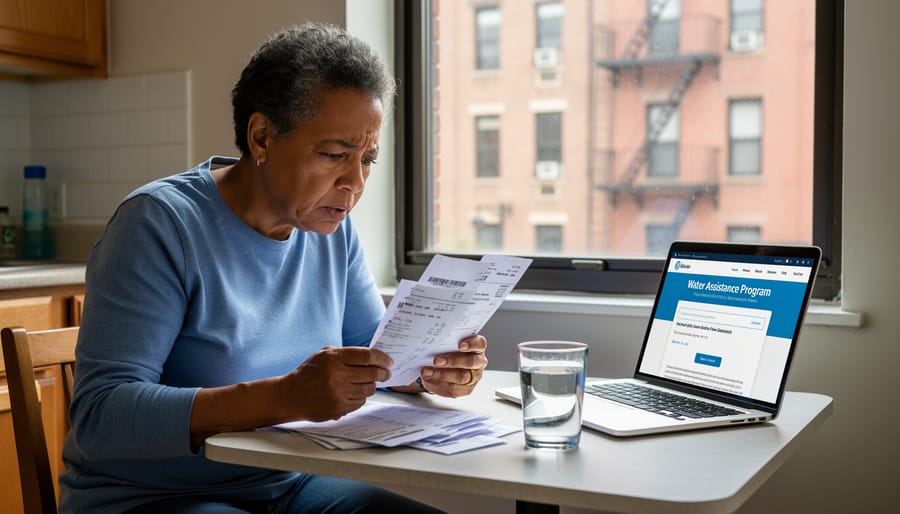
If you’re struggling to pay your water bills in New York City, several assistance programs can provide relief. The Home Water Assistance Program (HWAP) is the primary resource for eligible homeowners, offering financial support to help manage water and sewer costs. This program recognizes that access to clean, affordable water is essential for maintaining a healthy household and supporting sustainable living practices.
To qualify for HWAP, homeowners typically need to meet specific income requirements. The program considers factors like household size, total income, and whether anyone in the home receives public assistance or has a medical condition requiring additional water use. Eligible participants may receive credits applied directly to their water bills, making monthly payments more manageable.
Applying for assistance is straightforward. You can contact the NYC Department of Environmental Protection or visit their website to download application forms. You’ll need to provide documentation such as proof of income, property ownership, and recent water bills. Many community organizations and nonprofit agencies also help homeowners navigate the application process, ensuring you understand each step.
Beyond HWAP, payment plan options allow struggling homeowners to spread out their water bill payments over several months without accruing additional penalties. These flexible arrangements can prevent service interruptions while you work toward financial stability. Remember, maintaining consistent access to quality water is crucial not only for daily living but also for implementing water-saving practices and eco-friendly household improvements that can reduce future bills.
NYC’s Shutoff Policies: What Homeowners Need to Know
Understanding when your water service might be interrupted is crucial for household planning. In New York City, water shutoffs are actually quite rare for residential properties, thanks to strong consumer protections that set the city apart from many other municipalities.
The NYC Municipal Water Finance Authority operates under policies that prioritize keeping water flowing to homes. Unlike some cities that can shut off service after just 60 days of non-payment, New York City generally does not disconnect residential water service for unpaid bills. Instead, the authority typically places liens on properties with outstanding water debt, which must be satisfied when the property is sold or refinanced.
This approach reflects the city’s recognition that access to clean water is essential for public health and safety. While commercial properties may face different enforcement actions, homeowners benefit from this protective framework. The authority can, however, take legal action to recover debts, and unpaid water bills can affect your property’s title and credit standing.
For properties facing financial hardship, the authority offers payment plans and assistance programs that allow residents to catch up on arrears without service interruption. These programs acknowledge that temporary financial difficulties shouldn’t compromise access to safe drinking water, a principle aligned with sustainable and equitable urban living.
Compared to cities like Detroit or Baltimore, which have faced controversy over aggressive shutoff policies, New York’s approach emphasizes continuity of service. This policy ensures that families maintain access to water for drinking, cooking, and sanitation while working through financial challenges. Homeowners should still address water bills promptly, but can do so knowing that immediate shutoff isn’t the standard consequence of falling behind on payments.
How Municipal Water Policies Affect Your Home Water System
Why Understanding Your Municipal Water Matters for Home Filtration
Understanding how the NYC Municipal Water Finance Authority manages your water supply gives you a critical advantage when choosing home filtration systems. While New York City’s water is celebrated for its quality, knowing exactly what happens during municipal water treatment helps you identify what additional filtration your household might actually need.
The city’s treatment process removes many contaminants, but certain elements like chlorine, minerals, and trace pharmaceuticals can still reach your tap. By understanding what your municipal system already addresses, you avoid paying for redundant filtration while targeting genuine concerns specific to your neighborhood’s infrastructure.
Older buildings in certain NYC boroughs may have aging pipes that introduce lead or sediment after water leaves the municipal treatment facility. This knowledge directs you toward point-of-use filters or whole-house systems designed for these particular issues rather than generic solutions.
Furthermore, understanding the infrastructure maintenance funded by your water authority helps predict when pipe replacements or treatment upgrades might affect your water quality. This timing can inform when to invest in filtration upgrades or whether current municipal improvements might reduce your home filtration needs.
Making informed decisions about water softeners and filters means balancing what the city already provides with your household’s unique requirements, ultimately saving money while ensuring optimal water quality for drinking, cooking, and sustainable living practices.
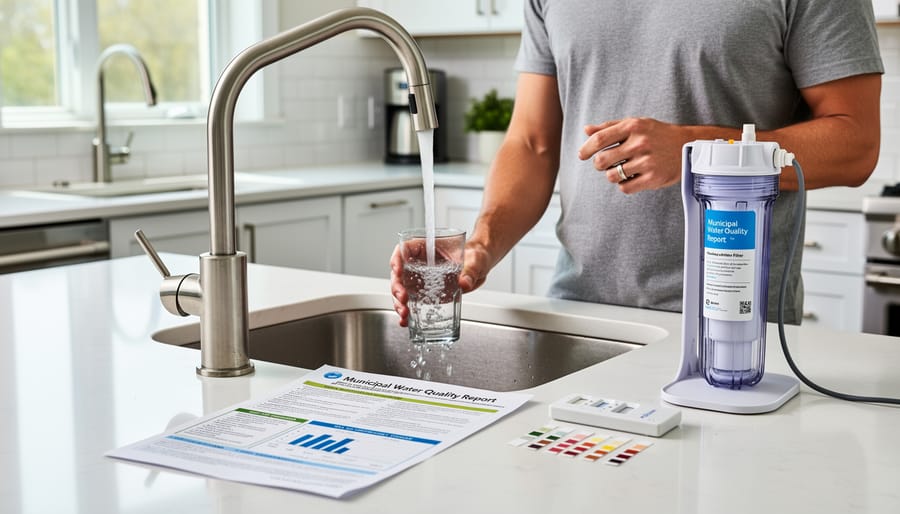
Balancing Municipal Water Quality with Home Treatment Solutions
New York City’s municipal water system delivers some of the highest quality drinking water in the nation, thanks to protected watersheds and rigorous treatment standards maintained through investments by the NYC Municipal Water Finance Authority. For most households, this means the water flowing from your tap is already safe and clean for consumption without additional treatment.
However, understanding municipal water quality also means recognizing that individual circumstances vary. Older buildings with aging pipes may introduce lead or other contaminants after water leaves the treatment facility. Some families prefer removing chlorine taste, while others want extra protection against emerging contaminants not yet regulated by municipal standards.
The key is assessing your specific needs. Request a free water quality report from NYC’s Department of Environmental Protection to understand exactly what’s in your water. If your home was built before 1987, consider testing for lead, especially if you have young children. Simple pitcher filters effectively remove chlorine taste and odor, while under-sink systems offer more comprehensive filtration for specific concerns.
Rather than viewing home filtration as criticism of municipal efforts, think of it as a complementary layer of protection tailored to your household’s unique situation. The Authority’s infrastructure investments ensure baseline safety, while targeted home treatment addresses personal preferences and property-specific issues. This balanced approach honors both the quality of NYC’s public water system and your family’s individual health priorities, creating an eco-conscious solution that works within the broader municipal framework.
The Environmental Side of Water Finance
When you pay your water bill in New York City, you’re doing more than keeping the taps running. You’re investing in one of the most ambitious environmental protection programs in the country. The NYC Municipal Water Finance Authority doesn’t just manage money; it channels billions of dollars into protecting the natural ecosystems that provide clean drinking water to over nine million people.
The authority funds extensive watershed protection programs spanning approximately 2,000 square miles across upstate New York. This approach is called “source water protection,” and it’s actually more cost-effective and environmentally friendly than building massive filtration plants. Your water rates help purchase and preserve land around reservoirs, preventing pollution before it starts. This means fewer chemicals are needed to treat your drinking water, which is better for your health and the environment.
A significant portion of the authority’s investments go toward green infrastructure projects right in your neighborhood. These include rain gardens, green roofs, and permeable pavements that naturally filter stormwater before it enters the water system. Think of these as nature’s filtration system, working alongside traditional infrastructure to reduce pollution and flooding while creating green spaces in urban areas.
The authority also finances cutting-edge water innovations like leak detection technology and smart water meters. These systems help identify problems quickly, reducing water waste across the city. For homeowners, this means your water supply becomes more reliable and sustainable over time.
Climate resilience is another key focus. Investments protect against extreme weather events, ensuring your water supply remains safe during storms and droughts. The authority funds upgrades to treatment facilities, reservoir management systems, and distribution networks designed to handle changing environmental conditions.
By understanding where your water dollars go, you can appreciate that higher rates often reflect genuine environmental stewardship. These investments protect the watershed ecosystems, reduce the city’s carbon footprint, and ensure future generations inherit a sustainable water system. It’s environmental protection that directly benefits your household every single day.
Understanding how the NYC Municipal Water Finance Authority operates empowers you to make informed decisions about your household water expenses and quality. This authority plays a crucial role in maintaining the infrastructure that delivers clean water to your tap while balancing affordability concerns through rate structures and assistance programs.
As a homeowner, knowing your rights regarding shutoff protections and available financial assistance can provide peace of mind during challenging times. The Customer Assistance Program and payment plans exist specifically to help households maintain access to essential water services. Take advantage of these resources if you’re experiencing financial hardship—maintaining consistent water service is vital for your family’s health and daily needs.
Your water bill reflects more than just consumption; it funds critical infrastructure improvements, water quality monitoring, and conservation initiatives that benefit both your household and the environment. By staying informed about rate adjustments and the reasoning behind them, you can better budget for these expenses while supporting sustainable water management practices. Consider implementing water-saving fixtures and practices to reduce both your environmental footprint and monthly costs. Remember, investing in your water knowledge today translates to smarter, more sustainable choices for your home tomorrow.