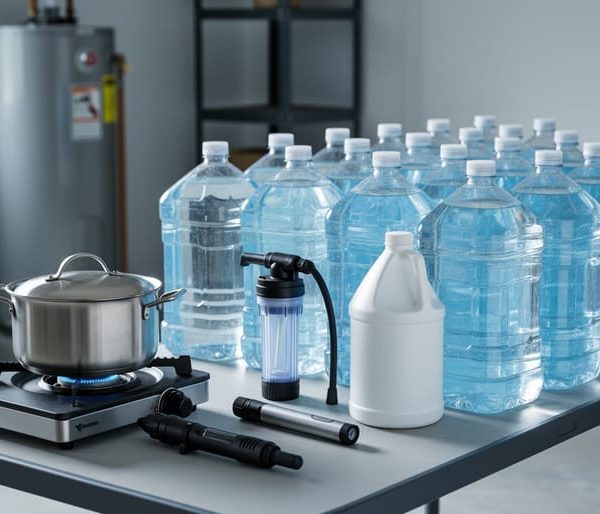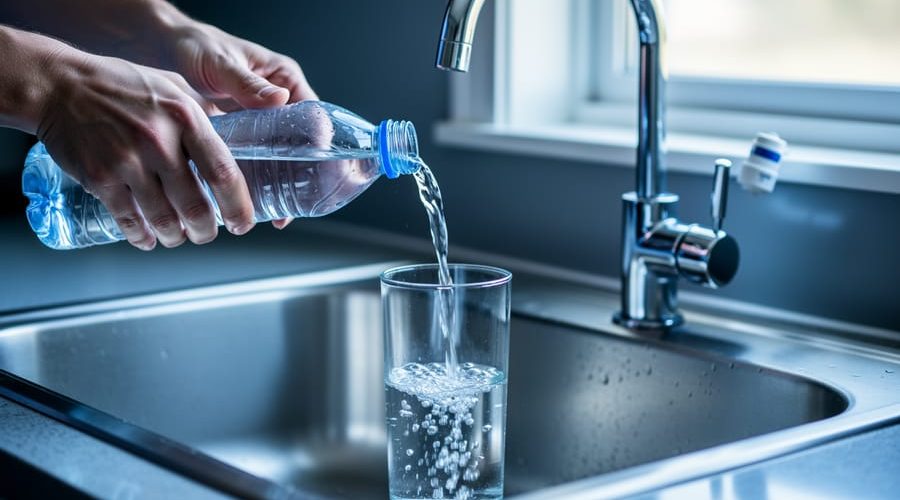
Stop using tap water immediately if you suspect TCE contamination and switch to sealed bottled water for drinking, cooking, and brushing teeth until testing confirms safety. Contact your local water utility and request emergency testing, or hire a certified laboratory to analyze samples for trichloroethylene levels—anything above 5 parts per billion exceeds EPA safety standards. Install a point-of-use activated carbon filtration system or reverse osmosis unit at your kitchen tap as these technologies effectively remove 95-99% of TCE from drinking water.
Trichloroethylene is a colorless industrial solvent that has infiltrated groundwater supplies across thousands of communities, creating an invisible health crisis in homes just like yours. This chemical—once widely used in metal degreasing, dry cleaning, and manufacturing—seeps through soil into aquifers, contaminating wells and municipal water systems without any taste, odor, or visible warning signs. Long-term exposure links to serious health concerns including liver damage, kidney problems, and increased cancer risk, making immediate action essential for protecting your family.
Understanding what TCE contamination means for your household water quality empowers you to make informed decisions about filtration technology, emergency response measures, and long-term prevention strategies. Whether you’re facing an active contamination event or want to safeguard against future exposure, the right knowledge and water treatment solutions can restore safety and peace of mind to your home.
What Is TCE and Why It’s in Your Water
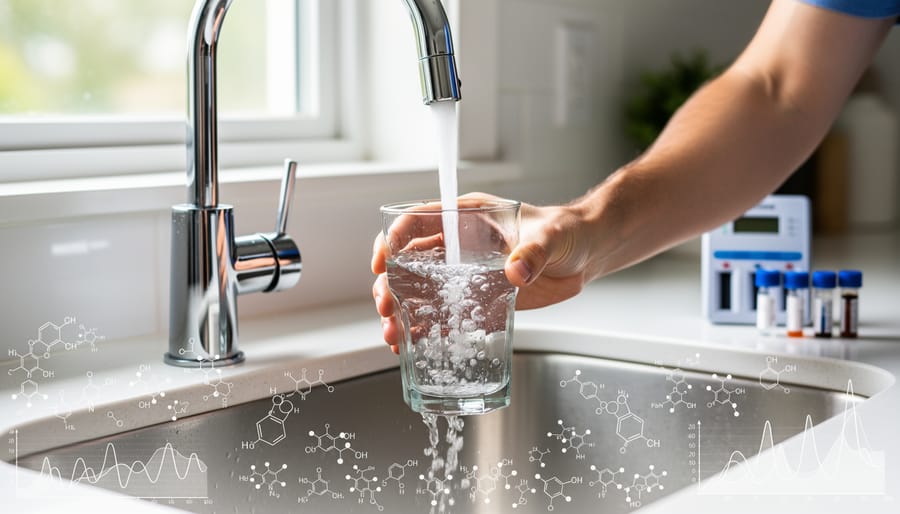
How TCE Spreads Through Water Systems
TCE contamination spreads through water systems in ways that make it particularly troublesome for communities. When this industrial solvent enters the environment—often through improper disposal or leaking storage tanks—it follows a persistent path that can threaten drinking water for generations.
Unlike many pollutants that break down naturally, TCE is denser than water and doesn’t dissolve easily. When it seeps into soil, it travels downward through gravity, forming underground pools called “dense non-aqueous phase liquids” or DNAPLs. Think of it like oil sinking through water, except TCE slowly releases contamination into groundwater as it moves.
The chemical’s stubborn nature means it can persist in aquifers for 20 to 40 years or longer. As groundwater flows, TCE spreads in underground plumes that can extend for miles from the original contamination source. This extended reach means households far from industrial sites may still face exposure risks.
Communities at highest risk typically include those near current or former manufacturing facilities, military bases, dry-cleaning operations, and aerospace industries. Older neighborhoods built before environmental regulations became stringent in the 1980s face elevated risks, as do areas with shallow groundwater tables where contaminants reach drinking water sources more quickly.
Rural communities relying on private wells face particular vulnerability since these water sources aren’t subject to the same regular testing requirements as municipal systems. Understanding your area’s industrial history and proximity to potential contamination sources helps determine your household’s risk level and need for water testing.
Health Risks You Need to Know About
Understanding the health risks associated with TCE exposure is essential for protecting your family. The Environmental Protection Agency classifies trichloroethylene as a known human carcinogen, meaning it has been definitively linked to cancer development through extensive scientific research.
When you’re exposed to TCE-contaminated water, whether through drinking, showering, or cooking, the chemical can enter your bloodstream and affect multiple organ systems. The most serious concern involves cancer risks. Studies have connected TCE exposure to kidney cancer, liver cancer, and non-Hodgkin lymphoma. Even low-level exposure over extended periods can increase these risks, which is why immediate action matters if contamination is detected in your water supply.
Beyond cancer, TCE poses significant neurological threats. Short-term exposure can cause dizziness, headaches, confusion, and coordination problems. Long-term exposure may lead to more severe issues including nerve damage, memory problems, and impaired cognitive function. Pregnant women face additional concerns, as TCE exposure has been associated with birth defects and developmental problems in children.
The EPA has established a maximum contaminant level of 5 parts per billion for TCE in drinking water. However, many health experts argue that no level of exposure is truly safe, particularly for vulnerable populations including children, pregnant women, and individuals with compromised immune systems.
If testing reveals TCE in your water above detectable levels, treat the situation as requiring immediate attention. While the health effects typically develop over time rather than instantly, reducing exposure as quickly as possible minimizes your family’s risk. Consider using bottled water for drinking and cooking until you can implement a proper filtration solution designed specifically to remove volatile organic compounds like TCE.
Recognizing a TCE Contamination Emergency
Official Warnings vs. Self-Detection
Understanding the difference between official warnings and self-detection can be crucial for protecting your family from TCE exposure. Municipal water alerts typically come after routine testing reveals contamination levels exceeding federal safety standards. However, these official notifications can lag weeks or even months behind actual contamination events, depending on your local testing schedule.
Municipal water authorities generally test for TCE quarterly or semi-annually in most communities, though high-risk areas near industrial sites may receive more frequent monitoring. When contamination is detected, officials must verify results and coordinate public notifications, which can take additional days. You’ll usually receive alerts through direct mail, local news, or reverse 911 calls.
Self-detection through home testing offers faster response times and greater peace of mind. Independent lab testing can confirm TCE presence within 5-10 business days, while some advanced home testing kits provide preliminary results in hours. This proactive approach is especially valuable if you live near known contamination sources like dry cleaners, military bases, or former industrial sites.
Consider home testing if you notice chemical odors in your water, experience unexplained health symptoms, or discover nearby contamination through community reports. While municipal oversight provides important baseline protection, self-testing empowers you to act immediately rather than waiting for scheduled testing cycles. For maximum protection, combine awareness of official alerts with periodic home testing, particularly if your water source has historical contamination issues.
Testing Your Water for TCE
If you suspect TCE contamination in your water supply, testing is the essential first step toward protecting your household. Understanding your testing options empowers you to make informed decisions about your family’s water safety.
Home testing kits offer convenient preliminary screening for TCE. These kits, available online or at hardware stores, typically cost between $20 and $150. While they provide quick results within 24-48 hours, they’re best suited for initial assessments rather than definitive answers. The accuracy varies by brand, and they may not detect TCE at very low concentrations that still pose health concerns.
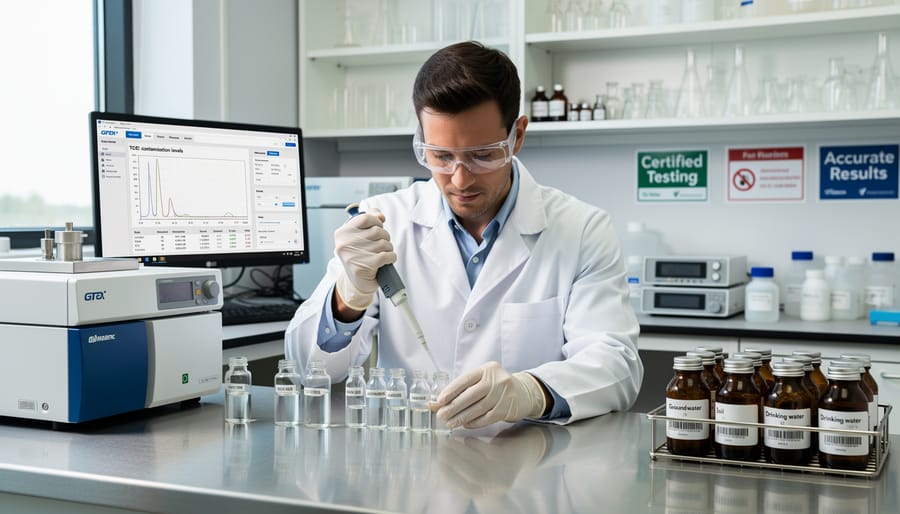
For reliable results, certified laboratory testing remains the gold standard. Contact your state’s environmental protection agency for a list of EPA-certified laboratories in your area. These labs use sophisticated equipment that can detect TCE at parts-per-billion levels. You’ll receive a sample collection kit with detailed instructions—typically, you’ll collect water after letting it run for a few minutes, then again after it’s been sitting overnight in your pipes. Laboratory analysis costs range from $100 to $300 per sample, with results delivered within one to three weeks.
Understanding your results is straightforward: the EPA’s maximum contaminant level for TCE is 5 parts per billion (ppb). Any detection above this threshold requires immediate action. Even levels below 5 ppb warrant attention, as recent research suggests no truly safe exposure level exists for this contaminant.
If your results confirm contamination, don’t panic. Modern water filtration technology effectively removes TCE from drinking water. Consider retesting quarterly until you’ve implemented a filtration solution, then annually thereafter to ensure continued protection. Document all test results for future reference and potential insurance or legal purposes.
Immediate Response: Your First 24 Hours
Safe Alternative Water Sources
When your tap water tests positive for TCE contamination, securing clean drinking water becomes your top priority. Understanding your options helps you act quickly and confidently during this stressful time.
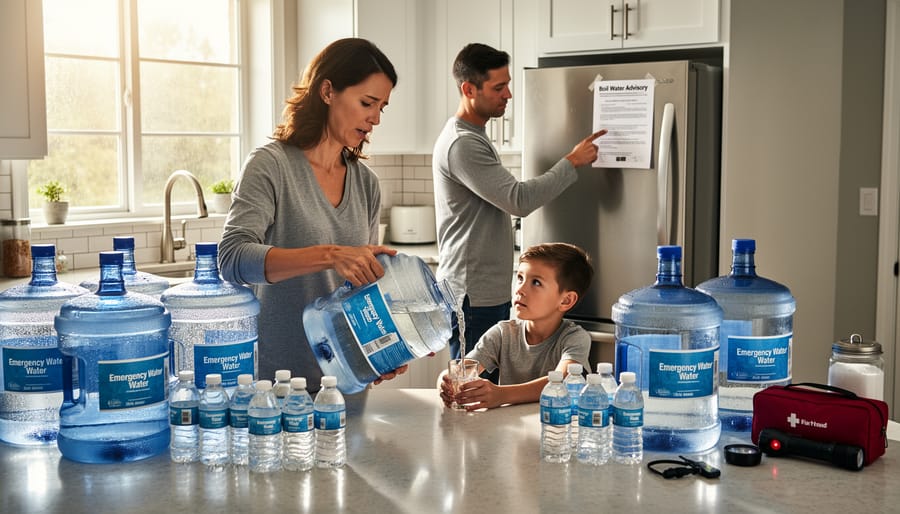
Bottled water serves as the most immediate solution for drinking and cooking needs. A typical household of four requires approximately 2-3 gallons daily for drinking, food preparation, and basic hygiene like teeth brushing. Stock at least a three-day supply initially, which translates to roughly 24 gallons for a family of four. Keep bottled water in a cool, dark location away from direct sunlight to maintain quality.
Many communities establish emergency water distribution centers during contamination events. Contact your local health department or municipality to locate nearby pickup sites. These centers often provide free or low-cost water supplies and may offer delivery assistance for elderly residents or those with mobility challenges.
Grocery stores and warehouse clubs remain reliable sources, though supplies may temporarily run low during widespread contamination events. Consider purchasing larger 5-gallon jugs with dispensers for cost-effectiveness and reduced plastic waste compared to single-serving bottles.
Local organizations like the Red Cross, community centers, and faith-based groups frequently coordinate emergency water assistance programs. Don’t hesitate to reach out if financial constraints make purchasing adequate supplies difficult.
For bathing and laundry during short-term contamination, untreated water typically remains safe unless open wounds exist. However, infants and individuals with compromised immune systems should use bottled water for all purposes until authorities confirm safety. Always follow specific guidance from your local water utility regarding approved uses for contaminated water.
Water Filtration Solutions That Actually Remove TCE
Activated Carbon Systems: Your Best Defense
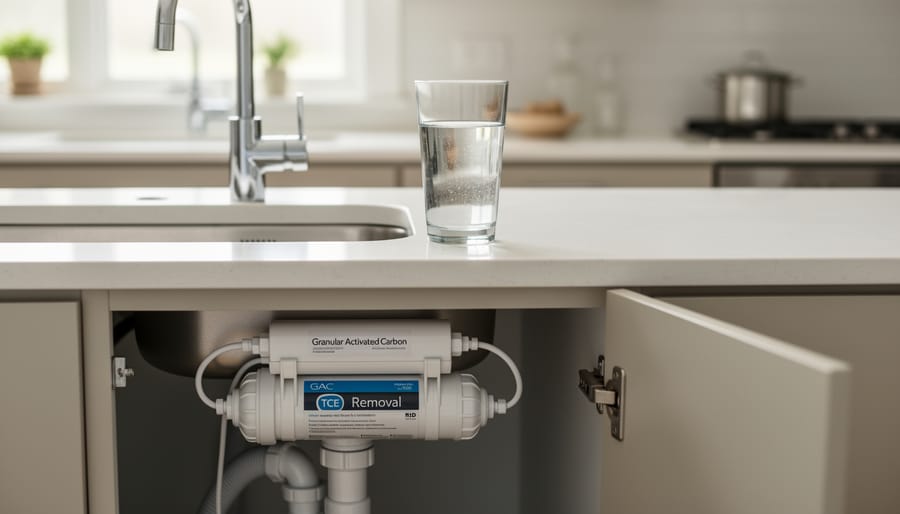
When TCE threatens your water supply, activated carbon systems stand as one of the most reliable and accessible solutions for home protection. These systems work through a process called adsorption, where TCE molecules stick to the surface of specially treated carbon granules as water flows through.
Granular activated carbon (GAC) is particularly effective at capturing TCE because of its porous structure. Think of it like a microscopic sponge with millions of tiny pockets that trap contaminants. The carbon’s surface area is remarkably vast—just one pound can have a surface area equivalent to several football fields, giving TCE molecules plenty of places to attach and stay put.
You’ll find two main system types to consider. Whole-house systems install at your main water line, treating all water entering your home. These larger units protect you whether you’re drinking, cooking, showering, or doing laundry. Point-of-use systems, typically installed under your kitchen sink or at specific faucets, focus treatment where you need it most for consumption.
Effectiveness rates for TCE removal through properly maintained GAC systems typically reach 95-99%, making them a powerful defense against contamination. However, this impressive performance depends on regular maintenance. Carbon filters become saturated over time and lose their effectiveness, so replacement is essential. Most whole-house systems require filter changes every 6-12 months, while smaller point-of-use units may need replacement every 3-6 months, depending on your water usage and contamination levels.
Always verify that any system you choose is certified for TCE removal by independent testing organizations. This eco-friendly filtration approach requires no electricity and produces no wastewater, making it both sustainable and effective for protecting your family’s health.
Reverse Osmosis and Other Technologies
When activated carbon reaches its limits with TCE removal, several advanced technologies offer effective alternatives or complementary solutions for your home water system.
Reverse osmosis (RO) systems provide powerful protection by forcing water through an ultra-fine membrane that blocks TCE molecules along with other contaminants. These under-sink or whole-house units typically remove 95-99% of TCE, making them one of the most reliable household options. However, RO systems do produce wastewater (usually 3-4 gallons wasted per gallon filtered) and remove beneficial minerals along with contaminants. Expect costs ranging from $200-500 for point-of-use systems, with membrane replacements needed every 2-3 years at $50-150 each.
Air stripping systems work by forcing contaminated water through a tower where air bubbles carry volatile compounds like TCE away. While highly effective for larger applications, smaller home units exist but remain less common due to higher installation complexity and the need for proper ventilation to release captured vapors safely.
Advanced oxidation processes use UV light combined with hydrogen peroxide or ozone to break down TCE into harmless compounds. These cutting-edge systems excel at destroying rather than just filtering contaminants, representing the next generation of water treatment innovation. Initial costs run higher ($800-2,000), but they require minimal consumable replacements.
Combining technologies—like pairing activated carbon with RO—often delivers the most comprehensive protection while extending filter life and reducing maintenance frequency.
What Doesn’t Work (And Why)
When facing TCE contamination, understanding what won’t protect your family is just as crucial as knowing what will. Many homeowners waste valuable time and money on solutions that simply can’t handle this persistent chemical contaminant.
Standard pitcher filters, like those you might use for taste improvement, aren’t designed to remove TCE. These basic carbon filters lack the specialized activated carbon or contact time needed to capture volatile organic compounds effectively. You’re essentially pouring contaminated water through a system that can’t protect you.
Boiling water actually makes TCE contamination worse. Since TCE evaporates at lower temperatures than water, boiling can concentrate it or release it into your indoor air, increasing exposure risks rather than eliminating them.
Water softeners only address mineral content like calcium and magnesium. They’re completely ineffective against chemical contaminants including TCE, as they’re designed for an entirely different purpose.
Similarly, sediment filters remove particles and debris but allow dissolved chemicals like TCE to pass straight through. Don’t confuse physical filtration with chemical removal—these are fundamentally different processes requiring specific technologies like granular activated carbon or reverse osmosis systems designed for volatile organic compound removal.
Building Your Emergency Water Readiness Plan
Essential Supplies and Equipment
Being prepared for TCE contamination means having the right supplies readily accessible. Start by maintaining a three-day emergency water supply – store at least one gallon per person per day in food-grade containers, rotating them every six months to ensure freshness. Keep these containers in a cool, dark location away from chemicals or gasoline.
Your emergency kit should include portable water filtration options. Look for activated carbon filters specifically rated for volatile organic compounds like TCE, or reverse osmosis systems that can remove 99% of contaminants. Portable filtration pitchers or under-sink units designed for chemical removal provide backup when tap water safety is questionable.
Home testing supplies are essential for monitoring your water quality. Purchase TCE test kits from certified laboratories or keep contact information for local testing services handy. These typically cost between $100-$300 but provide peace of mind and documented evidence if contamination occurs.
Maintain an emergency contact list including your local water utility, regional EPA office, state environmental agency, and certified water quality professionals. Add your nearest emergency management office and poison control center (1-800-222-1222) to this list.
Consider eco-friendly alternatives like glass storage containers instead of plastic, which can leach chemicals over time. Keep printed instructions for your filtration systems accessible, as internet access might be limited during emergencies. This preparedness approach protects your household while supporting sustainable living practices that benefit your community and environment long-term.
When to Upgrade to Permanent Protection
Moving from temporary filtration to a permanent whole-house system is a significant investment that makes sense in specific circumstances. If your home sits within a known TCE contamination zone—particularly near industrial sites, dry cleaners, military bases, or Superfund sites—proactive protection becomes essential rather than optional. Regular testing that reveals detectable TCE levels, even below EPA limits, signals that contamination is reaching your taps and warrants serious consideration.
The decision becomes clearer when you factor in household vulnerability. Families with young children, pregnant women, or members with compromised immune systems face greater health risks from even low-level TCE exposure. If multiple neighbors have confirmed contamination or local water quality reports show concerning trends, the risk extends beyond isolated incidents.
Consider the long-term economics too. Continuously purchasing bottled water or replacing pitcher filters adds up quickly, often matching the cost of a permanent system within two to three years. Whole-house systems also protect appliances from contamination-related damage and increase property value by addressing a documented environmental concern.
The peace of mind factor shouldn’t be underestimated. If you find yourself constantly worrying about water safety or avoiding tap water for cooking and drinking, a comprehensive filtration solution eliminates daily stress. Today’s advanced carbon filtration and reverse osmosis systems efficiently remove TCE while requiring minimal maintenance—typically just annual filter replacements. For homes in high-risk areas, this investment transforms from luxury to necessity, safeguarding your family’s health for years to come.
Working With Authorities and Getting Help
When you discover TCE contamination in your water supply, navigating the official response process can feel overwhelming, but understanding the key agencies and resources available will help you take effective action.
The Environmental Protection Agency (EPA) serves as the primary federal authority overseeing TCE contamination cases. If your water supply is affected, the EPA can provide technical guidance, coordinate testing protocols, and in severe cases, mandate cleanup actions. Contact your regional EPA office immediately to report contamination and request an assessment of your situation. They maintain databases of known contamination sites and can help determine if your property falls within an affected area.
Your local health department acts as a crucial first responder in contamination emergencies. They can arrange emergency water testing, issue health advisories, and connect you with medical professionals familiar with TCE exposure. Many health departments also maintain lists of certified laboratories for water testing and can expedite sample analysis during urgent situations.
For communities near military bases or industrial sites, the Agency for Toxic Substances and Disease Registry (ATSDR) offers specialized support. This agency conducts health investigations and provides exposure assessments that can help document health impacts in your community.
Regarding compensation, several avenues exist depending on your situation. If contamination stems from a specific polluter, legal action may be possible through environmental attorneys specializing in toxic exposure cases. The Superfund program can provide cleanup funding for designated contamination sites, though the process moves slowly. Some states maintain victim compensation funds for environmental health emergencies.
Community resources prove invaluable during TCE crises. Consider forming or joining neighborhood advocacy groups to share information and resources. Non-profit organizations like the Environmental Working Group and Clean Water Action offer free guidance, connect affected families, and can amplify your concerns to authorities. These groups often help communities secure temporary water supplies and navigate the compensation process while pushing for permanent solutions to protect your family’s health and restore your water quality.
Understanding TCE water contamination is the first step toward protecting your household and contributing to a healthier environment. While the presence of this industrial solvent in drinking water can feel overwhelming, remember that knowledge paired with action creates real change. By staying informed about potential contamination sources in your area, implementing appropriate filtration solutions, and maintaining regular water testing protocols, you take control of your family’s water safety.
The journey toward cleaner water extends beyond individual households. Your awareness and proactive choices ripple outward, encouraging community conversations about environmental protection and industrial responsibility. Supporting policies that prioritize groundwater protection and advocating for transparent water quality reporting helps safeguard not just your neighborhood but future generations as well.
Start today by evaluating your current water situation. Contact your local water utility for recent testing reports, research certified filtration systems suited to TCE removal, and establish a testing schedule that brings peace of mind. Consider these actions investments in long-term health rather than expenses. The water flowing through your home represents a fundamental resource deserving careful attention and protection.
As innovations in water treatment technology continue advancing, staying connected to these developments ensures you benefit from the most effective solutions available. Your commitment to household water safety represents both practical protection and environmental stewardship, embodying the sustainable living principles that create lasting positive impact for communities and ecosystems alike.