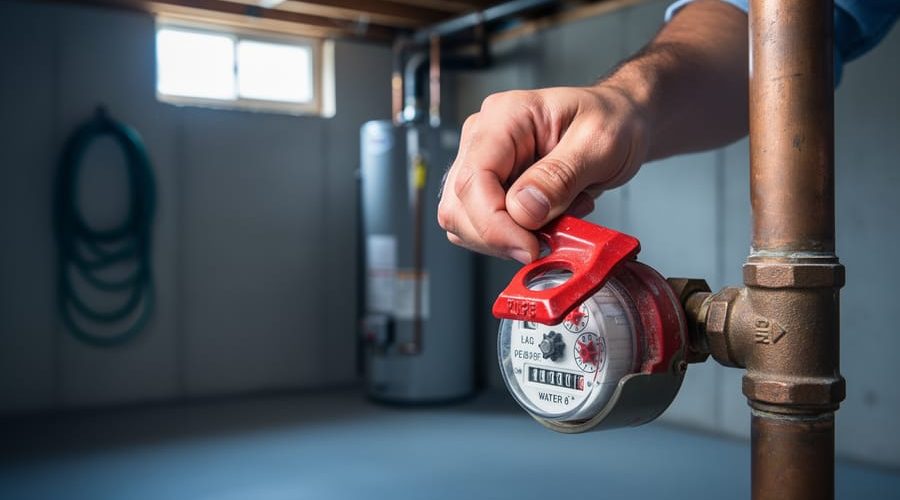
Shut off your water main immediately if you suspect chemical contamination—this single action prevents contaminated water from spreading throughout your home’s plumbing system and protects appliances, fixtures, and your family. Locate the main shutoff valve now, before an emergency occurs, typically found where the municipal water line enters your home near the water meter or in the basement.
Evacuate family members and pets from areas where contaminated water has pooled or created vapors, especially if you notice unusual odors, discoloration, or skin irritation upon contact. Chemical contamination can release harmful fumes or cause direct health effects through skin contact or inhalation.
Contact your local water utility and poison control center (1-800-222-1222) to report the incident and receive specific guidance based on the type of contamination. Document everything with photos, notes about timing, and physical symptoms—this information helps authorities assess the severity and supports any necessary remediation efforts.
While OSHA (Occupational Safety and Health Administration) primarily governs workplace safety, including industrial water treatment facilities and emergency response teams, these professional protocols offer valuable frameworks for homeowners. Understanding how trained responders handle chemical water emergencies helps you make informed decisions during a crisis at home. The same principles that protect workers—rapid containination, proper ventilation, avoiding direct exposure, and seeking expert assessment—apply equally to protecting your household.
This guide translates professional emergency response standards into practical steps you can take today to prepare for and respond to water contamination events, ensuring your home remains a safe haven rather than a health hazard.
Understanding Chemical Water Contamination Emergencies
Common Chemical Contaminants in Home Water
Understanding what’s lurking in your tap water is the first step toward protecting your family’s health. While municipal water treatment systems work hard to keep our water safe, certain chemicals can still slip through or enter through aging infrastructure.
Volatile Organic Compounds (VOCs) are among the most common household water threats. These carbon-based chemicals evaporate easily and often come from household products, gasoline, or nearby industrial activity. If your water smells like chemicals, paint thinner, or fuel, VOCs might be present. Common culprits include benzene, trichloroethylene (TCE), and perchloroethylene from dry cleaning operations.
Heavy metals like lead, arsenic, mercury, and chromium pose serious long-term health risks. Lead typically enters through corroded pipes, while arsenic occurs naturally in some groundwater sources. These contaminants are particularly dangerous because they’re tasteless and odorless, making detection without testing nearly impossible.
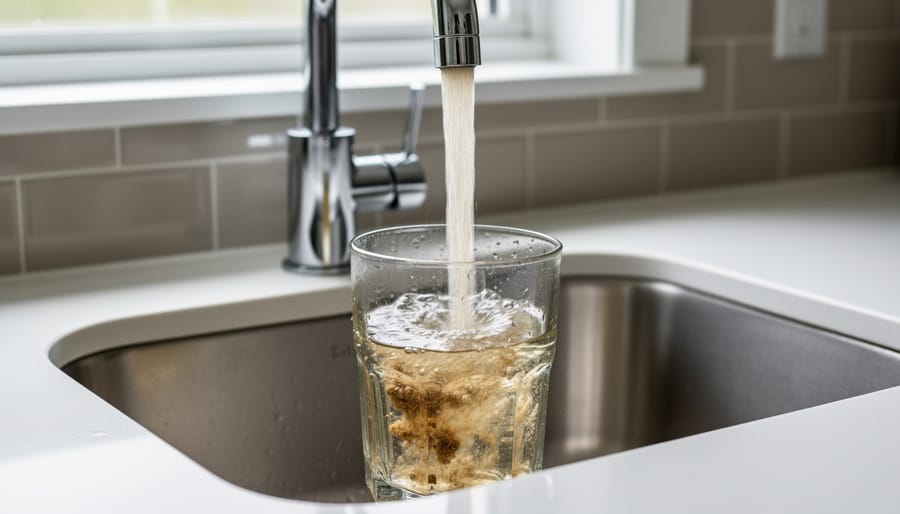
Industrial solvents and petroleum products can seep into groundwater from manufacturing facilities, gas stations, or underground storage tanks. These chemicals often signal their presence through unusual odors, discolored water, or an oily film on water’s surface.
Initial symptoms of chemical exposure vary but may include headaches, dizziness, nausea, skin irritation, or digestive issues. Children and pregnant women face heightened risks from these contaminants. If you notice sudden changes in your water’s taste, smell, or appearance, or if multiple family members develop unexplained symptoms, take immediate action by switching to bottled water and arranging professional testing.
When Contamination Becomes an Emergency
Not all water contamination requires emergency action, but recognizing critical thresholds can protect your family’s health. OSHA defines workplace emergencies as situations where hazardous substances pose immediate danger to life and health, a standard that translates meaningfully to home water safety.
Several red flags should prompt immediate action. If your water suddenly changes color to brown, black, or has an oily appearance, stop using it immediately. A strong chemical odor like gasoline, sulfur, or bleach indicates dangerous contamination levels. Physical symptoms in household members—nausea, dizziness, skin rashes, or breathing difficulties after water contact—signal emergency-level exposure.
OSHA’s permissible exposure limits provide helpful guidance. For instance, lead concentrations above 15 parts per billion in drinking water require immediate intervention. Similarly, bacterial contamination confirmed through testing, especially E. coli or coliform bacteria, demands urgent response.
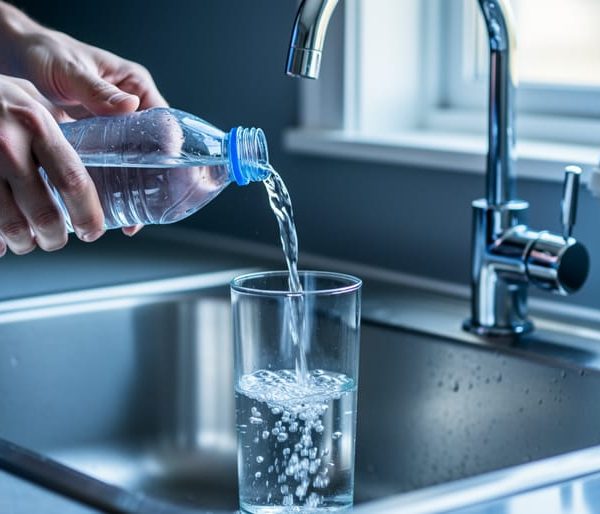
Contact your local water utility immediately if you’re on municipal water, and call your health department for well water emergencies. Meanwhile, switch to bottled water for all drinking, cooking, and tooth-brushing needs. Never wait to “see if it gets better” when contamination symptoms appear. Modern water testing technology can quickly identify threats, and early action prevents serious health consequences while protecting vulnerable family members, particularly children and elderly residents.
OSHA Emergency Response Standards for Water Safety
The Three Levels of Emergency Response
When dealing with chemical water contamination at your home, understanding OSHA’s three-tiered emergency response system can help you make informed decisions about whether to tackle the problem yourself or call in the professionals. While these levels were originally designed for workplace safety, they provide valuable guidance for homeowners facing contamination emergencies.
The first level, called Awareness Level responders, includes anyone who might witness or discover a contamination incident. As a homeowner, you fall into this category when you notice unusual odors, discoloration, or taste in your water. At this level, your role is simply to recognize there’s a problem, protect yourself and your family from exposure, and alert the appropriate authorities or professionals. You should not attempt any cleanup or testing beyond stopping water use and securing the area.
Operations Level responders are trained to contain and control contamination without direct contact with hazardous materials. Professional plumbers and environmental consultants typically operate at this level. They can isolate affected water systems, establish safe zones in your home, and implement basic containment strategies. If your contamination involves unknown chemicals or spans beyond a simple localized issue, this is the minimum level of professional expertise you should seek.
Technician Level responders possess specialized training and equipment to directly handle hazardous materials. These are certified environmental remediation specialists who can safely test, remove, and dispose of contaminated water and affected materials. For serious contamination involving industrial chemicals, sewage backups with biological hazards, or widespread groundwater pollution, technician-level professionals are essential.
For homeowners, the key takeaway is this: if you can’t immediately identify the contamination source or if testing reveals harmful substances, moving beyond awareness level response requires professional help. Your safety and your family’s health should always take priority over attempting DIY solutions with potentially dangerous materials.
Personal Protective Equipment Basics
When dealing with suspected chemical contamination in your home’s water supply, protecting yourself is the first priority. While OSHA standards guide professionals in hazardous situations, homeowners can apply these same principles in simpler ways to stay safe during a water emergency.
Start by avoiding direct contact with contaminated water. If you suspect chemical contamination, don’t drink, cook with, or bathe in the water until you’ve confirmed it’s safe. Wear rubber or latex gloves when handling potentially contaminated items like faucet handles, containers, or appliances that use water. These basic barriers prevent chemicals from absorbing through your skin, a primary concern in chemical exposure scenarios.
For respiratory protection, leave the area if you notice strong chemical odors or fumes coming from your water supply. Open windows to ventilate your home, but don’t attempt to investigate the source yourself if fumes are present. Professional responders use specialized breathing equipment in these situations for good reason.
Keep a simple emergency kit with disposable gloves, safety glasses, and plastic bags for sealing contaminated items. If you need to collect water samples for testing, wear gloves and use clean containers, then seal them immediately. Never taste or smell water to test for contamination, as many dangerous chemicals are undetectable to human senses.
Remember that protective equipment isn’t about creating fear but rather giving you practical tools to handle unexpected situations safely. Think of these measures as temporary precautions while you assess the situation and contact appropriate authorities or water quality professionals for guidance.
Your Emergency Water Contamination Response Plan
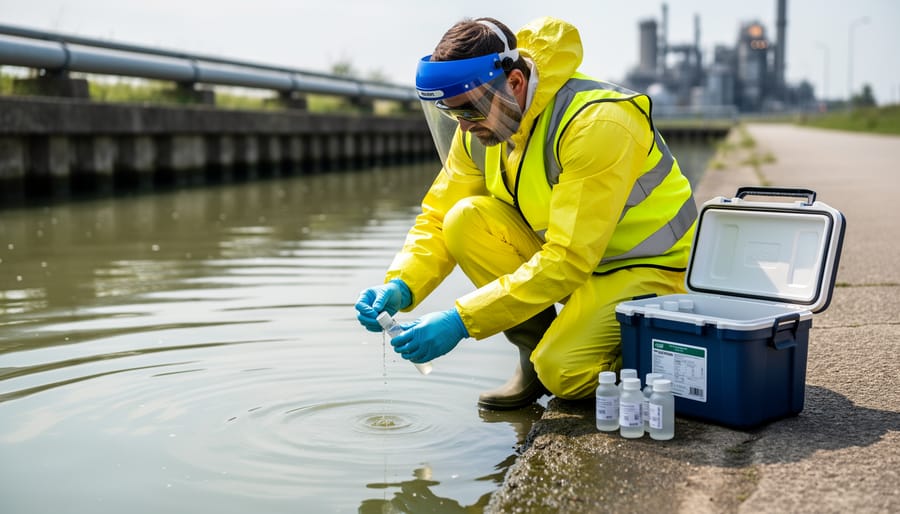
Immediate Actions: The First 30 Minutes
When you suspect chemical contamination in your home’s water supply, the first 30 minutes are crucial for protecting your family’s health and safety. These immediate actions, inspired by OSHA workplace emergency protocols adapted for residential settings, can significantly reduce exposure risks.
First, stop all water use immediately. This means turning off faucets, stopping dishwashers and washing machines, and avoiding any contact with water from your taps. If anyone has recently consumed or used the water, note the time and amount for medical professionals.
Next, isolate your water system by shutting off the main water valve. This prevents contaminated water from continuing to flow through your pipes and reduces the risk of further exposure. You’ll typically find this valve where the water line enters your home, often in the basement, crawlspace, or near the water heater.
Alert everyone in your household about the potential contamination. Ensure they understand not to drink, cook with, or bathe in tap water until you receive an all-clear from authorities. This is especially important for vulnerable household members like children, elderly individuals, or those with compromised immune systems.
Contact your local water utility company and public health department immediately to report the suspected contamination. They can provide guidance specific to your situation and may conduct testing. If you notice symptoms like nausea, skin irritation, or respiratory issues, call poison control at 1-800-222-1222 or seek emergency medical attention.
Following proper chemical contamination response procedures during these critical first minutes sets the foundation for protecting your household and helps authorities respond effectively.
Assessment and Documentation
When dealing with a potential water contamination emergency at home, proper documentation helps protect your family and assists professionals in their response. Start by safely observing the situation from a distance—note the time, location, and any visible changes to your water such as unusual colors, odors, or particles. If you suspect chemical contamination, avoid direct contact and don’t attempt to test the water yourself.
Document everything with photos or videos if you can do so safely, capturing discolored water, affected appliances, or any visible source of contamination. Write down symptoms anyone in your household may be experiencing, as this information proves valuable for medical professionals and water quality experts.
Contact your local water utility immediately to report the issue. They’ll guide you on whether to stop using your water and may dispatch testing teams. Keep records of all communications, including names, times, and reference numbers. If the contamination appears severe or affects multiple homes, local emergency services should be notified.
Gather recent water bills, your home’s plumbing layout if available, and any water treatment system documentation you have. Emergency responders and water authorities will need details about your water source—whether you’re on municipal supply or a private well—and what water-using activities occurred before you noticed the problem. This comprehensive information helps experts assess the situation quickly and develop an appropriate response plan for your household’s safety.
Alternative Water Sources During Emergencies
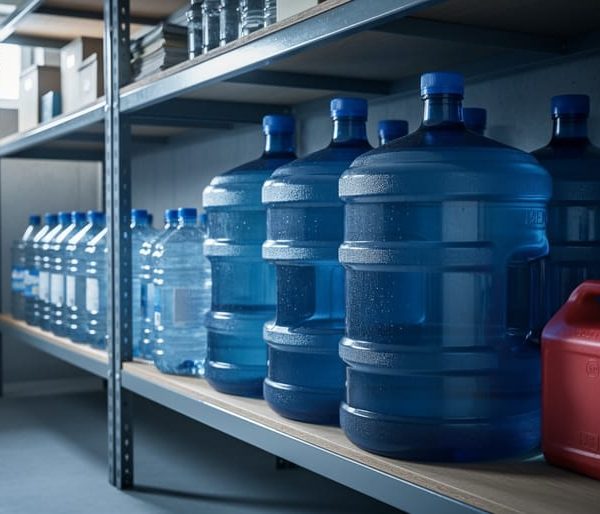
When your tap water becomes contaminated, knowing your safe emergency water options can protect your family’s health. Start with commercially bottled water, which remains the safest choice during emergencies. Store at least one gallon per person per day for drinking and sanitation needs.
If bottled water isn’t available, your water heater can serve as an emergency reserve, provided it wasn’t exposed to contaminants. Drain water from the tank’s bottom valve after turning off the power or gas supply.
For additional emergency water storage, consider collecting water from ice cube trays or the toilet tank (not the bowl) if they contain clean water from before the contamination event.
Emergency filtration methods include boiling water for at least one minute (three minutes at higher elevations) or using certified water filters rated for chemical removal. Portable purification tablets can address biological contaminants but may not remove all chemicals.
Critical warnings: Never use water that smells like gasoline or has visible chemical residues. Avoid pool water, hot tub water, or radiator fluid. Don’t assume clear water is safe, as many dangerous chemicals are invisible and odorless.
Water Testing and Professional Response Coordination
Emergency Water Testing Protocols
When chemical contamination threatens your water supply, knowing which tests to conduct can protect your family’s health. Emergency water testing focuses on identifying harmful substances quickly while following proper safety procedures that mirror professional OSHA standards adapted for home use.
Start by contacting a certified laboratory before collecting samples. EPA-certified labs can guide you on which tests are necessary based on your specific situation. For chemical spills, priority tests typically include volatile organic compounds (VOCs), heavy metals like lead and arsenic, petroleum products, and pH levels. If you suspect industrial contamination, request tests for specific chemicals known to be used in nearby facilities.
Sample collection requires careful safety measures. Always wear protective gloves and avoid direct contact with contaminated water. Use clean, sterile containers provided by your testing laboratory, as improper containers can skew results. Collect samples from multiple taps throughout your home, including the main water line if accessible. Label each sample with the date, time, and exact location, then refrigerate immediately if instructed by the lab.
Timeline expectations vary by test complexity. Basic bacterial tests often return within 24 to 48 hours, while comprehensive chemical panels may take 5 to 10 business days. Express services are available for urgent situations but typically cost more. Keep your family on bottled water until results confirm safety.
Understanding results requires context. Certified labs provide reports comparing findings against EPA drinking water standards, clearly marking any exceedances. Concentrations measured in parts per million (ppm) or parts per billion (ppb) indicate contamination levels. If results show unsafe levels, immediately contact your local health department and consider consulting a water treatment professional about appropriate filtration solutions for your home’s long-term protection.
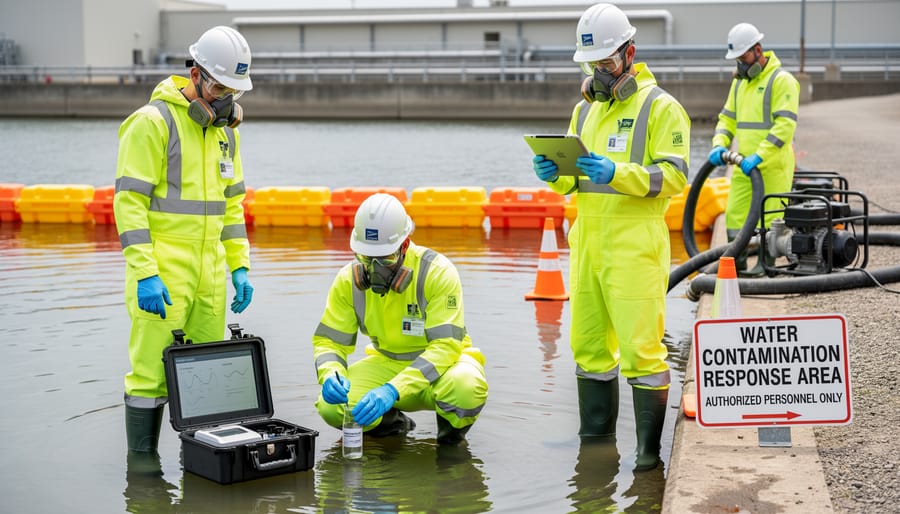
Working with Certified Emergency Responders
When dealing with serious water contamination emergencies at home, partnering with certified emergency responders ensures the situation is handled safely and effectively. Look for professionals who hold relevant certifications like HAZWOPER (Hazardous Waste Operations and Emergency Response) training, which aligns with OSHA standards. Licensed environmental remediation companies and certified water damage restoration specialists should provide proof of insurance, safety credentials, and references upon request.
During professional remediation, expect a thorough assessment phase where specialists identify contaminant types, affected areas, and potential health risks. They’ll establish containment zones using physical barriers and negative air pressure systems to prevent contamination spread throughout your home. Certified responders follow strict OSHA-compliant cleanup procedures, including proper personal protective equipment use, documented decontamination protocols, and safe disposal methods for contaminated materials.
Professional teams should provide detailed documentation of their cleanup process, including before-and-after testing results that confirm your water meets safety standards. They’ll also outline any necessary follow-up monitoring to ensure the contamination hasn’t returned. While this professional assistance represents an investment, it protects your family’s health and ensures your home’s water system is restored to safe conditions. Don’t hesitate to ask questions about their process, timeline, and the specific regulations they’re following to address your water emergency properly.
Prevention and Preparedness Systems
Emergency-Ready Filtration Solutions
When chemical emergencies threaten your water supply, having the right filtration technology in place can mean the difference between safety and exposure. Understanding which systems work best for different contaminants helps you make informed decisions about protecting your household.
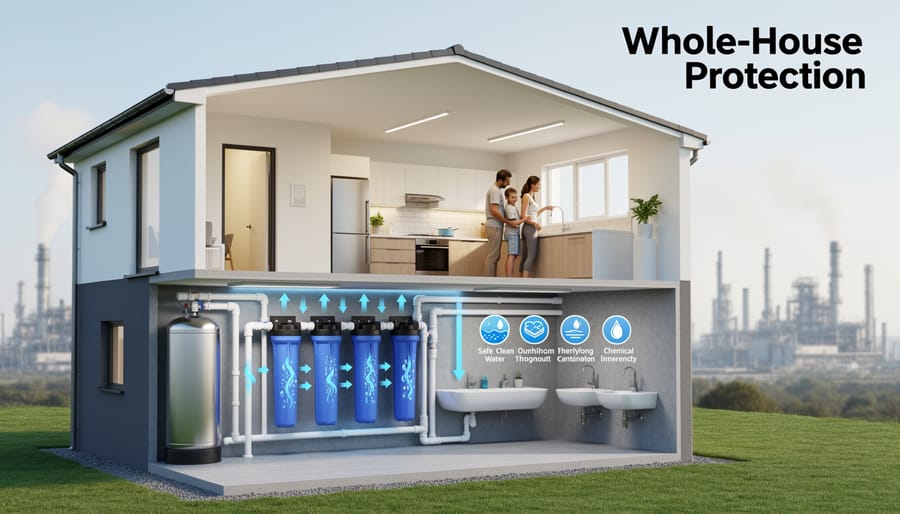
Whole-house filtration systems serve as your home’s first line of defense, treating water at the point where it enters your property. These comprehensive solutions ensure that every tap, shower, and appliance receives filtered water. For chemical emergencies, activated carbon filters excel at removing organic compounds, chlorine byproducts, and many industrial chemicals through a process called adsorption, where contaminants stick to the carbon’s porous surface like magnets.
Reverse osmosis systems take protection a step further by forcing water through an extremely fine membrane that blocks particles as small as individual molecules. This technology effectively removes heavy metals, pesticides, and numerous chemical contaminants that might slip through other filters. While reverse osmosis typically works as a point-of-use solution under your kitchen sink, it provides exceptionally pure drinking and cooking water during emergencies.
Specialized chemical removal systems target specific threats based on your region’s vulnerability. Ion exchange resins handle heavy metals and certain industrial chemicals, while advanced oxidation processes break down stubborn compounds into harmless substances. Some cutting-edge systems combine multiple technologies, creating layered protection against diverse chemical threats.
Point-of-use filters offer targeted protection at individual faucets, providing an affordable option for renters or those seeking immediate solutions. These compact units can be installed quickly without professional help, making them valuable emergency preparedness tools.
Consider your local industrial landscape and potential chemical risks when selecting filtration technology. Homes near manufacturing facilities, agricultural areas, or transportation routes carrying hazardous materials may require more robust protection. Regular filter maintenance and timely cartridge replacement ensure your system remains effective when you need it most.
Building Your Emergency Water Kit
Preparing a comprehensive emergency water kit ensures your household can respond quickly to water contamination incidents. Start with storing one gallon of water per person per day for at least three days in food-grade containers, keeping them in a cool, dark place away from chemicals. Include basic testing supplies like pH test strips and chlorine test kits to assess water safety during emergencies.
Your kit should contain essential treatment supplies including unscented household bleach for disinfection (8 drops per gallon of clear water), a portable water filter, and purification tablets as backup options. Add a waterproof container with printed instructions for water treatment procedures, emergency contact numbers for your local water utility and poison control center, and OSHA’s chemical safety guidelines adapted for home use.
Budget-friendly additions include reusable containers, a simple hand-crank or battery-powered radio for emergency alerts, and clearly labeled measuring tools. Store copies of your household’s water source information and any well testing results. Review and refresh supplies every six months, replacing stored water and checking expiration dates on treatment products to maintain readiness.
Emergency preparedness isn’t just a workplace concern—it’s a vital aspect of protecting your home and family, especially when it comes to water safety. Understanding OSHA-informed emergency response protocols gives you a solid foundation for handling chemical contaminations and water-related emergencies effectively. While these standards were developed for professional settings, the principles translate directly into actionable steps you can take as a homeowner.
The key takeaways are clear: know your water source and potential contaminants, maintain emergency supplies including bottled water and water purification methods, establish clear communication channels with local authorities, and create a household evacuation plan when needed. By applying these professional-grade safety practices to your home environment, you’re not just reacting to emergencies—you’re preventing them from escalating into serious health hazards.
Now is the time to create your personalized emergency response plan. Start by identifying potential risks in your area, whether that’s industrial proximity, agricultural runoff, or aging infrastructure. Document emergency contacts, including your water utility provider and local environmental health department. Stock essential supplies and review your plan with all household members regularly.
Knowledge truly is power when protecting your family’s water quality. By understanding professional emergency response standards and adapting them to your household, you’re taking meaningful steps toward sustainable, safe living. Your proactive approach today ensures cleaner, safer water tomorrow—for your family and your community.