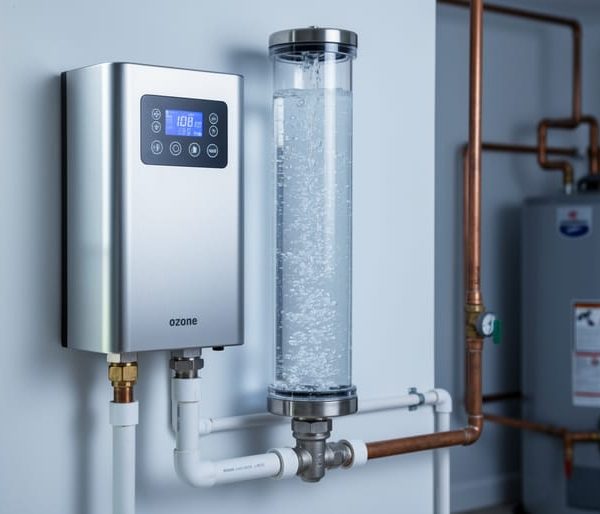
Test your water’s pH level using an inexpensive home testing kit—acidic water below 6.5 pH corrodes pipes, stains fixtures, and leaches harmful metals into your drinking supply. Acid neutralizer media, typically composed of crushed calcite or a calcite-magnesium oxide blend, dissolves slowly as acidic water passes through, raising pH to safe levels between 7.0 and 8.0 while protecting your plumbing infrastructure and health.
Installing an acid neutralizer system requires selecting the right media type based on your water’s acidity severity. Calcite alone handles mildly acidic water (pH 6.0-6.9), while severely acidic conditions (pH below 6.0) demand a calcite-magnesium oxide combination for faster neutralization. Position the neutralizer tank before your pressure tank and water heater to protect all downstream fixtures and appliances.
Maintenance determines system longevity and effectiveness. Check media levels every 6-12 months since the limestone gradually dissolves during the neutralization process, requiring replenishment to maintain proper contact time. Backwash the system monthly to prevent channeling—when water creates paths through compacted media instead of flowing evenly—which compromises treatment efficiency. Monitor your pH quarterly even after installation, as seasonal changes or new contamination sources can alter your water chemistry.
Understanding media consumption rates helps budget for ongoing costs. A typical household uses 50-100 pounds of calcite annually depending on water acidity and volume, making this an economical long-term solution compared to bottled water or premature pipe replacement from corrosion damage.
What Is Acid Neutralizer Media and How Does It Work?
Common Types of Neutralizing Media
Choosing the right neutralizing media depends on your water’s pH level and your household’s water usage. Let’s break down the three main options to help you make an informed decision.
Calcite, made from crushed marble or limestone, is the most popular choice for mildly acidic water with a pH between 6.0 and 6.9. This natural mineral slowly dissolves as acidic water passes through, raising the pH to a safer, non-corrosive level. Calcite works best in homes with moderate water flow rates and offers an eco-friendly solution since it’s derived from natural sources. However, it dissolves relatively slowly, so it may not be powerful enough for highly acidic water conditions.
For more aggressive acidic water with pH levels below 6.0, Corosex (magnesium oxide) provides a faster-acting remedy. This synthetic media reacts more quickly than calcite, making it ideal when you need rapid pH correction. Because Corosex is more reactive, it gets used up faster and requires more frequent replacement, but it’s essential for preventing serious pipe corrosion in severely acidic conditions.
Many homeowners find that blended media offers the best of both worlds. These combinations typically mix calcite with a smaller percentage of Corosex, providing quick initial pH correction while maintaining longer-lasting effectiveness. Blended options work well for water with pH levels between 5.5 and 6.5, offering a balanced approach that reduces maintenance frequency while still protecting your plumbing system effectively. Your water test results will guide you toward the most appropriate media type for your specific situation.

Why Your Home Might Need This Protection
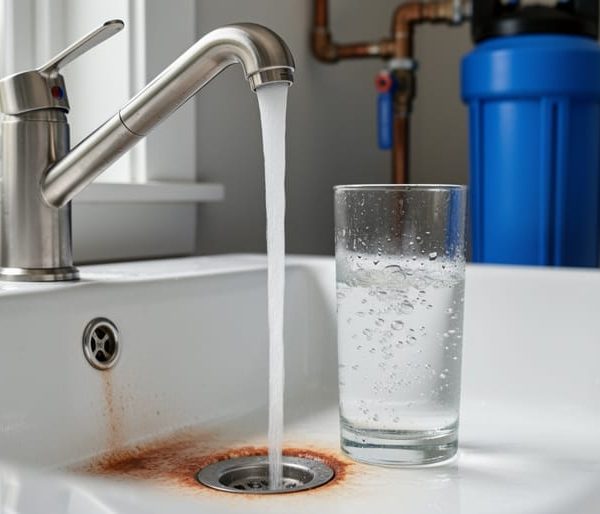
If you’ve noticed telltale blue-green stains around your faucets, drains, or sinks, your home may be dealing with acidic water. This distinctive discoloration occurs when low pH water corrodes copper pipes, leaching metals into your supply. Other warning signs include a sharp metallic or sour taste, pinhole leaks in plumbing, and rapid deterioration of fixtures and appliances.
Acidic water poses both health concerns and expensive infrastructure damage. When water sits below a pH of 7, it becomes corrosive, dissolving metals like copper, lead, and zinc from your pipes. This not only shortens the lifespan of your plumbing system but can introduce harmful metals into your drinking water. Common water quality issues resulting from acidic conditions include premature water heater failure, damaged appliances, and costly pipe replacements.
Acid neutralizer media offers an eco-friendly solution that addresses these problems at their source. By raising the pH to a safe, neutral range, this innovative filtration technology protects your family’s health while extending the life of your home’s entire water system, saving you thousands in potential repairs.
Installing Your Acid Neutralizer System: A Step-by-Step Overview
Choosing the Right Location and System Size
Proper placement of your acid neutralizer is crucial for optimal performance. The tank typically installs after your pressure tank but before the water heater, similar to a water softener installation. This positioning ensures acidic water gets neutralized before reaching appliances and fixtures throughout your home, preventing corrosion damage where it matters most.
Sizing your system correctly prevents both under-treatment and wasteful over-sizing. Start by testing your water’s pH level and measuring your household’s daily water consumption. A family of four typically uses 300-400 gallons daily. Match this usage with your pH reading. For moderately acidic water (pH 5.5-6.5), plan for one cubic foot of media per 10 gallons per minute flow rate. More severely acidic water (pH below 5.5) requires larger tanks with more media capacity.
Consider peak usage times too. Multiple showers, dishwashers, and laundry running simultaneously require adequate flow rates. Most residential systems range from 1.0 to 2.5 cubic feet of neutralizer media. Consulting your water test results with system specifications ensures your neutralizer handles your home’s demands while delivering safe, balanced water that protects your plumbing investment and promotes sustainable home maintenance.
Pre-Installation Preparation
Before diving into your acid neutralizer installation, proper preparation ensures a smooth process and helps you avoid common pitfalls. Start by gathering essential tools: an adjustable wrench, pipe cutter or hacksaw, Teflon tape, bucket, and towels for catching residual water. You’ll also need a water testing kit to measure your current pH level—this baseline reading helps you understand your water’s acidity and determine the right amount of media needed.
Next, locate your main water shutoff valve and turn it completely off. This critical step prevents flooding and makes the installation safe. Open several faucets throughout your home, starting with the highest floor and working down, to drain remaining water from the lines. This releases pressure and minimizes spills during installation.
Before proceeding, check your local plumbing codes. Some municipalities require permits for whole-house water treatment systems or mandate specific installation standards. A quick call to your local building department can save headaches later. Additionally, review your home’s plumbing layout to identify the best installation point—typically after your pressure tank but before any branch lines. Having everything ready beforehand transforms what could be a stressful project into a manageable weekend task that protects your home’s plumbing for years to come.

The Installation Process
Installing an acid neutralizer system might seem daunting, but with the right approach, many homeowners find it manageable, especially if you’ve tackled similar projects like a whole house filter installation. Here’s what you need to know about the process.
Start by selecting an appropriate location for your neutralizer tank, ideally after your pressure tank but before any other treatment systems. The area should have adequate clearance for maintenance access and be near a floor drain for backwash discharge. Most systems require about 18 inches of clearance around the unit.
Next, connect the inlet and outlet pipes according to the manufacturer’s specifications. The inlet typically connects to your main water line, while the outlet feeds into your home’s distribution system. Use proper fittings and ensure all connections are secure to prevent leaks. The system operates under pressure, so quality installation is essential.
The backwash drain setup is critical for proper operation. This drain line carries away acidic water and sediment during the cleaning cycle. Install it according to local plumbing codes, ensuring it has an air gap to prevent contamination. The drain should flow freely to a suitable discharge point like a floor drain or sump.
Before filling the tank with neutralizing media, rinse the media thoroughly to remove any dust. Follow the manufacturer’s guidelines for the correct amount, typically filling the tank about two-thirds full. Calcite or calcite-blend media is most common.
Finally, initiate the system startup by running a backwash cycle. This removes remaining dust and prepares the media bed. Allow water to flow through your taps for several minutes until it runs clear, ensuring the system is functioning properly and water quality meets expectations.
Maintaining Your Acid Neutralizer Media for Long-Term Performance
Monthly and Quarterly Check-Ups
Staying on top of regular check-ups ensures your acid neutralizer continues protecting your plumbing and delivering balanced water quality. Monthly inspections should begin with testing your water’s pH level using simple test strips or a digital pH meter. Ideally, your water should measure between 7.0 and 8.5 after treatment. If pH levels fall outside this range, your media may need replenishment.
During these monthly checks, inspect visible connections and the tank exterior for any signs of moisture or leaking. Even minor drips can indicate seal issues that require attention. Monitor your water pressure at various household fixtures, as significant drops might suggest media compaction or filter clogging.
Every quarter, observe your system’s backwash cycle to ensure it’s completing properly. The backwash should run clear by the end of the cycle, indicating effective media cleaning. This routine system maintenance helps catch small issues before they become costly problems, extending your neutralizer’s lifespan while maintaining optimal water quality for your household and the environment.

When and How to Replenish Media
Knowing when to replenish your acid neutralizer media is essential for maintaining optimal water quality and protecting your home’s plumbing. Your system will give you clear signals when it’s time for fresh media.
The most obvious sign is declining pH levels in your treated water. If regular testing shows your water pH dropping back toward acidic levels (below 7.0), your media has likely exhausted its neutralizing capacity. You might also notice slower water flow rates through your system, indicating that the media has broken down into smaller particles that restrict water movement. Additionally, a return of previous water quality issues—like blue-green staining on fixtures or a metallic taste—suggests your media is no longer effectively neutralizing acidity.
How often you’ll need to replace media depends largely on your water’s acidity level and household water usage. Homes with mildly acidic water might go 3-5 years between replacements, while those dealing with very acidic water (pH below 5.5) may need annual replenishment. High water usage naturally depletes media faster, as does water with elevated carbon dioxide levels.
The replenishment process is straightforward but requires some physical effort. First, shut off your water supply and relieve system pressure. Disconnect the tank and carefully remove spent media—it’s become a fine, chalky material by this point. Rinse the tank interior thoroughly before adding fresh media according to manufacturer specifications. This is also an excellent opportunity to inspect and clean system components, ensuring everything functions properly when you bring your eco-friendly water treatment system back online.
Cleaning and Sanitizing Your System
Keeping your acid neutralizer system clean is essential for preventing bacterial growth and maintaining water quality. Most manufacturers recommend a deep cleaning once or twice per year, depending on your water usage and quality conditions.
To sanitize your system, start by turning off the water supply and releasing pressure from the tank. Mix a solution of household bleach and water, typically one cup of unscented bleach per ten gallons of tank capacity. Pour this solution into the mineral tank through the top opening, ensuring it covers the media bed. Let the solution sit for at least four hours, or overnight for a more thorough disinfection.
After the contact time, initiate a complete backwash cycle to flush out the bleach solution. Run several rinse cycles until you no longer detect any chlorine odor in the water. This typically requires 20 to 30 minutes of continuous flushing. Some homeowners prefer using specialized water system cleaners designed for neutralizer tanks, which can be gentler on the media while still effectively eliminating bacteria and biofilm buildup.
Between deep cleanings, monitor your system for signs of bacterial growth, such as musty odors or slimy residue around tank openings. Proper ventilation in your utility area helps prevent moisture buildup that encourages microbial activity. If you notice persistent issues despite regular cleaning, consider having your water tested for bacteria and consulting with a water treatment professional to identify underlying causes. Regular sanitizing protects both your investment and your household’s water safety.
Troubleshooting Common Issues with Neutralizer Media
Media Channeling and How to Fix It
Over time, you might notice your acid neutralizer isn’t working as effectively as it once did. This could be due to media channeling, a common issue where water creates narrow pathways through the media instead of flowing evenly throughout the tank. When channeling occurs, water rushes through these preferential routes, bypassing most of the neutralizing media and leaving your water acidic.
Channeling typically happens when media settles unevenly or becomes compacted from months of operation. Vibrations from the system’s backwash cycles, settling over time, or insufficient initial media distribution during installation can all contribute to this problem.
The good news? Fixing channeling is straightforward. First, shut off your system and depressurize the tank. Remove the tank head carefully and use a clean stick or rod to gently stir and redistribute the media, breaking up any compacted areas. Ensure the media is level and evenly distributed throughout the tank. This simple maintenance task, performed annually or when you notice declining performance, restores your system’s effectiveness and ensures your water receives proper treatment throughout its entire journey through the neutralizing media.
Dealing with Hard Water Buildup and Sediment
While acid neutralizer media effectively raises water pH, it can introduce an unexpected side effect: increased hardness. As water passes through calcite or other neutralizing minerals, it dissolves calcium and magnesium, which can lead to water hardness concerns like scale buildup on fixtures and appliances. If you notice white deposits or soap doesn’t lather well after installing your neutralizer, this might be the culprit.
To address this issue, consider adding a water softener or salt-free conditioner after your neutralizer tank. This post-treatment approach tackles both acidity and hardness without compromising your system’s performance. Some homeowners find that the moderate hardness increase is manageable and doesn’t require additional treatment, especially if their source water wasn’t previously soft.
Sediment accumulation is another common challenge. Over time, fine particles can settle at the bottom of your neutralizer tank or migrate into your plumbing. Installing a sediment pre-filter before your neutralizer protects the media and extends its lifespan. These filters are inexpensive and easy to maintain, typically requiring cartridge changes every three to six months.
During backwashing cycles, you may notice cloudy water initially, which is normal as sediment gets flushed out. However, persistent cloudiness suggests you need more frequent backwashing or a pre-filter upgrade. Regular maintenance prevents buildup from reducing your system’s efficiency and ensures your water quality remains consistently high.
The Environmental and Economic Benefits of Proper Care
Maintaining your acid neutralizer system isn’t just about protecting your plumbing—it’s an investment in both environmental sustainability and long-term household savings. When these systems function properly, they create a ripple effect of benefits that extend far beyond water quality.
Consider the environmental impact of corroded pipes. Acidic water gradually dissolves copper, lead, and other metals from plumbing infrastructure, allowing these contaminants to enter your water supply and eventually the broader ecosystem. A well-maintained neutralizer system prevents this metal leaching, protecting both your family’s health and local water sources from contamination. Additionally, by stopping corrosion before it starts, you’re preventing the need for premature pipe replacements—keeping tons of metal waste out of landfills over your home’s lifetime.
The economic advantages are equally compelling. While a bag of calcite media costs roughly 30 to 50 dollars and lasts one to three years, the alternative expenses add up quickly. Replacing corroded pipes can run into thousands of dollars, while water heaters, dishwashers, and washing machines subjected to acidic water often fail years before their expected lifespan. Homeowners with untreated acidic water frequently resort to bottled water for drinking and cooking, spending hundreds annually on plastic bottles that ultimately contribute to environmental waste.
By comparison, the minimal maintenance costs of checking pH levels monthly and replenishing media as needed represent a fraction of these expenses. Many homeowners report their neutralizer systems pay for themselves within the first year simply through extended appliance life and eliminated bottled water purchases. This makes proper acid neutralizer care one of the most cost-effective and environmentally responsible choices you can make for your home’s water system.
Understanding acid neutralizer media is a fundamental step toward protecting your home’s plumbing and improving your water quality. Whether you’re dealing with acidic well water that threatens your pipes or simply want to create a healthier home environment, knowing how this eco-friendly filtration technology works empowers you to make informed decisions about your water treatment needs.
Taking charge of your water quality through proper installation and consistent maintenance isn’t just about protecting your investment in appliances and plumbing. It’s about embracing sustainable home stewardship that benefits your family’s health and reduces the environmental impact of premature pipe replacements and costly repairs. Regular water testing, typically every six to twelve months, gives you the knowledge to adjust your system before problems arise.
The good news is that maintaining an acid neutralizer system doesn’t require extensive technical expertise. With basic understanding and a commitment to simple routine checks, you can ensure your system operates efficiently for years to come. By monitoring media levels, checking backwash cycles, and staying alert to changes in water taste or appearance, you’re not just maintaining equipment but actively participating in creating a healthier, more sustainable household. Your proactive approach to water quality makes a meaningful difference for both your family and the environment.