Radionuclides rank among the most concerning yet least understood invisible contaminants in tap water. These radioactive elements—including radon, uranium, and radium—occur naturally in groundwater when water passes through rock formations, but they can also enter your drinking supply through industrial pollution, mining operations, and aging infrastructure. While the thought of radioactive particles flowing from your kitchen faucet might sound alarming, understanding the actual risk levels in your specific water source is essential before taking action.
Most Americans unknowingly consume trace amounts of radionuclides daily, with private well owners facing the highest exposure since these water sources bypass municipal testing requirements. The health implications depend entirely on concentration levels and exposure duration. Long-term consumption of water with elevated radionuclide levels has been linked to increased cancer risk, particularly bone cancer and kidney damage, because these elements accumulate in body tissues over time.
The good news? Testing for radionuclides is straightforward and affordable, and proven filtration technologies can effectively remove these contaminants when present above safe thresholds. This guide will walk you through identifying whether your water contains dangerous radionuclide levels, interpreting test results against EPA standards, and implementing practical solutions that protect your household without breaking the bank.
What Are Radionuclides and How Do They Get Into Your Drinking Water?
Natural vs. Man-Made Sources
Radionuclides enter your drinking water through two primary pathways: natural geological processes and human activities. Understanding the difference helps you assess your risk and take appropriate action.
Natural sources are surprisingly common. As water travels through underground rock formations and soil, it can dissolve radioactive elements like uranium, radium, and radon that have existed in the earth’s crust for billions of years. Homes built over granite bedrock or in areas with phosphate-rich soil often have higher natural radionuclide levels. These naturally occurring elements, similar to other dangerous contaminants, can seep into well water or municipal supplies drawn from underground aquifers.
Man-made contamination tells a different story. Nuclear power plants, uranium mining operations, and improper disposal of medical or industrial radioactive materials can introduce concentrated radionuclides into water systems. Hydraulic fracturing, or fracking, can also bring naturally occurring radioactive materials to the surface, where they may contaminate groundwater. Even certain agricultural practices using phosphate fertilizers can elevate radionuclide levels in nearby water sources.
The key distinction matters because natural contamination tends to be localized and predictable based on geology, while man-made sources can appear unexpectedly and at higher concentrations. Both require testing and treatment, but knowing your area’s risk profile helps you make informed decisions about protecting your household water supply.
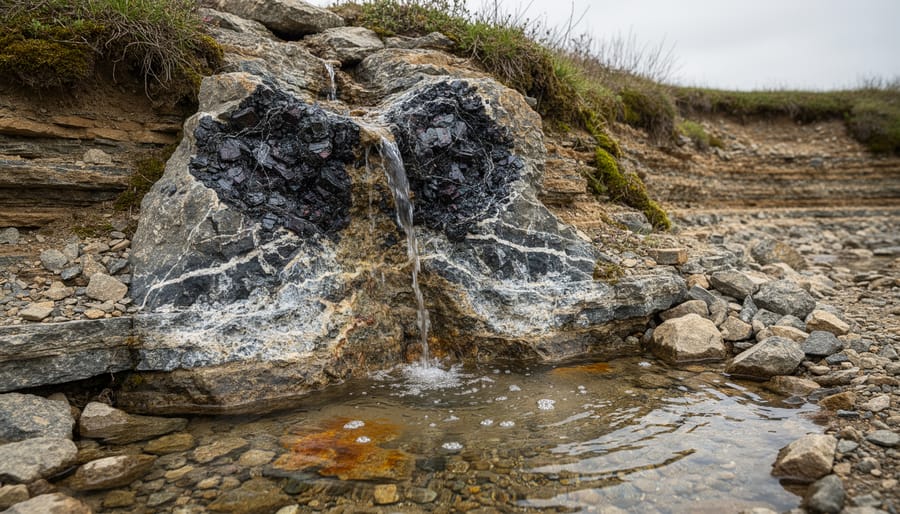
Geographic Hotspots: Is Your Area at Risk?
Radionuclide contamination isn’t distributed evenly across the United States. Certain regions face elevated risks due to their unique geological characteristics and the presence of uranium-rich rock formations.
The Midwest stands out as a significant hotspot, particularly Iowa, Illinois, and parts of Wisconsin. These states have groundwater sources that naturally contain higher levels of radium due to limestone and sandstone aquifers that interact with uranium-bearing minerals. Many rural communities relying on private wells in these areas have reported radium levels exceeding EPA standards.
Appalachian regions, including parts of Pennsylvania, West Virginia, and Kentucky, also show elevated radionuclide concentrations. The ancient rock formations here contain naturally occurring uranium and radium that gradually leach into groundwater supplies over time.
The Southwest presents another concern, with areas in Texas, New Mexico, and Arizona showing increased uranium levels. This region’s geology includes uranium deposits that were historically mined, and natural weathering continues to release these elements into aquifers.
Parts of the Northern Plains, including the Dakotas and Montana, have documented radionuclide issues linked to their sedimentary rock layers and agricultural practices that can mobilize naturally occurring radioactive materials.
If you live in these regions, testing your water becomes particularly important, especially if you rely on a private well. Your local geology plays a crucial role in determining your exposure risk, and understanding your area’s specific challenges helps you make informed decisions about protecting your household’s water quality.
The Real Health Risks: What Science Tells Us
Short-Term vs. Long-Term Exposure
When it comes to radionuclides in drinking water, understanding exposure patterns helps put health risks in perspective. Acute exposure refers to a single, high-dose event, which is extremely rare in residential water supplies. Unless you’re near a nuclear accident site or industrial spill, you’re unlikely to encounter this scenario in your tap water.
What homeowners actually face is chronic low-level exposure—consuming small amounts of radionuclides consistently over months or years. Think of it like being out in the sun: a severe sunburn happens quickly and causes immediate damage, while gradual sun exposure over decades slowly increases skin cancer risk. Similarly, drinking water with low radionuclide levels won’t cause immediate illness, but long-term consumption can incrementally increase cancer risk, particularly for certain organs like kidneys, bones, and the thyroid.
The good news? Your body naturally eliminates many radionuclides over time, and not all exposure leads to harm. Regulatory limits set by the EPA specifically account for lifetime consumption patterns, establishing maximum contaminant levels designed to keep long-term health risks minimal. If your water contains radionuclides below these thresholds, chronic exposure remains within scientifically determined safe boundaries.
Who Is Most Vulnerable?
While radionuclides in drinking water can affect anyone, certain groups face elevated health risks and should be particularly vigilant about water quality.
Children are among the most vulnerable populations because their bodies are still developing. Their rapidly dividing cells are more susceptible to radiation damage, and they drink more water relative to their body weight than adults. This means even low-level exposure can have more significant long-term effects, particularly concerning bone and thyroid development.
Pregnant women need to be especially cautious since radionuclides can cross the placental barrier and affect fetal development. Exposure during pregnancy has been linked to developmental issues and increased cancer risk for the unborn child.
Individuals with compromised immune systems, including those undergoing chemotherapy, living with autoimmune disorders, or taking immunosuppressive medications, have reduced ability to repair cellular damage caused by radiation exposure. Their bodies are less equipped to handle the oxidative stress that radionuclides create.
Elderly individuals also face heightened risk due to declining cellular repair mechanisms and potentially decades of cumulative exposure to environmental contaminants.
If you or your family members fall into these categories, testing your water and considering advanced filtration solutions becomes especially important for protecting long-term health.
How to Know If Your Water Contains Radionuclides
Reading Your Consumer Confidence Report
Every year, your municipal water supplier sends you a Consumer Confidence Report (CCR), also called a Water Quality Report. This free document is your best starting point for understanding what’s in your tap water, including radionuclides. You’ll typically receive it by mail in July or find it on your water utility’s website.
To find radionuclide information, look for a table listing contaminants. Search for entries labeled “radium,” “uranium,” “gross alpha,” or “combined radium.” The report shows the detected level (measured in picocuries per liter or pCi/L) alongside the EPA’s Maximum Contaminant Level (MCL). For example, combined radium-226 and radium-228 have an MCL of 5 pCi/L, while uranium’s limit is 30 micrograms per liter.
If your CCR shows radionuclide levels approaching or exceeding these limits, it’s one of several legitimate water quality concerns worth addressing. Don’t panic if you see trace amounts—some level of naturally occurring radioactivity is normal. However, consistently elevated readings warrant further investigation and potentially investing in appropriate filtration solutions to protect your household’s long-term health.
Testing Options for Private Wells
If you rely on a private well, you won’t receive annual water quality reports like municipal customers do, which means testing is your responsibility. The good news is that testing for radionuclides is straightforward, though it requires specialized equipment.
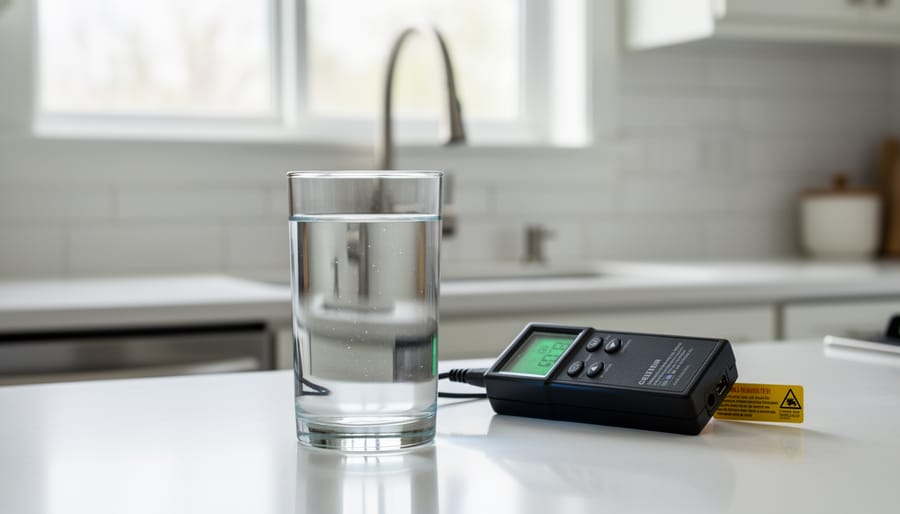
Start by contacting a state-certified laboratory that specifically tests for radioactive contaminants. Your local health department can provide a list of approved labs in your area. You’ll typically collect water samples following the lab’s instructions and mail them in for analysis. Most labs test for gross alpha particles, gross beta particles, and specific radionuclides like radium-226, radium-228, and uranium.
Testing costs vary by location and which contaminants you’re checking for, but expect to pay between $150 to $400 for a comprehensive radionuclide screening. While this might seem pricey, it’s a worthwhile investment in your family’s health and peace of mind.
How often should you test? The EPA recommends testing private wells for radionuclides at least once every three to five years, or more frequently if you live in an area with known geological uranium deposits or previous contamination issues. You should also retest after any significant changes to your well system or if you notice changes in your water’s taste, color, or odor.
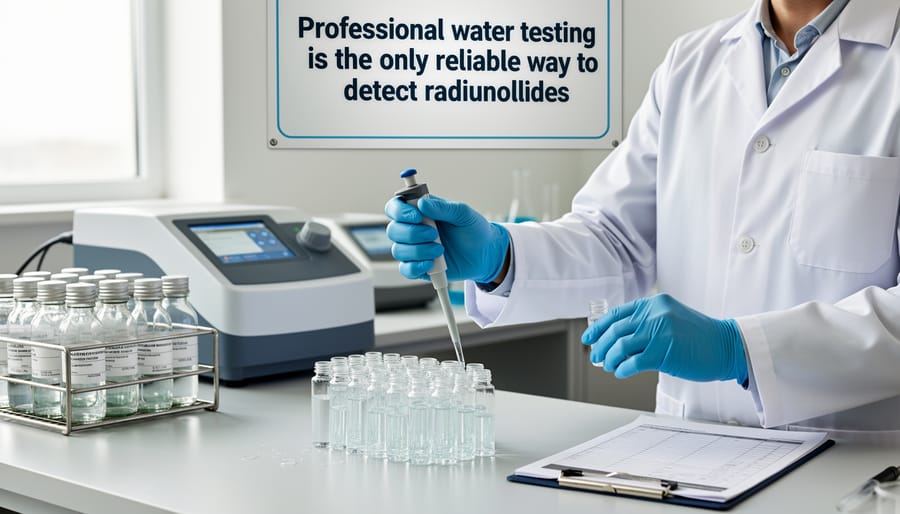
Effective Filtration Solutions That Actually Work
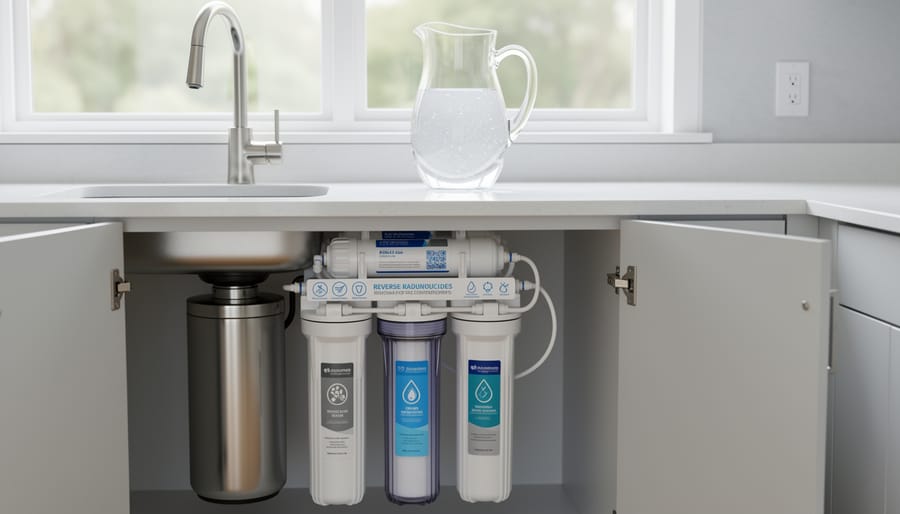
Reverse Osmosis: The Gold Standard
Reverse osmosis systems represent the most effective home treatment method for removing radionuclides from drinking water, with removal rates consistently exceeding 95% for most radioactive contaminants. This proven technology works by forcing water through a semi-permeable membrane with microscopic pores that capture radionuclides while allowing clean water molecules to pass through.
When choosing an RO system, you’ll encounter two main installation options. Point-of-use systems, typically installed under your kitchen sink, provide purified water from a dedicated faucet and are ideal for drinking and cooking needs. These compact units cost between $200-$600 and handle 50-75 gallons daily. Whole-house systems, while more expensive ($1,500-$4,000), treat all water entering your home, offering comprehensive water filtration for every tap, shower, and appliance.
Maintenance requirements are straightforward but essential for optimal performance. Pre-filters need replacement every 6-12 months to protect the RO membrane from sediment and chlorine. The RO membrane itself, the heart of the system, should be replaced every 2-3 years depending on water quality and usage. Post-filters require annual changes. Most modern systems include indicator lights or monitors that alert you when replacements are due.
Beyond radionuclide removal, RO systems eliminate numerous other contaminants including heavy metals, pesticides, and dissolved solids, making them an excellent long-term investment in your family’s health and well-being.
Alternative Treatment Methods
Beyond reverse osmosis, several effective treatment methods can remove radionuclides from your drinking water, each with specific strengths depending on which contaminants you’re targeting.
Ion exchange water softeners excel at removing radium, one of the most common radioactive contaminants in groundwater. These systems work by swapping harmful minerals for harmless sodium or potassium ions. While primarily designed for softening hard water, they’re particularly effective against radium-226 and radium-228. However, they’re less effective for uranium or radon.
Activated alumina filters are your best choice for uranium removal, capturing up to 95% of this radioactive element. These filters use specially treated aluminum oxide that attracts and traps uranium particles as water passes through. They also handle some radium, making them a solid dual-purpose option for wells in uranium-rich geology.
Distillation systems provide the most comprehensive protection by removing virtually all radionuclides, including radon gas. These units boil water and capture the steam, leaving contaminants behind. While highly effective, distillation requires more energy and produces water more slowly than other methods. Consider your specific water test results when choosing the most practical and eco-friendly solution for your home’s needs.
What Doesn’t Work: Common Misconceptions
When dealing with radionuclides in your water, it’s important to understand that many popular filtration methods simply won’t protect you, potentially leading to wasted money and a false sense of security.
Standard carbon filters, while excellent for removing chlorine and improving taste, cannot capture radioactive particles. These filters work through absorption, which is ineffective against most radionuclides. Similarly, boiling water is a common misconception. While boiling kills bacteria and viruses, it actually concentrates radionuclides as water evaporates, potentially making the problem worse.
Basic pitcher filters, though convenient and affordable, lack the advanced technology needed to remove radioactive contaminants. These typically use simple activated carbon or basic ion exchange resins designed for taste improvement and minor contaminant reduction, not radionuclide removal.
Even some point-of-use filters marketed as “comprehensive” may not specifically target radionuclides. Without certification for removing these specific contaminants, you’re essentially relying on hope rather than proven science.
The good news? Effective solutions do exist. Reverse osmosis systems, specialized ion exchange filters, and activated alumina filters have demonstrated effectiveness against various radionuclides. When shopping for water treatment, always verify that products are certified specifically for radionuclide removal rather than assuming general filtration claims will protect your family.
Taking Action: Your Step-by-Step Protection Plan
Protecting your family from radionuclides in drinking water doesn’t have to be overwhelming. Here’s your practical roadmap to water safety.
Start by testing your water, especially if you rely on a private well or live in an area with known geological uranium deposits. Contact your local water utility for their Consumer Confidence Report, which includes radionuclide testing results. For private wells, order a certified lab test specifically for radionuclides including radium-226, radium-228, and uranium. Testing typically costs between $150-300 and should be done every three to five years, or whenever you notice changes in water taste or quality.
Once you receive your results, compare them against EPA Maximum Contaminant Levels: 5 picocuries per liter for combined radium and 30 micrograms per liter for uranium. Levels approaching or exceeding these standards warrant immediate action.
For elevated radionuclide levels, reverse osmosis filtration offers the most effective home solution, removing 95-98% of radioactive particles. Look for systems certified by NSF International for radionuclide reduction. Ion exchange systems also work well, particularly for radium. Installation typically requires a professional, though some homeowners comfortable with plumbing can handle simpler models.
Maintaining your filtration system is crucial for continued protection. Replace filters according to manufacturer schedules, usually every six to twelve months depending on water usage and contamination levels. Keep records of filter changes and annual water tests to track system performance.
Stay informed about your local water quality by signing up for alerts from your water utility and following your state’s drinking water program updates. Many states now offer online databases showing contamination trends in your area.
Remember, addressing radionuclide contamination is an investment in long-term health. While initial costs may seem significant, modern filtration technology makes protection accessible and effective. Take that first step today by requesting your water quality report or scheduling a professional test. Knowledge empowers you to make informed decisions about your family’s water safety.
Understanding radionuclides in your drinking water might seem overwhelming at first, but the good news is that this challenge is entirely manageable with the right approach. Armed with knowledge about what radionuclides are, where they come from, and how they can affect your health, you’re already taking an important step toward protecting your family’s wellbeing.
The key to addressing radionuclide contamination lies in taking proactive action. Start by testing your water through a certified laboratory, especially if you rely on well water or live in an area known for geological uranium deposits. Once you understand your water quality, you can make informed decisions about the most effective filtration solutions for your specific situation.
Modern water treatment technologies, from reverse osmosis systems to innovative filtration methods, offer reliable ways to remove radionuclides and provide peace of mind. By staying informed about your water quality and investing in appropriate solutions, you’re not just solving a problem—you’re making a conscious choice to prioritize your family’s health and embrace sustainable living practices. Remember, clean water is foundational to healthy living, and taking control of your water quality is one of the most empowering decisions you can make for your household.