Your household generates 50-80 gallons of reusable water every single day through showers, bathroom sinks, and washing machines—water that’s clean enough to irrigate your landscape but typically flows straight into the sewer system. A greywater reuse system captures this lightly-used water and redirects it to your yard, cutting outdoor water consumption by up to 40% while keeping your plants thriving even during drought restrictions.
These systems work by diverting water from specific household drains through basic filtration before delivering it to gardens, lawns, or ornamental plants through subsurface irrigation lines. Modern greywater technology has evolved far beyond DIY bucket systems, now offering automated solutions with smart monitoring that adjust flow based on soil moisture levels and weather conditions. For environmentally-conscious homeowners facing rising water bills and increasing climate uncertainty, these systems represent a practical entry point into sustainable water management.
The question isn’t whether greywater reuse makes environmental sense—it clearly does—but whether it fits your property, local regulations, and lifestyle. Understanding the difference between simple laundry-to-landscape setups and comprehensive whole-house systems helps you match the right technology to your needs. With installation costs ranging from a few hundred to several thousand dollars depending on complexity, knowing what you’re getting into ensures your investment delivers both water savings and peace of mind without compromising safety or convenience.
What Is a Greywater Reuse System?
Every time you take a shower, wash dishes, or run a load of laundry, your home produces what’s called greywater. This is the relatively clean wastewater from your bathroom sinks, showers, bathtubs, and washing machines. Unlike blackwater, which comes from toilets and contains human waste and harmful pathogens, greywater is much safer to work with and represents a valuable resource that typically goes straight down the drain.
A greywater reuse system captures this lightly used water and redirects it for beneficial purposes around your home, most commonly for landscape irrigation and toilet flushing. Think of it as giving your water a second job before it leaves your property. Instead of using fresh, treated drinking water to keep your garden alive, you’re maximizing the value of water you’ve already paid for and used once.
Here’s how these systems work in simple terms. First, greywater flows from your household fixtures into a collection system, usually through modified plumbing that separates it from blackwater. Next, the water passes through a treatment stage where filters and sometimes biological processes remove soap residues, hair, lint, and other particles. The level of treatment varies depending on the system type and intended use. Finally, the cleaned greywater moves through a distribution system, either pumping to your garden through drip irrigation lines or storing in a tank for toilet flushing.
Modern greywater systems range from simple diversion setups that require minimal modification to sophisticated automated systems with sensors and smart controls. The right system for your home depends on factors like your water usage patterns, local regulations, and intended applications. While the concept might sound complex, today’s innovations have made greywater reuse more accessible and user-friendly than ever, allowing everyday homeowners to participate in meaningful water conservation without requiring extensive plumbing knowledge.
The Real Benefits of Reusing Your Household Water
Installing a greywater reuse system isn’t just an eco-friendly choice—it’s a practical investment that delivers tangible benefits to your household and the environment. Let’s break down what you can actually gain from recycling your washing machine, shower, and sink water.
The most immediate benefit shows up in your monthly water bill. The average American household uses about 300 gallons of water daily, with roughly 50-80% qualifying as greywater. By reusing this water for landscape irrigation, you could reduce your municipal water consumption by thousands of gallons monthly. For a family of four, this translates to savings of $200-500 annually, depending on local water rates. In drought-prone regions with tiered pricing structures, the savings become even more substantial.
Beyond your wallet, your septic system also reaps rewards. If you’re on septic, redirecting greywater to your yard significantly reduces the volume flowing into your drain field. This decreased load extends your system’s lifespan and reduces the frequency of pump-outs, saving you hundreds in maintenance costs over time.
The environmental impact is equally compelling. Every gallon of greywater you reuse is one less gallon drawn from rivers, lakes, or underground aquifers. During drought conditions, this conservation becomes critical. Your landscaping stays green using water that would otherwise go down the drain, while your community’s water reserves remain more stable.
Perhaps most importantly, a greywater system builds resilience into your home. When water restrictions hit your neighborhood during dry spells, your garden continues thriving on recycled household water. You’re not choosing between conservation and maintaining your landscape—you’re doing both simultaneously. This self-sufficiency offers peace of mind in an era of increasingly unpredictable water availability.
How Smart Controls Make Greywater Systems Actually Work
Automated Filtration and Treatment
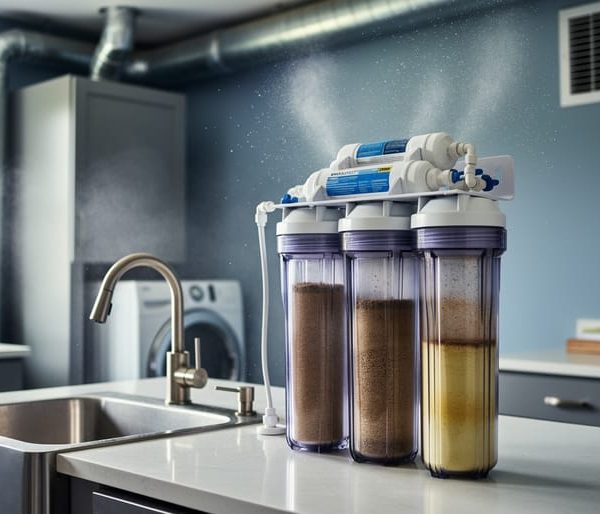
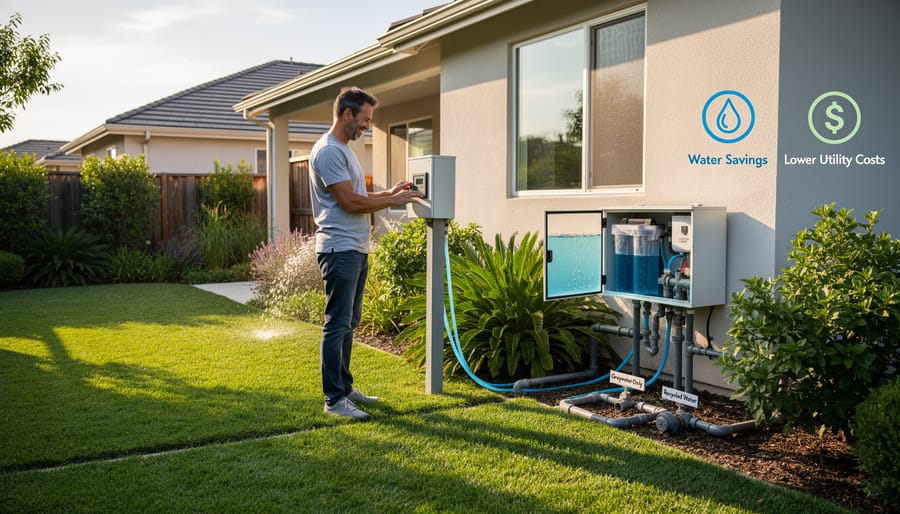
Modern greywater reuse systems take the guesswork out of water treatment through automated filtration technology. These smart systems use multiple filtration stages—typically including screens to catch hair and debris, followed by biological filters and sometimes UV disinfection—to ensure greywater meets safety standards for its intended use.
What makes these systems truly innovative is their built-in intelligence. Sensors continuously monitor water quality parameters like turbidity (cloudiness), pH levels, and organic content. When the system detects dirtier water from a load of laundry, for example, it automatically adjusts treatment intensity by increasing filtration time or activating additional cleaning stages. This ensures consistently safe water without requiring you to manually adjust settings.
The filtration process happens quietly in the background, usually in a compact unit installed in your garage or basement. Most systems include self-cleaning filters that backwash automatically, reducing maintenance to simple quarterly checks. Some advanced models even send alerts to your smartphone when filter replacement is needed or if water quality falls outside acceptable ranges.
This automation means you can confidently reuse greywater for irrigation or toilet flushing without worrying about water safety or spending time managing the system manually.
Intelligent Distribution Controls
Modern greywater systems feature intelligent distribution controls that act as the brain of your setup, making smart decisions about where your recycled water goes. These automated controls monitor several factors simultaneously: how much greywater is available in your storage tank, current water quality readings, and which household applications need water at any given moment.
The system prioritizes water distribution based on preset parameters you can customize. For example, during summer months when your garden needs regular watering, the controls might direct more greywater toward your irrigation system. In winter, that same water could be rerouted to flush toilets instead. The beauty of this technology is that it happens automatically without you lifting a finger.
Quality sensors within the system continuously check the greywater for contaminants and turbidity levels. If water quality drops below safe thresholds for a particular use, the smart controls will redirect it to more appropriate applications or trigger filtration processes. Some advanced systems even connect to weather forecasts, pausing irrigation before predicted rainfall to maximize efficiency.
These controls typically include user-friendly interfaces—often smartphone apps—that let you monitor your water savings, adjust distribution preferences, and receive maintenance alerts, making sustainable living remarkably convenient.
Types of Greywater Reuse Systems for Homes
Basic Laundry-to-Landscape Systems
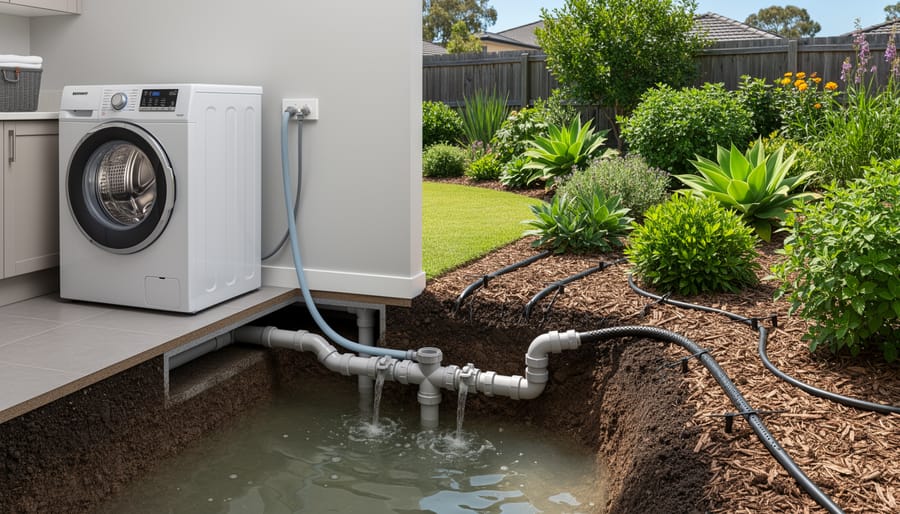
If you’re just getting started with water conservation, a basic laundry-to-landscape system is your most accessible entry point. This straightforward setup diverts water from your washing machine directly to your garden or landscape plants with minimal modifications to your home.
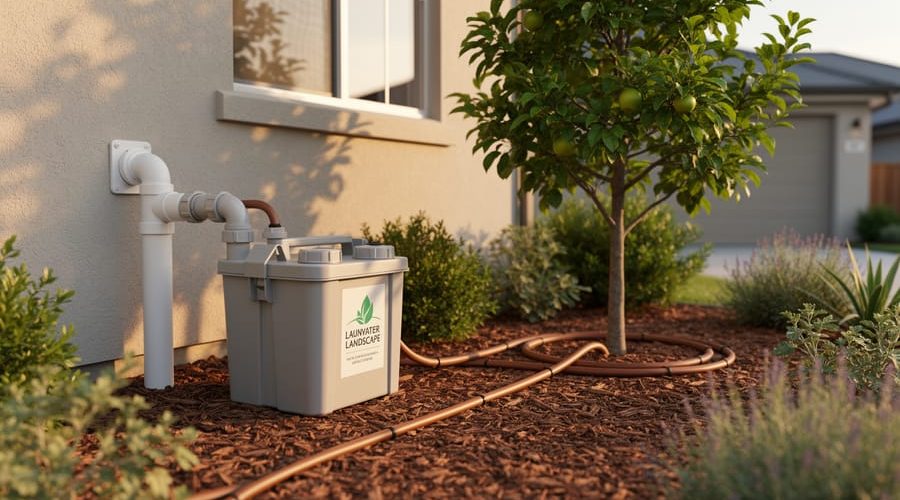
The beauty of this system lies in its simplicity. You’ll connect a three-way valve to your washing machine’s drain hose, allowing you to switch between sending water to the sewer and directing it outdoors. The greywater flows through garden hoses or irrigation tubing to mulch basins around trees, shrubs, and other ornamental plants. No pumps, filters, or storage tanks are required, keeping costs typically under $200 for DIY installations.
This approach works because washing machines already pump water under pressure, eliminating the need for additional equipment. However, you’ll want to choose plant-friendly, low-sodium laundry detergents without harsh chemicals or bleach to protect your soil and vegetation.
Most homeowners can install these systems over a weekend with basic tools. Since the water goes directly into the ground through mulch and isn’t stored or sprayed, many municipalities have simplified permitting requirements compared to more complex greywater systems, making this an excellent starting point for eco-conscious water savers.
Branched Drain Systems
Branched drain systems represent a practical middle-ground option for homeowners wanting to expand their greywater recycling beyond single-source setups. These systems collect water from multiple fixtures like showers, bathroom sinks, and washing machines, directing it through simple filtration before distribution to your landscape. Unlike basic laundry-to-landscape systems, branched drain networks use gravity-fed pipes that split into multiple outlets, allowing you to irrigate larger garden areas without pumps or electricity.
What makes these systems particularly attractive for existing homes is their relatively straightforward installation and minimal maintenance requirements. The basic filtration typically involves mesh screens or settling tanks that remove lint, hair, and larger particles before the water reaches your plants. You’ll need to ensure your yard has adequate slope for gravity flow and that receiving plants can handle the water volume and soap residues. While more complex than entry-level systems, branched drain setups remain accessible for homeowners who want meaningful water savings without the cost and complexity of fully automated greywater treatment systems.
Fully Automated Smart Systems
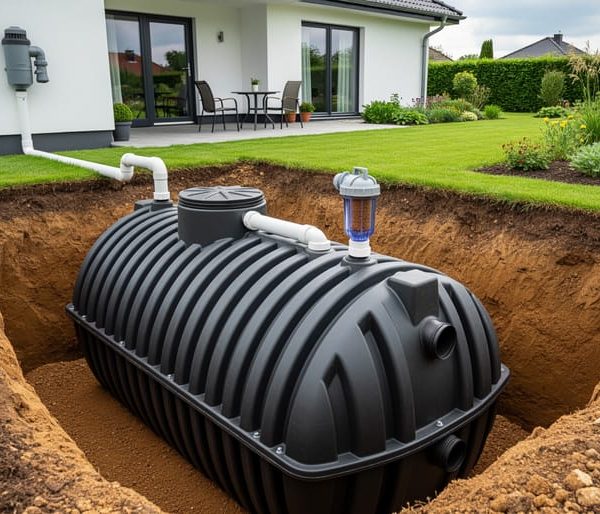
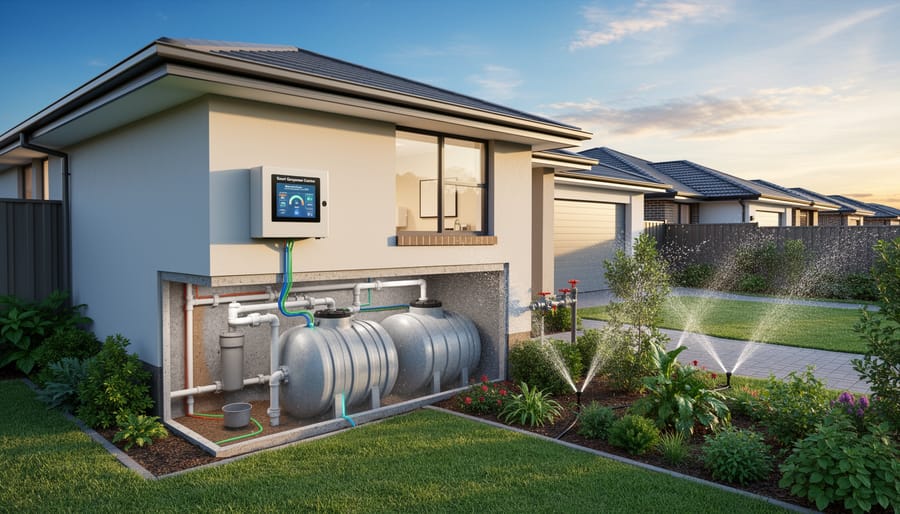
For homeowners seeking maximum water conservation with minimal effort, fully automated smart systems represent the pinnacle of greywater technology. These comprehensive setups include multi-stage filtration, pumps that distribute water exactly where needed, insulated storage tanks, and sophisticated electronic controls that manage everything automatically.
The real game-changer is the smart technology. Modern systems feature sensors that monitor water quality, adjust treatment levels based on contamination, and even connect to your smartphone for remote monitoring. You’ll receive alerts if maintenance is needed, track exactly how much water you’re saving, and customize settings for different seasons or household sizes.
These systems can handle all household greywater sources simultaneously and redirect treated water to toilets, irrigation systems, and outdoor cleaning tasks. While they require the highest upfront investment—typically between $5,000 to $15,000 installed—they deliver the greatest environmental impact and long-term savings. They’re particularly valuable for larger households or properties with extensive landscaping. The automation means you’ll enjoy sustainable living without adding daily tasks to your routine, making water conservation genuinely effortless.
What You Can (and Can’t) Do With Greywater
Greywater offers fantastic opportunities for water conservation, but it’s essential to understand where it can safely be used and where it shouldn’t go. Think of greywater as water that’s good enough for some purposes but not clean enough for others.
The best and most common use for greywater is landscape irrigation. Your lawn, ornamental plants, shrubs, and trees can all thrive on greywater from your washing machine, shower, or bathroom sink. Modern greywater systems can also redirect this water to flush toilets, cutting your household water consumption significantly. Some homeowners use greywater for washing outdoor surfaces or watering non-edible gardens, making it a versatile resource for outdoor needs.
However, there are important restrictions to keep in mind for safety reasons. Never use greywater on vegetable gardens, fruit trees, or any edible plants where the water might contact the parts you’ll eat. The trace amounts of soap, bacteria, and other contaminants in greywater aren’t suitable for food production. Greywater should never be used as drinking water or for cooking, even after filtration through a home system.
Additionally, avoid spray irrigation systems near patios, decks, or other living spaces where people gather. Spray creates tiny droplets that can be inhaled or come into contact with skin, potentially exposing your family to contaminants. Subsurface drip irrigation or ground-level distribution methods are much safer alternatives.
It’s also worth noting that greywater shouldn’t be stored for more than 24 hours, as bacteria multiply quickly in standing water. When used properly within these guidelines, greywater becomes a practical, eco-friendly solution that conserves precious drinking water while keeping your landscape healthy and green.
Is a Greywater System Right for Your Home?
Before investing in a greywater system, it’s important to honestly evaluate whether it aligns with your home’s specific circumstances and your conservation goals.
Your property size and outdoor irrigation needs are the first considerations. Greywater systems work best for homes with yards, gardens, or landscapes that require regular watering. If you live in an apartment or have minimal outdoor space, the investment may not provide enough return. A typical household generates 50-80 gallons of greywater daily, so you’ll need enough vegetation to absorb this volume without creating standing water or oversaturation issues.
Local regulations vary significantly and can make or break your decision. Some municipalities embrace greywater reuse with straightforward permitting processes, while others prohibit it entirely or impose strict requirements that increase installation costs. Contact your local building department before making plans, as unpermitted systems can create legal headaches and complicate future home sales.
Your soil type matters considerably. Sandy, well-draining soil handles greywater efficiently, while heavy clay soil may become waterlogged and create drainage problems. Poor drainage can lead to unpleasant odors and potential health concerns, undermining the system’s benefits.
Budget is another practical factor. Simple laundry-to-landscape systems might cost just a few hundred dollars for DIY installation, while sophisticated whole-house systems with filtration and pumps can run several thousand dollars. Calculate your potential water savings against installation and maintenance costs to determine your payback period.
Greywater systems make the most sense for environmentally-conscious homeowners in water-scarce regions who have suitable outdoor space and favorable local regulations. They’re less practical for those with tiny yards, restrictive local codes, or minimal outdoor watering needs. Consider starting small with a simple system before committing to a larger investment.
Getting Started: Installation and Maintenance Essentials
Before diving into greywater reuse, it’s important to understand what the installation process entails and whether you can handle it yourself or need professional help.
Start by checking local regulations. Most municipalities require permits for greywater systems, and building codes vary significantly by location. Contact your city or county building department to learn about specific requirements in your area. Some regions have simplified permit processes for basic systems, while others require detailed engineering plans and inspections.
The complexity of installation depends largely on which type of system you choose. Simple laundry-to-landscape systems represent the most DIY-friendly option, often requiring just basic plumbing skills to redirect washing machine discharge directly to mulch basins around plants. These typically cost between 200 and 500 dollars in materials and can be completed in a weekend.
More sophisticated branched drain or pumped systems usually demand professional installation. These involve modifying household plumbing, installing diverter valves, and sometimes adding filtration components. Professional installation costs range from 1,500 to 5,000 dollars depending on system complexity and your home’s layout. While the upfront investment seems substantial, most homeowners recoup costs through reduced water bills within three to seven years.
Once installed, greywater systems require regular maintenance to function safely and efficiently. Plan to inspect filters monthly and clean them as needed to prevent clogs. Check distribution lines quarterly to ensure water flows evenly to all irrigation areas. You’ll also want to periodically examine mulch basins for proper drainage and refresh mulch layers annually.
The good news is that modern greywater systems are designed for minimal upkeep. Many newer installations incorporate smart monitoring technology that alerts you to potential issues before they become problems. Think of maintenance as similar to caring for a garden irrigation system rather than complex water treatment equipment.
Setting realistic expectations upfront helps ensure your greywater project succeeds. While these systems do require some investment of time and money, the environmental benefits and water savings make them increasingly popular among eco-conscious homeowners.
Greywater reuse systems represent an exciting opportunity for homeowners who want to make a meaningful impact on both the environment and their monthly expenses. By capturing and redirecting water that would otherwise flow down the drain, you can significantly reduce your household water consumption and lower your utility bills while supporting your landscape during dry periods.
The beauty of greywater systems is their flexibility. Whether you’re ready to invest in a comprehensive treatment system with advanced filtration or prefer to start with a simple laundry-to-landscape setup, there’s an option that fits your budget, technical comfort level, and property characteristics. You don’t need to overhaul your entire home to begin conserving water today.
Modern innovations have truly transformed these systems from complex projects into accessible solutions for everyday homeowners. Smart controllers now automate monitoring and distribution, removing much of the guesswork and maintenance burden that once made greywater reuse seem daunting. These cutting-edge technologies can detect water quality issues, adjust flow rates, and even send alerts to your smartphone.
Take time to assess your household’s water usage patterns, local regulations, and landscape needs. Start small if needed, and remember that even modest greywater reuse makes a difference. With today’s user-friendly systems, sustainable water management is within reach for any motivated homeowner.