Test your Massachusetts tap water immediately if you live near military bases, airports, or industrial areas where PFAS contamination is most prevalent. Contact a state-certified laboratory for analysis—Massachusetts requires specific testing protocols that meet EPA Method 537.1 standards, ensuring accurate detection of these “forever chemicals” down to parts per trillion. Request a comprehensive panel that screens for at least 6-8 common PFAS compounds including PFOA and PFOS, as limited testing may miss critical contaminants affecting your family’s health.
Massachusetts faces unique PFAS challenges, with hundreds of public and private wells already exceeding the state’s strict 20 parts per trillion drinking water standard—one of the lowest in the nation. Communities including Hyannis, Ayer, and parts of Cape Cod have documented significant contamination from decades of firefighting foam use and industrial discharge. The state’s 2020 PFAS regulations make it a leader in protective standards, yet thousands of private wells remain untested and unregulated.
Understanding your water testing options empowers you to protect your household from these persistent chemicals linked to cancer, thyroid disease, and immune system impacts. Massachusetts residents can access testing through state-certified labs with costs ranging from $150 to $400 depending on the number of compounds analyzed. The Massachusetts Department of Environmental Protection maintains updated lists of certified testing facilities and provides guidance on interpreting results, particularly important since PFAS concentrations can vary seasonally and accumulate in your body over time even at low exposure levels.
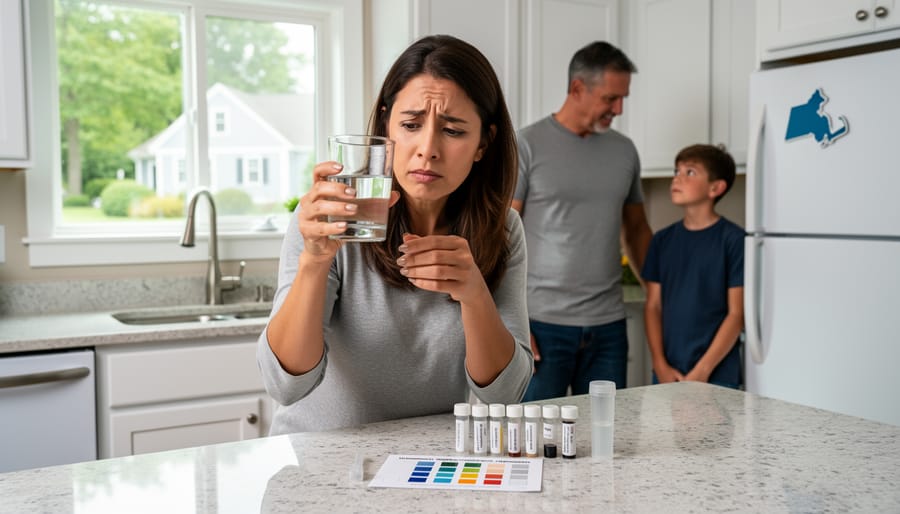
Why Massachusetts Homeowners Should Be Concerned About PFAS
PFAS Hotspots Across the State
Massachusetts has several documented PFAS hotspots where contamination levels have raised significant health concerns. Understanding these affected areas can help homeowners determine whether testing should be a priority for their household.
Cape Cod represents one of the most extensively impacted regions, particularly around Joint Base Cape Cod in Barnstable. Decades of firefighting foam use at this military installation have contaminated groundwater that feeds private wells and public water supplies. Communities including Hyannis, Mashpee, and Falmouth have detected elevated PFAS levels, prompting expanded testing and water treatment installations.
The greater Boston area has identified contamination near former manufacturing facilities in Wilmington, where industrial operations historically used PFAS compounds. Similarly, communities surrounding Hanscom Air Force Base in Bedford and Lincoln have documented concerning levels due to firefighting activities.
Western Massachusetts hasn’t been spared either. Westfield residents discovered PFAS contamination linked to nearby industrial sites, while communities around Barnes Air National Guard Base have faced similar challenges. These military installations used PFAS-containing firefighting foam for training exercises, which seeped into local groundwater systems.
North Shore communities including Ayer, Devens, and surrounding towns have also reported detections. Even areas without obvious contamination sources may have low-level PFAS from various dispersed origins, making testing valuable statewide.
If you live near any current or former military base, airport, industrial facility, or firefighting training center, your risk of exposure increases significantly. However, PFAS can travel through groundwater, affecting homes miles from the original source. When in doubt, testing provides the only definitive answer about your household’s water quality.
Health Risks You Need to Know
Understanding the health risks associated with PFAS exposure helps explain why testing your water matters. These synthetic chemicals, often called “forever chemicals” because they don’t break down naturally, can accumulate in your body over time through contaminated drinking water.
Research has linked PFAS exposure to several serious health concerns. Studies show connections to certain types of cancer, including kidney and testicular cancer. These chemicals can also interfere with your thyroid function, which regulates metabolism and energy levels throughout your body. If you’ve noticed unexplained fatigue or weight changes, contaminated water could be a contributing factor worth investigating.
Your immune system may also be affected by PFAS exposure. Scientific evidence suggests these chemicals can reduce your body’s ability to fight infections and may even decrease vaccine effectiveness in both adults and children. For pregnant women, PFAS exposure presents additional concerns, as these chemicals can affect fetal development and have been associated with pregnancy complications.
Children face particular vulnerability to PFAS because their bodies are still developing. Exposure during critical growth periods may impact their immune system development and overall health trajectory.
The good news is that knowledge empowers action. By testing your water, you’re taking a proactive step to protect your family’s health. Massachusetts residents have access to certified testing laboratories and resources to help identify potential contamination. Once you know your water’s PFAS levels, you can make informed decisions about filtration systems or alternative water sources if needed.
Understanding Massachusetts PFAS Regulations and Standards
What the 20 ppt Standard Means for Your Home
In 2020, Massachusetts became a leader in PFAS regulation by establishing a drinking water standard of 20 parts per trillion (ppt) for PFAS6—a group of six commonly detected PFAS compounds. This is one of the strictest standards in the nation, reflecting the state’s commitment to protecting public health from these persistent chemicals.
When you receive your water test results, you’ll see the total concentration of PFAS6 measured in parts per trillion. If your results show levels below 20 ppt, your water meets the current Massachusetts standard. However, some homeowners choose to take action at lower levels, as emerging research continues to reveal health concerns even at minimal exposure.
Results above 20 ppt indicate your water exceeds the regulatory limit, and remediation is recommended. Public water systems must notify customers and take corrective action when exceeding this threshold. Private well owners have the responsibility to address contamination independently.
It’s worth noting that this standard applies specifically to six PFAS compounds, but thousands of PFAS variants exist. Some testing laboratories offer expanded panels that detect additional PFAS chemicals, providing a more complete picture of your water quality and supporting a truly eco-conscious approach to protecting your household’s health.
How to Test Your Massachusetts Home for PFAS
State-Certified Laboratory Testing
When it comes to testing your Massachusetts water supply for PFAS, working with state-certified laboratories ensures reliable, legally defensible results. The Massachusetts Department of Environmental Protection maintains a list of approved laboratories certified specifically for PFAS analysis under EPA Method 537.1, which detects the most common PFAS compounds found in drinking water.
Certified labs in Massachusetts include commercial facilities like Alpha Analytical, BETA Analytic, and Advanced Testing Laboratory. Many homeowners also use nationwide services like Tap Score water testing, which partners with certified labs and simplifies the collection process with easy-to-use kits.
Testing costs typically range from $100 to $300, depending on the number of PFAS compounds analyzed. Basic tests screen for 6-18 common PFAS chemicals, while comprehensive panels can detect 40 or more compounds. Standard turnaround time runs 2-3 weeks after the lab receives your sample, though expedited options may be available for additional fees.
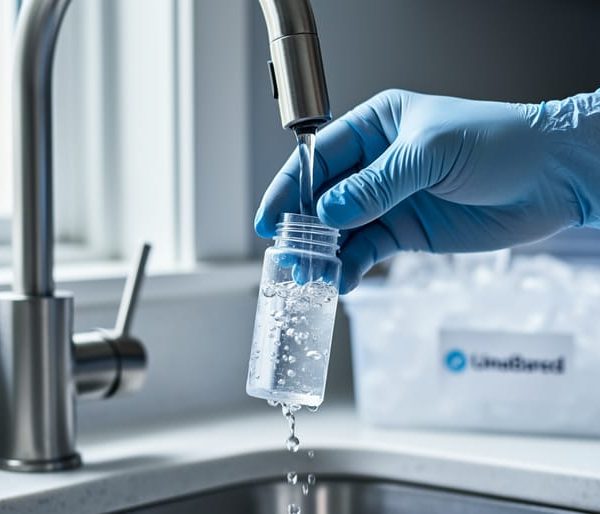
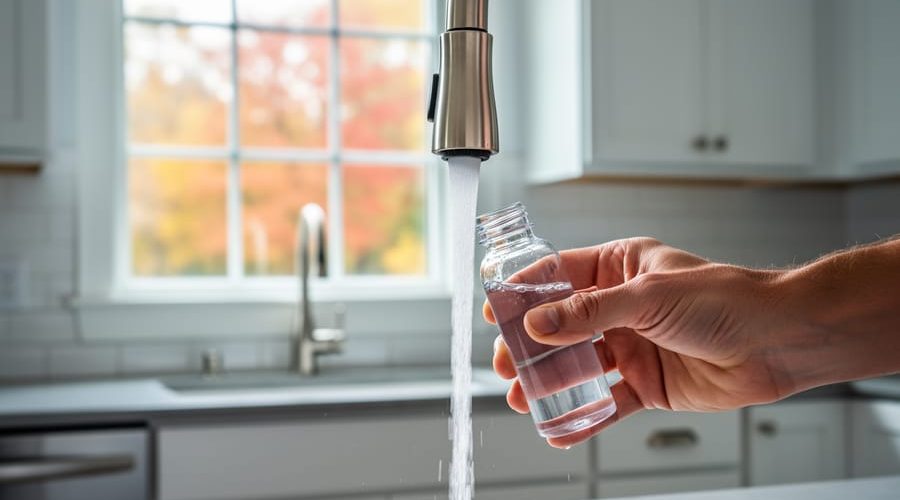
To ensure accurate results, follow these best practices. First, confirm the laboratory is Massachusetts-certified for PFAS testing by checking the state’s current list. Second, request testing for EPA Method 537.1, which includes the six PFAS compounds regulated by Massachusetts. Third, follow sampling instructions precisely, as contamination from improper collection can skew results. Most labs provide detailed protocols, but key steps include running water for several minutes before collection, avoiding contact between the container and the faucet, and using clean glass or specialized plastic bottles.
Many certified labs also offer free consultation to help you understand your results and compare them against Massachusetts drinking water standards. This expert guidance proves invaluable when determining whether treatment systems are necessary for your home.
Free and Low-Cost Testing Programs
Massachusetts residents concerned about PFAS contamination have several options for testing their water without breaking the bank. The Massachusetts Department of Environmental Protection (MassDEP) periodically offers free or reduced-cost testing programs, particularly for communities near known contamination sources like former industrial sites, military installations, and firefighting training facilities.
If you live in a high-risk area, your municipality may already be conducting regular water quality monitoring. Contact your local water department to find out if they offer free testing services to residents or if recent PFAS tests have been completed for your public water system. Many towns throughout the state have expanded their testing programs following increased awareness of PFAS contamination.
MassDEP also collaborates with community organizations to provide subsidized testing in areas where contamination has been detected. Priority is typically given to households using private wells, as these aren’t subject to the same regulatory oversight as public water systems. Private well owners should check with their local Board of Health to determine eligibility for free or discounted testing programs.
Additionally, some environmental advocacy groups occasionally sponsor community-wide testing initiatives. These programs often target neighborhoods with documented environmental concerns, making testing more accessible to residents who might otherwise forgo it due to cost. While availability varies by location and funding, checking with local environmental groups and your town’s health department can help you identify currently available programs in your area.
DIY Test Kits: Pros and Limitations
At-home PFAS testing kits offer a convenient first step for Massachusetts homeowners concerned about water quality, though they come with important trade-offs. These home water test kits typically cost between $150-$300 and provide results within 1-2 weeks after you mail your sample to a lab.
The main advantage is accessibility. You can collect samples on your schedule without coordinating with professionals, making testing less intimidating for first-time users. Many kits also screen for multiple PFAS compounds simultaneously.
However, DIY kits have limitations. They generally detect fewer PFAS types than comprehensive laboratory testing and may have higher detection limits, meaning they might miss low-level contamination. The sample collection process also introduces potential errors if instructions aren’t followed precisely.
For Massachusetts residents, DIY kits work well for initial screening or ongoing monitoring after remediation. However, if you’re testing for legal purposes, selling your home, or need definitive answers about contamination levels, certified laboratory testing through licensed professionals remains the gold standard. Consider your specific situation and how you’ll use the results when choosing your testing approach.
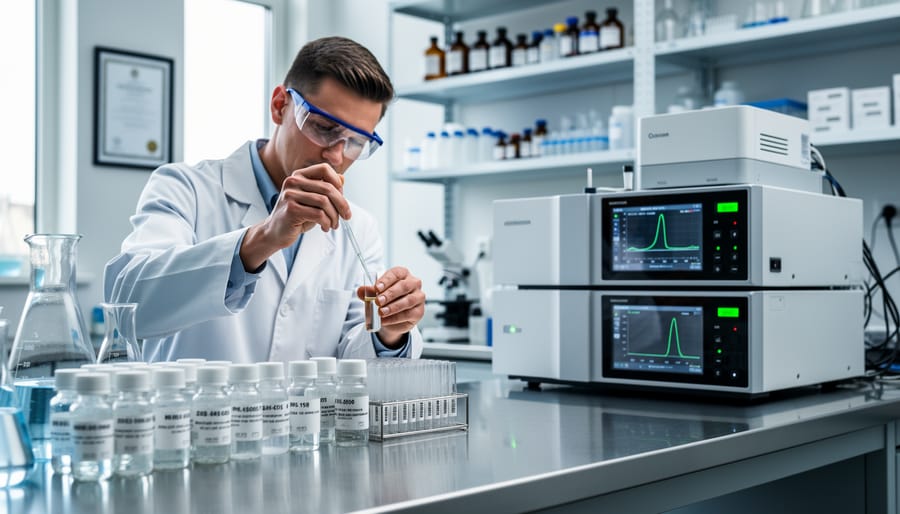
Step-by-Step: Collecting Your Water Sample
Common Sampling Mistakes to Avoid
Even the most well-intentioned testing efforts can produce unreliable results if you make common sampling mistakes. One critical error is using containers not specifically designed for PFAS testing. Regular plastic bottles or recycled containers may be contaminated with PFAS chemicals from previous use or manufacturing processes. Always use certified PFAS-free collection bottles provided by your testing laboratory.
Timing matters significantly. Avoid collecting samples immediately after heavy rain or during plumbing work, as these conditions can temporarily affect water chemistry and give misleading readings. Instead, test during normal household water usage patterns to get an accurate picture of your everyday exposure.
Another frequent mistake is touching the inside of collection containers or bottle caps with bare hands. Your skin care products, clothing, or even food packaging residue on your hands may contain PFAS that can transfer to your sample. Handle containers carefully and follow the lab’s specific collection instructions precisely.
Failing to flush your tap before collecting samples is also problematic. Run cold water for at least five minutes to clear stagnant water from pipes, ensuring you’re testing water that represents your regular supply. Following these guidelines helps ensure your test results accurately reflect your home’s water quality.
Reading and Understanding Your PFAS Test Results
When your lab report arrives, you’ll typically see a detailed breakdown of various PFAS compounds detected in your water sample. The most common “forever chemicals” you’ll encounter are PFOA (perfluorooctanoic acid) and PFOS (perfluorooctanesulfonic acid), but modern tests often screen for 20 or more different PFAS compounds.
Understanding your results starts with the numbers. Concentrations are measured in parts per trillion (ppt) or nanograms per liter (ng/L), which are equivalent measurements. To put this in perspective, one part per trillion is like a single drop of water in 20 Olympic-sized swimming pools—incredibly small amounts that still pose health concerns.
Massachusetts has set a maximum contaminant level (MCL) of 20 ppt for the combined total of six PFAS compounds: PFOA, PFOS, PFNA, PFHxS, PFHpA, and PFDA. If your lab report shows a combined total below 20 ppt, your water meets state standards. However, some health advocates and environmental organizations recommend even lower levels for maximum safety, particularly for vulnerable populations like pregnant women and young children.
Your report will list each PFAS compound individually along with its concentration. Pay attention to whether any single compound exceeds concerning thresholds, even if the total remains below 20 ppt. The EPA’s health advisory levels suggest keeping PFOA and PFOS as close to zero as practical.
Don’t confuse PFAS testing with general water quality assessments using TDS meters, which measure total dissolved solids but cannot detect specific PFAS compounds. These forever chemicals require specialized laboratory analysis to identify and quantify.
If your results show levels above 20 ppt or you’re uncomfortable with any detectable PFAS, you’ll want to explore treatment options. Even results showing “non-detect” or below detection limits provide valuable peace of mind and establish a baseline for future testing, especially as regulations evolve and detection methods improve.
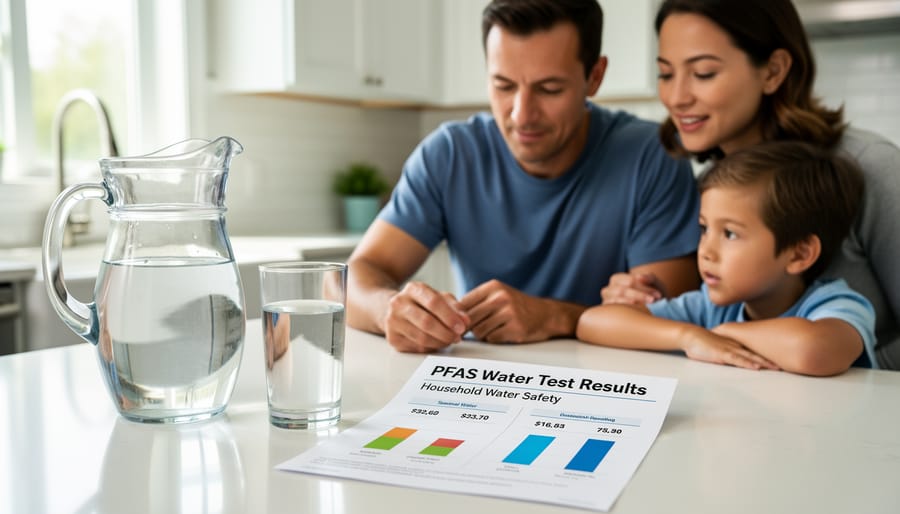
What to Do If Your Water Tests Positive for PFAS
Effective Water Filtration Options
If your water test reveals PFAS contamination, several proven filtration technologies can effectively reduce these chemicals in your home’s drinking water. Understanding your options helps you make an informed choice that fits both your budget and household needs.
Reverse osmosis systems represent the gold standard for PFAS removal, eliminating up to 99% of these persistent chemicals. These under-sink units work by forcing water through an extremely fine membrane that blocks PFAS molecules while allowing clean water to pass through. While reverse osmosis systems require professional installation and produce some wastewater during the filtration process, they provide comprehensive protection against PFAS and many other contaminants. Look for models certified by NSF International under NSF/ANSI Standard 58 with specific PFAS reduction claims.
Activated carbon filters offer a more affordable alternative, particularly those using granular activated carbon or carbon block technology. These systems trap PFAS molecules as water flows through specially treated carbon material. While generally less expensive than reverse osmosis, carbon filters require more frequent replacement and may not remove PFAS as thoroughly. For optimal performance, choose filters certified under NSF/ANSI Standard 53 for PFAS reduction, and replace cartridges according to manufacturer recommendations, typically every 3-6 months depending on your water usage.
Ion exchange systems provide another effective solution by swapping PFAS molecules for harmless ions like chloride. These systems excel at removing shorter-chain PFAS compounds that sometimes evade other filtration methods. Ion exchange units work well for whole-house applications or point-of-use installations.
Regardless of which technology you select, NSF certification is crucial. This independent verification ensures the system actually performs as advertised for PFAS removal. Remember that no filter lasts forever—establish a regular replacement schedule and consider retesting your water annually to confirm your filtration system continues protecting your family from PFAS exposure. Combining effective filtration with routine testing creates a comprehensive approach to safe drinking water in Massachusetts homes.
Reporting and Legal Resources
If your PFAS test results show contamination above Massachusetts’ strict limits, you’ll need to take immediate action. Start by reporting the contamination to the Massachusetts Department of Environmental Protection (MassDEP) through their online portal or by calling their regional office. MassDEP maintains a database of contaminated sites and can help identify potential pollution sources in your area.
Understanding liability is crucial for affected homeowners. Under Massachusetts law, companies that manufactured or discharged PFAS chemicals can be held responsible for contamination and cleanup costs. If your water source has been impacted by nearby industrial facilities, military bases, or former fire training sites, you may have legal grounds to seek compensation for property devaluation, alternative water supplies, and health monitoring.
Several resources exist to help homeowners navigate PFAS contamination. MassDEP offers technical assistance and can connect you with state-funded programs for water treatment systems. The Massachusetts Attorney General’s office has pursued multiple PFAS-related lawsuits against polluters, potentially creating avenues for affected residents to join class action suits.
For legal assistance, consider consulting environmental attorneys who specialize in water contamination cases. Many offer free initial consultations to evaluate your situation. Additionally, organizations like the Conservation Law Foundation and local environmental advocacy groups provide guidance on protecting your property value and holding polluters accountable.
Document everything, including test results, communication with authorities, and any expenses related to contamination. This documentation becomes essential if you pursue legal action or apply for government assistance programs designed to support communities facing PFAS challenges.
Testing your water for PFAS in Massachusetts isn’t just a precautionary measure—it’s an essential step in safeguarding your family’s health. With the state’s progressive regulatory framework and documented contamination across numerous communities, understanding what’s actually flowing from your tap has never been more critical. Whether you’re on a private well or municipal water system, PFAS testing provides the clarity you need to make informed decisions about your household water quality.
The good news is that testing is straightforward, affordable, and increasingly accessible throughout the state. By taking this first step, you’re not only protecting your loved ones but also contributing to the broader understanding of PFAS contamination in Massachusetts communities. Armed with your test results, you can confidently choose the right treatment solution, whether that’s a whole-house filtration system or point-of-use filters for drinking water.
Don’t wait for regulations to tighten further or contamination concerns to escalate. Empower yourself today by scheduling a PFAS water test. Your family’s long-term health depends on the actions you take now to ensure clean, safe drinking water for years to come.