The EPA’s new PFAS drinking water regulations, finalized in 2024, mark the first-ever federal limits on these “forever chemicals” in public water systems. If you’re among the millions of Americans whose water may contain PFAS—synthetic compounds linked to cancer, thyroid disease, and immune system problems—understanding these rules is your first step toward protecting your family’s health.
The regulations require public water utilities to monitor for six specific PFAS compounds and reduce levels below 4 parts per trillion for PFOA and PFOS, the most extensively studied variants. Water systems must complete initial testing by 2027 and implement treatment solutions by 2029 if contamination exceeds these thresholds. This represents a significant shift in water safety standards, but it leaves a crucial gap: the regulations don’t cover private wells or guarantee your tap water is currently safe.
These forever chemicals earned their nickname because they don’t break down naturally in the environment or human body, accumulating over decades of exposure. PFAS contamination typically stems from industrial facilities, military bases using firefighting foam, and manufacturing plants, though these chemicals have spread far beyond their original sources through groundwater and surface water migration.
For homeowners, the new regulations create both reassurance and responsibility. While public utilities face mandatory compliance, you’ll need to take proactive steps to verify your water quality, understand available treatment options, and make informed decisions about filtration systems designed specifically for PFAS removal.
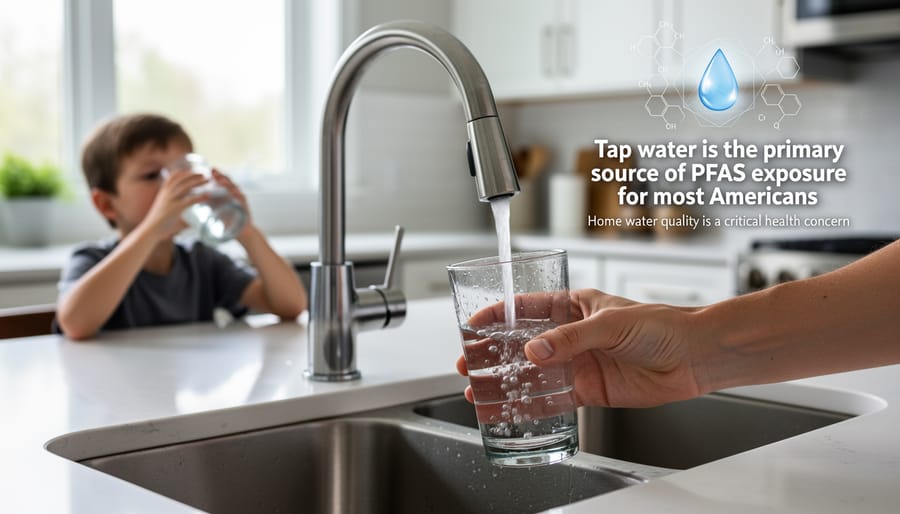
Understanding PFAS: The Forever Chemicals in Your Water
Why They’re Called ‘Forever Chemicals’
PFAS earned the nickname “forever chemicals” because they’re virtually indestructible in nature. Think of them like diamonds—while diamonds last forever because of their strong carbon bonds, PFAS molecules contain incredibly strong carbon-fluorine bonds that don’t break down through natural processes like sunlight, water, or bacteria.
When these chemicals enter the environment through industrial discharge, firefighting foam, or everyday products, they don’t decompose. Instead, they accumulate in soil, water sources, and even in our bodies. Unlike other contaminants that naturally degrade over weeks or months, PFAS can persist for thousands of years.
In the human body, PFAS behaves similarly. Once ingested through drinking water, these chemicals don’t metabolize or flush out quickly. They bind to proteins in your blood and accumulate in organs, with some varieties lingering for years. Research shows certain PFAS compounds can remain in your bloodstream for over four years.
This persistence explains why scientists and regulators take PFAS contamination so seriously. Every exposure adds to your body’s total burden, and there’s no natural reset button. That’s precisely why the new EPA regulations focus on prevention and removal—once PFAS enters our water systems, it’s incredibly challenging and expensive to eliminate.
How Widespread Is the Problem?
PFAS contamination affects far more American households than many people realize. According to recent EPA studies, PFAS chemicals have been detected in drinking water systems serving approximately 200 million Americans. These “forever chemicals” don’t discriminate by geography—they’ve been found in urban, suburban, and rural water supplies across all 50 states.
Communities near military bases, airports, and industrial facilities often show higher contamination levels due to firefighting foam use and manufacturing activities. However, testing has revealed that even seemingly pristine areas face PFAS issues. A 2023 U.S. Geological Survey study found PFAS in nearly half of the nation’s tap water samples, including private wells.
The scale of the problem extends beyond PFAS, as water systems nationwide struggle with other harmful contaminants too. Small water utilities serving fewer than 10,000 people face particular challenges, often lacking resources for comprehensive testing and advanced treatment systems.
While these numbers might seem alarming, understanding the scope helps homeowners make informed decisions about testing their water and exploring filtration solutions. The new regulations represent a crucial step toward addressing this widespread issue systematically.
Health Risks Linked to PFAS Exposure
What the Science Currently Shows
Peer-reviewed studies have established concerning connections between PFAS exposure and multiple health conditions. Research published in major medical journals shows these “forever chemicals” accumulate in your body over time, with some studies linking elevated PFAS levels to increased risks of kidney and testicular cancer.
The immune system appears particularly vulnerable to PFAS contamination. Studies demonstrate that children with higher PFAS exposure may produce fewer antibodies after routine vaccinations, potentially reducing their protection against common diseases. This immune suppression effect has prompted scientists to identify PFAS as hormone-disrupting chemicals that interfere with normal bodily functions.
Thyroid health is another significant concern. Research indicates PFAS exposure correlates with altered thyroid hormone levels, which can affect metabolism, energy levels, and overall well-being in both adults and children. Since your thyroid regulates critical body processes, these disruptions can have far-reaching consequences.
Developmental issues in children represent perhaps the most troubling findings. Scientific evidence suggests prenatal and early childhood PFAS exposure may contribute to lower birth weights, delayed development, and behavioral challenges. Some studies also link PFAS to increased cholesterol levels and liver damage.
While researchers continue investigating the full scope of health impacts, the existing evidence has convinced the EPA and health agencies worldwide that reducing PFAS exposure is essential for protecting public health, particularly for vulnerable populations like pregnant women and young children.
Vulnerable Populations
While PFAS exposure poses risks to everyone, certain groups face heightened vulnerability to these persistent chemicals in drinking water. Understanding who’s most at risk helps families make informed decisions about protecting their household’s health.
Pregnant women represent a critical vulnerable population. Research shows PFAS can cross the placental barrier, potentially affecting fetal development. Studies have linked prenatal PFAS exposure to lower birth weights, developmental delays, and impacts on the immune system. If you’re expecting or planning pregnancy, testing your water and considering filtration options becomes especially important for protecting both maternal and fetal health.
Infants and young children face elevated risks because their developing bodies absorb contaminants more readily than adults. Their smaller body size means higher concentrations per body weight, and their growing organs and immune systems are particularly sensitive during critical developmental windows. Breast milk and formula prepared with contaminated water can compound exposure during these vulnerable early years.
Individuals with compromised immune systems or pre-existing health conditions also warrant special attention. Those with kidney disease, liver problems, or thyroid disorders may experience amplified effects from PFAS exposure, as these chemicals are known to accumulate in organs and disrupt hormonal functions.
Communities near military bases, airports, or industrial sites using firefighting foam historically face higher exposure levels, making location-based vulnerability another consideration. If your home falls within these areas, proactive water testing and appropriate filtration systems offer practical steps toward reducing risk for your family’s most vulnerable members.
The New EPA PFAS Drinking Water Regulations Explained
Maximum Contaminant Levels (MCLs) for PFAS
The EPA has established Maximum Contaminant Levels for six specific PFAS compounds that commonly appear in drinking water systems across the country. These limits represent the highest concentration allowed before water utilities must take corrective action.
For PFOA and PFOS, the two most extensively studied PFAS chemicals, the EPA set the MCL at 4.0 parts per trillion (ppt). To put this in perspective, that’s equivalent to about four drops of water in an Olympic-sized swimming pool. These extremely low thresholds reflect growing scientific evidence about the health risks associated with even minimal exposure.
The EPA also regulates three additional compounds: PFNA, PFHxS, and HFPO-DA (commonly known as GenX). Each has an individual MCL of 10 ppt. For situations where multiple PFAS compounds appear together in your water supply, which happens frequently, the EPA uses a Hazard Index calculation. This approach recognizes that combined exposure to several PFAS chemicals can have additive health effects.
These regulations mark a significant shift in water safety standards. Previously, many communities had no legally enforceable limits on PFAS contamination. The new MCLs provide clear benchmarks for water quality and trigger mandatory actions when exceeded. Water utilities now must test regularly for these compounds and notify customers if levels approach or exceed these limits. If your community’s water surpasses these thresholds, utilities must implement treatment solutions to bring concentrations back to safe levels, protecting your family from long-term exposure risks.
Timeline and Compliance Requirements
The EPA’s final PFAS regulations took effect in April 2024, setting strict limits for six PFAS compounds in public drinking water systems. Water utilities now have a structured timeline to achieve compliance, which directly impacts when you’ll see improvements in your tap water.
Public water systems must complete initial PFAS testing by 2027. This monitoring phase helps utilities determine current contamination levels and identify treatment needs. If testing reveals PFAS levels exceeding the new limits, utilities must notify customers and begin developing solutions.
The compliance deadline for water systems to actually reduce PFAS to meet regulatory limits is 2029. This five-year window allows utilities time to install advanced filtration systems, secure funding, and implement treatment technologies capable of removing these persistent chemicals.
However, this timeline means homeowners in affected areas might wait several years before municipal water meets the new standards. Smaller water systems may face additional delays due to funding challenges or technical complexities. During this transition period, concerned homeowners can take proactive steps by testing their water independently and installing point-of-use filtration systems, such as reverse osmosis or activated carbon filters specifically rated for PFAS removal. These household solutions provide immediate protection while waiting for your water utility to complete infrastructure upgrades and achieve full regulatory compliance.
State vs. Federal Regulations
While the EPA has established federal PFAS limits, several states aren’t waiting for nationwide implementation and have taken the lead with even stricter standards. This patchwork of regulations means your local drinking water rules might be more protective than federal requirements, depending on where you live.
States like Vermont, New Hampshire, and Michigan have set PFAS limits lower than the EPA’s 4 parts per trillion threshold for certain PFAS compounds. For example, Vermont regulates multiple PFAS chemicals with a combined limit of 20 parts per trillion, while Michigan has established limits as low as 8 parts per trillion for PFOA and 16 parts per trillion for PFOS. California, Maine, and Massachusetts have also implemented comprehensive PFAS testing and treatment requirements ahead of federal deadlines.
This state-level leadership benefits homeowners by accelerating water quality improvements in their communities. If you’re uncertain about which regulations apply to your tap water, contact your local water utility or check your state’s environmental agency website. Understanding your specific state standards helps you make informed decisions about whether additional home filtration might provide extra protection for your family.
How to Find Out If Your Water Contains PFAS
Checking Your Local Water Quality Report
Every municipal water supplier serving more than 3,300 people must provide an annual Consumer Confidence Report (CCR) to customers, and checking your water quality through this report is easier than you might think. Start by searching online for your water utility’s name plus “water quality report” or “CCR,” or check your utility’s website directly. Many providers mail paper copies with water bills, typically between May and July each year.
When reviewing your CCR, look for the section on unregulated contaminants or emerging contaminants, where PFAS testing results often appear. Since PFAS testing isn’t yet mandatory everywhere, some reports may not include these chemicals. If PFAS data isn’t listed, contact your water supplier directly to ask if they’ve tested for these substances and request the results.
Pay attention to the units of measurement, typically parts per trillion (ppt) for PFAS. Under the new EPA regulations, combined levels of certain PFAS compounds above 4 ppt trigger action. If your supplier hasn’t tested for PFAS or if results exceed safe limits, consider independent home testing and exploring filtration solutions to protect your household.
Home Water Testing Options
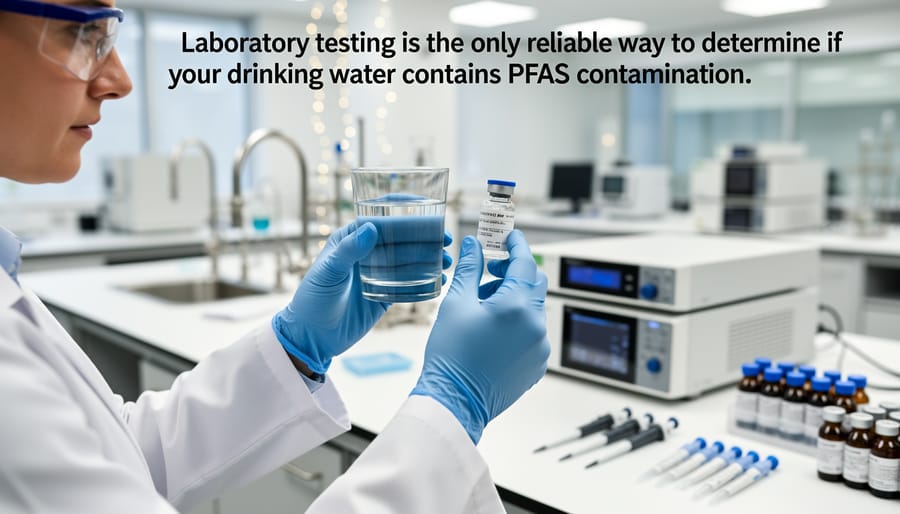
If you’re concerned about PFAS in your drinking water, home water testing is the most reliable way to know what you’re dealing with. Since these chemicals are colorless, odorless, and tasteless, testing through a certified laboratory is essential for accurate results.
Several EPA-certified labs offer PFAS testing kits designed specifically for homeowners. These kits typically cost between $150 and $400, depending on how many PFAS compounds are included in the analysis. More comprehensive panels that test for 30 or more PFAS variants will be on the higher end of this range.
The testing process is straightforward. You’ll receive a kit with collection bottles, detailed instructions, and prepaid shipping materials. Most labs recommend running your cold water tap for several minutes before collecting the sample to ensure you’re testing water that’s been sitting in your home’s pipes rather than the service line. Fill the provided bottles according to instructions, avoiding any contact with soap or contaminants, and ship them back promptly.
Results typically arrive within two to three weeks. Your lab report will show PFAS concentrations measured in parts per trillion. Compare these numbers to the EPA’s new maximum contaminant levels: 4 ppt for PFOA and PFOS individually. If your results exceed these thresholds, you’ll want to explore filtration solutions to protect your household’s health.
Proven Methods for Removing PFAS from Drinking Water
Reverse Osmosis Systems
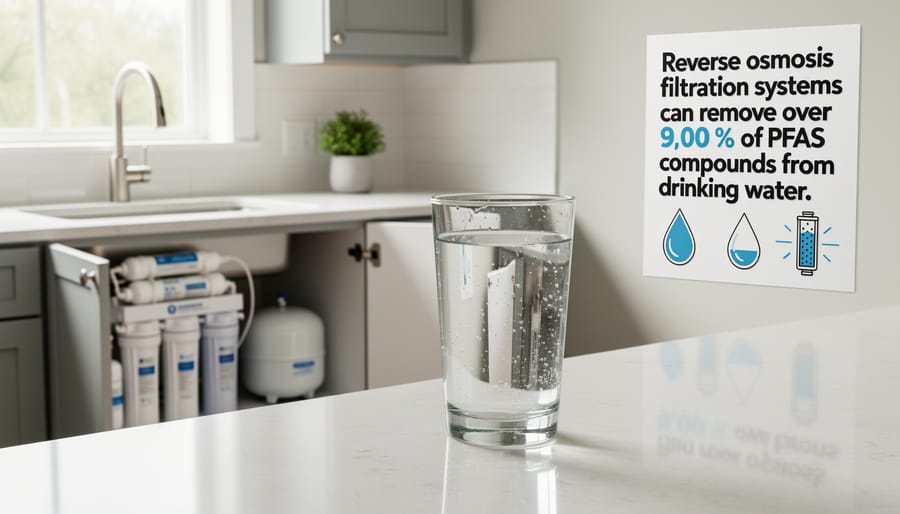
Reverse osmosis (RO) systems stand out as one of the most effective filtration systems for removing PFAS from drinking water. These advanced filtration units work by forcing water through an extremely fine semi-permeable membrane that blocks contaminants while allowing clean water molecules to pass through. The membrane’s tiny pores, typically around 0.0001 microns, are small enough to trap PFAS compounds along with many other pollutants.
Research shows that RO systems consistently achieve PFAS removal rates of 90% or higher, with many quality units reaching 95-99% effectiveness. This impressive performance makes them a reliable solution for homeowners concerned about meeting new EPA regulations and protecting their families from these persistent chemicals.
When choosing an RO system, you’ll need to decide between point-of-use and whole-house options. Point-of-use systems install under your kitchen sink and treat water at a single tap, making them more affordable and easier to maintain. They’re ideal for drinking and cooking water needs. Whole-house systems treat all water entering your home, providing comprehensive protection but requiring higher upfront costs and more complex installation.
Consider that RO systems do remove beneficial minerals along with contaminants, so some homeowners add remineralization filters. You’ll also want to factor in water waste, as traditional RO systems discharge several gallons for every gallon purified, though newer eco-friendly models have significantly improved these ratios.
Activated Carbon Filters
Activated carbon filters represent one of the most accessible and effective home treatment options for reducing PFAS contamination in your drinking water. These filters work by using a porous carbon material that traps PFAS molecules as water passes through, essentially catching these harmful chemicals before they reach your glass.
Two main types are available for homeowners: granular activated carbon (GAC) systems and carbon block filters. GAC filters contain loose carbon granules and are commonly found in pitcher filters and some under-sink systems. Carbon block filters compress the carbon into a solid form, typically offering superior PFAS removal because water moves more slowly through the dense material, allowing more contact time with the carbon surface.
The effectiveness of activated carbon filters varies significantly based on quality and design. Higher-quality filters with longer contact time between water and carbon generally remove more PFAS compounds. Look for filters certified to NSF/ANSI Standard 53 or specifically tested for PFAS reduction.
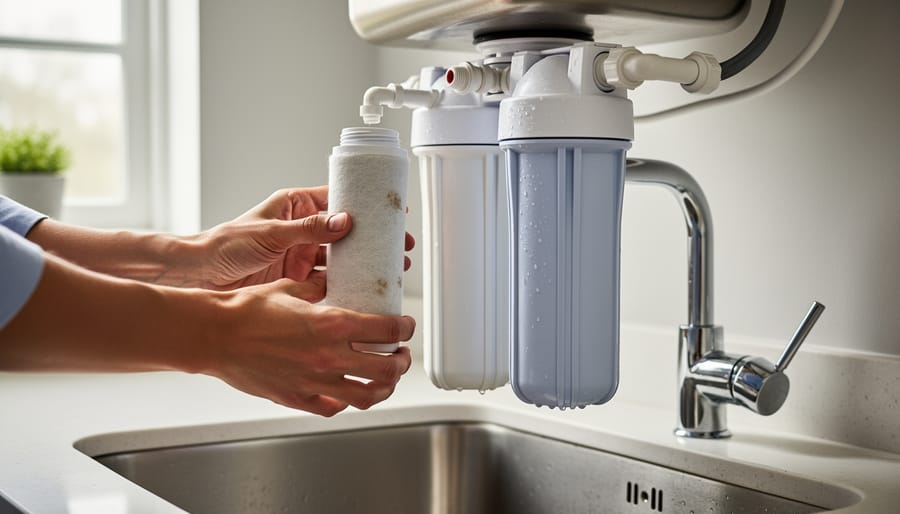
Keep in mind that these filters require regular replacement to maintain effectiveness. Once the carbon becomes saturated with contaminants, it loses its ability to trap additional PFAS. Most manufacturers recommend changing cartridges every 3-6 months depending on usage, making this an ongoing investment in your family’s health and safety.
Ion Exchange Systems
Ion exchange systems work like molecular-level filters that swap harmful PFAS molecules in your water for harmless ions, typically chloride or hydroxide. Think of it as a trade – when contaminated water passes through special resin beads, the system captures PFAS chemicals and releases safe substances in return.
This technology proves particularly effective at removing shorter-chain PFAS compounds, including PFOA and PFOS – the two compounds most commonly regulated under new EPA guidelines. The resin beads have a strong attraction to these “forever chemicals,” making ion exchange one of the more reliable household treatment options available today.
You’ll typically find ion exchange systems in two forms: whole-house units that treat water at your main line, or point-of-use systems installed under your kitchen sink. Whole-house systems protect all your taps but require more maintenance and resin replacement. Under-sink models focus on your drinking and cooking water, offering a more affordable entry point for PFAS protection.
The main consideration with ion exchange is ongoing maintenance. The resin beads eventually become saturated with PFAS and need replacement, usually every 1-3 years depending on your contamination levels. Regular replacement ensures consistent protection, making this an effective long-term solution for families concerned about PFAS exposure.
Choosing the Right PFAS Filtration System for Your Home
What to Look for: NSF Certifications
When shopping for water filters to tackle PFAS, look for products certified under NSF/ANSI Standard 53 or the newer NSF P473 protocol. These certifications aren’t just marketing badges—they represent rigorous independent testing that verifies a filter’s ability to remove specific contaminants.
NSF/ANSI Standard 53 covers health-related contaminants and includes testing for certain PFAS compounds. However, the more specialized NSF P473 certification was developed specifically for PFAS reduction, testing filters against a broader range of these chemicals. A P473-certified filter has been proven to reduce PFAS levels by at least 50%, though many exceed this minimum significantly.
Why do these certifications matter? Because manufacturers can make bold claims without backing them up. NSF certification means an independent third party has verified the filter actually works as promised. When comparing products, check the certification details—they’ll specify exactly which PFAS compounds the filter removes and the percentage reduction you can expect.
This transparency helps you make an informed choice that protects your family’s health. Without proper certification, you’re simply trusting marketing claims rather than verified performance data.
Point-of-Use vs. Whole-House Solutions
When choosing PFAS filtration for your home, you’ll encounter two main approaches: point-of-use systems and whole-house solutions. Understanding the differences helps you make the right investment for your situation.
Point-of-use filters include under-sink and countertop units that treat water at specific locations, typically your kitchen tap. These systems are more affordable, ranging from $200 to $800, and require minimal installation. They’re ideal if you primarily need clean drinking and cooking water, and they allow for easy filter replacement. The downside? They only protect one faucet, leaving other water sources untreated.
Whole-house systems filter water as it enters your home, protecting every tap, shower, and appliance. While they offer comprehensive protection and convenience, they come with higher upfront costs ($1,500 to $5,000) and require professional installation. These systems make sense for families with high PFAS contamination levels or those wanting complete household protection.
For most homeowners dealing with moderate PFAS levels, point-of-use systems provide an effective, budget-friendly starting point. However, if testing reveals significant contamination or you have health-vulnerable family members, investing in whole-house filtration offers peace of mind and total protection. Consider your water test results, budget, and household needs when making this important decision.
Maintenance and Filter Replacement
Proper maintenance is essential for your PFAS filtration system to work effectively over time. Most activated carbon and reverse osmosis filters require replacement every 6-12 months, depending on your water usage and contamination levels. Check your manufacturer’s guidelines, as filter lifespan varies significantly between systems and water conditions.
Plan for ongoing costs when choosing a filtration solution. Replacement filters typically range from $50 to $300 annually, with reverse osmosis systems generally requiring more frequent servicing than carbon-based filters. Some newer systems include smart indicators that alert you when filters need changing, taking the guesswork out of maintenance schedules.
Neglecting filter replacement can be worse than having no filter at all. Saturated filters may release trapped PFAS back into your drinking water or allow contaminants to pass through untreated. Keep maintenance records and set calendar reminders to ensure your family continues receiving clean, safe water. Consider this investment an essential part of protecting your household’s health and supporting your eco-friendly lifestyle goals.
Beyond Filtration: Reducing PFAS Exposure in Your Home
PFAS in Household Products
PFAS aren’t just lurking in your drinking water—they’re surprisingly common in everyday household products. These “forever chemicals” have been widely used in manufacturing because they repel water, grease, and stains. Understanding where they hide helps you make informed choices for your home.
Non-stick cookware is one of the most well-known sources, though many manufacturers now offer PFAS-free options using ceramic or cast iron coatings. Stain-resistant furniture and carpets often contain PFAS treatments, as do water-repellent outdoor gear and clothing. Food packaging presents another concern—many fast-food wrappers, microwave popcorn bags, and grease-resistant pizza boxes contain these chemicals, which can migrate into your food.
Safer alternatives are increasingly available. Look for cookware labeled PFAS-free or opt for stainless steel and cast iron. Choose untreated natural fiber textiles for furniture and carpets, or specifically seek out PFAS-free treatments. When buying packaged foods, select products in glass, paper, or stainless steel containers when possible.
While addressing PFAS in drinking water through proper filtration is important, reducing your overall exposure by choosing PFAS-free household products creates a more comprehensive approach to protecting your family’s health.
Supporting Clean Water Initiatives
Protecting your household water starts with community action. Homeowners play a vital role in advocating for stronger PFAS regulations and comprehensive water testing programs at the local level. Attend town hall meetings and water district board sessions to voice your concerns about emerging contaminants and request regular PFAS monitoring in municipal supplies.
Stay informed by subscribing to your water utility’s notifications and reviewing annual Consumer Confidence Reports, which detail detected contaminants and compliance with EPA standards. Many communities now offer online portals where residents can access real-time water quality data and testing schedules.
Consider joining or forming neighborhood water quality advocacy groups that can collectively push for increased testing frequency and lower PFAS detection limits. These grassroots efforts often prove effective in securing funding for advanced treatment systems and infrastructure improvements.
Support environmental organizations working on PFAS research and policy development through donations or volunteer participation. Many groups offer citizen science programs where homeowners can contribute water samples for regional contamination mapping, helping identify pollution sources and at-risk areas. By combining personal protection measures with community engagement, you create lasting change that benefits everyone’s access to clean, safe drinking water.
Understanding PFAS drinking water regulations is the essential first step in protecting your family’s health, and the good news is that effective solutions are within reach. The EPA’s new standards represent a significant advancement in safeguarding public water supplies, establishing clear limits on these persistent chemicals and requiring utilities to take action when contamination is detected.
Knowledge is power when it comes to your household’s water quality. By understanding these regulations, you’re already ahead in making informed decisions about your drinking water. Whether your water comes from a public system that will soon be required to meet these new standards, or from a private well that needs independent testing, you now know what steps to take.
The key takeaways are straightforward: familiarize yourself with the regulatory limits, test your water to understand your baseline quality, and invest in certified filtration systems if PFAS is detected. Technologies like reverse osmosis and specialized carbon filters have proven highly effective at removing these contaminants, giving you control over what flows from your tap.
Taking a proactive approach means you don’t have to wait for complete regulatory rollout or depend solely on utility compliance. You can test your water today, install appropriate filtration if needed, and make choices that align with your commitment to sustainable, healthy living. These aren’t overwhelming challenges—they’re manageable actions that deliver real results. With the right information and tools, you can ensure your family enjoys clean, safe drinking water while contributing to broader environmental awareness and protection.