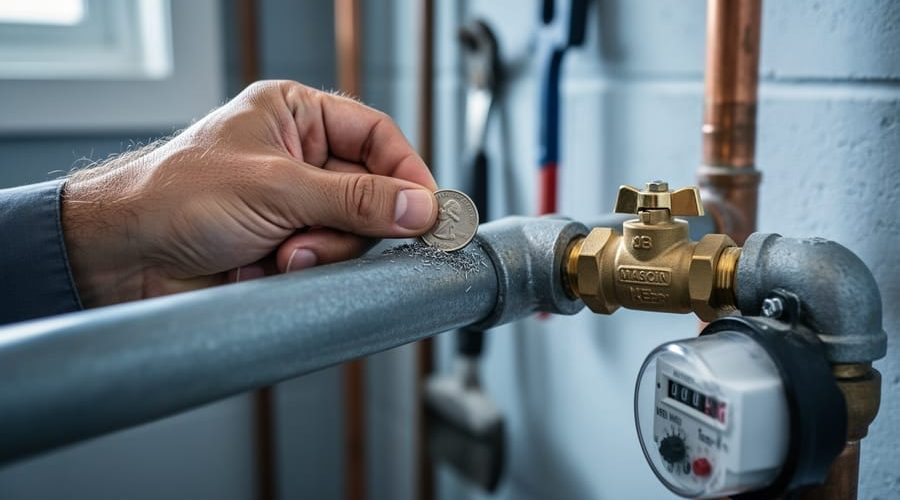
Check your home’s water service line material by locating the pipe where water enters your house, typically in the basement or crawl space, and scratching the surface with a coin—lead pipes appear dull gray and soft, while copper shows a bright penny color and steel reveals silver. Contact your local water utility immediately to request records showing when your service line was installed, as homes built before 1986 face higher lead contamination risks due to outdated plumbing standards.
Run cold water for at least two minutes before using it for drinking or cooking, especially after periods of non-use, to flush out water that has been sitting in pipes where lead can leach into your supply. Purchase an EPA-certified lead testing kit from hardware stores or online retailers, collecting first-draw water samples in the morning before any faucets have been used, which provides the most accurate reading of potential lead levels in your household water.
Replace lead service lines entirely rather than attempting partial repairs, as disturbing old pipes can temporarily increase lead particles in your water—many municipalities now offer financial assistance programs or low-interest loans to cover replacement costs. Install NSF-certified water filters specifically designed to remove lead, ensuring you follow manufacturer guidelines for cartridge replacement schedules since expired filters lose their effectiveness.
The invisible threat of lead contamination affects millions of American households through aging water service lines, those critical pipes connecting your home to the municipal water supply. Understanding what flows through these underground conduits matters deeply for your family’s health, as even low-level lead exposure causes irreversible developmental delays in children and serious health complications in adults. This guide empowers you with knowledge to identify risks, test your water, and take decisive action toward safer, cleaner drinking water.
What Are Water Service Lines and Why Should You Care?
The Public vs. Private Responsibility Split
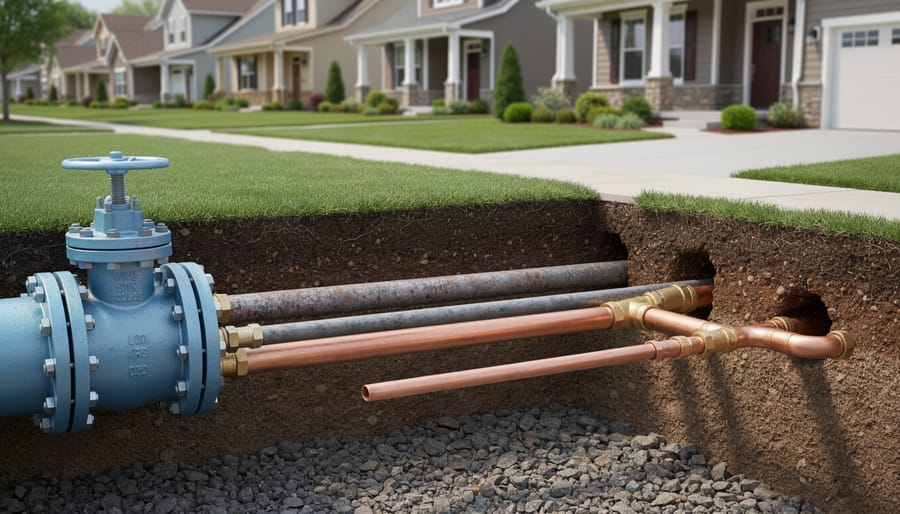
Understanding who’s responsible for your water service line is crucial for budgeting and maintenance planning. The responsibility split typically occurs at your property line, though this can vary by location.
The municipality or water utility owns and maintains the portion of the service line running from the water main in the street up to your property boundary. This public section includes the connection tap at the main and the pipe extending to where your property begins. If problems occur in this section, the utility company handles repairs at no direct cost to you.
Your responsibility as a homeowner begins at the property line and extends through your yard, under your foundation, and to where water enters your home’s plumbing system. This private portion includes all pipes, fittings, and connections on your property. Any maintenance, repairs, or replacement needed here comes out of your pocket, which can cost thousands of dollars depending on the pipe’s length and accessibility.
This division has significant financial implications, especially if you discover lead pipes. While many municipalities offer assistance programs or low-interest loans for lead service line replacement, you’re typically responsible for replacing your private portion. Some forward-thinking communities have expanded their responsibility boundaries or created grant programs to help homeowners, recognizing that safe drinking water benefits everyone.
Before undertaking any service line work, contact your local water utility to confirm the exact division point at your property. They can provide maps showing where public responsibility ends and yours begins, helping you make informed decisions about testing, maintenance, and potential replacement projects.
The Lead Service Line Crisis in Plain English
How Lead Gets Into Your Tap Water
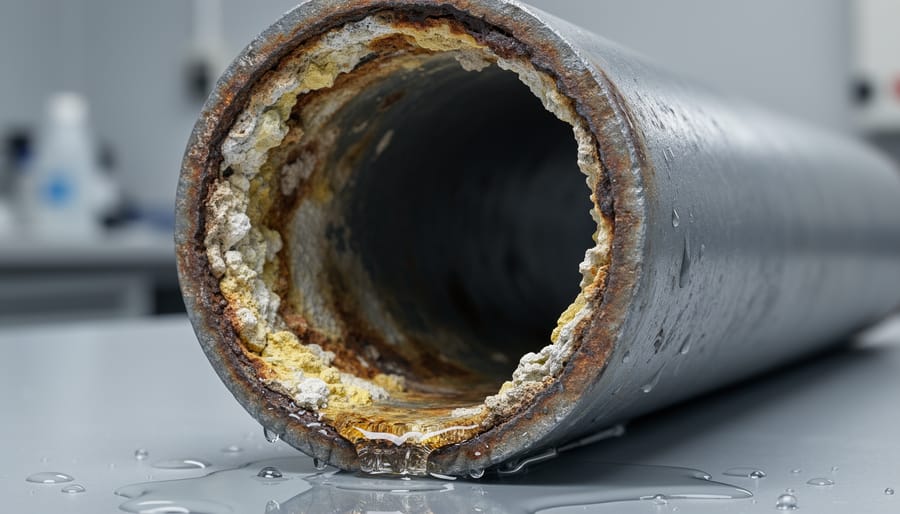
Lead doesn’t simply jump into your water supply. Instead, it enters through a gradual chemical process called corrosion. Think of it like rust forming on old metal, except in this case, tiny particles of lead dissolve from your pipes directly into the water flowing through them.
This leaching process happens when water sits in contact with lead pipes or fixtures. The water chemistry plays a crucial role in determining how much lead dissolves. When water has certain characteristics, it becomes more aggressive toward metal pipes, essentially wearing them down from the inside.
Several factors influence how quickly lead leaches into your drinking water. The pH level acts like a thermostat for corrosion. Water with low pH, meaning it’s more acidic, behaves like a mild solvent, pulling more lead particles from pipes. Imagine lemon juice versus plain water sitting in a metal container. The acidic lemon juice would cause more deterioration.
Water temperature also matters significantly. Warmer water dissolves metals more readily than cold water, which is why you should always use cold tap water for drinking and cooking. Hot water can contain substantially higher lead levels, even in the same plumbing system.
The length of time water remains stagnant in your pipes increases exposure too. Water sitting overnight in your service line absorbs more lead than freshly flowing water. This explains why many seasonal water changes and variations in municipal treatment can affect lead levels throughout the year.
Additionally, the presence of chlorine, minerals, and other dissolved substances in your water creates complex chemical reactions that either accelerate or slow corrosion. Understanding these factors empowers you to take protective measures while considering longer-term solutions for your home’s water safety.
Health Risks You Can’t Ignore
Lead exposure from aging water service lines poses serious health threats that every homeowner should understand. The reality is stark: according to health experts, there is no safe level of lead exposure, especially for vulnerable populations.
Children under six face the greatest risk. Their developing brains and nervous systems are particularly susceptible to lead’s toxic effects. Even low levels of exposure can cause irreversible neurological damage, resulting in learning disabilities, reduced IQ, attention disorders, and behavioral problems. These impacts often don’t become apparent until a child starts school, making early prevention critical.
Pregnant women represent another high-risk group. Lead crosses the placental barrier, potentially harming fetal brain development and increasing the risk of premature birth or low birth weight. The metal can also accumulate in bones over time and release into the bloodstream during pregnancy, creating a hidden danger even years after initial exposure.
Adults aren’t immune either. Long-term lead exposure contributes to high blood pressure, kidney damage, and reproductive issues. The cumulative nature of lead poisoning means effects compound over time, making ongoing exposure particularly dangerous.
The insidious nature of lead contamination lies in its invisibility. You cannot see, taste, or smell lead in water, which means the only way to protect your family is through proactive testing and action. Understanding your home’s service line composition isn’t just about property value; it’s about safeguarding the health of everyone who turns on your tap.
Copper Service Lines: The Safer Alternative with Its Own Concerns
When Copper Pipes Become a Problem
While copper pipes are generally a safe upgrade from lead, they’re not without their own concerns. Understanding when copper becomes problematic helps you maintain healthy water quality in your home.
The most common issue occurs with newly installed copper plumbing. During the first few months, copper can leach into your water as the pipes haven’t yet developed a protective mineral coating. This temporary situation typically resolves itself, but it’s worth monitoring during this break-in period.
Water chemistry plays a crucial role in copper dissolution. If your water is acidic (low pH), soft (low mineral content), or contains high levels of certain dissolved substances, it can aggressively corrode copper pipes. This aggressive water essentially attacks the pipe’s interior, releasing copper into your drinking water. Well water and certain municipal supplies are more prone to this issue.
Excessive copper intake can cause health problems, particularly gastrointestinal distress including nausea, vomiting, and diarrhea. While short-term exposure at moderate levels isn’t typically dangerous for most people, those with Wilson’s disease, a rare genetic disorder affecting copper metabolism, face serious risks even from normal copper levels.
The telltale sign of copper in your water is blue-green staining on sinks, tubs, and fixtures. These distinctive stains indicate copper is dissolving into your water supply. If you notice this discoloration, it’s time to test your water and potentially adjust your water chemistry or consult a plumber about protective treatments that can minimize copper leaching.
How to Find Out What Your Service Line Is Made Of
Checking Municipal Records and Maps
Your local municipality or water utility likely maintains records showing what type of service line connects your home to the water main. Start by visiting your city’s website or contacting your water provider directly to access their water utility databases. Many utilities now offer online portals where you can search by address to view service line material information.
Recent EPA regulations require water systems to create comprehensive lead service line inventories, making this information increasingly accessible to homeowners. These inventories typically indicate whether your service line is lead, copper, galvanized steel, or another material. However, records may be incomplete for older homes built before detailed documentation became standard practice.
When requesting information, ask for historical building permits, water connection records, and any previous inspection reports. Some utilities provide interactive maps showing lead service line locations throughout the community, helping you understand neighborhood-wide patterns.
If records show your service line material as unknown, this doesn’t necessarily mean you have lead pipes, but it does warrant further investigation through professional inspection or water testing. Keep copies of all documents you receive, as they’ll be valuable if you need to apply for replacement assistance programs or verify your home’s water infrastructure during property transactions.
Professional Testing and Inspection Options
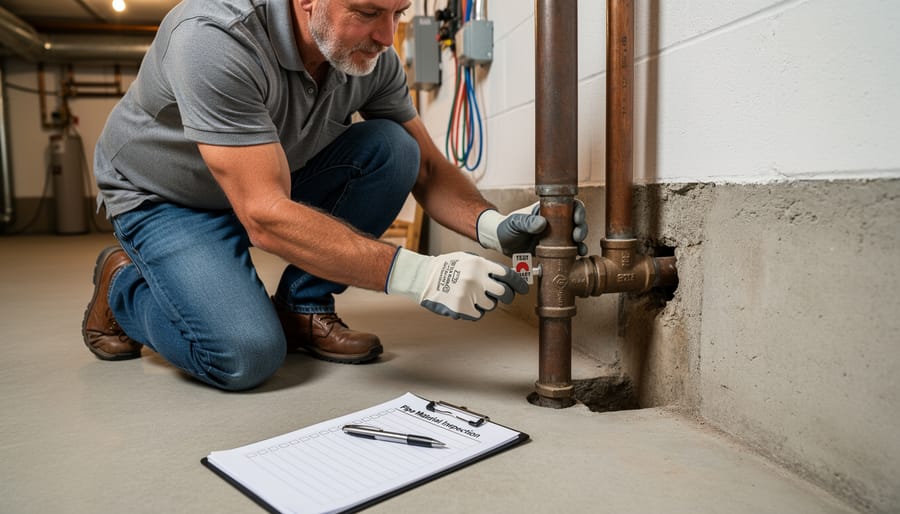
While DIY testing kits offer a good starting point, hiring a licensed plumber for a comprehensive inspection is recommended if you suspect lead pipes or plan major renovations. Professional assessments should be scheduled when purchasing an older home, after water quality test results show elevated lead levels, or if you’re experiencing unexplained plumbing issues.
A thorough professional inspection typically includes visual examination of exposed pipes, identification of all service line materials from the street to your home, assessment of connection points where corrosion commonly occurs, and recommendations for replacement or remediation. Many plumbers now use non-invasive camera technology to inspect underground portions without excavation, an eco-friendly approach that minimizes landscape disruption.
Expect to pay between $200 and $500 for a standard service line inspection, though costs vary by region and property size. Comprehensive assessments that include water sampling and detailed reports may run higher.
To find qualified professionals, contact your local water utility for their approved contractor list, check with your state’s plumbing licensing board, or ask neighbors who’ve recently completed similar work. Look for plumbers with specific experience in lead pipe identification and replacement, and verify they carry proper licensing and insurance. Many municipalities now offer free or subsidized inspections as part of lead service line replacement programs, so inquire about available assistance before paying out of pocket.
Testing Your Water for Lead and Copper Contamination
Proper Sampling Techniques That Actually Work
Getting an accurate water sample is crucial—improper collection can give you false reassurance when lead is actually present. Here’s how to do it right.
The most important concept to understand is the “first draw” sample. This means collecting water that has sat in your pipes overnight or for at least six hours without use. Lead levels are highest after water sits idle in contact with lead pipes, so running the tap beforehand dilutes the sample and masks the real exposure your family faces during typical use, like getting that first morning glass of water.
To collect a proper first draw sample, choose a cold water tap (lead dissolves more readily in hot water, but hot water isn’t typically used for drinking). First thing in the morning, without running any water elsewhere in your home, slowly fill a clean container provided by your testing laboratory. Avoid removing the aerator or faucet screen, as these can trap lead particles that are part of your actual exposure.
Timing matters tremendously. Don’t flush toilets, run showers, or use washing machines before sampling. Even brief water use in other parts of your home can disrupt stagnant water in the service line, giving you artificially low results.
Store samples in the containers provided by your lab, typically bottles treated to preserve metal content. Keep them cool and ship promptly according to laboratory instructions. These careful steps ensure the results you receive reflect the water you’re actually drinking, giving you the accurate information needed to protect your household’s health.
Your Options If You Have a Lead Service Line
Full Service Line Replacement: Costs and Process
Replacing your entire water service line is a significant undertaking, but sometimes it’s the most effective solution for eliminating lead contamination and ensuring long-term water safety. Understanding the process, costs, and available support can help you make an informed decision.
Full service line replacement involves removing the pipe from your home’s plumbing system all the way to the municipal water main in the street. This requires excavation work both on your property and potentially in the public right-of-way, which is why coordination with your local water utility is essential. The municipality typically handles the portion from the main to the property line, while homeowners are responsible for the section serving their house.
Replacement costs vary considerably based on location, with most homeowners paying between $3,000 and $15,000. Factors affecting price include your distance from the street, soil conditions, landscaping complexity, and regional labor rates. Urban areas with deeper water mains or difficult terrain often see higher costs. The timeline typically spans three to five days, though simpler projects may finish in one or two days.
Expect temporary disruptions including lawn excavation, driveway cutting, and water service interruption during installation. Contractors will restore landscaping and pavement, but your yard may need time to fully recover.
The good news is financial help exists. Many municipalities offer grants, low-interest loans, or even free replacement programs, particularly in communities working to eliminate lead infrastructure. Check with your local water department about available assistance programs. Some states also provide homeowner grants specifically for lead service line replacement. Additionally, certain water utilities include service line warranties or insurance programs that can offset replacement costs. Don’t let price alone prevent you from protecting your family’s health—explore all available options before deciding.
Why Partial Replacement Might Make Things Worse
It might seem like replacing part of your lead service line would be better than nothing, but research has revealed a surprising and concerning truth: partial replacements can actually make lead contamination worse, at least temporarily.
This counterintuitive phenomenon occurs due to something called galvanic corrosion. When you connect two dissimilar metals—like old lead pipe and new copper pipe—they create an electrochemical reaction. The lead pipe essentially becomes more prone to corroding and releasing lead particles into your water. Think of it like a battery where the chemical interaction between metals accelerates deterioration.
Studies conducted by water quality researchers have documented significant spikes in lead levels following partial service line replacements. In some cases, lead concentrations increased by five to ten times their previous levels, creating a more dangerous situation than before the replacement work began. This elevated lead leaching can persist for months or even years after the partial replacement.
The disturbing reality is that many homeowners who invested in partial replacements—believing they were protecting their families—unknowingly increased their exposure to lead. This is why water quality experts and environmental health organizations now strongly advocate for complete, full-length service line replacement from the water main to your home’s internal plumbing.
If you’re considering addressing lead service lines, the message is clear: commit to full replacement or maintain your current system while exploring other protective measures like quality filtration. Half measures can backfire with serious health consequences.
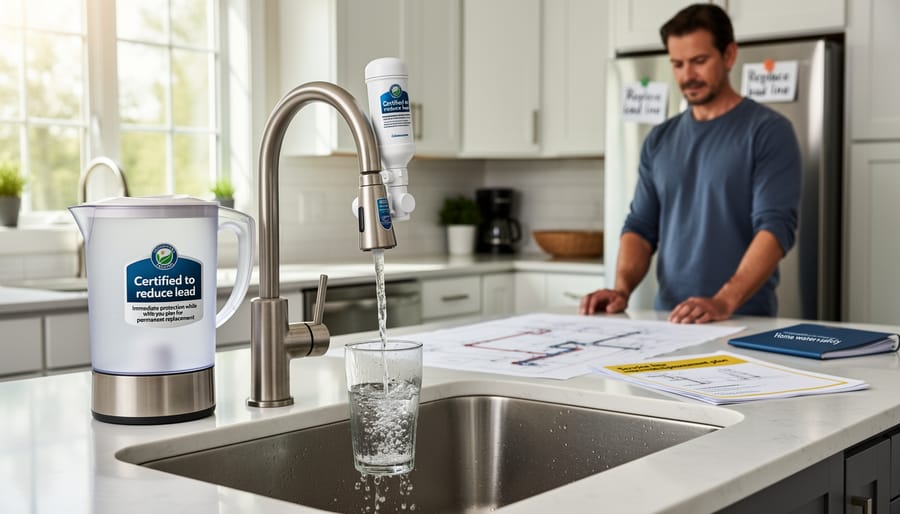
Short-Term Protection While You Plan
While you work toward long-term solutions like pipe replacement, protecting your family from lead exposure today requires immediate action. These temporary measures can significantly reduce your exposure while you develop a comprehensive plan.
Start with a simple flushing protocol. If water has sat in your pipes for six hours or longer, let your cold water tap run for 1-2 minutes before using it for drinking or cooking. This clears out water that may have absorbed lead from your service line. Use this flushed water for plants or cleaning to avoid waste.
NSF-certified lead filters offer reliable short-term protection and come in several formats. Pitcher filters are the most affordable option, typically costing $20-40 with replacement filters needed every two months. They’re perfect for drinking water but can be slow for cooking needs. Faucet-mount filters provide faster flow rates and attach directly to your kitchen tap, costing $30-70 with filters lasting 2-3 months. For comprehensive protection, under-sink filtration systems range from $100-300 and can filter larger volumes, making them ideal for families or serious home cooks.
When selecting filters, verify they carry NSF/ANSI Standard 53 certification specifically for lead reduction. This ensures they remove at least 99% of lead particles. Keep meticulous records of filter change dates, as expired filters lose effectiveness and can actually release accumulated contaminants back into your water.
A note on water softeners: while they address hard water issues, they don’t remove lead and may actually increase lead leaching by making water more corrosive. Never rely on softeners for lead protection.
Remember, filters and flushing are temporary bridges to permanent solutions. They reduce exposure but don’t eliminate the source problem. Continue pursuing water testing, professional consultations, and ultimately, service line replacement for complete peace of mind.
The Environmental Impact of Service Line Materials
When choosing or replacing water service lines, understanding their environmental footprint helps you make decisions that align with both health and sustainability goals.
Copper pipes, while durable and safe for drinking water, come with significant environmental costs. Copper mining disrupts ecosystems, requires substantial energy, and generates toxic waste that can contaminate surrounding soil and water sources. The extraction process also contributes to greenhouse gas emissions. However, copper’s recyclability offers a silver lining—used copper pipes can be repurposed rather than ending up in landfills.
Plastic pipes, including PEX and HDPE, present a different set of concerns. While manufacturing them requires less energy than metal alternatives, they’re petroleum-based products that contribute to our dependence on fossil fuels. Recent research has raised questions about microplastic particles and potential chemical leaching into drinking water, though more studies are needed to fully understand long-term impacts. These materials also pose recycling challenges, as most plastic pipes currently end up in waste streams.
The nationwide effort to remove lead service lines creates perhaps the most immediate environmental challenge. With an estimated six to ten million lead pipes requiring replacement, we’re facing an unprecedented waste management situation. Lead is highly toxic and must be handled as hazardous material, requiring specialized disposal procedures. The excavation process itself disrupts neighborhoods and consumes resources.
The good news? This transition presents opportunities for innovation in sustainable pipe materials and recycling programs. Some communities are developing systems to reclaim and safely recycle removed lead pipes, preventing environmental contamination while recovering valuable materials. As technology advances, we may see more eco-friendly alternatives emerge that balance safety, durability, and environmental responsibility.
Understanding your water service line situation is an empowering first step toward protecting your family’s health and contributing to a more sustainable home environment. While the presence of lead or aging copper pipes can seem daunting, this challenge is entirely manageable with the right approach and information.
Start by identifying your service line material. Contact your local water utility to request records, or conduct a simple visual inspection of your pipes using a coin to test for lead. Once you know what you’re working with, arrange for water testing through a certified laboratory to establish your baseline water quality. This information becomes your roadmap for action.
If testing reveals concerns or you’ve confirmed lead pipes, explore replacement options through your municipality’s assistance programs, which often provide financial support for service line upgrades. Many communities now offer innovative trenchless replacement technologies that minimize disruption to your property while modernizing your water infrastructure.
In the meantime, implement protective measures like running water before use, using cold water for drinking and cooking, and considering point-of-use filtration systems. These practical steps provide immediate protection while you plan longer-term solutions.
Remember that proactive water quality management isn’t just about addressing problems—it’s about creating a healthier, more sustainable living environment. By taking control of your water service line situation today, you’re investing in your family’s wellbeing and joining a growing movement of homeowners who prioritize safe, clean water as an essential element of eco-conscious living.