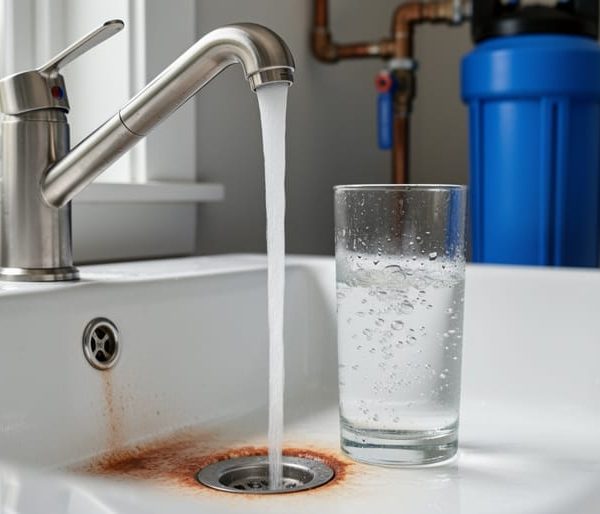
Consider investing in a water ozone treatment system if you want powerful disinfection without the harsh chemicals and recurring costs associated with traditional chemical treatments. These innovative systems use ozone gas—nature’s own purifier—to eliminate bacteria, viruses, and contaminants from your household water supply, leaving no chemical residue behind.
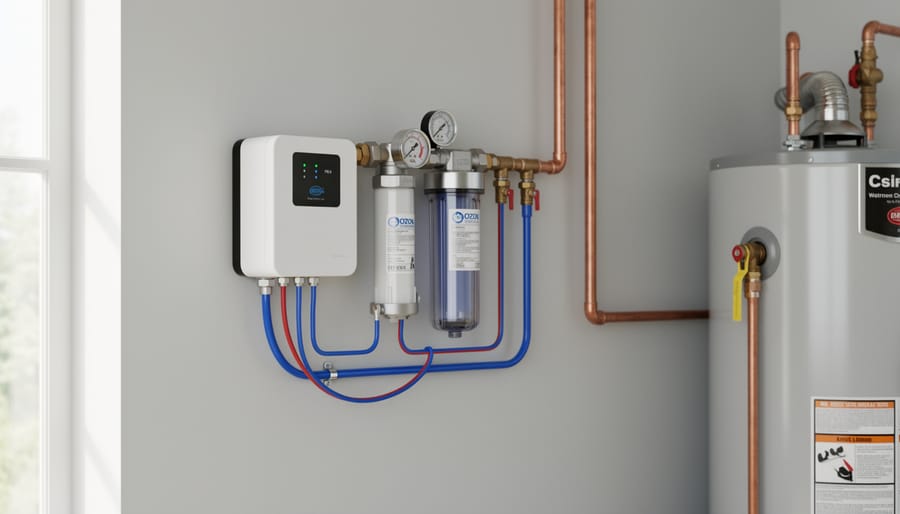
Install the ozone generator at your water entry point, ensuring proper ventilation and following manufacturer specifications for electrical connections and water flow rates. Position the system where it can inject ozone directly into your water line before distribution to your home’s fixtures, allowing adequate contact time for thorough disinfection.
Maintain your system by replacing ozone cells every 12-24 months depending on usage levels, checking air filters monthly for dust accumulation, and monitoring the ozone output indicator to ensure consistent performance. Clean injection valves quarterly to prevent mineral buildup that can reduce treatment efficiency.
Evaluate whether ozone treatment fits your situation by testing your current water quality, calculating your household’s daily water consumption, and determining if your water source has specific contamination issues that ozone effectively addresses. Homes with well water, elevated bacterial counts, or those seeking to eliminate chlorine taste and odor benefit most from this cutting-edge technology.
This guide walks you through everything you need to know about water ozone treatment—from understanding how it works to making informed decisions about installation and ongoing care for your system.
What Is Ozone Water Treatment and How Does It Work?
The Science Behind Ozone Purification
Ozone water purification works through a powerful natural process that happens at the molecular level. Ozone (O3) consists of three oxygen atoms bonded together in an unstable formation, making it highly reactive. When ozone encounters contaminants in your water, it seeks stability by breaking apart and sharing its extra oxygen atom.
This process, called oxidation, is devastating to bacteria, viruses, and organic compounds. The extra oxygen atom literally punctures the cell walls of microorganisms, destroying their structure from the inside out. Unlike chemical disinfectants that can take minutes to work, ozone acts within seconds of contact.
For organic compounds like pesticides or pharmaceutical residues, ozone breaks down their molecular bonds, converting them into simpler, harmless substances. Think of it like unzipping a jacket—once the molecular structure comes apart, the contaminant loses its harmful properties.
What makes ozone particularly eco-friendly is its transformation after doing its job. Once the extra oxygen atom detaches and oxidizes contaminants, the remaining molecule becomes regular oxygen (O2), leaving no chemical residue behind. This differs from UV disinfection systems and chemical treatments, which either require ongoing energy or leave trace amounts in your water.
Why Ozone Leaves No Chemical Residue
One of ozone’s most impressive qualities is its temporary nature. Unlike chemical disinfectants that can linger in your water supply, ozone has a remarkably short half-life of approximately 20 to 30 minutes in water. This means it naturally breaks down quickly after doing its purification work.
Here’s what makes this significant for your home: ozone molecules consist of three oxygen atoms bonded together. After ozone eliminates contaminants through oxidation, those extra oxygen atoms separate, and the ozone simply reverts back to regular oxygen. There are no chemical byproducts, no residual taste or odor, and nothing artificial left behind in your drinking water.
This natural decomposition process makes ozone treatment an exceptionally eco-friendly choice for households committed to sustainable living. You get powerful water purification without introducing any lasting substances into your home’s water supply or the environment. It’s cutting-edge technology that works with nature rather than against it, providing peace of mind that you’re choosing a truly green solution for your family’s water quality needs.
Benefits of Ozone Water Treatment Systems for Your Home
Chemical-Free Water Purification
One of the most compelling advantages of water ozone treatment is its ability to purify water without relying on chlorine or other harsh chemicals. Traditional water treatment methods often leave behind chemical residues that can irritate sensitive skin and cause discomfort for those with allergies or respiratory conditions. Ozone naturally breaks down into pure oxygen after disinfecting, leaving no chemical byproducts in your water supply.
Families with members who have eczema, psoriasis, or chemical sensitivities often notice significant improvements when switching to ozone-treated water. Bathing and showering become gentler experiences without the drying effects of chlorine. Beyond health benefits, you’ll immediately appreciate the difference in taste and smell. Say goodbye to that distinctive chlorine taste in your drinking water and cooking. Ozone-treated water tastes fresher and cleaner, similar to natural spring water, making it more enjoyable for the whole family to stay properly hydrated throughout the day.
Superior Contaminant Elimination
Ozone treatment stands out as one of the most powerful water purification methods available to homeowners today. When dissolved in water, ozone molecules work rapidly to eliminate a wide range of contaminants that affect both water quality and household comfort.
This cutting-edge technology effectively destroys harmful microorganisms, including bacteria like E. coli and dangerous viruses that traditional filters might miss. Unlike chemical treatments, ozone neutralizes these pathogens by breaking down their cellular structure, leaving no harmful byproducts behind.
Beyond microbial contaminants, ozone excels at iron and manganese removal, which cause those frustrating reddish-brown stains on fixtures and laundry. The treatment oxidizes these dissolved metals, converting them into particles that filters can easily capture.
If your water smells like rotten eggs, ozone tackles sulfur compounds at their source, eliminating unpleasant odors rather than masking them. It also breaks down various organic compounds, pesticides, and other chemical contaminants, providing comprehensive purification that supports healthier living and protects your home’s plumbing system from buildup and corrosion.
Environmental and Health Advantages
Water ozone treatment offers significant environmental advantages that resonate with eco-conscious homeowners. Unlike traditional water treatment methods, ozone systems dramatically reduce or eliminate the need for harsh chemicals like chlorine and bromine. This means fewer chemical byproducts entering your home’s wastewater and ultimately the environment.
One of ozone’s most impressive qualities is that it naturally breaks down into oxygen after doing its job, leaving no harmful residues or toxic byproducts behind. You won’t find persistent chemicals lingering in your water or contaminating local ecosystems. This clean decomposition process makes ozone one of the most sustainable water treatment options available today.
For households focused on reducing their environmental footprint, ozone treatment aligns perfectly with green living goals. You’ll minimize chemical storage needs, reduce plastic bottle waste from purchased treatments, and lower your overall chemical consumption. These systems represent cutting-edge water innovation that combines effective purification with environmental responsibility, making them an excellent choice for modern, sustainability-minded homes.
Long-Term Cost Considerations
While ozone systems require a higher upfront investment—typically ranging from $1,500 to $4,000 for whole-house units—they can offer significant savings over time. Traditional water treatment methods rely on ongoing purchases of chlorine, salt, or replacement filters that accumulate hundreds of dollars annually. Ozone systems generate their own disinfectant from oxygen, eliminating these recurring chemical costs. Maintenance expenses are minimal, usually limited to occasional electrode replacement every few years and basic cleaning. For environmentally-conscious homeowners, this also means reducing plastic waste from chemical containers and filter cartridges. Most systems pay for themselves within three to seven years through eliminated chemical purchases and reduced maintenance needs, making them a financially sound and eco-friendly long-term solution for sustainable water treatment.
Installing Your Ozone Water Treatment System: What to Expect
Pre-Installation Assessment and Planning
Before investing in a water ozone treatment system, proper assessment ensures you choose the right solution for your home’s unique needs. Start by testing your water to identify specific contaminants like bacteria, iron, sulfur, or manganese that ozone effectively treats. You can purchase home testing kits or hire a certified laboratory for comprehensive analysis. Understanding your water’s composition helps determine if ozone treatment is the best fit compared to other filtration methods.
System sizing depends on your household’s water usage and the number of fixtures requiring treatment. Calculate your daily water consumption by considering family size and typical usage patterns. Most residential ozone systems range from treating 5 to 15 gallons per minute, so matching capacity to demand prevents inadequate treatment or energy waste.
Location matters significantly for system performance and maintenance access. The ideal installation spot is near your main water line entry point, typically in a basement, utility room, or garage. Choose an area with adequate ventilation, as ozone systems require proper air circulation. Ensure sufficient clearance around the unit for servicing and confirm electrical outlets meet system requirements. Consider ambient temperature too, as most systems operate best between 40 and 100 degrees Fahrenheit.
Key Components of an Ozone System
An effective ozone water treatment system consists of four essential components working together to purify your household water. The ozone generator serves as the system’s heart, converting oxygen from the air into ozone gas through electrical discharge or UV light. This powerful oxidizing agent then travels to the contact tank, where it mixes with your water supply and remains for several minutes, allowing sufficient time to eliminate bacteria, viruses, and contaminants.
The mixing chamber ensures thorough blending of ozone with water, maximizing treatment efficiency through specialized diffusion technology. Since ozone naturally breaks down into regular oxygen, any excess gas passes through the destruct unit before release. This safety feature converts remaining ozone back to oxygen, protecting your home environment and ensuring safe operation. Together, these components create a closed-loop system that delivers clean, chemical-free water while maintaining environmental responsibility and household safety standards.
Professional vs. DIY Installation
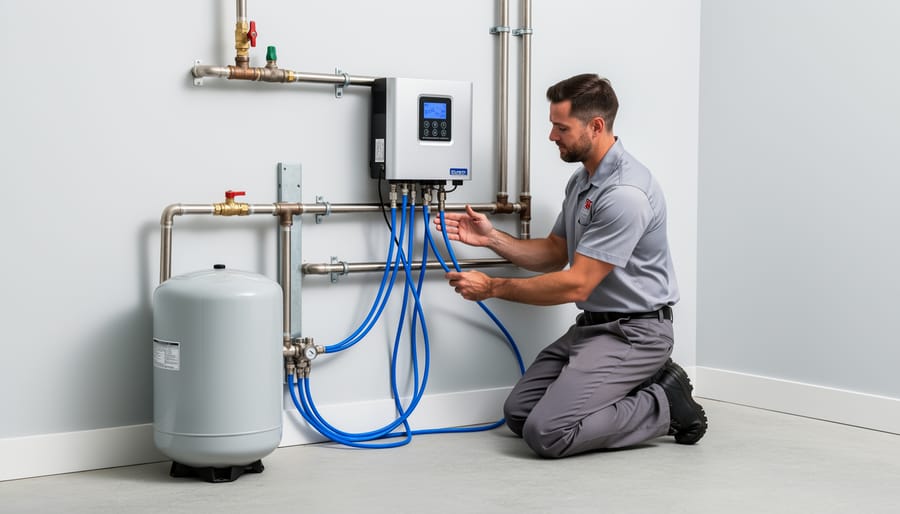
Installing a water ozone treatment system presents unique challenges compared to standard filtration equipment. While some homeowners successfully tackle DIY water system installation, ozone systems require careful consideration of several factors before proceeding independently.
The primary concern is safety, as ozone gas can be harmful when inhaled in concentrated amounts. Professional installers understand proper ventilation requirements and can ensure your system includes necessary off-gassing chambers and contact tanks. Electrical requirements also demand attention, since ozone generators need dedicated circuits and proper grounding to function safely.
System complexity varies by model. Point-of-use systems for drinking water are generally more straightforward, while whole-house installations involve intricate plumbing modifications, pressure adjustments, and precise ozone concentration calibration. Consider hiring a certified professional if you lack plumbing experience, have concerns about electrical work, or need whole-house coverage. Professional installation typically includes warranty protection and ensures your system meets local building codes, providing peace of mind for this eco-friendly investment in your home’s water quality.
Installation Timeline and Process
Installing a water ozone treatment system typically takes one to three days, depending on your home’s plumbing configuration and the system’s complexity. The process begins with a professional assessment of your water supply and existing plumbing setup, which usually takes a few hours. Your installer will identify the optimal location for the ozone generator, typically near your main water line in a basement, garage, or utility room.
Day one generally involves shutting off your water supply, installing the ozone injection point, and integrating the contact tank where ozone mixes with water. Day two focuses on connecting the ozone generator, installing safety features like off-gas destructors, and establishing electrical connections. For more complex whole-house systems, additional time may be needed for proper calibration and testing.
Before installation, schedule an appointment at least two to three weeks in advance, as qualified installers specializing in ozone systems may have limited availability. Plan to be home during installation and expect temporary water service interruption. Most systems become fully operational within 24 hours after completion, with your installer conducting water quality tests to ensure proper ozone levels and system performance.
Essential Care and Maintenance for Ozone Systems
Routine Maintenance Tasks
Keeping your ozone water treatment system running smoothly requires simple but consistent maintenance. Think of it like caring for your car—regular attention prevents bigger problems down the road.
Start by checking ozone output levels monthly using the system’s built-in monitor or testing kit. This ensures your system generates enough ozone to effectively purify your water. If levels drop below manufacturer specifications, it may signal that components need attention.
Clean the injection system every three months to prevent mineral buildup that can reduce efficiency. This involves flushing the venturi injector and checking for any blockages in the ozone delivery lines. Most systems make this straightforward with accessible cleaning ports.
Inspect contact tanks quarterly for sediment accumulation or structural issues. These tanks allow ozone adequate time to neutralize contaminants, so maintaining their condition is essential for optimal water quality.
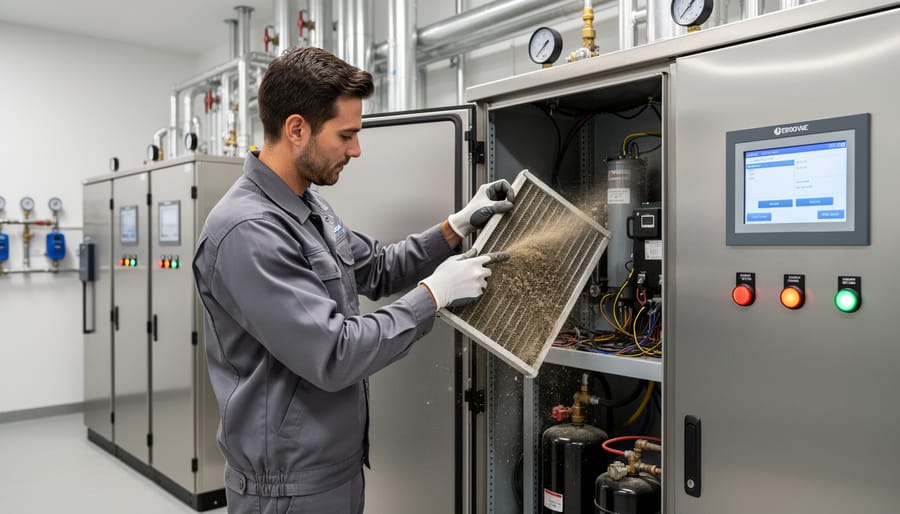
Replace air filters or oxygen concentrator filters every six months, or more frequently in dusty environments. Clean filters ensure your system receives quality air intake, which directly impacts ozone production efficiency. Most filters are affordable and easy to swap out yourself, making this an eco-friendly maintenance task that extends your system’s lifespan while maintaining peak performance.
When to Replace Components
Understanding when to replace components in your ozone water treatment system helps maintain optimal performance and water quality. The ozone generator cell, which creates the ozone gas, typically lasts between 2 to 5 years depending on usage frequency and water conditions. If you notice reduced ozone output, longer treatment times, or a decline in water quality, it’s likely time for a replacement cell.
For systems that include UV lamps as part of the treatment process, expect to replace these every 12 to 18 months. While the bulb may still emit light, its germicidal effectiveness diminishes over time. Check tubing and injection components annually for cracks, brittleness, or discoloration, as these parts handle oxidizing ozone and can degrade faster than standard plumbing components.
Air filters and dryers, which protect the generator from moisture and contaminants, need replacement every 6 to 12 months. Keep a maintenance log to track component ages and schedule replacements proactively rather than waiting for system failure, ensuring your household continues enjoying clean, eco-friendly water treatment.
Troubleshooting Common Issues
Even the most reliable ozone systems occasionally need attention. If you notice reduced ozone production, first check that your system is receiving adequate power and inspect air intake filters for blockages. Dust and debris can significantly impact performance, so cleaning or replacing filters often resolves this issue.
Persistent odors after treatment usually indicate insufficient contact time between ozone and water. Try adjusting your system’s timer settings to allow longer exposure, or verify that your ozone generator is producing the correct concentration for your water volume.
When system alerts appear, consult your owner’s manual for specific error codes. Many warnings relate to simple issues like low oxygen levels or dirty sensors that you can address yourself with basic cleaning.
Before calling a professional, perform these quick checks: ensure all connections are secure, verify power sources, clean accessible components, and confirm your settings match manufacturer recommendations. Regular preventive maintenance prevents most problems, but don’t hesitate to contact qualified technicians for persistent issues or unfamiliar error messages. This eco-friendly technology works best when properly maintained.
Annual Professional Service
Professional annual service ensures your ozone water treatment system operates at peak efficiency and maintains its warranty coverage. A qualified technician will inspect critical components like the ozone generator, check connections for leaks, test output levels, and clean or replace filters as needed. This preventive maintenance catches potential issues early, extending your system’s lifespan and preventing costly repairs. Most manufacturers require documented annual servicing to keep warranties valid. Regular professional checkups also optimize performance, ensuring your water receives the proper ozone dosage for maximum purification while maintaining the eco-friendly benefits that make these systems a sustainable choice for your home.
Is Ozone Water Treatment Right for Your Home?
Water Quality Issues Best Addressed by Ozone
Ozone treatment shines brightest when tackling specific water quality challenges that often frustrate homeowners. If you’re dealing with well water, ozone effectively eliminates the musty odors and unpleasant tastes that traditional filters struggle to remove. It excels at oxidizing iron and sulfur compounds, which means no more rusty stains on fixtures or that characteristic rotten egg smell in your tap water.
For families concerned about microbiological safety, ozone provides powerful disinfection against bacteria, viruses, and parasites without leaving chemical residues behind. This makes it particularly valuable for homes relying on private wells or areas with aging municipal infrastructure. Ozone also breaks down organic contaminants and reduces turbidity, giving you clearer, fresher-tasting water. Unlike chlorine-based treatments, ozone converts back to oxygen after doing its job, making it an eco-friendly solution that addresses multiple problems simultaneously while supporting your household’s sustainable living goals.
When to Consider Alternative or Complementary Systems
Ozone treatment works best as part of a comprehensive water quality approach rather than as a standalone solution. If your water contains high levels of sediment, rust, or particulates, pair ozone with mechanical filtration systems to remove physical debris before oxidation occurs. This combination prevents clogging and ensures ozone can effectively target contaminants.
For households dealing with hard water issues causing scale buildup and mineral deposits, ozone won’t address these problems. In these cases, you’ll need water softeners to remove calcium and magnesium, while ozone handles disinfection and odor control.
If you’re primarily concerned with removing specific chemicals like heavy metals or fluoride, activated carbon filters or reverse osmosis systems may be more appropriate primary treatments. Similarly, households with extremely high bacterial contamination might benefit from UV sterilization as their main defense, using ozone as a supplementary treatment. Evaluate your specific water quality test results to determine whether ozone should be your primary system or part of a multi-stage treatment strategy.
Making the Investment Decision
Evaluating whether ozone treatment suits your home involves weighing upfront investment against long-term benefits. Consider your water quality test results, household size, and specific contamination concerns. Calculate ongoing costs including electricity usage, periodic maintenance, and potential filter replacements. Compare these expenses to bottled water purchases or alternative filtration systems over five to ten years. Factor in the environmental impact of reducing plastic waste and chemical usage, which aligns with sustainable living goals. Consult multiple quotes from certified installers and verify warranty coverage. Most homeowners find the investment worthwhile when addressing persistent odor, taste issues, or chemical sensitivities, especially given the system’s low operational costs once installed.
Water ozone treatment represents a significant leap forward for homeowners seeking a chemical-free approach to water purification. By harnessing the natural oxidizing power of ozone, this innovative technology offers an effective alternative to traditional chlorine-based systems while supporting your sustainability goals. The ability to eliminate contaminants, neutralize odors, and improve taste without leaving harmful residues makes ozone treatment an attractive option for environmentally-conscious households.
However, every home’s water situation is unique. Before investing in an ozone system, take the essential first step of testing your water to understand exactly what contaminants you’re dealing with. These results will help you determine whether ozone treatment is the right fit for your specific needs or if you might benefit from a complementary filtration approach.
We strongly recommend consulting with water quality professionals who can assess your current setup, explain how ozone technology would integrate with your existing plumbing, and provide guidance on proper maintenance routines. Their expertise ensures you’ll maximize the benefits of this cutting-edge purification method while avoiding common pitfalls.
Ultimately, embracing ozone water treatment means choosing a cleaner, greener path to pristine household water that aligns with your values and protects your family’s health for years to come.