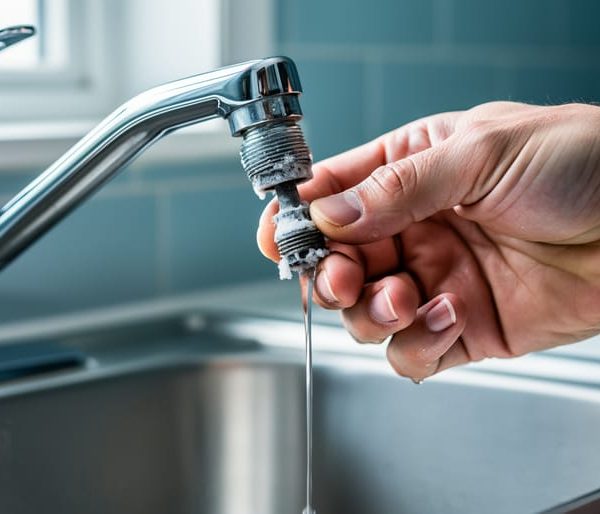
That rotten egg smell coming from your hot water tap isn’t just unpleasant—it’s a sign that sulfur bacteria are thriving in your water heater, reacting with the magnesium or aluminum anode rod inside. This common well water problem affects thousands of households, but the good news is you don’t need expensive water treatment systems to solve it in most cases.
Replace your standard anode rod with a powered titanium version that eliminates the chemical reaction causing the odor. Flush your water heater completely to remove accumulated bacteria and sediment that fuel the smell. Increase your water heater temperature to 140°F temporarily for several hours to kill existing bacteria colonies, then return it to a safe 120°F. Install a chlorination system or hydrogen peroxide injection point before your water heater if the smell persists after trying these solutions.
Understanding the root cause helps you choose the right fix for your situation and budget. While the sulfur smell indicates bacterial activity rather than contamination, addressing it quickly prevents the bacteria from spreading throughout your plumbing system. This guide walks you through diagnostic steps to pinpoint your specific problem, then provides tiered solutions from simple DIY fixes you can complete this weekend to long-term prevention systems that eliminate the issue permanently.
Why Your Hot Water Smells But Cold Water Doesn’t
If you’ve noticed that rotten egg smell only appears when you turn on the hot water tap, you’re experiencing a common well water issue with a specific scientific explanation. The culprit is usually your water heater, which creates the perfect environment for sulfur bacteria to flourish and produce that unpleasant odor.
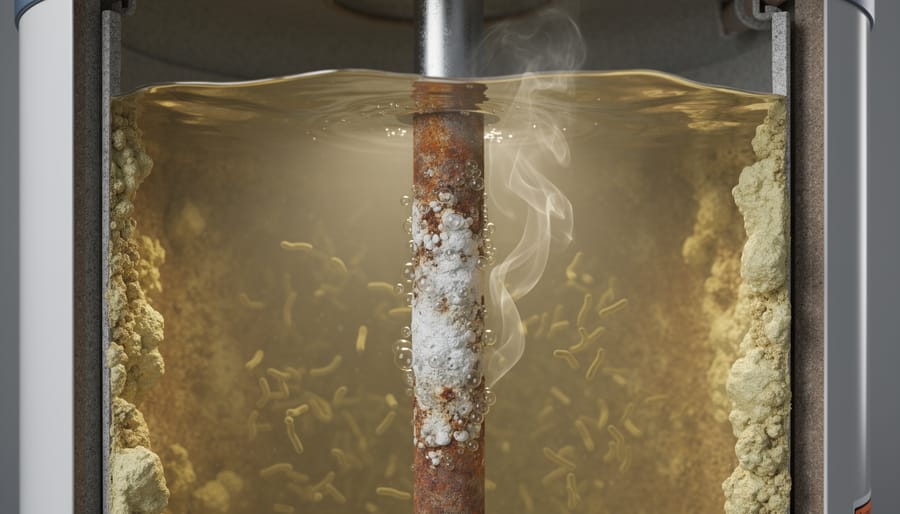
Inside your water heater, sulfur bacteria find ideal conditions for growth: warm temperatures, stagnant water, and most importantly, a food source. That food source is your water heater’s anode rod, a critical component designed to protect your tank from corrosion. These rods, typically made from magnesium or aluminum, work by attracting corrosive elements in the water. However, when sulfate-reducing bacteria are present in your well water, they interact with these metals in a chemical reaction that produces hydrogen sulfide gas, the source of that sulfur smell.
Think of your water heater as an incubator. The temperature inside typically ranges between 120-140 degrees Fahrenheit, which happens to be the sweet spot for sulfur bacteria activity. Meanwhile, your cold water pipes never reach these temperatures, so the bacteria remain dormant or grow much more slowly, explaining why cold water rarely develops the same odor.
The magnesium anode rods, while excellent for preventing tank rust, are particularly reactive with sulfur bacteria. As these bacteria consume sulfate naturally present in well water, they release hydrogen sulfide as a byproduct. The longer water sits in the tank and the more the bacteria multiply, the stronger the smell becomes. This is why you might notice the odor is worse first thing in the morning or after being away from home.
Understanding this process is the first step toward solving the problem. The good news is that several effective, environmentally responsible solutions can eliminate the smell without compromising your water heater’s protection or your household’s water quality.
Quick Test: Confirm Your Hot Water Heater Is the Problem
Before investing time and money into fixes, you’ll want to confirm whether your hot water heater is actually causing the sulfur smell or if there’s a deeper issue with your well water itself. This simple test takes just a few minutes and provides clear answers.
Start by turning on a cold water tap anywhere in your home. Let it run for about 30 seconds, then smell the water closely. Does it have that distinctive rotten egg odor? Next, move to a hot water tap and repeat the process. Run the hot water for 30 seconds and smell again.
If only your hot water smells like sulfur while the cold water is odor-free, congratulations—you’ve identified the culprit as your water heater. This is actually good news because it’s typically easier and less expensive to address than widespread well contamination.
However, if both hot and cold water smell sulfurous, you’re dealing with a different situation. Bacteria in your well or plumbing system might be producing hydrogen sulfide gas. In this case, you’ll need to test your well water for bacterial contamination and potentially treat the entire system rather than just the water heater.
For the most accurate results, conduct this test first thing in the morning when water has been sitting in your pipes overnight. This gives any bacterial activity maximum time to occur, making the smell more noticeable and your diagnosis more reliable.
Solution 1: Replace Your Water Heater’s Anode Rod
What Anode Rods Do and Why They Cause Sulfur Smell
Your water heater contains a magnesium or aluminum anode rod, an essential component designed to protect the tank from corrosion. This sacrificial metal rod attracts corrosive elements in the water, gradually dissolving itself instead of allowing your tank to rust. It’s a clever protective mechanism that extends your water heater’s lifespan.
However, when sulfur-reducing bacteria live in your well water, they can interact with the anode rod in an unexpected way. These naturally occurring microorganisms feed on sulfates present in the water. When they encounter the electrons released by the dissolving anode rod, they convert sulfates into hydrogen sulfide gas, which produces that distinctive rotten egg smell.
This reaction happens exclusively in your hot water heater because the warm environment provides ideal conditions for bacterial growth. The bacteria thrive in temperatures between 77-113°F, making your water heater tank a perfect breeding ground. Think of the anode rod as unintentionally feeding these bacteria, creating an eco-system that generates the sulfur odor you notice only when using hot water. Understanding this interaction is the first step toward implementing an effective, sustainable solution.
Switching to a Powered Anode Rod
If you’ve tried flushing your water heater and replacing the standard anode rod without success, a powered anode rod offers the most reliable long-term solution. Also called electronic or impressed current anode rods, these innovative devices work fundamentally differently from traditional magnesium or aluminum rods.
Unlike standard rods that sacrifice themselves to prevent corrosion, powered anode rods use a small electrical current to protect your tank. A titanium probe extends into the water while a small power supply unit mounted on top generates a low-voltage current. This current creates a protective field around the tank’s interior, preventing rust and corrosion without any chemical reaction that produces hydrogen sulfide gas—the root cause of that rotten egg smell.
The brilliance of this eco-friendly solution lies in its dual benefit: it eliminates sulfur smell completely while providing superior tank protection that can extend your water heater’s lifespan by years. Since there’s no metal sacrificing itself, the rod never needs replacement, making it a sustainable choice that reduces waste and maintenance costs over time.
Installation is straightforward for most homeowners comfortable with basic plumbing tasks. Simply remove your existing anode rod and install the powered unit in its place, then plug the power supply into a nearby outlet. The device uses minimal electricity—typically less than a standard LED light bulb.
While powered anode rods cost more upfront than traditional replacements (usually between 100 and 200 dollars), they’re a one-time investment that permanently solves the sulfur smell problem without compromising your water heater’s protection.
DIY Replacement Steps
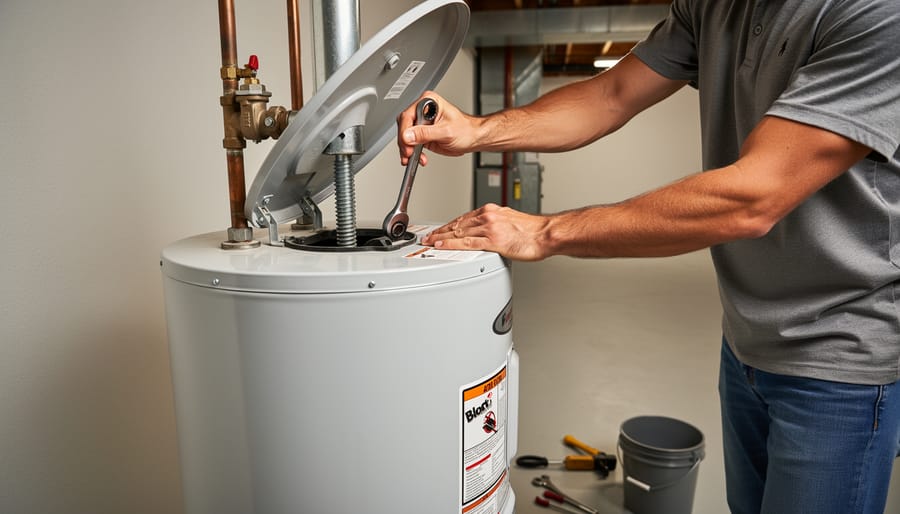
Replacing your water heater’s anode rod is a straightforward DIY project for handy homeowners. First, turn off power to your water heater and let it cool for several hours. Locate the anode rod at the top of the tank, typically marked by a hex head bolt. You’ll need a socket wrench and possibly a breaker bar for leverage, as the rod can be tight. Before removal, drain a few gallons from the tank to prevent overflow. Once removed, compare your old rod with the new one to ensure proper sizing. Consider upgrading to a powered anode rod for a permanent solution that requires no future replacement and is gentler on the environment by extending your water heater’s lifespan. However, if you’re uncomfortable working with electrical connections, dealing with pressurized tanks, or if your water heater is still under warranty, calling a licensed plumber is the safer choice. Regular water heater maintenance can prevent future odor issues and extend your system’s life.
Solution 2: Shock Treatment for Your Water Heater
When Shock Treatment Makes Sense
Shock chlorination offers a quick, cost-effective way to eliminate sulfur-producing bacteria when you’re dealing with a sudden odor problem or seasonal bacterial bloom. This method works best as a temporary fix when the smell appears sporadically or after your well has been opened for maintenance work. It’s also appropriate when you’re testing whether bacteria is your primary issue before investing in permanent treatment systems.
However, shock treatment isn’t ideal for ongoing sulfur problems caused by high hydrogen sulfide levels in your groundwater or issues with your water heater’s anode rod. If the smell returns within weeks of treatment, you’re likely facing a water chemistry issue that requires a more sustainable solution like an aeration system, oxidizing filter, or water heater modifications. Think of shock chlorination as a diagnostic tool and emergency remedy rather than a long-term answer. For persistent odors, addressing the root cause through proper filtration or equipment upgrades will save you time and create a healthier water system for your home.
How to Safely Shock Your Water Heater
Before starting this process, turn off the power to your electric water heater at the circuit breaker or set your gas water heater to pilot mode. Safety comes first, so wait at least 30 minutes for the water to cool slightly before proceeding.
Begin by attaching a garden hose to the drain valve at the bottom of your water heater. Run the hose outside or to a floor drain where hot water can safely discharge. Open the drain valve and let 3-4 gallons of water flow out to remove sediment. This initial flush helps prepare the tank for treatment.
For hydrogen peroxide treatment, which is an eco-friendly option that naturally breaks down into water and oxygen, you’ll need one to two pints of 3% food-grade hydrogen peroxide. Pour it directly into the tank through the hot water outlet pipe after removing the pipe temporarily. This method is gentler on your plumbing and safe for septic systems.
Alternatively, you can use one cup of unscented chlorine bleach mixed with a gallon of water. Pour this solution into the tank using the same method. While bleach is effective at killing sulfur bacteria, hydrogen peroxide offers a more environmentally conscious approach without harsh chemical residues.
After adding your chosen treatment, reconnect all pipes and fill the tank completely. Let the solution sit for at least 2-3 hours, though overnight treatment yields better results. Once the waiting period ends, drain the entire tank again and refill with fresh water. Run all hot water faucets for several minutes until you no longer smell chlorine or peroxide.
Restore power to your water heater and allow it to heat fully before regular use. This treatment typically eliminates odors for several months.
Solution 3: Increase Your Water Heater Temperature
Raising your water heater temperature can effectively combat sulfur-producing bacteria by creating an inhospitable environment for their growth. These bacteria typically thrive between 77°F and 113°F, so increasing your tank temperature to 140°F or higher disrupts their ability to survive and multiply.
This solution works particularly well if your sulfur smell appears only in hot water and you’ve already ruled out anode rod issues. The elevated temperature essentially pasteurizes your water heater, killing existing bacteria and preventing new colonies from establishing themselves. Many homeowners find this method provides immediate relief from the rotten egg odor.
However, this approach comes with important safety considerations. Water at 140°F can cause serious scalding burns in less than five seconds of exposure, making it especially dangerous for children, elderly family members, and anyone with reduced mobility. To mitigate this risk, you can install thermostatic mixing valves at your faucets, which blend cold water with the hot supply to deliver safe temperatures at the tap while maintaining bacteria-killing heat in the tank.
The main drawback is increased energy consumption. Maintaining higher temperatures means your water heater works harder and runs longer, potentially adding 15-20% to your energy bills. This conflicts with eco-conscious living principles, though the environmental impact of using chemical treatments might be worse depending on your situation.
Additionally, this solution doesn’t address sulfur compounds in your cold water. If both hot and cold water smell like sulfur, you’ll need a more comprehensive approach targeting your well itself rather than just your water heater.
Long-Term Prevention: Whole House Filtration Options

Oxidizing Filters for Sulfur Removal
Oxidizing filters offer an eco-friendly, whole-house solution that tackles hydrogen sulfide at your well’s point of entry, preventing the sulfur smell before water even reaches your water heater. These innovative systems work by converting dissolved hydrogen sulfide gas into solid sulfur particles that can be easily filtered out.
The process is straightforward: as water passes through the filter media, an oxidation reaction occurs. Common filter media include manganese dioxide, which acts as a catalyst to speed up this natural chemical transformation. The resulting sulfur particles get trapped in the filter bed, while clean, odor-free water flows through to your entire home.
What makes oxidizing filters particularly appealing for environmentally-conscious homeowners is their chemical-free operation. Unlike chlorination systems that add substances to your water, these filters use natural oxidation processes. Modern versions incorporate automatic backwashing features that periodically clean the filter bed, flushing away accumulated sulfur particles down your drain.
These systems typically handle hydrogen sulfide concentrations up to 6-10 parts per million, making them effective for most residential well water situations. Installation requires professional expertise but provides a long-term, sustainable solution that protects not just your hot water, but your entire plumbing system from sulfur-related corrosion and odor issues.
Carbon Filters and Other Eco-Friendly Options
Activated carbon filters offer an eco-friendly approach to removing sulfur odors while supporting sustainable home maintenance. These filters work by trapping hydrogen sulfide gas as water passes through porous carbon media, effectively neutralizing the rotten egg smell without harsh chemicals or electricity.
Standard activated carbon filters handle low to moderate sulfur levels, making them ideal for homes with occasional odor issues. For more persistent problems, catalytic carbon filters provide enhanced performance. These advanced filters use specially treated carbon that chemically converts hydrogen sulfide into harmless compounds, offering longer-lasting results with less frequent media replacement.
Both options shine in their low environmental impact. Carbon media is often derived from renewable coconut shells or recycled materials, and spent filters can sometimes be reactivated or responsibly disposed of. Maintenance remains minimal, typically requiring filter changes every 6-12 months depending on water usage and sulfur concentration.
These systems work particularly well when combined with regular anode rod inspections in your water heater. The beauty of carbon filtration lies in its simplicity: no backwashing, no chemical additives, and no ongoing energy consumption. For homeowners seeking effective odor removal without compromising their commitment to sustainable living, carbon filters represent a practical middle-ground solution that balances performance with environmental responsibility.
When to Call a Professional
While many sulfur smell issues can be resolved with DIY methods, certain warning signs indicate you need professional water treatment expertise. If the rotten egg odor affects both your hot and cold water, this suggests bacterial contamination in your well itself rather than just your water heater. Similarly, if you notice black water, dark staining on fixtures, or a slimy texture, these point to serious bacterial growth that requires immediate professional assessment.
Call an expert if the smell persists after you’ve replaced your anode rod and flushed your water heater, or if the odor intensifies over time. Professionals have specialized testing equipment to identify specific contaminants and bacteria levels that home test kits might miss. They can also evaluate whether you need a whole-house treatment system, which represents a more sustainable long-term solution than repeatedly addressing symptoms.
Additionally, if you’re experiencing health symptoms like digestive issues or skin irritation alongside water quality problems, don’t delay seeking professional help. Certified water treatment specialists can recommend eco-friendly filtration systems tailored to your specific contamination levels, ensuring your household water meets safety standards while minimizing environmental impact.
Dealing with sulfur smell in your well water is completely fixable, and you now have the knowledge to tackle this common issue effectively. Whether it’s replacing a corroded anode rod in your water heater, installing a modern filtration system, or flushing your system, these proven water treatment solutions can restore fresh, odor-free water throughout your home. Start by identifying whether the smell appears in hot water only or throughout your system, then choose the approach that best fits your situation and budget.
Taking action to resolve your water quality issues at home offers benefits beyond eliminating unpleasant odors. By treating your well water effectively, you’re reducing reliance on single-use plastic bottled water, which helps minimize environmental waste while saving money long-term. Today’s innovative water treatment technologies make it easier than ever to enjoy clean, sustainable water straight from your tap. Don’t let sulfur smell compromise your home’s comfort or force you toward less eco-friendly alternatives. With the right solution in place, you’ll have confidence in your water quality for years to come.