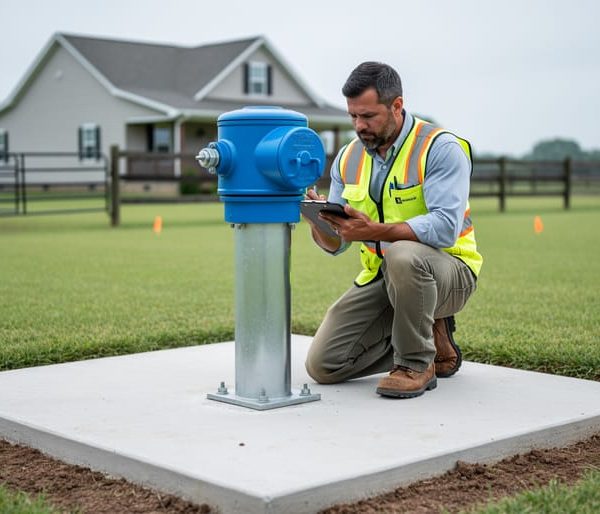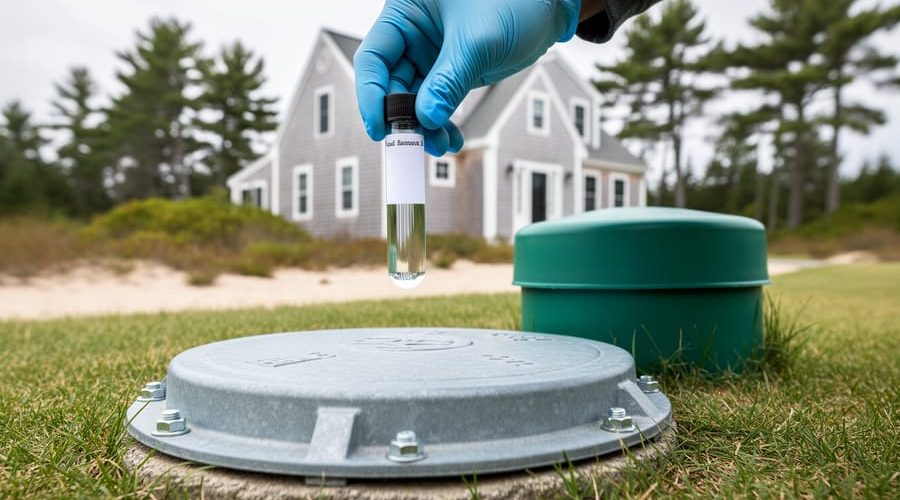
Schedule a comprehensive well water test at least 30 days before closing on any Wells, Maine property with a private water system. Test for bacteria, nitrates, arsenic, and PFAS—contaminants common in Southern Maine’s groundwater—and request historical water quality reports from the seller to identify seasonal variations or recurring issues.
Hire a licensed septic inspector to evaluate the system’s age, capacity, and compliance with current Maine DEP standards. Wells has strict setback requirements between wells and septic systems due to its sandy soil composition, which allows contaminants to travel quickly through groundwater. Request maintenance records and pumping history, as neglected systems often fail within two years of purchase.
Include well and septic contingencies in your purchase agreement that allow you to renegotiate or withdraw if testing reveals problems. Maine law doesn’t require sellers to test private wells before sale, placing the burden entirely on buyers to protect themselves. Specify who pays for repairs or upgrades needed to meet current code requirements.
Document the well’s static water level, recovery rate, and pump specifications during inspection. Wells, Maine experiences periodic drought conditions that can affect shallow wells, particularly in the town’s northern neighborhoods where bedrock wells are common. A well producing adequate water in spring may struggle during summer months when water tables drop and demand from seasonal residents increases.
Understanding these systems protects your investment and ensures your family’s access to safe, reliable water in a town where municipal water service remains limited to certain areas.
Why Wells, Maine Properties Rely on Private Water and Septic
Wells, Maine embodies the charm of coastal New England living, where scenic beaches meet wooded neighborhoods and rural landscapes. This unique geography plays a significant role in how properties access water and manage wastewater. Unlike densely populated urban areas with extensive municipal infrastructure, much of Wells relies on private well and septic systems—a feature that defines the real estate landscape here.
The town’s spread-out character, with homes dotted across approximately 60 square miles, makes extending municipal water and sewer lines economically impractical in many areas. This is especially true for properties set back from main roads, waterfront homes along the coast, and residences in Wells’ more rural inland sections. As a result, approximately 70% of Wells properties depend on private wells for drinking water and septic systems for wastewater treatment.
These independent systems offer distinct advantages that appeal to environmentally-conscious homeowners. Private wells provide direct access to groundwater without monthly utility bills, giving homeowners control over their water source and quality. When properly maintained, well water in Wells typically delivers fresh, mineral-rich water drawn from the region’s aquifers. Similarly, modern septic systems act as natural wastewater treatment facilities on your property, using soil bacteria to break down waste in an eco-friendly process.
The coastal and sandy soil conditions in parts of Wells actually support excellent septic system performance, as the porous ground facilitates proper drainage and natural filtration. However, this same proximity to water bodies means these systems require careful maintenance to protect the environmental quality that makes Wells such a desirable place to live.
For anyone involved in Wells real estate transactions, understanding these systems isn’t optional—it’s essential for making informed decisions and protecting your investment.
Essential Pre-Purchase Well Inspections and Testing
Required Water Quality Tests in Maine
Maine law requires specific water quality testing during real estate transactions involving private wells, protecting both buyers and sellers. The state mandates testing for bacteria, including total coliform and E. coli, which indicate potential contamination from surface water or septic systems. Arsenic testing is also required, as naturally occurring arsenic in bedrock poses health risks throughout Maine, including the Wells area.
Additionally, Maine requires testing for nitrates, which can enter groundwater from agricultural runoff or failing septic systems. Sodium levels must be checked too, particularly important for buyers monitoring their salt intake. While these are the minimum requirements, many buyers wisely expand testing to include lead, uranium, radon in water, and other contaminants common in coastal regions.
State-certified laboratories must conduct all testing to ensure accuracy and legal compliance. Many homeowners find it helpful to learn when and how to test their water beyond the transaction requirements for ongoing safety.
Testing should ideally occur after a purchase agreement is signed but before closing, giving buyers time to negotiate repairs or treatment systems if problems arise. The process typically takes 5-10 business days from sample collection to results. Licensed well drillers or professional water testing services can collect samples properly, ensuring reliable results. Some sellers proactively test before listing to address issues early and streamline the sale process.
Understanding these requirements helps you make informed decisions about your future water quality and necessary treatment investments.
Well System Components to Evaluate
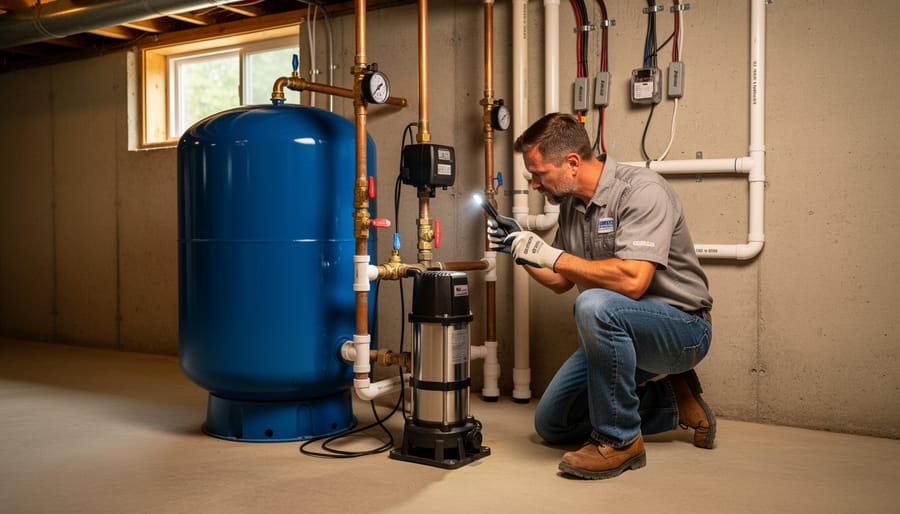
During your pre-purchase well inspection in Wells, Maine, several key components deserve careful evaluation to ensure you’re investing in a reliable water system. Understanding these elements helps you make informed decisions and avoid costly surprises after closing.
Start by reviewing the well depth and casing integrity. A properly sealed well casing prevents surface contamination from entering your water supply—a critical consideration for both health and environmental protection. Look for visible cracks, corrosion, or loose caps. Wells in Maine typically range from 100 to 500 feet deep, depending on local geology and water table conditions.
The submersible pump is your system’s workhorse, with typical lifespans of 8 to 15 years. Red flags include unusual noises, inconsistent water pressure, or frequent cycling. Request maintenance records to understand the pump’s age and service history.
Pressure tanks maintain steady water flow throughout your home and generally last 10 to 15 years. Check for rust, waterlogging, or pressure gauge readings outside the normal 40 to 60 psi range. A waterlogged tank causes the pump to cycle rapidly, reducing its lifespan.
Flow rate testing is essential—you’ll want at least 5 gallons per minute for a typical household. Anything below 3 gallons per minute may struggle to meet daily needs, especially during peak usage times.
Pay special attention to the wellhead area. It should be elevated above ground level to prevent surface water intrusion, positioned away from potential contamination sources like septic systems, and easily accessible for future maintenance. These components work together to deliver clean, sustainable water to your potential new home.
Understanding Your Well Water Test Results
Your water quality report may seem overwhelming at first, but understanding the basics protects your investment and family’s health. The report lists contaminants in parts per million (ppm) or parts per billion (ppb), with each substance having an EPA maximum contaminant level (MCL). Pay special attention to bacteria, nitrates, arsenic, and lead—common dangerous contaminants in Maine wells. Bacteria results are binary: any presence requires treatment. For chemical contaminants, levels at or above MCLs demand immediate action.
If problems are detected, don’t panic. Most issues are fixable through filtration systems, well disinfection, or drilling modifications. Request quotes from certified water treatment professionals and negotiate repairs with the seller before closing. Consider retesting after treatment to verify effectiveness. Remember, even results below MCLs might warrant filtration if you’re concerned about long-term exposure, especially for vulnerable family members like infants or elderly relatives.
Septic System Due Diligence for Wells Buyers
Maine Septic Inspection Requirements
When buying or selling a home with a septic system in Wells, Maine, you’ll need to navigate the state’s inspection requirements designed to protect both buyers and the local environment. Maine law requires a completed HHE-200 form, the official septic system inspection report, for most real estate transactions involving private wastewater systems.
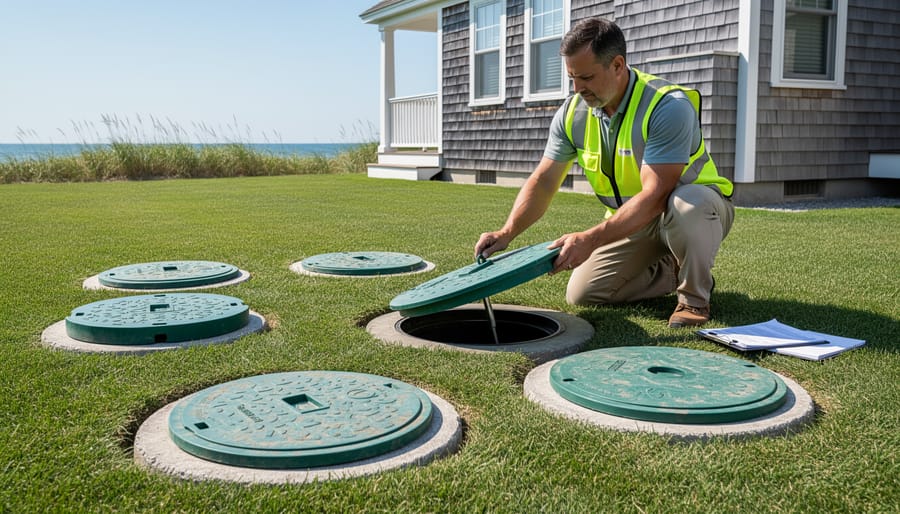
The HHE-200 inspection must be performed by a Maine Licensed Site Evaluator or a Licensed Master Plumber with appropriate certification. These trained professionals assess whether your septic system meets current state standards and operates safely. The inspection covers critical components including the septic tank’s structural integrity, baffles and access risers, the distribution box, and the drain field’s absorption capacity. Inspectors also evaluate the system’s location relative to wells and property boundaries to ensure compliance with setback requirements that protect groundwater quality.
Timing matters significantly in real estate transactions. Most purchase agreements require the septic inspection to be completed before closing, typically within the due diligence period. This allows buyers time to review results and negotiate repairs if issues arise. If the inspection reveals system failures or code violations, sellers may need to upgrade or replace components before transferring ownership.
The HHE-200 form provides a detailed snapshot of your septic system’s condition, noting any deficiencies that could impact property value or public health. Understanding these requirements helps buyers make informed decisions and protects sellers from future liability. Since septic systems directly impact groundwater that feeds private wells, maintaining a properly functioning system supports sustainable living and preserves the environmental quality that makes Wells an attractive community.
Common Septic Issues in Coastal Maine Properties
Wells, Maine’s stunning coastal location brings unique septic challenges that buyers and sellers must understand before closing a transaction. The area’s naturally high water table, especially near salt marshes and tidal zones, creates significant strain on septic systems. When groundwater levels rise too close to the drain field, wastewater cannot properly filter through the soil, leading to potential septic system failures and environmental concerns.
The sandy, gravelly soil composition common throughout Wells drains quickly, which seems beneficial but can actually allow inadequately treated wastewater to reach groundwater sources faster. This makes properly functioning septic systems even more critical for protecting Maine’s precious coastal ecosystem and private wells in the area.
Vacation properties present another layer of complexity. Seasonal homes experience irregular usage patterns—sitting dormant for months before sudden heavy use during summer. This inconsistent activity can disrupt the bacterial colonies that break down waste, reducing system efficiency. Additionally, older vacation homes may have undersized systems that cannot handle modern family gatherings or rental occupancy levels. Before purchasing any coastal Wells property, ensure the septic system has been recently inspected and appropriately sized for your intended use patterns.
Septic System Lifespan and Replacement Costs
Understanding the lifespan of septic components helps you budget wisely when purchasing a home in Wells, Maine. A properly maintained septic tank typically lasts 20 to 40 years, though concrete tanks generally outlive plastic or fiberglass alternatives. The drainfield, which is the most expensive component to replace, usually functions for 15 to 25 years under normal conditions. Regular pumping every three to five years can significantly extend your system’s life.
Replacement costs vary considerably based on soil conditions and property size. A new septic tank installation ranges from $3,000 to $7,000, while complete drainfield replacement can cost $5,000 to $20,000 or more. Minor repairs like replacing a pump or fixing distribution boxes typically run $500 to $2,000. For environmentally-conscious buyers, advanced treatment systems that better protect groundwater and nearby ecosystems may cost more upfront but offer superior performance. When negotiating your Wells real estate transaction, consider requesting maintenance records and factor potential replacement costs into your offer. A system nearing the end of its expected lifespan might warrant a price adjustment or seller concessions to cover future upgrades.
Negotiating Repairs and Credits During the Transaction
When your well and septic inspection reveals concerns, you have several options to protect your investment while keeping the transaction on track. The key is understanding what’s reasonable to request and how to structure your agreement to safeguard your interests.
Start by reviewing the inspection report with a qualified professional who can help you distinguish between minor issues and significant problems requiring immediate attention. For wells, concerns like low flow rates, contamination, or outdated equipment warrant serious consideration. With septic systems, issues such as tank deterioration, drain field failure, or capacity problems can involve substantial repair costs.
Once you understand the scope of any problems, you can approach negotiations strategically. Common options include requesting the seller make repairs before closing, asking for a credit at closing to handle repairs yourself, or negotiating a reduced purchase price. Each approach has advantages depending on your situation and timeline.
Sellers in Wells typically take responsibility for ensuring systems meet basic functionality standards, though Maine law doesn’t mandate specific repairs unless contamination poses health risks. However, most sellers recognize that addressing legitimate concerns helps transactions proceed smoothly. Your real estate agent can provide insight into local market customs and reasonable expectations.
Protecting yourself means including appropriate contingencies in your purchase agreement. A well and septic contingency allows you to renegotiate or withdraw from the purchase if inspections reveal significant issues. Be specific about what conditions must be met and establish clear timelines for inspections and negotiations.
For environmental sustainability and long-term water quality, consider requesting upgrades beyond minimum requirements when negotiating. Modern well components, updated water treatment systems, or septic system improvements can enhance both property value and your household’s ecological footprint. Sellers may be willing to share costs for improvements that benefit everyone.
Document everything in writing. Whether you agree on repairs, credits, or price adjustments, ensure amendments to your purchase agreement clearly specify who’s responsible for what and by when. This clarity prevents misunderstandings and protects both parties through closing.
Legal Disclosures and Documentation Requirements
When selling a property with a private well in Wells, Maine, sellers have specific legal obligations to protect buyers and ensure transparency. Maine law requires sellers to complete a Property Disclosure Statement that includes information about the condition and performance of well and septic systems. While Maine doesn’t mandate well testing before a sale, honest disclosure about known issues is essential to avoid future legal complications.
Sellers should gather all available documentation related to their well system, including the original drilling permit, completion report showing well depth and static water level, pump installation records, and any past water quality test results. For septic systems, documentation should include the initial installation permit, system design plans, inspection reports, and pumping service records. These documents help establish that systems were installed with proper permitting and have been adequately maintained.
To verify permits for existing systems, contact the Wells Code Enforcement Office, which maintains records of well and septic permits issued in town. If original permits can’t be located, the office may provide copies or confirm system compliance. For older properties where documentation is missing, sellers might need to hire a licensed site evaluator to assess the septic system or a well driller to verify well specifications.
Providing complete, accurate documentation upfront demonstrates good faith and helps transactions proceed smoothly while protecting both parties.
Protecting Your Investment: Post-Purchase Maintenance
Annual Water Testing and Treatment Options
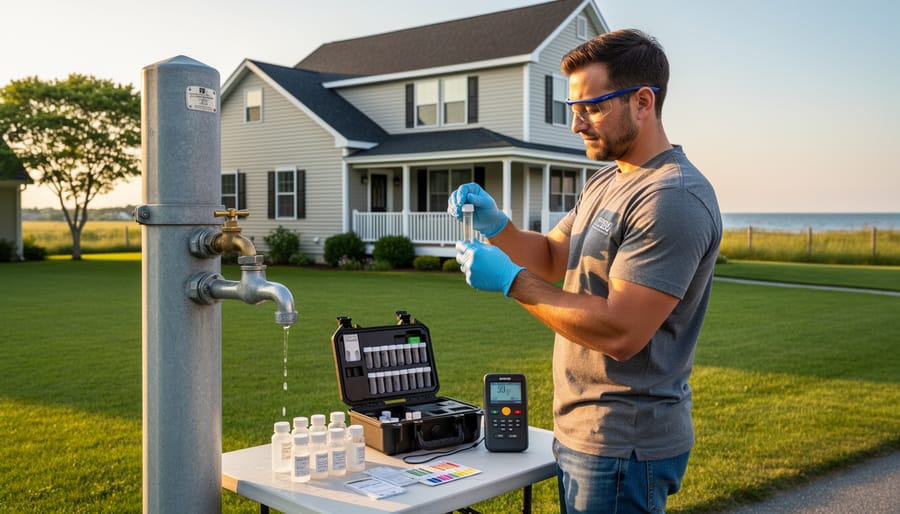
Once your well passes inspection during your Wells real estate transaction, establishing a regular testing schedule protects your investment and family’s health. Experts recommend ongoing water testing at least annually, with additional testing after heavy storms, nearby land disturbances, or changes in water taste, smell, or appearance.
Wells-area homes commonly face water quality challenges including hard water from mineral deposits, iron and manganese staining, low pH levels that can corrode pipes, and occasional bacterial contamination from coastal conditions. Understanding these issues helps you choose appropriate treatment solutions.
Modern water filtration systems address specific concerns effectively. Whole-house filters remove sediment and improve overall quality, while water softeners combat hard water damage to appliances and plumbing. Reverse osmosis systems provide purified drinking water, and UV sterilization eliminates bacteria without chemicals. For homes with multiple issues, combination systems offer comprehensive protection.
Investing in proper treatment not only ensures safe drinking water but also protects your home’s plumbing infrastructure and increases property value. Local water quality specialists can analyze your test results and recommend customized solutions that fit your household needs and budget.
Septic System Care Best Practices
Protecting your septic system ensures it functions efficiently and supports both your property value and environmental health. Regular maintenance is essential—have your system professionally pumped every 3-5 years, depending on household size and usage. This prevents solids from building up and causing costly failures.
Be mindful of what goes down your drains. Only flush toilet paper and human waste—never dispose of wipes (even “flushable” ones), feminine hygiene products, dental floss, or medications through your system. In the kitchen, avoid pouring fats, oils, and grease down drains, as these create clogs and disrupt the bacterial balance your system needs.
Adopt eco-friendly household practices that support system health. Choose biodegradable, phosphate-free cleaning products that won’t harm the beneficial bacteria breaking down waste. Limit water usage by fixing leaks promptly and spreading laundry loads throughout the week rather than doing them all at once. Excessive water can overwhelm your system.
Finally, protect your drain field by keeping vehicles and heavy equipment off the area and avoiding planting deep-rooted trees nearby. These simple practices extend your system’s lifespan and maintain water quality in Wells’ surrounding environment.
When purchasing or selling a home in Wells, Maine with private well and septic systems, thorough due diligence isn’t just a formality—it’s essential protection for your health and financial investment. These systems represent critical infrastructure that directly impacts your daily life, from the water you drink to the waste your household produces. Understanding the condition, capacity, and maintenance requirements of both systems before closing a transaction can save you from unexpected expenses and potential health hazards down the road.
A comprehensive inspection and water quality testing provide invaluable peace of mind, revealing any existing issues or future maintenance needs. Remember that well water quality can change over time due to various environmental factors, making ongoing monitoring an important part of responsible homeownership. Similarly, septic systems require regular maintenance to function properly and protect groundwater resources that feed those same private wells throughout the community.
By prioritizing these considerations during your real estate transaction, you’re not only making a smart financial decision but also embracing sustainable living practices that benefit your household and the broader Wells community. Taking the time to understand and properly maintain these systems ensures safe, clean water for your family while protecting the environmental quality that makes coastal Maine living so desirable.