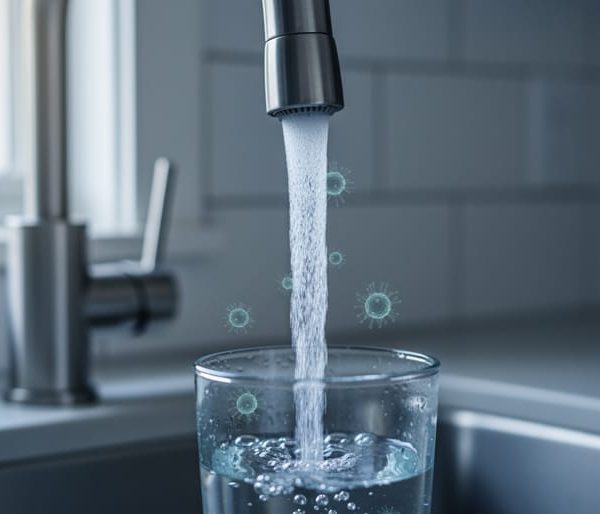
Every time you turn on your tap for a glass of water, you’re trusting that what flows out is safe. But here’s what most people don’t realize: the very process designed to protect you from waterborne diseases creates its own set of chemical compounds that deserve your attention. When chlorine and other disinfectants react with natural organic matter in water sources—think decaying leaves, algae, and soil—they form disinfection by-products, or DBPs. These compounds, including trihalomethanes and haloacetic acids, are now present in virtually every public water system across the country.
The paradox is striking: we need disinfection to eliminate dangerous pathogens like bacteria and viruses, yet this essential treatment introduces chemicals in tap water that raise legitimate health questions. Research has linked long-term exposure to certain DBPs with increased risks of bladder cancer, reproductive issues, and developmental concerns. The Environmental Protection Agency regulates these compounds, but many experts argue current limits don’t tell the whole story, especially when you consider cumulative exposure from drinking, cooking, and even showering.
Understanding DBPs isn’t about creating panic—it’s about making informed decisions for your household. Whether you’re considering a filtration system, wondering about your municipal water report, or simply want to know what’s actually in your drinking water, this guide breaks down the science, health implications, and practical solutions in straightforward terms.
What Are Disinfection Byproducts and How Do They Form?
The Water Treatment Process Explained
Understanding how your municipal water makes it to your tap helps explain where disinfection by-products originate. Most water treatment facilities follow a multi-stage process designed to remove contaminants and make water safe for consumption.
The journey typically begins with coagulation and flocculation, where chemicals bind to dirt and particles in the water. These clumps then settle out during sedimentation. Next comes filtration through sand, gravel, or other materials to capture remaining particles and microorganisms.
Here’s where disinfection enters the picture. After filtration, treatment plants add disinfectants like chlorine, chloramine, or chlorine dioxide to kill harmful bacteria, viruses, and parasites that could cause illness. This critical step has virtually eliminated waterborne diseases in developed countries, representing one of the greatest public health achievements of modern times.
However, when these disinfectants interact with naturally occurring organic matter in the water—such as decomposed leaves, algae, and other plant material—they create disinfection by-products as an unintended consequence. This chemical reaction happens both at the treatment plant and continues as water travels through distribution pipes to your home, which is why DBP levels can vary throughout your community’s water system.
The Chemical Reaction Behind DBPs
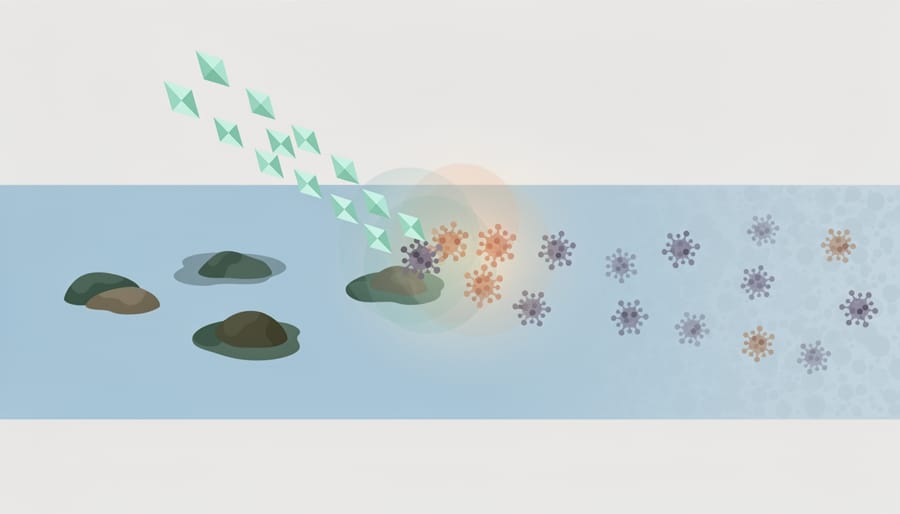
When your local water treatment facility adds chlorine or other disinfectants to kill harmful bacteria and viruses, these chemicals don’t just disappear after doing their job. Instead, they interact with naturally occurring substances in the water, setting off an unintended chemical reaction.
Think of your water supply as containing tiny bits of organic matter from nature—decomposed leaves, algae, soil runoff, and other plant materials. These organic compounds are perfectly natural, but when disinfectants like chlorine meet them, they create something new: disinfection by-products, or DBPs.
The process works a bit like mixing ingredients in your kitchen. When chlorine encounters natural organic matter, particularly substances called humic and fulvic acids from decomposed vegetation, they chemically bond together. This reaction produces compounds that weren’t in your water before treatment, including trihalomethanes (THMs) and haloacetic acids (HAAs).
The amount and type of DBPs formed depends on several factors: the concentration of disinfectant used, the quantity of organic matter present in the source water, water temperature, and how long the disinfectant remains in contact with these natural materials. Warmer water and longer contact times typically lead to higher DBP levels, which is why concentrations can vary seasonally.
While this reaction is an unavoidable side effect of the disinfection process that keeps our water safe from dangerous microorganisms, understanding it helps explain why modern water treatment facilities are exploring innovative approaches to minimize DBP formation while maintaining effective disinfection.
Common Types of Disinfection Byproducts in Your Water
Trihalomethanes (THMs)
Trihalomethanes, commonly called THMs, are one of the most prevalent types of disinfection by-products found in tap water. These chemical compounds form when chlorine or other disinfectants used to kill harmful bacteria react with natural organic matter in water sources, such as decaying leaves and algae. Think of it as an unintended chemistry experiment happening in your water supply.
The most common THMs include chloroform, bromodichloromethane, dibromochloromethane, and bromoform. Chloroform is typically the most abundant, especially in water treated with chlorine, while bromoform tends to form when water contains higher levels of bromide, a naturally occurring element often found in coastal areas.
What makes THMs a concern for homeowners is their volatility, meaning they can easily evaporate from water into the air. This happens not just when you drink water, but also during everyday activities like showering, cooking, or running the dishwasher. Long-term exposure to elevated THM levels has been associated with potential health concerns, which is why the Environmental Protection Agency regulates their maximum allowable concentrations in public water systems. Understanding THMs is your first step toward making informed decisions about your household water quality and exploring sustainable treatment options that align with eco-conscious living.
Haloacetic Acids (HAAs)
Haloacetic acids, commonly called HAAs, are a group of chemical compounds that form when chlorine or other disinfectants react with natural organic matter in your water supply. Think of them as an unintended consequence of keeping water safe from harmful bacteria. The most closely monitored group is HAA5, which includes five specific compounds that water utilities track to ensure your drinking water meets safety standards.
These byproducts matter because long-term exposure to elevated levels has been linked to potential health concerns, including increased cancer risk and reproductive issues. That’s why the Environmental Protection Agency sets strict limits on HAA concentrations in public water systems. Municipal water providers are required to regularly test for these compounds and keep levels below 60 parts per billion.
The good news? Your local water utility works hard to balance effective disinfection with minimizing HAA formation through careful monitoring and treatment adjustments. If you’re concerned about HAAs in your home’s water, activated carbon filters and reverse osmosis systems can effectively reduce these compounds. Understanding what’s in your water empowers you to make informed decisions about additional filtration options that align with your family’s health priorities and commitment to safe, clean drinking water.
Other DBPs You Should Know About
While THMs and HAAs get most of the attention, several other disinfection byproducts deserve your awareness. Bromate forms when ozone is used to disinfect water containing bromide, a naturally occurring mineral. The EPA regulates bromate levels because long-term exposure may increase cancer risk. Chlorite and chlorate appear when chlorine dioxide is used for treatment, and these compounds can affect red blood cells at elevated levels.
Other emerging DBPs include nitrosamines, which form during chloramine disinfection, and iodinated compounds in water treated with iodine-based methods. These lesser-known byproducts are still being studied to understand their full health impacts.
What makes these compounds particularly concerning is that they’re often overlooked by homeowners focused solely on chlorine taste and odor. Your municipal water report should list levels of regulated DBPs like bromate and chlorite, helping you understand what’s actually flowing from your taps. If you’re using advanced treatment methods at home or considering eco-friendly water purification options, understanding this broader range of byproducts helps you make informed decisions about protecting your family’s water quality.
Health Effects: What the Research Really Shows
Short-Term Exposure Concerns
For most healthy adults, short-term exposure to disinfection by-products at typical municipal water levels rarely causes immediate health concerns. Your city’s water treatment facility keeps DBP concentrations within federally regulated limits specifically to prevent acute health effects. However, it’s important to understand what short-term exposure might mean for your household.
Some individuals report experiencing skin irritation, eye redness, or respiratory discomfort after showering or bathing in chlorinated water with elevated DBP levels. These reactions are generally mild and temporary, affecting those with sensitive skin or pre-existing conditions like asthma more noticeably. Children and people with compromised immune systems may also be more susceptible to these immediate effects.
During seasonal changes or water system maintenance, your utility might temporarily increase chlorine levels to address bacterial concerns, which can lead to higher DBP formation. You might notice a stronger chlorine smell or taste during these periods. While drinking this water won’t typically cause immediate illness in healthy individuals, the elevated levels warrant attention, especially if you’re pregnant or have young children at home.
If you experience persistent symptoms like nausea, headaches, or unusual tastes coinciding with water use, contact your water provider to request current water quality reports and consider having your home’s water independently tested.
Long-Term Health Implications
While disinfection is essential for safe drinking water, long-term exposure to DBPs raises legitimate health concerns that homeowners should understand. Research over the past several decades has identified several potential health risks associated with chronic DBP exposure through drinking water consumption, showering, and bathing.
Cancer risk remains one of the most studied areas of DBP health effects. Studies have found associations between long-term DBP exposure and increased risk of bladder cancer, with some research also suggesting potential links to colorectal cancer. The International Agency for Research on Cancer has classified several trihalomethanes as possibly carcinogenic to humans, though it’s important to note that risk levels depend on concentration and duration of exposure.
Reproductive health represents another area of concern. Research indicates that pregnant women exposed to elevated DBP levels may face increased risks of low birth weight, premature delivery, and birth defects. DBPs can act as hormone-disrupting contaminants, potentially affecting endocrine system function even at low concentrations.
Additional chronic effects under investigation include impacts on liver and kidney function, as well as potential effects on the nervous system. Some individuals may experience skin irritation or respiratory symptoms, particularly from inhalation exposure during hot showers.
The good news is that regulatory agencies continuously update water quality standards based on emerging research, and practical solutions exist for homeowners concerned about DBP exposure. Understanding these risks empowers you to make informed decisions about your household water quality and take appropriate protective measures.
Vulnerable Populations and Special Considerations
Certain groups face elevated risks from disinfection by-products due to their bodies’ unique vulnerabilities. Pregnant women should pay special attention to these water quality concerns because DBPs can cross the placental barrier, potentially affecting fetal development. Research suggests links between DBP exposure and increased risks of miscarriage, low birth weight, and developmental issues.
Infants and young children are particularly vulnerable because their smaller body size means they receive higher doses relative to their weight. Their developing organs and immune systems are also more susceptible to chemical exposures. Additionally, infants consume more water per pound of body weight than adults, especially when formula-fed.
Individuals with compromised immune systems, including those undergoing chemotherapy, living with HIV/AIDS, or taking immunosuppressant medications, face heightened risks. Their bodies have reduced capacity to process and eliminate these chemical compounds effectively.
People with pre-existing respiratory conditions like asthma may experience worsened symptoms from DBP exposure through showering and bathing, where these compounds become airborne. Understanding these vulnerabilities helps households make informed decisions about water filtration and protection strategies.

Current Regulations and Safety Standards
EPA Standards and Maximum Contaminant Levels
The Environmental Protection Agency (EPA) sets strict limits on disinfection by-products to protect public health. These regulations, called Maximum Contaminant Levels (MCLs), establish the highest allowable concentration of specific contaminants in drinking water.
For the most common DBPs, the EPA has established the following limits: total trihalomethanes (TTHMs) must not exceed 80 parts per billion (ppb), and haloacetic acids (HAA5) are capped at 60 ppb. Think of parts per billion as drops in a swimming pool—these are extremely small amounts, but even trace levels can pose concerns with long-term exposure.
Water utilities must regularly test their water and take corrective action if levels approach or exceed these limits. They’re also required to notify customers if violations occur. However, it’s important to understand that meeting EPA standards represents a minimum safety threshold, not necessarily an optimal health target.
For homeowners, these standards provide a baseline for evaluating your water quality. While municipal water typically meets federal requirements, levels can fluctuate seasonally, particularly during warmer months when more disinfectant is needed. If you’re concerned about DBP exposure, especially if you’re in a vulnerable group like pregnant women or those with compromised immune systems, you might consider additional testing or home filtration systems to reduce these compounds even further.
How Your Water Utility Manages DBPs
Your local water utility faces a careful balancing act: they must eliminate dangerous pathogens while minimizing disinfection by-products. Here’s how they approach this challenge.
Most municipalities use a multi-barrier approach to keep DBP levels in check. First, they treat source water to remove organic matter before adding disinfectants, since these natural materials react with chlorine to form DBPs. This might include enhanced filtration or coagulation processes that capture leaves, algae, and other organic compounds.
Many utilities are also switching to alternative disinfection methods. Some use chloramines instead of chlorine, which produce fewer DBPs while still effectively killing bacteria. Others employ ozone or ultraviolet light for primary disinfection, then add smaller amounts of chlorine just to maintain safety throughout the distribution system.
Water systems continuously monitor DBP levels at multiple points in their distribution network. Federal regulations require quarterly testing for trihalomethanes and haloacetic acids, with maximum allowable levels set by the EPA. Your utility must provide you with an annual water quality report showing these results.
If you’re curious about your specific system’s approach, contact your water provider. They can explain their treatment methods and share recent test results, helping you make informed decisions about your home water quality.
Testing Your Home’s Water for Disinfection Byproducts
When Testing Makes Sense
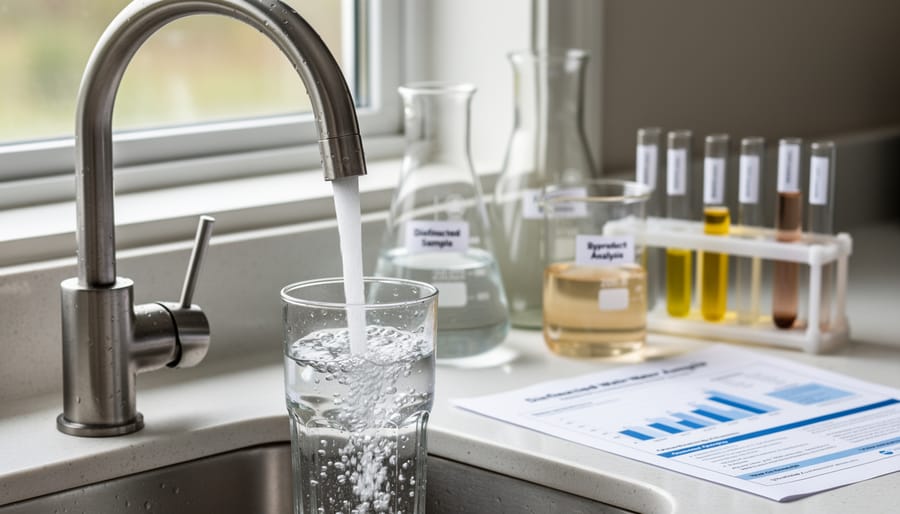
Consider testing your drinking water for DBPs if you use a private well, especially if you chlorinate it yourself. Municipal water customers near the end of distribution systems or in older neighborhoods with aging pipes may experience higher DBP levels due to longer water travel times. If you notice strong chlorine smells or taste in your water, this could indicate elevated disinfectant levels that may produce more byproducts. Pregnant women, families with young children, and individuals with compromised immune systems should prioritize testing since these groups face greater health risks from tap water contaminants. Annual testing makes sense for homes using alternative disinfection methods or those concerned about long-term exposure. Many certified water testing laboratories offer affordable DBP analysis, providing peace of mind about your household water quality.
How to Get Your Water Tested
If you’re concerned about disinfection by-products in your tap water, testing is the first step toward understanding what you’re dealing with. You have two main options: home testing kits and professional laboratory analysis.
Home testing kits offer convenience and affordability, typically ranging from $20 to $100. These kits can provide basic information about common DBPs like total trihalomethanes (THMs). You collect a water sample following the kit’s instructions and either use included test strips or mail the sample to a lab. While these kits are accessible for initial screening, they may not detect the full range of disinfection by-products or provide the precision needed for comprehensive assessment.
Professional laboratory testing delivers more accurate and detailed results. Certified water testing labs can identify specific DBPs, including regulated compounds like THMs and haloacetic acids (HAAs), as well as emerging contaminants. Costs range from $100 to $300 depending on the parameters tested. Many local health departments offer free or low-cost testing services, making this option surprisingly accessible.
For the most reliable results and peace of mind, professional lab analysis is worth the investment, especially if you have health concerns or notice changes in your water’s taste or odor.
Effective Home Water Treatment Solutions
Activated Carbon Filtration Systems
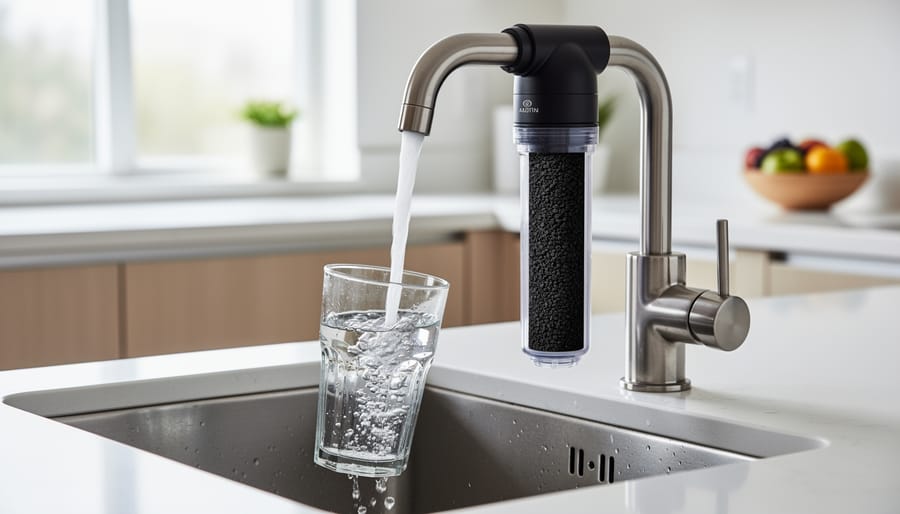
Activated carbon filtration offers one of the most effective home-based solutions for reducing disinfection by-products in your drinking water. These systems work through a process called adsorption, where DBP molecules stick to the surface of porous carbon granules as water flows through. Think of activated carbon like a sponge with millions of tiny holes that trap contaminants while letting clean water pass through.
For homeowners, two main types are available: point-of-use filters (installed at individual faucets or in pitchers) and whole-house systems that treat all water entering your home. Point-of-use options are budget-friendly and easy to install yourself, making them perfect for renters or those wanting to start small. Whole-house systems provide comprehensive protection but require professional installation.
The key to effectiveness lies in proper maintenance. Carbon filters lose their absorption capacity over time, typically requiring replacement every three to six months for pitcher filters and six to twelve months for under-sink units. Watch for slower flow rates or changes in water taste, as these signal it’s time for a new filter. Always choose filters certified by NSF International for DBP reduction to ensure you’re getting genuine protection for your family’s health.
Reverse Osmosis for DBP Removal
Reverse osmosis systems stand out as one of the most effective home water treatment technologies for removing disinfection byproducts from your drinking water. These advanced filtration systems work by forcing water through an extremely fine semi-permeable membrane that blocks contaminants while allowing pure water molecules to pass through.
RO systems can eliminate 85-95% of common DBPs, including trihalomethanes and haloacetic acids. The process is particularly effective because DBP molecules are significantly larger than water molecules, making them easy targets for the membrane to trap and flush away. This mechanical filtration approach means you’re not relying on chemical reactions or carbon adsorption alone, which can become saturated over time.
From an eco-living perspective, modern RO systems have become more efficient, with newer models reducing water waste compared to older versions. While traditional systems discharged several gallons for every gallon purified, cutting-edge innovations now achieve better ratios, making them a more sustainable choice for environmentally-conscious homeowners.
Consider that RO systems also remove other concerning contaminants like heavy metals, pesticides, and microplastics, offering comprehensive protection beyond just DBPs. For families prioritizing water safety, an under-sink RO unit provides point-of-use protection where you need it most—at your drinking water tap.
Whole House vs. Point-of-Use Solutions
When deciding how to reduce disinfection by-products in your home, you’ll encounter two main approaches: whole-house systems and point-of-use solutions. Each has distinct advantages depending on your needs and budget.
Whole-house filtration systems connect to your main water line, treating all water entering your home. These comprehensive systems protect you from DBP exposure not just when drinking, but also during showering, bathing, and cooking. Since we absorb DBPs through inhalation and skin contact during hot showers, whole-house solutions offer complete protection. However, they require professional installation and higher upfront costs.
Point-of-use systems, like under-sink filters or countertop units, target specific faucets where you consume water. These are more affordable and easier to install yourself, making them ideal for renters or those on tighter budgets. They effectively remove DBPs from drinking and cooking water, addressing the primary ingestion route.
Consider your household’s priorities: if you have young children, pregnant family members, or anyone with health sensitivities, whole-house systems provide peace of mind. For general health protection and eco-conscious living on a budget, quality point-of-use filters deliver excellent results where it matters most.
Sustainable Practices and Future Innovations
Alternative Disinfection Methods
Modern water treatment facilities are increasingly turning to alternative disinfection methods that create fewer harmful byproducts than traditional chlorine treatment. Ultraviolet (UV) disinfection uses powerful light rays to destroy bacteria, viruses, and other microorganisms without adding any chemicals to your water. This method produces virtually no disinfection byproducts, making it an excellent choice for homes with well water or as a point-of-use treatment system.
Ozonation is another innovative approach that uses ozone gas—a naturally occurring molecule made of three oxygen atoms—to eliminate contaminants. While ozone is highly effective at killing pathogens and breaking down organic materials, it does create some byproducts, though typically at lower levels than chlorination. The main byproducts from ozonation include bromate and formaldehyde, which utilities carefully monitor and control.
Some forward-thinking water systems combine these methods in a multi-barrier approach, using UV or ozone as the primary disinfectant while adding a small amount of chlorine to maintain protection as water travels through pipes to your home. This strategy significantly reduces overall byproduct formation while ensuring your water stays safe from your treatment plant to your tap.
Cutting-Edge Water Treatment Technologies
The water treatment industry is making exciting strides in reducing disinfection by-products while maintaining effective protection against harmful pathogens. One promising innovation involves advanced oxidation processes that combine ultraviolet light with hydrogen peroxide, breaking down organic matter before it can react with traditional disinfectants. This proactive approach significantly lowers DBP formation without compromising water safety.
Membrane filtration technologies, including nanofiltration and reverse osmosis systems, are becoming more affordable and energy-efficient for municipal water treatment. These systems physically remove organic precursors that lead to DBP creation, offering a chemical-free alternative that appeals to environmentally-conscious communities.
Another breakthrough involves targeted ion exchange resins specifically designed to capture DBP precursors before the disinfection stage. This technology is particularly effective at removing the natural organic compounds that react with chlorine to form harmful by-products.
For homeowners, these innovations are gradually making their way into residential filtration systems. Point-of-use devices incorporating activated carbon paired with catalytic media can now remove existing DBPs while also reducing the organic matter that contributes to their formation. As these technologies become more accessible, they represent a practical investment in long-term household water quality and family health protection.
Understanding disinfection by-products in your drinking water doesn’t need to be overwhelming. While it’s true that DBPs form during the treatment process, remember that regulated public water systems in developed countries undergo rigorous monitoring to keep these compounds within safe limits. The presence of DBPs reflects a careful balance—water treatment protects us from dangerous microorganisms while working to minimize chemical by-products.
If you’re concerned about DBP levels in your home, you have practical options available. Start by reviewing your local water quality report, which utilities provide annually and often post online. This report shows DBP levels and how they compare to regulatory standards. For those seeking additional peace of mind, consider installing a point-of-use filtration system. Activated carbon filters and reverse osmosis systems effectively reduce many DBPs, offering an extra layer of protection while protecting your family.
The key is making informed decisions based on your specific situation. Vulnerable populations, including pregnant women and those with compromised immune systems, may benefit most from additional filtration. Rather than fearing your tap water, view this knowledge as an opportunity to take control of your household water quality. By understanding DBPs and implementing appropriate solutions when needed, you’re making a proactive choice for your family’s health and contributing to a more sustainable lifestyle.