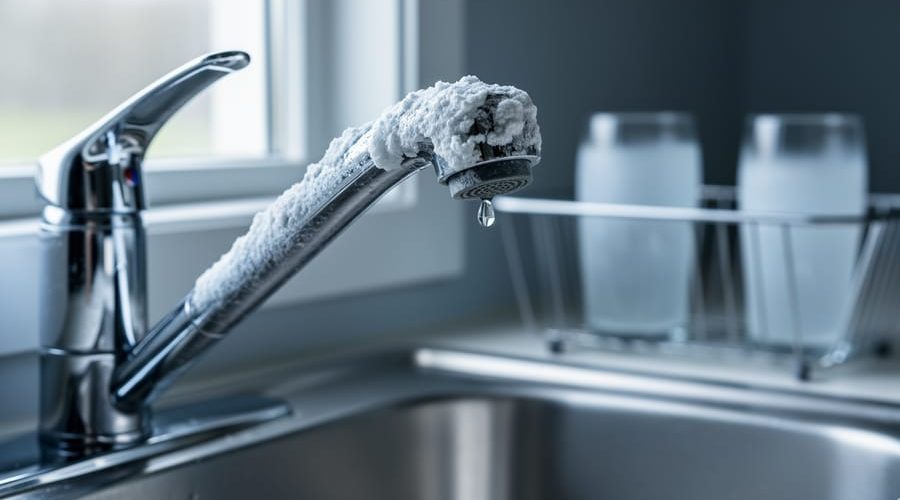
Hard water leaves its mark everywhere in your home—crusty white deposits on faucets, cloudy glassware, reduced appliance efficiency, and that squeaky feeling on your skin after showering. If you’re tired of these problems and ready to take action, you’re facing a critical decision: choosing between Template Assisted Crystallization (TAC) and traditional ion-exchange water softeners.
These two scale reduction technologies couldn’t be more different in how they work. Ion-exchange systems remove hardness minerals from your water entirely through a chemical process, replacing calcium and magnesium with sodium ions. TAC systems take a fundamentally different approach—they don’t remove minerals at all. Instead, they convert hardness minerals into microscopic crystal particles that flow harmlessly through your plumbing without forming scale buildup.
Understanding which system fits your home requires looking beyond marketing claims. You need to consider your water hardness levels, household size, environmental priorities, maintenance willingness, and budget constraints. Ion-exchange delivers completely soft water but requires salt, electricity, and regular upkeep. TAC systems offer a salt-free, maintenance-free alternative but work differently and have specific limitations.
This guide cuts through the confusion by comparing both technologies across performance, cost, environmental impact, and practical application. You’ll discover how each system actually works, their real-world advantages and drawbacks, and clear criteria for making the right choice for your specific situation.
What Is a Scale Reduction System and Why You Need One
The Science Behind Scale Formation
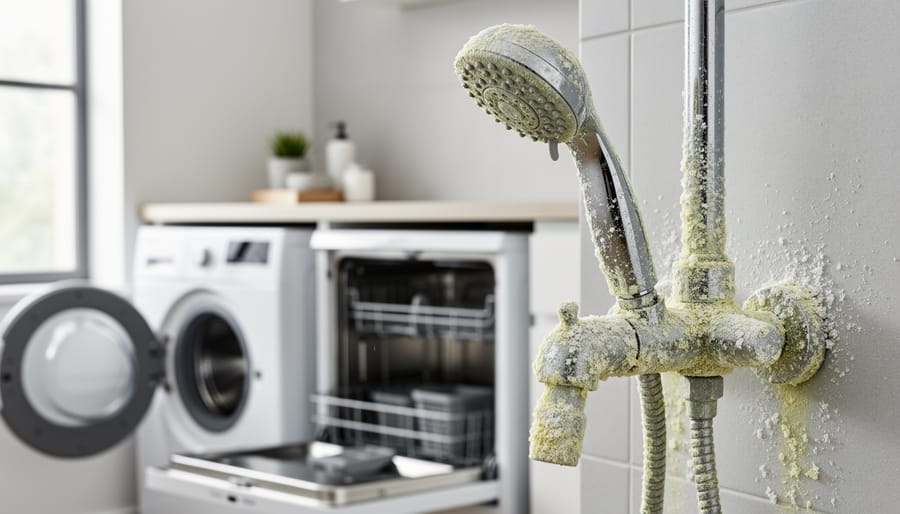
Hard water contains dissolved minerals, primarily calcium and magnesium, picked up as water travels through rock and soil. When this mineral-rich water heats up or sits in pipes and appliances, chemistry takes over. The calcium and magnesium react with carbonates in the water, forming calcium carbonate crystals—the white, chalky substance we call limescale.
Think of it like salt crystallizing from seawater. As water evaporates or changes temperature, these minerals can no longer stay dissolved and must go somewhere. Unfortunately, they bond to surfaces they contact, creating stubborn deposits on your pipes, water heaters, faucets, and appliances.
This buildup isn’t just unsightly. Scale acts as an insulator, forcing water heaters to work harder and use more energy. It narrows pipe diameters, reducing water pressure and flow. Over time, these deposits can cause significant damage, shortening appliance lifespans and increasing energy costs. Understanding this process helps you appreciate why preventing scale formation—rather than just removing it after the fact—represents a smarter, more sustainable approach to managing hard water in your home.
The True Cost of Ignoring Scale
Hard water isn’t just an inconvenience—it’s silently draining your wallet. When mineral-rich water flows through your home untreated, the financial consequences add up quickly, often in ways you might not immediately notice.
Let’s start with your appliances. Water heaters operating with hard water can lose up to 48% of their efficiency within just 1.6 years, according to industry studies. That translates to significantly higher energy bills each month. The average household could be spending an extra $200 to $400 annually just on increased heating costs. Beyond efficiency, scale buildup shortens appliance lifespan dramatically—your dishwasher, washing machine, and coffee maker can all fail years earlier than expected, requiring expensive replacements.
Plumbing repairs present another major expense. Scale accumulation restricts water flow, increasing pressure on pipes and fixtures. Emergency plumbing calls for clogged pipes or failed water heaters typically cost between $300 and $1,000 per incident. Over a decade, homeowners in hard water areas might face multiple repairs totaling several thousand dollars.
Don’t forget the hidden costs: extra detergent needed for cleaning, more frequent replacement of faucets and showerheads, and reduced effectiveness of water-using appliances that struggle against mineral deposits. Soap scum requires harsh chemical cleaners, adding to both your grocery bill and environmental impact.
When you total these expenses—increased energy consumption, premature appliance replacement, plumbing repairs, and cleaning supplies—ignoring hard water could cost your household $2,000 to $5,000 over five years. A scale reduction system isn’t an expense; it’s a smart investment in protecting your home and budget.
TAC Technology: The Chemical-Free Scale Fighter
How TAC Systems Work
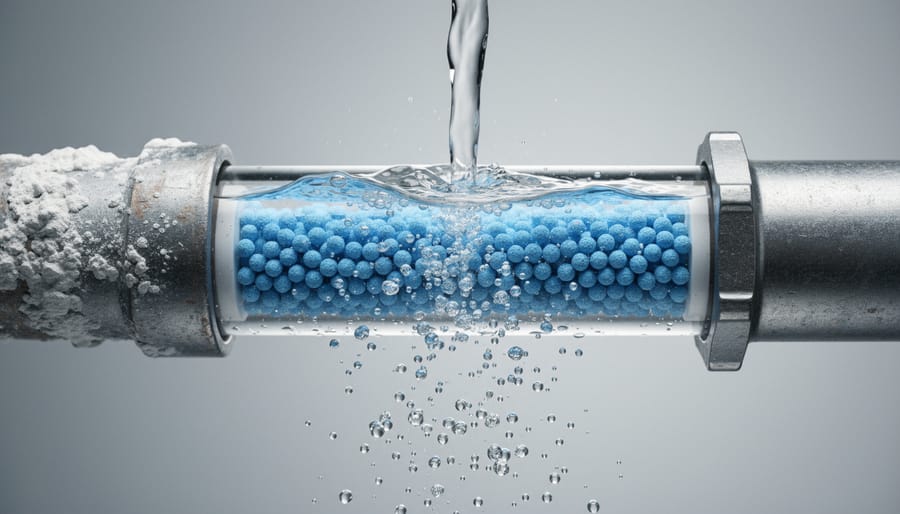
TAC systems take a completely different approach to hard water problems. Instead of removing minerals from your water, they transform them into harmless microscopic crystals that simply wash away. This innovative process, called Template Assisted Crystallization, happens through specially designed media beads inside the system’s tank.
When hard water flows through a TAC system, it passes over these catalytic beads. The surface of each bead acts like a template, encouraging dissolved calcium and magnesium minerals to cluster together and form tiny crystal structures. This transformation happens in seconds as water moves through the tank.
These newly formed crystals are game-changers for your plumbing. Unlike the sticky, hard minerals in untreated water, these crystals remain suspended in the water flow. They can’t attach to your pipes, water heater elements, or appliances because their crystalline structure prevents them from bonding to surfaces. Think of it like the difference between wet clay that sticks to everything and smooth pebbles that slide right off.
The beauty of this process is its simplicity. There’s no chemical reaction, no need for electricity, and no water gets wasted in backwashing or regeneration cycles. The minerals stay in your water—they’re just converted into a form that won’t cause scale buildup. Your water retains beneficial minerals for drinking while protecting your home’s plumbing infrastructure. This makes TAC systems an attractive option for environmentally-conscious homeowners seeking effective, eco-friendly water treatment solutions.
The Environmental and Practical Benefits
Scale reduction systems offer remarkable environmental and practical advantages that make them an attractive choice for eco-conscious homeowners. Unlike traditional water softeners, these innovative systems operate without electricity, meaning they won’t increase your energy bills or leave you without protection during power outages. They’re truly a set-it-and-forget-it solution.
One of the most significant benefits is their zero-salt operation. This eliminates the ongoing expense and physical effort of hauling heavy salt bags, while also preventing sodium from entering your water supply and local waterways. For those watching their sodium intake or concerned about environmental impact, this is a game-changer.
Scale reduction systems also generate no wastewater during operation. Traditional ion-exchange softeners can discharge hundreds of gallons of brine-laden water monthly during their regeneration cycles, but template-assisted crystallization systems avoid this entirely. This conservation feature is particularly valuable in drought-prone regions or for anyone looking to reduce their household’s water footprint.
Maintenance requirements are minimal compared to conventional softeners. There’s no need to monitor salt levels, clean brine tanks, or schedule regular regeneration cycles. Most systems simply require a media cartridge replacement every few years, depending on water usage and hardness levels.
Perhaps most importantly for health-conscious families, these systems preserve beneficial minerals like calcium and magnesium in your drinking water. You get scale protection without sacrificing the nutritional value of your tap water, supporting both your home’s infrastructure and your family’s wellness.
Where TAC Falls Short
While TAC technology offers impressive benefits, it’s important to understand its limitations before making your decision. The most significant distinction is that TAC doesn’t actually soften water—it prevents scale buildup but leaves minerals in the water. This means you won’t experience the slippery feel of softened water or reduced soap usage that ion-exchange systems provide.
Homeowners dealing with extremely hard water (above 25 grains per gallon) may find TAC’s effectiveness diminishes, and visible scale can still occur. The technology also requires proper flow rates and contact time to work effectively, making it less suitable for homes with irregular water usage patterns or very low flow situations.
TAC isn’t ideal if you need true water softening for specific appliances, have severe existing scale problems requiring aggressive treatment, or live in areas with extremely high mineral content. Additionally, some users report that TAC media needs replacement more frequently than advertised when water conditions are challenging, adding to long-term costs.
Ion-Exchange Softening: The Traditional Powerhouse
How Ion-Exchange Softeners Work
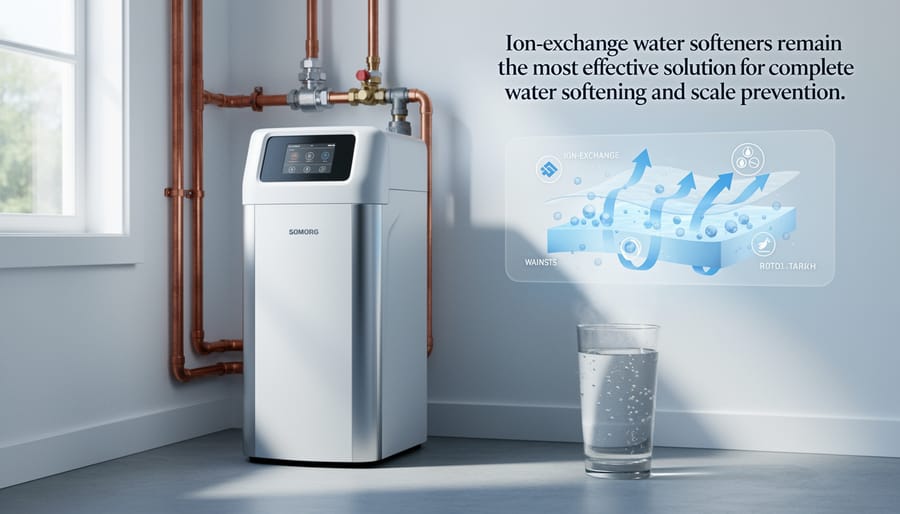
Ion-exchange water softeners have been the traditional go-to solution for hard water problems for decades. Think of them as microscopic trading posts where unwanted minerals get swapped out for something less problematic.
At the heart of these systems are tiny resin beads, typically housed in a large tank. These beads are pre-loaded with sodium ions and act like molecular magnets. As hard water flows through the tank, the calcium and magnesium minerals that cause scale stick to the resin beads, while sodium ions are released into the water in exchange. This process effectively removes the hardness-causing minerals from your water supply.
The magic happens at a microscopic level, but the results are noticeable throughout your home. Your water becomes genuinely soft, which means better lathering soap, spot-free dishes, and protected plumbing and appliances.
However, these systems need regular maintenance to keep working. Eventually, the resin beads become saturated with calcium and magnesium and can’t absorb any more. That’s where the brine tank comes in. This separate container holds a concentrated salt solution that periodically flushes through the resin beads during a regeneration cycle, typically happening overnight. The salt solution strips away the collected minerals and recharges the beads with fresh sodium ions, sending the mineral-laden wastewater down the drain.
This regeneration process means you’ll need to regularly refill the brine tank with salt and account for the water and salt discharged during each cycle.
The Complete Softening Advantage
True water softening through ion-exchange systems delivers benefits that go far beyond simply preventing scale buildup. When you remove hardness minerals from your water, you create genuinely soft water that transforms your daily household experience in noticeable ways.
The most immediate difference you’ll notice is how soap and shampoo perform. Soft water creates rich, luxurious lather with just a small amount of product, meaning your cleaning supplies last significantly longer. This improved lathering action also translates to cleaner dishes, softer laundry, and a more satisfying shower experience. Your skin feels smoother and less dry because soft water rinses away soap completely, rather than leaving behind the sticky film that forms when soap reacts with hard water minerals.
Your hair benefits tremendously as well. Without hard water minerals coating each strand, hair feels softer, appears shinier, and becomes more manageable. Many people find they can reduce their dependence on heavy conditioners and styling products once they switch to softened water.
The spotless dish advantage is another game-changer. Glasses emerge from your dishwasher sparkling clear without those cloudy white spots that hard water leaves behind. Your fixtures and shower doors stay cleaner longer, drastically reducing scrubbing time and the need for harsh chemical cleaners.
Most importantly, ion-exchange systems provide complete scale prevention throughout your entire plumbing system. Pipes, water heaters, and appliances remain scale-free, maximizing efficiency and extending equipment lifespan. This comprehensive protection represents a significant long-term investment in your home’s infrastructure while supporting more sustainable household management.
The Environmental and Maintenance Trade-offs
When evaluating scale reduction systems, environmental considerations matter alongside performance. Ion-exchange water softeners require regular salt additions for regeneration cycles, typically 40-80 pounds monthly for an average household. This process also generates wastewater containing concentrated minerals and sodium, which flows into septic or municipal systems. Some communities have even restricted salt-based softeners due to environmental concerns about chloride contamination in waterways.
TAC systems, by contrast, use no salt and produce zero wastewater, making them the more eco-friendly choice. However, both systems consume electricity to operate, though TAC units typically use less power since they don’t require regeneration cycles.
Another health consideration: ion-exchange adds sodium to your drinking water during the softening process. While amounts are generally small, individuals on sodium-restricted diets may need to install a separate drinking water tap with unsoftened water. TAC systems don’t alter water chemistry, leaving mineral content unchanged.
Maintenance requirements differ significantly too. Salt-based softeners need monthly salt refills, annual resin cleaning, and periodic professional servicing. TAC systems simply require media replacement every three to five years, making them lower-maintenance overall.
TAC vs Ion-Exchange: Which Scale Reduction System Fits Your Home
Performance and Effectiveness Comparison
When it comes to preventing scale buildup, both TAC and ion-exchange systems deliver results, but their effectiveness varies based on your specific situation. Ion-exchange systems excel at complete mineral removal, making them ideal for homes with severely hard water (above 10 grains per gallon). They eliminate the minerals that cause scale, ensuring zero buildup in pipes and appliances. TAC systems, on the other hand, don’t remove minerals but transform them into harmless crystals that won’t stick to surfaces.
In real-world scenarios, ion-exchange provides more predictable performance for drinking water quality and appliance protection. However, TAC systems shine in situations where maintaining healthy minerals in water matters. For moderately hard water (3-10 grains per gallon), TAC offers adequate protection without the ongoing salt costs and wastewater production.
The key limitation to understand: TAC effectiveness can decrease with extremely hard water or in very hot water applications above 140°F. Ion-exchange maintains consistent performance regardless of temperature or hardness level, though it requires regular maintenance to sustain that effectiveness. Your choice ultimately depends on balancing complete mineral removal against eco-friendly operation and whether you prioritize drinking water quality or environmental sustainability.
Environmental and Sustainability Impact
When it comes to environmental responsibility, these two systems show dramatically different profiles. Ion-exchange softeners require regular salt additions—typically 40 to 80 pounds monthly for an average household. This salt eventually flows into wastewater, increasing sodium levels in local water supplies and potentially harming aquatic ecosystems. These systems also use water for regeneration cycles, wasting between 25 to 100 gallons per cycle, which can add up to thousands of gallons annually.
TAC systems present a greener alternative. They operate without chemicals, produce zero wastewater, and require no electricity beyond minimal initial setup. There’s no salt discharge to worry about, making them friendlier to septic systems and the environment. From an energy perspective, TAC systems consume virtually nothing after installation, while ion-exchange systems need power for automated regeneration cycles and water pressure to flush out accumulated minerals.
For eco-conscious homeowners, TAC systems align better with sustainable living practices. However, if you face severe hardness issues, the cleaning effectiveness of ion-exchange might outweigh environmental concerns in specific situations.
Cost Analysis: Initial Investment and Long-Term Ownership
Understanding the financial commitment of a scale reduction system helps you make a confident choice for your home. TAC (Template Assisted Crystallization) systems typically cost between $800 and $2,000 for the unit itself, with installation adding another $200 to $500 if you’re hiring a plumber. These systems shine in long-term savings because they require no electricity, produce zero wastewater, and need minimal maintenance—usually just a media replacement every 3-5 years at around $300 to $500.
Ion-exchange water softeners present a different cost picture. Initial purchase prices range from $400 to $2,500 depending on capacity, with professional installation running $300 to $1,000. However, ongoing expenses add up: you’ll spend $50 to $200 annually on salt, face higher water bills due to backwashing (using 25-100 gallons per regeneration cycle), and potentially see increased energy costs for water heating due to added sodium content.
Over a 10-year period, TAC systems typically cost $2,000 to $3,500 total, while ion-exchange systems can reach $3,500 to $6,000 when factoring in salt, water waste, and energy consumption. For eco-conscious homeowners, TAC systems offer both environmental benefits and notable cost advantages in long-term ownership.
Health and Water Quality Considerations
When evaluating scale reduction systems, understanding their health implications helps you make the right choice for your household. TAC systems maintain beneficial minerals like calcium and magnesium in your water, which contribute to daily mineral intake and preserve the natural taste you’re accustomed to. This makes them ideal for families with sodium-restricted diets or anyone concerned about nutritional balance.
Ion-exchange softeners remove these minerals while adding small amounts of sodium through the exchange process. While the sodium content typically remains within safe drinking water standards, individuals monitoring salt intake for medical reasons should consult their healthcare provider. The softer water produced often tastes different, which some find preferable while others need time to adjust.
Both systems produce safe drinking water when properly maintained. TAC systems require minimal upkeep and don’t introduce chemicals, aligning with eco-conscious living principles. Ion-exchange systems need regular salt additions and periodic maintenance but effectively prevent scale-related plumbing issues that could compromise water quality over time.
Making Your Decision: A Homeowner’s Action Plan
Test Your Water First
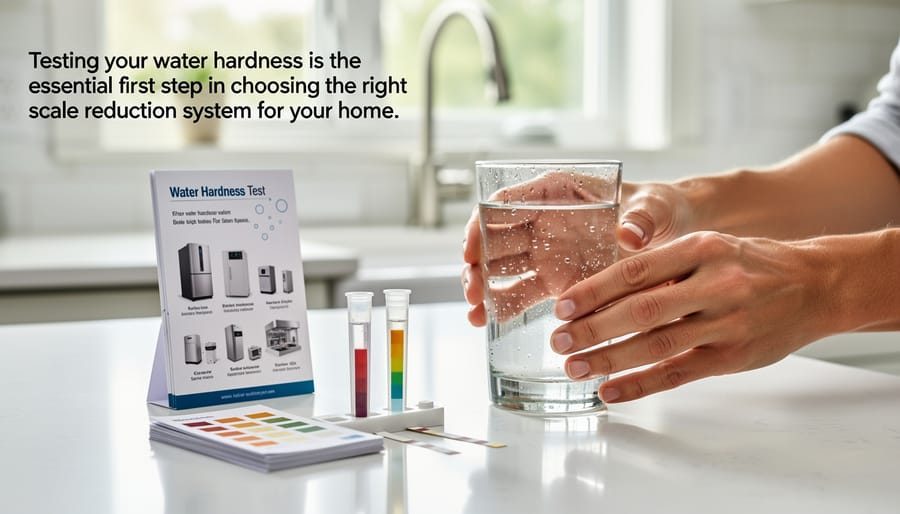
Before investing in any scale reduction system, test your water to understand your hardness levels. You can purchase an inexpensive test kit from hardware stores or online, request a water quality report from your municipal supplier, or hire a professional for comprehensive analysis. Water hardness is measured in grains per gallon (gpg) or parts per million (ppm). Levels below 3.5 gpg are considered soft, 3.5-7 gpg is moderately hard, 7-10.5 gpg is hard, and anything above 10.5 gpg is very hard. These numbers directly impact which system works best for your home. Very hard water above 15 gpg typically requires ion-exchange systems for effective treatment, while moderately hard water between 5-15 gpg gives you flexibility to choose either technology based on your priorities around maintenance, environmental impact, and budget.
Match the System to Your Priorities
Choosing the right scale reduction system starts with understanding your specific situation. Let’s walk through the key factors that should guide your decision.
First, assess your water hardness level. If you’re dealing with extremely hard water (above 10 grains per gallon), ion-exchange systems typically deliver more complete mineral removal and better results for stubborn scaling issues. For moderately hard water, TAC systems offer effective protection while preserving beneficial minerals.
Your environmental priorities matter significantly. If you’re committed to reducing your ecological footprint, TAC systems shine with their zero-waste operation, no electricity requirements, and chemical-free process. They align perfectly with sustainable living goals. Ion-exchange systems, while highly effective, require salt regeneration and produce wastewater, though modern efficiency improvements have minimized environmental impact.
Budget considerations extend beyond initial costs. TAC systems generally have higher upfront prices but lower ongoing expenses since they don’t need salt or electricity. Ion-exchange systems cost less initially but require regular salt purchases and occasional maintenance. Calculate your five-year total cost of ownership for a realistic comparison.
Consider your household needs as well. Large families needing truly soft water for laundry, dishwashing, and personal care may prefer ion-exchange. Smaller households primarily concerned with protecting appliances and plumbing can benefit from TAC’s simplicity and maintenance-free operation.
Finally, evaluate your willingness to perform maintenance. If you prefer a set-it-and-forget-it solution, TAC systems require minimal attention. Those comfortable with routine upkeep can successfully maintain ion-exchange systems.
Both TAC and ion-exchange systems deliver effective scale reduction, but they accomplish this goal through fundamentally different approaches. Neither technology is universally superior—instead, each shines in specific situations based on your household’s unique circumstances.
If you prioritize traditional soft water for cleaning efficiency, value the silky feel on your skin, and don’t mind the maintenance requirements of salt replenishment and regeneration cycles, ion-exchange water softeners remain the proven choice. They physically remove hardness minerals, making them ideal for homes with extremely hard water where scale buildup poses serious plumbing risks.
Conversely, TAC systems appeal to environmentally-conscious homeowners who want scale protection without altering water chemistry or adding sodium. These innovative systems require virtually zero maintenance, waste no water, and preserve beneficial minerals that contribute to better-tasting drinking water. They’re particularly attractive for those on sodium-restricted diets or concerned about their environmental footprint.
Your decision should weigh several factors: your water hardness level, household size, budget constraints, environmental values, and specific water quality goals. Consider having your water professionally tested to understand exactly what you’re dealing with. Review your monthly water usage patterns and calculate long-term operational costs, not just initial installation expenses.
Remember that this isn’t just about preventing scale—it’s about choosing a solution that aligns with your lifestyle, values, and practical needs. Take time to evaluate what matters most to your household. Whether you select cutting-edge TAC technology or time-tested ion-exchange softening, you’re taking an important step toward protecting your home and improving your daily water experience.