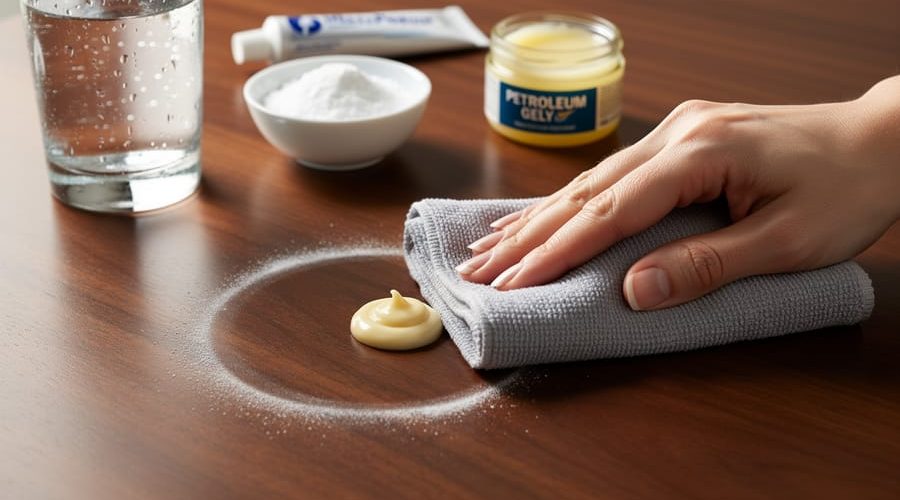
Remove white water rings by gently rubbing mayonnaise into the mark with a soft cloth, letting it sit for several hours or overnight, then wiping clean—the oils penetrate the finish to displace trapped moisture. For stubborn marks, make a paste of equal parts white toothpaste and baking soda, apply in circular motions with minimal pressure, and wipe away promptly to avoid damaging the wood finish. Apply a thin layer of petroleum jelly over persistent rings and leave for 24 hours before buffing with a clean cloth, allowing the oils to slowly draw out moisture trapped beneath the surface.
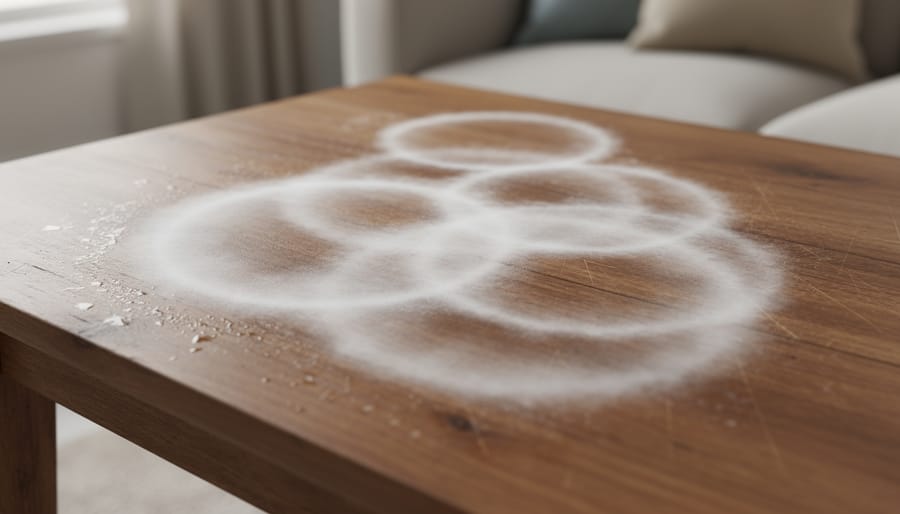
These white rings appear when water droplets sit on wood furniture and moisture seeps into the finish, not the wood itself. The cloudiness you see comes from mineral deposits left behind as water evaporates, particularly common in homes with hard water where calcium and magnesium concentrate in each droplet. While these repair methods restore your furniture’s appearance, the underlying issue stems from your water quality. Addressing hard water through household water treatment not only prevents future furniture damage but also protects plumbing, improves appliance efficiency, and enhances overall water usability throughout your home. Understanding this connection between water quality and household maintenance helps you move beyond repeatedly fixing symptoms to implementing lasting solutions.
Understanding White Water Marks: The Hard Water Connection
Surface Marks vs. Deep Penetration
Before attempting any repair, you need to determine whether the water mark sits only in the finish or has penetrated into the wood itself. This simple test will save you time and prevent using the wrong approach.
Surface marks appear white or cloudy and affect only the protective finish layer—typically caused by moisture from cups, glasses, or spills that haven’t soaked through. These marks feel smooth to the touch and don’t change the wood’s texture. Gently run your fingernail across the mark; if you can’t feel a depression or raised area, it’s likely superficial.
Deep marks, on the other hand, appear darker (gray or black) and indicate water has reached the wood fibers beneath the finish. These often result from prolonged exposure to standing water or mineral-rich hard water that’s penetrated the protective coating. You may notice slight texture changes or a dull appearance that persists even when viewed from different angles.
The good news? Surface marks respond well to gentle home remedies, while deep stains require more intensive refinishing. Knowing the difference helps you choose the right solution and avoid wasting effort on methods that won’t work for your specific situation.
Why Your Water Quality Matters
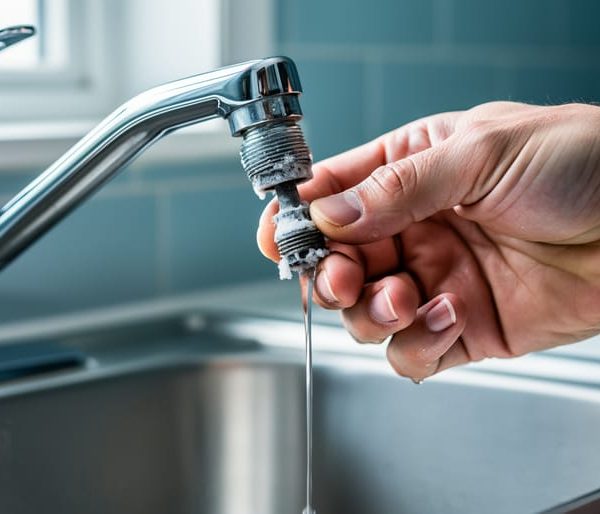
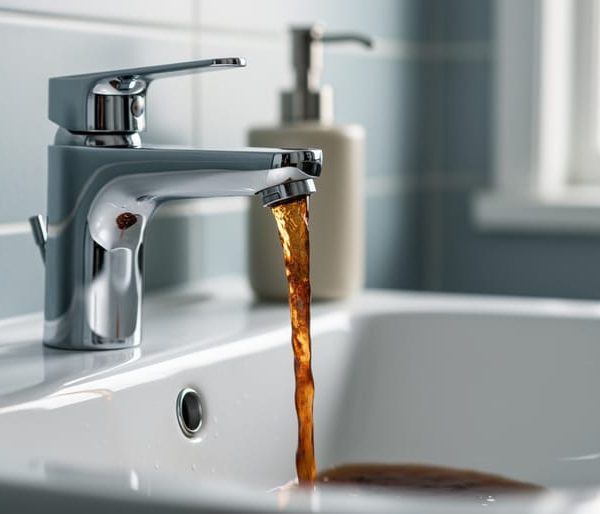
Those stubborn white rings on your wooden furniture are often symptoms of a larger household issue: hard water. When water contains high concentrations of minerals like calcium and magnesium, it leaves behind chalky deposits as it evaporates. These minerals don’t just affect your furniture—they create water damage throughout your home, from spotty dishes to cloudy shower doors and scale buildup in appliances. Understanding this connection helps you address both the visible marks and the underlying water quality issues. While removing existing stains is important, preventing future damage starts with recognizing that your water’s mineral content directly impacts every surface it touches. By improving your water quality, you can protect your wood furniture and reduce maintenance needs throughout your entire home.
Quick Fixes for Surface-Level White Water Marks
The Mayonnaise Method
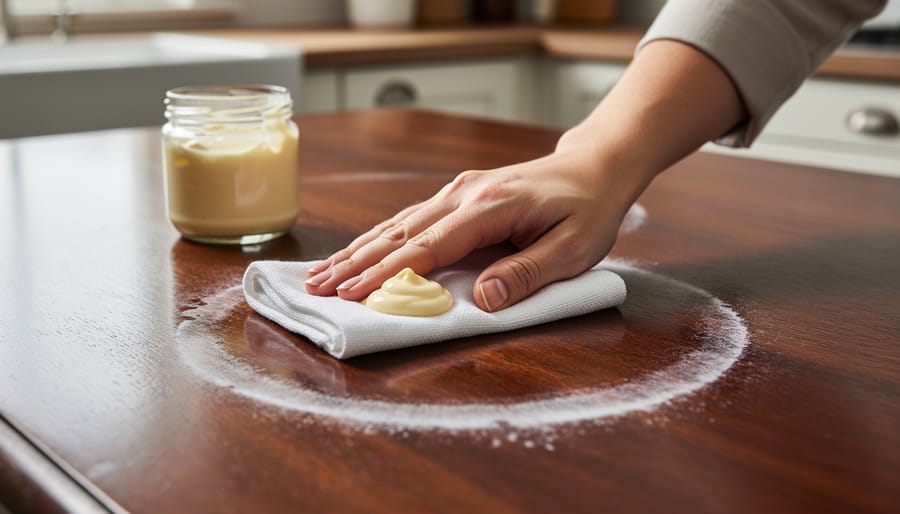
Surprisingly, mayonnaise can effectively remove white water marks thanks to its oil content, which penetrates the wood finish to displace trapped moisture. Simply apply a generous dollop of full-fat mayonnaise directly onto the water ring, then gently spread it to cover the entire affected area. Let it sit for several hours or overnight, allowing the oils to work their way into the finish and draw out the moisture that causes the cloudy appearance. Afterward, wipe away the mayonnaise with a soft cloth and buff the surface clean. This household remedy works because the oils in mayonnaise act as a gentle solvent, breaking down the moisture barrier while conditioning the wood finish. While this method addresses surface-level damage, keep in mind that white rings often result from mineral deposits in hard water. If you frequently notice these marks on your furniture, it may indicate a broader water quality issue in your home worth investigating to prevent future damage.
Iron and Cloth Technique
The iron and cloth technique harnesses gentle heat to draw out moisture trapped beneath your wood’s finish—the actual culprit behind those frustrating white rings. This method works because the heat encourages water molecules to evaporate without damaging the wood itself.
Start by setting your iron to the lowest heat setting, ensuring the steam function is completely off. Place a clean, dry cotton cloth (like an old t-shirt or pillowcase) directly over the water mark. Gently press the iron onto the cloth for 3-5 seconds at a time, lifting and checking your progress frequently. The trapped moisture will gradually evaporate through the finish, and you’ll see the white mark begin to fade.
This eco-friendly approach requires nothing more than items you already own, making it both sustainable and cost-effective. However, remember that these marks often result from hard water mineral deposits left behind when condensation forms on wood surfaces. While this technique effectively removes existing damage, addressing your home’s water quality can prevent future occurrences altogether.
Baking Soda Paste Solution
For more stubborn white water marks that haven’t responded to gentler methods, a baking soda paste offers an eco-friendly abrasive solution. This household staple works by gently buffing away the mineral deposits left behind by hard water without damaging the wood’s finish.
Mix equal parts baking soda and water to create a thick paste with a toothpaste-like consistency. Apply a small amount to a soft, damp cloth and rub it gently onto the water mark using circular motions. The key is applying light pressure—you’re removing the surface stain, not the finish itself. Work in small sections for about 30 seconds at a time.
Wipe away the paste with a clean, damp cloth and inspect your progress. If the mark persists, repeat the process once or twice more. Once satisfied, dry the area thoroughly and apply furniture polish or wax to restore shine and protect the wood.
This method is particularly effective for marks caused by mineral-rich water. While baking soda paste addresses existing damage, preventing future marks requires addressing your water’s mineral content at the source through proper filtration systems.
Toothpaste Trick
For light water marks caused by mineral deposits, non-gel toothpaste offers a surprisingly effective solution. The mild abrasives in regular white toothpaste gently buff away surface stains without damaging the wood finish. Apply a small amount to a soft cloth and rub it into the mark using circular motions for about 30 seconds. Wipe clean with a damp cloth, then dry thoroughly. This method works because hard water leaves behind calcium and magnesium deposits that sit on the surface—the same minerals toothpaste is designed to remove from teeth. While this fix addresses existing marks, consider addressing your water quality at the source to prevent future damage to your wooden furniture and other household surfaces.
Petroleum Jelly Overnight Treatment
For stubborn white water marks that have penetrated deeper into the wood finish, petroleum jelly offers a gentle, slow-release approach to draw out trapped moisture. This method works particularly well on older marks that haven’t responded to quicker techniques.
Apply a generous layer of petroleum jelly directly onto the white mark, ensuring complete coverage. The jelly creates a moisture barrier that gradually pulls water deposits from beneath the finish. Leave it on overnight, or up to 24 hours for especially persistent marks.
In the morning, wipe away the petroleum jelly with a soft, clean cloth. You should notice the cloudiness has diminished significantly. If traces remain, repeat the process for another night. This patient approach respects the wood’s natural properties while addressing damage caused by mineral-rich water.
Once the mark disappears, clean the area thoroughly with a wood-safe cleaner and apply furniture polish to restore shine. Remember that these white rings often result from hard water containing calcium and magnesium deposits. While petroleum jelly fixes existing damage, improving your household water quality helps prevent future marking on your wooden surfaces.
When DIY Methods Don’t Work: Refinishing Basics
Assessing the Damage Level
Before attempting any repair, you need to determine whether the water marks are surface-level or have penetrated deeper into the wood. Start by running your finger across the affected area. Surface stains feel smooth and appear white or cloudy, sitting only in the finish layer. These occur when moisture gets trapped between the wood and its protective coating, often from glasses, hot mugs, or humid conditions. The good news? Surface marks usually respond well to simple home remedies without requiring professional refinishing.
However, if the mark feels rough or appears dark or black, the water has likely penetrated through the finish into the actual wood fibers. These deeper stains require more intensive treatment and may need sanding and refinishing. Dark marks often indicate prolonged water exposure or damage from hard water minerals that have etched into the wood itself. Understanding this difference helps you choose the right restoration method and saves time on ineffective solutions.
Light Sanding and Refinishing
When white water marks have penetrated deeper into your wood finish, light sanding and refinishing may be necessary to restore your furniture. This approach works well for moderate damage that hasn’t responded to gentler methods.
Start by lightly sanding the affected area using fine-grit sandpaper (220-grit or higher) in the direction of the wood grain. Sand just enough to remove the damaged finish layer—you’ll notice the white marks beginning to disappear. Keep your movements gentle and even to avoid creating uneven patches.
Once you’ve removed the discoloration, clean the surface thoroughly with a slightly damp cloth to remove all dust particles, then let it dry completely. Apply a matching wood finish or furniture oil to the sanded area, following the product’s specific instructions. You may need several thin coats to blend seamlessly with the surrounding finish.
While refinishing addresses existing damage, it’s worth noting that these white marks often result from mineral deposits in hard water. By understanding the water quality in your home, you can take preventive steps to reduce future incidents. Improving your household water through filtration not only protects your furniture but also supports a more sustainable, eco-friendly home environment by reducing the need for chemical cleaners and repeated refinishing projects.
Prevention: Stopping White Water Marks Before They Start
Protective Coatings and Coasters
Prevention is always easier than repair. Once you’ve successfully removed water marks from your wood furniture, take simple steps to protect it from future damage. Use coasters under all glasses, cups, and bottles—especially those containing cold beverages that create condensation. The moisture from condensation contains the same minerals found in hard water that cause those unsightly white rings.
Consider applying a quality furniture wax or polish every few months to create a protective barrier between your wood surfaces and potential water exposure. Place trivets or heat-resistant mats under hot dishes and planters to prevent moisture from seeping through drainage holes. For frequently used surfaces like coffee tables and dining tables, decorative placemats or table runners add both style and protection.
If you notice white marks appearing repeatedly despite using coasters, the mineral content in your home’s water supply may be particularly high. This is where addressing your water quality at the source becomes valuable, reducing mineral buildup throughout your entire home and making future furniture care significantly easier.
Improving Your Home’s Water Quality
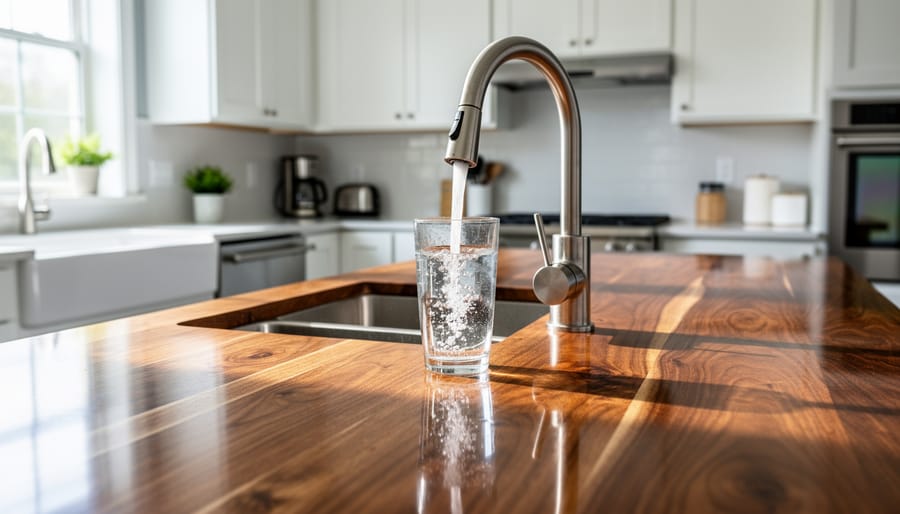
While removing existing white marks is important, preventing them from appearing in the first place starts with addressing your home’s water quality. Hard water, which contains high levels of calcium and magnesium, leaves behind mineral deposits that create those stubborn white rings on wood surfaces. These same minerals also affect glass, tile, fixtures, and can contribute to other water quality problems throughout your home.
Installing a whole-house water softener removes these minerals before they reach your faucets, protecting all surfaces from white marks and buildup. Water softeners work by exchanging calcium and magnesium ions with sodium or potassium, effectively eliminating the source of hard water stains. For homeowners seeking an eco-friendly approach, salt-free water conditioners offer an alternative that prevents mineral adhesion without adding sodium to your water supply.
Combining water softening with a filtration system provides comprehensive protection while improving overall water quality for drinking and household use. This proactive solution not only saves you from repeatedly treating white marks on wood furniture but also extends the life of your appliances, reduces cleaning time, and creates a more sustainable household water system.
Regular Maintenance Tips
Protecting your wood furniture from water marks starts with simple daily habits. Always use coasters under glasses and mugs, and wipe up spills immediately with a soft, dry cloth. Consider applying a quality furniture wax or polish every few months to create a protective barrier against moisture. If you live in an area with hard water, the mineral content can make water damage more likely and leave stubborn white rings. Installing a water softener or filtration system addresses this issue at the source, reducing the minerals that cause those telltale marks. Keep your furniture away from humidifiers and avoid placing wet items directly on wood surfaces. During cleaning, use minimal water and always follow the direction of the wood grain. Regular dusting with microfiber cloths prevents moisture from settling into existing scratches or imperfections. By combining these preventive measures with improved water quality, you can maintain beautiful, mark-free wood furniture for years to come.
The Environmental Impact of Water Quality Solutions
Addressing hard water problems at their source benefits both your home and the environment. While those frustrating mineral deposits from hard water damage wood surfaces, traditional salt-based water softeners can discharge significant amounts of sodium into wastewater systems, potentially affecting local ecosystems.
Fortunately, sustainable alternatives are now available. Template-assisted crystallization (TAC) systems transform hardness minerals into harmless crystals without chemicals or electricity, eliminating the need for salt or ongoing maintenance. These eco-friendly systems prevent scale buildup while conserving water and reducing your household’s environmental footprint.
Electronic or magnetic water conditioners offer another green solution, using physical processes rather than chemicals to alter mineral behavior. While effectiveness varies by water conditions, these systems require no consumables and minimal energy.
Installing a whole-house water filtration system reduces reliance on bottled water and harsh cleaning chemicals needed to combat mineral stains. By preventing hard water damage throughout your home, you’ll use fewer furniture polishes, stain removers, and other chemical products that eventually enter waterways.
Consider combining point-of-use filters for drinking water with whole-house conditioning for comprehensive protection. This approach minimizes chemical use, reduces waste, and protects your wood furnishings from recurring water damage. The initial investment in quality filtration pays environmental dividends through reduced chemical consumption and less frequent furniture replacement, supporting both sustainable living and long-term cost savings.
White water marks on wood furniture don’t have to be permanent. With simple household items like mayonnaise, toothpaste, or a warm iron with cloth, you can effectively remove these unsightly rings and restore your furniture’s beauty. However, addressing the symptoms is only part of the solution. These marks often result from hard water mineral deposits, which means they’ll keep appearing unless you tackle the root cause.
Beyond quick fixes, protecting your furniture long-term requires proper care and prevention. Using coasters, maintaining protective finishes, and controlling humidity all help. But the most effective prevention strategy is improving your home’s water quality at the source. Installing a water filtration or softening system reduces the minerals that cause these stubborn marks in the first place, protecting not just your furniture but your plumbing, appliances, and even your skin and hair.
Ready to prevent water marks before they happen? Explore water filtration solutions that address hard water issues throughout your entire home, creating a healthier living environment while protecting your valuable possessions.