Understand that water doesn’t stay static once it leaves the treatment plant—it ages as it travels through miles of pipes to your home, experiencing chemical reactions, temperature fluctuations, and potential contamination that directly impact what flows from your tap. This aging process explains why water at the end of a distribution line tastes different, smells of chlorine, or shows discoloration compared to freshly treated water.
Monitor your morning water quality by running taps for 30 seconds before use, especially after overnight stagnation when metals like lead can leach from older pipes and biofilm buildup releases compounds into standing water. Install a simple point-of-use filter certified for your specific concerns—whether sediment, chlorine taste, or heavy metals—since distribution system conditions vary dramatically based on your distance from the treatment facility and your neighborhood’s pipe age.
Contact your water utility to request information about your area’s water age and recent distribution system tests, as water quality changes significantly between zones and this data helps you make informed treatment decisions. Flush your home’s plumbing after extended absences and consider upgrading fixtures in homes with pipes older than 30 years, where corrosion and sediment accumulation create persistent quality issues.
Distribution water treatment isn’t just a municipal responsibility—your home represents the final and most critical stage where proactive monitoring and targeted solutions ensure your family receives safe, great-tasting water regardless of how far you live from the source.
What Is Water Age and Why Should You Care?
The Journey Your Water Takes
Your tap water travels through an intricate source-to-tap system before reaching your glass. Understanding this journey helps explain why water quality can vary throughout the day.
The process begins at your local treatment plant, where raw water from rivers, lakes, or groundwater sources undergoes rigorous cleaning. Here, water receives disinfection, filtration, and chemical adjustments to meet safety standards. Think of it as a comprehensive spa treatment for water, removing contaminants and adding protective measures like chlorine.
Once treated, water enters the distribution network, a vast web of underground pipes ranging from large transmission mains to smaller service lines. This network can span hundreds of miles in urban areas. Along the way, water might pause in storage tanks and elevated reservoirs that maintain steady pressure and supply during peak demand hours.
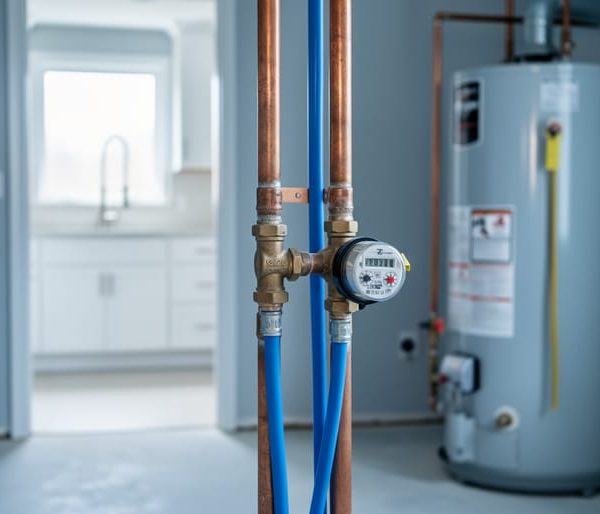
The final leg occurs through your neighborhood’s service lines and into your home’s plumbing system. This includes everything from the connection point at your property line through your internal pipes to each individual faucet. The age and material of these pipes significantly impact your water’s final quality.
Water age, meaning how long water sits in any part of this system, becomes crucial. Water sitting in pipes for extended periods can experience temperature changes, chemical reactions with pipe materials, and declining disinfectant levels, all affecting the quality you ultimately experience.
How Water Ages in Your Pipes
When water leaves your municipal treatment plant, it’s fresh and meets safety standards. But as it travels through miles of distribution systems and sits in your home’s plumbing, it undergoes natural changes that can affect its taste, smell, and quality.
Think of water age like food freshness. Just as groceries deteriorate over time, water quality gradually shifts the longer it remains stagnant in pipes. Here’s what happens: The chlorine or chloramine disinfectants added at treatment plants slowly dissipate, reducing their ability to prevent bacterial growth. Meanwhile, water interacts with pipe materials, potentially picking up metals like iron, copper, or lead from older plumbing. Biofilms, thin layers of bacteria and other microorganisms, develop on pipe walls and can slough off into your water.
Temperature plays a crucial role too. Warm water sitting in pipes during summer months accelerates chemical reactions and bacterial growth, which explains why water often tastes different or develops odors in hot weather. Homes at the far end of water mains or with infrequently used taps experience more pronounced aging effects.
The good news? Understanding water age helps you take targeted action. Simple steps like flushing taps after periods of non-use, insulating pipes to maintain cooler temperatures, and staying aware of your home’s position in the local water network can significantly improve your tap water quality.
The Real Problems Caused by Aging Water
Taste and Odor Changes
One of the most noticeable signs of water age in your home is changes in taste and odor. As water sits in pipes longer, several things happen that affect what you experience when you turn on the tap.
That chlorine smell you notice, especially from first-draw water in the morning, occurs because chlorine added at the treatment plant gradually dissipates as water travels through the distribution system. Ironically, water that’s been sitting in your home’s pipes overnight may smell more strongly of chlorine if your utility adds extra disinfectant to compensate for longer travel times. Conversely, water in distant neighborhoods might have too little chlorine remaining, creating a flat or stale taste.
Musty or earthy flavors often develop when water sits stagnant for extended periods. These tastes can result from biofilm growth inside pipes or chemical reactions between residual disinfectants and organic matter that accumulated during the water’s journey. The longer water remains in the system, the more opportunity these processes have to affect flavor.
Metallic tastes typically indicate interaction between water and pipe materials. Older water, particularly in homes with aging plumbing, can leach metals like iron, copper, or lead from corroding pipes. Temperature fluctuations and pH changes during extended residence time accelerate this corrosion, making morning water taste particularly metallic after sitting overnight.
Disinfectant Breakdown
When water utilities add chlorine or other disinfectants to your tap water, they’re creating a protective shield against harmful bacteria and viruses. However, this protection doesn’t last forever. As water travels through miles of underground pipes from the treatment plant to your home, the disinfectant gradually breaks down through a natural process called disinfectant decay.
Think of it like sunscreen wearing off throughout the day. Chlorine reacts with organic matter in the pipes, gets absorbed by pipe surfaces, and even evaporates slightly when exposed to light and heat. The longer water sits in the distribution system, the weaker this protection becomes. In homes located far from treatment plants or those with low water turnover, this degradation can be especially noticeable.
This breakdown creates a window of vulnerability. Water that once had robust protection might arrive at your tap with minimal disinfectant remaining, making it more susceptible to bacterial regrowth or contamination from pipe materials. You might notice this as a stale taste or lack of that characteristic chlorine smell. For water-conscious homeowners, understanding this natural decline helps explain why water quality can vary throughout the day and why some eco-friendly point-of-use treatment systems can provide an extra layer of security for your household.
Bacterial Regrowth Risks
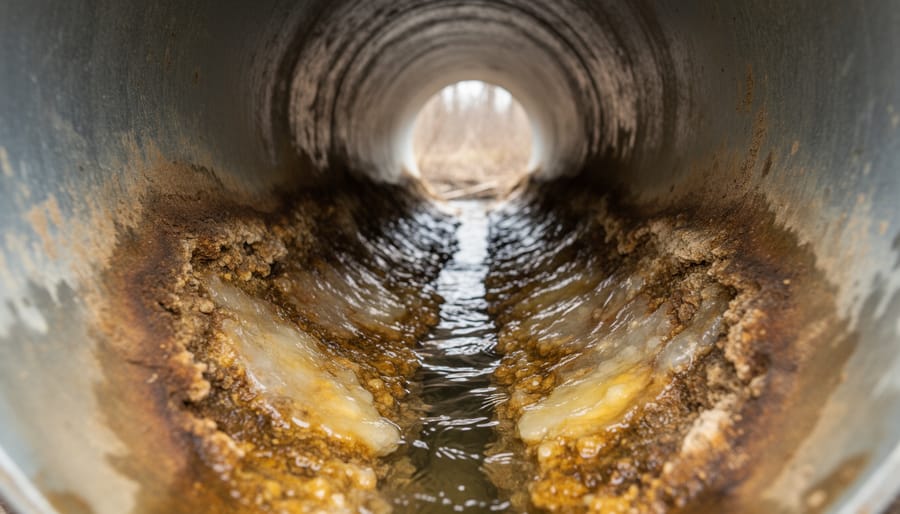
When water sits in your home’s pipes or your community’s distribution system for extended periods, it creates an environment where bacteria can thrive and multiply. Think of it like food left out on the counter – the longer it sits, the more opportunity microorganisms have to grow.
This bacterial regrowth happens most frequently in areas where water doesn’t flow regularly. Dead-end pipes, oversized water mains in neighborhoods with declining populations, and even sections of your home plumbing that rarely get used – like a guest bathroom or outdoor spigot – become perfect breeding grounds for microorganisms. As water ages in these low-flow zones, the chlorine or other disinfectants that treated it at the water plant gradually dissipate, weakening the water’s defense against bacterial growth.
The result? You might notice changes in your tap water’s taste, smell, or appearance. While most bacterial regrowth doesn’t pose immediate health risks for healthy individuals, certain vulnerable populations – including young children, elderly adults, and those with compromised immune systems – face greater concerns. This is why understanding water age in your distribution system matters for protecting your household’s water quality from source to tap.
Where Water Age Becomes a Problem in Your Home
Dead-End Pipes and Low-Use Fixtures
Some of the most problematic areas in your home’s plumbing system are the places where water sits idle for extended periods. These dead-end pipes and low-use fixtures become breeding grounds for bacteria and contribute to water quality degradation.
Guest bathrooms are classic trouble spots. If you only have visitors a few times a year, the water in those pipes can stagnate for weeks or months. The same applies to basement utility sinks, outdoor hose bibs, and that extra shower in the finished attic. When water remains motionless, chlorine disinfectants dissipate, protective biofilms break down, and the water takes on metallic tastes as it reacts with pipe materials.
Outdoor spigots present unique challenges since they’re often used seasonally. That garden hose you attach in spring may release water that’s been sitting since last fall, potentially carrying sediment, rust particles, or biofilm fragments. Even refrigerator water lines and ice makers can harbor stale water if your household doesn’t consume much filtered water or ice.
The key to preventing these issues is regular flushing. Run cold water through unused fixtures for two to three minutes weekly during periods of non-use. This simple practice refreshes the water supply, maintains disinfectant levels, and prevents the chemical and biological changes that compromise water quality in these forgotten corners of your distribution system.
Large Storage Tanks and Hot Water Heaters
Large water storage tanks and traditional hot water heaters can significantly contribute to water age problems in your home, even after fresh water arrives from the municipal system. When water sits in these containers for extended periods, especially at warm temperatures, it creates ideal conditions for chemical changes and potential bacterial growth.
Hot water heaters are particularly problematic because they maintain water at temperatures between 120-140°F, which can accelerate the breakdown of disinfectants like chlorine. This means the protective barriers keeping your water safe diminish over time. Additionally, sediment buildup in tank bottoms provides surfaces where bacteria can colonize, further compromising water quality. Older homes with oversized storage tanks face similar challenges, as water may remain stagnant for days before reaching your tap.
Within your household plumbing, these storage systems often explain why hot water smells or tastes different than cold water. Homeowners should watch for metallic tastes, sulfur odors, or discolored water from hot taps—all indicators of excessive water age. Consider flushing your hot water heater annually to remove sediment, and if you’re replacing equipment, choose appropriately-sized tanks that match your household’s actual usage patterns rather than oversized models that promote stagnation.
Distribution Water Treatment Solutions That Actually Work
What Your Water Utility Is Doing
Your local water utility works behind the scenes to keep water fresh as it travels through miles of pipes to your home. Understanding their strategies helps you appreciate the comprehensive effort to maintain quality and identify when additional household treatment might be beneficial.
Most municipal systems regularly conduct system flushing, where they intentionally push high volumes of water through pipes to clear out stagnant areas and remove sediment buildup. You might notice this happening in your neighborhood when fire hydrants are opened temporarily. This practice refreshes the water and prevents the quality degradation that comes with extended residence time in the distribution system.
Many utilities have installed booster chlorination stations at strategic points throughout their networks. These automated facilities add carefully measured amounts of disinfectant to water that has traveled long distances, ensuring protective chlorine levels remain adequate even in remote areas. This prevents bacterial regrowth while maintaining safe drinking water standards.
Infrastructure improvements represent the long-term solution to water age problems. Progressive utilities are replacing aging pipes with modern materials that resist corrosion and scaling, upgrading undersized mains that cause slow flow, and reconfiguring dead-end lines that trap stagnant water. Some forward-thinking systems have implemented innovative pressure management zones and smart monitoring systems that detect water quality changes in real-time.
You can typically find information about your utility’s water quality initiatives in their annual Consumer Confidence Report, which they’re required to provide. This transparency helps you make informed decisions about whether additional home treatment systems would benefit your household’s specific situation.
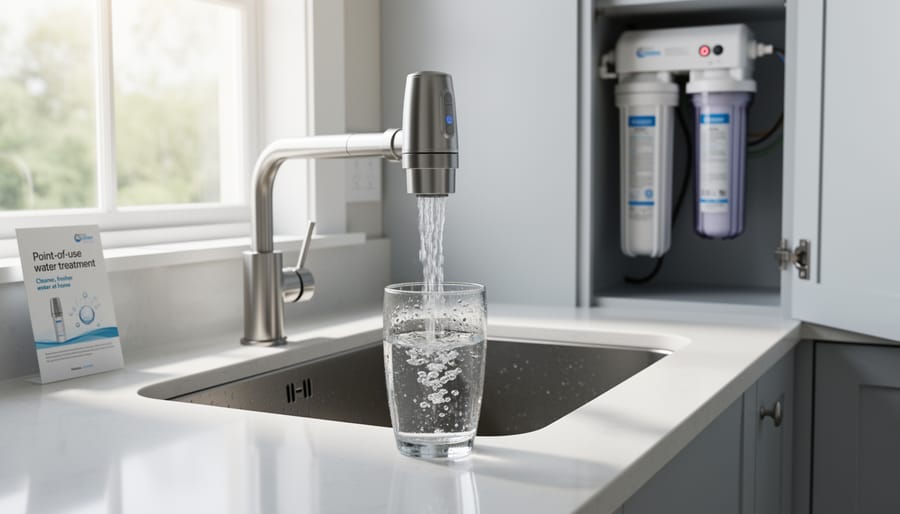
Point-of-Use Treatment for Homeowners
If you’ve noticed changes in your tap water’s taste, odor, or appearance—especially if you live at the end of a distribution line where water sits longer—point-of-use treatment systems offer effective household solutions. These technologies address water age-related problems right where you need them most: at your faucet.
Activated carbon filters are among the most popular and affordable options for homeowners. These filters excel at removing chlorine byproducts that accumulate as water ages in pipes, including trihalomethanes that cause unpleasant tastes and odors. Carbon filtration works through adsorption, where contaminants stick to the filter’s porous surface. You’ll find these systems in countertop pitchers, faucet-mounted units, and under-sink installations. For best results, replace filters according to manufacturer guidelines—typically every 2-6 months depending on your water usage and quality.
Ultraviolet (UV) disinfection systems provide chemical-free protection against microorganisms that may proliferate in aged water. UV light disrupts the DNA of bacteria, viruses, and protozoa, rendering them harmless without adding anything to your water. These compact units install easily under sinks and are particularly valuable if you’re concerned about potential bacterial regrowth in older distribution systems.
Reverse osmosis (RO) systems offer the most comprehensive treatment, removing up to 99% of dissolved contaminants including heavy metals, nitrates, and disinfection byproducts. While RO units require professional installation and produce some wastewater, they’re ideal for households with multiple water quality concerns or compromised immune systems.
When selecting treatment systems, consider having your water tested first to identify specific contaminants. This targeted approach ensures you invest in solutions that actually address your household’s unique challenges while supporting sustainable water use practices.
Smart Habits to Keep Your Water Fresh
Maintaining fresh water throughout your home doesn’t require expensive equipment or complicated routines. Start by running taps for 30 seconds in bathrooms, guest rooms, or any fixtures used less than once weekly. This simple practice prevents water from sitting stagnant in pipes where it can develop unpleasant tastes or accumulate trace contaminants.
After vacations or extended absences, flush all faucets and showerheads for two to three minutes before regular use. This clears out aged water that’s been sitting in your home’s plumbing system. Don’t forget outdoor spigots and basement fixtures that often get overlooked.
Strategic timing matters too. Draw drinking water during morning hours when municipal systems typically experience higher flow rates, naturally reducing water age. Avoid filling large containers late at night when water sits longer in distribution pipes with minimal community demand.
For homes with low occupancy or minimal water use, consider installing timer-controlled faucet systems that automatically flush pipes weekly. This eco-friendly approach uses minimal water while preventing the buildup of biofilms and ensuring consistent quality. Remember, fresh water isn’t just about what your utility provides—it’s about keeping it moving through your home’s unique plumbing network.
Testing Your Water for Age-Related Issues
Signs You Can Detect Yourself
You don’t need sophisticated testing equipment to notice potential water age issues in your home’s distribution system. Your own senses can reveal important clues about water quality varies throughout the day. Pay attention to metallic or stale tastes, particularly in your morning water before anyone has used the taps. This overnight stagnation allows water to sit in your pipes for hours, potentially picking up mineral deposits or losing chlorine residual that keeps it fresh.
Compare your water’s taste and clarity between morning and evening. If morning water consistently tastes different or appears slightly cloudy, this suggests water age problems. Another telltale sign occurs after vacations or extended absences. When you return home, that first glass of water often tastes noticeably off because it has been sitting idle in your home’s pipes for days.
Also watch for rusty or discolored water when you first turn on taps, especially after periods of non-use. These observable changes indicate that water sitting too long in your distribution system may be degrading in quality before reaching your glass.
When to Get Professional Testing
If you’ve lived in your home for years without issues but suddenly notice changes in taste, odor, or appearance, it’s time for professional testing. Request a comprehensive analysis that includes total coliform bacteria, lead, chlorine byproducts (trihalomethanes and haloacetic acids), and disinfectant residual levels—all indicators of water age problems in distribution systems.
Annual testing is wise for homes at the end of long service lines or in neighborhoods with low water turnover. If you’re in an older community with aging infrastructure, prioritize tests for copper, iron, and manganese, which leach more readily from corroded pipes as water sits stagnant.
Pregnant women, families with infants, or immunocompromised household members should invest in testing immediately when moving to a new home. While municipal water reports provide baseline data, they reflect conditions at the treatment plant, not what’s happening during the journey to your tap.
Look for certified laboratories through your state health department or EPA-approved testing services. Expect to pay between $100-300 for comprehensive analysis, though basic bacteria tests cost around $30-50. This investment provides peace of mind and actionable data for choosing the right point-of-use treatment solutions for your specific water quality challenges.
The Environmental Connection: Why Fresh Water Matters for Sustainable Living
Managing water age in distribution systems isn’t just about better-tasting water—it’s a cornerstone of sustainable living that directly impacts your household’s environmental footprint. When water sits too long in pipes, the consequences ripple far beyond quality concerns, affecting resource conservation and energy use in ways many homeowners don’t realize.
Every time tap water quality deteriorates due to age-related issues, households often turn to bottled water as a quick fix. This creates a significant environmental problem. Americans purchase billions of plastic water bottles annually, most of which end up in landfills despite recycling efforts. By improving distribution water treatment and addressing water age management at the source, communities can dramatically reduce this plastic waste while cutting the carbon emissions associated with bottling, transporting, and refrigerating commercial water products.
Energy consumption is another hidden cost of poor water age management. When municipalities must increase chlorine dosing to compensate for longer residence times, treatment facilities consume more energy producing and distributing these chemicals. Additionally, water that degrades in distribution systems often requires re-treatment or increased flushing, wasting both the water itself and the energy used to pump and treat it initially.
For eco-conscious homeowners, advocating for better water age monitoring in your community supports sustainable infrastructure. Municipalities that invest in smart distribution systems with real-time monitoring can optimize water flow, reduce chemical use, and minimize waste. At the household level, understanding your water’s journey from source to tap empowers you to make informed decisions about filtration needs versus relying on environmentally damaging alternatives. Clean, fresh tap water reduces packaging waste, transportation emissions, and the overall environmental burden of your daily water consumption, making it a simple yet powerful choice for sustainable living.
Understanding water age in your distribution system empowers you to take control of your household water quality. As water travels from treatment plants through miles of pipes to your tap, it naturally ages, potentially accumulating disinfection byproducts, losing residual chlorine protection, and developing taste or odor issues. The good news is that this isn’t something you simply have to accept.
By recognizing the signs of aged water—such as chlorine taste fluctuations, periodic discoloration, or morning water quality differences—you can make informed decisions about treatment solutions. Whether you choose whole-house filtration systems, point-of-use devices like carbon filters or reverse osmosis units, or simple practices like flushing your taps after extended non-use periods, each action contributes to better water quality for your family.
Remember that water quality is a shared responsibility. While municipal utilities work to optimize distribution system management through innovative technologies and infrastructure improvements, homeowners play a vital role in the final stretch of the journey. Regular testing, staying informed about your local water system, and implementing appropriate treatment methods create a comprehensive approach to water safety.
This knowledge connects to broader sustainable living practices. By understanding how water moves through systems and ages over time, you become a more conscious consumer, capable of making choices that protect both your health and the environment. Clean, safe water starts with awareness and continues with action.