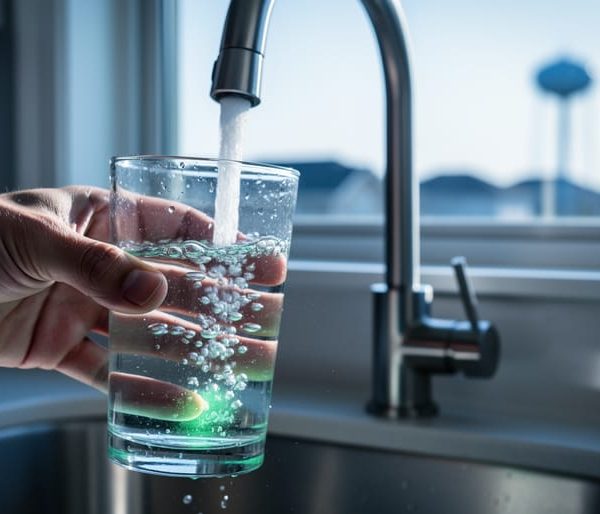
Your municipality delivers clean, tested water to your property line, yet the water flowing from your kitchen faucet can harbor lead, bacteria, and chemical contaminants that weren’t present at the treatment plant. This deterioration happens inside your home’s plumbing system through a phenomenon called premise plumbing dynamics—the complex interactions between water chemistry, pipe materials, stagnation time, and temperature that occur within your building’s pipes.
Understanding these dynamics matters because your home’s plumbing acts as the final, unregulated stage of water delivery. Copper pipes can leach metals, aging galvanized steel releases iron and zinc, water heaters become breeding grounds for bacteria, and long periods of stagnation allow biofilm formation and chemical reactions to alter water composition. The Environmental Protection Agency regulates water quality at treatment facilities, but has limited authority over the pipes inside your property, leaving this critical last step largely in your hands.
Recent innovations in water monitoring technology now enable homeowners to detect these quality changes in real-time, while advanced filtration systems specifically target premise plumbing contaminants. This article explains how premise plumbing dynamics work, identifies the primary contamination pathways within residential systems, and provides evidence-based strategies to protect your household from degraded water quality. By recognizing what happens between your property line and your tap, you can take meaningful action to ensure the water your family drinks, cooks with, and bathes in remains truly safe.
What Are Premise Plumbing Dynamics?
The Source-to-Tap Journey Explained
Your tap water embarks on a fascinating journey long before it flows from your faucet. Understanding this path helps explain why the water entering your home might differ from what eventually reaches your glass.
The journey begins at your local water treatment facility, where raw water from lakes, rivers, or groundwater sources undergoes rigorous purification. Treatment plants work tirelessly to remove contaminants, balance pH levels, and add disinfectants like chlorine to keep water safe during transport. Once treated, this high-quality water meets strict federal standards before entering the municipal distribution system.
Through an extensive network of underground pipes, your treated water travels through your neighborhood. These municipal pipes, maintained by your local water utility, typically deliver water that complies with Environmental Protection Agency regulations. This is where the utility’s responsibility ends and yours begins.
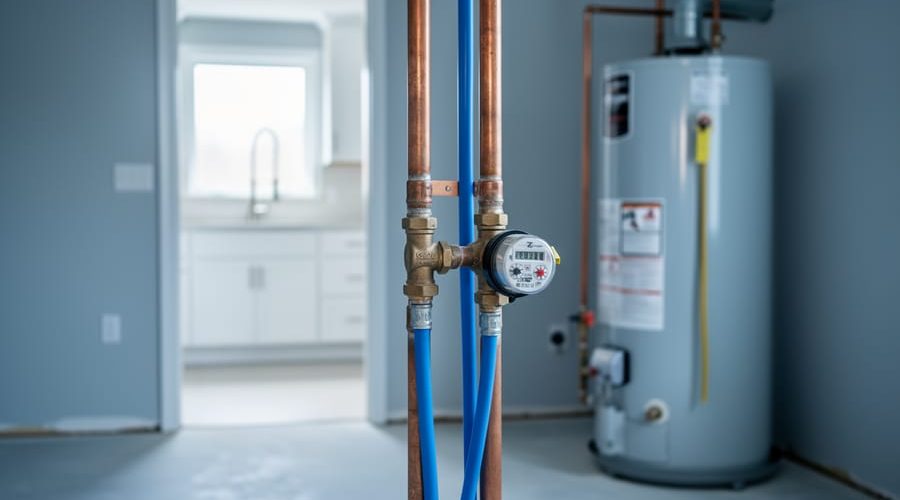
The critical transition point occurs at your property line, specifically at your water meter. Everything beyond this point falls under premise plumbing, the network of pipes, fixtures, and water-using appliances within your home. This is where water quality can change dramatically.
Your premise plumbing operates as a separate ecosystem. Water might sit stagnant in pipes overnight, interact with various pipe materials like copper or lead, or pick up sediment from aging infrastructure. Temperature fluctuations, pipe corrosion, and biofilm growth can all affect what ultimately comes out of your tap. Understanding that your home’s plumbing system plays an active role in water quality empowers you to take control through proper maintenance and smart filtration choices.
How Your Home’s Plumbing Changes Water Quality
Pipe Materials and Water Chemistry
The pipes carrying water through your home aren’t just passive conduits. They actively interact with water chemistry, sometimes releasing unwanted substances or accumulating deposits that affect both water quality and flow. Understanding these interactions helps you make informed decisions about your plumbing and water safety.
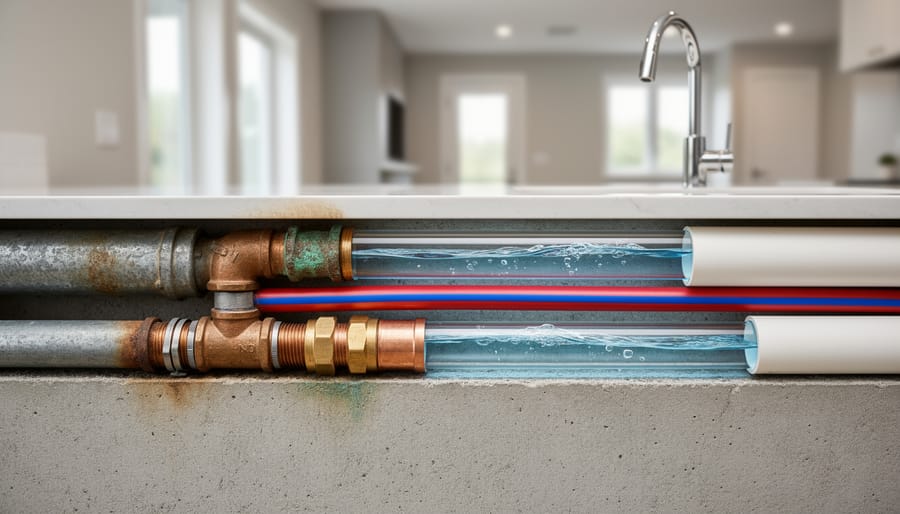
Copper pipes, common in homes built from the 1960s onward, generally resist corrosion well but can leach copper into water, especially in acidic conditions. You’ll notice blue-green stains on sinks and fixtures as a telltale sign. While small amounts of copper are essential nutrients, excessive levels can cause digestive issues and affect taste.
PVC and PEX plastic pipes have gained popularity as eco-friendly alternatives because they don’t corrode or leach metals. However, they can impart slight plastic tastes when new and may degrade under prolonged UV exposure. These materials represent a sustainable choice for modern plumbing systems, reducing the environmental impact associated with metal mining and processing.
Galvanized steel pipes, typically found in homes built before 1960, develop rust and mineral buildup over time. This causes reduced water pressure and discolored, metallic-tasting water. If you experience frequent brown or orange water when first turning on taps, galvanized pipes are likely the culprit.
Lead pipes or lead-soldered joints pose the most serious health risk, especially in homes built before 1986. Lead leaching increases in acidic or soft water conditions, and there’s no safe level of lead exposure. Visual identification is difficult, but lead pipes appear dull gray and can be scratched easily with a key.
Testing your water regularly and understanding your home’s pipe composition empowers you to take appropriate action, whether through filtration, pipe replacement, or water treatment solutions.
Water Stagnation and Biofilm Growth
When water sits motionless in your home’s pipes, it creates an ideal environment for unwanted microbial activity. This happens more often than you might think—overnight while you sleep, during work hours when the house is empty, or for extended periods in vacation homes and guest bathrooms.
Stagnant water loses its protective chlorine residual that municipal treatment plants add to keep bacteria at bay. Within hours, this chemical barrier diminishes, allowing naturally occurring bacteria and other microorganisms to multiply. These microbes don’t just float freely in the water—they attach to pipe surfaces and form what scientists call biofilm, a slimy layer of bacteria encased in a protective coating they produce themselves.
Think of biofilm as an invisible slime that builds up on the inside of your pipes, similar to the slippery coating you might feel on rocks in a stream. Once established, biofilm becomes surprisingly resilient and difficult to remove through normal water flow alone. It acts as a reservoir for bacteria, continuously releasing microorganisms into your water supply each time you turn on the tap.
The practical implications are significant. That first glass of water you pour in the morning or after returning from vacation has likely been sitting in contact with biofilm for hours or days. This is why water quality experts often recommend flushing your taps for 30 seconds to two minutes before drinking, especially after periods of non-use. For households with vulnerable individuals like infants or immunocompromised family members, this simple habit becomes even more important for protecting health and ensuring clean, fresh water reaches your glass.
Temperature Fluctuations and Chemical Reactions
Temperature plays a surprisingly powerful role in what happens to your water after it enters your home. Think of your plumbing system as a complex chemistry lab where reactions speed up or slow down based on heat.
Your hot water heater is the most significant temperature influencer in your home’s plumbing. When water sits in the tank at temperatures between 120-140°F, it accelerates chemical reactions that wouldn’t occur as quickly in cold pipes. These elevated temperatures cause minerals like calcium and magnesium to precipitate out of solution more rapidly, creating scale buildup. More concerning, heat speeds up the leaching of metals from pipes and fixtures—particularly lead, copper, and brass components—which means your morning shower might contain higher contaminant levels than you’d expect from municipal water.
Seasonal temperature changes also impact water quality, though more subtly. During summer months, pipes exposed to warmer ambient temperatures experience increased bacterial growth and faster degradation of chlorine disinfectants meant to keep water safe. This chlorine decay leaves water more vulnerable to microbial contamination during its journey through your home’s plumbing network.
Winter brings different challenges. As pipes cool, chemical reactions slow down, but thermal expansion and contraction can stress pipe joints, potentially releasing accumulated sediments or creating microscopic cracks where bacteria colonize.
Understanding these temperature-driven dynamics empowers you to take protective measures—from adjusting water heater settings to flushing pipes after periods of stagnation—ensuring the water reaching your tap maintains the quality your municipal system worked hard to provide.
Common Water Quality Issues Caused by Premise Plumbing
Metallic Taste and Discoloration
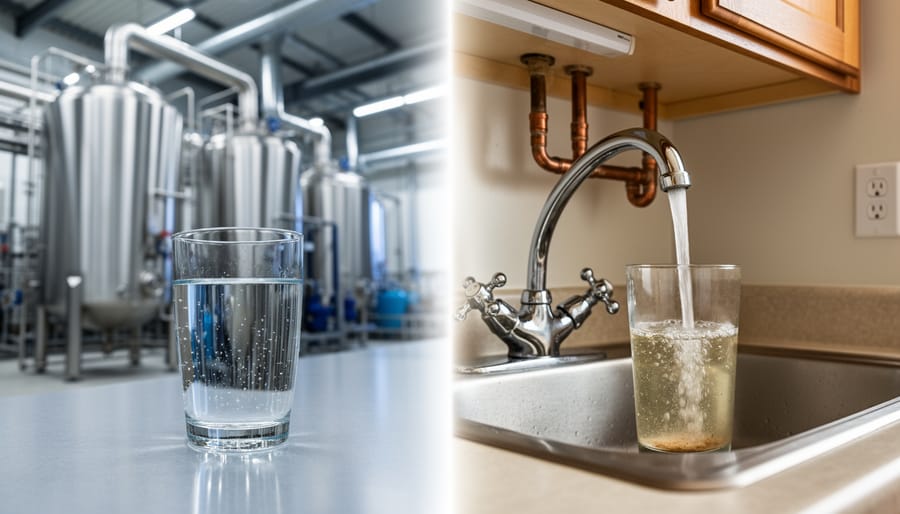
If your tap water has a metallic taste or appears rusty or brownish, your home’s plumbing might be introducing unwanted minerals into your drinking water. This happens when copper, iron, and manganese from pipes and fixtures gradually dissolve into the water flowing through them—a process called leaching.
Copper leaching typically occurs in homes with copper pipes, especially when water sits stagnant overnight or has low pH levels (acidic water). While small amounts of copper are essential for health, excessive exposure can cause stomach discomfort and a bitter taste. You might notice blue-green stains on sinks as a telltale sign.
Iron and manganese leaching is common in older homes with galvanized steel or iron pipes. Corrosion breaks down these materials over time, releasing particles that discolor water and create that distinctive metallic flavor. While neither mineral poses serious health risks at typical household levels, they can stain laundry and fixtures.
Several factors accelerate leaching: water acidity, high mineral content, pipe age, and water temperature. Newer plumbing systems can also experience issues during the first few months as protective mineral layers develop inside pipes.
The good news? Most metallic taste issues indicate aesthetic problems rather than immediate health dangers. However, addressing the root cause—whether through water pH adjustment, pipe replacement, or filtration—ensures better-tasting water and protects your plumbing investment long-term.
Chlorine Smell and Disinfectant Byproducts
When municipal water enters your home, it typically contains chlorine—a disinfectant added at treatment plants to kill harmful bacteria. However, as water sits in your pipes, chlorine doesn’t remain constant. It continues reacting with organic matter, metals, and pipe materials within your plumbing system, gradually decreasing in concentration the further water travels from your main line.
This ongoing chemical activity creates disinfection byproducts (DBPs), compounds formed when chlorine interacts with naturally occurring materials in water and accumulated sediment in pipes. Common DBPs include trihalomethanes and haloacetic acids, which can affect both water taste and quality. Older homes with extended pipe runs or low water usage patterns are particularly susceptible to higher DBP formation, as water remains stagnant longer, allowing more time for these reactions to occur.
You might notice stronger chlorine smells from certain taps or at specific times—this variation reflects how premise plumbing creates unique chemical environments throughout your home. Understanding these dynamics helps explain why installing point-of-use filtration systems at key locations can effectively address both residual chlorine and the byproducts formed during water’s journey through your household plumbing network.
Bacterial Contamination Risks
Your home’s plumbing system can harbor bacteria that thrive in warm, stagnant water conditions. Legionella is the most concerning of these opportunistic pathogens, particularly when water sits unused in pipes for extended periods. This bacteria multiplies in water temperatures between 77°F and 108°F and becomes dangerous when inhaled through shower mist or faucet aerosols, potentially causing Legionnaires’ disease, a severe form of pneumonia.
Other bacteria like Mycobacterium avium and Pseudomonas aeruginosa also find ideal conditions in premise plumbing, especially in areas with biofilm buildup or corroded pipes. These pathogens become concerning in homes with older plumbing systems, low water usage patterns, or inadequate water heater temperatures below 140°F.
Vulnerable populations face heightened risks from these waterborne bacteria. This includes older adults, young children, people with weakened immune systems, and individuals with chronic lung conditions. For these groups, even low levels of bacterial contamination can lead to serious respiratory infections.
To minimize bacterial growth, run faucets and showers weekly in rarely used areas, maintain your water heater at appropriate temperatures, and consider regular flushing of your plumbing system, especially after vacations or extended absences.
Testing Your Water at the Right Points
First-Draw vs. Flushed Water Samples
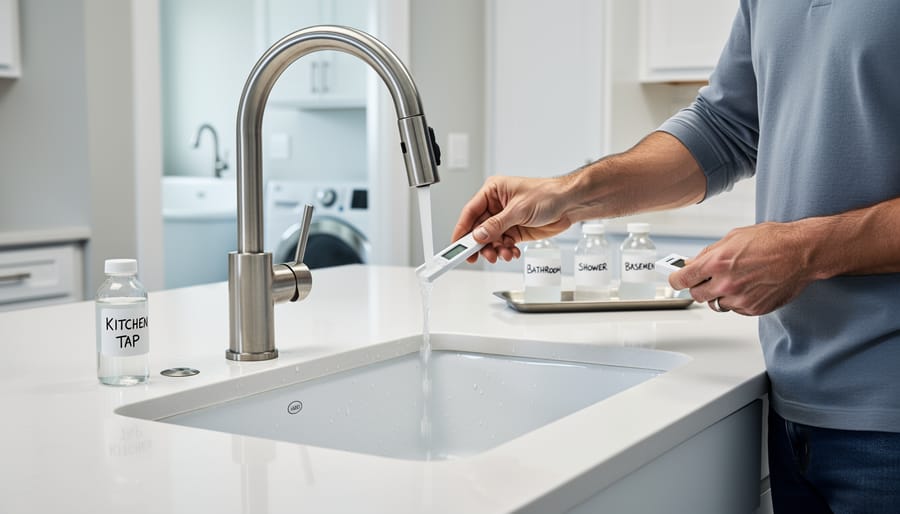
When testing your home’s water quality, understanding the difference between first-draw and flushed samples is essential for getting the complete picture of what’s happening in your pipes. First-draw water refers to the water that has been sitting stagnant in your plumbing system, typically overnight or during periods when you’re away from home. This water has had prolonged contact with pipe materials, allowing more time for potential contaminants like lead, copper, or nickel to leach into the water supply.
Flushed water samples, on the other hand, are collected after running your tap for several minutes. This water more closely resembles what your municipality delivers, since it hasn’t had extended exposure to your home’s internal plumbing materials.
Testing both types reveals crucial information about your premise plumbing’s impact on water quality. If first-draw samples show significantly higher contaminant levels than flushed samples, it’s a clear indicator that your household plumbing is contributing to water quality degradation. This knowledge empowers you to take targeted action, whether that means upgrading old pipes, installing point-of-use filtration systems, or simply running water briefly before drinking to clear stagnant water from your lines.
Multiple Tap Testing Strategy
Understanding where water quality issues originate in your home requires a strategic testing approach. Start by testing water from multiple fixtures throughout your house to create a quality map of your plumbing system.
Begin with cold water from your kitchen faucet, which typically provides the most direct route from your main water line. Next, test cold water from a bathroom farthest from the main line. Comparing these results helps identify whether contaminants accumulate as water travels through your pipes. If distant fixtures show degraded quality, your pipe materials may be leaching metals or harboring biofilm growth.
Hot water testing is equally important. Run hot water separately from each location, as water heaters can introduce sediment, bacteria, and dissolved metals. If hot water shows higher contamination levels than cold, your water heater may need maintenance or replacement.
Don’t forget rarely-used fixtures like guest bathrooms or outdoor spigots. Water sitting stagnant in these lines often shows elevated lead, copper, or bacterial levels. Always flush these taps for at least 30 seconds before use.
Document your findings with dates, locations, and water temperature. This baseline information proves invaluable when selecting appropriate filtration solutions or consulting with plumbing professionals about system-wide improvements.
Protecting Water Quality Throughout Your Home
Point-of-Use vs. Whole House Filtration
When choosing a water filtration system for your home, you’ll encounter two main approaches: point-of-use (POU) and whole house systems. Understanding how each addresses premise plumbing issues helps you make the right choice for your household.
Point-of-use systems install at individual taps, like your kitchen sink or shower. These compact filters target specific contaminants where you need them most. They’re particularly effective for removing contaminants that accumulate in pipes close to the fixture, such as lead from faucet components or biofilm-related bacteria. POU systems work well if you’re primarily concerned about drinking and cooking water quality, and they’re typically more affordable upfront. They also allow you to choose different filtration technologies for different needs—perhaps a reverse osmosis system for drinking water and a carbon filter for your shower.
Whole house filtration systems treat all water entering your home at the main water line. This comprehensive approach protects your entire plumbing system from sediment buildup and prevents contaminant distribution throughout your premise plumbing network. These systems excel at removing chlorine, sediment, and dissolved minerals before they can cause pipe corrosion or scaling. They’re ideal if your municipal water has high sediment levels or if you want protection for appliances, water heaters, and all fixtures simultaneously.
For targeted contaminants like lead from specific pipes, POU systems offer cost-effective solutions. However, if your concern involves water chemistry affecting your entire plumbing infrastructure—such as corrosive water or excessive hardness—a whole house system provides better long-term protection and maintains consistent water quality throughout your home.
Simple Maintenance Practices
Maintaining your home’s plumbing system doesn’t require professional expertise—just consistent attention to a few simple practices. Start by running water through rarely-used fixtures at least once a week. This prevents stagnant water from accumulating minerals and contaminants that can affect taste and safety.
Your water heater deserves attention every six months. Flush it to remove sediment buildup that harbors bacteria and reduces efficiency. Simply attach a garden hose to the drain valve and let several gallons flow out until the water runs clear. This eco-friendly practice extends your heater’s lifespan while maintaining water quality.
Clean faucet aerators and showerheads quarterly by soaking them in white vinegar overnight. This removes mineral deposits that restrict flow and create hiding spots for biofilm. Replace worn rubber washers and gaskets promptly—these small components prevent leaks and maintain proper water flow.
Watch for early warning signs of pipe degradation: discolored water, metallic tastes, decreased pressure, or visible corrosion on exposed pipes. Addressing these issues quickly prevents larger problems and protects your family’s health. Consider replacing outdated plumbing materials, particularly lead pipes or galvanized steel, with modern copper or PEX tubing for long-term water quality improvements.
When to Consider Plumbing Upgrades
Consider upgrading your premise plumbing if your home was built before 1986, when lead pipes were still common, or if you notice discolored water, metallic tastes, or frequent leaks. Older galvanized steel pipes can corrode over time, leaching metals and rust into your water supply while reducing flow pressure.
Modern eco-friendly alternatives like cross-linked polyethylene (PEX) and copper offer significant advantages for both water quality and environmental sustainability. PEX requires less energy to manufacture than metal pipes and resists corrosion, eliminating the risk of metal contamination. Copper pipes, while requiring more initial resources, are fully recyclable and naturally antimicrobial, helping prevent bacterial growth within your plumbing system.
If your water tests reveal elevated lead, copper, or iron levels despite quality municipal water, your pipes are likely the culprit. Similarly, homes experiencing unexplained health issues or persistent water quality concerns may benefit from a complete plumbing assessment.
The long-term sustainability benefits extend beyond clean water. Modern piping materials last 50-100 years, reduce water waste from leaks, and improve energy efficiency for hot water delivery. While replacement involves upfront costs, the investment pays dividends through improved health outcomes, reduced maintenance, and enhanced home value.
Understanding premise plumbing dynamics transforms how you think about your tap water. While your municipal water supplier works diligently to deliver clean, safe water to your property line, the journey doesn’t end there. Your home’s plumbing system becomes the final guardian of water quality, and recognizing this empowers you to take meaningful action.
The pipes, fixtures, and conditions within your household create a unique environment where water can change dramatically. From lead leaching in older pipes to bacterial growth in stagnant lines, these dynamics directly impact what flows from your faucets. But here’s the encouraging truth: you’re not powerless in this equation. Armed with knowledge about how your plumbing affects water quality, you can implement practical solutions that make a real difference.
Start by assessing your home’s plumbing materials and age. Consider water testing to identify specific concerns. Explore modern filtration technologies and water treatment innovations that align with sustainable living principles. Regular maintenance, mindful water usage, and strategic upgrades can dramatically improve your household water quality while reducing environmental impact.
Your water quality journey is ongoing, and premise plumbing awareness is essential to that path. By understanding what happens after water enters your home, you’re better equipped to protect your family’s health and contribute to a more sustainable future. Take control of your tap water quality today, because the cleanest water is water you can trust from source to sip.