Your septic leach field works silently beneath your yard, treating thousands of gallons of wastewater each year through a natural filtering process that protects both your property and local groundwater. When this system fails, you’re facing excavation costs ranging from $5,000 to $20,000, environmental contamination, and potential health hazards. The good news? Most leach field failures are preventable through consistent, straightforward maintenance that takes minimal time and effort.
Understanding what happens below ground transforms maintenance from a mysterious chore into logical care. Your leach field disperses pre-treated wastewater into soil, where beneficial bacteria break down remaining contaminants before water rejoins the groundwater supply. This biological process requires balance. Overload the system with excessive water, introduce antibacterial chemicals that kill beneficial microbes, or compact the soil above, and you disrupt this delicate ecosystem.
This guide explains the essential maintenance practices that extend your leach field’s lifespan decades beyond the average, identifies early warning signs that save you thousands in emergency repairs, and connects your septic care to the broader environmental responsibility of protecting water quality in your community.
What Your Leach Field Actually Does (And Why It Matters)
The Hidden Signs Your Leach Field Is Struggling
Your leach field works quietly underground, but when problems develop, it sends clear signals to the surface. Recognizing these early warning signs can save you thousands in repair costs and prevent environmental contamination.
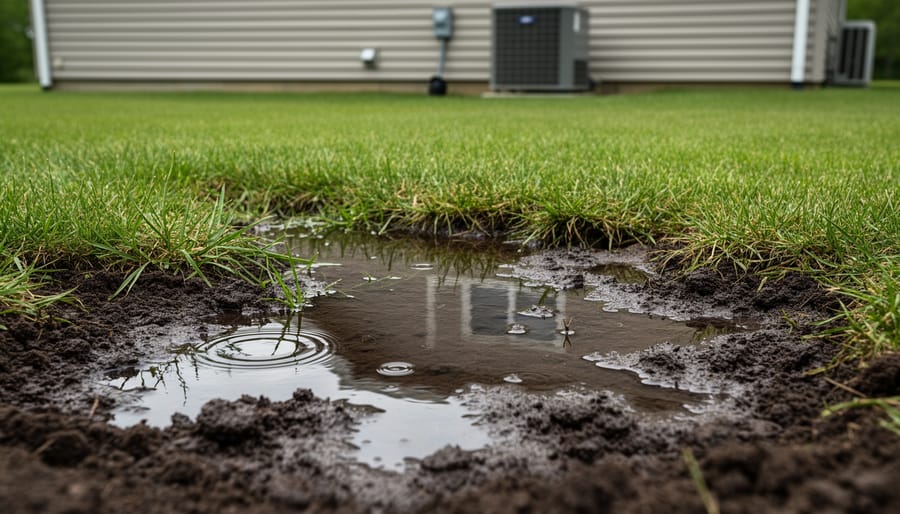
One of the most obvious indicators is soggy, waterlogged patches in your yard, especially over the drain field area. This happens when the soil becomes saturated and can no longer absorb wastewater properly. You might also notice water pooling on the surface after normal household use, not just heavy rainfall.
Slow-draining sinks, toilets, and showers throughout your home often point to leach field issues rather than simple clogs. When the drain field struggles to accept water, everything backs up through your plumbing system. This is a critical moment for sewage backup prevention, as ignoring these signs can lead to serious indoor flooding.
Pay attention to unusual odors around your property. Sewage smells near the drain field or inside your home indicate that wastewater isn’t being properly filtered and absorbed into the soil. This creates both health risks and unpleasant living conditions.
Ironically, exceptionally lush, green grass growing directly over your leach field can signal trouble. While it might look healthy, this vigorous growth often means the area is receiving excess nutrients from surfacing wastewater. Healthy systems distribute water evenly underground without creating these noticeable patterns above ground.
The Maintenance Tasks That Prevent Disaster
What Goes Down the Drain Matters More Than You Think
Your leach field works hard to filter wastewater, but it can only handle what it’s designed to process. Everything that goes down your drains directly impacts how well your system functions and how long it lasts. Understanding what should and shouldn’t enter your septic system is essential for protecting this significant investment.
The biggest culprits that damage leach fields are grease and oils. When poured down the sink, these substances solidify in your pipes and septic tank, creating blockages that prevent proper drainage. Over time, grease can clog the soil pores in your leach field, leading to expensive repairs or complete system failure. Always dispose of cooking oils and fats in the trash instead.
Chemical cleaners pose another serious threat. Harsh drain cleaners, paint thinners, pesticides, and antibacterial soaps kill the beneficial bacteria your septic system needs to break down waste. Without these microscopic helpers, solid waste accumulates faster and can overflow into your leach field. Choose plant-based, biodegradable cleaning products that work with your system rather than against it.
Non-biodegradable items create obvious problems. Flushing things like cotton swabs, dental floss, cigarette butts, cat litter, or feminine hygiene products overwhelms your system with materials that won’t decompose. These items travel through your tank and can clog the distribution pipes in your leach field. Stick to toilet paper only, and remind family members that the toilet isn’t a trash can.
Making eco-friendly swaps benefits both your septic system and the environment. Vinegar and baking soda clean effectively without harmful chemicals. Enzyme-based drain treatments maintain pipes safely. Concentrated, phosphate-free detergents reduce water usage while protecting your system. These simple changes extend your leach field’s lifespan while supporting sustainable living practices.

Smart Water Conservation Protects Your System
Water conservation isn’t just about reducing utility bills—it’s crucial for protecting your septic leach field from premature failure. When too much water enters your system at once, the soil becomes saturated and can’t properly filter and absorb wastewater. This overload pushes untreated water to the surface or allows harmful bacteria to reach groundwater, creating health hazards and expensive repairs.
The key is spreading out your household water usage throughout the day and week. Avoid running multiple water-intensive appliances simultaneously—don’t start the dishwasher while someone’s showering and laundry is running. Consider doing laundry loads on different days rather than marathon washing sessions. This simple habit change gives your leach field time to process wastewater effectively.
Fix leaks immediately, no matter how minor they seem. A dripping faucet or running toilet can add hundreds of gallons weekly to your septic system, creating constant strain. These seemingly small issues accumulate quickly and push your system beyond its designed capacity.
Installing high-efficiency fixtures offers both immediate and long-term benefits. Low-flow showerheads, dual-flush toilets, and WaterSense-certified faucets can reduce household water consumption by 20-30 percent without sacrificing performance. These modern innovations represent smart investments in your home’s infrastructure while supporting sustainable living practices.
By managing water wisely, you’re not only extending your septic system’s lifespan but also reducing your environmental footprint. Every gallon conserved means less strain on local water resources and aquifers—a win for both your wallet and the planet. This holistic approach to home water management exemplifies how individual actions contribute to broader environmental stewardship.
Protecting the Ground Above Your Leach Field
The ground above your leach field serves as its first line of defense, and protecting this area is essential for long-term system health. Think of your leach field as a living ecosystem just below the surface—one that needs proper care and protection from above-ground hazards.
Vehicle traffic poses one of the most serious threats to your leach field. The weight of cars, trucks, or heavy equipment compacts the soil, reducing its ability to absorb and filter wastewater effectively. This compression also damages the distribution pipes buried beneath. Keep vehicles, including riding mowers and ATVs, completely off the leach field area. Consider marking the boundaries with landscaping features or decorative stones to create a natural barrier.
Tree root intrusion represents another significant concern. Roots naturally seek out water sources, and your leach field provides an attractive target. As roots infiltrate pipes and the drainage area, they create blockages and can cause expensive system failures. Plant trees and large shrubs at least 30 feet away from your leach field. If you have existing trees nearby, consider installing root barriers or scheduling regular inspections to catch problems early.
Proper drainage around your leach field prevents waterlogging, which interferes with the natural treatment process. Ensure surface water from gutters, driveways, and slopes flows away from the field. This allows the soil to maintain the right moisture balance for effective wastewater treatment.
Finally, maintain clear access to your system’s components. Keep the area reasonably open for inspections and potential servicing, avoiding permanent structures or deep-rooted landscaping that complicates future maintenance work.
The Pumping Schedule You Can’t Afford to Skip
Regular septic tank pumping is your leach field’s best insurance policy. When your tank fills beyond capacity, solid waste begins escaping into the leach field—a problem that can’t be undone. These solids clog the soil’s natural filtering ability, creating a biological mat that blocks water absorption and eventually leads to system failure.
Most households should pump their septic tank every three to five years, but your specific timeline depends on several factors. A family of four with a 1,000-gallon tank typically needs pumping every three years, while smaller households can wait longer. Homes with garbage disposals, water softeners, or more occupants require more frequent service since these increase solid accumulation.
Think of pumping as preventive maintenance rather than an expense. Professional pumping costs a few hundred dollars, while leach field replacement can run $10,000 or more. During pumping, technicians also inspect your system for early warning signs like cracks or excessive sludge buildup.
Skipping this crucial step doesn’t just risk your wallet—it threatens groundwater quality in your community. Failed systems can leak untreated wastewater into the soil, contaminating drinking water sources and local ecosystems. Protecting your leach field through consistent pumping is both environmentally responsible and economically smart.
Professional Inspections: Your Early Warning System
Think of professional septic inspections as your home’s health checkup—they catch small issues before they turn into expensive disasters. Most experts recommend having your leach field professionally inspected every three years, or annually if your system is older than 20 years or serves a larger household.
During an inspection, trained technicians do much more than peek into your tank. They measure sludge and scum layers to determine if pumping is needed, check distribution boxes for proper flow balance, and examine the drain field for signs of saturation or surfacing effluent. They’ll also test baffles and filters, inspect outlet pipes for blockages, and may use specialized equipment to assess soil absorption capacity.
What makes professional inspections invaluable is their ability to spot early warning signs you’d likely miss. Inspectors notice subtle changes in how wastewater moves through your system, detect biomat buildup before it causes failure, and identify tree root intrusion in its beginning stages. They can see when your distribution box has shifted or when one section of your leach field is receiving disproportionate flow—problems that lead to system overload if left unaddressed.
From an environmental perspective, regular inspections protect more than your wallet. A failing leach field can contaminate groundwater with harmful bacteria, nitrates, and phosphates that eventually affect drinking water sources and nearby ecosystems. Professional monitoring ensures your system continues treating wastewater effectively, maintaining the natural filtration process that makes septic systems a sustainable option.
The modest cost of routine inspections—typically between 200 and 500 dollars—pales in comparison to leach field replacement, which can easily exceed 10,000 dollars. Consider it an investment in both your property value and environmental stewardship.
When Problems Appear: Your Action Plan
When you spot warning signs like soggy spots, sewage odors, or slow drains, quick action protects both your home and the environment. Your first step should always be to reduce water usage immediately—this means limiting showers, laundry, and dishwashing until you understand the problem’s severity. Think of it as giving your system breathing room to recover.
Start with simple DIY troubleshooting. Check for obvious issues like clogged plumbing fixtures or a full septic tank that needs pumping. Verify that your distribution box is level and functioning properly. These basic checks can sometimes reveal simple fixes that don’t require professional help, similar to preventing sewage problems through routine inspection.
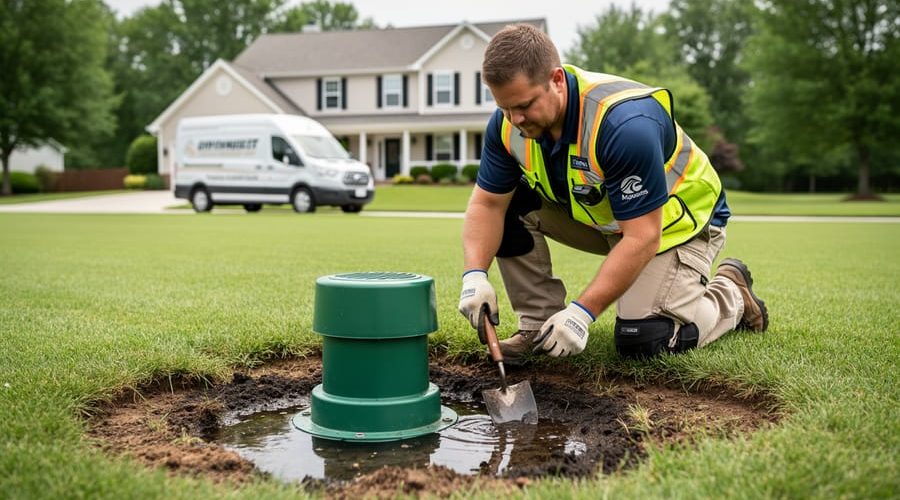
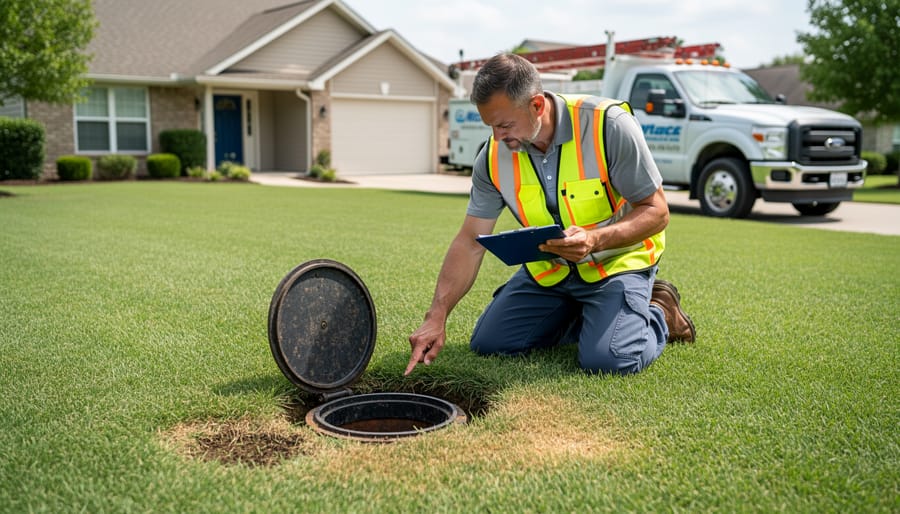
However, certain situations demand professional expertise immediately. Call a licensed septic contractor if you notice sewage surfacing in your yard, complete system backup into your home, or if DIY checks reveal nothing obvious. Professionals have specialized cameras and testing equipment to diagnose biomat buildup, pipe damage, or soil saturation issues that aren’t visible from the surface.
Understanding repair versus replacement realities helps set proper expectations. Minor issues like broken pipes or mechanical distribution problems often cost between $500 to $2,000 to fix. However, complete leach field failure due to biomat clogging or soil compaction typically requires full replacement, ranging from $5,000 to $20,000 depending on your property’s size and soil conditions.
The good news? Catching problems early dramatically improves outcomes. A leach field showing early stress signs might recover with professional cleaning, bacteria treatments, or simply resting by diverting wastewater temporarily. Complete failure often results from ignoring warning signs for months or years.
Document everything—photos, dates, and symptoms—to help professionals diagnose issues efficiently. This approach not only saves money but also protects groundwater quality, ensuring your household wastewater treatment remains environmentally responsible even during challenging situations.
The Environmental Connection: Beyond Your Property Line
Your septic leach field isn’t just a component of your home’s plumbing system—it’s part of a larger environmental network that connects your property to the community around you. When leach fields fail or receive inadequate maintenance, they don’t just create problems for your yard; they can contaminate groundwater that serves as a vital resource for your entire neighborhood.
Failing septic systems release untreated wastewater containing harmful bacteria, viruses, nitrates, and phosphorus into the soil. These contaminants seep downward through the earth, eventually reaching underground aquifers that supply drinking water to wells throughout your area. This means a neglected leach field on your property could affect neighboring wells, compromising water quality for families who may be completely unaware of the source.
Beyond human health concerns, failing systems impact local ecosystems. Excess nutrients from septic waste fuel algae growth in nearby streams, ponds, and lakes, depleting oxygen levels that fish and other aquatic life depend on. This process, called eutrophication, can transform healthy waterways into dead zones.
The good news is that proper leach field maintenance makes you an active steward of your community’s water resources. By keeping your system functioning correctly, you’re protecting not just your investment, but also the shared environment that sustains your neighbors and local wildlife.
Protecting your septic leach field doesn’t require complicated routines or expensive interventions. The simple truth is that consistent, small actions prevent thousands of dollars in repairs while safeguarding the groundwater that nourishes your community. Every time you avoid pouring grease down the drain, spread out laundry loads, or schedule a routine inspection, you’re making a meaningful choice for both your home investment and the environment. Neglect, by contrast, leads to soil contamination, failed drainage, and costly emergency replacements that could have been entirely avoided. You already have the knowledge to maintain a healthy system. Now it’s time to act. Choose one maintenance task from this guide and implement it this week—whether that’s checking your tank pumping schedule, redirecting a downspout, or simply being more mindful about what enters your drains. Your leach field will reward these small efforts with decades of reliable, eco-friendly wastewater treatment.