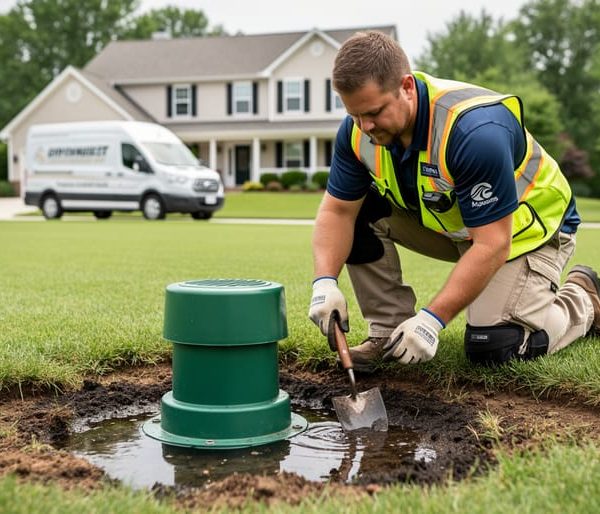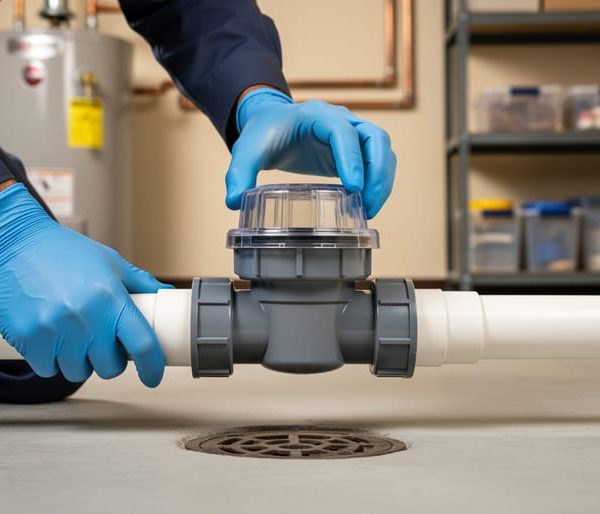
Install a testable, certified backflow prevention device between your home’s potable water supply and any greywater systems to protect your drinking water from contamination. This simple mechanical valve stops wastewater from flowing backward into clean water pipes when pressure drops occur during main breaks, heavy usage periods, or pump malfunctions.
Check your local plumbing codes immediately, as most jurisdictions require specific backflow preventer types for greywater applications. Residential systems typically need either a reduced pressure zone device, which offers the highest protection level, or a pressure vacuum breaker for lower-risk installations. Your municipal water authority maintains approved device lists and installation standards that govern permit approval.
Verify that any device you select carries certification from recognized testing laboratories and matches your system’s pressure requirements. Proper sizing matters: undersized preventers restrict water flow and damage pumps, while oversized units may not activate correctly during backflow events.
Schedule annual professional testing to maintain legal compliance and ensure your family’s safety. These inspections cost between 75 and 150 dollars but prevent costly contamination incidents that could compromise your household’s drinking water and trigger health department violations.
Understanding backflow prevention transforms from a technical requirement into a straightforward safety measure. These devices serve as your home’s last line of defense, allowing you to embrace water-saving innovations while maintaining the strict separation between recycled and potable water that protects public health. The right preventer, properly installed and maintained, makes sustainable living both safe and compliant.
What Is Backflow and Why It Matters for Greywater Systems
The Science Behind Backflow (Made Simple)
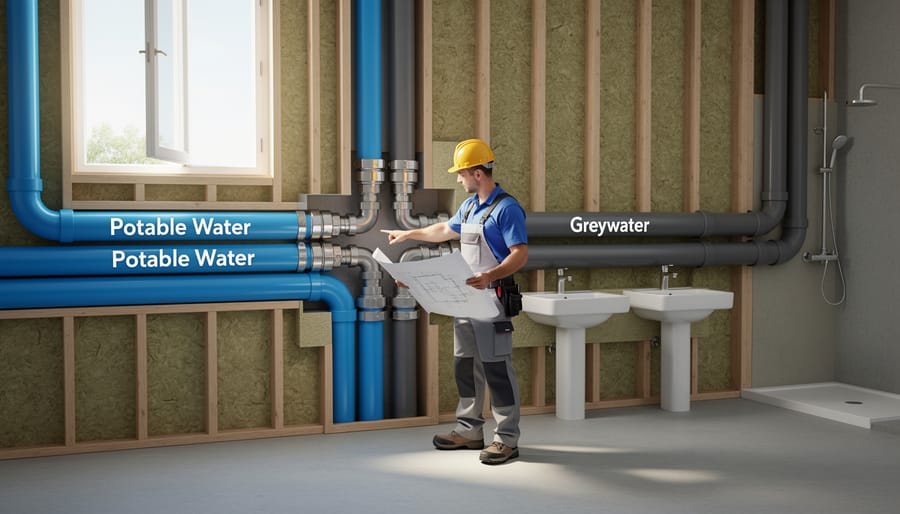
Think of your home’s plumbing like a one-way street where water should only flow in the right direction. Backflow happens when that traffic reverses, potentially bringing contaminated water back into your clean supply.
Two main pressure problems cause backflow. Back-pressure occurs when downstream pressure becomes stronger than your main water supply, like when a boiler or pump creates force that pushes water backward. Imagine blowing air back through a straw instead of sipping through it.
Back-siphonage works differently, acting like a vacuum that pulls water the wrong way. This happens when pressure drops suddenly in your main line, perhaps during a water main break or when firefighters use nearby hydrants. Picture drinking through a straw: when you create suction, liquid flows upward against gravity.
In greywater systems, these pressure changes become especially important. Your recycled shower water could reverse course and contaminate drinking water without proper protection. Understanding these basic pressure principles helps you appreciate why prevention devices aren’t optional—they’re essential guardians keeping your household water safe and your eco-friendly system compliant with health regulations.
Greywater Contamination Risks You Need to Know
Greywater contains residue from household activities like washing dishes, laundry, and bathing. While it’s different from blackwater (which includes toilet waste with harmful pathogens), greywater still carries potential contaminants that pose health risks if it flows backward into your drinking water supply.
Common substances in greywater include soaps, detergents, hair care products, food particles, grease, and various cleaning chemicals. More concerning are bacteria from food handling, dirt from clothes, and microorganisms that thrive in warm, soapy environments. When greywater sits in pipes, bacterial populations can multiply rapidly, creating biofilms that harbor potentially harmful microbes.
If contaminated greywater enters your potable water lines through backflow, family members could be exposed to gastrointestinal bacteria, skin irritants, and chemical compounds never intended for consumption. Children, elderly individuals, and those with compromised immune systems face heightened vulnerability. Even small amounts of greywater contamination can cause stomach upset, skin reactions, or more serious infections depending on the bacterial load and chemicals present. This is precisely why proper backflow prevention devices are essential in any greywater recycling system, protecting your family’s health while supporting your eco-friendly water conservation goals.
Types of Backflow Prevention Devices for Greywater Systems
Air Gap Devices: The Gold Standard
An air gap is the simplest yet most reliable backflow prevention method available. Think of it as a physical space between your water outlet and any potential contamination source—like the gap between your kitchen faucet and the sink rim. This visible separation makes contamination physically impossible, since dirty water can’t defy gravity to flow upward into your clean water supply.
In greywater systems, air gaps work exceptionally well for applications like irrigation tanks or holding reservoirs. When filling these containers, position your pipe or hose outlet at least twice the diameter of the supply pipe above the overflow rim—typically 1-2 inches minimum. This creates an unbridgeable barrier that requires no moving parts, maintenance, or replacement.
The beauty of air gap technology lies in its fail-proof design. Unlike mechanical devices with valves or springs that can wear out, an air gap never breaks down. It’s also the most affordable option since it requires no special equipment—just thoughtful plumbing design.
However, air gaps aren’t practical everywhere. They won’t work for pressurized systems or underground installations where creating adequate vertical separation isn’t feasible. For instance, you can’t use an air gap when connecting greywater directly to subsurface drip irrigation. In these situations, you’ll need mechanical backflow prevention devices instead.
Reduced Pressure Zone (RPZ) Valves
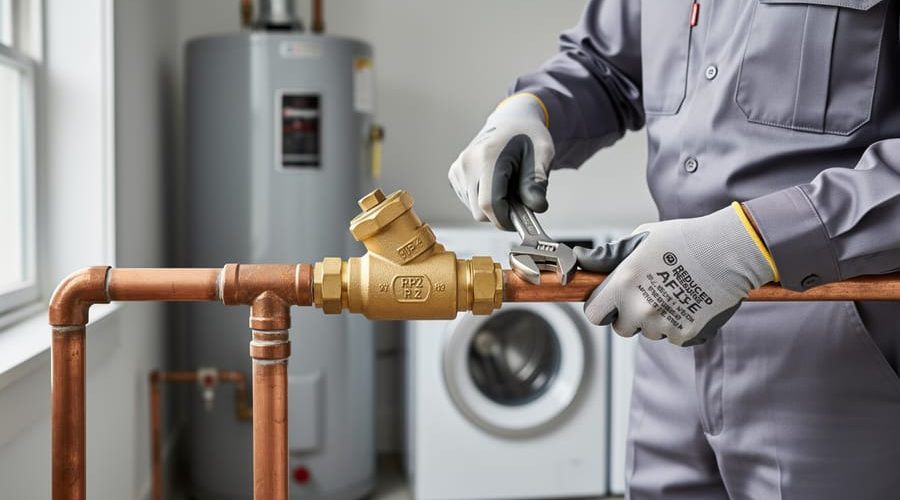
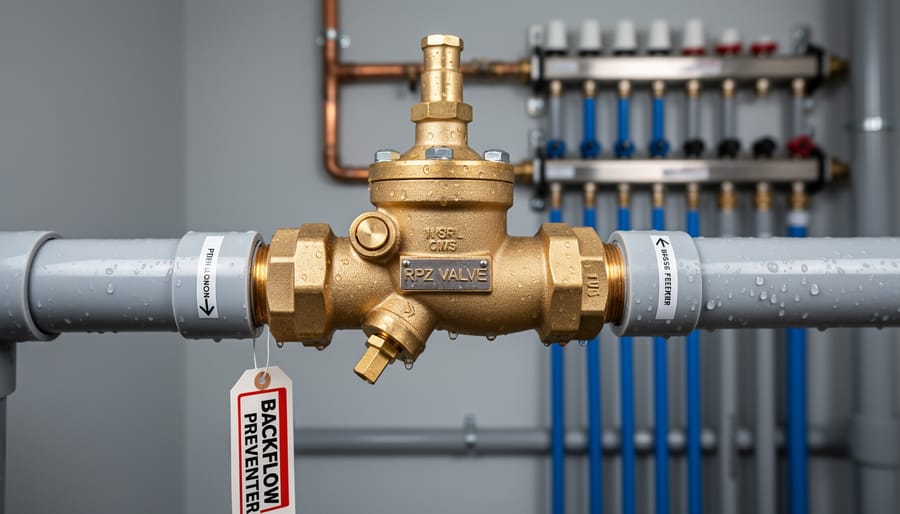
Reduced Pressure Zone valves, commonly called RPZ valves, represent the gold standard in backflow prevention technology. Think of them as the premium security system for your home’s water supply. These devices create two independent check valves with a pressure-monitored zone between them, providing maximum protection against contaminated water flowing backward into your clean water supply.
What makes RPZ valves special is their ability to handle high-hazard situations where contamination could pose serious health risks. When you’re working with greywater systems that recycle water from showers, sinks, and laundry, this level of protection becomes crucial. Most local building codes specifically require RPZ valves for greywater applications because they protect against both back-siphonage and backpressure conditions.
These valves include a relief valve that automatically opens if pressure drops occur, draining water away rather than allowing it to flow backward. While this safety feature is excellent for protection, it means you’ll need proper drainage beneath the valve during installation.
RPZ valves do require annual testing and maintenance by certified professionals to ensure they’re functioning correctly. This inspection requirement is mandated by most municipalities and helps guarantee your water remains safe. Though they’re more expensive upfront and need regular servicing, RPZ valves provide unmatched peace of mind for environmentally-conscious homeowners committed to safe, sustainable water practices.
Pressure Vacuum Breakers and Other Options
When protecting your greywater system, three main backflow prevention devices offer different levels of protection for various situations around your home.
Atmospheric vacuum breakers (AVBs) are the simplest and most affordable option, perfect for protecting garden hoses and irrigation systems where water pressure isn’t continuously present. These devices work by allowing air into your plumbing when water flow stops, breaking any potential siphon. However, they must be installed at least six inches above the highest downstream outlet and can’t handle continuous water pressure, making them unsuitable for pressurized greywater systems.
Pressure vacuum breakers (PVBs) step up the protection level and can handle continuous pressure, making them ideal for sprinkler systems fed by greywater. They’re more robust than AVBs but still require installation above all irrigation outlets. Think of them as the middle-ground solution for moderate-risk applications.
Double check valves provide the highest level of protection for greywater systems with two independently operating check valves in series. This redundant design ensures that if one valve fails, the second still prevents contamination. They’re essential for underground greywater distribution systems or installations where outlets sit higher than the device itself. While more expensive, double check valves offer peace of mind for comprehensive home greywater applications, protecting both your household and municipal water supply from contamination risks.
Choosing the Right Backflow Prevention Device for Your Setup
Matching Devices to Your Greywater Source
Choosing the right backflow prevention device depends on where your greywater originates and how you plan to reuse it. Each source requires different protection levels to keep your home’s drinking water safe.
For laundry water systems, an atmospheric vacuum breaker or pressure vacuum breaker works well since washing machines create variable pressure that could cause backflow. These devices handle the stop-and-start nature of laundry cycles effectively while protecting your potable water supply from detergent contamination.
Shower and bath greywater typically needs a reduced pressure zone assembly, especially if you’re connecting to an underground storage tank. This provides the highest level of protection since bathroom water may contain more contaminants than other greywater sources. The device prevents any stored water from reversing flow into your clean water pipes.
For outdoor irrigation systems, a simple atmospheric vacuum breaker often suffices if you’re using a basic drip irrigation setup above ground. However, subsurface irrigation requires more robust protection like a pressure vacuum breaker to handle soil pressure and potential contamination from underground components.
Your local plumbing code will specify minimum requirements based on your specific application, so always verify which device meets both safety standards and your sustainable water reuse goals.
Understanding Local Codes and Requirements
Plumbing codes aren’t one-size-fits-all across the country. Backflow prevention requirements differ significantly between states, counties, and even individual municipalities based on factors like local water table conditions, climate patterns, and regional public health concerns. What’s approved in one area might be prohibited in another, making it essential to understand your specific location’s rules before installing any greywater system.
Start by contacting your local building department or water authority to learn about local requirements for backflow prevention devices. Many municipalities now post updated plumbing codes online, though speaking directly with a code official can clarify gray areas. Your regional water district may also have specific guidelines, especially regarding greywater reuse systems that connect to household plumbing.
Compliance isn’t just about avoiding fines, though violations can result in costly penalties or mandatory system removal. Proper backflow prevention protects your family’s drinking water from contamination and safeguards your community’s water supply. When greywater or other contaminants flow backward into clean water lines, they can cause serious health hazards affecting everyone connected to the municipal system.
From an environmental perspective, following regulations ensures your sustainable living efforts actually benefit the planet rather than creating unintended consequences. Properly installed backflow devices allow you to safely recycle household water while maintaining the highest safety standards. Think of compliance as part of responsible eco-living, where protecting public health and conserving water go hand in hand.
Installing and Maintaining Your Backflow Prevention System
Professional Installation vs. DIY: What You Should Know
Understanding when to call a professional versus tackling installation yourself can save you time, money, and potential headaches. For backflow prevention devices in greywater systems, the answer depends on several factors.
Simple atmospheric vacuum breakers or basic air gaps are generally straightforward for confident DIYers to install. These don’t require specialized tools or complex plumbing modifications. However, pressure-type devices like reduced pressure zone assemblies or double-check valves typically need professional installation. Why? They require precise calibration, proper orientation, and often must be tested and certified by licensed plumbers to meet local codes.
Most municipalities require annual testing by certified backflow testers, regardless of who installed the device. Additionally, many jurisdictions mandate that licensed professionals install any backflow prevention device connected to your main water supply. Installing incorrectly could contaminate your drinking water or violate local regulations, potentially resulting in fines.
Consider your greywater system’s complexity too. If you’re integrating backflow prevention into a whole-house greywater recycling system, professional installation ensures everything works safely together. For simple laundry-to-landscape setups with basic air gaps, DIY installation is often feasible. Always check your local plumbing codes first and prioritize safety over savings.
Essential Maintenance Tasks to Keep Your System Safe
Protecting your water quality starts with proper maintenance of your backflow prevention device. Annual testing by a certified professional is essential—most municipalities require this to ensure your device functions correctly and meets safety standards. During these inspections, technicians check valve sealing, air gaps, and pressure differentials to verify that contaminated water cannot reverse flow into your clean water supply.
Between professional visits, homeowners can perform simple visual checks. Look for signs of trouble like water leaking from the device, visible corrosion or mineral buildup, or unusual sounds when water flows. These indicators suggest your device may need immediate attention. Check for debris around the device that could interfere with operation, and ensure outdoor units remain accessible and protected from freezing temperatures.
For greywater systems, maintenance becomes even more critical since these devices protect against reused water contaminating drinking supplies. Keep a maintenance log noting inspection dates and any issues discovered. This record helps track your device’s performance over time and demonstrates compliance with local regulations.
While homeowners can monitor their devices, never attempt repairs yourself. Backflow prevention requires specialized knowledge to maintain the integrity of your home’s water protection system. Regular professional servicing combined with your watchful eye creates a reliable defense for your family’s health and environmental sustainability goals.
When to Replace Your Backflow Device
Most backflow prevention devices last between 5 to 15 years, depending on water quality and usage intensity. However, several warning signs indicate it’s time for replacement rather than repair. Watch for persistent leaks even after maintenance, visible corrosion or mineral buildup that cleaning can’t resolve, and frequent valve failures requiring constant adjustments. If your device fails annual testing multiple times or you notice sudden drops in water pressure throughout your greywater system, replacement becomes necessary. Devices protecting eco-friendly greywater recycling systems deserve special attention since contamination risks affect both your household and the environment. When repair costs approach 50 percent of replacement value, investing in a newer model with improved water-saving features makes better financial and environmental sense. Modern devices often include advanced materials resistant to common greywater contaminants, offering better long-term protection for your sustainable living setup.
The Environmental Benefits of Protected Greywater Systems
When you invest in backflow prevention for your greywater system, you’re doing more than protecting your drinking water—you’re taking a meaningful step toward sustainable living. Properly protected greywater systems allow you to safely recycle thousands of gallons of household water annually, reducing your environmental footprint while maintaining the highest safety standards.
Greywater systems with appropriate backflow prevention enable homeowners to reuse water from showers, sinks, and washing machines for landscape irrigation and toilet flushing. This practice supports water conservation efforts by reducing demand on municipal water supplies and decreasing the volume of wastewater entering treatment facilities. In drought-prone regions, this dual benefit becomes particularly valuable.
The key to eco-friendly greywater recycling lies in responsible implementation. Backflow prevention devices ensure that your conservation efforts never compromise potable water safety, allowing you to pursue sustainable practices with confidence. This protection means you can irrigate gardens, nourish landscaping, and reduce water bills without worrying about contamination risks.
Modern backflow prevention technology has evolved to support these environmental goals efficiently. Today’s devices are more reliable and easier to maintain than ever before, making sustainable water management accessible to average homeowners rather than just dedicated eco-enthusiasts. When properly installed and maintained, these systems create a closed loop that maximizes water utility while minimizing waste.
By combining effective backflow prevention with greywater recycling, you’re participating in a larger movement toward residential water sustainability. Your home becomes a model for responsible resource management, demonstrating that environmental consciousness and household safety can work hand in hand to create truly sustainable living spaces.
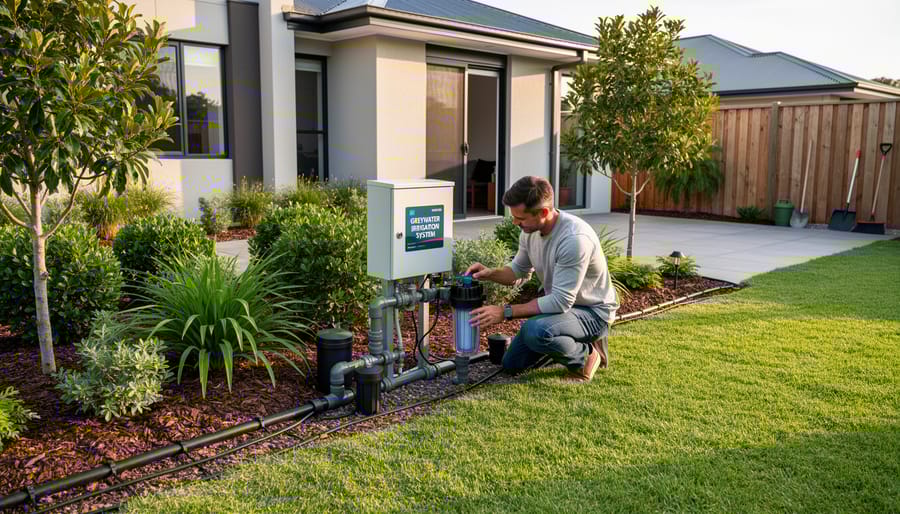
Protecting your home’s water supply through proper backflow prevention isn’t just a regulatory requirement—it’s a fundamental responsibility that safeguards your family’s health and supports sustainable water practices. As you embrace greywater recycling as part of your eco-friendly lifestyle, installing the right backflow prevention device ensures that your innovative water conservation efforts never compromise the purity of your drinking water.
The good news is that implementing backflow prevention doesn’t have to be intimidating. With the knowledge you’ve gained about device types, installation requirements, and maintenance practices, you’re now equipped to make informed decisions that protect both your household and the broader community water system. These devices represent a small investment that delivers enormous peace of mind, allowing you to confidently pursue water-saving initiatives while maintaining the highest safety standards.
Take action today by assessing your current greywater system. If you don’t have a backflow prevention device installed, or if you’re unsure about its condition, contact a licensed plumber to evaluate your setup. Regular inspections and proper maintenance will ensure your system continues operating safely for years to come, letting you enjoy the environmental and financial benefits of greywater recycling without compromise.