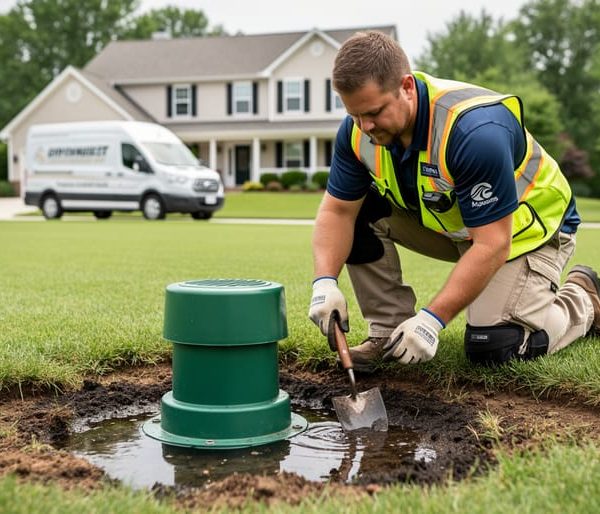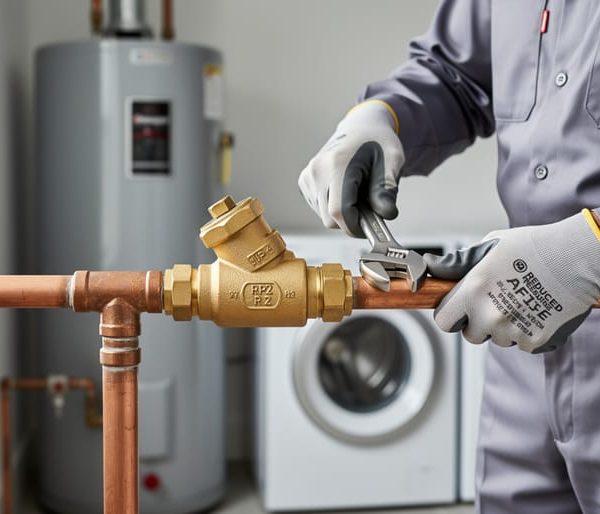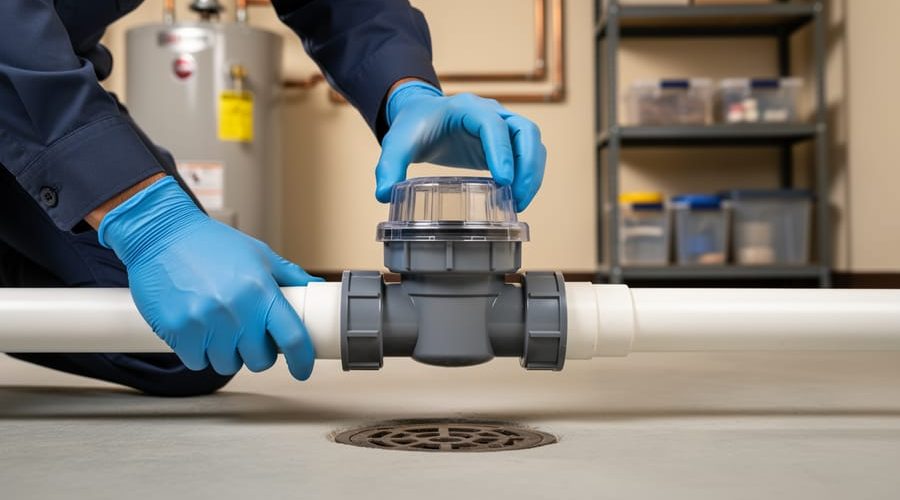
Install a backwater valve in your main sewer line to create a one-way barrier that stops sewage from flowing backward into your home during municipal system overloads or heavy storms. This mechanical device, typically costing $500-3,000 depending on your home’s configuration, serves as your primary defense against costly basement flooding and contamination.
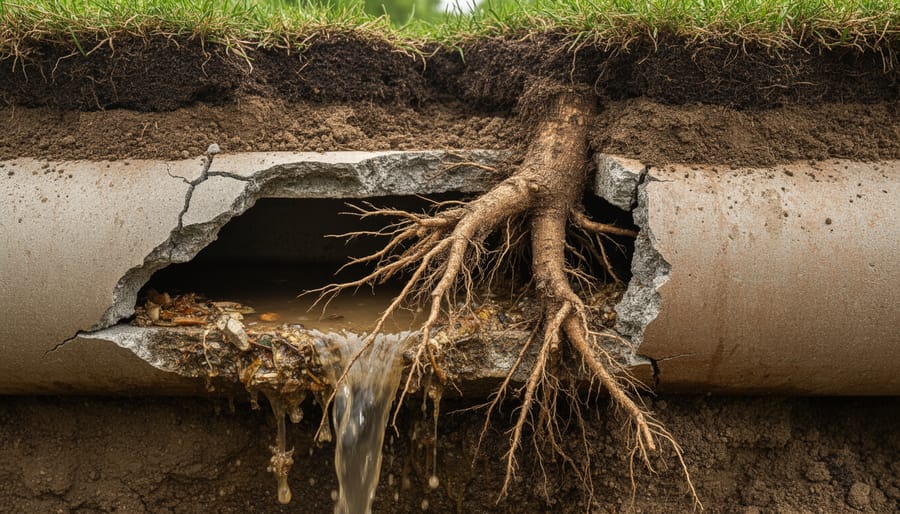
Keep your lateral sewer line clear by scheduling professional camera inspections every three to five years to identify tree root intrusions, pipe deterioration, or debris buildup before they trigger backups. Tree roots are responsible for the majority of residential sewer blockages, and early detection prevents emergency situations that can cost thousands in cleanup and repairs.
Disconnect downspouts and sump pumps from your sewer system immediately, as stormwater entering sanitary sewers overwhelms municipal capacity and increases backup risk throughout your neighborhood. This simple modification reduces pressure on aging infrastructure while supporting sustainable water management practices that protect both your property and local waterways.
Eliminate drain-clogging materials from your daily routine by never flushing wipes, feminine products, or excessive toilet paper, and avoid pouring fats, oils, and grease down kitchen sinks. These substances accumulate in pipes over time, creating blockages that force sewage to seek alternative escape routes, often through your lowest drains.
Understanding prevention strategies protects your home’s value, safeguards your family’s health from exposure to harmful bacteria and pathogens, and contributes to more resilient community water systems that handle increasing climate-related precipitation challenges effectively.
What Causes Sewer Backup in Your Home
Municipal vs. Private Line Responsibilities
Understanding the boundaries of sewer system responsibility helps you protect your home effectively and know when to call for municipal assistance.
Generally, homeowners own and maintain the lateral sewer line running from their house to the property line or the point where it connects to the main municipal sewer. This includes all pipes beneath your yard, driveway, and foundation. The city typically maintains the main sewer lines running under streets and public areas.
This division means you’re financially responsible for repairs, cleaning, and prevention measures on your portion of the system. Regular maintenance like tree root removal, pipe inspections, and installing backwater valves falls under your care. Just as you’d consider greywater system safety when implementing sustainable water practices, understanding your sewer responsibilities protects both your home and the broader municipal system.
However, if backups originate from municipal line failures or overwhelming stormwater in city infrastructure, the municipality may cover cleanup costs. Check your local ordinances, as responsibility boundaries vary by jurisdiction. Some cities require homeowners to maintain connections extending several feet beyond property lines.
Documentation matters: photograph your system, keep maintenance records, and understand your city’s specific regulations to clarify liability during backup incidents.
Warning Signs Your System Is at Risk
Catching potential sewer backup problems early can save you from costly damage and unpleasant cleanup. Your home’s plumbing system often gives clear warning signs before a complete backup occurs, allowing you time to take preventive action.
Slow drains throughout your home are one of the first red flags. If multiple fixtures drain sluggishly at the same time, especially on lower floors, this suggests a developing blockage in your main sewer line rather than isolated clogs.
Gurgling toilets provide another important clue. When you hear bubbling or gurgling sounds coming from toilets, especially when using other fixtures like sinks or washing machines, trapped air in your plumbing system is trying to escape. This often indicates a partial blockage restricting proper water flow.
Water pooling around basement floor drains signals that wastewater may be backing up from your main line. Even small amounts of standing water near these drains deserve immediate attention, as they typically appear before more serious flooding occurs.
Persistent sewage odors inside or outside your home indicate gases escaping through compromised pipes or developing blockages. These unpleasant smells shouldn’t be ignored, as they point to ventilation problems or partial obstructions in your system.
If you notice any combination of these warning signs, contact a licensed plumber promptly to inspect your sewer line before minor issues escalate into full-scale backups.
How Backwater Valves Protect Your Home
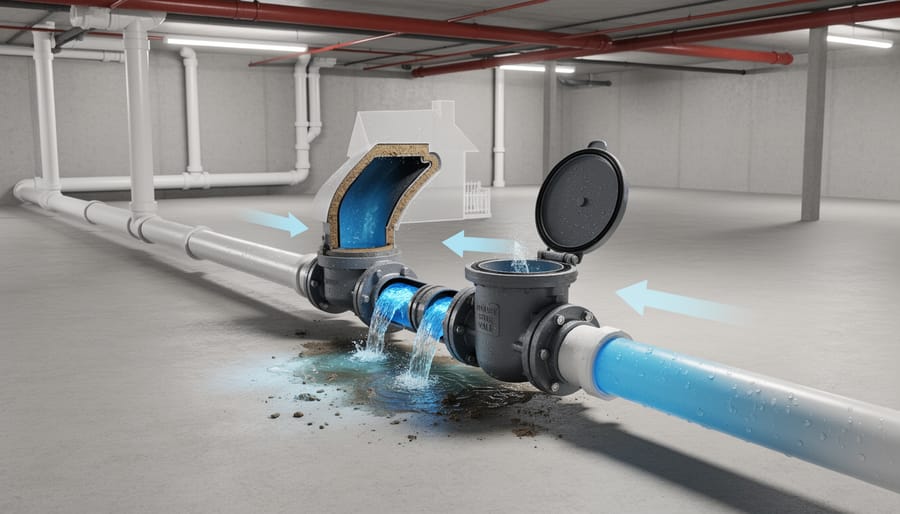
Types of Backwater Valves Available
When shopping for a backwater valve, you’ll encounter three main types, each with its own strengths and considerations for your home’s specific needs.
Automatic gate valves are the most popular choice among homeowners because they require no manual intervention. These valves feature a small gate that automatically closes when sewage tries to flow backward into your home. The gate opens freely during normal drainage, allowing wastewater to exit without restriction. The main advantage is convenience—you don’t need to remember to operate anything. However, they do require occasional cleaning since debris can prevent proper closure, and they typically cost more upfront than other options.
Manual gate valves work similarly but require you to physically close the valve during heavy rain or flooding events. This gives you complete control and tends to be more reliable since there are fewer moving parts to malfunction. The downside is obvious: you must be home and aware of potential flooding to close the valve in time. They’re a budget-friendly option but demand more attention from homeowners.
Flap valves use a hinged flap that swings open when water flows out normally but seals shut when reverse flow occurs. These are the most affordable option and work well for straightforward drainage situations. However, they can stick in the open position if grease or debris accumulates, and the flap mechanism may wear out faster than gate-style valves. They’re best suited for homes with minimal grease discharge and regular maintenance schedules.
Where Backwater Valves Should Be Installed
Strategic placement of backwater valves is essential for comprehensive protection against sewer backups. The most critical location is your main sewer line, where the property’s drainage system connects to the municipal sewer. Installing a valve here creates a protective barrier for your entire home, preventing city sewer overflows from entering your plumbing system.
For homes with basements, floor drains require particular attention since they sit at the lowest point and are most vulnerable to backup incidents. Each basement floor drain should have its own backwater valve to prevent sewage from rising through these entry points during heavy rainfall or system overloads.
Additional protection points include laundry rooms, especially those located below ground level, and any bathroom fixtures in finished basements. Shower drains, toilets, and sink lines in these lower areas benefit from individual valve installations.
Older homes with multiple connection points to the sewer system may need several valves for complete coverage. A licensed plumber can conduct a thorough assessment of your property’s drainage layout and recommend the optimal number and placement of valves. This professional evaluation ensures you’re investing in protection where it matters most, creating an effective defense system tailored to your home’s specific vulnerabilities and layout configuration.
Installation Costs and ROI
Professional installation of a backwater valve typically ranges from $1,500 to $5,000, depending on your home’s plumbing configuration and accessibility. While this might seem substantial upfront, it’s important to consider the alternative: the average sewer backup cleanup costs between $3,000 and $10,000, with severe cases exceeding $20,000 when factoring in structural damage, contaminated belongings, and temporary relocation expenses.
The return on investment becomes clear when you consider that a single backup event often costs more than prevention. Beyond financial protection, backwater valves provide peace of mind during heavy storms and reduce the environmental impact of sewage contamination in your community.
Many municipalities recognize the value of prevention and offer financial incentives to encourage homeowners to install backwater valves. Rebate programs typically range from $500 to $2,000, significantly offsetting installation costs. Some cities also provide low-interest financing options or grants for qualifying homeowners, particularly in flood-prone areas.
Contact your local water or wastewater department to inquire about available programs in your area. These subsidies often come with specific requirements, such as using licensed contractors or installing valves that meet certain standards. Some programs even include free inspections to determine if your property would benefit from installation.
Additionally, installing a backwater valve may lower your homeowner’s insurance premiums, as it demonstrates proactive risk management. Check with your insurance provider about potential discounts that could provide ongoing savings beyond the initial installation.
Essential Prevention Habits Every Homeowner Should Practice
What Never to Flush or Pour Down Drains
Your drains aren’t trash cans, yet many common household items end up there, creating serious blockages and environmental problems. Understanding what to keep out of your pipes is essential for preventing backups and protecting local waterways.
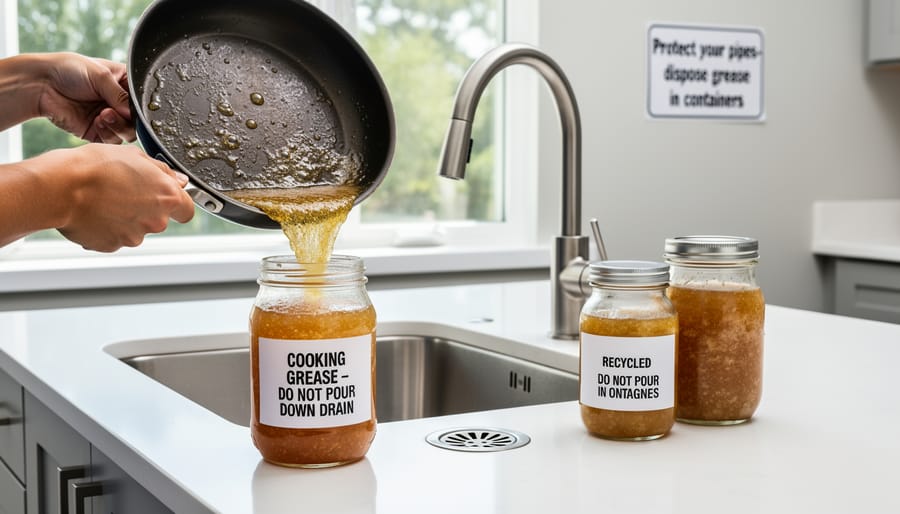
Cooking grease and oils top the list of drain destroyers. When poured down sinks, these substances cool and solidify inside pipes, gradually building up layers that trap other debris and eventually cause complete blockages. Instead, collect cooled grease in a container and dispose of it with regular trash.
Flushable wipes aren’t truly flushable despite their labeling. Unlike toilet paper, these products don’t break down quickly in water and frequently cause clogs in both home plumbing and municipal sewer systems. The same applies to feminine hygiene products, cotton swabs, and dental floss, which should always go in the waste bin.
Medications flushed down toilets contribute to water system contamination, as treatment facilities can’t remove all pharmaceutical compounds. These chemicals eventually reach rivers and groundwater, affecting aquatic life and potentially re-entering drinking water supplies. Most pharmacies offer safe medication disposal programs.
Other problematic items include coffee grounds, eggshells, paint, and harsh chemicals that damage pipes and harm the environment.
Regular Maintenance Tasks That Make a Difference
Keeping your sewer system healthy doesn’t require extensive plumbing knowledge, just consistent attention to a few key maintenance tasks. Schedule professional drain inspections every 18-24 months to catch potential problems before they escalate. During these visits, plumbers can use video cameras to identify early signs of blockages, cracks, or deteriorating pipes.
Tree root management is essential for long-term prevention. If you have mature trees near your sewer line, consider annual root treatments using environmentally-safe copper sulfate alternatives that discourage root intrusion without harming your landscaping. When planting new trees, position them at least 10 feet away from sewer lines.
Establish a quarterly drain cleaning routine using enzyme-based cleaners rather than harsh chemicals. These eco-friendly products break down organic matter naturally without corroding pipes or harming beneficial bacteria in septic systems and municipal treatment facilities.
If you’ve installed a backwater valve, test it twice yearly by running water while observing the valve’s operation. Clean any accumulated debris and ensure the flap moves freely. This simple check takes minutes but provides crucial protection during heavy rainfall events. Document your maintenance activities to track patterns and stay on schedule.
Eco-Friendly Drain Care Solutions
Protecting your drains doesn’t require harsh chemicals that harm waterways and damage pipes. Natural enzyme cleaners offer a gentler, eco-friendly approach by breaking down organic matter like grease, hair, and food particles through biological processes. These cleaners work slowly but effectively, using naturally occurring enzymes that digest buildup without corroding your plumbing system.
Bacterial drain treatments introduce beneficial microorganisms that continuously consume organic waste in your pipes. Unlike chemical drain openers that provide temporary relief, these living cultures establish themselves in your drainage system, offering ongoing protection against clogs and foul odors. Simply flush the treatment down drains monthly for preventative maintenance.
For routine cleaning, simple household solutions work wonders. Pouring boiling water down drains weekly helps melt away grease buildup, while a combination of baking soda and vinegar creates a fizzing action that loosens debris naturally. These sustainable alternatives protect both your home’s plumbing infrastructure and local water ecosystems from toxic chemical runoff, making them ideal choices for environmentally-conscious homeowners committed to responsible water stewardship.
Managing Stormwater to Reduce Backup Risk
Disconnecting Downspouts and Sump Pumps
Many homeowners unknowingly create sewer backup risks by connecting their downspouts and sump pumps to sanitary sewer lines. This practice overwhelms the system during heavy rainfall, sending massive volumes of clean rainwater into pipes designed only for household wastewater. When storm runoff mixes with sewage, treatment plants become overloaded, and the excess water has nowhere to go except back into your home through drains and toilets.
The solution is simple: redirect these water sources away from your sewer system. Downspouts should discharge at least six feet from your foundation, allowing rainwater to naturally absorb into your lawn or flow toward the street. For properties where natural drainage isn’t sufficient, consider installing a rain garden. These shallow, planted depressions capture and filter stormwater while adding beauty to your landscape and supporting local ecosystems.
Sump pumps similarly need independent discharge lines that direct water away from both your foundation and sewer connections. This not only prevents backups but also reduces the burden on municipal treatment facilities, protecting local waterways from pollution. By keeping clean rainwater separate from sewage, you’re practicing sustainable water management that benefits your home, your community, and the environment.
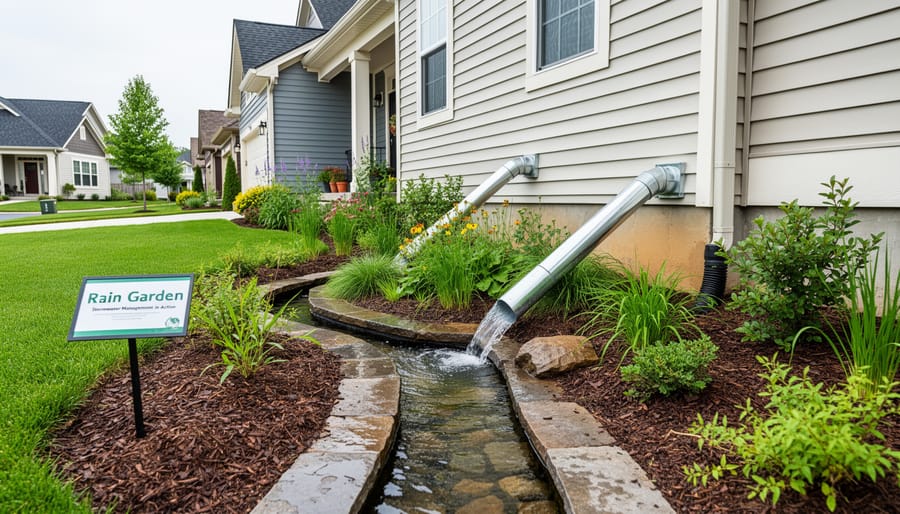
Rain Barrel and Permeable Surface Benefits
Rain barrels and permeable surfaces offer a proactive approach to preventing sewer backups while supporting sustainable water practices. By capturing rainwater from your roof in barrels, you reduce the volume of stormwater entering municipal sewer systems during heavy rainfall. This simple step alleviates pressure on aging infrastructure that can become overwhelmed and cause backups into homes. Permeable landscaping options like gravel pathways, porous pavement, and rain gardens allow water to naturally absorb into the ground rather than rushing into storm drains. These solutions not only protect your property from backup risks but also conserve water for gardening and reduce your environmental footprint. Installing a rain barrel costs as little as fifty dollars and can collect thousands of gallons annually, making it an affordable and eco-friendly investment in your home’s protection.
What to Do If Backup Occurs Despite Prevention
Even with the best prevention strategies in place, sewer backups can still occur during extreme weather events or unexpected system failures. Knowing how to respond quickly can minimize damage to your home and protect your family’s health.
Your first priority is safety. If you discover a backup, immediately stop using all water fixtures in your home. Don’t flush toilets, run sinks, or use washing machines, as this will only worsen the flooding. Turn off your home’s water supply if the backup is severe. Remember that sewage contains harmful bacteria, viruses, and other pathogens that pose serious health risks, so keep children and pets away from affected areas.
Contact a licensed plumber or sewage cleanup professional right away. These experts have specialized equipment and training to safely handle contaminated water. While some homeowners might be tempted to handle minor backups themselves, sewage exposure can lead to illness, and improper cleanup may leave behind dangerous contaminants. Professional remediation also ensures that moisture is properly removed to prevent mold growth, which can develop within 24 to 48 hours.
Document everything for insurance purposes. Take photos and videos of the damage before cleanup begins, and keep detailed records of all expenses related to the backup. Contact your insurance company promptly to report the incident and understand your coverage. Many standard homeowner policies don’t cover sewer backups unless you’ve purchased additional protection, so review your policy carefully.
While waiting for professionals, you can open windows to improve ventilation and reduce odors. However, avoid direct contact with contaminated water and surfaces. If you must enter affected areas, wear protective gear including rubber boots, gloves, and a face mask. This emergency preparedness, combined with proactive prevention measures, gives you the best defense against the disruption and expense of sewer backups.
Protecting your home from sewer backups isn’t just about avoiding a messy, expensive disaster—it’s about taking control of your household water management in a way that safeguards both your property and the environment. Installing a backwater valve provides a reliable mechanical barrier against sewage intrusion, but combining this protection with mindful daily habits creates a comprehensive defense system. Simple actions like proper waste disposal, regular maintenance checks, and thoughtful stormwater management work together to reduce your risk significantly.
The reality is that prevention is always more affordable and less disruptive than recovery. Waiting until sewage floods your basement means dealing with extensive cleanup costs, property damage, and potential health hazards. By taking proactive steps now, you’re investing in long-term peace of mind and contributing to more sustainable community infrastructure. Whether you’re in a high-risk area or simply want to protect your home’s value, the combination of smart technology and responsible practices offers the most effective path forward. Don’t wait for disaster to strike—prioritize sewer backup prevention today.