Every time you turn on your tap, water flows through an intricate system operated by your local water utility—but most homeowners have no idea where that water originates or what happens to it before reaching their kitchen. Understanding your utility’s source waters and treatment methods empowers you to make informed decisions about your household water quality and whether additional filtration might benefit your family.
Your local water utility serves as the gatekeeper between natural water sources and your home’s plumbing. These municipal organizations draw water from rivers, lakes, reservoirs, or underground aquifers, then apply treatment processes designed to remove contaminants and ensure safety according to federal standards. The specific treatment methods vary dramatically based on source water quality—a utility drawing from a pristine mountain reservoir follows a different protocol than one pulling from an agricultural watershed or industrial river.
Most utilities publish annual water quality reports detailing their source waters, treatment processes, and contaminant testing results. These Consumer Confidence Reports demystify what’s in your tap water and reveal potential concerns like aging infrastructure, seasonal algae blooms, or elevated levels of naturally occurring minerals. By learning to interpret these reports and understanding the treatment technologies your utility employs—from basic chlorination to advanced membrane filtration—you gain crucial insight into whether your tap water meets your household’s standards or requires supplemental home treatment for optimal quality and taste.
How Your Local Water Utility Works
Your local water utility serves as the guardian of your community’s drinking water, managing everything from sourcing to delivery right to your tap. Think of them as the bridge between natural water sources and your home faucet, working around the clock to ensure you have access to safe, clean water whenever you need it.
Most water utilities operate as public agencies or regulated private companies, meaning they answer to both local government authorities and state or federal regulators. These oversight bodies, including the Environmental Protection Agency (EPA), set strict standards that utilities must meet. Every drop of water your utility delivers must comply with the Safe Drinking Water Act, which establishes maximum contaminant levels for over 90 different substances.
Your utility’s primary responsibilities extend far beyond simply pumping water through pipes. They continuously monitor source water quality, operate sophisticated treatment facilities, maintain miles of underground infrastructure, conduct regular testing, and respond to emergencies. This comprehensive approach means tracking water quality from the original source, whether that’s a river, lake, reservoir, or underground aquifer, all the way through treatment and distribution.
Water utilities also adapt to seasonal water supply changes, adjusting treatment processes when source water characteristics shift throughout the year. They invest in infrastructure upgrades, replace aging pipes, and increasingly implement eco-friendly innovations like energy-efficient pumping systems and sustainable water recovery methods.
Understanding your utility’s structure helps you appreciate the complex system supporting your daily water use. It also empowers you to engage meaningfully with water quality reports and make informed decisions about whether additional home filtration might benefit your household’s specific needs and preferences.
Where Your Water Comes From: Understanding Source Waters
Surface Water Sources
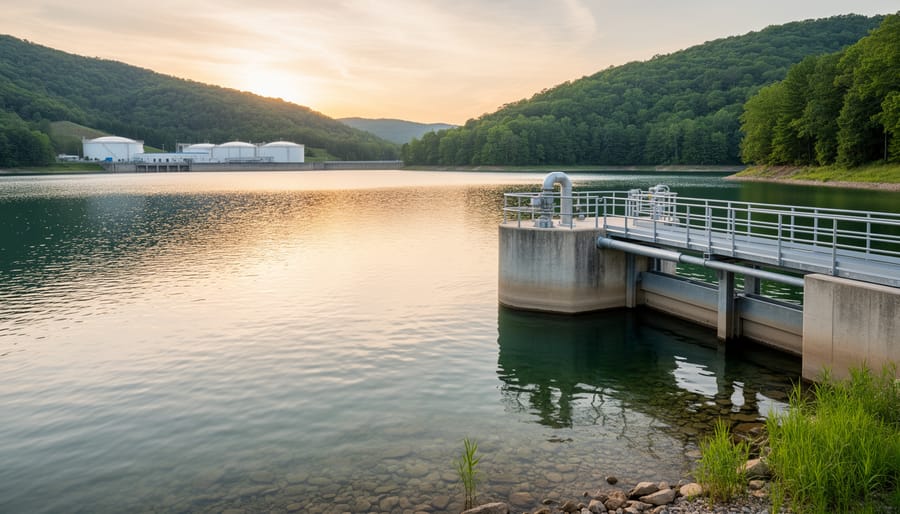
Rivers, lakes, and reservoirs serve as primary surface water sources for many local water utilities across the country. Unlike groundwater, which is naturally filtered as it moves through soil and rock layers, surface water sits exposed to the environment, making it more vulnerable to contamination.
Common contaminants found in surface water include sediment, organic matter like leaves and algae, agricultural runoff containing fertilizers and pesticides, and microbial organisms such as bacteria and parasites. Industrial discharge and urban stormwater can introduce additional pollutants. You might notice how water changes seasonally, with higher turbidity and contamination levels during heavy rainfall or spring snowmelt.
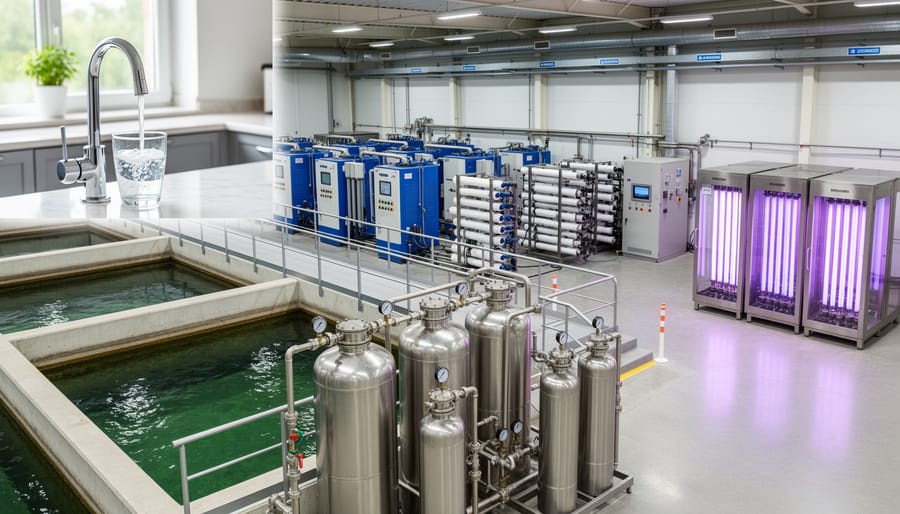
Because of these vulnerabilities, surface water requires more extensive treatment than groundwater. Your local utility typically implements multiple treatment stages including coagulation to clump particles together, sedimentation to remove settled solids, filtration through sand or activated carbon, and disinfection using chlorine or ultraviolet light. This comprehensive process ensures harmful contaminants are removed before water reaches your tap.
Understanding your utility’s surface water sources helps you appreciate why treatment is essential and why investing in additional home filtration might provide extra peace of mind, especially during seasons when source water quality fluctuates.
Groundwater Sources
Many communities rely on groundwater as their primary drinking water source, drawing it from underground aquifers through wells that can reach hundreds of feet deep. These aquifers are natural underground reservoirs formed within porous rock, sand, and gravel layers that have accumulated water over thousands of years.
One advantage of groundwater is the natural filtration that occurs as water percolates through soil and rock layers. This process effectively removes many bacteria, viruses, and larger particles, providing a degree of pre-treatment before the water even reaches utility facilities. Think of it as nature’s own filtration system, working continuously beneath our feet.
However, groundwater isn’t automatically clean just because it’s been filtered naturally. As water travels through underground formations, it dissolves minerals and naturally occurring elements from the surrounding geology. Common contaminants your utility must address include calcium and magnesium (which cause hard water), iron, manganese, arsenic, radon, and fluoride. Some of these substances occur naturally at levels that require treatment before the water is safe for consumption.
Your utility’s water quality report will specify which minerals and elements are present in your groundwater supply and at what concentrations. Understanding your source water characteristics helps you make informed decisions about whether additional home treatment might benefit your household’s specific needs, particularly for taste preferences or protecting plumbing and appliances from mineral buildup.
Mixed Source Systems
Many water utilities don’t rely on just one water source. Instead, they strategically blend water from multiple origins—perhaps combining reservoir water with groundwater wells, or mixing river water with stored supplies. This approach helps utilities maintain consistent service even during droughts or unexpected disruptions to one source.
For homeowners, understanding this blending practice is essential because different water sources have distinct mineral profiles and characteristics. When your utility switches its water mix based on availability or seasonal demands, you might notice changes in your tap water’s taste, smell, or how it behaves with soap and appliances. These shifts aren’t necessarily quality problems—they’re simply reflections of the varying source compositions.
The proportion of each source can fluctuate throughout the year, leading to seasonal water quality variations in your home. Summer months might bring more surface water into the mix due to increased demand, while winter could see greater reliance on groundwater. Your utility’s annual water quality report typically identifies all source waters and their treatment protocols, helping you understand what’s flowing through your taps and whether home filtration might benefit your specific situation.
Treatment Methods Your Water Utility Uses
Primary Treatment: Filtration and Screening
Before your water reaches the tap, it goes through an essential first step: primary treatment. This is where your local water utility removes the largest contaminants—think leaves, sticks, sand, and other visible debris that could clog the system or interfere with later treatment stages.
The process typically begins with screening, where water passes through metal bars or mesh filters that catch larger objects. Imagine a giant sieve that prevents anything bigger than a few millimeters from moving forward. Next comes sedimentation, where water sits in large tanks, allowing heavier particles like sand and dirt to naturally settle to the bottom due to gravity.
Some utilities also use coagulation during this stage, adding natural compounds that make tiny particles clump together into larger masses that are easier to remove. These settled materials, called sludge, are collected and disposed of responsibly—often repurposed for beneficial uses rather than wasted.
While primary treatment handles visible contaminants effectively, it doesn’t address dissolved chemicals, bacteria, or microscopic pollutants. That’s why additional treatment stages are necessary. Understanding this first barrier in your water’s journey helps you appreciate the multi-layered approach utilities use to protect your household water supply.
Coagulation and Flocculation
After your water utility draws water from its source, the treatment process begins with coagulation and flocculation—two steps that work together like a magnet collecting scattered metal shavings. Think of untreated water as containing countless tiny particles—dirt, bacteria, and organic matter—too small to filter out easily. During coagulation, treatment operators add chemicals called coagulants, typically aluminum or iron-based compounds, which act like sticky bridges between these microscopic particles.
As water moves into the flocculation stage, gentle mixing encourages these newly connected particles to form larger clumps called “floc.” Imagine snowflakes gathering into snowballs—the bigger they become, the easier they are to remove. These visible clumps eventually settle to the bottom of treatment tanks or get trapped in filters downstream. This eco-friendly process has been refined over decades and remains one of the most effective methods for removing contaminants before water reaches your home, ensuring cleaner, safer drinking water for your household.
Disinfection Methods
After water travels from its source to your local treatment plant, utilities employ several disinfection methods to eliminate harmful microorganisms before the water reaches your tap. Understanding these approaches helps you make informed decisions about your household water needs.
Chlorination remains the most widely used disinfection method in the United States. Utilities add small amounts of chlorine to water, which effectively kills bacteria, viruses, and other pathogens. It’s affordable, reliable, and continues protecting water as it travels through distribution pipes to your home. You might notice a slight chlorine taste or smell, which indicates the disinfectant is doing its job.
Some utilities use chloramines instead, which form when chlorine combines with ammonia. This method produces a longer-lasting disinfectant that creates fewer chemical byproducts. Chloramines work especially well for systems with lengthy distribution networks, though they require careful monitoring to maintain effectiveness.
Ultraviolet treatment represents a cutting-edge innovation in water disinfection. UV light disrupts the DNA of microorganisms, rendering them harmless without adding chemicals to your water. Many utilities appreciate that UV leaves no taste or odor, though it doesn’t provide residual protection in pipes like chlorine-based methods.
Ozone disinfection uses a powerful oxidant that eliminates pathogens and removes colors, tastes, and odors. While highly effective, ozone dissipates quickly and costs more to implement, so utilities typically combine it with another disinfection method for continued protection throughout the distribution system.
Your local utility selects methods based on source water quality, system size, regulatory requirements, and budget considerations.
Advanced Treatment Technologies
Beyond traditional treatment methods, many modern water utilities are investing in advanced technologies to tackle specific contaminants and emerging concerns. These cutting-edge systems provide an extra layer of protection, ensuring your tap water meets the highest quality standards.
Reverse osmosis (RO) is one of the most effective methods for removing dissolved solids, heavy metals, and even certain pharmaceuticals. This process pushes water through an extremely fine membrane that acts like a molecular filter, blocking contaminants while allowing pure water molecules to pass through. Think of it as an ultra-fine strainer that catches particles you can’t even see.
Activated carbon filtration uses specially treated carbon with a massive surface area to absorb chemicals, chlorine byproducts, and organic compounds that affect taste and odor. The carbon works like a sponge, trapping unwanted substances as water flows through.
Membrane filtration encompasses several techniques, including ultrafiltration and nanofiltration, which use different pore sizes to remove bacteria, viruses, and microscopic particles. These systems are particularly valuable for utilities dealing with agricultural runoff or industrial contamination concerns.
While not every utility employs these advanced methods, many are gradually adopting them to address local water challenges and provide enhanced protection for their communities.
Reading Your Water Quality Report
Every year, your local water utility is required by the EPA to send you a Consumer Confidence Report, also called a water quality report or CCR. This document arrives by mail or email, typically between July 1st and October 1st, and provides a comprehensive snapshot of your tap water’s quality from the previous calendar year. While these reports can appear dense with numbers and scientific terms, learning to read them empowers you to make informed decisions about your household water.
Start by locating the contaminant table, which lists everything detected in your water supply. Each entry shows three key numbers: the detected level, the Maximum Contaminant Level Goal (MCLG), and the Maximum Contaminant Level (MCL). The MCLG represents the ideal level with no known health risks, while the MCL is the highest amount legally allowed. If detected levels fall below the MCL, your water meets federal safety standards.
Pay particular attention to common contaminants like lead, which should be zero but often appears in older homes with aging pipes. Disinfection byproducts such as trihalomethanes form when chlorine reacts with organic matter and warrant monitoring. Nitrates matter especially for families with infants, while arsenic and per- and polyfluoroalkyl substances (PFAS) have longer-term health implications.
Your report also explains where violations occurred, if any, and what corrective actions your utility took. Look for the source water assessment section, which identifies potential contamination risks in your area’s water supply. Understanding these threats helps you anticipate seasonal variations in quality and decide whether additional home filtration makes sense for your household.
Remember that meeting federal standards means your water is legally safe, but some homeowners prefer filtration systems to further reduce certain contaminants based on personal preferences or specific health considerations. Your CCR provides the baseline knowledge to have those conversations with water quality professionals.

When Your Utility’s Treatment Isn’t Enough
Even when your utility meets federal safety standards, certain circumstances may warrant additional home filtration. Understanding these scenarios empowers you to make informed decisions about your household water quality.
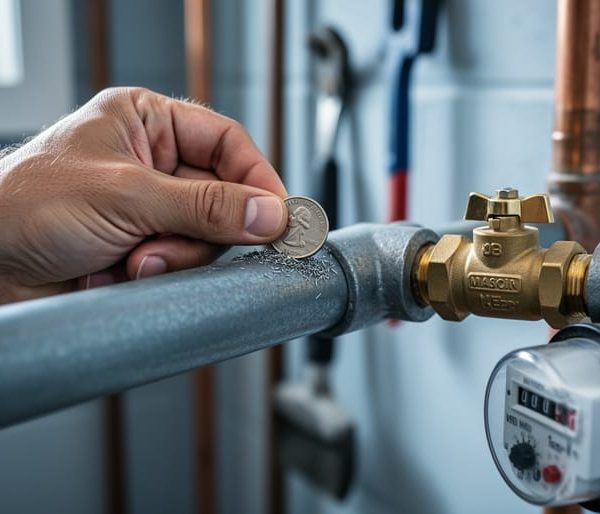
Aging infrastructure presents one of the most common challenges. If your home was built before 1986, lead pipes or lead-based solder may still be present in your plumbing system. While utilities treat water to reduce corrosivity, lead can still leach into your tap water between the treatment plant and your faucet. Similarly, corroded iron or copper pipes can affect both water quality and taste, even after leaving the utility’s facility.
Local contamination events require attention too. Agricultural runoff, industrial spills, or construction activities can temporarily compromise water quality. Your utility may issue boil-water advisories during such events, but maintaining a home filtration system provides an extra layer of protection. Seasonal water quality variations can also affect taste and odor, making point-of-use treatment beneficial.
Specific health concerns may necessitate additional treatment as well. Immunocompromised individuals, pregnant women, or families with infants often benefit from enhanced filtration. Some emerging contaminants, like certain pharmaceuticals or PFAS compounds, may be present at levels your utility doesn’t currently remove.
Modern filtration innovations, from advanced carbon systems to reverse osmosis units, offer eco-conscious solutions that reduce reliance on bottled water while addressing these concerns. Consider testing your tap water independently to identify which contaminants, if any, require targeted treatment for your household’s unique situation.
Understanding your local water utility and how it treats your drinking water is the foundation for making smart decisions about your household water quality. Now that you know where your water comes from and how it’s treated, you can take meaningful action to ensure your family has access to the safest, cleanest drinking water possible.
Start by contacting your local water utility directly. Most utilities have customer service departments dedicated to answering questions about water quality, treatment processes, and annual reports. Ask for their latest Consumer Confidence Report, which provides detailed information about contaminants detected in your water and how they compare to EPA standards. Don’t hesitate to request clarification on anything you don’t understand—these professionals are there to help you.
Review your water quality report carefully, paying attention to any contaminants that approach regulatory limits or concern you personally. While your utility works hard to meet safety standards, some households may benefit from supplemental home filtration systems. Consider your specific needs: families with infants, immunocompromised individuals, or those simply seeking an extra layer of protection might choose point-of-use filters for drinking water.
Remember that ensuring safe drinking water is a partnership. Your local utility handles large-scale treatment and infrastructure, while you manage the final touchpoint in your home. By staying informed, asking questions, and making thoughtful decisions about home filtration when needed, you’re taking responsibility for your family’s health while supporting sustainable water management practices. This collaborative approach creates the best possible outcome for water quality, environmental stewardship, and community wellbeing.