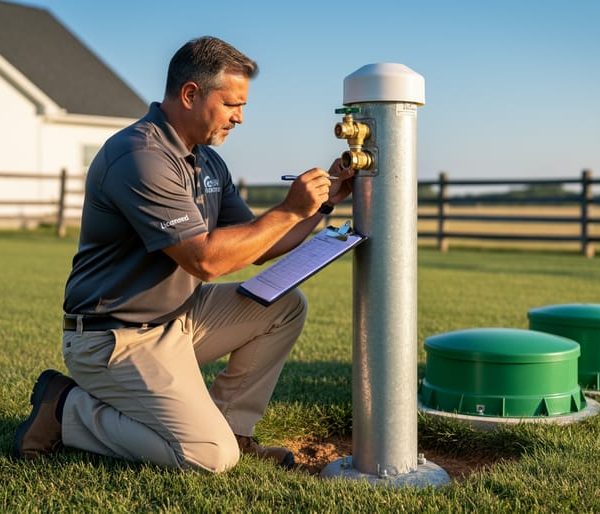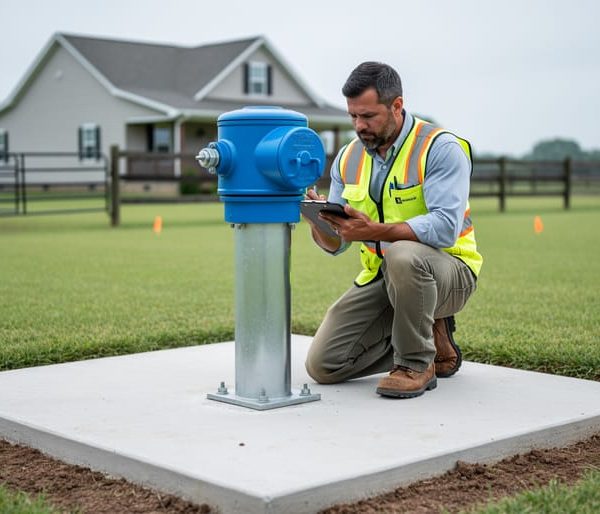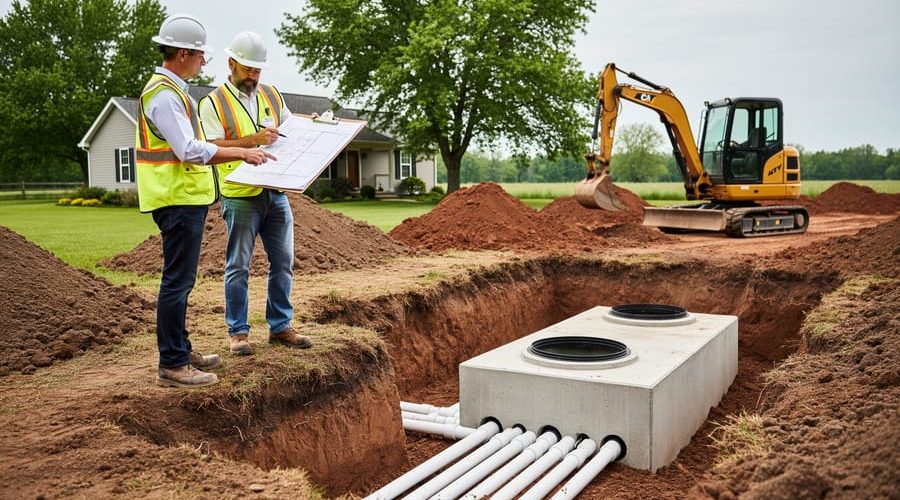
Contact your local health department before any septic work begins—even minor repairs often require permits, and starting without approval can result in fines exceeding $10,000 and mandatory system removal. Request a pre-application site evaluation to identify potential soil, setback, or water table issues that could derail your project before you’ve invested in engineering plans.
Obtain a detailed scope of work from your contractor that specifically outlines which permits they’ll secure versus which remain your responsibility, as permit violations typically fall on the property owner regardless of who performed the work. Most jurisdictions require separate permits for septic system installation, repair, and abandonment, with each carrying distinct application requirements and inspection schedules.
Schedule all required inspections at proper construction phases—typically after excavation, before backfilling, and upon final completion—since missed inspections can invalidate your permit and require costly excavation to verify compliance. Keep all permit documentation, inspection reports, and as-built drawings in a permanent file, as these records prove essential for future property sales, refinancing, and establishing your system’s maintenance history.
Understanding septic permitting protects more than your wallet—it safeguards the groundwater that 15 million American households depend on for drinking water. Properly permitted systems incorporate modern innovations like advanced treatment technologies and appropriate drainage field sizing that prevent contamination of nearby wells and surface water. This regulatory framework exists because failing septic systems rank among the leading causes of household water quality problems, introducing harmful bacteria, nitrates, and chemicals into the groundwater that families rely on daily.
What Is Septic Permitting and Why Does It Exist?
Septic permitting is a regulatory process that requires homeowners to obtain official approval before installing, modifying, or repairing a septic system. These permits aren’t just bureaucratic red tape—they exist to safeguard one of our most precious resources: clean water.
When septic systems fail or are improperly installed, they become a major source of groundwater contamination. Untreated or inadequately treated wastewater can seep into the soil, carrying harmful bacteria, viruses, nitrates, and other pollutants directly into underground water supplies. For the millions of households relying on private wells, this poses a serious health risk. Contaminated groundwater can lead to private well pollution, exposing families to waterborne diseases and chemical contaminants that may not be immediately detectable.
Septic permits ensure that every system meets specific design and installation standards based on soil conditions, property size, water table depth, and household wastewater volume. By reviewing these factors before construction begins, permitting authorities can prevent systems from being installed in unsuitable locations or with inadequate capacity. This proactive approach protects not only your household but also your neighbors’ water sources and the broader ecosystem.
The regulations also address public health concerns beyond drinking water. Improperly functioning septic systems can contaminate surface waters like streams and lakes, harming aquatic life and creating recreational hazards. They can also cause nitrogen overload in ecosystems, leading to algae blooms and oxygen depletion that disrupts natural habitats.
From an environmental perspective, septic permitting supports sustainable living practices. Well-designed systems treat wastewater naturally through biological processes in the soil, returning clean water to the groundwater cycle. This eco-friendly approach only works when systems are properly sized, located, and maintained—exactly what the permitting process is designed to ensure. Understanding and complying with these requirements helps protect your investment while contributing to cleaner water for everyone.
When You Need a Septic Permit
New Septic System Installation
Installing a new septic system on undeveloped land or for new construction requires careful planning and proper permitting from the start. The process begins with a site evaluation, where local health department officials assess your property’s soil composition, drainage patterns, and groundwater levels. This evaluation determines whether your land can safely support a septic system without contaminating nearby water sources, including private wells.
You’ll need to submit detailed plans showing the proposed system location, design specifications, and distance from wells, property lines, and water bodies. Most jurisdictions require at least 50 to 100 feet between septic systems and drinking water wells to prevent contamination. The permit application typically includes soil test results, system design drawings, and proof of property ownership.
Modern eco-friendly septic technologies, such as aerobic treatment units or advanced nitrogen-reducing systems, may be required in environmentally sensitive areas. These innovative systems provide better wastewater treatment while protecting local groundwater quality. Permit review can take several weeks to months, depending on your location and system complexity. Once approved, installation must follow approved plans exactly, with inspections required at various stages before the system becomes operational.
Repairs and Replacements
Understanding when septic work requires permits helps you stay compliant while protecting your groundwater and nearby wells. Simple maintenance tasks like pumping your tank, replacing filters, or minor plumbing fixes typically don’t need permits. However, structural repairs crossing certain thresholds do require approval—think replacing tank baffles, fixing drainage field components, or addressing septic system failures that affect the soil treatment area.
Full system replacement always requires comprehensive permitting. The process mirrors new installations: you’ll need soil evaluations, engineered system designs, and multiple inspections throughout installation. Your local health department determines specific thresholds, but any work affecting how wastewater moves through treatment stages generally needs approval. This permitting protects both your family’s health and environmental quality by ensuring repairs meet modern standards for filtering contaminants before they reach groundwater sources. When in doubt, contact your permitting office before starting work—retroactive permits can be costly and complicated.
Home Additions and Expansions
Planning to expand your home? Before you start construction, understand that adding bedrooms or increasing square footage typically triggers septic permit requirements. Here’s why: your septic system was originally designed to handle a specific amount of wastewater based on your home’s size and occupancy. When you add a bedroom, bathroom, or significant living space, you’re increasing the household’s wastewater capacity needs—essentially, more people means more water flowing into your septic system.
Local health departments calculate septic capacity based on bedroom count rather than actual occupancy, as bedrooms indicate potential inhabitants. Even finishing a basement or converting an attic could require septic evaluation and permitting. An undersized septic system can lead to system failure, sewage backups, and groundwater contamination—directly threatening your household water quality and potentially impacting nearby private wells. Before breaking ground on any addition, contact your local permitting office to determine if your existing septic system can accommodate the increased load or if you’ll need an upgrade to protect both your investment and the environment.
The Septic Permitting Process Step-by-Step

Site Evaluation and Percolation Testing
Before your septic permit gets approved, your property must undergo a thorough site evaluation to ensure the soil can properly treat wastewater. Think of this as a health check for your land—it determines whether your property can safely support a septic system without risking groundwater contamination.
The percolation test, often called a “perc test,” measures how quickly water drains through your soil. A technician digs test holes, fills them with water, and times how long it takes to absorb. Soil that drains too quickly won’t adequately filter contaminants, while soil that drains too slowly can cause system backups. This balance is essential for protecting your family’s water supply and the surrounding environment.
During the site assessment, professionals also evaluate factors like soil composition, depth to bedrock, groundwater levels, and property slope. These elements help determine the appropriate septic system size and design for your specific location. Properties with high water tables or rocky terrain may require alternative system designs, which could affect both permit requirements and installation costs.
The evaluation results become part of your permit application, demonstrating your system will function safely. This careful screening protects not only your household but also neighbors who may rely on wells, preventing the spread of bacteria and harmful chemicals through underground water sources.
Submitting Your Application
Preparing a thorough application package is essential for smooth permit approval. Start by gathering all required documentation, which typically includes proof of property ownership, a detailed site plan showing property boundaries and existing structures, and results from your soil and percolation tests. You’ll also need professionally prepared system design plans that specify tank size, drain field dimensions, and installation depth.
Working with licensed septic designers or engineers is highly recommended, as they understand local regulations and can create compliant designs tailored to your property’s unique characteristics. These professionals ensure your system meets both regulatory requirements and environmental protection standards, safeguarding your groundwater from contamination. While this adds upfront costs, it prevents costly redesigns and protects your well water quality long-term.
Application fees vary significantly by location, typically ranging from $200 to $1,000 depending on system complexity and local jurisdiction. Some areas charge separate fees for plan review, site inspection, and final approval. Contact your local health department or environmental agency for exact fee schedules and accepted payment methods.
Submit your complete application package during regular business hours, allowing several weeks for review. Incomplete applications cause delays, so double-check that you’ve included all required documents, signatures, and fees before submission.
Inspection and Approval
Once your septic system is installed, professional inspections ensure everything meets safety standards and protects your groundwater from contamination. Understanding this process helps you prepare and ensures a smooth approval.
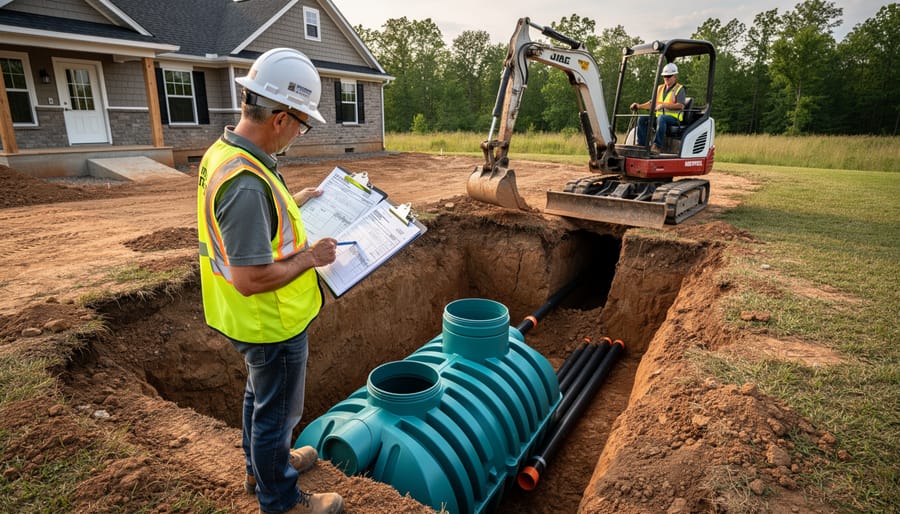
During installation, inspectors typically conduct multiple site visits. The first inspection occurs after excavation but before system placement, verifying proper hole dimensions and soil conditions. A second visit happens during installation to check component quality, tank connections, and drain field layout. These interim checks catch potential problems early, saving you costly corrections later.
Inspectors examine several critical elements: proper tank placement and depth, secure inlet and outlet connections, adequate separation distances from wells and property lines, correct drain field sizing for your household, and appropriate soil coverage. They’re essentially verifying that your system won’t allow untreated wastewater to reach groundwater supplies, which directly impacts drinking water quality for you and your neighbors.
Final approval comes after a successful post-installation inspection. The inspector will review all completed work, ensure pumping access is clear, and verify the system functions properly. You’ll receive official documentation—keep these records safe, as you’ll need them for future property transactions and system maintenance. This approval means your septic system meets environmental standards designed to protect water resources for years to come.

Timeline and Costs to Expect
Expect the septic permitting process to take anywhere from 2-8 weeks, depending on your location and system complexity. Initial permit applications typically cost between $200-500, while percolation tests run $500-1,500. Soil evaluations and site assessments add another $300-1,000 to your budget. Final inspection fees usually range from $100-300. In areas with groundwater protection requirements, additional testing may increase costs by $500-2,000. Rural properties relying on private wells should factor in these expenses as essential investments in protecting your water supply from contamination. Plan ahead and budget approximately $1,500-4,000 total for the complete permitting process, though costs vary significantly by region and property conditions.
Key Regulations That Govern Septic Systems
Federal and State Standards
The Environmental Protection Agency (EPA) establishes nationwide guidelines for septic systems under the Clean Water Act, focusing on protecting groundwater and surface water from contamination. These federal standards set the foundation for how wastewater should be treated to safeguard drinking water sources and maintain healthy ecosystems. However, the EPA delegates most enforcement authority to individual states, which means your local requirements may be stricter than federal minimums.
Each state develops its own permitting framework based on regional factors like soil composition, water table depth, and population density. For example, some states require advanced treatment systems in environmentally sensitive areas, while others focus on regular inspection schedules. Understanding your state septic requirements is essential because non-compliance can result in fines, property liens, or mandatory system replacement.
This decentralized approach allows states to address unique environmental challenges, but it also means homeowners must research their specific jurisdiction’s rules. Most states publish permitting guidelines through their environmental or health departments, making it relatively straightforward to find the information you need. By following these standards, you’re not only meeting legal obligations but also protecting your well water and contributing to sustainable water management practices in your community.
Local Health Department Requirements
Your local health department serves as the primary authority for septic system regulations, and their requirements can vary significantly between counties and municipalities. Before installing or modifying a septic system, you’ll need to contact your county environmental health office to understand the specific rules that apply to your property.
One of the most critical requirements involves setback distances, which protect your drinking water and your neighbors’ wells from potential contamination. Most jurisdictions require septic systems to be at least 50 to 100 feet from private wells, though some areas mandate even greater distances. You’ll also need to maintain specific setbacks from property lines (typically 5 to 10 feet), surface water bodies like streams or ponds (often 50 to 100 feet), and your home’s foundation (usually 10 to 20 feet minimum).
System sizing represents another key consideration. Health departments calculate the required capacity based on your home’s bedroom count, which determines daily wastewater volume. A typical three-bedroom home might require a 1,000-gallon tank, but your specific needs depend on household size and local codes. Some progressive jurisdictions now encourage eco-friendly system designs that better protect groundwater quality. Understanding these requirements upfront helps ensure your septic system safeguards both your family’s health and the environment while keeping your property compliant with local regulations.
Protecting Your Private Well
Protecting your private well starts with proper septic system placement. Most jurisdictions require a minimum setback distance of 50 to 100 feet between septic drain fields and private wells, though this varies by local soil conditions and regulations. These buffer zones help prevent bacteria, nitrates, and other contaminants from traveling through soil and reaching your drinking water supply.
Your permit application will undergo careful review to ensure your system design prevents groundwater contamination. Regulations often mandate additional protections in designated wellhead protection areas or sensitive environmental zones where groundwater sits closer to the surface. Installing your system properly means considering slope direction, so any potential seepage flows away from your well rather than toward it. Many communities now require advanced treatment systems in areas with shallow bedrock or high water tables, adding extra filtration layers that protect both your family’s health and the broader groundwater supply your neighbors depend on.

Common Permitting Challenges and How to Overcome Them
Small or Difficult Lots
Not every property offers ideal conditions for a traditional septic system. If you’re dealing with limited space, rocky or clay-heavy soil, high water tables, or steep slopes, don’t worry—specialized solutions exist to help you obtain proper permitting.
For challenging terrain, advanced treatment systems like aerobic treatment units, mound systems, or pressure distribution designs can work where conventional systems cannot. These engineered alternatives treat wastewater more intensively and require less space, making them suitable for compact lots or areas with poor drainage. While they typically cost more upfront and may need regular maintenance contracts, they protect groundwater quality just as effectively.
During the permitting process, your local health department will assess your property’s constraints and recommend appropriate system types. Some jurisdictions offer variances or alternative design approvals for difficult sites. Working with an experienced septic designer or engineer early in the process can save time and money by identifying the most practical solution for your unique property conditions while ensuring your household wastewater doesn’t compromise nearby water sources.
Failed Percolation Tests
If your soil fails percolation tests, don’t panic—you still have options for installing a septic system. Failed tests simply mean conventional septic systems won’t work on your property, but alternative systems are specifically designed for challenging soil conditions.
Engineered septic systems offer solutions for poor drainage. These include mound systems, which elevate the drain field above unsuitable soil, and aerobic treatment units that use oxygen to break down waste more efficiently before releasing it into the soil. Sand filter systems and drip irrigation systems are other alternatives that can work where traditional systems fail.
Your local health department can recommend approved alternative systems for your area and soil type. While these systems typically cost more upfront—sometimes 50-100% more than conventional systems—they’re often your only path to getting a septic permit approved.
Consider consulting a professional soil scientist or environmental engineer who specializes in difficult sites. They can identify the best solution for your property while ensuring your system protects groundwater quality and meets environmental standards. Remember, investing in the right system now prevents costly problems and protects your property’s water resources for years to come.
Dealing with Delays and Denials
Permit delays happen frequently due to incomplete applications, soil test issues, or seasonal backlogs at permitting offices. If your application faces delays, contact your local health department promptly to identify the specific holdup. Many times, simply providing additional documentation or clarifying site details can move things forward quickly.
When permits are denied, you typically have the right to appeal the decision. Review the denial letter carefully to understand the reasoning, whether it’s related to lot size, soil conditions, or proximity to water sources like wells. Most jurisdictions outline specific appeal procedures and timelines, usually requiring submission within 30 to 60 days.
Working cooperatively with permitting authorities yields better results than confrontation. Schedule a face-to-face meeting to discuss concerns and explore alternative septic system designs that might meet environmental protection standards while accommodating your property’s limitations. Remember, these regulations exist to safeguard groundwater quality and protect your household water supply along with your neighbors’ wells. Consider consulting a licensed septic designer who can propose innovative, eco-friendly solutions that satisfy regulatory requirements while supporting your sustainable living goals.
The Real Consequences of Skipping Permits
Legal and Financial Penalties
Operating a septic system without proper permits can lead to serious consequences that impact both your wallet and your property’s future. Homeowners caught with unpermitted systems typically face substantial fines ranging from hundreds to thousands of dollars, depending on local regulations and the severity of violations. In some cases, authorities may mandate the complete removal or replacement of unpermitted systems at the homeowner’s expense—a costly undertaking that can exceed $20,000.
Beyond immediate penalties, unpermitted septic work creates complications when selling your property. Real estate transactions require disclosure of unpermitted improvements, which can derail sales or significantly reduce property value. Potential buyers may walk away or demand price reductions to cover the cost of bringing systems into compliance. Additionally, homeowners insurance companies may deny coverage for damage related to unpermitted work, leaving you personally liable for expensive repairs or environmental remediation. These financial risks underscore why obtaining proper permits protects not just groundwater quality and your family’s health, but also your property investment and financial security.
Environmental and Health Risks
Skipping proper septic permitting puts your family’s health and local environment at serious risk. Without professional oversight, improperly installed or maintained septic systems can leak harmful bacteria, viruses, and chemicals directly into the surrounding soil. This contamination doesn’t stay put—it seeps downward into groundwater supplies that feed private wells in your neighborhood.
When septic waste reaches groundwater, it introduces dangerous pathogens like E. coli and salmonella, along with nitrates that pose particular risks to infants and pregnant women. If you rely on well water, contamination from a failing septic system—yours or a neighbor’s—can compromise your drinking water without any visible warning signs. That’s why it’s essential to test your well water regularly, especially if septic systems operate nearby.
Beyond individual health concerns, unpermitted systems threaten entire aquifers and surface water bodies, affecting wildlife and ecosystems. Proper permitting ensures your system meets modern environmental standards, protecting both your household and your community’s water future.
Impact on Property Value
Unpermitted septic work can significantly reduce your home’s value and create obstacles during the selling process. When buyers conduct inspections, unpermitted systems raise red flags that often lead to lower offers or deal cancellations. Mortgage lenders typically require proof of proper permitting before approving loans, as unpermitted work represents a financial risk. Appraisers may decrease property valuations when they discover compliance issues, since future buyers will face costly corrections. Additionally, you’ll need to retroactively obtain permits and potentially rebuild non-compliant components before closing any sale. This protects both groundwater quality and your property investment, ensuring your home maintains its market value while safeguarding your household water source.
Working With Licensed Professionals
Navigating septic permitting becomes significantly easier when you partner with qualified professionals who understand both the technical requirements and local regulations. The right team can transform a potentially stressful process into a smooth, efficient experience while ensuring your system protects your property’s water quality.
Start by seeking licensed septic system designers or engineers who specialize in your area. These professionals stay current with local codes and environmental requirements, which vary considerably between counties and municipalities. Ask potential candidates about their experience with projects similar to yours and request references from recent clients. A qualified designer will conduct thorough site evaluations, including soil testing and water table assessments, before recommending a system that meets your household’s needs and complies with all regulations.
When choosing an installer, verify their licensing and insurance coverage. Many states require specific certifications for septic system installation, and working with unlicensed contractors can jeopardize your permit approval and create liability issues. Experienced installers maintain relationships with local inspectors and understand the documentation required at each inspection phase, helping avoid delays and rejections.
Consider hiring professionals who emphasize environmentally sustainable practices. Modern septic systems can incorporate innovative technologies that enhance wastewater treatment and minimize groundwater contamination, protecting your well water and the broader ecosystem. Ask about advanced treatment options and how they might benefit your specific situation.
Request detailed written estimates that break down design fees, installation costs, and permit expenses. Reputable professionals will gladly explain the permitting timeline and what happens at each stage. This transparency helps you budget appropriately and understand your role in the process, ultimately leading to a compliant system that safeguards your household’s water supply for years to come.
Maintaining Your Permitted System for Long-Term Success
Getting your septic permit is just the beginning of protecting your home’s water quality and the environment around you. Think of your permit as a blueprint for success—it documents that your system was designed and installed correctly, creating a solid foundation for decades of reliable service.
Once your system is up and running, maintaining it properly keeps both your household and the surrounding ecosystem healthy. Plan to have your septic tank pumped every three to five years, depending on your household size and water usage. Regular inspections help catch small issues before they become expensive problems. Keep an eye out for warning signs like slow drains, unusual odors, or soggy spots in your drain field, as these could indicate your system needs attention.
Your permit documents are surprisingly important for the long haul. Store copies in a safe place along with inspection reports, pumping records, and any service receipts. This paper trail proves invaluable during property sales, as potential buyers and lenders often request septic records. These documents also help service technicians understand your system’s specifications, making future maintenance more efficient.
If you’re environmentally conscious, consider adopting water-saving habits to extend your system’s lifespan. Low-flow fixtures and mindful water usage reduce the strain on your septic system, protecting groundwater quality in your area. Remember that what goes down your drains affects your system’s performance—avoid flushing harsh chemicals, medications, or non-biodegradable items that can harm the beneficial bacteria keeping your system functioning.
By combining proper permitting with ongoing care and good record-keeping, you’re not just maintaining a septic system—you’re safeguarding your property value, your family’s health, and the quality of water resources in your community for years to come.
Navigating the septic permitting process might feel overwhelming at times, but it’s important to recognize these requirements for what they truly are: essential safeguards protecting your most valuable assets. When you obtain proper permits for your septic system, you’re not just checking boxes on a government form—you’re ensuring your family’s health, preserving your property value, and protecting the groundwater that may supply your drinking water and that of your neighbors.
Think of septic permits as a quality control system designed with your best interests in mind. Licensed professionals review your plans to prevent costly mistakes that could contaminate water sources, damage your property, or create hazardous conditions. For homeowners with private wells, this protection becomes even more critical, as groundwater contamination from failing septic systems can directly impact your household water supply.
Rather than viewing permits as bureaucratic obstacles, embrace them as part of your commitment to sustainable living and environmental stewardship. A properly permitted and installed septic system functions as a miniature wastewater treatment facility on your property, naturally filtering contaminants and returning clean water to the ground. This eco-friendly approach to waste management protects local ecosystems, maintains water quality in nearby streams and lakes, and preserves resources for future generations.
By investing the time and effort in proper permitting today, you’re making a responsible choice that pays dividends through decades of reliable service, environmental protection, and peace of mind knowing your home’s wastewater system meets professional standards for safety and sustainability.