Endocrine disruptors are synthetic and natural chemicals that interfere with your body’s hormonal system, potentially causing reproductive problems, developmental issues, immune system disruption, and increased cancer risk. These substances enter your drinking water through industrial discharge, agricultural runoff, pharmaceutical waste, and everyday household products that wash down drains. Common examples include bisphenol A (BPA) from plastic bottles and food containers, phthalates from personal care products and vinyl materials, pesticides like atrazine from farm runoff, industrial chemicals such as PCBs and dioxins, pharmaceutical residues including birth control hormones and antidepressants, and per- and polyfluoroalkyl substances (PFAS) known as “forever chemicals” from non-stick cookware and firefighting foam.
Your tap water likely contains trace amounts of these compounds because conventional municipal treatment plants weren’t designed to remove them. Research shows these chemicals can affect health even at extremely low concentrations measured in parts per trillion. The challenge is that endocrine disruptors don’t always follow the traditional dose-response relationship, meaning smaller exposures during critical developmental windows can sometimes cause more harm than larger doses at other times.
Understanding which specific endocrine disruptors contaminate water supplies, recognizing their sources, and knowing effective removal methods empowers you to protect your family’s health. Advanced home filtration technologies now offer practical solutions that municipal systems cannot provide, giving you control over this invisible but significant health concern.
What Are Endocrine Disruptors and Why Should You Care?
Endocrine disruptors are chemicals that interfere with your body’s hormone system, often called the endocrine system. Think of hormones as your body’s chemical messengers, carefully coordinating everything from metabolism and growth to reproduction and mood. Endocrine disruptors can mimic natural hormones, block them from doing their job, or trigger hormonal responses at the wrong time or intensity.
What makes these chemicals particularly concerning is that they can create effects even at very low concentrations. Your endocrine system is incredibly sensitive by design, responding to tiny amounts of hormones measured in parts per billion. When synthetic chemicals hijack this delicate communication network, the results can affect multiple body systems.
Drinking water has become one of the primary pathways for endocrine disruptor exposure in modern life. These chemicals enter water supplies through various routes: industrial discharge, agricultural runoff carrying pesticides and fertilizers, pharmaceuticals flushed into wastewater systems, and everyday household products washed down drains. Many conventional water treatment facilities weren’t designed to remove these emerging contaminants, allowing them to pass through to your tap.
The health impacts linked to endocrine disruptors include reproductive issues, developmental problems in children, thyroid dysfunction, immune system changes, and certain cancers. Research continues to reveal connections between long-term, low-level exposure and various health conditions. Children and pregnant women face heightened vulnerability since hormones play critical roles in development.
Understanding endocrine disruptors isn’t about creating panic but rather empowering informed decisions about your household water quality. The good news is that awareness of these contaminants has sparked innovation in water filtration technologies and motivated more people to take control of their home water supply. By recognizing what endocrine disruptors are and how they reach your drinking water, you can make practical choices to reduce your family’s exposure while contributing to broader environmental awareness about these persistent pollutants.
The Most Common Endocrine Disruptors Hiding in Your Drinking Water
Bisphenol A (BPA) and Its Chemical Cousins
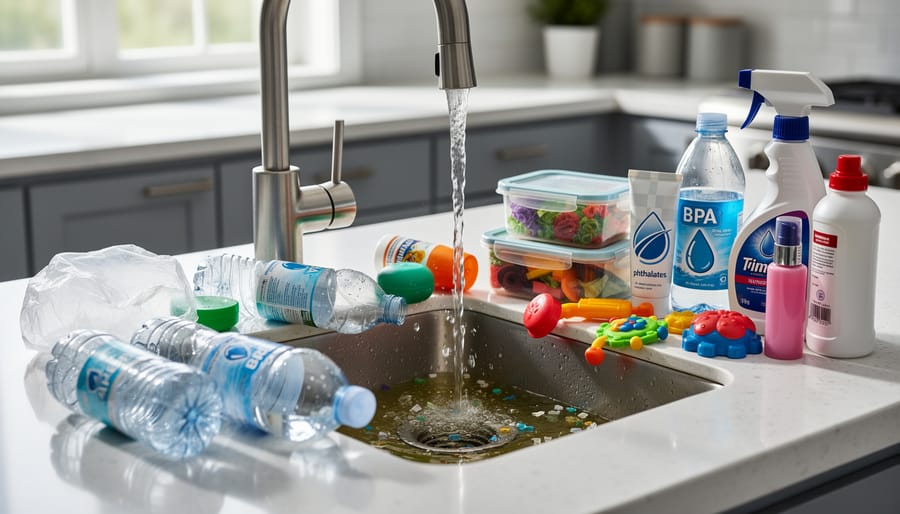
You’ve likely heard about BPA in the news, but understanding where this chemical and its alternatives actually hide in your daily life is eye-opening. Bisphenol A (BPA) is a synthetic compound used to make polycarbonate plastics and epoxy resins since the 1960s. When manufacturers began phasing out BPA due to health concerns, they often replaced it with chemical cousins called BPS (Bisphenol S) and BPF (Bisphenol F), which unfortunately behave similarly in the body.
These chemicals leach into water supplies through multiple pathways. Plastic manufacturing facilities release them into waterways, where they can eventually reach drinking water sources. The epoxy linings inside metal food cans and water pipes gradually break down, releasing bisphenols directly into the water flowing through them. Even seemingly harmless activities contribute to the problem—when you heat food in plastic containers or wash plastic bottles in hot water, these chemicals migrate into liquids.
Common household sources include plastic water bottles (especially when exposed to heat or sunlight), receipts printed on thermal paper, canned foods and beverages, and older water supply pipes with epoxy coatings. The challenge is that BPS and BPF marketed as safer alternatives demonstrate similar endocrine-disrupting properties to BPA, meaning simply choosing BPA-free products doesn’t eliminate your exposure risk. Understanding these everyday sources empowers you to make informed choices about reducing contact with these persistent chemicals in your home environment.
Phthalates: The Plasticizer Problem
Phthalates are a family of synthetic chemicals used to make plastics flexible and durable. You’ll find them in everyday items throughout your home, from vinyl flooring and shower curtains to food packaging and personal care products like shampoos, lotions, and fragrances. These plasticizers aren’t chemically bound to the products they’re in, which means they easily escape into the environment.
The pathway into your drinking water happens in two main ways. First, phthalates leach directly from PVC pipes and plastic plumbing materials as water flows through them, especially when water is hot or sits stagnant for extended periods. Second, they enter water sources through runoff from personal care products that wash down drains. When you shower or wash your hands, traces of these chemicals travel through wastewater systems and eventually find their way into rivers, lakes, and groundwater that supply drinking water.
Municipal water treatment facilities weren’t designed to remove these compounds, so they often pass right through into your tap. Research shows that certain phthalates can interfere with reproductive hormones and may affect development in children. The good news is that advanced home filtration systems, particularly those using activated carbon or reverse osmosis technology, can effectively reduce phthalate levels in your drinking water, giving you greater control over your family’s exposure.
PFAS: The ‘Forever Chemicals’
PFAS, or per- and polyfluoroalkyl substances, are a family of thousands of synthetic chemicals earning the unsettling nickname “forever chemicals.” This name reflects their extraordinary persistence—these compounds don’t break down naturally in the environment or in your body, potentially accumulating over decades of exposure.
What makes PFAS unique is their strong carbon-fluorine bonds, which resist degradation from heat, water, and biological processes. While this stability made them invaluable for industrial applications, it now means these chemicals persist in soil, groundwater, and drinking water supplies indefinitely.
Common sources of PFAS contamination include firefighting foam used at airports and military bases, which has seeped into groundwater at thousands of sites nationwide. Industrial facilities manufacturing non-stick cookware, waterproof clothing, and stain-resistant fabrics have also released PFAS through wastewater discharge. Even landfills contribute as these chemicals leach from everyday products like fast-food wrappers and microwave popcorn bags.
The endocrine disruption concerns with PFAS are particularly troubling because they affect multiple hormone systems simultaneously. Research links PFAS exposure to thyroid hormone disruption, which regulates metabolism and development, and interference with reproductive hormones affecting fertility in both men and women. Studies have also connected PFAS to altered immune function and developmental delays in children.
For homeowners, the challenge lies in PFAS’s prevalence and persistence. Unlike chemicals that eventually degrade, once PFAS enters your water supply, it remains until actively removed through advanced filtration technologies. Understanding this permanence underscores why proactive water testing and appropriate filtration become essential steps in protecting your household’s long-term health.
Pesticides and Herbicides
Agricultural chemicals used to protect crops and control weeds frequently make their way into drinking water supplies, particularly affecting rural and suburban communities. Two of the most commonly detected pesticides in water sources are atrazine and glyphosate, both known endocrine disruptors that deserve your attention.
Atrazine, widely applied to corn and sorghum fields across the United States, easily washes into streams, rivers, and groundwater during rainfall. Research has linked this herbicide to reproductive problems and hormone disruption, even at low concentrations. If you live near agricultural areas or rely on well water, your risk of exposure increases significantly during spring planting season when application rates peak.
Glyphosate, the active ingredient in many popular weed killers, has become one of the most detected chemicals in water testing nationwide. While manufacturers originally marketed it as safe, emerging research suggests it may interfere with hormone function. This chemical doesn’t just affect rural areas—suburban homeowners who use lawn treatments can inadvertently contaminate local watersheds through runoff.
The good news is that modern water filtration technology has evolved to address these contaminants effectively. Activated carbon filters and reverse osmosis systems can significantly reduce pesticide levels in your drinking water. Testing your water supply annually, especially if you live near farmland, helps you understand your specific exposure risk and make informed decisions about filtration solutions.
Pharmaceutical Residues
Pharmaceutical residues represent a growing concern in our water systems, particularly medications containing synthetic hormones. Birth control pills, hormone replacement therapies, and fertility treatments contain potent endocrine-disrupting compounds that leave our bodies largely unchanged and enter wastewater systems through normal bathroom use.
The challenge is that conventional wastewater treatment plants weren’t designed to remove these microscopic pharmaceutical compounds. Ethinyl estradiol from birth control pills, for instance, can remain active even after passing through treatment facilities. Studies have detected these hormones in rivers, lakes, and even treated drinking water at concentrations measured in parts per trillion, which sounds minuscule but can still affect aquatic wildlife and potentially human health.
Beyond hormone therapies, other medications like certain antidepressants and blood pressure drugs can also interfere with hormonal systems. These pharmaceuticals create a complex cocktail in water sources that standard municipal treatment may not fully address.
For homeowners concerned about pharmaceutical residues, advanced home filtration technologies offer protection. Reverse osmosis systems effectively remove most pharmaceutical compounds, while activated carbon filters can reduce certain hormones. As awareness grows about this invisible contamination pathway, investing in appropriate home filtration becomes an important step in protecting your family’s health and reducing exposure to these unintended drinking water contaminants.
Industrial Chemicals and Heavy Metals
Industrial chemicals from decades past continue affecting our water today, even years after being banned or restricted. PCBs (polychlorinated biphenyls) were widely used in electrical equipment and building materials until the 1970s. Though production stopped, these persistent chemicals still leach from old transformers, contaminated soil, and industrial sites into groundwater and municipal water supplies.
Dioxins, toxic byproducts of industrial processes and waste incineration, accumulate in water sources near manufacturing facilities and contaminated areas. These chemicals are particularly concerning because they don’t break down easily in the environment.
Heavy metals like lead and cadmium remain significant threats to hormone health. Lead enters drinking water primarily through corroded pipes in older homes built before 1986, while cadmium comes from industrial discharge, mining operations, and agricultural runoff from phosphate fertilizers.
These legacy pollutants interfere with thyroid function, reproductive hormones, and developmental processes. The challenge is their persistence—they remain in the environment for decades, slowly releasing into water systems. Modern water filtration technologies, including activated carbon filters and reverse osmosis systems, can effectively remove these contaminants. Testing your water is the essential first step in understanding your exposure to these industrial endocrine disruptors.
How These Chemicals Actually Get Into Your Tap
Understanding how endocrine disruptors reach your tap starts with recognizing that your water makes quite a journey before arriving at your faucet. These chemicals don’t appear magically—they follow specific pathways that affect millions of American homes.
Agricultural runoff represents one of the most significant routes. When farmers apply pesticides and herbicides to crops, rain and irrigation wash these chemicals into nearby streams and groundwater. Many of these agricultural products contain endocrine-disrupting compounds like atrazine and glyphosate. If your water comes from a municipal supply that draws from rivers or lakes in farming regions, you’re likely downstream from these sources.
Industrial discharge contributes another major pathway. Manufacturing facilities, particularly those producing plastics, electronics, and textiles, release compounds like phthalates and flame retardants into water systems. Even with regulations in place, permitted discharge levels can still introduce these chemicals into the water supply that eventually reaches residential areas.
Your home’s aging infrastructure might be working against you too. Lead pipes and fixtures, common in homes built before 1986, continuously leach heavy metals into your water. Similarly, older PVC pipes can release plastic-related chemicals, especially when water sits stagnant in the lines overnight.
Perhaps most surprisingly, wastewater treatment plants weren’t designed to remove many modern contaminants. When you flush medications, use personal care products, or wash synthetic fabrics, traces of these items enter the wastewater system. Current treatment technology effectively removes bacteria and some pollutants, but many endocrine disruptors pass through largely unchanged. This treated water often returns to the same rivers and reservoirs that supply drinking water to communities downstream.
Cross-contamination from nearby contaminated sites—like old industrial properties or landfills—can also seep into groundwater that feeds private wells or municipal sources. This creates a continuous cycle of exposure that many homeowners don’t realize exists in their own neighborhoods.

Health Effects You Need to Know About
Understanding the health effects of endocrine disruptors helps you make informed decisions about your household water quality. Research has documented several key areas where these chemicals can impact wellbeing, particularly with long-term exposure.
Reproductive health concerns represent one of the most studied effects. Studies link certain endocrine disruptors to reduced fertility in both men and women, altered hormone levels, and developmental issues in reproductive organs. These effects often depend on timing and duration of exposure, with higher vulnerability during critical life stages.
Children face particular risks during development. Exposure during pregnancy and early childhood can affect brain development, leading to attention and learning difficulties. Some research suggests connections between endocrine disruptors and altered growth patterns, early or delayed puberty, and immune system changes. The developing body is especially sensitive because even small hormonal shifts can influence normal growth processes.
Thyroid disruption affects metabolism and energy regulation throughout the body. Some endocrine disruptors interfere with thyroid hormone production or function, potentially contributing to fatigue, weight changes, and temperature regulation issues. Your thyroid controls numerous body processes, making its proper function essential for overall health.
Metabolic effects include increased risk for obesity, insulin resistance, and related conditions. Certain chemicals appear to influence how your body stores fat and processes sugars, though researchers continue studying these complex relationships.
The good news is that reducing exposure can make a meaningful difference. Your body naturally eliminates many endocrine disruptors over time, which means the steps you take today to filter your drinking water and minimize exposure can support better health outcomes. While research continues evolving, practical prevention measures remain within your control as a homeowner committed to creating a healthier living environment.
How to Protect Your Household Water Supply
Testing Your Water for Endocrine Disruptors
Understanding what’s in your water starts with testing. For endocrine disruptors, you have two main options: DIY test kits and professional laboratory analysis.
DIY test kits typically cost between $25-$150 and screen for common contaminants like pesticides, heavy metals, and plastics compounds. While convenient and affordable, they offer limited scope and may not detect all endocrine-disrupting chemicals at trace levels. These work best as an initial screening tool.
Professional laboratory testing provides comprehensive analysis, typically ranging from $200-$500 depending on the contaminants tested. Labs can detect substances at parts-per-billion levels and identify specific chemicals like BPA, phthalates, atrazine, and pharmaceutical residues. Many state-certified labs offer specialized endocrine disruptor panels.
Consider testing if you live near agricultural areas, industrial sites, or old infrastructure, notice changes in water taste or smell, are pregnant or planning pregnancy, or haven’t tested in over two years. Annual testing provides the best monitoring approach.
Once you have results, compare them against EPA guidelines and consider installing appropriate filtration systems. Reverse osmosis and activated carbon filters effectively remove many endocrine disruptors, giving you greater control over your household water quality and supporting your family’s long-term health.
Filtration Solutions That Actually Work
Not all water filters effectively remove endocrine disruptors. Understanding which technologies actually work can help you make informed decisions about protecting your household water supply.
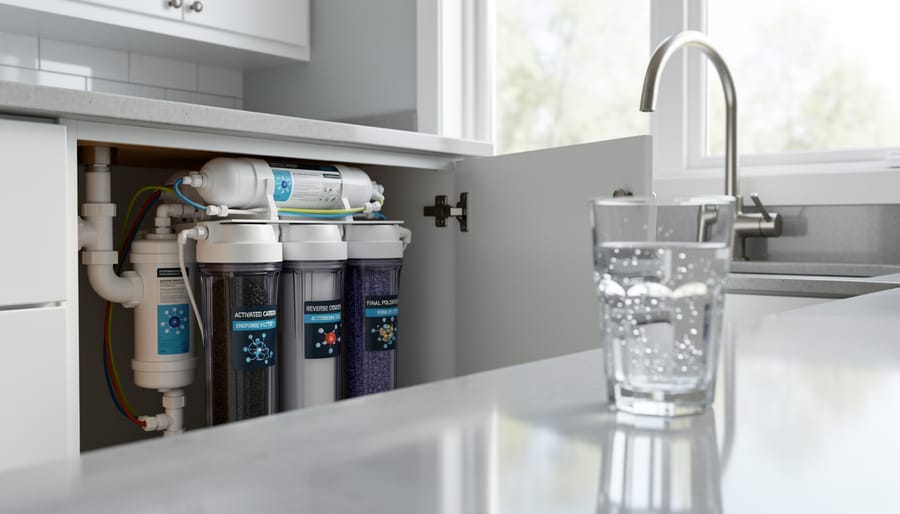
Reverse osmosis stands as the gold standard for removing endocrine disruptors from drinking water. This technology forces water through an extremely fine membrane that blocks contaminants at the molecular level, removing up to 99% of many endocrine-disrupting chemicals including BPA, phthalates, and various pesticides. Reverse osmosis systems are available as under-sink point-of-use units or whole-house installations, with whole-house systems providing protection at every tap in your home.
Activated carbon filtration offers another proven approach, particularly effective against chlorine, pesticides, and many synthetic hormones. These filters work through adsorption, where contaminants stick to the carbon’s porous surface. However, effectiveness varies based on contact time and carbon quality. Granular activated carbon filters generally require more frequent replacement than carbon block filters, which provide better contaminant reduction through their denser structure.
Advanced filtration technologies are emerging as cutting-edge solutions for comprehensive protection. Multi-stage systems combining activated carbon with additional filtration layers target a broader spectrum of endocrine disruptors. Some newer systems incorporate catalytic carbon, which enhances removal of chloramines and certain pharmaceutical compounds that standard carbon might miss.
When choosing a filtration solution, consider your specific needs and budget. Point-of-use systems installed at kitchen sinks provide affordable protection for drinking and cooking water. Whole-house systems offer comprehensive coverage but require higher upfront investment. Look for products certified by independent organizations like NSF International, which verify performance claims against specific contaminants. Regular filter replacement according to manufacturer specifications remains essential, as saturated filters lose effectiveness and may release previously captured contaminants back into your water.
Small Changes That Make a Big Difference
Reducing your exposure to endocrine disruptors doesn’t require a complete lifestyle overhaul. Small, intentional changes in your daily routine can significantly decrease the chemical load in your home and body while supporting broader environmental health.
Start by rethinking plastic in your kitchen. Swap plastic food storage containers for glass or stainless steel alternatives, especially for storing leftovers or reheating food. Never microwave food in plastic containers, as heat releases more chemicals into your meals. Choose reusable water bottles made from safe materials, and avoid plastic-wrapped foods when possible by shopping at farmers markets or selecting loose produce.
Your personal care routine offers another opportunity for improvement. Read ingredient labels on cosmetics, shampoos, and lotions, avoiding products containing phthalates, parabens, and synthetic fragrances. Many eco-friendly brands now clearly label their products as free from endocrine disruptors. Even small switches, like choosing a natural deodorant or fragrance-free laundry detergent, reduce your daily chemical exposure.
Proper medication disposal protects water supplies from pharmaceutical contamination. Never flush unused medications down the toilet or drain. Instead, use community take-back programs or designated pharmacy drop-off locations to ensure these substances don’t enter waterways.
Beyond your home, supporting water quality initiatives amplifies your impact. Participate in local watershed protection programs, advocate for stronger water testing standards, and stay informed about water quality reports in your community. Consider investing in water filtration systems designed to remove endocrine disruptors, providing an additional protective barrier for your household.
These practical adjustments create a ripple effect, protecting both your family’s health and the broader ecosystem. When combined with awareness and community action, individual choices contribute to meaningful change in reducing environmental chemical exposure.
Understanding endocrine disruptors in your drinking water is the first step toward protecting your family’s health and making informed decisions about water quality. Throughout this guide, we’ve explored common examples like BPA, phthalates, pesticides, pharmaceuticals, and industrial chemicals that can find their way into household tap water through various contamination pathways. The good news is that awareness empowers action.
You now have the knowledge to assess potential risks in your home and implement practical solutions. Whether you choose activated carbon filtration, reverse osmosis systems, or other cutting-edge water innovations, taking steps to reduce exposure makes a meaningful difference. Remember that small changes add up: using BPA-free containers, properly disposing of medications, supporting organic farming practices, and staying informed about your local water quality reports all contribute to a healthier home environment.
Regular testing of your water supply gives you a clear picture of what you’re dealing with, allowing you to select the most effective filtration method for your specific needs. Don’t hesitate to consult with water quality professionals who can provide personalized recommendations based on your circumstances.
By taking proactive measures today, you’re not only safeguarding your family’s wellbeing but also contributing to broader environmental protection efforts. Clean water is a cornerstone of sustainable living, and every household that prioritizes water quality helps create a healthier future for our communities and planet.