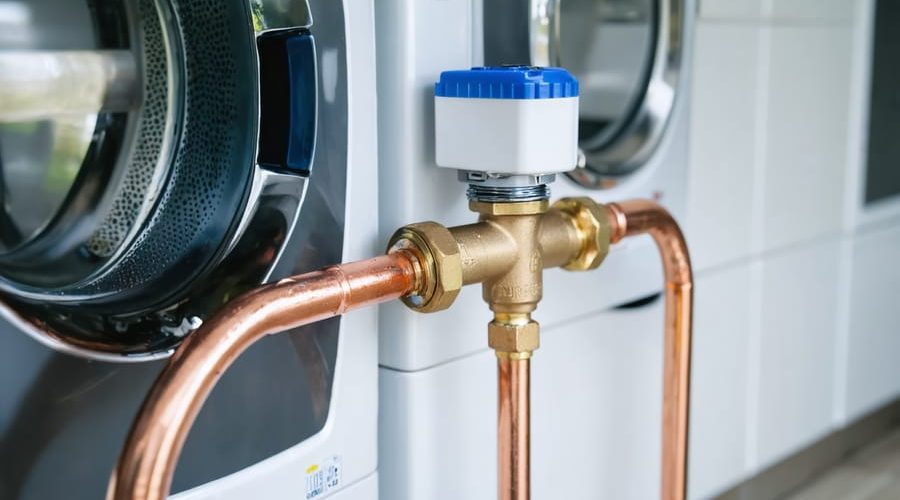
A water leak in your home can waste up to 10,000 gallons annually and cause thousands of dollars in damage before you even notice it. Smart water valves are automated devices that install on your main water line to detect unusual flow patterns, alert you to potential leaks through smartphone notifications, and automatically shut off your water supply to prevent catastrophic flooding when you’re away.
These intelligent devices combine real-time monitoring sensors with Wi-Fi connectivity and machine learning algorithms that understand your household’s normal water usage. When the system detects anomalies—like a toilet running continuously, a burst pipe, or a washing machine hose failure—it responds instantly, giving you control whether you’re at home or halfway around the world.
The technology addresses two critical concerns for modern homeowners: protecting your property investment and reducing environmental waste. Traditional leak detection methods rely on you physically discovering water damage, often after significant harm has occurred. Smart valves shift from reactive to proactive protection, identifying problems at their earliest stages.
Beyond emergency shutoff capabilities, these systems provide detailed insights into your daily water consumption patterns, helping you identify inefficiencies and reduce usage by 10-30% on average. This combination of home protection, water conservation, and peace of mind makes smart water valves an increasingly essential component of sustainable home management.
Understanding how these devices work, which features matter most, and whether they’re right for your home requires examining the technology, benefits, and practical considerations of this water-saving innovation.
What Is a Smart Water Valve?
How Smart Water Valves Work
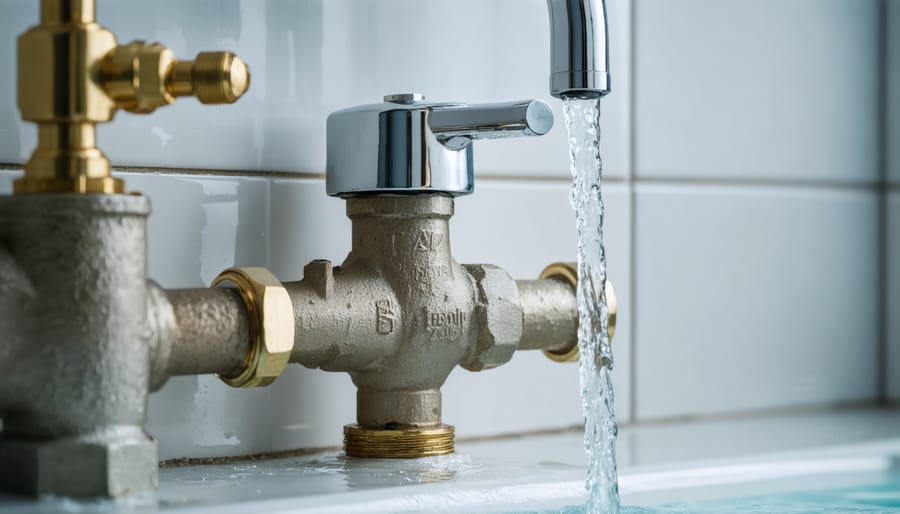
Smart water valves represent a significant advancement in smart water technology, combining sensors, algorithms, and automated controls to protect your home from water damage. Understanding how these devices work can help you appreciate their value in safeguarding your property and conserving resources.
The process begins with continuous flow monitoring. Smart valves install directly onto your main water line and use sensors to measure water flow rate, pressure, and volume in real-time. These sensors track every gallon passing through your pipes, establishing a baseline of your household’s normal water usage patterns over the first few weeks of operation.
Sophisticated leak detection algorithms analyze this data constantly, looking for irregularities that signal potential problems. The system learns when you typically run dishwashers, take showers, or water your lawn. When it detects unusual activity, like continuous flow during nighttime hours when everyone’s asleep or sudden pressure drops indicating a pipe burst, it springs into action.
The automatic shut-off mechanism activates when the system identifies a genuine threat. A motorized ball valve closes within seconds, stopping water flow to prevent flooding and minimize damage. Some models offer partial shut-off options for minor concerns, allowing you to investigate before complete closure.
Smart home integration capabilities connect these valves to your smartphone through Wi-Fi or Bluetooth. You receive instant alerts about detected issues, can monitor water usage from anywhere, and manually control the valve remotely. Many devices integrate with popular smart home platforms like Alexa or Google Home, and some even connect with professional monitoring services for added peace of mind when you’re away from home.
Why Your Home Needs This Technology
Protection Against Common Water Disasters
Water smart valves act as your home’s first line of defense against costly water disasters that can strike when you least expect them. During winter freezes, burst pipes can release hundreds of gallons before you even notice—but smart valves detect the sudden pressure drop and abnormal flow rates, shutting off your main water supply within seconds to minimize flooding and structural damage.
Washing machine hose failures represent another common catastrophe. These hoses can deteriorate over time and burst without warning, typically when you’re away from home. A smart valve recognizes the continuous, unusual flow pattern and automatically stops the water, preventing thousands of dollars in damage to your flooring, walls, and belongings.
Water heater leaks often start small but can escalate quickly. Smart valves monitor for the steady, persistent drip that indicates a failing tank, alerting you through your smartphone while cutting off supply to prevent a full rupture. This early detection protects your home while also conserving water that would otherwise be wasted.
Even toilet overflows—whether from a stuck flapper or clog—trigger smart valve intervention. The system detects prolonged water flow to a single fixture and can isolate that area or shut off the main line, depending on your settings.
These cutting-edge water innovations provide peace of mind by responding instantly to problems that traditional plumbing systems simply can’t detect, making them an essential tool for protecting both your home and our precious water resources.
Water Conservation and Cost Savings
Water smart valves deliver meaningful benefits for both your wallet and the environment by tackling one of the most overlooked problems in households: hidden water waste. According to the EPA, the average household loses roughly 10,000 gallons of water annually to leaks, with 10% of homes wasting 90 gallons or more each day. A smart valve actively monitors your water usage patterns and identifies anomalies that signal leaks, allowing you to address issues before they drain thousands of gallons down the drain.
The financial impact is equally impressive. By catching leaks early, homeowners can save hundreds of dollars annually on utility bills. Even small, persistent leaks from worn faucet washers or running toilets add up quickly on monthly statements. Smart valves provide real-time alerts when abnormal flow is detected, preventing the sticker shock of discovering a leak only after receiving an astronomical water bill.
Beyond individual savings, these devices contribute to broader water conservation efforts. In regions facing drought conditions or water scarcity, every gallon preserved matters. Installing a smart valve demonstrates a commitment to sustainable living by reducing unnecessary consumption and protecting this precious resource for future generations.
The combination of lower utility costs, prevented water damage expenses, and environmental stewardship makes water smart valves a practical investment for eco-conscious homeowners seeking to modernize their homes while minimizing their ecological footprint.
Remote Monitoring and Control
Modern water smart valves transform how you interact with your home’s water system, putting control literally at your fingertips. Through dedicated smartphone apps, you’ll receive instant alerts whenever unusual water flow is detected—whether that’s a burst pipe, a running toilet, or a forgotten faucet. This real-time notification system proves especially valuable during vacations, eliminating that nagging worry about returning to water damage.
Beyond emergency alerts, these devices excel at monitoring water usage patterns, helping you identify opportunities to reduce consumption and lower bills. You can review daily, weekly, or monthly water use through intuitive dashboards that make conservation goals tangible and achievable.
Integration with smart home ecosystems like Amazon Alexa, Google Home, or Apple HomeKit adds another layer of convenience. Combine your water valve with other smart devices to create automated routines—for instance, shutting off water when your smart security system detects you’ve left for an extended period, or pausing irrigation when weather sensors detect rain.

Key Features to Look For
Detection Capabilities
Water smart valves employ several detection methods to identify leaks before they become costly disasters. The most common approach is flow rate monitoring, which tracks how much water moves through your pipes. When the system detects unusual flow patterns—like water running continuously when nobody’s home—it triggers an alert or automatically shuts off the water supply.
Pressure sensing technology adds another layer of protection by monitoring water pressure throughout your plumbing system. Sudden pressure drops often indicate a burst pipe or significant leak, allowing the valve to respond within seconds. Some advanced models also integrate with separate moisture sensors placed near water heaters, washing machines, and under sinks to catch leaks at their source.
Modern systems are remarkably sensitive, detecting flows as small as a dripping faucet using as little as a few ounces per minute. To prevent false alarms, these devices learn your household’s water usage patterns over time—recognizing the difference between your morning shower routine and an actual leak. You can also customize sensitivity settings and whitelist expected water use, like lawn irrigation, ensuring the system protects your home without unnecessary interruptions.
Connectivity and Smart Integration
Modern water smart valves offer flexible connectivity options to suit different home setups and preferences. Most models provide Wi-Fi connectivity, allowing wireless control through your home network without additional wiring. This makes installation straightforward and enables remote monitoring from anywhere with internet access. Some advanced models also offer hardwired options for more reliable connections in areas with spotty Wi-Fi coverage.
Integration with smart home ecosystems has become standard, with many valves compatible with Amazon Alexa, Google Home, and Apple HomeKit. This means you can control your water system using voice commands or alongside other smart devices through a unified platform.
Mobile apps serve as the command center for your water smart valve, typically offering real-time water usage tracking, leak detection alerts, and the ability to shut off water remotely. These apps often display historical data through easy-to-read graphs, helping you understand consumption patterns and identify potential issues before they become costly problems.
Notification systems provide instant alerts via push notifications, text messages, or emails when unusual water activity is detected, ensuring you’re always informed about your home’s water security even when you’re away.
Installation and Maintenance Considerations
Installing a water smart valve ranges from straightforward DIY projects to professional installations, depending on your comfort level and the specific model. Most homeowners with basic plumbing knowledge can handle installation themselves, typically completing the job in under an hour. The valve connects directly to your main water line, requiring proper valve size compatibility—common residential sizes include 3/4-inch, 1-inch, and 1.5-inch connections. Always verify your pipe diameter before purchasing to ensure a proper fit.
Power requirements vary between models. Battery-operated valves offer easier installation without electrical work, with batteries typically lasting 3-5 years. Hardwired options provide continuous power but may require an electrician if outlets aren’t nearby. Some cutting-edge models now feature solar charging capabilities, aligning perfectly with eco-conscious living goals.
Ongoing maintenance is minimal but important. Check battery levels annually, inspect connections for leaks every six months, and clean debris filters quarterly. Most systems alert you through their apps when attention is needed. Consider professional installation if you’re uncomfortable working with main water lines or if local codes require licensed plumbers for such modifications. This small investment ensures proper setup and optimal performance of your water-saving technology.
Smart Water Valves in Complete Water Management Systems
Smart water valves don’t work in isolation—they’re most powerful when integrated into comprehensive smart water management systems that monitor and control every aspect of your home’s water usage. Think of your smart valve as the gatekeeper that works alongside other intelligent devices to create a fully connected water ecosystem.
In a complete system, your smart valve communicates with water quality monitors that track contaminants, pH levels, and mineral content in real time. When sensors detect unusual readings—like a sudden spike in sediment or chlorine—the valve can temporarily shut off flow to specific areas while you investigate, protecting your family and appliances. This seamless coordination means you’re not just controlling water flow; you’re actively managing water quality throughout your home.
Integration with water softeners and filtration systems takes this protection even further. Modern smart valves can detect when filters need replacing based on actual water flow and quality data, not just arbitrary time intervals. They can also optimize regeneration cycles for water softeners, reducing salt usage and water waste while maintaining peak performance. This intelligent coordination helps these systems work more efficiently, saving you money while reducing environmental impact.
The future of connected home water systems is heading toward even greater automation and predictive capabilities. Emerging technologies will use artificial intelligence to learn your household’s unique water usage patterns, automatically adjusting to seasonal changes and identifying problems before they become emergencies. Imagine a system that knows your irrigation schedule, coordinates with weather forecasts to prevent overwatering, and alerts you to potential pipe freezing conditions in winter.
These integrated systems also contribute to broader sustainability goals. By providing detailed insights into water consumption across different household activities, they help families make informed decisions about conservation. Some systems can even connect to utility smart meters, allowing you to track real-time costs and participate in water-saving programs that benefit both your wallet and your community’s water resources.
As smart home technology continues to evolve, water management systems will become increasingly sophisticated, affordable, and essential for responsible homeownership.

Is a Smart Water Valve Right for Your Home?
A smart water valve represents a significant investment, typically ranging from $400 to $800 for the device alone, plus installation costs. So how do you know if it’s the right choice for your home?
Certain homeowners stand to benefit most from this technology. If you own a vacation home or travel frequently, a smart valve acts as your vigilant guardian, protecting your property from undetected leaks during extended absences. Older homes with aging plumbing systems are also prime candidates, as worn pipes are more susceptible to failures that could cause extensive damage. Similarly, if you live in areas prone to freezing temperatures or have experienced previous water damage, the investment can offer invaluable peace of mind.
The cost-benefit equation becomes clearer when you consider that the average home water damage claim exceeds $10,000, with some reaching tens of thousands. A single prevented leak could pay for the system multiple times over. Additionally, many homeowners see reduced insurance premiums when they install leak detection systems, creating ongoing savings.
However, smart valves aren’t the only option for water protection. Basic leak detection sensors, which cost $20-$100, provide alerts without automatic shutoff capability. While less comprehensive, they’re budget-friendly entry points for water monitoring. You might also consider complementary solutions like water pressure regulators to reduce strain on your plumbing system, or installing individual leak detectors under sinks and near appliances as supplementary protection.
Ultimately, if your home represents a significant financial investment, houses valuable possessions, or contains vulnerable spaces like finished basements, a smart water valve delivers substantial protection. For newer homes with reliable plumbing and constant occupancy, simpler monitoring solutions might suffice while you focus your resources on other eco-conscious home improvements.
Water damage remains one of the most costly and preventable disasters homeowners face, yet many of us don’t take action until it’s too late. Smart water valves offer a straightforward solution that works around the clock, protecting your home even when you’re away. By automatically shutting off your water supply when leaks are detected, these devices can save you thousands in repair costs while also preventing the environmental waste of thousands of gallons of water.
Take a moment to assess your home’s vulnerability. Do you have older pipes, aging appliances, or a water heater nearing the end of its lifespan? Are you frequently away from home for extended periods? If you answered yes to any of these questions, a smart water valve deserves serious consideration.
Beyond protecting your investment, these devices align with responsible water stewardship. Every gallon saved contributes to broader conservation efforts, making this technology both a personal safeguard and an environmental choice. In an era where proactive home management is increasingly accessible through smart technology, water valves represent a practical step toward comprehensive protection and sustainable living. The peace of mind alone makes them worth exploring.