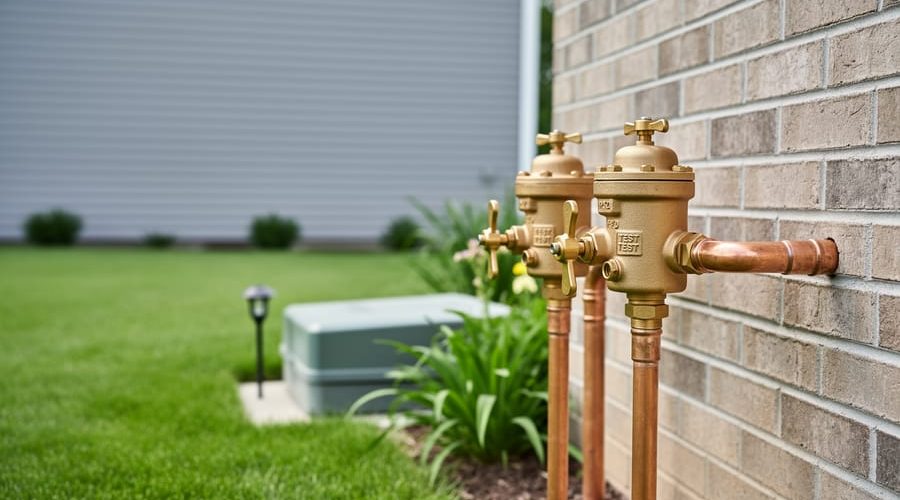
Backflow prevention devices keep contaminated water from reversing direction and flowing back into JEA’s public water supply—a critical safety measure that protects your family and entire community from potential health hazards. If you’ve received a compliance notice from JEA or you’re installing an irrigation system, pool, or whole-house water filtration setup, you’re legally required to have an approved backflow prevention assembly installed and tested annually by a certified tester.
JEA mandates these devices for specific situations where your plumbing creates a cross-connection risk: underground irrigation systems, fire sprinkler systems, commercial properties with chemical treatment equipment, and residential properties with auxiliary water sources or certain filtration systems. The utility maintains strict enforcement because even a momentary pressure drop in the main water line can pull fertilizers, pesticides, or other contaminants backward through unprotected connections.
Understanding your obligations starts with identifying whether your property has a cross-connection. Most homeowners discover their requirement when installing landscaping irrigation or after JEA conducts a survey of their service area. The assembly itself—typically a reduced pressure zone device or double check valve—must be installed by a licensed plumber, tested within ten days of installation, and re-tested every twelve months thereafter. Non-compliance results in escalating penalties and potential water service disconnection, making it essential to address notices promptly and maintain proper documentation of all testing.
What Is Backflow and Why Should You Care?
Common Household Backflow Scenarios
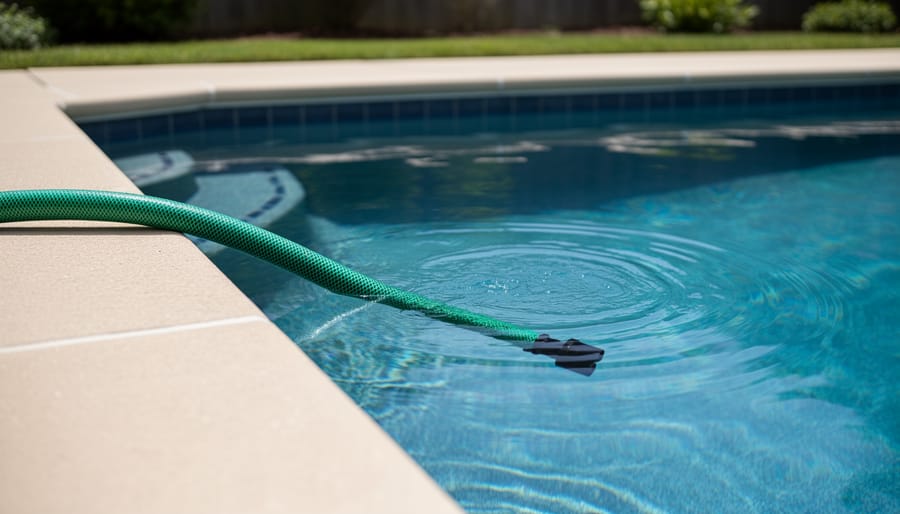
Understanding real-world backflow scenarios helps you identify potential risks in your own home. One of the most common situations occurs when a garden hose remains submerged in a swimming pool, bucket of cleaning chemicals, or pet water bowl. If water pressure suddenly drops in your neighborhood, contaminated water can be siphoned back into your home’s clean water supply.
Lawn irrigation systems present another significant risk, especially when fertilizers or pesticides are applied through injection systems. These chemicals can potentially reverse course during pressure changes, threatening your drinking water quality. Water softeners and filtration systems also create backflow concerns since they introduce chemicals or altered water back into your plumbing system.
Other everyday scenarios include pressure washers connected to chemical tanks, outdoor faucets used for washing vehicles with soap attachments, and home car wash systems. Even boiler heating systems and fire sprinkler setups can create cross-connections. The good news is that installing appropriate backflow prevention devices at these connection points protects both your household water quality and the entire community supply. JEA requires these protective measures precisely because these common situations happen in virtually every neighborhood, making prevention essential for maintaining safe, clean drinking water for everyone.
Understanding JEA’s Backflow Prevention Standards
Key JEA Backflow Requirements for Homeowners
JEA, which serves over 465,000 water customers in Northeast Florida, has established clear guidelines to protect the public water supply from contamination. Understanding when and why you need a backflow prevention device helps you stay compliant while safeguarding your home’s water quality.
JEA requires backflow prevention devices in several common residential scenarios. If you have an irrigation system that draws from the public water supply, you’ll need a backflow preventer installed. This is one of the most frequent triggers for homeowners, as lawn sprinkler systems can potentially pull fertilizers, pesticides, or dirty groundwater back into your drinking water lines. Properties with swimming pools, decorative ponds, or water features connected to municipal water also fall under these requirements.
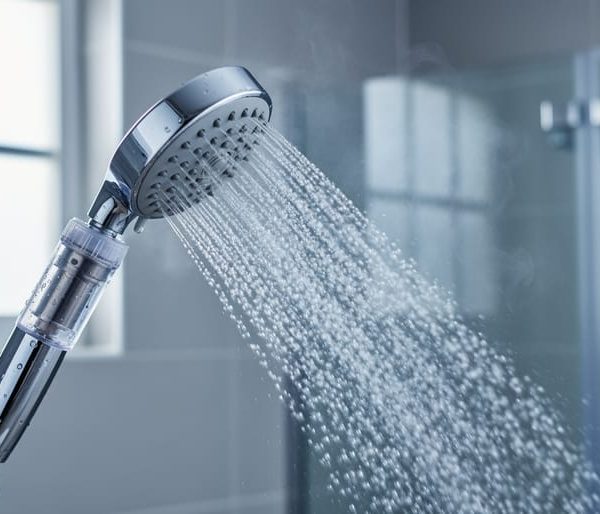
Additional situations requiring backflow protection include homes with fire sprinkler systems, solar heating systems, or any type of water treatment equipment like filtration systems or water softeners. Even seemingly simple applications like garden hose attachments for chemical sprayers can create backflow risks. Understanding the full scope of backflow preventer requirements ensures your home stays compliant with local codes.
JEA approves several types of backflow prevention devices depending on the hazard level. For residential applications, the most common devices include pressure vacuum breakers, double check valve assemblies, and reduced pressure zone devices. The specific type you need depends on your water usage and potential contamination risk.
Installation standards are strict. Only licensed plumbers can install these devices, and they must be positioned according to manufacturer specifications and local plumbing codes. Typically, devices must be installed above ground in accessible locations for testing and maintenance. The installation point should be as close as possible to the water meter or point of service connection.
JEA requires annual testing of backflow devices by certified testers to ensure they’re functioning properly. This yearly verification protects both your household water quality and the broader community water supply, creating a sustainable safeguard against contamination risks.
Hazard Level Classifications
JEA classifies backflow risks into two main categories based on the potential danger to your home’s drinking water: high hazard and low hazard. Understanding which category applies to your property helps determine what type of backflow prevention device you’ll need to install.
High hazard situations involve any connection where contaminated water could cause serious health risks if it flows backward into the clean water supply. Common examples include irrigation systems that use fertilizers or pesticides, fire sprinkler systems, swimming pools, and properties with industrial or commercial chemical storage. These scenarios require robust protection because the potential contaminants pose significant health threats. For high hazard connections, JEA typically mandates more sophisticated devices like reduced pressure zone assemblies, which provide multiple layers of protection and must undergo annual professional testing.
Low hazard classifications apply when the backflow risk involves water that might affect taste, odor, or color but wouldn’t pose serious health dangers. This category often includes basic lawn irrigation systems using only clean water without chemical additives, or simple home water softening systems. Low hazard situations generally require simpler devices such as dual check valves, which still provide protection but are less complex and often more affordable.
The distinction matters because it directly impacts your compliance requirements and costs. High hazard devices require annual certified testing and may need more frequent maintenance, while low hazard devices typically have less stringent monitoring requirements. When you register your property with JEA or install new water-using systems, they’ll assess your specific situation to determine the appropriate hazard level classification for your home.
Types of Backflow Prevention Devices JEA Accepts
Air Gaps and Atmospheric Vacuum Breakers
The simplest backflow prevention methods don’t require complex mechanical parts or regular testing, making them attractive options for many homeowners. An air gap is the most straightforward approach—it’s simply an unobstructed vertical space between your water outlet and the flood level of a receiving container. Think of your kitchen faucet positioned above your sink: the open space prevents contaminated water from ever reaching your clean water supply, even if something were to go wrong with your plumbing.
Atmospheric vacuum breakers (AVBs) are another basic solution, often found on outdoor hose bibs and simple irrigation systems. These devices allow air into your plumbing when water pressure drops, preventing the backward suction that causes backflow. They’re inexpensive, easy to install, and require no annual testing under most circumstances.
However, these simple devices have important limitations. Air gaps only work where they can be physically maintained—you can’t create one underground or in enclosed spaces. AVBs cannot be installed where they might be submerged or experience back pressure, and they must be positioned at least six inches above all downstream outlets. For complex irrigation systems, heated water lines, or connections with continuous pressure, you’ll need more sophisticated backflow prevention devices that meet JEA’s specific requirements for testing and certification.
Testable Backflow Assemblies
JEA requires annual testing of backflow prevention devices to ensure they’re functioning properly and protecting your drinking water from contamination. Understanding the three main types of testable assemblies helps you know which one you might need for your home.
Double check valves are the simplest backflow prevention devices, featuring two independently operating check valves that create redundant protection. These are commonly found in residential irrigation systems and indoor plumbing applications where the contamination risk is relatively low. Think of them as your first line of defense, preventing water from flowing backward into your clean water supply when pressure drops.
Reduced pressure zone devices, often called RPZ assemblies, provide the highest level of protection and meet drinking water safety standards for high-hazard situations. These sophisticated devices use two check valves with a pressure-monitored chamber between them that automatically drains if either valve fails. You’ll typically find RPZ devices protecting your home if you have underground irrigation systems, water filtration equipment, or fire suppression systems. While they’re more complex and expensive, they offer superior protection for your family’s water quality.
Pressure vacuum breakers are most often used for outdoor hose connections and above-ground irrigation systems. These spring-loaded devices open to allow air into the piping when water pressure drops, preventing contaminated water from being siphoned back into your home’s water supply. Many homeowners recognize these as the mushroom-shaped devices attached to outdoor spigots or standing irrigation risers in their yards.
JEA’s Testing and Certification Requirements
How Often Testing Is Required
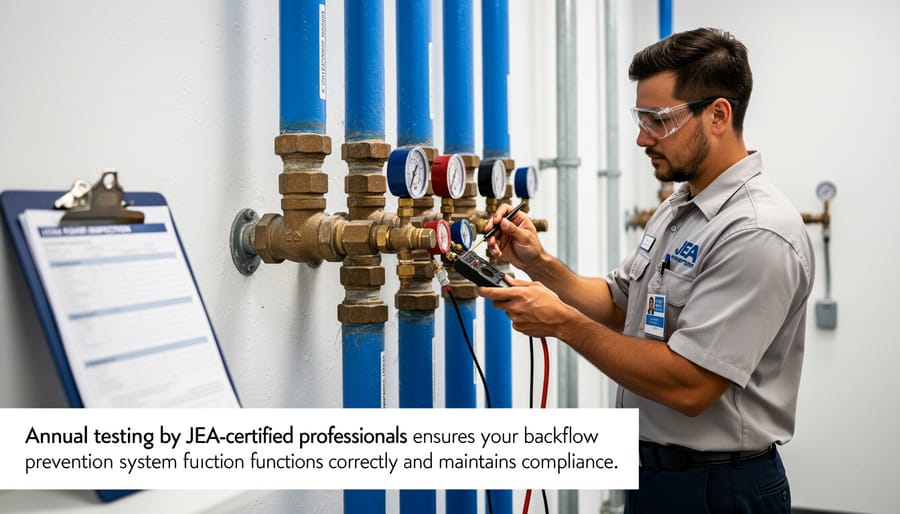
JEA requires annual backflow testing for all devices protecting the public water supply. Once your backflow prevention assembly is installed, you’ll receive notification from JEA about your testing deadline, typically around the same time each year. This annual schedule ensures your device continues working properly and keeps contaminated water from flowing backward into the community’s clean water system.
You’ll get a testing notice in the mail or through your JEA account approximately 30 to 60 days before your deadline. The notice includes your device’s serial number, location details, and the date by which testing must be completed. It’s your responsibility as the property owner to hire a state-certified backflow tester to perform the inspection and submit results to JEA.
Missing your testing deadline can result in consequences ranging from reminder notices to potential water service interruption in extreme cases. JEA typically sends follow-up notifications, but continued non-compliance may lead to fees or enforcement actions. If you’re approaching your deadline and haven’t scheduled testing, contact a certified tester immediately. Many testing companies offer reminder services to help you stay compliant year after year, taking the stress out of remembering this important environmental protection measure that safeguards your neighborhood’s drinking water quality.
Finding a Certified Backflow Tester
Locating a certified backflow tester in JEA’s service area is straightforward and ensures your system meets all safety standards. Start by visiting JEA’s official website, where they maintain an updated list of approved backflow prevention assembly testers. These professionals have completed specialized training and certification to properly assess your devices.
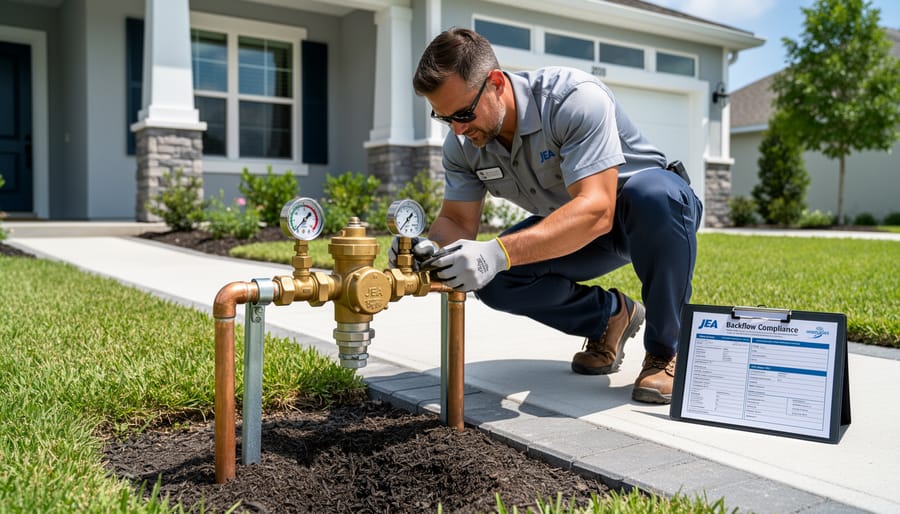
When scheduling a test, the technician will inspect your backflow prevention assembly to confirm it’s functioning correctly and protecting your drinking water from contamination. The testing process typically takes 30 to 60 minutes, depending on your system’s complexity. The tester will check valve seals, pressure differentials, and other critical components to ensure water flows in only one direction.
Testing costs generally range from $50 to $150 per device, varying by property size and the number of assemblies requiring inspection. Many homeowners choose to schedule annual tests proactively rather than waiting for JEA reminders, creating a consistent maintenance routine that protects both household water quality and community water supplies.
After completing the inspection, your certified tester will provide documentation showing whether your device passed or failed. They’ll submit test results directly to JEA on your behalf, though you should keep copies for your records. If repairs are needed, the tester will explain necessary fixes in plain language and may offer correction services. This documentation is essential for maintaining compliance and demonstrates your commitment to protecting Jacksonville’s shared water resources through responsible backflow prevention practices.
Installation and Code Compliance Essentials
Hiring Licensed Plumbers vs DIY Installation
JEA requires that backflow prevention devices be installed by licensed plumbers in most residential situations, particularly when dealing with irrigation systems, pressure vacuum breakers, and testable assemblies. This requirement aligns with national code requirements and ensures your system meets safety standards from day one. Licensed professionals understand JEA-specific compliance details, can pull necessary permits, and guarantee proper installation that will pass required testing.
However, some simple atmospheric vacuum breakers for outdoor hose connections may be homeowner-installable, though you should verify with JEA before proceeding. The risk of DIY installation lies in potential compliance failures. An improperly installed device could fail testing, require costly reinstallation, and leave you facing penalties or water service interruption.
Permits are typically handled by your licensed plumber, who knows exactly which documentation JEA requires. Attempting to bypass professional installation might save money initially but often costs more when corrections are needed. For eco-conscious homeowners, working with licensed professionals also means accessing knowledge about water-efficient backflow devices that protect both your home and the community water supply while minimizing environmental impact.
Proper Device Placement and Accessibility
JEA has specific placement requirements to ensure backflow prevention devices work properly and can be tested regularly. Understanding these rules before installation saves you from costly corrections later.
Your backflow preventer must be installed outdoors in an accessible location where certified testers can reach it easily. JEA requires devices to be positioned at least 12 inches above ground level but no higher than 5 feet. This height range protects the device from ground contamination and flooding while keeping it within comfortable reach for annual testing and maintenance.
The installation site should provide adequate clearance on all sides, typically at least 12 inches, so testers can work safely and efficiently. Never install backflow devices in areas that could become submerged or where they might be damaged by landscaping equipment.
Florida’s mild climate is usually device-friendly, but protection from freezing temperatures remains important during occasional cold snaps. If your device is exposed to potential freezing conditions, consider installing insulated covers specifically designed for backflow preventers. These affordable protective measures prevent valve damage that could compromise your water quality and lead to expensive repairs.
Avoid burying devices in landscaping, placing them behind locked gates without providing tester access, or installing them in cramped spaces. Proper placement ensures compliance, extends device life, and supports the community-wide effort to maintain clean, safe drinking water for everyone.
Consequences of Non-Compliance and How to Fix Issues
Failing to meet JEA’s backflow prevention requirements can lead to serious consequences, but understanding what happens and how to fix issues puts you back in control of your water safety.
If your backflow device isn’t tested annually or fails inspection, JEA will first send you a written notice explaining the deficiency. You’ll typically receive 30 days to address the problem. This initial notice serves as a friendly reminder that protecting your drinking water from contamination is a shared responsibility between you and your utility provider.
Ignoring these notices escalates the situation. After the initial grace period, JEA may issue additional warnings with shortened timeframes. If you still don’t comply, the utility has the authority to disconnect your water service until the issue is resolved. While disconnection is a last resort, JEA takes backflow prevention seriously because contaminated water affects entire neighborhoods, not just individual homes. Financial penalties may also apply depending on the severity and duration of non-compliance.
The good news is that getting back into compliance is straightforward. Start by contacting a certified backflow tester from JEA’s approved list immediately upon receiving any notice. Schedule both the required test and any necessary repairs. If your device fails testing, the certified tester will identify specific problems, whether it’s worn-out parts, improper installation, or complete device failure.
Once repairs are completed, arrange for a follow-up test to verify everything works correctly. The tester will submit passing results directly to JEA’s database, updating your compliance status. Most homeowners resolve issues within a week or two, avoiding service interruption entirely.
Remember, maintaining your backflow preventer protects your family’s health and contributes to community-wide water quality. Regular testing prevents small problems from becoming costly emergencies while keeping your home’s water system functioning sustainably.
Environmental Benefits of Backflow Prevention
When you comply with JEA backflow requirements, you’re doing more than protecting your household—you’re contributing to the health of Jacksonville’s entire water ecosystem. Backflow prevention devices act as guardians for our shared water supply, preventing contaminants from entering the municipal system and reaching sensitive waterways, wetlands, and aquifers that support local wildlife and plant communities.
Think of water quality protection as a collective responsibility. When even one property allows contaminated water to flow backward into the public system, it can affect thousands of neighbors downstream. Chemicals from lawn fertilizers, pesticides, cleaning products, or industrial materials could compromise drinking water for entire neighborhoods if backflow occurs unchecked.
From an eco-conscious perspective, preventing backflow supports sustainable water management by reducing the need for intensive water treatment processes. Clean source water requires less energy, fewer chemicals, and minimal processing to make it safe for consumption—lowering the environmental footprint of your community’s water infrastructure.
Additionally, protecting our water supply from contamination helps preserve Jacksonville’s natural habitats. The St. Johns River and surrounding ecosystems depend on clean water sources, and safeguarding against backflow incidents prevents pollutants from entering these delicate environments.
By maintaining your backflow prevention device and staying compliant with JEA requirements, you’re actively participating in environmental stewardship. This simple act demonstrates how individual actions scale up to create meaningful community-wide impact, aligning perfectly with sustainable living principles while fulfilling your regulatory obligations.
Meeting JEA backflow requirements is more than just checking a box for compliance—it’s a fundamental step in protecting the water your family uses every day. When backflow prevention devices work properly, they create an invisible barrier that keeps your household’s clean water supply free from contaminants, pesticides, and harmful bacteria that could otherwise flow backward from irrigation systems, water treatment devices, or other sources. By staying proactive with annual testing and maintaining your backflow prevention assembly, you’re investing in the long-term health of both your home and the broader community water system.
Think of backflow compliance as an essential component of responsible homeownership, similar to maintaining your smoke detectors or servicing your HVAC system. Regular inspections catch potential problems before they become costly repairs or health hazards. Scheduling your annual test well before the deadline, keeping records organized, and addressing any failures promptly ensures your system remains protective year-round.
Beyond protecting your household, proper backflow prevention represents meaningful environmental stewardship. Clean water is a precious resource, and preventing contamination at the source reduces the burden on water treatment facilities and helps preserve water quality for future generations. Taking these simple compliance steps demonstrates your commitment to sustainable living while safeguarding what matters most—the purity of the water flowing through your taps.