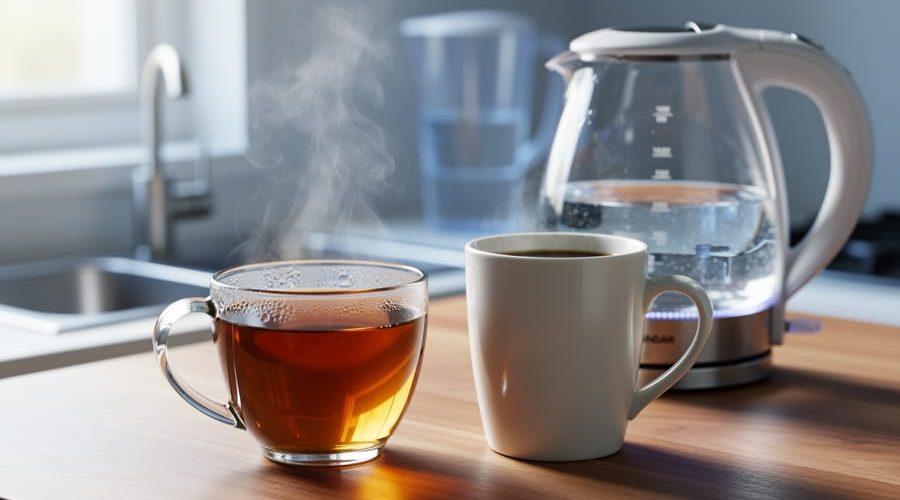
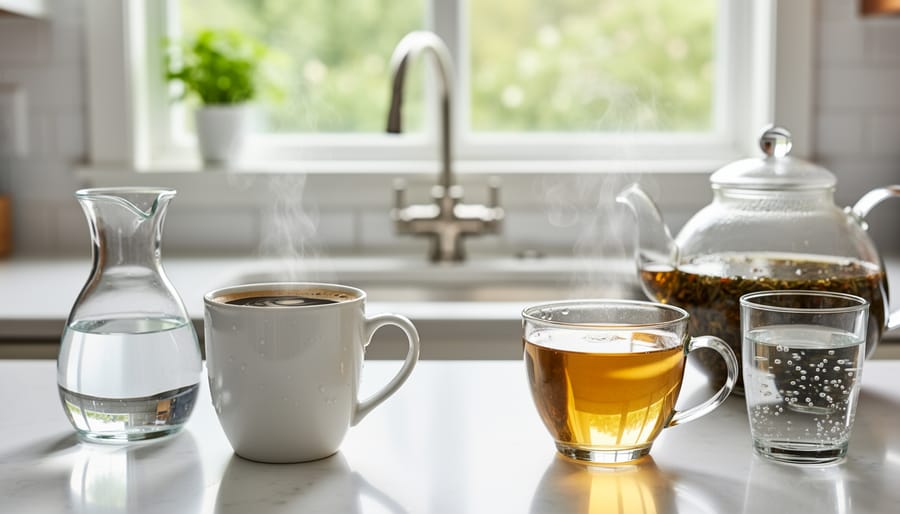
Yes, coffee and tea absolutely count toward your daily water intake. Despite their caffeine content, research consistently shows that caffeinated beverages contribute to hydration nearly as effectively as plain water. The mild diuretic effect of caffeine doesn’t offset the fluid volume you’re consuming, meaning that morning cup of coffee or afternoon tea genuinely helps meet your hydration needs.
The key consideration isn’t whether these beverages hydrate you, but rather the quality of water you’re using to brew them. Tap water contaminants, including chlorine, heavy metals, and mineral deposits, can affect both the taste of your beverages and your overall health. When you’re drinking multiple cups daily, the water quality becomes even more significant for your wellbeing.
Understanding how coffee and tea fit into your hydration strategy empowers you to make informed choices about your beverage consumption. While they’re valuable contributors to fluid intake, optimizing the purity of your brewing water ensures you’re getting the cleanest, most beneficial hydration possible. The interaction between water quality, mineral content, and caffeine creates a more nuanced picture of how these popular beverages support your body’s hydration requirements throughout the day.
The Science Behind Coffee, Tea, and Hydration
Why the Dehydration Myth Persists
The myth about coffee and tea dehydrating you stems from outdated science and oversimplified messaging. For decades, people believed that caffeine’s diuretic properties meant these beverages caused net fluid loss. However, modern research paints a different picture.
While caffeine does have a mild diuretic effect, prompting your kidneys to produce slightly more urine, the total water content in coffee and tea far outweighs this effect. Studies show that regular coffee and tea drinkers develop a tolerance to caffeine’s diuretic properties, making the impact even less significant. A cup of coffee that’s 99% water still contributes substantially to your daily hydration needs.
The confusion likely originated from early studies that isolated caffeine rather than examining whole beverages in real-world consumption patterns. What matters most for proper hydration is the total fluid you’re taking in throughout the day, not whether it comes from plain water or beverages containing caffeine. For optimal health benefits, focus on using quality filtered water when brewing your coffee and tea, as the purity of your water source affects both taste and your overall wellness.
How Your Body Processes Caffeinated Beverages
When you drink coffee or tea, your body absorbs the water content just as it would from plain water. The liquid passes through your digestive system, and the water molecules are absorbed into your bloodstream, effectively hydrating your cells and tissues throughout your body.
The caffeine in these beverages does have a mild diuretic effect, meaning it can increase urine production slightly. However, research shows this effect is minimal, especially for regular caffeine consumers who have built up a tolerance. Studies indicate that the amount of water you lose through increased urination is far less than the total fluid volume you’re consuming. For most people, drinking a cup of coffee or tea still results in a net gain of hydration.
Your body is remarkably efficient at extracting water from any beverage, regardless of what else it contains. While caffeinated drinks may not hydrate quite as effectively as plain water, the difference is so small that it’s practically negligible for everyday hydration purposes. The quality of water you start with matters too—using filtered, clean water in your coffee maker or kettle ensures you’re getting the best hydration and taste from every cup you brew at home.
What Counts as Water Intake (And What Doesn’t)
The Hydration Hierarchy
Understanding which beverages hydrate you best helps you make informed choices throughout your day. Plain water sits at the top of the hydration hierarchy as the gold standard—it delivers pure hydration without any additives your body needs to process. Your body absorbs it efficiently, making it the benchmark against which all other drinks are measured.
Tea and coffee occupy the next tier. Despite their mild diuretic properties, research confirms they contribute positively to your daily fluid intake. Black and green teas hydrate nearly as effectively as water, while coffee provides roughly 84-99% of the hydration value of plain water, depending on caffeine content. Herbal teas, being naturally caffeine-free, perform even closer to water’s hydration level.
Below these sit milk and fruit juices, which hydrate well but add calories and sugars. Sports drinks can be beneficial during intense exercise but aren’t necessary for everyday hydration. At the bottom of the hierarchy are sugary sodas and alcoholic beverages, which can actually work against your hydration goals.
The quality of water you use matters too. Starting with filtered, clean water for your tea and coffee ensures you’re getting optimal hydration benefits without contaminants that might affect taste or health.
When Coffee and Tea Don’t Count
While coffee and tea generally contribute to hydration, there are important exceptions to consider. Beverages with extremely high caffeine content—like multiple espressos consumed in quick succession or highly concentrated energy drinks—can have a more pronounced diuretic effect that may compromise hydration. Additionally, what you add to your drinks matters significantly. Heavily sweetened coffee drinks, milk-based lattes, or teas loaded with sugar add calories and may affect how your body processes fluids. From an environmental and health perspective, the quality of water you start with impacts your beverage’s hydration value. If your tap water contains contaminants or high mineral levels, these can affect both taste and how well your body absorbs the fluids. For those drinking multiple cups daily, starting with filtered water ensures you’re getting clean hydration without unnecessary additives. When your coffee or tea becomes more dessert than beverage—think whipped cream, syrups, and excessive sweeteners—it’s time to reconsider counting it toward your daily water intake goals.
Your Kettle Water Quality Matters More Than You Think
What’s Really in Your Kettle Water
When you boil water for your morning coffee or tea, you might assume heat purifies everything. However, boiling doesn’t eliminate many substances found in typical tap water. Understanding what’s actually in your kettle can help you make better decisions about your hydration and overall health.
Most municipal water contains chlorine or chloramine, added for disinfection but leaving behind a chemical taste that can affect your beverage’s flavor. Minerals like calcium and magnesium create that chalky buildup inside your kettle—what we call limescale—and while generally safe, they alter taste and texture.
More concerning are the common tap water contaminants that boiling doesn’t address. Lead can leach from old pipes, particularly problematic in older homes. Traces of pesticides, pharmaceuticals, and industrial chemicals sometimes make their way into municipal supplies. Fluoride, while added intentionally for dental health, remains present even after boiling.
These water quality concerns don’t necessarily mean your coffee and tea are unsafe, but they highlight why the source water matters. Even though these beverages contribute to hydration, starting with cleaner water means you’re getting better quality liquid overall—and better-tasting drinks too.
How Poor Water Quality Affects Your Beverages
The water you use to brew your coffee and tea plays a surprisingly significant role in what ends up in your cup. Poor water quality doesn’t just affect taste—it can impact both safety and nutritional value.
When tap water contains high levels of chlorine, heavy metals, or minerals, these impurities transfer directly into your beverages. Chlorine can create a chemical aftertaste that masks the subtle flavors of quality coffee beans or tea leaves. Hard water, rich in calcium and magnesium, leaves mineral deposits in your kettle and creates a chalky mouthfeel that dulls the beverage experience.
Beyond taste, contaminants like lead, pesticides, or bacteria in unfiltered water pose genuine health risks. While boiling water kills most bacteria, it doesn’t remove chemical pollutants or heavy metals—these concentrate as water evaporates during brewing.
From a nutritional standpoint, excessive minerals can interfere with your body’s ability to absorb beneficial compounds in tea and coffee, such as antioxidants. The good news? Modern water filtration solutions make it simple to remove impurities while retaining essential minerals that enhance flavor. Investing in quality filtration not only improves your daily hydration through coffee and tea but also supports a more sustainable household by reducing reliance on bottled water.
The Limescale Problem
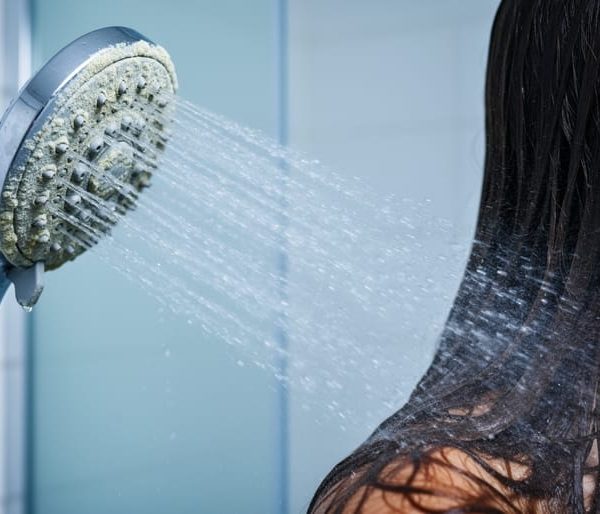
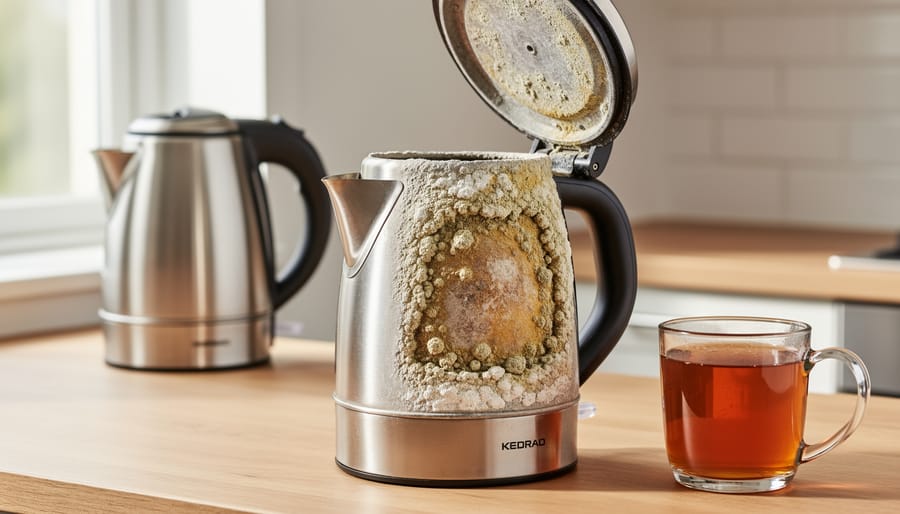
If you regularly brew coffee or tea, you’ve likely noticed white, chalky deposits building up inside your kettle. This limescale accumulation is caused by minerals—primarily calcium and magnesium—found in hard water. When water is heated, these minerals crystallize and cling to kettle surfaces. Over time, this buildup reduces your appliance’s efficiency, forcing it to work harder and consume more energy to heat water. Left unchecked, limescale can shorten your kettle’s lifespan significantly. Beyond the practical concerns, limescale also affects taste. Those mineral deposits can flake off into your beverages, creating an unpleasant chalky or metallic flavor that diminishes your morning coffee or afternoon tea. For homeowners concerned about both appliance longevity and beverage quality, addressing hard water is essential. Simple solutions like regular descaling with vinegar or installing a water softening system can protect your kettle while improving the taste of your daily drinks—making every cup more enjoyable.
Improving Your Kettle Water for Better Hydration
Water Filtration Options for Tea and Coffee
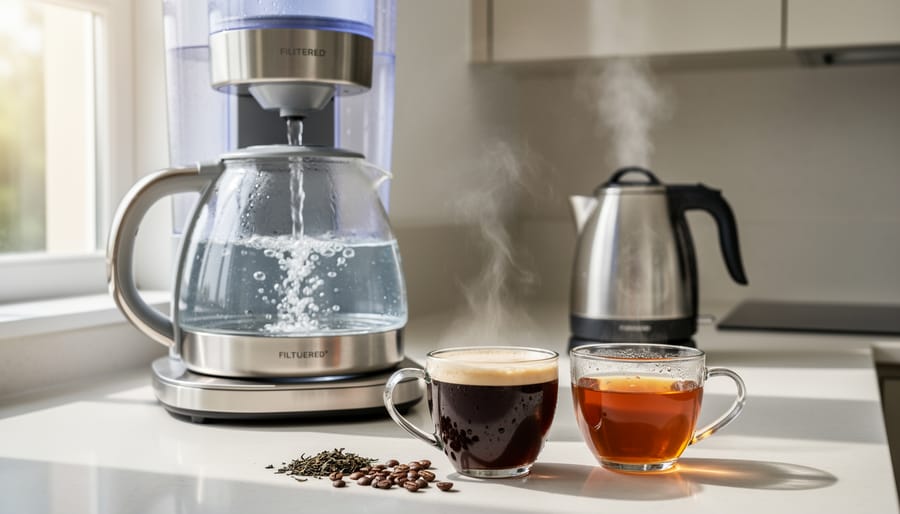
When brewing your daily coffee or tea, the quality of water you start with directly impacts both taste and your body’s ability to count these beverages toward hydration. Several filtration options cater specifically to households looking to optimize their kettle water while supporting eco-conscious living.
Pitcher filters remain the most accessible starting point for most homeowners. These affordable systems use activated carbon and ion-exchange resin to reduce chlorine, lead, and other common contaminants that can alter beverage flavor. Simply fill the pitcher, wait a few minutes, and pour filtered water into your kettle. While convenient, remember to replace cartridges regularly for optimal performance and to explore the filtered water benefits beyond taste improvement.
Faucet-mounted filters offer a step up in convenience and flow rate. These attach directly to your kitchen tap, allowing you to switch between filtered and unfiltered water on demand. They’re ideal for frequent tea and coffee drinkers who want immediate access without waiting for a pitcher to refill.
For comprehensive solutions, whole-house filtration systems treat water at the point of entry, ensuring every tap delivers purified water. While representing a larger upfront investment, these systems eliminate contaminants throughout your home, reduce plastic waste from filter replacements, and provide the cleanest possible water for all household uses including your morning brew. Consider your household size, budget, and environmental goals when selecting the right filtration method for your tea and coffee needs.
Simple Kettle Maintenance for Cleaner Water
Keeping your kettle clean ensures the water you use for coffee and tea remains pure and healthy. Mineral buildup from hard water can affect both taste and water quality, making regular maintenance essential for better hydration.
For eco-friendly descaling, white vinegar offers a safe, chemical-free solution. Fill your kettle with equal parts water and vinegar, bring it to a boil, then let it sit for 15-20 minutes before rinsing thoroughly. This natural method removes limescale without introducing harsh chemicals into your drinking water. For stubborn deposits, lemon juice works equally well and leaves a fresh scent.
Between deep cleans, simply rinse your kettle daily and leave the lid open to air dry, preventing bacteria growth and mineral accumulation. This quick habit significantly extends the time between major cleanings.
Consider using filtered water in your kettle to reduce mineral buildup from the start. This not only keeps your kettle cleaner longer but also improves the taste of your beverages, making your coffee and tea more enjoyable contributors to your daily water intake. Clean kettles mean cleaner water, which supports your overall hydration goals while reducing the need for frequent, resource-intensive cleaning sessions.
Testing Your Water Quality at Home
DIY Water Testing Kits
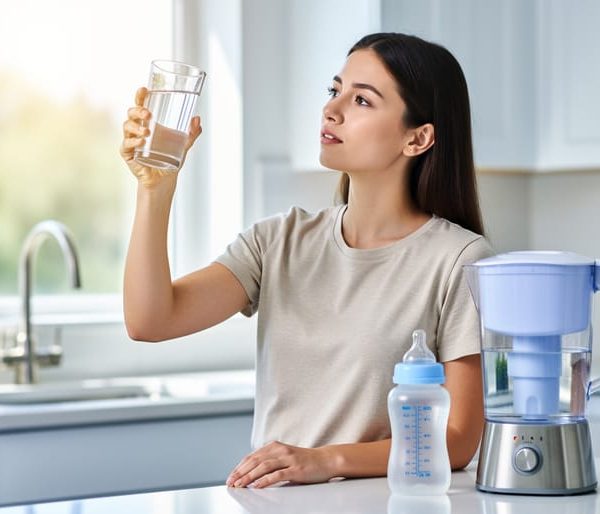
Testing your tap water at home is simpler and more affordable than ever, helping you understand what’s in the water you use for coffee and tea. Basic DIY testing kits typically screen for common contaminants like chlorine, lead, bacteria, pesticides, nitrates, and pH levels. These kits range from simple test strips that provide results in minutes to more comprehensive laboratory analysis packages where you collect samples and mail them for detailed testing.
Most home kits cost between $15 and $50, making them accessible for regular monitoring. They’re particularly useful for identifying issues that affect taste and safety, which directly impacts your beverage quality. Understanding the importance of water filtration becomes clearer once you see your actual test results. Popular options include color-matching strips for quick checks and digital meters for precise measurements. While these tests won’t catch every possible contaminant, they provide valuable baseline information about your household water quality and help you make informed decisions about filtration needs.
Understanding Your Results
When considering whether your coffee and tea contribute to daily hydration, the simple answer is yes, they do count toward your water intake. While caffeinated beverages have a mild diuretic effect, research shows this doesn’t negate their hydration benefits. Your body still absorbs most of the water content from these drinks.
However, the quality of water you use matters significantly. If you’re brewing with tap water that contains chlorine, heavy metals, or other contaminants, you’re not just affecting taste but potentially your overall wellness. Consider testing your home water supply to ensure what you’re drinking is both hydrating and safe.
For optimal hydration tracking, count coffee and tea as roughly 80-90% of their volume toward your daily water goal. For example, a 12-ounce cup of tea contributes about 10 ounces to your hydration needs. Plain water remains the gold standard for hydration, but your morning brew certainly helps you reach those daily fluid requirements while supporting your eco-conscious lifestyle through reusable brewing methods.
Sustainable Practices for Coffee and Tea Lovers
Energy-Efficient Kettle Practices
Since you’re already boiling water regularly for coffee and tea, making this process energy-efficient can reduce your environmental footprint and lower utility bills. Start by only filling your kettle with the amount of water you actually need—heating excess water wastes significant energy over time. Electric kettles typically use less energy than stovetop methods, heating water faster and more efficiently.
Consider descaling your kettle regularly, as mineral buildup from hard water forces the appliance to work harder and consume more energy. This simple maintenance step extends your kettle’s lifespan while keeping it running efficiently. For even greater savings, opt for insulated kettles that maintain water temperature longer, reducing the need to reboil.
If you’re a frequent tea or coffee drinker, investing in a thermal carafe lets you boil once and pour throughout the day. These small adjustments not only support sustainable living but also ensure you’re maximizing the quality of the water contributing to your daily hydration needs.
Reducing Waste in Your Daily Routine
Since coffee and tea can contribute to your daily hydration needs, making these beverages at home with filtered water offers an excellent opportunity to reduce environmental waste. Instead of buying bottled water or pre-made drinks, invest in a quality home water filtration system to ensure clean, great-tasting water for brewing. This simple switch eliminates countless plastic bottles from landfills while providing better-quality beverages.
Consider using a reusable water bottle or travel mug for your coffee and tea throughout the day. When you make drinks at home, you control the water quality and reduce packaging waste associated with store-bought options. Modern filtration systems remove impurities that affect taste, meaning you’ll enjoy better-tasting beverages while supporting sustainable living practices. By viewing your daily coffee and tea routine as part of your overall hydration strategy, you’re already making eco-conscious choices that benefit both your health and the environment.
The good news is that coffee and tea absolutely do count toward your daily water intake. While caffeine has mild diuretic properties, research shows the fluid you gain from these beverages far outweighs any minimal water loss. Whether you’re sipping your morning coffee or afternoon tea, you’re contributing meaningfully to your hydration goals.
However, the quality of water you use to brew these beverages matters significantly for both your health and enjoyment. Starting with clean, filtered water ensures you’re not introducing contaminants, chlorine, or mineral buildup into your daily routine. This becomes especially important when you consider how many cups of coffee or tea the average person consumes weekly.
Taking steps to improve your home water quality is a smart investment in your wellbeing. Consider testing your tap water, exploring filtration options that suit your household needs, and maintaining your kettle or coffee maker to prevent scale accumulation. These simple actions enhance the taste of your beverages while supporting your hydration efforts with cleaner, safer water. By prioritizing water quality in your home, you’re making a sustainable choice that benefits both your health and the environment through reduced reliance on bottled beverages.