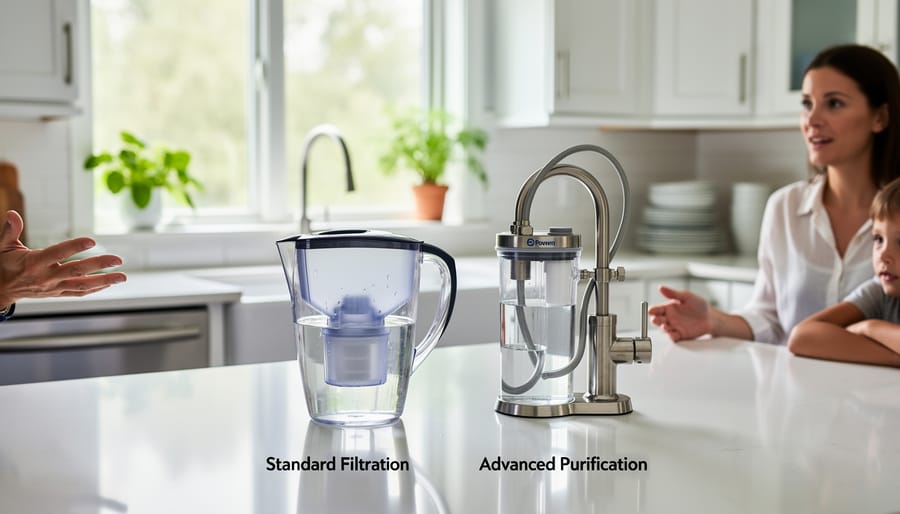
Understand that most pitcher systems filter water rather than purify it—a critical distinction that affects what contaminants they can remove. Filters reduce chlorine, sediment, and some heavy metals through activated carbon and ion exchange resins, while true purification eliminates bacteria, viruses, and parasites through methods like UV treatment or reverse osmosis. Standard Brita and PUR pitchers don’t qualify as purifiers under EPA standards, though they effectively improve taste and reduce common contaminants in municipally-treated water.
Check your water quality report before purchasing any system. Municipal water already meets safety standards, so your pitcher likely addresses aesthetic concerns like taste and odor rather than health threats. If you’re dealing with well water, confirmed bacterial contamination, or specific pollutants like lead or PFAS, verify that your chosen pitcher’s NSF certification covers those exact contaminants—many don’t.
Evaluate the total cost of ownership beyond the initial purchase price. Replacement filters typically cost fifteen to forty dollars every two to six months, potentially exceeding two hundred dollars annually. Calculate your household’s daily water consumption to determine if a pitcher’s limited capacity fits your needs, or if you’d benefit from a larger filtration system.
Consider the environmental impact of your choice. While pitcher systems reduce plastic bottle waste, the disposable filter cartridges create their own waste stream. Look for brands offering recycling programs or explore longer-lasting filters to minimize your ecological footprint while improving your drinking water quality.
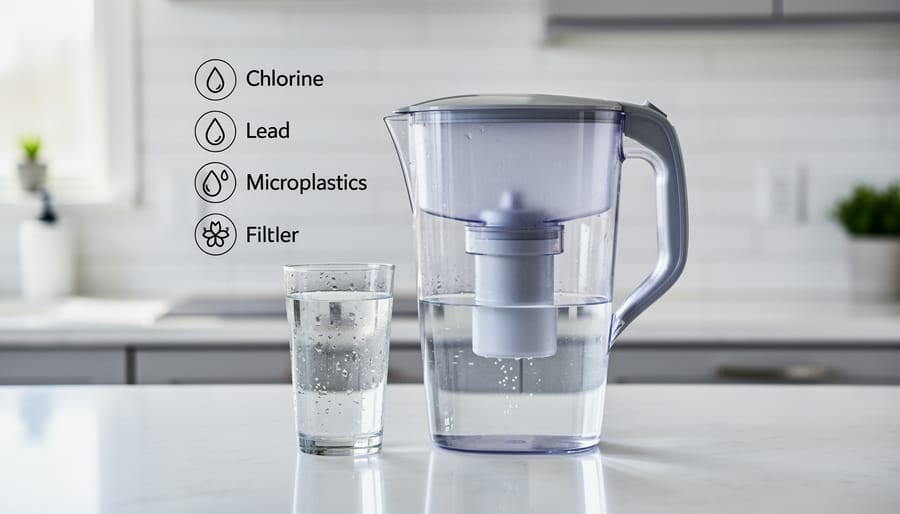
The Critical Difference Between Filtered and Purified Water
What Water Filtration Actually Does
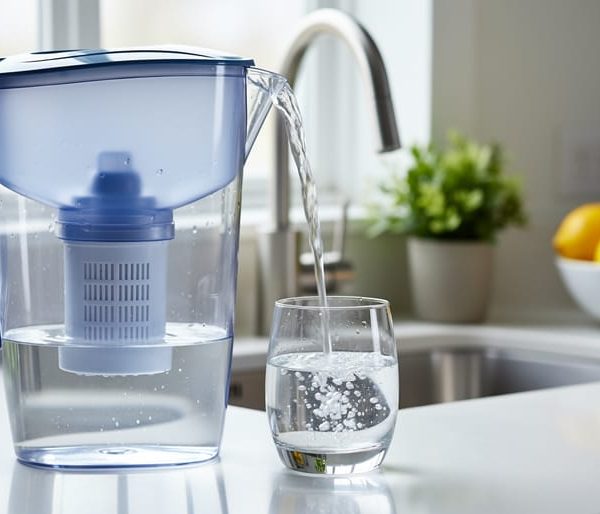
Water filtration pitchers work by passing tap water through a multi-layer cartridge that physically traps and chemically absorbs certain contaminants. The typical filter contains activated carbon, which excels at removing chlorine (that chemical taste and smell), along with ion-exchange resins that reduce some heavy metals like copper and mercury. Many also include a mesh layer that catches sediment and particles.
These pitchers effectively improve taste and remove common chemical additives found in municipal water supplies. They’re particularly good at addressing aesthetic concerns—making your water clearer, fresher-tasting, and more pleasant to drink. Some advanced models can reduce trace amounts of lead, pesticides, and pharmaceutical residues, though effectiveness varies by brand.
However, it’s important to understand their limitations. Standard pitcher filters don’t eliminate bacteria, viruses, or dissolved minerals like calcium and magnesium. They won’t transform unsafe water into drinkable water—they’re designed to polish already-treated municipal water. Filter capacity typically ranges from 40 to 150 gallons before replacement is needed, and filtration speed depends on water pressure and filter condition. For households seeking basic taste improvement and chlorine removal, these systems offer an accessible, low-cost solution that reduces reliance on single-use plastic bottles.
True Water Purification: What It Takes
True water purification means removing virtually all contaminants, including viruses, bacteria, heavy metals, and dissolved solids. According to EPA standards, purified water must reduce total dissolved solids (TDS) to less than 10 parts per million. This level of treatment requires technologies like distillation, deionization, or reverse osmosis systems that use semipermeable membranes to block microscopic contaminants.
Most pitcher systems fall short of true purification because they rely on activated carbon and basic ion exchange resins. These materials excel at improving taste by removing chlorine and reducing some heavy metals, but they cannot eliminate viruses, bacteria, or significantly reduce TDS levels. The gravity-fed design of pitchers also limits contact time between water and filter media, making comprehensive purification nearly impossible.
Achieving genuine purification in a pitcher format would require incorporating multiple filtration stages, including ultrafiltration membranes capable of blocking particles as small as 0.01 microns. While a few advanced pitchers attempt this with added purification layers, they process water much more slowly and cost considerably more than standard models. For most households, these pitcher limitations mean you are getting filtered water rather than truly purified water.
Do You Actually Need Purified Water from Your Pitcher?
Testing Your Water: Know What You’re Dealing With
Before investing in any water pitcher, understanding what’s actually in your tap water is essential. Testing your water helps you identify specific contaminants and choose a pitcher designed to address your particular concerns.
Start by requesting a Consumer Confidence Report from your local water utility—it’s free and shows detected contaminants in your area. However, this only reflects water quality at the treatment plant, not what flows from your specific tap. For a more accurate picture, consider a home water testing kit or professional lab analysis. Home kits typically cost between $20-$150 and test for common issues like lead, chlorine, bacteria, pesticides, and hardness minerals.
When interpreting results, compare them against EPA’s Maximum Contaminant Levels. Pay special attention to lead (particularly in older homes), chlorine byproducts, and any contaminants exceeding safe thresholds. This information becomes your shopping guide—if you have high lead levels, prioritize pitchers with NSF certification for lead reduction. Detecting pesticides? Look for activated carbon filters specifically rated for organic chemicals. Understanding your baseline water quality ensures you’re not just buying a pitcher, but selecting the right solution for your household’s unique needs.
When Standard Filtration Is Enough
For most homeowners connected to municipal water systems, standard pitcher filters provide more than adequate protection for everyday drinking water needs. If your tap water comes from a city or town supply that already meets EPA safety standards, a basic activated carbon filter effectively handles the most common concerns: reducing chlorine taste and odor, removing sediment, and minimizing trace metals like copper and lead from household plumbing.
These pitchers shine when your water quality report shows no major contaminants and you simply want better-tasting water for drinking and cooking. They’re also an environmentally-friendly choice compared to bottled water, cutting plastic waste while delivering clean, refreshing water at a fraction of the cost. Most municipal systems already remove harmful bacteria and pathogens through chlorination, so additional purification typically isn’t necessary unless you have specific health concerns or compromised immunity. Standard filtration strikes the perfect balance between improvement and practicality for households with reliable city water.
Technologies That Get Closest to Purification in Pitcher Format
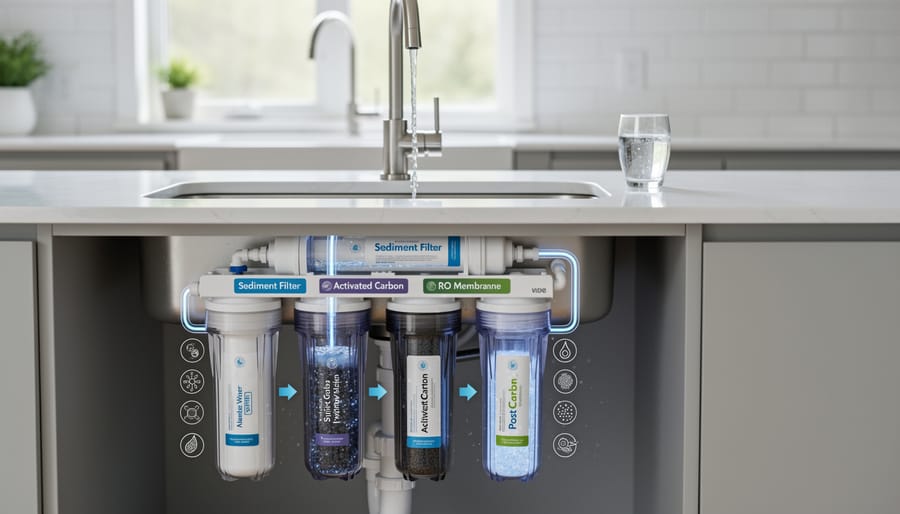
Multi-Stage Filtration Systems
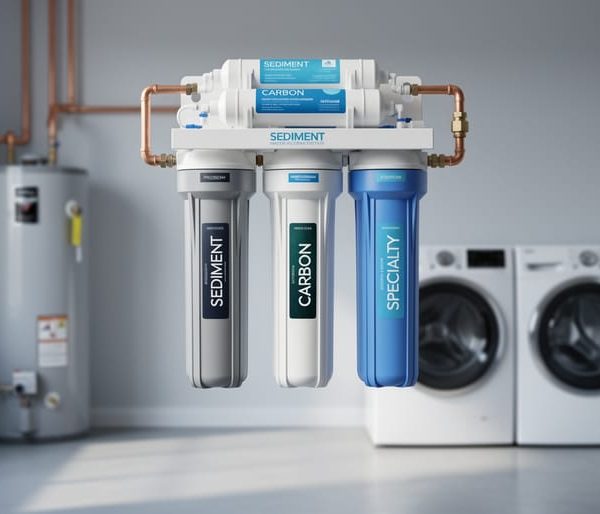
Advanced purified water pitchers feature multi-stage filtration systems that provide layers of protection beyond what single-filter models offer. These systems typically combine three to five distinct filtration stages, each targeting specific contaminants.
The first stage usually catches larger particles like sediment and rust through a mesh pre-filter. The second stage employs activated carbon to remove chlorine, pesticides, and compounds that affect taste and odor. Additional stages may include ion exchange resins to reduce heavy metals like lead and mercury, plus specialized media for fluoride or pharmaceutical residue removal.
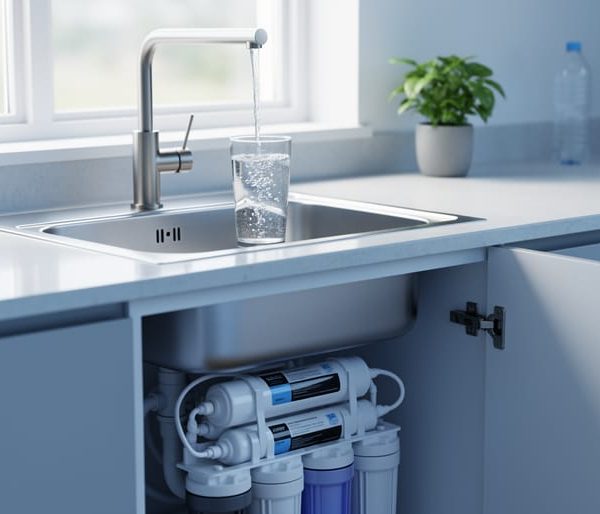
This layered approach means each filter component can focus on what it does best, resulting in more thorough water treatment. While basic pitchers might miss certain dissolved contaminants, multi-stage systems capture a broader spectrum of impurities. The trade-off is slightly slower filtration speeds and higher replacement filter costs, but for households concerned about comprehensive protection, the investment often proves worthwhile. These advanced pitchers bridge the gap between simple filtration and complex under-sink systems, making cleaner water accessible without major installations.
Emerging Technologies and Innovations
The water pitcher industry is evolving rapidly, with several manufacturers developing technologies that bridge the gap between conventional filtration and true purification. These innovations are bringing laboratory-grade water treatment into everyday kitchens.
Some cutting-edge pitchers now incorporate hollow fiber membrane technology, originally developed for outdoor survival equipment and emergency relief. These ultra-fine membranes feature microscopic pores measuring just 0.1 to 0.2 microns, small enough to physically block bacteria and some parasites while allowing water molecules to pass through. This represents a significant leap beyond traditional carbon-based filters.
Another breakthrough involves multi-stage hybrid systems that combine activated carbon with ion-exchange resins and selective filtration membranes. These advanced configurations can target specific contaminants more effectively than single-media filters, including certain pharmaceutical residues and industrial chemicals that standard pitchers miss.
Researchers are also exploring biomimetic materials inspired by natural water purification processes, such as proteins that mimic cell membranes. While still emerging, these sustainable alternatives promise reduced environmental impact compared to conventional plastic cartridges.
For environmentally-conscious homeowners, these innovations offer hope for pitcher systems that deliver genuinely cleaner water without the waste associated with bottled water, though understanding their actual capabilities versus marketing claims remains essential.
What to Look for When Shopping for a ‘Purified Water’ Pitcher
Certifications That Actually Mean Something
When shopping for a water pitcher, look beyond flashy marketing claims and focus on independent certifications from NSF International and the American National Standards Institute. These third-party verifications tell you exactly what contaminants a pitcher actually removes, not just what the manufacturer wants you to believe.
NSF/ANSI Standard 42 addresses aesthetic concerns like chlorine taste, odor, and sediment. It makes water more pleasant to drink but doesn’t guarantee removal of health-related contaminants. Standard 53 is more rigorous, certifying reduction of specific health hazards including lead, cysts, and certain volatile organic compounds.
The game-changer is NSF/ANSI Standard 401, introduced to address emerging contaminants that older standards missed. This certification tests for pharmaceuticals, herbicides, and pesticides that increasingly appear in municipal water supplies. If you’re concerned about modern water quality issues, look for pitchers with 401 certification.
Why does certification matter? Manufacturers can claim anything without proof, but NSF certification requires independent laboratory testing and ongoing monitoring. Check the certification details, not just the logo. A pitcher might display an NSF mark but only be certified for taste improvement, not contaminant removal. Visit NSF’s website or check the product documentation to verify exactly which standards apply and what contaminants are reduced.
Reading Between the Marketing Lines
When evaluating water pitchers, manufacturers often use persuasive language that deserves closer scrutiny. A claim like “removes 99% of contaminants” sounds impressive, but the critical question is: which contaminants? Many pitchers excel at reducing chlorine taste and odor while barely touching harmful substances like lead or arsenic.
Look for specific contaminant lists rather than vague promises. Reputable brands provide detailed performance data sheets showing reduction percentages for individual substances. If a product claims to “purify” water, check whether it’s certified by independent organizations like NSF International or the Water Quality Association. These certifications verify actual performance rather than marketing aspirations.
Be wary of phrases like “removes up to” or “reduces most,” which leave significant wiggle room. A pitcher might remove 95% of chlorine but only 50% of certain heavy metals. Understanding your local water quality report helps you match a product’s genuine capabilities with your specific needs. The most eco-conscious choice isn’t always the pitcher with the boldest claims, but rather one transparently addressing the contaminants actually present in your water supply.
Top Pitcher Options for Different Water Quality Needs
Best for Municipal Water Quality Improvement
If you’re connected to a municipal water system, your water has already undergone treatment, but it often retains chlorine taste, odors, and dissolved minerals that affect flavor. Pitchers designed for city water focus on activated carbon filtration to tackle these specific concerns. These filters excel at removing chlorine and chloramine (common disinfectants that leave a chemical taste), along with volatile organic compounds that create unpleasant smells.
Most municipal-optimized pitchers use granular or block activated carbon combined with ion-exchange resins. This combination targets the typical culprits in city water: metallic tastes from copper pipes, temporary hardness from calcium and magnesium, and sediment particles. Look for models certified to reduce chlorine taste and odor by at least 97%, which dramatically improves your drinking experience.
These pitchers represent an eco-friendly alternative to bottled water while addressing the aesthetic water quality issues that bother homeowners most. They won’t eliminate all contaminants like heavy-duty purification systems, but they’ll transform your tap water into refreshing, great-tasting hydration for daily use.
Heavy Metal and Lead Reduction Champions
If heavy metals like lead or copper are your primary concern, certain pitcher models stand out for their specialized filtration capabilities. Look for pitchers certified by NSF International specifically for Standard 53, which tests reduction of health-related contaminants including lead, mercury, and copper. The most effective models typically use activated carbon combined with ion-exchange resin, a powerful duo that attracts and traps metallic particles at the molecular level.
Top performers in independent testing consistently remove 99% or more of lead, making them particularly valuable for homes with older plumbing systems where lead contamination remains a risk. Some advanced models also target cadmium, chromium, and arsenic. When evaluating options, check certification documents rather than relying solely on packaging claims. Remember that filter lifespan directly impacts performance—even the best filters lose effectiveness over time. Most heavy metal reduction filters require replacement every 40-60 gallons or roughly every two months for average households. This eco-conscious investment protects both your family’s health and reduces reliance on single-use plastic bottles while addressing one of drinking water’s most serious contamination concerns.
High-Capacity Options for Families
For households with multiple people or high daily water consumption, larger-capacity purified water pitchers become essential. Standard 10-cup pitchers often require multiple daily refills, which can feel inconvenient for busy families. Fortunately, several brands now offer 18 to 23-cup models that maintain the same filtration quality while reducing refill frequency.
These high-capacity options typically feature the same multi-stage filtration systems found in smaller versions, removing chlorine, heavy metals, and common contaminants. The key difference lies in reservoir design—larger pitchers often incorporate wider filter housings to maintain consistent flow rates despite increased volume.
For even greater convenience, consider countertop dispensers with 1 to 2.5-gallon capacities. These units eliminate lifting heavy pitchers and provide easy-access spigots, making them ideal for children and elderly family members. While they occupy more counter space, dispensers reduce plastic waste by minimizing the temptation to buy bottled water for convenience.
When selecting high-capacity options, verify that filter lifespan matches your usage patterns. Some families may need monthly filter replacements rather than the standard two-month cycle, impacting long-term costs and environmental footprint.
The Environmental Reality of Water Filter Pitchers
Filter Cartridge Waste: The Uncomfortable Truth
Here’s an uncomfortable reality: Americans discard roughly 100 million water pitcher filters annually, most ending up in landfills. These cartridges contain plastics, activated carbon, and ion-exchange resins that don’t biodegrade for hundreds of years. Unlike recyclable containers, most municipal programs won’t accept used filters due to their mixed materials and potential contaminants.
The good news? Change is emerging. Some manufacturers now offer mail-back recycling programs where you return used cartridges for proper processing. A few innovative brands have introduced refillable filter systems, allowing you to replace only the carbon media rather than the entire plastic housing. While these options typically cost slightly more upfront, they can reduce filter waste by up to 80 percent over a pitcher’s lifetime.
Before purchasing, research whether your chosen brand participates in take-back programs or offers sustainable alternatives. Supporting companies prioritizing eco-design encourages industry-wide shifts toward more responsible water treatment solutions.
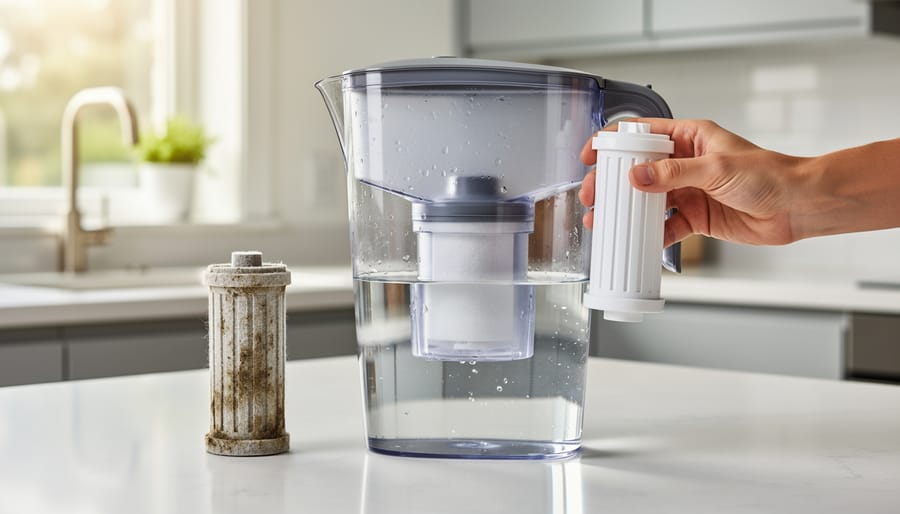
Maintenance and Filter Replacement: Getting What You Pay For
Understanding filter replacement is essential to getting the performance and value you expect from your water pitcher. Most filters last between 40-150 gallons or roughly two to six months, depending on your water quality and usage. However, marketing claims can be misleading, so it’s important to track actual performance rather than relying solely on manufacturer timelines.
Your filter’s effectiveness diminishes gradually, not suddenly. Watch for signs like slower filtration speed, changes in water taste or smell, or visible particles in your filtered water. Many modern pitchers include electronic indicators that track gallons filtered, which provides more accuracy than simple time-based reminders.
The true cost of ownership extends far beyond the initial pitcher price. A 30-dollar pitcher requiring expensive proprietary filters every two months can cost significantly more annually than a 60-dollar model with affordable, longer-lasting filters. Calculate your yearly filter expenses by multiplying the cost per filter by how many you’ll need based on your household’s water consumption. For a family using two gallons daily, that’s roughly 730 gallons annually.
From an environmental perspective, consider filter recycling programs offered by some manufacturers. This aligns with sustainable living practices by keeping used cartridges out of landfills. Some brands now offer compostable or recyclable filter components, reducing the ecological footprint of regular replacements.
Create a replacement schedule based on actual gallons filtered rather than arbitrary time periods. This ensures you’re drinking optimally filtered water while maximizing each filter’s lifespan, protecting both your health and wallet.
Understanding the difference between filtered and purified water empowers you to cut through marketing hype and choose what truly fits your needs. Most water pitchers filter rather than purify, which works perfectly well for typical municipal water quality issues like chlorine taste and basic contaminants. However, if your water contains serious concerns like heavy metals, bacteria, or high dissolved solids, a pitcher likely won’t provide adequate protection.
Start by testing your water to know exactly what you’re dealing with. Many local water utilities offer free reports, or you can purchase affordable home testing kits. Once you understand your water quality, match your pitcher choice to those specific contaminants rather than believing blanket purification claims.
For households with genuinely contaminated water sources, consider whole-house solutions that address issues at the source rather than relying on a countertop pitcher. This sustainable approach reduces filter waste while ensuring every tap delivers safe water. Remember, the greenest choice is the one that effectively meets your actual needs without overbuying unnecessary technology or constantly replacing undersized filters.