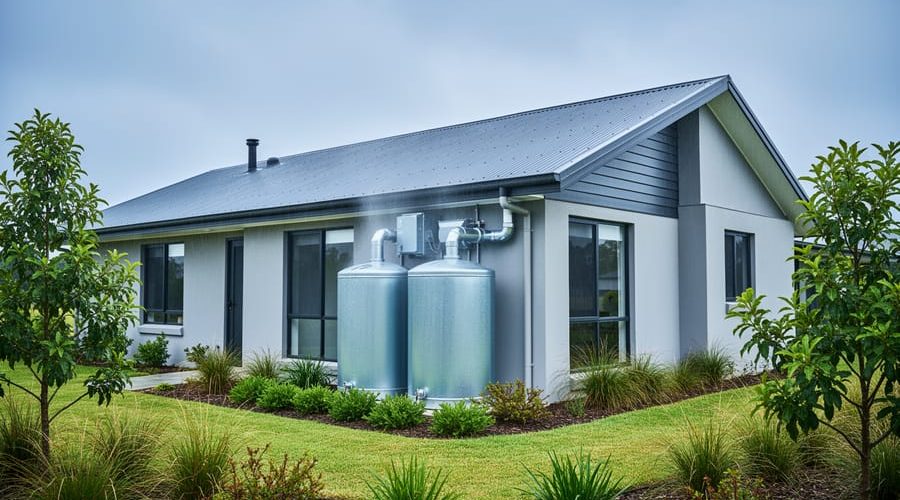
Large-scale rainwater harvesting systems capture and store thousands of gallons of precipitation, transforming rooftops and landscapes into reliable water sources that can reduce municipal water bills by 40-60% while protecting your property from stormwater damage. These comprehensive installations go far beyond basic rain barrels, incorporating sophisticated filtration, underground storage tanks ranging from 1,000 to 50,000 gallons, and distribution systems that integrate seamlessly with your home’s existing plumbing.
Calculate your roof’s collection potential by multiplying its square footage by 0.623—this tells you how many gallons one inch of rainfall produces. A 2,000-square-foot roof generates approximately 1,246 gallons per inch, meaning even moderate annual rainfall can supply substantial water for irrigation, toilet flushing, laundry, and with proper treatment, drinking water.
Evaluate your property’s suitability by assessing three critical factors: available space for above-ground or underground storage, roof material compatibility (metal and tile work best while asphalt shingles require additional filtration), and local building codes that may require specific backflow prevention or overflow management systems.
Investment costs typically range from $5,000 for modest 1,500-gallon systems to $25,000+ for whole-house solutions exceeding 10,000 gallons, with most homeowners seeing complete payback within 7-12 years through reduced water bills and increased property value. The decision ultimately depends on your water usage patterns, local rainfall averages, and commitment to sustainable living practices that reduce environmental impact while creating genuine long-term household savings.
What Qualifies as a Large Rainwater Harvesting System?
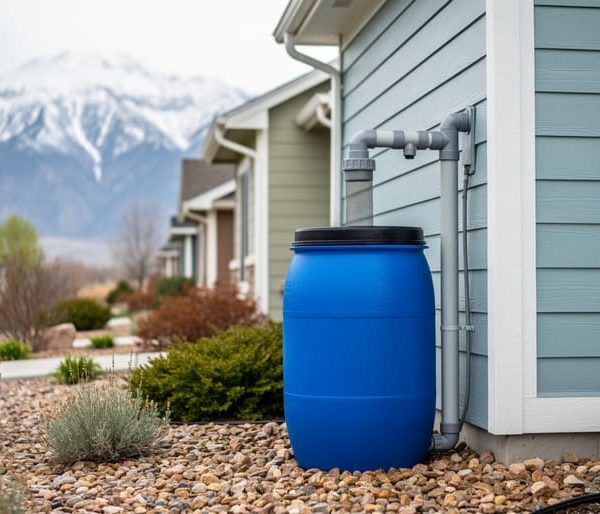
When most people think about collecting rainwater, they picture a simple rain barrel tucked beside the house. While that’s a great starting point for rainwater harvesting basics, a large rainwater harvesting system operates on an entirely different scale and sophistication level.
Large rainwater harvesting systems typically start at a minimum capacity of 5,000 gallons, though many homeowners installing these systems opt for 10,000 to 20,000 gallons or more. To put this in perspective, a standard rain barrel holds just 50-80 gallons, meaning a large system can store the equivalent of 60 to 250 rain barrels worth of water. This substantial capacity allows you to collect enough rainwater during wet seasons to maintain household water needs through dry periods.
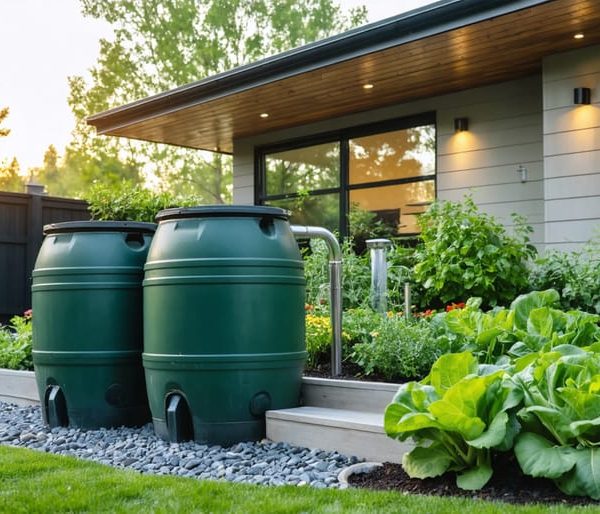
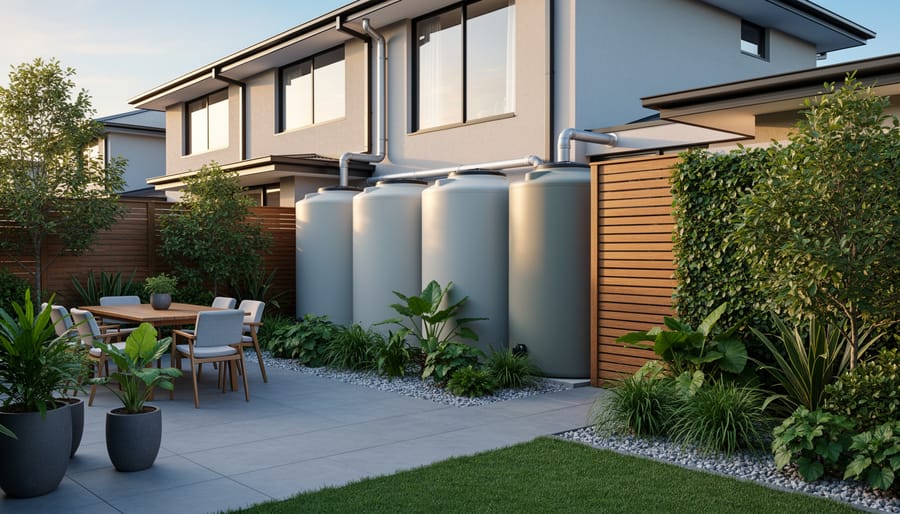
The distinction between small and large systems goes far beyond just size. While a basic rain barrel setup involves a simple container with a spigot collecting water from a downspout, large systems incorporate commercial-grade components designed for long-term reliability and efficiency. These include multiple storage tanks (often buried underground to save space and keep water cool), sophisticated filtration systems that remove debris and contaminants, pressure pumps that deliver water throughout your property, and automated controls that manage water flow and distribution.
Large systems also feature first-flush diverters that automatically discard the initial dirty runoff from your roof, UV sterilization or advanced filtration for potable water applications, and overflow management systems that prevent flooding while directing excess water appropriately. The plumbing integration is substantially more complex, often connecting to your home’s existing water system to supply toilets, washing machines, irrigation systems, and even indoor faucets when properly treated.
This infrastructure represents a significant upgrade in both capability and investment, transforming rainwater collection from a supplemental garden watering solution into a comprehensive water management system that can dramatically reduce or even eliminate your dependence on municipal water supplies.
The Real Benefits That Make Large Systems Worth the Investment
Cost Savings That Add Up Fast
The financial benefits of a large rainwater harvesting system become clear when you examine real-world numbers. An average household uses about 300 gallons of water daily, with 30-50% dedicated to outdoor irrigation and landscaping. For a home with a 2,000 square foot roof, you can collect approximately 1,200 gallons from just one inch of rainfall.
In regions where water costs $0.004-0.01 per gallon, annual savings range from $400 to $1,200 for typical residential use. Properties with extensive irrigation needs see even greater returns, potentially saving $2,000-3,500 annually. In drought-prone areas where water restrictions drive prices higher, these numbers can double.
When combined with greywater recycling, homeowners maximize their water independence and cost reductions. Most large systems pay for themselves within 5-10 years, depending on regional water costs and household consumption patterns. Beyond direct savings, you’ll also benefit from reduced stormwater fees in some municipalities and protection against rising water rates, making this investment increasingly valuable over time.
Environmental Impact You Can Actually Measure
When you invest in a large rainwater harvesting system, you’re creating environmental benefits that go far beyond your property line. Let’s break down the measurable impacts you can expect.
First, there’s stormwater runoff reduction. A typical residential rainwater system can divert 40,000 to 100,000 gallons annually from storm drains, depending on your roof size and local rainfall. This means less polluted runoff entering nearby streams and rivers. For perspective, during a one-inch rain event, a 2,000 square foot roof generates approximately 1,200 gallons of water that would otherwise flow into storm systems, carrying fertilizers, oils, and other contaminants.
Your system also reduces the energy footprint of municipal water treatment. Every 1,000 gallons of rainwater you use saves the energy required to pump, treat, and deliver that water to your home. Studies show this can reduce associated carbon emissions by roughly 0.4 pounds per 1,000 gallons, a modest but meaningful contribution when multiplied across thousands of homes.
Perhaps most importantly, you’re helping preserve groundwater reserves. In many regions, aquifers are being depleted faster than they can naturally recharge. By substituting rainwater for well water or municipal supplies drawn from underground sources, you’re directly reducing the strain on these critical resources. A household using rainwater for irrigation and non-potable needs can offset 30-50% of their total water consumption, making a tangible difference in water conservation efforts that future generations will appreciate.
Essential Components of a Large-Scale System
Collection Surface and Gutter Systems
Your roof is the foundation of effective rainwater harvesting, and understanding how to optimize it makes all the difference. Most roofing materials work well for collection, though metal roofs are ideal because they’re smooth, durable, and don’t absorb water. Asphalt shingles and tiles also perform adequately, but avoid roofs with toxic treatments or materials that could contaminate your water supply.
To calculate your potential collection, multiply your roof’s square footage by the rainfall in inches, then multiply by 0.623 to get gallons. For example, a 2,000 square foot roof during a 1-inch rain event yields approximately 1,246 gallons—though you’ll collect slightly less due to evaporation and splashing.
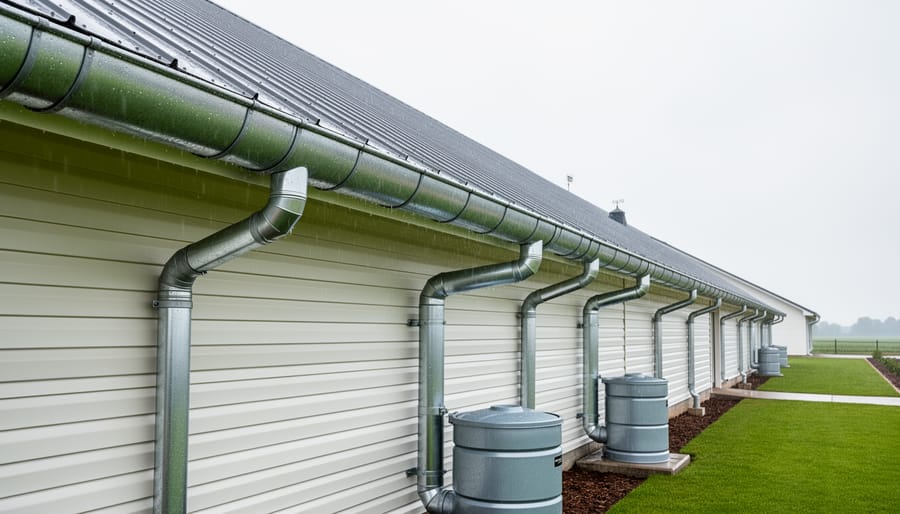
Proper gutter collection systems are essential for channeling water efficiently into storage tanks. Size your gutters and downspouts based on your roof area and local rainfall intensity. Larger systems typically require 6-inch gutters instead of standard 5-inch ones to handle heavy downpours without overflow. Install gutter guards or leaf screens to prevent debris from entering your system, and ensure a slight slope toward downspouts for optimal drainage. Regular cleaning and maintenance of these collection surfaces maximizes your water yield and keeps your harvested water clean.
Storage Tanks: Materials, Sizing, and Placement
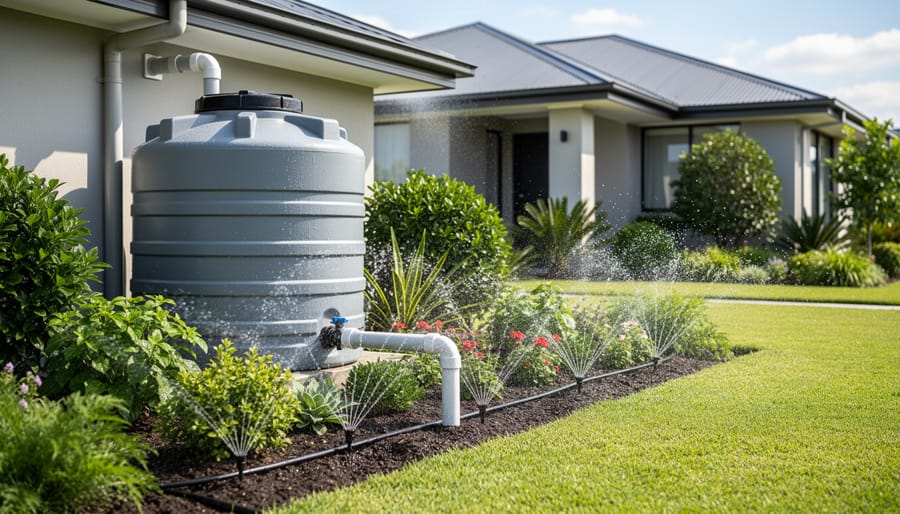
Choosing the right storage tank is crucial for your large rainwater harvesting system’s success. Let’s break down your options to help you make an informed decision.
When it comes to placement, you’ll choose between above-ground and underground tanks. Above-ground tanks are more affordable and easier to install and maintain, but they require space and may not suit every landscape aesthetic. Underground tanks stay hidden, save yard space, and keep water cooler (reducing algae growth), but they cost more upfront and require professional excavation.
Material selection impacts durability and water quality. Polyethylene tanks are lightweight, rust-resistant, and budget-friendly, making them popular for residential systems. They typically last 10-20 years. Concrete tanks offer exceptional durability and natural cooling properties, lasting 50+ years, but they’re heavy and require professional installation. Steel tanks provide strength and large capacity options but need special linings to prevent rust and water contamination.
To calculate your needed capacity, start with your goals. Multiply your roof’s catchment area (in square feet) by your area’s average rainfall, then by 0.623 to convert to gallons. For example, a 2,000-square-foot roof in an area receiving 30 inches of annual rainfall could collect approximately 37,380 gallons yearly. Most large residential systems store 5,000-10,000 gallons, providing several weeks of non-potable water supply.
Strategic placement considerations include proximity to downspouts, level ground for stability, accessibility for maintenance, local setback requirements, and integration with your landscape design for a cohesive, eco-friendly appearance.
Filtration and First Flush Diverters
Clean water starts with proper filtration, and for large rainwater harvesting systems, this becomes even more critical due to the volume of water you’re collecting and storing. Think of filtration as your defense against leaves, dirt, pollen, bird droppings, and other contaminants that wash off your roof during rainfall.
A multi-stage filtration approach works best for large systems. The first line of defense is typically a screen or mesh filter at the gutter level, catching larger debris like leaves and twigs before they enter your downspouts. Next, you’ll want a pre-tank filter that removes smaller particles—usually around 1mm in size—protecting your storage tank from sediment buildup.
Here’s where first flush diverters become essential. During the initial minutes of rainfall, your roof surface releases the highest concentration of pollutants that have accumulated since the last rain. A first flush diverter automatically diverts this contaminated water away from your storage tank, usually capturing the first 10-20 gallons per 1,000 square feet of roof area. This simple device dramatically improves your stored water quality by preventing the dirtiest water from entering your system.
For large systems intended for indoor use, post-storage filtration adds another protective layer. Depending on your intended use, this might include sediment filters, activated carbon filters for taste and odor, or UV sterilization for complete pathogen elimination. While these multi-stage systems require more upfront investment, they ensure your harvested rainwater meets quality standards while extending the life of your entire system by reducing maintenance needs.
Designing Your System: Key Considerations Before You Build
Calculating Your Collection Potential
Understanding your collection potential starts with a straightforward formula: multiply your roof’s square footage by the rainfall amount, then by 0.623 to convert to gallons. For example, a 2,000 square foot roof in an area receiving 30 inches of annual rainfall can theoretically harvest about 37,380 gallons per year.
Here’s the basic calculation: Roof Area (sq ft) × Rainfall (inches) × 0.623 = Gallons Collected
Let’s look at real-world scenarios. A homeowner in Seattle with a 2,500 square foot roof and 38 inches of annual rain could collect approximately 59,185 gallons annually. Meanwhile, someone in Phoenix with the same roof size but only 8 inches of rainfall would harvest around 12,460 gallons. Your local rainfall data dramatically impacts your system’s effectiveness.
Keep in mind this formula represents ideal conditions. Account for about 10-25% loss due to evaporation, overflow, and system inefficiencies. Most homeowners can realistically expect to capture 75-90% of the calculated amount, which still provides substantial water savings for irrigation, toilet flushing, and other non-potable uses.
Local Regulations and Permits
Before installing a large rainwater harvesting system, understanding your local regulations is essential to ensure compliance and avoid costly surprises. Many municipalities classify systems based on storage capacity, with those exceeding 5,000 gallons often requiring permits and inspections. These regulations exist to protect public health, prevent mosquito breeding, and ensure structural safety.
Start by contacting your local building department or water authority to learn specific requirements in your area. Common permit considerations include system design approval, property setbacks, overflow management, and whether you’ll use collected water for potable or non-potable purposes. Some regions offer incentives like rebates or expedited permits for rainwater harvesting, while others may have restrictions during drought conditions.
You’ll typically need detailed plans showing tank placement, plumbing connections, and filtration systems. Professional installers familiar with local codes can streamline this process significantly. Additionally, verify if your homeowners association has guidelines that might affect installation locations or aesthetic considerations.
Building codes may also require backflow prevention devices to protect municipal water supplies and specific filtration standards if you’re treating harvested water for indoor use. Taking time to navigate these requirements upfront ensures your eco-friendly investment operates legally and safely for years to come.
Site Assessment and Foundation Requirements
Before installing a large rainwater harvesting system, conducting a thorough site assessment is essential to ensure long-term success and safety. Start with a professional soil analysis to determine ground stability and drainage characteristics. Clay-heavy soils may require additional preparation, while sandy soils might need compaction to support heavy water tanks.
Evaluate your property’s slope and terrain carefully. Ideally, tanks should sit on level ground or be terraced into hillsides with proper retaining structures. Sloped areas affect water flow and require strategic placement to maximize gravity-fed distribution while preventing erosion around the foundation.
Foundation requirements depend on your tank size and material. A 10,000-gallon system can weigh over 80,000 pounds when full, necessitating a reinforced concrete pad or compacted gravel base. Smaller modular systems may only need level, compacted earth. Always follow manufacturer specifications and local building codes.
Plan for maintenance accessibility from the start. Ensure trucks can reach the site for initial installation and future repairs. Leave adequate clearance around tanks for inspections, filter changes, and pump servicing. Consider pathway lighting and safe footing for routine checks. Proper planning now prevents costly modifications and ensures your eco-friendly investment performs optimally for decades.
Installation Options: DIY vs. Professional Setup
Deciding between DIY installation and professional setup for a large rainwater harvesting system depends heavily on the complexity of your project and your skill level. Understanding what’s realistic for homeowners to handle themselves can save you thousands of dollars while ensuring safety and functionality.
For smaller systems (under 500 gallons) with above-ground storage tanks, DIY installation is often manageable if you have basic plumbing and carpentry skills. You’ll need to install gutters if they’re not adequate, position and level the tank, connect downspouts with appropriate filtration, and set up an overflow system. Expect to invest 2-3 weekends and roughly $800-$2,000 in materials. However, this approach requires careful attention to local building codes and proper foundation preparation.
Large systems exceeding 1,000 gallons typically demand professional expertise. These installations involve underground tanks requiring excavation, complex pump systems, pressure tanks, and integration with household plumbing. Professionals bring specialized equipment, proper permitting knowledge, and liability insurance. While DIY might cost $3,000-$5,000 for a 2,500-gallon system, professional installation ranges from $8,000-$15,000 but includes engineered designs, warranty protection, and code compliance guarantees.
A hybrid approach offers the best value for many homeowners. You can handle prep work like clearing the installation area, trenching for pipes (if allowed by code), and installing gutters yourself, then hire professionals for technical components like pump installation, electrical work, and backflow prevention devices. This combination can reduce professional costs by 20-30 percent while ensuring critical systems meet safety standards.
Timeline expectations differ significantly: DIY projects often stretch over several weekends due to learning curves and troubleshooting, while professional crews typically complete installations within 3-5 days. Consider that mistakes in DIY installations, particularly with water pressure management or structural support, can lead to expensive repairs that negate initial savings. Always consult with professionals during planning stages, even if you ultimately choose DIY installation.
Maintaining Your System for Long-Term Performance
Quarterly and Annual Maintenance Tasks
Keeping your large rainwater harvesting system in peak condition requires attention beyond monthly checks. Every three months, inspect and clean your gutters and downspouts thoroughly, removing leaves, debris, and sediment buildup that can reduce water flow and quality. This matters because clogged gutters can overflow during heavy rains, meaning you miss valuable collection opportunities and risk water damage to your home.
Quarterly tasks also include checking all pipe connections and joints for leaks or corrosion. Even small drips waste collected water and can indicate larger problems developing. Tighten loose fittings and replace worn washers to maintain system efficiency.
Your annual maintenance checklist should prioritize a comprehensive tank inspection. Drain your storage tank completely at least once yearly to remove accumulated sediment and inspect the interior for cracks, algae growth, or structural concerns. This preventive step protects your water quality and extends your tank’s lifespan by decades.
Annual pump maintenance is equally important. Test pump performance, lubricate moving parts according to manufacturer specifications, and replace filters. A well-maintained pump uses less energy and prevents costly emergency repairs.
Finally, conduct a yearly review of your first flush diverter and filtration system. Replace filter cartridges as needed and ensure diverters are functioning correctly to keep initial dirty runoff from entering your storage tank. These components are your first defense against contamination, making them essential for safe water collection.
Document all maintenance activities with dates and observations. This record helps you identify patterns and anticipate component replacement needs, ensuring your sustainable water system continues delivering value for years to come.
Water Quality Testing and Treatment
Testing your harvested rainwater ensures it’s safe for its intended purpose. For non-potable uses like irrigation and toilet flushing, visual inspection and basic pH testing are typically sufficient. Simply check that water appears clear and maintains a pH between 6.5 and 8.5. However, if you plan to use rainwater for drinking or cooking, professional laboratory testing becomes essential.
Professional water testing examines bacteria levels, heavy metals, and chemical contaminants. Most municipalities and private labs offer comprehensive testing packages specifically designed for rainwater systems, costing between $150 to $300 annually. The EPA recommends testing drinking water at least once per year, or more frequently if your roof materials include older paints or if you live near industrial areas.
Treatment options depend on your water quality results and intended uses. First-flush diverters remove initial roof runoff containing most contaminants. For potable water, consider installing UV sterilization systems to eliminate bacteria and viruses, combined with carbon filtration to remove chemicals and improve taste. Sediment filters handle particles, while reverse osmosis provides the highest purification level. These eco-friendly treatment solutions ensure your large rainwater harvesting system delivers clean, safe water while supporting sustainable living practices.
Real-World Costs: Breaking Down Your Investment
Understanding the financial commitment of a large rainwater harvesting system helps you make an informed decision about this sustainable investment. Let’s break down what you can expect to spend and when you’ll see returns.
Initial equipment costs for a large system typically range from $5,000 to $15,000, depending on capacity. This includes storage tanks (usually 5,000 to 20,000 gallons), filtration systems, pumps, and distribution networks. Commercial-grade tanks made from food-safe materials represent the largest expense, averaging $1 to $2 per gallon of capacity.
Professional installation adds another $3,000 to $8,000 to your budget. This covers excavation for underground tanks, plumbing integration with your existing water system, electrical work for pumps, and proper grading for water flow. While DIY installation might seem tempting, professional expertise ensures optimal performance and compliance with local codes.
Don’t overlook permit and inspection fees, which vary by location but typically run $200 to $1,000. Many municipalities require engineering plans and regular inspections to ensure your system meets safety standards and doesn’t impact neighborhood drainage patterns.
Ongoing expenses remain modest compared to the initial investment. Annual maintenance includes filter replacements ($100 to $300), pump servicing ($150 to $250), and water quality testing ($50 to $150). Setting aside $400 to $700 yearly keeps your system running efficiently.
Now for the exciting part: return on investment. If you’re supplementing municipal water, expect to save $30 to $100 monthly on utility bills. For properties relying entirely on purchased water delivery, savings jump to $200 to $500 monthly. This means complete systems pay for themselves in 3 to 8 years for heavy users, while supplemental systems break even in 7 to 15 years.
Properties in drought-prone regions or areas with expensive water rates see faster returns. Additionally, rainwater harvesting systems often increase property values by 5 to 10 percent, adding another dimension to your investment calculation.
Investing in a large rainwater harvesting system represents a meaningful commitment to both environmental stewardship and practical water independence. While the upfront costs may seem substantial, the long-term benefits extend far beyond immediate water bill savings. You’re creating a sustainable water source that reduces strain on municipal systems, protects your household during drought restrictions, and significantly decreases your environmental footprint for decades to come.
The key to success lies in starting with thorough assessment and planning. Understanding your property’s rainfall patterns, roof catchment area, and household water needs ensures your system is properly sized and designed for optimal performance. Working with experienced professionals during the planning phase helps you avoid costly mistakes and maximizes your return on investment.
As water scarcity becomes increasingly common and utility costs continue rising, homeowners with established rainwater harvesting systems enjoy both financial resilience and peace of mind. This isn’t just an upgrade to your property—it’s an investment in a more sustainable future that pays dividends through reduced expenses, increased self-sufficiency, and the satisfaction of making a positive environmental impact every single day.